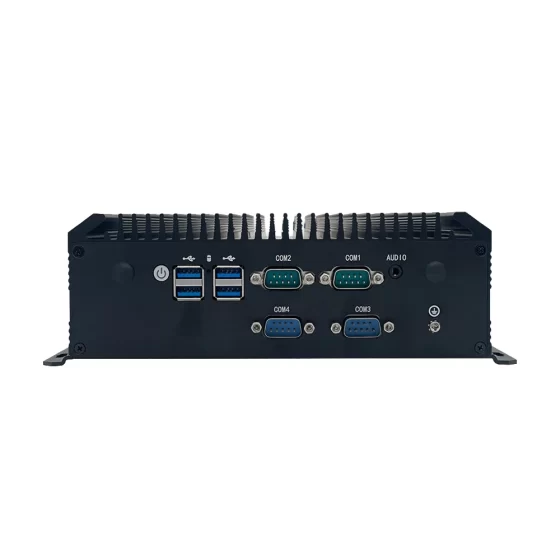
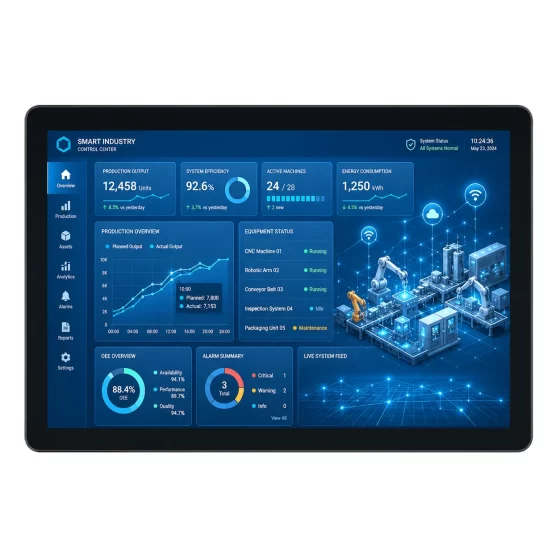
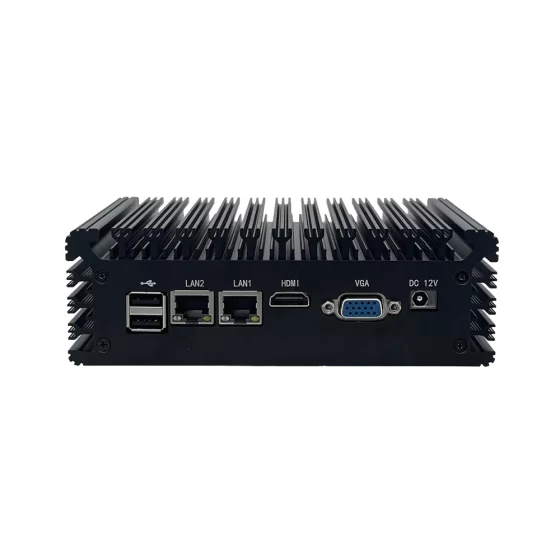
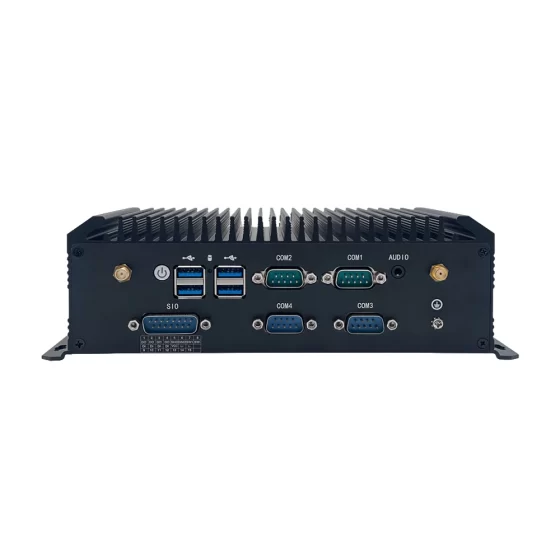
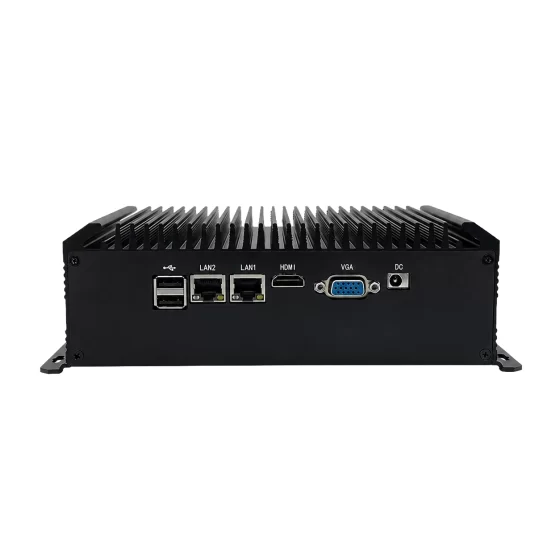
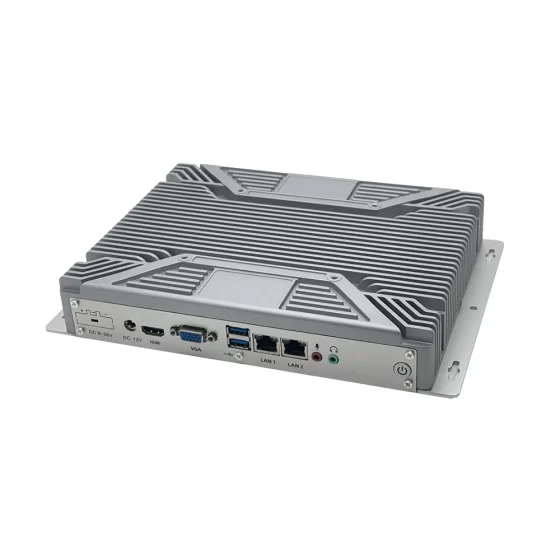
Решения CoreIPC для промышленных вычислений

Мобильный робот, промышленный ПК: Мобильный робот-промышленный компьютер для AGV и периферийных вычислений AMR
Управляющее резюме
Мобильный робот IPC обеспечивает основу промышленных вычислений для навигации AGV и AMR., сенсорный синтез, поддержка управления роботом, восприятие ИИ на периферии, связь флота, мониторинг безопасности, регистрация данных, и принятие решений в режиме реального времени в мобильных системах автоматизации.
Современные мобильные роботы широко используются на складах., заводы, логистические центры, больницы, лаборатории, умные торговые объекты, и среды промышленных услуг. AGV и AMR помогают перемещать материалы, доставлять товары, поддержка производственных линий, автоматизировать внутреннюю логистику, и сократить ручной транспортный труд.
Этим роботам требуются надежные бортовые вычисления..
Мобильный робот-промышленный ПК, построенный на базе промышленного компьютера или встроенного компьютера, может обрабатывать данные LiDAR., камеры, кодеры, ИДУ, датчики глубины, ультразвуковые датчики, контроллеры двигателей, аккумуляторные системы, и модули беспроводной связи. Он может поддерживать навигационное программное обеспечение, Алгоритмы SLAM, краевой вывод ИИ, выполнение задачи роботом, удаленная диагностика, и связь с управлением автопарком.
По сравнению со стандартными потребительскими компьютерами или офисными ПК, промышленные компьютеры лучше подходят для развертывания мобильных роботов, поскольку они имеют прочную конструкцию, компактная установка, работа с низким энергопотреблением, виброустойчивость, безвентиляторные варианты, широкий входной мощности, гибкий ввод-вывод, надежное хранение, и доступность в течение длительного жизненного цикла.
В этой статье объясняется, как платформы IPC мобильных роботов поддерживают приложения AGV и AMR., какие проблемы с развертыванием возникают в реальных роботизированных системах, как работает архитектура решения, и какие аппаратные характеристики имеют значение при выборе промышленного компьютера или встроенного компьютера для приложений мобильных роботов.
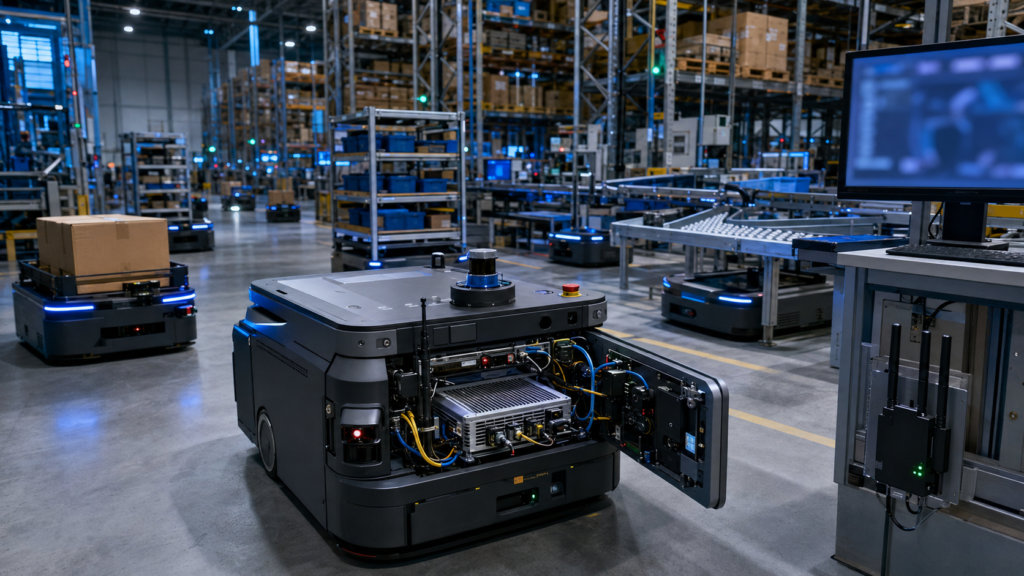
Бортовые периферийные вычисления мобильного робота
Обзор отрасли
Мобильные роботы распространяются по отраслям
Мобильные роботы становятся важной частью автоматизации.
На складах, AMR поддерживают выбор, пополнение, транспорт, сортировка, и инвентаризационные операции. На заводах, AGV и AMR перемещают материалы между производственными линиями, склады, сборочные ячейки, и инспекционные станции. В больницах и лабораториях, мобильные роботы могут перевозить припасы, образцы, лекарство, и оборудование.
Общие приложения для мобильных роботов включают в себя:
- Транспортировка материалов AGV
- Складская логистика АМР
- Автономные тележки
- Мобильные инспекционные роботы
- Роботы для доставки в больницу
- Лабораторные транспортные роботы
- Заводское кормление линии
- Умные роботы для розничной торговли
- Мобильные роботы-охранники
- Автономные роботы-уборщики
- Управление парком роботов
- Умные системы поддержки транспорта
Эти приложения требуют стабильных встроенных вычислений и надежной связи с датчиками робота., контролеры, и платформы флота.
Мобильным роботам нужны локальные периферийные вычисления
Мобильные роботы не могут полностью зависеть от удаленных серверов.
Им необходимо принимать локальные решения, перемещаясь в динамичной среде.. Роботу может потребоваться избегать препятствий, обновить его маршрут, обнаруживать людей, идентифицировать объекты, пристыковаться к зарядной станции, или безопасно остановиться при появлении риска.
Мобильный робот IPC может выполнять эти задачи на борту..
Это может поддержать:
- SLAM-навигация
- Датчик слияния
- Планирование пути
- Обнаружение препятствий
- Обработка камеры
- Обработка данных LiDAR
- Связь управления двигателем
- Мониторинг состояния батареи
- Беспроводное соединение
- Связь с руководством автопарка
- Регистрация локальных событий
- Удаленная диагностика
Эти локальные вычислительные возможности повышают автономность робота и его эксплуатационную надежность..
Промышленные компьютеры составляют основу аппаратного обеспечения роботов
Мобильные роботы работают в реальных условиях.
Они могут перемещаться по складским этажам., Заводские проходы, погрузочные площадки, больничные коридоры, зоны чистых помещений, логистические центры, или прилегающих к открытому пространству.
Эти среды могут включать в себя вибрацию., шок, пыль, изменение температуры, нестабильная мощность, ограниченное пространство, электромагнитный шум, и непрерывное движение.
Промышленные компьютеры и встраиваемые компьютеры обеспечивают надежную аппаратную основу, необходимую для развертывания мобильных роботов..
Они поддерживают компактные форм-факторы, надежное хранение, варианты безвентиляторного дизайна, гибкий ввод-вывод, многосетевая связь, и долгосрочная доступность.

Проблемы развертывания мобильных роботов IPC
Ключевые проблемы
Обработка нескольких датчиков на борту
Мобильные роботы полагаются на множество датчиков.
Типичный робот может включать LiDAR., камеры, датчики глубины, Модули ИМУ, колесные энкодеры, ультразвуковые датчики, датчики бампера, сканеры безопасности, контроллеры батареи, и водители автомобилей.
Мобильный робот IPC должен надежно собирать и обрабатывать эти сигналы..
Рабочая нагрузка датчика может включать:
- Данные облака точек LiDAR
- Потоки изображений с камеры
- Информация о глубине
- Обратная связь по позиции
- Статус двигателя
- Состояние батареи
- Сигналы безопасности
- Данные беспроводной связи
- Записи датчиков окружающей среды
- Информация о здоровье робота
Платформа должна обеспечивать достаточную производительность и гибкость ввода-вывода для полноценной сенсорной системы..
Поддержка навигации и SLAM
Автономные мобильные роботы часто полагаются на алгоритмы SLAM и локализации..
Эти функции помогают роботу понять свое положение., создавать или обновлять карты, избегать препятствий, и следовать маршрутам.
Навигационные рабочие нагрузки могут потребовать:
- Объединение датчиков в реальном времени
- Обработка карты
- Обнаружение препятствий
- Планирование маршрута
- Обновления локализации
- Поддержка док-станции
- Динамическая корректировка пути
- Связь с задачами флота
Аппаратное обеспечение должно быть выбрано в соответствии с реальным навигационным программным обеспечением., скорость робота, размер карты, количество датчиков, и требования к ответу.
Управление энергетическими и тепловыми ограничениями
Мобильные роботы имеют ограниченную бортовую мощность.
ПК должен обеспечивать достаточную вычислительную производительность, сохраняя при этом энергопотребление под контролем..
Системы с батарейным питанием требуют тщательного баланса между производительностью, нагревать, время выполнения, и надежность.
Важные вопросы проектирования включают в себя:
- Сколько энергии может потреблять IPC?
- Достаточно ли у робота емкости аккумулятора?
- Вентилируется ли корпус??
- Требуется ли безвентиляторный режим?
- Будет ли робот работать непрерывно??
- Требуется ли ускорение графического процессора или искусственного интеллекта??
- Каков диапазон температур окружающей среды?
- Как будет отводиться тепло от корпуса?
Планирование электропитания и теплового режима имеет решающее значение для развертывания мобильных роботов IPC..
Управление вибрацией и движением
Мобильные роботы постоянно перемещаются.
Они могут перемещаться по неровному полу., пандусы, суставы, пороги, и складские поверхности. Бортовой компьютер должен выдерживать вибрацию, шок, и движение кабеля.
При проектировании надежного оборудования следует учитывать:
- Прочный корпус
- Надежный монтаж
- Запираемые разъемы
- Разгрузка кабеля от натяжения
- SSD или NVMe-хранилище
- Безвентиляторный дизайн
- Стабильная потребляемая мощность
- Защита от электрического шума
Стандартный ПК обычно не подходит для этой среды..
Интеграция управления роботами и систем автопарка
Мобильный робот не работает в одиночку.
Он должен взаимодействовать с контроллерами роботов., водители автомобилей, аккумуляторные системы, датчики, беспроводные сети, платформы управления автопарком, складское программное обеспечение, заводские системы, и инструменты удаленного обслуживания.
Встроенный IPC может заменить:
- Команды задач
- Обновления маршрутов
- Местоположение робота
- Данные батареи
- Коды ошибок
- Статус датчика
- Мероприятия по безопасности
- Статус зарядки
- Журналы обслуживания
- Сообщения координации флота
Стабильная связь необходима для надежной работы робота.
Поддержка долгосрочного развертывания роботизированной продукции
Мобильные роботы могут производиться и внедряться в течение многих лет..
Частая смена аппаратного обеспечения компьютера может создать проблемы с операционными системами., водители, программное обеспечение для роботов, SDK датчиков, среды выполнения ИИ, беспроводные модули, и рабочие процессы сертификации.
Платформы промышленных вычислений с планированием жизненного цикла помогают производителям роботов поддерживать единообразие конструкций роботов для разных поколений продукции и на площадках клиентов..

Архитектура IPC мобильного робота
Архитектура решения IPC для мобильных роботов
Слой датчиков робота
Сенсорный уровень робота включает в себя все устройства, которые помогают роботу воспринимать и измерять окружающую среду..
Этот слой может включать в себя:
- Лидар-датчики
- Промышленные камеры
- Камеры глубины
- Модули ИМУ
- Колесные энкодеры
- Ультразвуковые датчики
- Сканеры безопасности
- Датчики бампера
- Датчики температуры
- Устройства контроля заряда батареи
- Системы обратной связи двигателя
Эти датчики предоставляют необработанные данные для навигации., безопасность, восприятие, и мониторинг состояния роботов.
Пограничный уровень IPC мобильного робота
Периферийный уровень IPC мобильного робота — это уровень встроенных вычислений..
На этом слое, промышленный компьютер или встроенный компьютер может:
- Сбор данных датчиков
- Запустите навигационное программное обеспечение
- Обрабатывать потоки с камер
- Обработка данных LiDAR
- Выполнить объединение датчиков
- Выполнение периферийных моделей искусственного интеллекта
- Хранить журналы
- Взаимодействие с контроллерами двигателей
- Отправка статуса в системы автопарка
- Поддержка удаленной диагностики
Этот уровень обеспечивает роботу локальный интеллект и стабильную вычислительную производительность..
Уровень интеграции управления роботом
Уровень интеграции управления роботом соединяет IPC с системами движения и управления..
Он может общаться с:
- Контроллеры двигателей
- Приводные системы
- Системы управления батареями
- Контроллеры роботов
- Устройства безопасности
- Интерфейсы зарядной станции
- ПЛК
- Конвейерные или доковые системы
- Локальные панели HMI
IPC может отправлять команды, получать данные о состоянии, отслеживать неисправности, и координировать поведение робота с внешним оборудованием.
Уровень связи и флота
Мобильные роботы обычно подключаются к более крупному автопарку или операционной платформе..
Уровень связи может включать в себя:
- Wi-Fi модули
- 4Модули G или 5G
- Сервисные порты Ethernet
- Системы управления автопарком
- Системы управления складом
- Системы управления складом
- Заводские панели приборов
- Платформы облачного мониторинга
- Инструменты удаленного обслуживания
Этот уровень позволяет операторам назначать задачи., отслеживать местоположение робота, просмотреть сигналы тревоги, и управлять несколькими роботами.
Уровень данных и безопасности
Мобильным роботизированным системам необходимы локальные записи и контролируемый доступ..
МПК может хранить:
- Журналы роботов
- Записи датчиков
- События навигации
- Сообщения об ошибках
- История батареи
- Записи о зарядке
- Записи задач
- Журналы удаленного доступа
- Файлы конфигурации программного обеспечения
- Диагностические данные
Функции безопасности могут включать сегментацию сети., контроль доступа, безопасное удаленное обслуживание, зашифрованное сообщение, и резервное копирование конфигурации.
Ключевые особенности
Компактный и прочный дизайн
Системы IPC мобильных роботов должны помещаться в ограниченные корпуса роботов..
Внутри корпуса робота может быть установлен компактный встроенный компьютер., отсек управления, область батареи, или сервисный модуль.
Корпус должен обеспечивать надежный монтаж и защиту от вибрации..
Компактное оборудование помогает производителям роботов снизить механическую сложность, сохраняя при этом достаточную вычислительную производительность для навигации и связи..
Периферийные вычисления с низким энергопотреблением
Энергоэффективность важна для мобильных роботов.
IPC должен поддерживать встроенные вычисления, не слишком сокращая время работы робота..
При выборе оборудования следует учитывать:
- Энергопотребление процессора
- Требования к ИИ-ускорителю
- Рабочая нагрузка датчика
- Емкость аккумулятора
- Тепловое рассеяние
- Рабочая температура
- Непрерывное время работы
- Поведение в режиме ожидания
Правильно выбранный встроенный компьютер помогает сбалансировать автономность и производительность вычислений..
Подключение датчиков и устройств
Мобильным роботам требуется множество интерфейсов устройств..
Полезные параметры ввода-вывода могут включать в себя:
- локальная сеть
- USB
- RS232
- RS485
- CAN или интерфейс расширения
- GPIO
- Цифровой вход
- Цифровой выход
- HDMI
- ДисплейПорт
- М.2
- PCIe
- SATA или NVMe хранилище
Окончательная конфигурация должна соответствовать набору датчиков робота., двигательная система, аккумуляторная система, и модули связи.
Поддержка камеры и зрения
Многие мобильные роботы используют камеры для восприятия, навигация, стыковка, обнаружение объектов, чтение штрих-кода, или удаленный мониторинг.
IPC может подключать камеры через USB., ГИГЕ ЛАН, или интерфейсы расширения.
При планировании камеры следует учитывать:
- Количество камер
- Разрешение
- Частота кадров
- Поле зрения
- Условия освещения
- Потребности в хранении
- Требования к модели ИИ
- Пропускная способность данных
- Задержка обработки
Для восприятия на основе искусственного интеллекта, платформе может потребоваться поддержка графического процессора или ускорителя искусственного интеллекта..
Поддержка LiDAR и Sensor Fusion
LiDAR обычно используется для навигации AMR и безопасного движения..
IPC может обрабатывать данные LiDAR вместе с камерой., ИДУ, кодер, и информация датчиков безопасности.
Объединение датчиков помогает улучшить локализацию и обнаружение препятствий.
Вычислительная платформа должна быть проверена с использованием фактического навигационного стека робота и конфигурации датчиков..
Надежное локальное хранилище
Локальное хранилище поддерживает программное обеспечение робота, карты, журналы, диагностика, модели искусственного интеллекта, данные маршрута, и записи событий.
Обычно предпочтение отдается твердотельным накопителям или хранилищам NVMe, поскольку они обеспечивают быстрый доступ и лучшую ударопрочность, чем механические накопители..
При планировании хранения следует учитывать:
- Размер файла карты
- Хранение журнала
- Диагностические записи
- Хранение моделей ИИ
- История задач
- Напишите выносливость
- Рабочий процесс восстановления
- Процесс обновления программного обеспечения
Надежное хранение повышает удобство обслуживания и поддержку на месте..
Возможности беспроводной связи и расширения
Мобильным роботам часто требуется беспроводная связь.
Расширение M.2 и PCIe может поддерживать Wi-Fi, Bluetooth, 4Г, 5Г, дополнительная локальная сеть, ИИ-ускорение, или пользовательские модули.
Поддержка расширения помогает производителям роботов адаптировать одну и ту же вычислительную платформу к различным моделям роботов и средам клиентов..
Такая гибкость ценна для разработки роботов OEM и ODM..
Безвентиляторная работа и термическая стабильность
Безвентиляторные компьютеры предпочтительны во многих роботизированных системах, поскольку они уменьшают попадание пыли и устраняют одну точку механического отказа..
Однако, безвентиляторная работа требует хорошего теплового планирования.
Дизайн должен учитывать:
- Тепловая мощность процессора
- Рабочая нагрузка ИИ
- Материал корпуса робота
- Путь теплопроводности
- Температура окружающей среды
- Непрерывная работа
- Температура в зоне батареи
- Монтажная поверхность
Термическую проверку следует проводить при реальных рабочих нагрузках робота..
Доступность в течение длительного жизненного цикла
Продукты для мобильных роботов нуждаются в стабильных поставках.
Промышленные компьютеры с длительным жизненным циклом помогают производителям роботов поддерживать единообразие конструкции оборудования., образы программного обеспечения, водители, поддержка датчиков, и запасные части.
Это сокращает объем работ по перепроектированию и поддерживает многолетнее развертывание роботизированной продукции..

Операции флота AGV и AMR
Сценарии развертывания
Навигационный компьютер AMR
Встроенный компьютер может служить навигационным компьютером для автономных мобильных роботов..
Он может обрабатывать LiDAR, камера, ИДУ, кодер, и данные карты.
Он может поддерживать локализацию, обнаружение препятствий, планирование пути, связь флота, и удаленная диагностика.
Платформа поддержки управления AGV
AGV могут следовать по фиксированным маршрутам, магнитные полосы, QR-коды, маркеры, или маршруты с гидом.
Мобильный робот IPC может поддерживать бортовую связь, журналирование задач, интеграция датчиков, мониторинг батареи, и связь с системами управления.
Это улучшает видимость и удобство обслуживания AGV..
Обработка зрения мобильного робота
Некоторые роботы используют зрение для обнаружения объектов, стыковка, чтение штрих-кода, распознавание полки, или помощь в навигации.
Промышленный компьютер может локально обрабатывать данные камеры и отправлять результаты в систему управления роботом..
Для ИИ-видения, Может потребоваться производительность периферийных вычислений ИИ.
Система складского парка AMR
Склады могут использовать множество AMR для комплектования., транспорт, пополнение, и поддержка сортировки.
Бортовой IPC взаимодействует с системами управления автопарком и складским программным обеспечением..
Он может сообщать о состоянии робота, завершение задачи, состояние батареи, маршрут событий, и диагностическая информация.
Заводской робот-погрузочно-разгрузочный робот
Заводы используют мобильных роботов для перемещения деталей, инструменты, тележки, и материалы между производственными линиями.
Встроенный компьютер может соединить робота с ПЛК., конвейеры, док-станции, и системы заводского мониторинга.
Это способствует более интегрированной производственной логистике..
Больничный и сервисный робот
Сервисные роботы могут работать в больницах, офисы, лаборатории, или общественные объекты.
IPC может поддерживать навигацию, обнаружение препятствий, задача связи, обработка камеры, и удаленный мониторинг.
Окончательную систему следует выбирать в соответствии с требованиями безопасности и соответствия требованиям конкретного применения..
Наружный инспекционный робот
Некоторые мобильные роботы проверяют объекты, аппаратные комнаты, подсобные помещения, или полуоткрытом помещении.
Промышленные компьютеры поддерживают надежную работу, локальная обработка данных, интеграция датчиков, и удаленное общение.
Для таких развертываний следует тщательно проанализировать экологический и энергетический дизайн..
Вычислительная платформа для мобильных роботов OEM
Производители роботов могут интегрировать промышленные компьютеры или специальные встроенные платы в мобильные роботизированные продукты..
Платформа может поддерживать навигацию, восприятие, коммуникация, хранение данных, удаленная диагностика, беспроводные модули, и индивидуальный ввод-вывод.
Это помогает создавать масштабируемые линейки продуктов для мобильных роботов..
Преимущества для бизнеса
Улучшенная автономность робота
Мобильный робот IPC дает роботам локальную вычислительную мощность для навигации., восприятие, сенсорный синтез, и принятие решений.
Это снижает зависимость от удаленных систем и повышает скорость реагирования роботов..
Улучшенные бортовые вычисления поддерживают более мощные системы AGV и AMR..
Лучшая операционная видимость
IPC может собирать и хранить статус робота., записи местоположения, данные задачи, информация о батарее, журналы ошибок, и сенсорные события.
Эту информацию можно отправить на платформы автопарка., складские системы, заводские панели приборов, или инструменты для обслуживания.
Улучшенная видимость помогает операторам более эффективно управлять парком роботов..
Более надежная эксплуатация в полевых условиях
Промышленные компьютеры обеспечивают надежное оборудование для движущихся систем..
Варианты безвентиляторного дизайна, надежное хранение, надежный монтаж, стабильная потребляемая мощность, и виброустойчивая конструкция помогают снизить риск простоя.
Это важно для мобильных роботов, работающих много часов подряд..
Упрощенная интеграция роботизированной системы
Мобильный робот IPC может подключать датчики, двигательные системы, аккумуляторные модули, камеры, беспроводные модули, и программное обеспечение для автопарка.
Это помогает производителям роботов и системным интеграторам создавать полноценные мобильные роботизированные системы с меньшим количеством пробелов в интеграции..
Гибкий ввод-вывод поддерживает различные конструкции роботов..
Разработка масштабируемых роботов
Стандартизированная промышленная вычислительная платформа упрощает разработку нескольких моделей роботов..
Согласованное оборудование упрощает образы программного обеспечения, водители, проверка стека навигации, планирование запасных частей, и управление жизненным циклом.
Это поддерживает разработку OEM-продуктов для мобильных роботов..
Более тщательное обслуживание и диагностика
Локальные журналы, удаленный доступ, мониторинг здоровья, и диагностические записи помогают инженерам быстрее устранять проблемы..
Это снижает стоимость обслуживания и улучшает поддержку клиентов..
Надежное хранение и удаленная диагностика особенно ценны для развернутых парков роботов..
Почему CoreIPC
CoreIPC предоставляет промышленные вычислительные платформы для робототехники, крайний ИИ, машинное зрение, промышленный Интернет вещей, умный транспорт, и встроенная системная интеграция. Для приложений IPC мобильных роботов, CoreIPC специализируется на надежном промышленном компьютерном оборудовании., встроенные компьютерные решения, компактный встроенный дизайн, гибкий ввод-вывод, конфигурации с несколькими локальными сетями, возможность подключения камеры и сенсора, варианты безвентиляторного развертывания, возможность локального хранения, и поддержка настройки OEM/ODM. CoreIPC помогает производителям роботов, системные интеграторы, и поставщики средств автоматизации выбирают вычислительные платформы, соответствующие реальным требованиям развертывания, включая количество датчиков, навигационная нагрузка, Необходимость вывода ИИ, потребляемая мощность, метод монтажа, термические условия, беспроводное расширение, и планирование жизненного цикла.
Часто задаваемые вопросы
1. Что такое мобильный робот IPC?
Мобильный робот IPC — это промышленная вычислительная платформа, установленная на борту AGV., АМР, или сервисный робот.
Он может обрабатывать данные датчиков, поддержка навигации, общаться с контроллерами двигателей, подключить камеры и LiDAR, хранить журналы, управлять беспроводной связью, и обмениваться данными с системами управления автопарком или складским программным обеспечением.
2. Зачем использовать промышленный компьютер для мобильных роботов?
Промышленный компьютер обеспечивает надежное оборудование для движущихся роботизированных платформ..
Он может поддерживать компактную установку, виброустойчивое хранилище, безвентиляторный режим, гибкий ввод-вывод, несколько портов LAN и USB, стабильная потребляемая мощность, и доступность в течение длительного жизненного цикла. Эти функции делают его подходящим для мобильных роботов, работающих на складах., заводы, больницы, и сервисная среда.
3. Как встроенный компьютер используется в системах AGV и AMR?
Встроенный компьютер может выступать в качестве бортового вычислительного узла..
Он может запускать навигационное программное обеспечение, обрабатывать данные LiDAR и камеры, общаться с контроллерами двигателей, следить за состоянием батареи, подключить беспроводные модули, хранить карты, и сообщать о состоянии роботов платформам управления автопарком.
4. Какие датчики может подключать мобильный робот IPC?
Мобильный робот IPC может подключаться к LiDAR, камеры, датчики глубины, ИДУ, кодеры, ультразвуковые датчики, сканеры безопасности, датчики бампера, аккумуляторные системы, контроллеры двигателей, беспроводные модули, и локальные сервисные интерфейсы.
Точная поддержка зависит от аппаратных интерфейсов., драйверы программного обеспечения, и проектирование роботизированных систем.
5. Требуется ли аппаратному обеспечению IPC мобильного робота ускорение искусственного интеллекта??
Не всегда.
Базовое управление AGV и простая регистрация данных могут не нуждаться в ускорении искусственного интеллекта.. Расширенное восприятие УПП, обнаружение объектов, навигация на основе видения, стыковка, и классификация препятствий может выиграть от поддержки графического процессора или ускорителя искусственного интеллекта..
Окончательный выбор должен основываться на фактической рабочей нагрузке ИИ..
6. Почему низкое энергопотребление важно для IPC-систем мобильных роботов?
Мобильные роботы работают от батареек.
Мощный компьютер может сократить время работы, увеличить тепло, и требуют более крупных батарей или более сложной тепловой конструкции.
IPC должен обеспечивать достаточную вычислительную производительность, оставаясь при этом в рамках бюджета мощности робота..
7. Почему безвентиляторные компьютеры полезны для мобильных роботов?
Безвентиляторные компьютеры уменьшают попадание пыли и устраняют одну точку механического отказа..
Они полезны на складах., заводы, и сервисные среды, где роботы могут работать в течение долгих часов.. Однако, Безвентиляторный тепловой расчет должен быть проверен в условиях реальной навигации., датчик, и рабочие нагрузки ИИ.
8. Какие аппаратные функции важны для платформ IPC мобильных роботов?
Важными особенностями являются компактный размер., низкое энергопотребление, достаточная производительность процессора, опциональное ускорение AI, несколько портов локальной сети, USB, RS232, RS485, GPIO, интерфейсы расширения, SSD или NVMe-хранилище, прочный корпус, безвентиляторный дизайн, стабильная потребляемая мощность, и поддержка беспроводного модуля.
Окончательная конфигурация должна соответствовать рабочей нагрузке робота и механической конструкции..
9. Могут ли платформы IPC мобильных роботов поддерживать управление автопарком??
Да. Мобильный робот IPC может обмениваться статусом робота, информация о задаче, данные о местоположении, уровень заряда батареи, сигналы тревоги, и диагностические записи с системами управления автопарком.
Он также может поддерживать удаленный мониторинг и обновление программного обеспечения в зависимости от конструкции системы..
10. Что следует протестировать перед развертыванием?
Перед развертыванием, платформу следует протестировать с использованием реальных датчиков робота, контроллеры двигателей, аккумуляторные системы, навигационное программное обеспечение, беспроводные сети, рабочие нагрузки робота, поведение хранилища, и длительная эксплуатация.
Термическая стабильность, вибрационная производительность, силовое поведение, задержка связи, удаленная диагностика, и процедуры восстановления также должны быть проверены.
Заключение
Мобильный робот IPC является практической основой для навигации AGV и AMR., встроенные периферийные вычисления, сенсорный синтез, восприятие робота, беспроводная связь, интеграция автопарка, локальное хранилище данных, и удаленная диагностика.
Разместив промышленный компьютер или встроенный компьютер внутри платформы робота., производители роботов и системные интеграторы могут подключить LiDAR, камеры, ИДУ, кодеры, контроллеры двигателей, аккумуляторные системы, датчики безопасности, беспроводные модули, платформы флота, складские системы, и мониторинг информационных панелей с помощью надежных встроенных вычислений.
Правильный промышленный ПК для мобильных роботов следует выбирать в соответствии с реальными требованиями к развертыванию., включая количество датчиков, навигационная нагрузка, Необходимость вывода ИИ, бюджет мощности, время работы от батареи, Требования к вводу/выводу, беспроводное расширение, конфигурация хранилища, метод монтажа, условия вибрации, тепловой расчет, поддержка операционной системы, и планирование жизненного цикла.
CoreIPC поддерживает проекты IPC мобильных роботов с помощью промышленных вычислительных платформ, предназначенных для практического применения AGV., АМР, сервисный робот, складской робот, и OEM-развертывание. С правильной аппаратной основой, производители роботов и поставщики средств автоматизации могут создавать надежные, масштабируемый, и интеллектуальные мобильные роботизированные системы.
Связаться с нами
Ищу промышленный компьютер, встроенный компьютер, или компактная платформа IPC для развертывания мобильных роботов?
Свяжитесь с CoreIPC, чтобы обсудить требования вашего проекта, включая сенсорные интерфейсы, навигационная нагрузка, Производительность ИИ, потребляемая мощность, беспроводное расширение, Потребности ввода-вывода, дизайн хранилища, метод монтажа, вибрационная среда, термические условия, потребности жизненного цикла, и варианты настройки OEM/ODM.