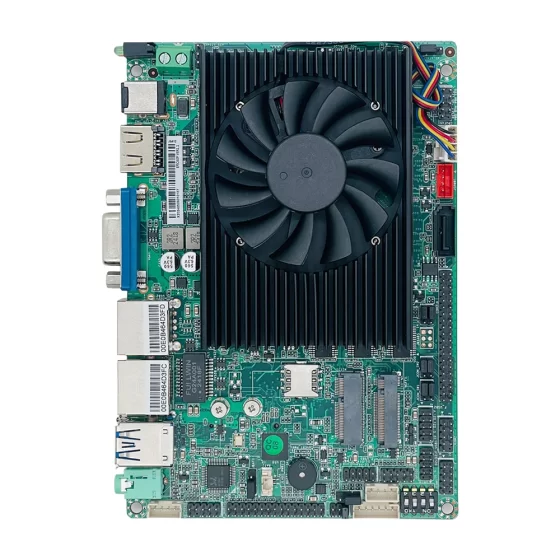
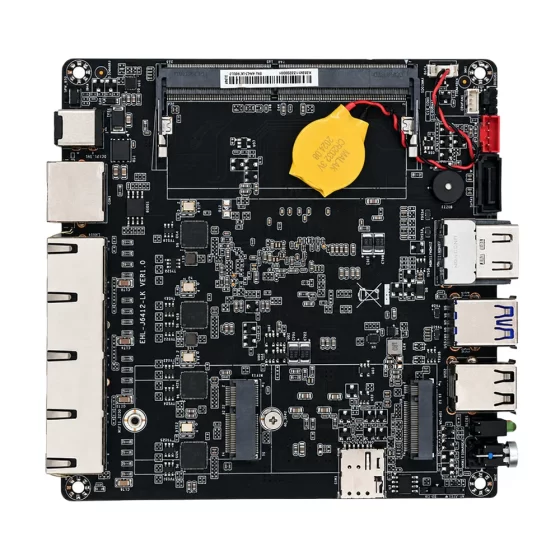
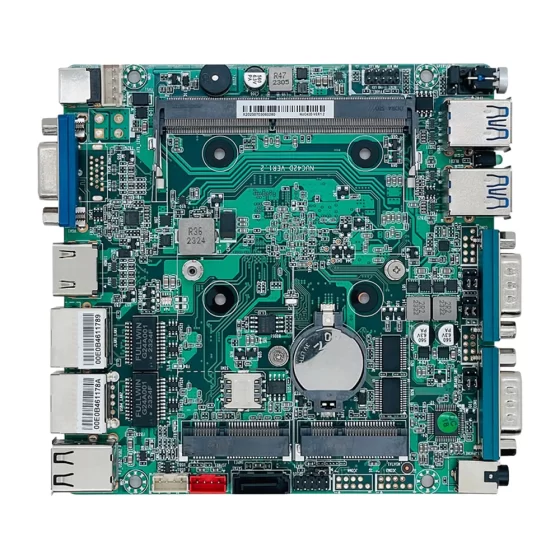
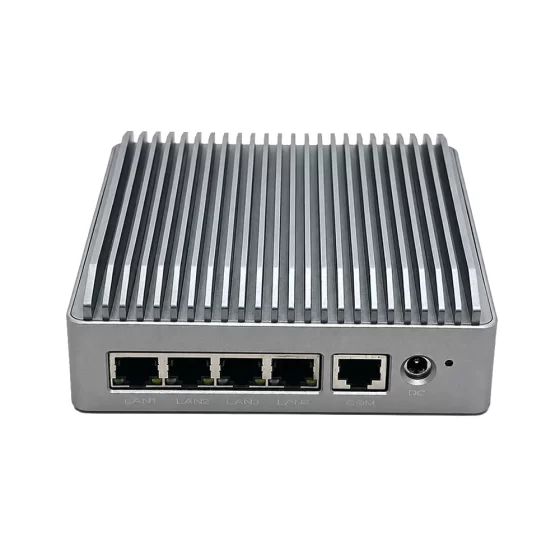
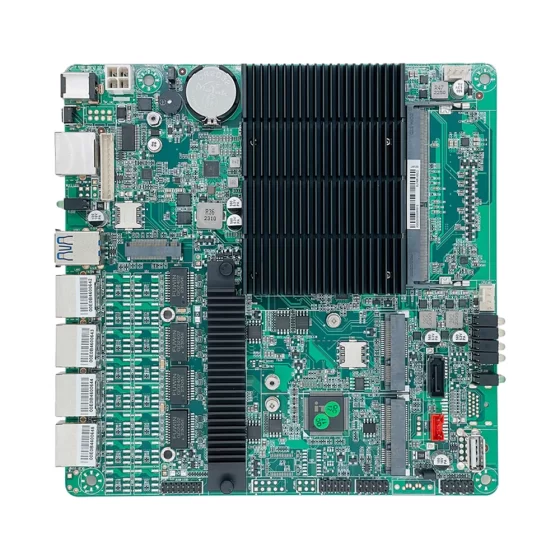
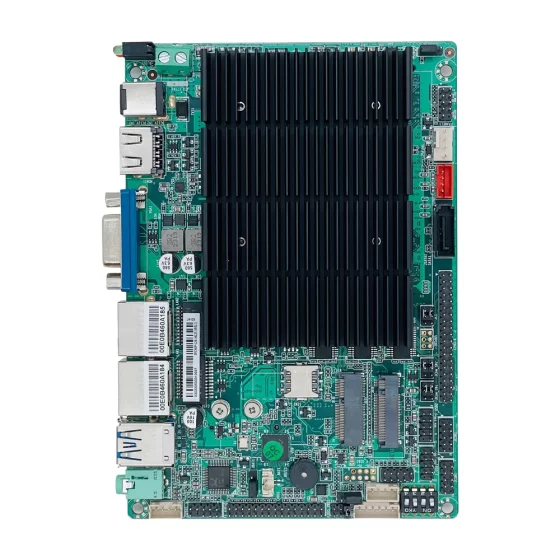
CoreIPC Industrial Computing Solutions

Industrial PC for Motion Control: Motion Control Industrial PC for Precision Automation
Executive Summary
A motion control industrial pc provides the industrial computing foundation for precise axis control, servo coordination, real-time machine operation, robotics integration, CNC equipment, packaging machinery, machine vision synchronization, and high-performance automation systems.
Modern industrial machines require accurate movement, stable timing, reliable communication, and continuous operation. Production equipment may include servo motors, stepper motors, drives, encoders, PLCs, motion controllers, robotic arms, linear stages, conveyors, vision systems, sensors, HMIs, and factory software platforms.
Motion control applications are sensitive to timing and system stability. A delay, missed signal, unstable network connection, or unreliable computing platform can affect positioning accuracy, cycle time, product quality, and machine uptime.
An industrial PC or embedded computer can serve as the local computing platform for motion control systems. It can run motion control software, connect with PLCs and servo drives, process sensor signals, support industrial Ethernet communication, coordinate vision inspection, store production data, and exchange information with MES, SCADA, or industrial IoT platforms.
Compared with standard office PCs, industrial computers are better suited for motion control deployment because they support rugged construction, reliable I/O, expansion options, stable thermal design, fanless operation options, local storage, industrial mounting, and long lifecycle availability.
This article explains how motion control industrial PC systems support precision automation, what deployment challenges appear in real machine environments, how the solution architecture works, and which hardware features matter when selecting an industrial computer or embedded computer for motion control applications.
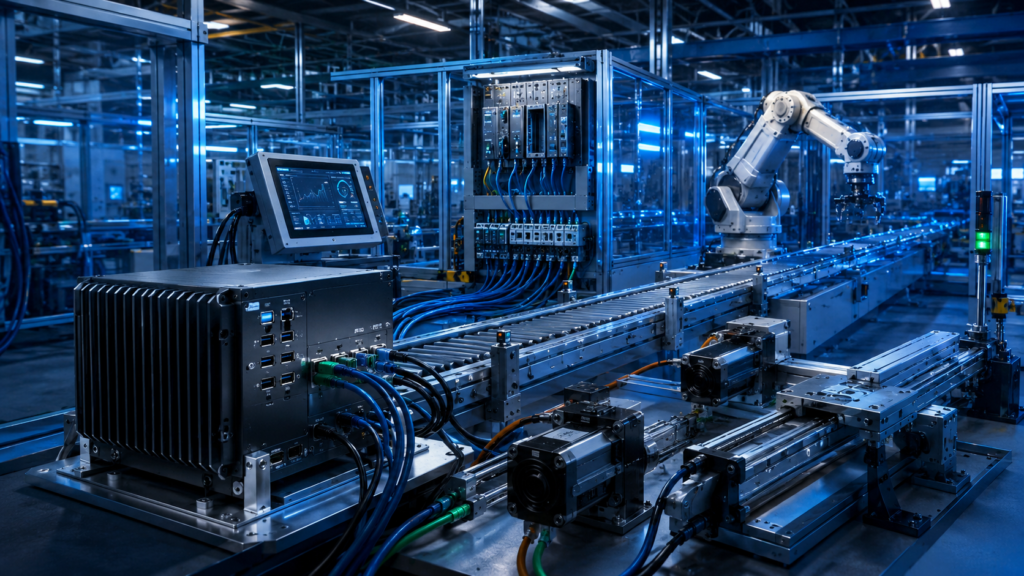
Motion control industrial PCs coordinate servo axes, encoder feedback, PLC signals, conveyors, robotic motion, and production line operation.
Industry Overview
Motion Control Is Core to Precision Automation
Motion control is used whenever machines need to move parts, tools, robots, conveyors, cameras, stages, or production mechanisms accurately.
It is widely used in:
- CNC machines
- Robotic workcells
- Packaging equipment
- Semiconductor equipment
- Electronics assembly
- Laser processing systems
- Printing machines
- Textile machines
- Medical equipment manufacturing
- Inspection machines
- Automated test equipment
- Material handling systems
These machines depend on precise coordination between computing, control, feedback, and mechanical systems.
A motion control industrial PC provides the computing platform needed to manage this coordination.
Machines Need More Than Basic Control
Traditional machines may use PLCs for logic control and dedicated motion controllers for axis movement.
Modern machines often require more advanced integration.
A single machine may need:
- Multi-axis motion control
- Servo drive communication
- Encoder feedback
- Vision guidance
- HMI display
- Recipe management
- Data logging
- Remote diagnostics
- Industrial Ethernet
- MES or SCADA connectivity
- AI-based inspection
- Predictive maintenance data
An industrial computer helps combine motion control, machine data, visualization, and system communication in one reliable edge platform.
Industrial Computing Supports Long-Term Machine Deployment
Motion control systems are often deployed inside machines or control cabinets.
They may operate near motors, drives, power supplies, conveyors, robots, and production equipment.
These environments may include vibration, dust, heat, electrical noise, cable stress, limited airflow, and continuous operation.
Industrial computers and embedded computers provide the hardware foundation required for these conditions.
They support rugged enclosures, industrial I/O, expansion, local storage, stable power input, long lifecycle availability, and reliable machine-side deployment.

Multi-axis stages, servo drives, encoders, PLCs, electrical noise, camera triggers, and rugged hardware affect motion control deployment.
Key Challenges
Maintaining Real-Time Control Stability
Motion control requires stable timing.
Servo systems, stepper motors, encoders, and synchronized axes depend on predictable communication and processing.
If timing is unstable, the machine may experience position errors, vibration, cycle time variation, or quality problems.
Important timing-related factors include:
- Control cycle time
- Axis count
- Servo update rate
- Industrial Ethernet performance
- Operating system configuration
- Motion software requirements
- I/O response time
- CPU workload
- Network traffic isolation
The industrial PC must be selected and configured according to real motion control requirements.
Coordinating Multiple Axes
Many modern machines require multi-axis coordination.
Examples include gantry systems, robotic cells, CNC equipment, pick-and-place machines, printing systems, laser cutting systems, and automated inspection stages.
The motion control platform may need to coordinate:
- Linear axes
- Rotary axes
- Servo motors
- Stepper motors
- Spindles
- Conveyors
- Robot arms
- Camera triggers
- Lighting systems
- Tool actuators
The more axes and devices involved, the more important stable computing, communication, and expansion become.
Integrating PLCs, Drives, and Sensors
A motion control industrial PC must work with many automation components.
It may need to communicate with:
- PLC controllers
- Servo drives
- Stepper drivers
- Encoders
- Motion control cards
- I/O modules
- Safety devices
- Sensors
- HMIs
- Industrial switches
- Robot controllers
- Vision systems
The platform must provide the correct interfaces and software compatibility for the complete machine architecture.
Handling Electrical Noise and Vibration
Motion control systems often operate near motors, drives, relays, power supplies, and moving machinery.
This can create electrical noise, vibration, and mechanical stress.
Hardware reliability is important because system instability can directly affect machine operation.
Industrial PCs are designed for more demanding conditions than office computers.
Fanless options, rugged enclosures, reliable storage, secure mounting, and industrial power design help reduce failure risk.
Combining Motion Control with Vision
Many machines now combine motion control with machine vision.
Vision systems may inspect parts, locate objects, read labels, guide robot movement, align components, or verify process results.
This creates additional computing requirements.
The industrial PC may need to process camera data, trigger image capture, synchronize with motion events, store images, and send inspection results to PLCs or MES systems.
Motion and vision workloads should be planned together.
Supporting Long-Term Machine Lifecycle
Machines may remain in service for many years.
Frequent hardware changes can create problems with motion control drivers, fieldbus cards, camera SDKs, operating systems, and machine software validation.
Industrial computing platforms with lifecycle planning help machine builders and system integrators maintain consistent machine designs across product generations.

Motion control industrial PCs connect drives, encoders, PLCs, robots, cameras, HMIs, MES, SCADA, and machine databases.
Motion Control Industrial PC Solution Architecture
Machine Device Layer
The machine device layer includes the physical motion and automation components.
This layer may include:
- Servo motors
- Stepper motors
- Drives
- Encoders
- Linear stages
- Rotary stages
- Gantry systems
- Conveyors
- Robotic arms
- Sensors
- Actuators
- Safety devices
- Vision cameras
These devices generate motion, feedback, and machine status information.
Motion Control Industrial PC Layer
The motion control industrial PC layer is the core computing layer.
At this layer, the industrial computer or embedded computer may:
- Run motion control software
- Coordinate multiple axes
- Communicate with drives
- Process encoder feedback
- Connect I/O modules
- Trigger cameras
- Display HMI information
- Store machine records
- Send data to factory systems
- Support remote diagnostics
This layer provides the computing and communication foundation for machine operation.
Control and Communication Layer
The control and communication layer connects the industrial PC with controllers and field devices.
It may include:
- EtherCAT
- PROFINET
- Ethernet/IP
- CANopen
- Modbus
- RS232
- RS485
- Digital I/O
- Analog I/O
- PCIe motion cards
- Industrial Ethernet switches
The exact communication design depends on the machine, motion system, and software stack.
Vision and Sensor Integration Layer
The vision and sensor layer adds perception and feedback to the machine.
It may include:
- Industrial cameras
- 3D cameras
- Lighting controllers
- Trigger sensors
- Barcode readers
- Laser sensors
- Proximity sensors
- Force sensors
- Temperature sensors
The industrial PC can process this data locally and coordinate results with motion control.
Factory Software Integration Layer
Motion control systems may need to connect with higher-level platforms.
These may include:
- MES
- SCADA
- ERP
- Quality databases
- Industrial IoT platforms
- Local dashboards
- Maintenance systems
- Cloud monitoring systems
- Traceability platforms
This integration allows machine operation data, motion status, alarms, and quality records to become part of the factory data infrastructure.
Security and Management Layer
The security and management layer supports stable long-term operation.
It may include:
- User permissions
- Network segmentation
- Secure remote access
- Local logging
- Configuration backup
- Storage monitoring
- Health monitoring
- Remote diagnostics
- Software update management
This helps maintain machine reliability and simplifies service support.
Key Features
Real-Time Motion Control Support
The most important requirement is stable control performance.
The industrial PC should support the motion software, communication cycle, and axis count required by the machine.
Hardware selection should consider:
- CPU performance
- Memory capacity
- Industrial Ethernet support
- PCIe expansion
- Motion card compatibility
- I/O response time
- Operating system support
- Software runtime requirements
- Thermal stability
- Long-running operation
For precision machines, real system validation is essential.
Multi-Axis Coordination
Many motion control systems require synchronized movement.
The computer may coordinate servo axes, stepper motors, conveyors, rotary stages, and robotic systems.
The platform must provide enough performance and communication stability for the required axis count and cycle time.
It should also support expansion when machine designs become more complex.
Industrial Communication Interfaces
Motion control systems depend on reliable communication.
Useful interfaces may include:
- LAN
- USB
- RS232
- RS485
- GPIO
- Digital input
- Digital output
- HDMI
- DisplayPort
- M.2
- PCIe
- SATA or NVMe storage
PCIe expansion may support motion control cards, additional LAN modules, fieldbus interfaces, or specialized I/O cards.
Native industrial interfaces reduce external adapters and improve cabinet reliability.
Multi-LAN Network Design
Multiple LAN ports are valuable for motion control systems.
They allow separate communication paths for:
- Motion network
- PLC network
- Camera network
- Factory IT network
- Industrial IoT network
- Remote maintenance network
- Local management network
Separating networks helps prevent high-bandwidth camera traffic or factory network traffic from affecting motion communication.
Vision and Trigger Integration
Many machines need synchronized motion and image capture.
The industrial PC may connect cameras, lighting controllers, sensors, and trigger signals.
It may capture images at specific motion positions or send inspection results back to the control system.
This is useful for:
- Alignment
- Inspection
- Defect detection
- Label reading
- Robot guidance
- Measurement
- Position verification
The platform should support the required camera interfaces and timing behavior.
Reliable Local Storage
Motion control systems may need local storage for software, recipes, logs, quality records, inspection images, machine parameters, and diagnostic files.
SSD or NVMe storage is commonly preferred because it provides fast access and better shock resistance than mechanical drives.
Storage planning should consider:
- Recipe data
- Machine logs
- Alarm records
- Inspection images
- Motion history
- Configuration backup
- Write endurance
- Recovery workflow
Reliable storage improves maintainability and traceability.
Rugged and Fanless Design
Machine environments can be dusty, vibration-prone, and thermally demanding.
Fanless industrial computers reduce dust intake and remove one mechanical failure point.
Rugged enclosures help protect against vibration, cable stress, cabinet installation impact, and continuous operation.
Thermal design should be reviewed carefully because motion software, vision processing, data logging, and factory communication can create sustained workload.
Long Lifecycle Availability
Machine builders need stable hardware platforms.
Long lifecycle availability helps maintain software images, motion drivers, fieldbus compatibility, spare parts, and validation procedures.
This reduces redesign work and supports repeatable machine production.
For OEM machine builders, lifecycle stability is often as important as performance.
Deployment Scenarios
CNC Machine Control
CNC machines require accurate axis movement, spindle control, operator interface, and process data handling.
A motion control industrial PC can run machine software, communicate with drives, display HMI information, store programs, and connect with factory systems.
This supports stable and connected CNC operation.
Pick-and-Place Machines
Pick-and-place systems require fast coordinated motion between axes, conveyors, cameras, feeders, and placement heads.
An embedded computer can coordinate motion data, process vision feedback, and exchange information with PLCs or production software.
This improves speed and placement accuracy.
Packaging Machinery
Packaging equipment may include conveyors, servo axes, sensors, cameras, labelers, and sealing systems.
A motion control industrial PC can coordinate motion, collect sensor data, handle recipes, and support HMI functions.
This supports flexible packaging lines.
Semiconductor and Electronics Equipment
Semiconductor and electronics machines often require precise motion, inspection, alignment, and data logging.
An industrial computer can support multi-axis control, vision synchronization, local storage, and traceability records.
This is useful for assembly, testing, inspection, and handling equipment.
Robotic Motion Coordination
Robotic workcells may need coordination between robot controllers, conveyors, vision systems, PLCs, and safety devices.
A motion control IPC can process local data, manage device communication, and support integrated automation workflows.
This improves robot cell connectivity.
Laser Processing Systems
Laser cutting, marking, welding, or engraving systems require synchronized motion and process control.
The industrial PC can coordinate motion axes, sensor feedback, vision alignment, and process data.
Stable computing helps maintain process quality.
Automated Test Equipment
Test systems may require motion stages, fixtures, sensors, instruments, cameras, and data logging.
An embedded computer can coordinate motion, collect test records, store results, and connect with quality platforms.
This supports automated inspection and verification.
OEM Motion Control Machine Platform
Machine builders can integrate industrial computers or embedded boards into custom motion control equipment.
The platform can support motion software, fieldbus communication, HMI, data logging, remote diagnostics, and customer-specific I/O.
This helps create repeatable machine platforms.
Business Benefits
Higher Motion Accuracy
A motion control industrial PC helps coordinate control software, feedback data, and machine communication.
Stable computing improves the foundation for accurate axis movement and repeatable machine operation.
This supports better product quality and process consistency.
Improved Machine Integration
Modern machines include motion systems, sensors, cameras, PLCs, HMIs, and factory software.
An industrial PC helps connect these components into one machine platform.
This reduces integration gaps and improves automation flexibility.
Better Production Visibility
The IPC can collect motion status, cycle records, alarms, recipes, inspection results, and maintenance data.
This information can be shared with MES, SCADA, industrial IoT platforms, or local dashboards.
Better visibility supports production improvement and faster troubleshooting.
Reduced Downtime Risk
Industrial computers provide rugged hardware for demanding machine environments.
Fanless design options, reliable storage, secure mounting, stable power input, and long lifecycle availability help reduce maintenance risk.
This supports continuous machine operation.
Faster Machine Development
A standardized industrial PC platform helps machine builders develop repeatable control systems.
Consistent hardware simplifies software images, motion driver validation, fieldbus configuration, HMI deployment, and spare parts planning.
This reduces engineering effort across machine generations.
Scalable Automation Deployment
A motion control industrial PC platform can be deployed across many machines, lines, and factories.
Consistent computing hardware supports scalable machine automation, easier maintenance, and more efficient lifecycle management.
This is valuable for OEMs and system integrators.
Why CoreIPC
CoreIPC provides industrial computing platforms for industrial automation, robotics, machine vision, edge AI, industrial IoT, and embedded system integration. For motion control industrial PC applications, CoreIPC focuses on reliable industrial computer hardware, embedded computer solutions, flexible I/O, multi-LAN configurations, expansion capability, compact system design, fanless deployment options, local storage capability, and OEM/ODM customization support. CoreIPC helps machine builders, system integrators, and manufacturers select computing platforms that match real deployment requirements, including axis count, motion software, fieldbus communication, device interfaces, storage needs, mounting methods, power input, thermal conditions, and lifecycle planning.
Frequently Asked Questions
1. What is a motion control industrial PC?
A motion control industrial PC is an industrial computing platform used to support machine movement, axis coordination, servo communication, I/O handling, HMI functions, data logging, and factory connectivity.
It may run motion control software, communicate with drives and PLCs, connect sensors and cameras, and exchange machine data with higher-level systems.
2. Why use an industrial computer for motion control?
An industrial computer provides rugged hardware and flexible connectivity for machine environments.
It can support multiple LAN ports, USB, serial communication, GPIO, PCIe expansion, reliable storage, fanless operation, industrial mounting, stable power input, and long lifecycle availability.
These features make it suitable for precision automation equipment.
3. How is an embedded computer used in motion control systems?
An embedded computer can be installed inside a machine cabinet or compact equipment enclosure.
It can run control software, connect I/O modules, communicate with drives, process sensor signals, display HMI data, store recipes, and forward machine status to SCADA, MES, or industrial IoT systems.
4. What applications use motion control industrial PCs?
Applications include CNC machines, packaging equipment, semiconductor tools, electronics assembly machines, pick-and-place systems, robotic workcells, laser processing machines, printing equipment, inspection systems, and automated test equipment.
The final platform depends on axis count, timing requirements, communication interface, and software stack.
5. What communication interfaces are used for motion control?
Motion control systems may use industrial Ethernet, fieldbus communication, PCIe motion cards, digital I/O, analog I/O, RS232, RS485, and standard Ethernet.
Common system designs may include PLCs, servo drives, encoders, I/O modules, motion controllers, and industrial switches.
6. Why are multiple LAN ports important for motion control IPCs?
Multiple LAN ports help separate motion communication, PLC networks, camera traffic, factory IT, industrial IoT, and remote maintenance access.
This improves traffic organization and reduces the risk that non-motion traffic affects machine communication.
7. Can motion control industrial PCs support machine vision?
Yes. Motion control industrial PCs can connect cameras, lighting controllers, trigger signals, sensors, and inspection software.
They can synchronize motion and image capture, process results locally, and send inspection data back to PLCs, robot controllers, MES, or quality systems.
8. What hardware features matter for motion control industrial PCs?
Important features include sufficient CPU performance, reliable memory, multiple LAN ports, USB, RS232, RS485, GPIO, digital I/O, PCIe expansion, SSD or NVMe storage, rugged enclosure, fanless design options, industrial power input, and display outputs.
The final configuration should match motion workload and machine architecture.
9. Can fanless industrial PCs support motion control workloads?
Yes. Fanless industrial PCs can support many motion control workloads because they reduce dust intake and remove one mechanical failure point.
However, thermal design should be validated when the system handles high axis count, vision processing, data logging, or continuous operation.
10. What should be tested before deployment?
Before deployment, the platform should be tested with real drives, PLCs, motion software, I/O modules, cameras, sensors, network topology, machine cycle time, storage behavior, and long-running operation.
Thermal stability, communication latency, recovery behavior, configuration backup, and integration with MES or SCADA should also be validated.
Conclusion
A motion control industrial pc is a practical foundation for precision automation, multi-axis coordination, servo communication, machine vision synchronization, robot integration, data logging, HMI operation, and factory system connectivity.
By placing an industrial computer or embedded computer inside the machine platform, machine builders and system integrators can connect servo drives, PLCs, encoders, motion cards, cameras, sensors, HMIs, MES platforms, SCADA systems, and industrial IoT dashboards through reliable and controlled communication paths.
The right motion control industrial PC should be selected according to real deployment requirements, including axis count, control cycle time, motion software, fieldbus communication, I/O requirements, camera integration, LAN port design, storage configuration, mounting method, power input, thermal conditions, operating system support, and lifecycle planning.
CoreIPC supports motion control industrial PC projects with industrial computing platforms designed for practical machine-side, cabinet, factory, and OEM deployment. With the right hardware foundation, machine builders and manufacturers can build reliable, scalable, and precise motion control systems.
Contact Us
Looking for an industrial computer, embedded computer, or compact IPC platform for motion control deployment?
Contact CoreIPC to discuss your project requirements, including axis count, motion software, fieldbus communication, I/O interfaces, camera connectivity, LAN port configuration, storage design, mounting method, power input, operating environment, lifecycle needs, and OEM/ODM customization options.