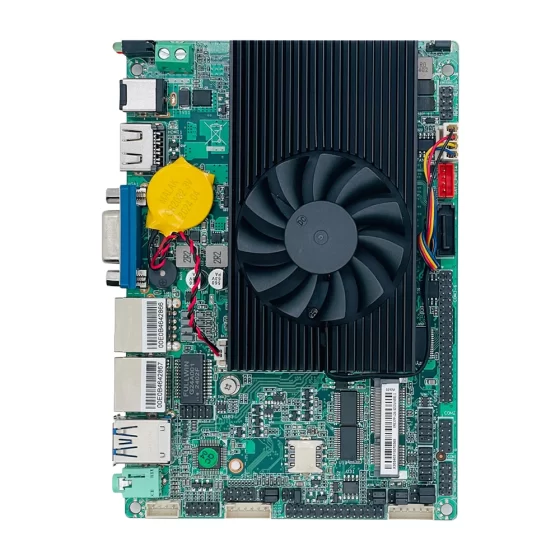
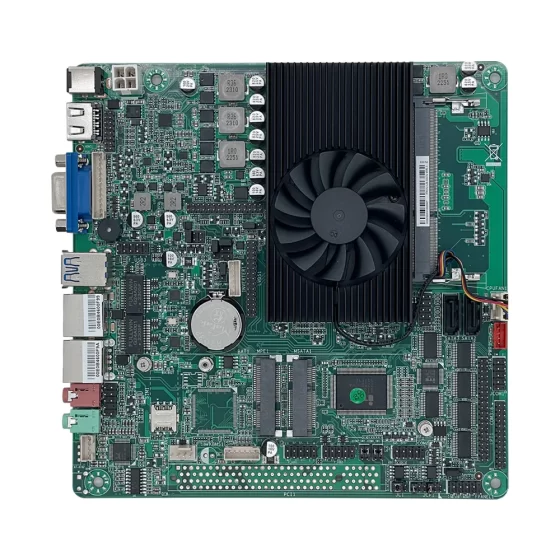
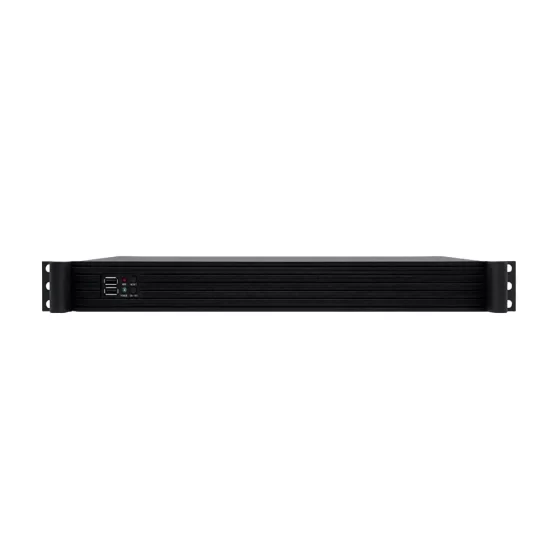
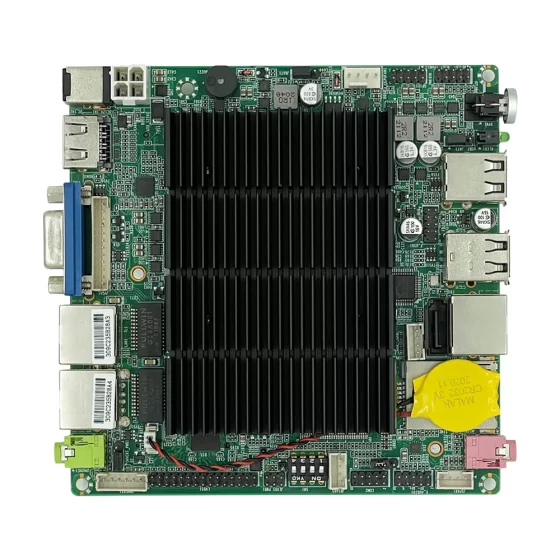
CoreIPC Industrial Computing Solutions

Industrial Computing Solution for Packaging Machines: Packaging Machine Computer for Smart Packaging Automation
Executive Summary
A packaging machine computer provides the industrial computing foundation for packaging line control, machine data collection, HMI operation, barcode verification, machine vision inspection, servo coordination, recipe management, and smart factory connectivity.
Modern packaging machines are no longer simple mechanical systems. They often integrate PLCs, servo drives, sensors, conveyors, labelers, checkweighers, barcode readers, industrial cameras, HMIs, safety devices, and factory software platforms. These systems must work together reliably to support stable production speed, accurate packaging, quality inspection, and traceable manufacturing records.
An industrial computer or embedded computer can be installed inside a packaging machine cabinet or line-side control station to support local data processing, device communication, HMI visualization, image processing, alarm logging, remote diagnostics, and integration with MES, SCADA, ERP, or industrial IoT platforms.
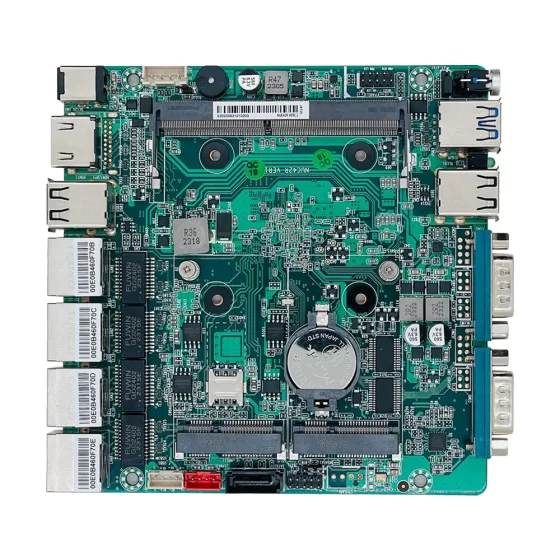
Compared with standard office PCs, industrial computers are better suited for packaging machine deployment because they support rugged design, multiple LAN ports, serial communication, GPIO, reliable storage, fanless operation options, industrial mounting, stable power input, and long lifecycle availability.
This article explains how packaging machine computer platforms support smart packaging automation, what deployment challenges appear in real packaging environments, how the solution architecture works, and which hardware features matter when selecting an industrial computer or embedded computer for packaging machine applications.

Packaging Machine Computer Data Collection
Industry Overview
Packaging Machines Are Becoming More Intelligent
Packaging machines are used across food and beverage, pharmaceuticals, cosmetics, electronics, logistics, consumer goods, medical products, industrial components, and retail production.
They may handle filling, sealing, labeling, wrapping, coding, weighing, counting, sorting, carton forming, case packing, palletizing, and final inspection.
As production becomes faster and more flexible, packaging machines require more computing and data capabilities.
Modern packaging systems may need to support:
- Servo motion coordination
- Label verification
- Barcode and QR code reading
- Product counting
- Checkweigher integration
- Vision inspection
- HMI operation
- Recipe management
- Batch data logging
- Alarm history
- Remote maintenance
- MES and SCADA connectivity
A packaging machine computer helps bring these functions together in a reliable industrial platform.
Packaging Lines Require Speed and Accuracy
Packaging applications often run at high speed.
A delay in label reading, weight verification, camera inspection, conveyor synchronization, or rejection control can cause quality problems or line stoppage.
The computing platform must support stable local processing and fast communication with machine devices.
This is especially important for packaging systems that combine motion control, vision inspection, barcode tracking, and production data collection.
Industrial Computing Supports Machine Builders
Packaging machine builders need reliable and repeatable computing platforms.
A machine may be sold to many customers across different countries and industries. The hardware platform must support long-term availability, stable software images, consistent interfaces, and practical maintenance.
Industrial computers and embedded computers help OEMs build packaging machines that are easier to deploy, support, and scale.
They also support customization when a machine requires special I/O, multiple LAN ports, extra serial ports, local storage, wireless expansion, or specific enclosure integration.

Packaging Machine Computer Deployment Challenges
Key Challenges
Connecting Multiple Packaging Devices
A packaging machine may include many different devices.
These may include:
- PLC controllers
- Servo drives
- Stepper drives
- Sensors
- Encoders
- Barcode readers
- Label printers
- Checkweighers
- Industrial cameras
- Lighting controllers
- HMI panels
- Safety devices
- Rejection mechanisms
- Conveyor controllers
- Industrial switches
The packaging machine computer must connect these devices reliably.
Different machines may use Ethernet, USB, RS232, RS485, GPIO, digital I/O, or fieldbus communication.
Flexible I/O is important because packaging machines vary by product type, line speed, inspection method, and customer requirements.
Supporting HMI and Recipe Management
Packaging machines often require operator interaction.
Operators may need to select product recipes, adjust machine parameters, review alarms, monitor line speed, check inspection results, and confirm batch information.
The industrial computer may run HMI software or connect to a separate operator panel.
Recipe management is especially important for machines that process multiple product sizes, label types, package formats, or batch configurations.
The computer should support stable display output, reliable local storage, and responsive HMI operation.
Integrating Machine Vision and Barcode Verification
Packaging quality often depends on visual verification.
Machine vision can help inspect labels, packaging position, sealing quality, fill level, printed codes, package orientation, and product presence.
Barcode and QR code readers can support traceability and batch confirmation.
The packaging machine computer may need to connect cameras, barcode readers, lighting controllers, triggers, and rejection systems.
For AI-based inspection, higher-performance edge AI capability may be required.
Coordinating Motion and Packaging Flow
Many packaging machines depend on synchronized motion.
Servo drives, conveyors, feeders, cutting tools, sealing tools, label applicators, and rejection mechanisms must work together accurately.
The computer may support motion data processing, device communication, local monitoring, and integration with PLC or motion control systems.
For high-speed packaging, communication stability and timing behavior are critical.
Maintaining Production Data Continuity
Packaging machines generate valuable production records.
These may include:
- Batch information
- Product counts
- Label records
- Barcode records
- Weight results
- Inspection results
- Alarm logs
- Operator actions
- Recipe changes
- Machine runtime
- Rejection records
- Maintenance events
If the network connection to MES, SCADA, or cloud systems is interrupted, the packaging machine should not lose important records.
Local storage and buffering help preserve production data.
Operating in Industrial Packaging Environments
Packaging machines may operate in dusty, humid, vibration-prone, or temperature-variable environments.
They may be installed near motors, heaters, conveyors, compressors, and other equipment.
The computing platform must support continuous operation.
Industrial-grade design helps improve reliability through rugged enclosures, fanless operation options, SSD or NVMe storage, secure mounting, stable power input, and long lifecycle support.

Packaging Machine Computer Solution Architecture
Packaging Machine Computer Solution Architecture
Machine Device Layer
The machine device layer includes the packaging equipment and connected devices.
This layer may include:
- Filling machines
- Sealing systems
- Labeling machines
- Wrapping machines
- Carton machines
- Conveyors
- Servo drives
- PLCs
- Sensors
- Encoders
- Barcode readers
- Cameras
- Checkweighers
- Rejectors
- Safety devices
These devices generate machine signals, quality data, motion events, and production records.
Edge Computing Layer
The edge computing layer is where the industrial computer or embedded computer operates.
At this layer, the platform may:
- Run local machine software
- Support HMI operation
- Collect production records
- Store batch data
- Process inspection results
- Communicate with PLCs
- Connect barcode readers
- Buffer data
- Support remote diagnostics
- Forward data to factory systems
This layer provides local computing close to the packaging machine.
Control and Communication Layer
The control and communication layer connects the computer with automation devices.
It may include:
- Ethernet
- USB
- RS232
- RS485
- GPIO
- Digital I/O
- Industrial Ethernet
- PLC communication
- Camera networks
- Industrial switches
The exact design depends on the machine architecture and customer requirements.
A compact embedded computer with flexible interfaces can simplify installation and reduce external converters.
Vision and Inspection Layer
The vision and inspection layer supports quality verification.
It may include:
- Industrial cameras
- 3D cameras
- Barcode readers
- QR code readers
- Lighting controllers
- Trigger sensors
- Checkweighers
- Label verification systems
- Print inspection systems
The packaging machine computer may process inspection data locally and send pass/fail results to PLCs, rejectors, MES, or quality databases.
Factory Integration Layer
Packaging machines often need to connect with factory systems.
These may include:
- MES
- SCADA
- ERP
- Quality databases
- Industrial IoT platforms
- Local dashboards
- Maintenance systems
- Cloud monitoring platforms
- Traceability systems
This integration helps packaging data become part of the broader smart manufacturing system.
Security and Management Layer
Packaging machine computers should be maintainable and protected.
The security and management layer may include:
- User permissions
- Network segmentation
- Secure remote access
- Local logging
- Configuration backup
- Storage monitoring
- Device health monitoring
- Remote diagnostics
- Software update management
This helps machine builders and operators maintain stable packaging systems over time.
Key Features
Multi-Device Connectivity
A packaging machine computer must support many industrial interfaces.
Useful options may include:
- LAN
- USB
- RS232
- RS485
- GPIO
- Digital input
- Digital output
- HDMI
- DisplayPort
- M.2
- PCIe
- SATA or NVMe storage
These interfaces can support PLCs, barcode readers, cameras, checkweighers, sensors, label printers, HMIs, and service devices.
Native interface support reduces wiring complexity and improves system reliability.
HMI and Display Support
Packaging machine operators need clear local information.
The computer may support HMI screens, alarm panels, recipe pages, batch information, production counters, and inspection status.
Display outputs such as HDMI or DisplayPort can support local operator screens.
Stable HMI performance helps reduce operator errors and improves machine usability.
Local Storage and Data Buffering
Local storage is important for packaging machines.
The platform may store:
- Recipe files
- Batch records
- Barcode logs
- Inspection results
- Weight records
- Alarm history
- Operator events
- Machine settings
- Upload buffers
- Diagnostic files
SSD or NVMe storage is commonly preferred because it provides fast access and better shock resistance than mechanical drives.
Storage design should consider retention time, write endurance, backup workflow, and recovery procedures.
Machine Vision Capability
Packaging inspection may require camera processing.
The computer may connect cameras, lighting controllers, barcode readers, and triggers.
It may support image capture, inspection software, code reading, print verification, label checking, and rejection control.
Hardware selection should consider:
- Camera count
- Image resolution
- Frame rate
- Inspection cycle time
- Storage requirements
- AI model needs
- Network bandwidth
- Lighting control requirements
For complex AI inspection, edge AI computing performance may be needed.
Multi-LAN Network Design
Multiple LAN ports help separate different communication paths.
A packaging machine computer may use separate networks for:
- PLC communication
- Camera network
- Barcode reader network
- Factory IT network
- MES or SCADA connection
- Remote maintenance
- Local management
- Industrial IoT platform
Network separation improves reliability and helps prevent high-bandwidth camera traffic from affecting control communication.
Rugged and Fanless Design
Packaging environments can include dust, vibration, moisture, heat, and frequent cleaning requirements depending on the industry.
Fanless industrial computers reduce dust intake and remove one common mechanical failure point.
Rugged enclosures help protect against vibration, cabinet stress, cable strain, and continuous operation.
The final installation should consider machine cabinet temperature, airflow, mounting location, and environmental exposure.
Remote Diagnostics and Serviceability
Packaging machines are often sold and installed across many customer sites.
Remote diagnostics can help machine builders reduce service cost.
The computer may support:
- Remote log review
- HMI access
- Configuration backup
- Alarm analysis
- Software updates
- Performance monitoring
- Camera or barcode troubleshooting
- Network diagnostics
Secure access control and logging are important for remote maintenance.
Long Lifecycle Availability
Packaging machine OEMs need stable hardware supply.
A consistent industrial computer platform helps maintain software images, HMI applications, camera SDKs, drivers, spare parts, and validation procedures.
Long lifecycle availability helps reduce redesign work and supports repeatable machine production.

Smart Packaging Line Monitoring Operations
Deployment Scenarios
Filling and Sealing Machines
Filling and sealing machines require stable control, recipe management, sensor monitoring, and production data logging.
A packaging machine computer can collect batch data, support HMI functions, connect sensors, and forward information to factory systems.
This supports repeatable production and quality records.
Labeling and Coding Machines
Labeling and coding systems need accurate timing, barcode verification, print inspection, and product tracking.
An embedded computer can connect label printers, barcode readers, cameras, lighting controllers, and PLCs.
It can store inspection records and support traceability.
Checkweigher and Inspection Systems
Packaging lines often use checkweighers and inspection devices to verify package quality.
The industrial computer can collect weight data, process inspection results, store records, and send pass/fail information to the control system.
This supports automated quality control.
Cartoning and Case Packing
Cartoning and case packing machines may include conveyors, servo axes, sensors, barcode readers, and rejection systems.
A computer platform can collect data from these devices, support HMI operation, and communicate with MES or SCADA systems.
This improves production visibility.
Food and Beverage Packaging
Food and beverage packaging requires stable operation, quality verification, date code reading, label inspection, and batch traceability.
An industrial computer can support local data collection, HMI software, inspection systems, and factory integration.
The final hardware should be selected according to enclosure and environmental requirements.
Pharmaceutical Packaging
Pharmaceutical packaging may require barcode verification, serialization support, inspection records, batch traceability, and strict process data handling.
A packaging machine computer can collect and store structured data and connect the machine with quality and production systems.
Application-specific validation and compliance requirements should be reviewed by the machine builder and end user.
E-Commerce and Logistics Packaging
Logistics packaging systems may include barcode readers, weighers, dimensioning systems, conveyors, labelers, and sorting devices.
An embedded computer can collect package data, support line integration, and communicate with warehouse or logistics platforms.
This supports automated fulfillment operations.
OEM Packaging Machine Platform
Machine builders can integrate industrial computers or embedded boards into custom packaging machines.
The platform can support control software, HMI, machine vision, barcode integration, data logging, remote diagnostics, and customer-specific I/O.
This helps create repeatable and scalable packaging machine products.
Business Benefits
Better Packaging Quality
A packaging machine computer helps integrate inspection, barcode verification, weight checking, and machine data collection.
This improves the ability to detect labeling errors, missing products, incorrect codes, weight problems, and packaging defects.
Better quality control reduces rework and customer complaints.
Improved Production Traceability
Packaging records are important for batch tracking and quality management.
The computer can collect barcode data, inspection results, recipe changes, operator actions, alarm records, and production counts.
This supports traceability and reporting across production systems.
Faster Machine Operation Visibility
Operators and maintenance teams can review machine status, alarms, production speed, reject counts, and inspection results from local HMI screens or remote dashboards.
Better visibility helps teams respond faster to machine issues.
Reduced Downtime Risk
Industrial computers provide rugged hardware for continuous packaging machine operation.
Fanless design options, reliable storage, secure mounting, stable power input, and long lifecycle availability help reduce system failure risk.
This supports production uptime.
Easier OEM Machine Integration
Packaging machine builders can use a standardized industrial computer platform across multiple machine models.
This simplifies software deployment, wiring design, spare parts planning, driver validation, and remote service support.
A consistent platform helps reduce engineering workload.
Scalable Smart Packaging Deployment
A packaging machine computer can connect machine data with MES, SCADA, ERP, quality systems, and industrial IoT platforms.
This helps packaging lines become part of a connected smart factory.
Standardized hardware supports scalable deployment across many machines and sites.
Why CoreIPC
CoreIPC provides industrial computing platforms for industrial automation, machine vision, industrial IoT, edge AI, robotics, and embedded system integration. For packaging machine computer applications, CoreIPC focuses on reliable industrial computer hardware, embedded computer solutions, flexible I/O, multi-LAN configurations, compact system design, fanless deployment options, local storage capability, and OEM/ODM customization support. CoreIPC helps packaging machine builders, system integrators, and manufacturers select computing platforms that match real deployment requirements, including device interfaces, inspection workload, LAN port count, storage needs, mounting methods, power input, thermal conditions, and lifecycle planning.
Frequently Asked Questions
1. What is a packaging machine computer?
A packaging machine computer is an industrial computing platform used inside or near packaging equipment.
It may support HMI operation, machine data collection, barcode reading, vision inspection, recipe management, alarm logging, remote diagnostics, and communication with PLCs, MES, SCADA, or industrial IoT platforms.
2. Why use an industrial computer for packaging machines?
An industrial computer provides rugged hardware and flexible connectivity for machine environments.
It can support multiple LAN ports, serial communication, USB, GPIO, reliable storage, fanless operation, industrial mounting, stable power input, and long lifecycle availability.
These features make it suitable for continuous packaging machine deployment.
3. How is an embedded computer used in packaging automation?
An embedded computer can be installed inside a machine cabinet, line-side enclosure, or control station.
It can collect data from PLCs, sensors, barcode readers, cameras, checkweighers, and HMIs. It can also store records and send structured data to factory systems.
4. What packaging devices can be connected?
A packaging machine computer may connect PLCs, servo drives, sensors, barcode readers, label printers, checkweighers, industrial cameras, lighting controllers, rejection systems, HMIs, and industrial switches.
The exact support depends on interfaces, software, protocols, and machine design.
5. Can packaging machine computers support machine vision?
Yes. Packaging machine computers can connect cameras, barcode readers, lighting controllers, and trigger sensors.
They can process images, verify labels, inspect printed codes, check package position, detect defects, and send results to PLCs, MES, or quality databases.
6. Why is local storage important for packaging machines?
Local storage helps preserve production and quality data.
It can store recipe files, barcode logs, batch records, inspection results, alarm history, weight records, and upload buffers.
This is useful when the network connection to factory systems is temporarily unavailable.
7. Why are multiple LAN ports useful?
Multiple LAN ports help separate PLC communication, camera traffic, barcode reader networks, factory IT, MES or SCADA systems, remote maintenance, and local management.
This improves traffic organization and system reliability.
8. What hardware features matter for packaging machine computers?
Important features include multiple LAN ports, USB, RS232, RS485, GPIO, digital I/O, reliable memory, SSD or NVMe storage, rugged enclosure, fanless design, industrial power input, display output, M.2, PCIe, and expansion options.
The final configuration should match device count, inspection workload, and installation environment.
9. Can fanless industrial computers support packaging machines?
Yes. Fanless industrial computers can support many packaging machine workloads because they reduce dust intake and remove one mechanical failure point.
However, thermal design should be validated when the system handles continuous HMI operation, data logging, vision processing, or high-speed inspection.
10. What should be tested before deployment?
Before deployment, the platform should be tested with real PLCs, sensors, cameras, barcode readers, checkweighers, HMI software, network topology, packaging cycle time, storage behavior, and long-running operation.
Thermal stability, communication recovery, remote diagnostics, backup procedures, and integration with MES or SCADA should also be validated.
Conclusion
A packaging machine computer is a practical foundation for smart packaging automation, machine data collection, HMI operation, barcode verification, machine vision inspection, recipe management, remote diagnostics, and factory system connectivity.
By placing an industrial computer or embedded computer inside the packaging machine or line-side cabinet, machine builders and manufacturers can connect PLCs, servo drives, sensors, conveyors, cameras, barcode readers, labelers, checkweighers, HMIs, MES platforms, SCADA systems, and industrial IoT dashboards through reliable and controlled communication paths.
The right packaging machine computer should be selected according to real deployment requirements, including device count, LAN port design, serial communication, I/O requirements, HMI workload, camera integration, inspection speed, data storage, mounting method, power input, thermal conditions, operating system support, and lifecycle planning.
CoreIPC supports packaging machine computer projects with industrial computing platforms designed for practical machine-side, cabinet, factory, and OEM deployment. With the right hardware foundation, packaging machine builders and manufacturers can build reliable, scalable, and connected smart packaging systems.
Contact Us
Looking for an industrial computer, embedded computer, or compact IPC platform for packaging machine deployment?
Contact CoreIPC to discuss your project requirements, including device interfaces, LAN port configuration, PLC communication, HMI workload, barcode integration, camera connectivity, data storage, mounting method, power input, operating environment, lifecycle needs, and OEM/ODM customization options.