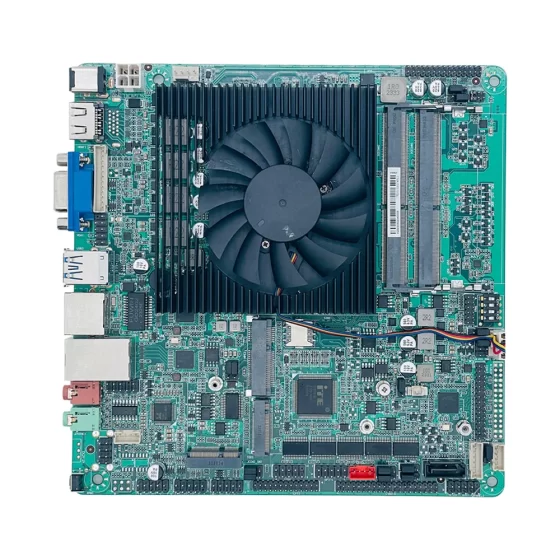
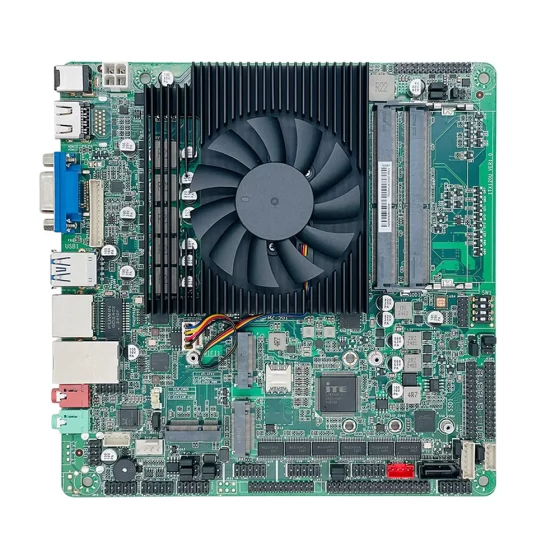
CoreIPC Industrial Computing Solutions

VPN Deployment Platform: VPN Appliance for Secure Industrial Network Connectivity
Executive Summary
A VPN appliance provides the secure computing foundation for industrial remote access, site-to-site connectivity, machine maintenance, factory network segmentation, and protected data communication across distributed industrial environments.
Modern factories, equipment builders, energy sites, transportation systems, warehouses, and remote facilities often need secure access between machines, control systems, engineers, service teams, and central management platforms. However, exposing industrial networks directly to the public internet creates serious operational and cybersecurity risks.
A VPN deployment platform built on an industrial computer or embedded computer can provide a controlled network access layer. It can connect remote engineers, factory sites, machine networks, industrial IoT gateways, SCADA systems, and maintenance platforms through encrypted tunnels and managed access policies.
Compared with standard office network hardware, an industrial VPN appliance must operate reliably in real deployment environments. It may be installed inside control cabinets, factory network rooms, machine enclosures, transportation cabinets, energy facilities, or remote equipment sites.
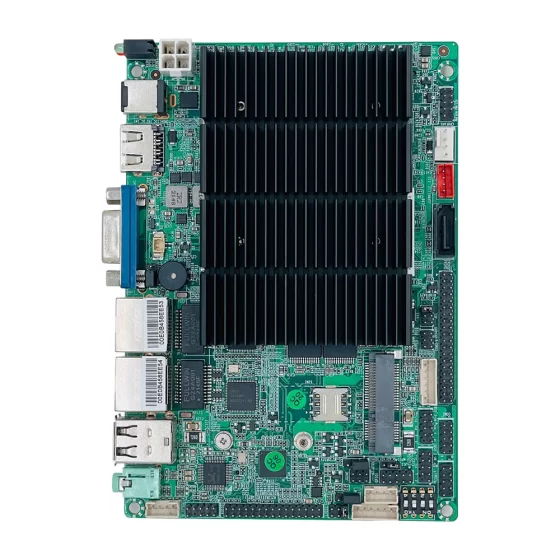
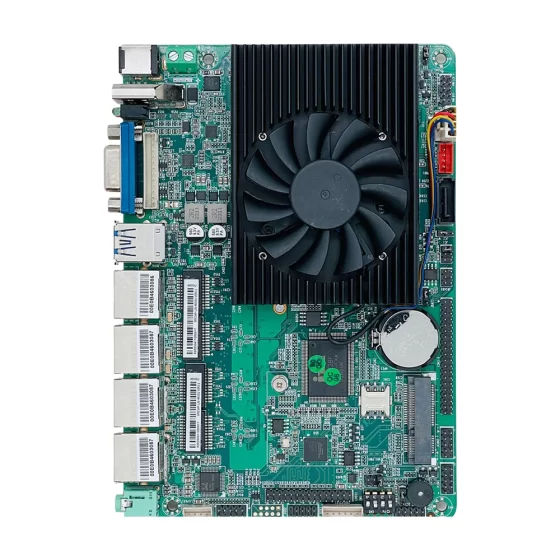
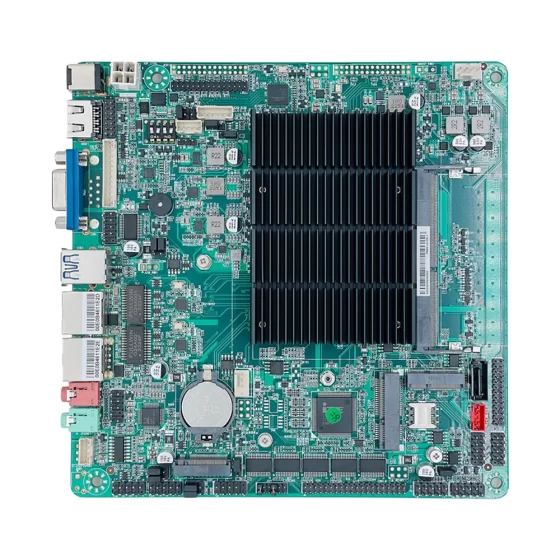
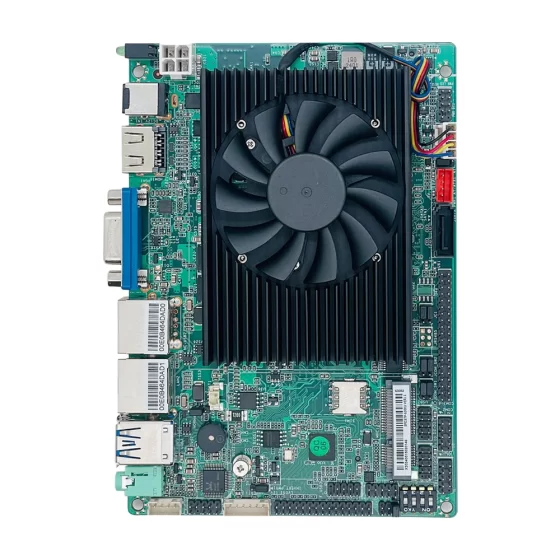
Industrial computers and embedded computers provide rugged hardware, flexible LAN configurations, serial connectivity options, local storage, fanless design, stable power input, and long lifecycle support.
This article explains how VPN deployment platforms support industrial network security, what challenges manufacturers and system integrators face, how the solution architecture works, and which hardware features are important when selecting an industrial computer or embedded computer for VPN appliance applications.
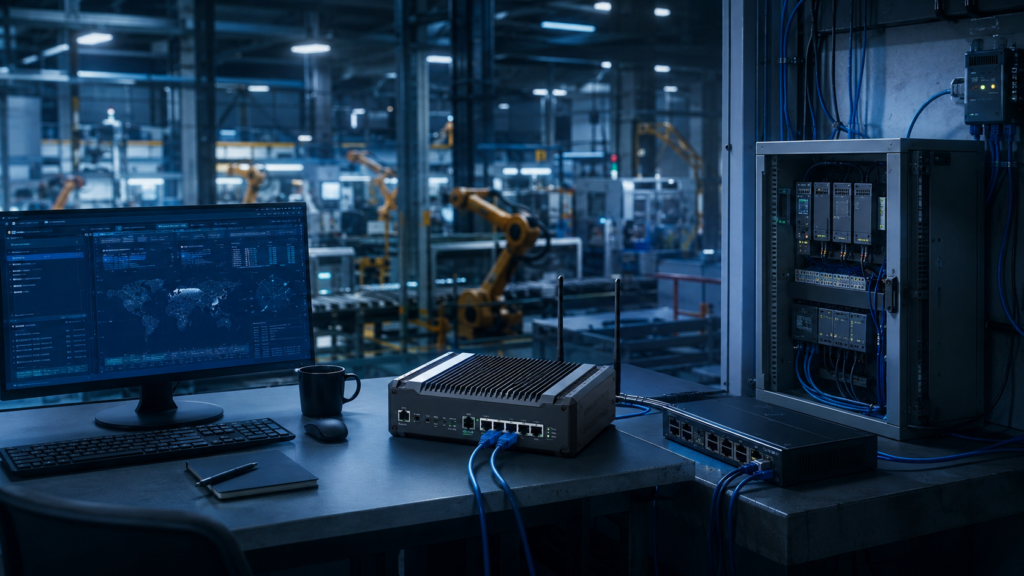
VPN appliances help secure remote engineering access to machines and industrial networks.
Industry Overview
Industrial Networks Need Secure Remote Connectivity
Remote access has become a normal requirement in industrial operations.
Machine builders need to support equipment after delivery. Factory engineers need to monitor remote production lines. System integrators need to troubleshoot control systems. Multi-site companies need secure communication between factories, warehouses, and data centers.
Common remote connectivity needs include:
- Remote machine maintenance
- Site-to-site factory connection
- Industrial IoT gateway access
- SCADA network access
- Remote monitoring dashboards
- Equipment service support
- Secure engineering access
- Data transfer between facilities
- Remote alarm review
- Cloud or data center connectivity
A VPN appliance helps provide controlled access without exposing industrial systems directly.
VPN Appliances Are More Than Network Routers
A VPN deployment platform is not only a basic router.
In industrial environments, it may need to support network segmentation, firewall policies, multiple LAN ports, secure tunnels, local logging, traffic management, redundant network paths, and remote service control.
It may also need to connect both modern Ethernet devices and older industrial systems.
A practical industrial VPN appliance may sit between:
- Machine networks
- PLC networks
- Factory IT networks
- Remote service networks
- Industrial IoT platforms
- Cloud systems
- Monitoring centers
- Corporate networks
The role of the appliance is to create a secure and manageable network boundary.
Industrial Computing Is the Hardware Foundation
Many VPN appliances are deployed outside clean office environments.
They may operate near machines, inside cabinets, in remote sites, or in infrastructure facilities. These locations may include dust, vibration, temperature variation, electrical noise, limited space, and long operating hours.
Industrial computers and embedded computers provide a stronger foundation for this type of deployment.
They support reliable operation, flexible I/O, multiple LAN ports, compact design, fanless enclosures, and long lifecycle availability.

Network zones, uplinks, PLC networks, machine networks, and IIoT gateways affect VPN deployment planning.
Key Challenges
Securing Remote Access Without Exposing Industrial Systems
Remote access is useful, but it must be controlled carefully.
Industrial systems often include PLCs, HMIs, controllers, sensors, robots, gateways, and SCADA equipment. These systems may not be designed for direct internet exposure.
A VPN appliance helps create a protected access layer.
However, the deployment must still consider:
- User authentication
- Access permissions
- Network segmentation
- Firewall rules
- Remote maintenance windows
- Logging and audit needs
- Device identity
- Secure update policy
- Internal routing design
The goal is to provide remote access only to the required systems, not to open the whole factory network unnecessarily.
Multiple Network Zones
Industrial sites usually contain several network zones.
A factory may separate office IT networks, machine networks, camera networks, PLC networks, maintenance networks, and cloud gateway connections.
A VPN deployment platform must support this structure.
Multiple LAN ports are often important because they allow better separation between different network areas.
For example:
- One LAN port for WAN or uplink
- One LAN port for factory IT
- One LAN port for machine network
- One LAN port for PLC or automation network
- One LAN port for remote service or management
Good network segmentation improves security and operational stability.
Reliability for Continuous Operation
A VPN appliance may become a critical part of the industrial network.
If the appliance fails, remote access, data transfer, monitoring, and service support may be interrupted.
Industrial deployment requires reliable hardware design.
Important reliability factors include:
- Fanless enclosure
- Stable thermal design
- Rugged mounting
- Industrial power input
- Cable retention
- SSD storage
- Long lifecycle components
- Local system logging
- Recovery planning
Reliable hardware helps reduce maintenance workload and unexpected downtime.
Performance and Encrypted Traffic Load
VPN traffic requires processing power.
The required performance depends on the number of users, tunnel types, encryption workload, traffic volume, number of sites, and firewall rules.
A small machine service gateway may need moderate performance. A multi-site factory VPN hub may require stronger CPU, memory, and network capability.
System designers should consider:
- VPN tunnel count
- Encrypted throughput
- Firewall processing
- Routing rules
- Remote user sessions
- Site-to-site traffic
- Industrial protocol traffic
- Monitoring data volume
- Logging workload
The appliance should be selected according to real network requirements, not only port count.
Integration with Industrial and IT Systems
Industrial VPN platforms often connect operational technology and information technology systems.
This requires careful planning.
The appliance may need to communicate with PLC networks, SCADA servers, industrial IoT gateways, firewalls, switches, cloud platforms, authentication systems, and remote maintenance tools.
A practical platform must be flexible enough for both industrial and IT requirements.

VPN appliances connect remote users, factory networks, machine systems, and cloud platforms securely.
VPN Appliance Solution Architecture
Industrial Device Network Layer
The device network layer includes the equipment that needs secure connectivity.
This may include:
- PLCs
- HMIs
- SCADA systems
- Industrial PCs
- Embedded controllers
- Robots
- Machine controllers
- Industrial cameras
- Gateways
- Energy meters
- Sensors
- Remote equipment
These systems should not be exposed directly to external networks.
The VPN appliance provides a controlled access path.
Industrial VPN Appliance Layer
The VPN appliance layer is the core of the deployment.
At this layer, the industrial computer or embedded computer may:
- Establish encrypted VPN tunnels
- Manage site-to-site connectivity
- Support remote engineering access
- Apply firewall policies
- Segment internal networks
- Route traffic between zones
- Log access events
- Monitor connection status
- Support local management interfaces
- Connect to higher-level security systems
This layer protects industrial systems while still enabling necessary connectivity.
Network Security and Policy Layer
The security policy layer defines who can access what.
It may include access control rules, network zones, firewall policies, authentication methods, traffic restrictions, and maintenance permissions.
A secure industrial VPN design should avoid broad unrestricted access.
Instead, access should be limited according to:
- User role
- Device type
- Site location
- Maintenance purpose
- Time window
- Network segment
- Application requirement
- Security policy
This improves control and reduces unnecessary exposure.
Remote Access and Site Connectivity Layer
The remote access layer supports external users and distributed locations.
Depending on the project, it may include:
- Remote engineer access
- OEM machine service access
- Site-to-site VPN
- Factory-to-data-center connection
- Remote facility monitoring
- Cloud platform communication
- Maintenance platform access
- Multi-branch secure connectivity
This layer allows distributed industrial systems to communicate securely.
Monitoring and Management Layer
VPN deployments need visibility.
The appliance may provide local dashboards, logs, connection status, traffic information, device health data, and alert records.
It may also connect to centralized monitoring systems.
Useful monitoring information may include:
- Tunnel status
- User login records
- Network traffic
- System temperature
- Storage status
- CPU workload
- Uplink status
- Firewall events
- Remote access history
Good visibility helps operators maintain secure and reliable network connectivity.
Key Features
Multiple LAN Ports
Multiple LAN ports are one of the most important features for an industrial VPN appliance.
They allow the system to separate WAN, LAN, machine, service, and management networks.
Useful LAN configurations may support:
- WAN uplink
- Factory IT network
- PLC network
- Machine network
- Camera network
- Remote maintenance network
- Cloud gateway connection
- Redundant network paths
This improves traffic organization and supports better cybersecurity planning.
VPN and Network Processing Performance
VPN appliances must process encrypted traffic reliably.
The hardware should be selected according to real throughput and tunnel requirements.
Selection should consider:
- CPU performance
- Memory capacity
- Number of VPN tunnels
- Encrypted throughput
- Firewall workload
- Routing complexity
- Logging requirements
- Storage needs
- Network port speed
For small machine access, an embedded computer may be enough. For larger multi-site deployments, a higher-performance industrial PC may be required.
Flexible Industrial I/O
Industrial VPN platforms may need more than Ethernet ports.
Useful I/O options may include:
- LAN
- USB
- RS232
- RS485
- GPIO
- Digital input
- Digital output
- HDMI
- DisplayPort
- M.2
- PCIe
- SATA or NVMe storage
Serial ports may support legacy equipment access or service functions. GPIO can support alarm integration. USB and display outputs can support local maintenance.
Flexible I/O improves system adaptability.
Fanless and Rugged Design
Fanless design is valuable for industrial network appliances.
It reduces dust intake and removes one common mechanical failure point. Rugged enclosures help protect the device from vibration, installation impact, and cable stress.
This is useful for cabinet-mounted VPN appliances, machine-side network gateways, remote facility nodes, and infrastructure deployments.
Thermal design should still be reviewed carefully, especially when the appliance handles continuous encrypted traffic.
Reliable Local Storage
VPN appliances may need local storage for logs, system files, configuration backups, certificates, monitoring records, and diagnostic data.
SSD storage is commonly preferred because it provides better shock resistance and faster access than mechanical drives.
Storage planning should consider:
- Log retention
- Configuration backup
- System recovery
- Security event records
- Local monitoring data
- Write endurance
- Maintenance workflow
Reliable storage helps support auditability and troubleshooting.
Long Lifecycle and Maintainability
Industrial network appliances may stay in service for many years.
Frequent hardware changes can create software compatibility issues, spare parts problems, and maintenance complexity.
Industrial computing platforms with lifecycle planning help system integrators, OEMs, and factory operators maintain consistent VPN deployment platforms across multiple machines, sites, and infrastructure projects.
Deployment Scenarios
Remote Machine Maintenance
Machine builders often need secure access to equipment after delivery.
A VPN appliance can provide controlled remote access to machine HMIs, PLCs, industrial PCs, or diagnostic systems.
This helps OEM service teams support customers without requiring open public access to machine networks.
Site-to-Site Factory Connectivity
Companies with multiple factories may need secure communication between sites.
A VPN appliance can support site-to-site connectivity for production data, monitoring systems, engineering access, and centralized management.
This helps connect distributed facilities while maintaining network separation.
Industrial IoT Gateway Security
Industrial IoT systems often collect data from machines and send selected information to platforms or cloud services.
A VPN appliance can protect communication between local IIoT gateways and remote systems.
It can also segment machine networks from external connections.
SCADA and Utility Network Access
Energy, water, transportation, and facility systems may require remote monitoring and maintenance.
An industrial VPN appliance can provide secure access to SCADA networks, remote equipment, substations, pump stations, or utility cabinets.
Rugged hardware is important for these distributed environments.
Warehouse and Logistics Network Connectivity
Warehouses may use VPN appliances to connect sorting systems, barcode stations, industrial computers, monitoring systems, and remote management platforms.
This supports secure access to distributed logistics infrastructure and improves maintenance efficiency.
Transportation Infrastructure
Transportation systems may include roadside equipment, station systems, parking platforms, traffic controllers, and monitoring nodes.
A VPN appliance can provide secure connectivity between remote devices and management centers.
Industrial computers are useful where rugged deployment and stable networking are required.
OEM Security Appliance Integration
System integrators and equipment builders can integrate industrial computers into custom VPN appliances or security gateways.
The platform can provide multi-LAN networking, firewall capability, secure remote access, local monitoring, storage, and appliance-style deployment.
This supports OEM network security products for industrial customers.
Remote Facility Monitoring
Remote facilities may have limited local staff.
A VPN appliance can help central teams access monitoring systems, data gateways, cameras, utility equipment, and control systems securely.
Local logs and remote management support improve operational visibility.
Business Benefits
More Secure Remote Access
A VPN appliance creates a controlled access layer between remote users and industrial networks.
This reduces the need to expose machine systems directly.
With proper policy design, remote access can be limited to the required equipment, user roles, and service tasks.
Better Support for OEM Service
Machine builders can use VPN deployment platforms to support customer equipment remotely.
This can reduce travel needs, shorten troubleshooting time, and improve service response.
A stable industrial computer platform helps keep remote service access reliable over the equipment lifecycle.
Improved Network Segmentation
Multiple LAN ports and firewall policies help separate factory networks.
This can reduce unnecessary communication between IT, OT, machine, camera, and maintenance networks.
Better segmentation supports both operational stability and security planning.
Reduced Downtime During Troubleshooting
Secure remote access helps engineers diagnose problems faster.
Instead of waiting for on-site support, authorized engineers can review logs, system status, device communication, and machine data remotely.
This can reduce troubleshooting delays and improve maintenance efficiency.
Stronger Operational Visibility
A VPN appliance can provide logs, tunnel status, system health data, and connection information.
This helps network and maintenance teams understand remote access activity and appliance status.
Better visibility supports audit review, troubleshooting, and long-term network management.
Scalable Multi-Site Deployment
A standardized VPN appliance platform makes it easier to deploy secure connectivity across multiple machines, factories, warehouses, and remote facilities.
Consistent hardware simplifies software images, configuration templates, spare parts planning, maintenance training, and lifecycle support.
This helps system integrators and industrial operators scale secure connectivity more efficiently.
Why CoreIPC
CoreIPC provides industrial computing platforms for network security, industrial IoT, factory automation, remote monitoring, and embedded system integration. For VPN appliance applications, CoreIPC focuses on reliable industrial computer hardware, embedded computer solutions, multi-LAN configurations, flexible I/O, compact system design, fanless deployment options, and OEM/ODM customization support. CoreIPC helps system integrators, machine builders, and industrial operators select computing platforms that match real deployment requirements, including VPN workload, LAN port count, network segmentation, storage needs, mounting methods, power input, thermal conditions, and lifecycle planning.
Frequently Asked Questions
1. What is a VPN appliance?
A VPN appliance is a network device or industrial computing platform used to create secure encrypted connections between users, sites, machines, or networks.
In industrial environments, it can support remote maintenance, site-to-site connectivity, machine network access, industrial IoT communication, and secure monitoring. It helps provide controlled access instead of exposing equipment directly.
2. Why use an industrial computer as a VPN appliance?
An industrial computer provides rugged hardware and flexible connectivity for factory or field deployment.
It can support multiple LAN ports, local storage, industrial mounting, fanless operation, serial communication options, and long lifecycle availability. These features make it suitable for industrial VPN deployment where reliability and network segmentation are important.
3. How is an embedded computer used in VPN deployment?
An embedded computer can act as a compact VPN gateway inside machines, control cabinets, remote facilities, or OEM security appliances.
It can establish secure tunnels, route traffic, apply access policies, log events, and connect machine networks with remote service platforms or factory systems.
4. What applications need a VPN appliance?
Applications include remote machine maintenance, site-to-site factory connectivity, industrial IoT gateway security, SCADA access, utility monitoring, transportation infrastructure, warehouse networking, and OEM security appliance integration.
Any industrial system that needs secure remote or distributed connectivity may benefit from a properly designed VPN appliance.
5. Why are multiple LAN ports important for a VPN appliance?
Multiple LAN ports allow network separation.
One port may connect to WAN, another to factory IT, another to machine networks, and another to maintenance or management networks. This helps organize traffic, reduce exposure between zones, and support better security architecture.
6. Can fanless industrial computers support VPN appliances?
Yes. Fanless industrial computers are suitable for many VPN appliance deployments because they reduce dust intake and remove one mechanical failure point.
However, continuous encrypted traffic can create processing and thermal load. CPU performance, enclosure design, ambient temperature, cabinet airflow, and mounting method should be reviewed before deployment.
7. What hardware features matter for industrial VPN platforms?
Important features include multiple LAN ports, sufficient CPU performance, reliable memory, SSD storage, rugged enclosure, fanless design, industrial power input, USB, serial ports, GPIO, display output, and expansion options.
The final configuration should match VPN throughput, tunnel count, firewall workload, logging requirements, and installation environment.
8. Can a VPN appliance connect industrial IoT systems to cloud platforms?
Yes. A VPN appliance can protect communication between local industrial IoT gateways and remote platforms or cloud systems.
It can also help segment machine networks from external systems and provide a controlled communication path for selected data transfer.
9. Is a VPN appliance the same as a firewall?
Not exactly. A VPN appliance focuses on secure encrypted connectivity, while a firewall focuses on traffic filtering and access control.
Many industrial security appliances combine both functions. In practical deployments, VPN, firewall, routing, logging, and segmentation features often work together.
10. What should be tested before deployment?
Before deployment, the platform should be tested with real network topology, VPN workload, tunnel count, firewall policies, remote access workflow, site-to-site traffic, local logging, storage behavior, and long-running operation.
Thermal stability, network failover behavior, remote management access, and recovery procedures should also be validated.
Conclusion
A VPN appliance is a practical foundation for secure remote access, site-to-site connectivity, industrial IoT communication, SCADA access, and protected machine network deployment.
By placing an industrial computer or embedded computer at the network edge, manufacturers, machine builders, and system integrators can create controlled connectivity between remote users, factory sites, machine networks, and management platforms.
The right VPN deployment platform should be selected according to real requirements, including VPN workload, tunnel count, LAN port count, network segmentation, firewall rules, storage needs, mounting method, power input, thermal conditions, operating system support, security policy, and lifecycle planning.
CoreIPC supports VPN appliance projects with industrial computing platforms designed for practical factory, machine-side, and field deployment. With the right hardware foundation, industrial operators and equipment builders can build reliable, scalable, and secure connectivity solutions.
Contact Us
Looking for an industrial computer, embedded computer, or multi-LAN platform for VPN appliance deployment?
Contact CoreIPC to discuss your project requirements, including LAN port count, VPN workload, network segmentation, storage design, mounting method, power input, operating environment, lifecycle needs, and OEM/ODM customization options.