销售查询
|
获取报价


AI Quality Inspection Computer for Machine Vision | 核心IPC

AI质检电脑: 用于基于人工智能的可靠视觉检测的工业计算

AI质检电脑: 用于基于人工智能的可靠视觉检测的工业计算

执行摘要

An AI quality inspection computer provides the industrial computing foundation for automated visual inspection, 缺陷检测, product verification, 过程监控, and quality data integration in modern manufacturing environments.

As factories move toward smarter production, quality inspection is becoming more data-driven, camera-based, and connected to automation systems. Traditional manual inspection can be limited by operator fatigue, inconsistent judgment, production speed, and difficulty handling large volumes of inspection data.

AI-based inspection systems use industrial cameras, 灯光, 传感器, 机器视觉软件, 人工智能推理模型, and industrial computing hardware to detect defects, classify abnormalities, verify product assembly, and connect inspection results with MES or quality systems.

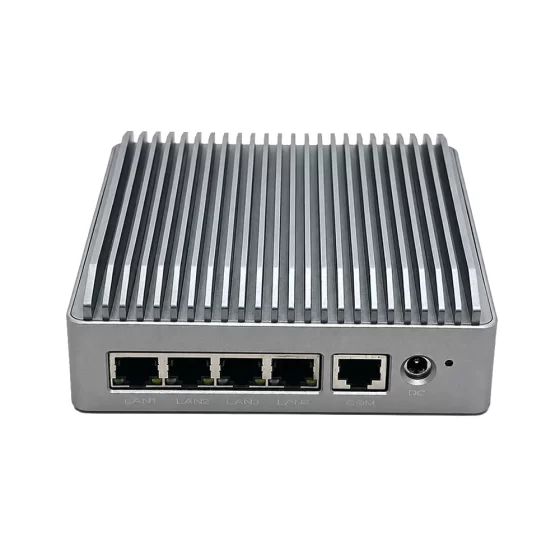
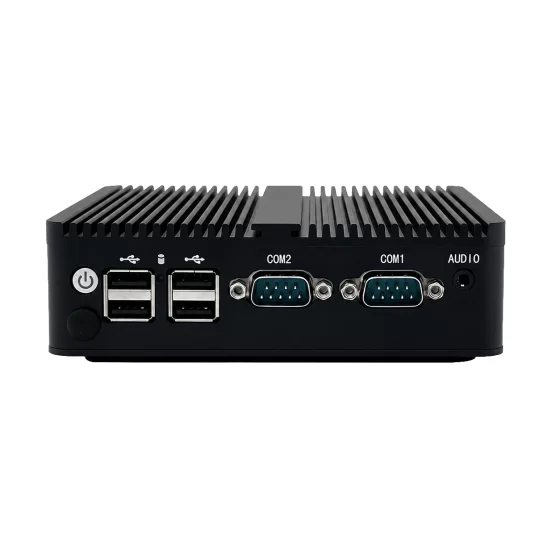
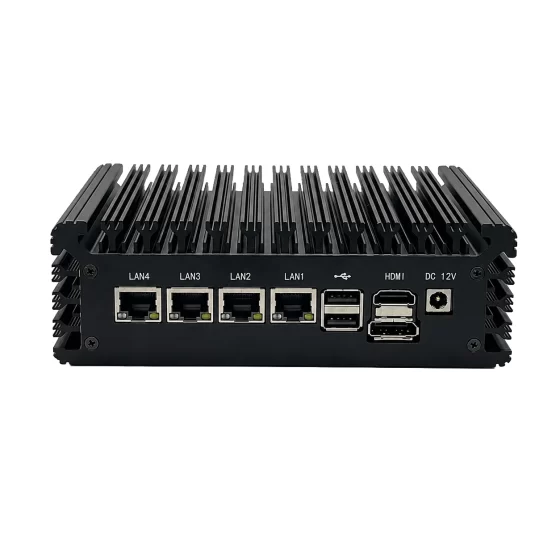
工业计算机或嵌入式计算机作为本地AI处理平台. 它接收图像数据, 运行检查算法, communicates with PLCs and automation equipment, 储存检查记录, and uploads results to factory databases or production dashboards.

与标准商用 PC 相比, industrial computers are better suited for factory deployment because they provide stable operation, 灵活的输入/输出, 坚固的机械设计, 无风扇选项, 可靠的网络, 和长生命周期支持.

This article explains how AI quality inspection computers support industrial inspection, 制造商在部署过程中面临哪些挑战, 解决方案架构如何运作, and which hardware features are important for reliable AI-based quality control.

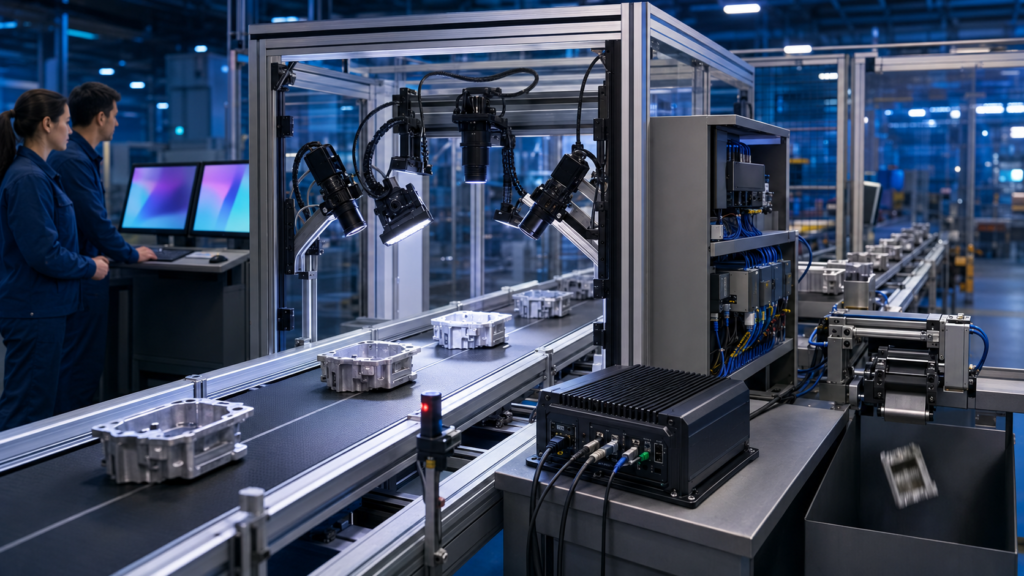
Embedded AI computer processing camera images on an automated quality inspection line

AI Quality Inspection on Production Lines

行业概况

Quality Inspection Is Moving Toward AI

Manufacturing quality control has traditionally relied on manual inspection, rule-based machine vision, sampling inspection, or offline testing.

These methods are still useful, but many modern production lines require faster, more consistent, and more data-connected inspection. Products are becoming more complex, production speeds are increasing, and factories need stronger traceability.

AI quality inspection can support:

  • Surface defect detection
  • Product appearance inspection
  • Assembly verification
  • Missing part detection
  • Label and barcode checking
  • Packaging inspection
  • Dimension and position verification
  • 异物检测
  • Solder and component inspection
  • 缺陷分类
  • Quality data collection

A reliable AI quality inspection computer provides the local computing platform required to turn camera data into production decisions.

Why AI Is Used in Quality Inspection

Traditional rule-based vision systems work well when defects are clear, 稳定的, and easy to define.

然而, real-world defects are often more complex. Scratches, stains, 裂缝, dents, 污染, poor solder joints, 缺少组件, 形变, and color variation may appear in different shapes, sizes, and lighting conditions.

AI inspection models can help identify visual patterns that are difficult to describe with fixed rules.

AI can be useful for:

  • Variable defect shapes
  • Complex product surfaces
  • Mixed product models
  • Subtle appearance differences
  • 缺陷分类
  • Anomaly detection
  • Multi-stage quality analysis

AI并不能取代合适的相机, lens, 灯光, 和机械设计. It depends on stable image acquisition and reliable computing hardware.

Industrial Computing Enables Real Factory Deployment

AI inspection systems are often installed directly on production lines.

They may operate near conveyors, 机器人细胞, assembly machines, 包装设备, 测试站, inspection benches, or control cabinets.

这些环境可能包括振动, 灰尘, 热, 电噪声, 电缆运动, limited space, 以及营业时间长.

Industrial computers and embedded computers are designed for these deployment conditions. They support stable performance, 工业输入/输出, multiple camera interfaces, 坚固的安装, 本地存储, 和长生命周期可用性.

AI inspection of reflective components with scratches, dents, stains, 颜色变化, and missing parts

AI Quality Inspection Vision Challenges

主要挑战

Defect Variability

Defects are not always consistent.

The same defect type may appear differently depending on product material, lighting angle, surface texture, production process, or camera position.

常见的检查挑战包括:

  • Fine scratches
  • Surface stains
  • Cracks and dents
  • Missing components
  • Wrong assembly
  • 颜色差异
  • Contamination
  • Foreign objects
  • Misaligned parts
  • Damaged packaging

The AI quality inspection computer must process images reliably under real production conditions.

High Image Processing Workload

AI inspection often uses high-resolution cameras and deep learning models.

The computing workload depends on camera resolution, number of cameras, frame rate, model complexity, inspection cycle time, and storage requirements.

If the computer is underpowered, the system may experience delayed processing, dropped frames, unstable inspection speed, or reduced production throughput.

重要的工作量因素包括:

  • AI model size
  • 图像分辨率
  • 摄像头数量
  • 所需帧率
  • 本地图像存储
  • Defect classification logic
  • PLC通讯时序
  • MES or database upload frequency

Stable sustained performance is more important than short peak benchmark performance.

Camera and Lighting Integration

AI inspection accuracy depends heavily on image quality.

Poor lighting can create glare, 阴影, motion blur, low contrast, or unstable color. These problems can reduce model accuracy and increase false detection.

A reliable system requires coordination between:

  • Camera selection
  • Lens design
  • Lighting method
  • 触发时机
  • Product positioning
  • Mechanical mounting
  • Software settings
  • Computing hardware

The industrial computer must support stable image acquisition and reliable connection with lighting controllers, 传感器, and camera systems.

与生产设备集成

AI inspection results must be connected with production actions.

The system may need to communicate with PLCs, 输送机, 机器人, 拒绝机制, 警报, 条形码阅读器, MES software, or quality databases.

A practical AI inspection computer may need:

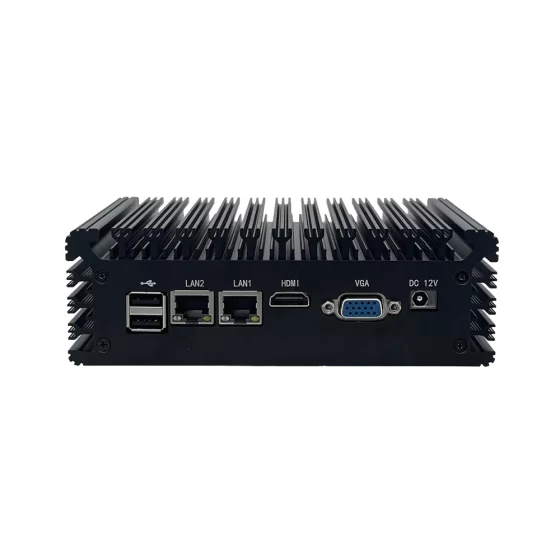
  • 局域网
  • USB
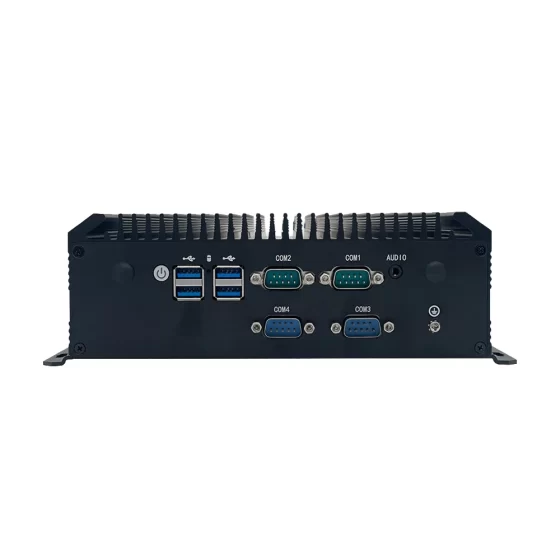
  • RS232
  • RS485
  • 通用输入输出接口
  • 数字输入
  • 数字输出
  • HDMI 或 DisplayPort
  • M.2 or PCIe expansion

Without the right I/O configuration, system integration becomes more complex and less reliable.

Continuous Operation and Maintenance

AI quality inspection systems often operate across multiple shifts.

If the inspection computer fails, image processing may stop, reject control may fail, and quality data may become incomplete.

Industrial-grade hardware helps reduce this risk by supporting stable thermal design, rugged mechanical installation, 可靠的存储, and long-term component availability.

Long lifecycle support is also important because inspection systems often remain in production for many years.

AI inspection computer connecting cameras, 灯光, 可编程逻辑控制器, 机器人, 制造执行系统, and quality database

AI Quality Inspection Computer Architecture

AI Quality Inspection Computer Solution Architecture

图像和传感器采集层

The acquisition layer captures the raw data needed for AI inspection.

该层可能包括工业相机, 镜片, 照明模块, 触发传感器, 条形码阅读器, measurement devices, 和生产传感器.

取决于应用, 系统可能会捕获:

  • Product surface images
  • Assembly images
  • Component images
  • Packaging images
  • Barcode or label images
  • 缺陷图像
  • Position data
  • Measurement values
  • Process signals

一致的输入质量至关重要. AI inspection results depend on clear, repeatable, and stable data capture.

工业AI计算层

The industrial AI computing layer is where the AI quality inspection computer performs local processing.

在这一层, 工业计算机或嵌入式计算机可以:

  • Receive images from cameras
  • 运行 AI 推理模型
  • Detect visual defects
  • Classify abnormal conditions
  • Compare results with inspection rules
  • 存储图像和日志
  • Display inspection results
  • 发送通过或失败信号
  • 与 PLC 通讯
  • 将数据上传到质量系统

This edge computing layer allows inspection decisions to happen close to the production process.

自动化控制层

The automation control layer connects AI inspection results with equipment action.

一个PLC, 机器人控制器, motion controller, conveyor system, or reject mechanism may trigger inspection and receive results from the industrial computer.

例如, if the system detects a missing component, unreadable label, surface defect, or package damage, the computer can send a fail signal to the PLC. The equipment may then stop the line, activate a reject mechanism, or route the product for rework.

This closed-loop communication turns AI inspection into practical quality control.

数据管理层

Inspection results must be stored and connected with production records.

工控机可向MES发送数据, 质量管理体系, factory databases, 生产仪表板, or analytics platforms.

检查数据可能包括:

  • 产品编号
  • 工单
  • 批号
  • 检查结果
  • 缺陷类别
  • 图像证据
  • 置信度得分
  • 站号
  • 时间戳
  • 操作员动作
  • Recheck status

这支持可追溯性, 质量分析, 流程改进, 和生产责任.

用户界面和工程层

Operators and engineers need a local interface for monitoring and adjustment.

The AI quality inspection computer may connect to a monitor, 触摸屏, 键盘, 或人机界面面板.

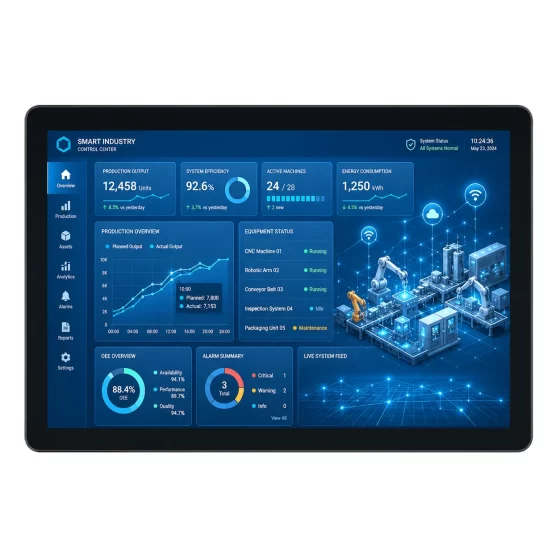
界面可显示实时图像, 缺陷位置, 检查结果, alarm messages, 生产数量, AI model status, camera status, 和系统日志.

A clear interface helps engineers review defects, adjust inspection settings, and troubleshoot production problems quickly.

主要特点

人工智能推理性能

AI inspection requires stable inference performance.

不同的检测任务需要不同的计算级别. A simple single-camera defect detection station may use a compact embedded computer. A multi-camera AI inspection line may require a more powerful industrial PC or edge AI computer.

选型时应考虑:

  • AI模型复杂度
  • 相机分辨率
  • 摄像头数量
  • 检验速度
  • 帧率
  • CPU工作负载
  • GPU or AI accelerator needs
  • 内存容量
  • 存储工作负载
  • 软件框架

The best configuration should be selected according to real production data and actual inspection cycle time.

Camera Interface Support

Camera connectivity is one of the most important hardware requirements.

AI inspection systems commonly use USB cameras, 千兆以太网相机, 2.5GbE cameras, or other industrial vision interfaces.

有用的硬件功能可能包括:

  • USB 3.0 端口
  • 多个 LAN 端口
  • 2.5GbE or higher-speed LAN options
  • PCIe扩展
  • M.2扩展
  • HDMI 或 DisplayPort 输出
  • 高速存储
  • 稳定的电源设计

对于多摄像机系统, bandwidth planning should be completed before hardware selection.

用于工厂集成的工业 I/O

The AI inspection computer must connect with real production equipment.

重要的 I/O 选项可能包括:

  • 局域网
  • USB
  • RS232
  • RS485
  • 通用输入输出接口
  • 数字输入
  • 数字输出
  • HDMI
  • 显示端口

这些接口可以支持摄像头, 传感器, 照明控制器, 条形码阅读器, PLC, 输送机, 警报, 机器人, 和拒绝机制.

灵活的 I/O 减少了外部适配器并提高了系统可靠性.

无风扇且坚固的设计

Fanless industrial computers are useful in many inspection environments.

它们减少灰尘摄入并消除一个常见的机械故障点. This is valuable when systems operate continuously and maintenance access is limited.

坚固的外壳有助于保护计算机免受振动, 电缆应力, and installation impact.

适用于高性能 AI 工作负载, thermal design must be reviewed carefully. Processor power, GPU或加速器的使用, 机柜气流, 环境温度, and mounting position can all affect long-term stability.

可靠地存储检验记录

AI inspection systems may generate large amounts of data.

计算机可以存储缺陷图像, accepted image samples, 检查日志, AI模型文件, reports, and local database records.

SSD or NVMe storage is commonly preferred because it provides faster access and better shock resistance than mechanical drives.

对于图像较多的应用程序, 存储容量, 写耐力, 备份方法, 在系统设计期间应审查数据保留政策.

长生命周期和可维护性

AI inspection systems may remain in production for many years.

Frequent changes in hardware models, 端口, 司机, or expansion options can increase validation workload and maintenance cost.

Industrial computing platforms with lifecycle planning help manufacturers and OEM equipment builders maintain consistent systems across multiple lines, 机器, and customer projects.

部署场景

Surface Defect Detection

Surface defect detection is one of the most common AI inspection applications.

The system can inspect metal, plastic, glass, electronic parts, packaging materials, textiles, and other product surfaces.

The industrial computer processes images locally to detect scratches, stains, dents, 裂缝, 污染, and other visible defects.

Assembly Verification

AI inspection can verify whether products are assembled correctly.

The system can check component presence, orientation, 位置, connector alignment, screw placement, cable routing, 标签位置, or missing parts.

An industrial computer processes camera images and sends results to the production system or PLC.

Electronics Inspection

Electronics manufacturing can use AI inspection for PCB inspection, solder joint review, 元件验证, 条码识别, connector inspection, 和缺陷分类.

An embedded computer can be installed near SMT lines, 自动检测设备, 测试站, or repair benches.

Inspection results can be connected with PCB serial numbers, 工单, and MES records.

Packaging Inspection

AI quality inspection can support packaging checks for labels, 条形码, 日期代码, 密封件, 帽子, 纸箱, pouches, 瓶子, and final packages.

The industrial computer processes images and sends pass or fail results to PLCs or reject mechanisms.

这有助于减少运输错误并提高可追溯性.

Food and Pharmaceutical Inspection

Food and pharmaceutical production often require visual inspection of products, 标签, 包, 密封件, codes, 和最终包装.

AI inspection computers can support appearance inspection, 标签验证, fill-level checks, package completeness, and traceability record creation.

These applications require stable image acquisition and reliable data handling.

Battery and New Energy Inspection

Battery manufacturing can use AI inspection for electrode surfaces, cell appearance, tab welding areas, module assembly, wiring, 标签, and final pack inspection.

The industrial computer processes defect images and connects results with production and quality systems.

This supports safer and more traceable battery manufacturing workflows.

Robotic Inspection Cells

AI inspection can be integrated with robotic systems.

A robot may move a product under a camera, position a camera around the product, or sort items based on inspection results.

The AI quality inspection computer processes images and communicates with the robot controller or PLC.

OEM Inspection Equipment

Machine builders can integrate industrial computers, 嵌入式计算机, or industrial motherboards into AI inspection machines.

The computing platform can provide image acquisition, 人工智能推理, 人机界面显示, 自动化通讯, 本地存储, 和工厂数据输出.

This helps OEMs deliver inspection equipment ready for smart manufacturing integration.

Engineers reviewing AI inspection results and product traceability in a smart factory

AI Quality Inspection Defect Review

商业效益

提高检查一致性

AI quality inspection helps manufacturers inspect products more consistently across shifts.

The system processes images according to defined models and inspection logic. This reduces dependence on manual judgment and helps maintain stable quality control.

Reliable industrial computing hardware supports this consistency by keeping image acquisition and inference workloads stable.

减少人工检查工作量

Manual inspection can be repetitive, slow, and inconsistent.

AI inspection automates many visual checks and allows operators to focus on exception handling, process adjustment, and equipment maintenance.

This improves production efficiency and reduces the risk of missed defects caused by fatigue.

更快的缺陷检测

Local AI processing allows inspection decisions to happen near the production line.

The industrial computer can detect defects and send pass, 失败, or classification results to PLCs quickly.

This enables faster reject action, rework routing, or process correction.

Stronger Quality Traceability

AI inspection data can be linked with product IDs, 工单, 缺陷类别, 图片, 时间戳, 车站信息, and operator actions.

This creates stronger quality records for production analysis, customer audits, warranty investigation, and root cause analysis.

Traceability becomes more useful when inspection data is collected consistently and connected with MES or quality systems.

更好的流程改进

AI inspection platforms generate useful production data.

制造商可以分析重复出现的缺陷, 车站表演, 过程漂移, equipment issues, and inspection trends.

Reliable industrial computers help ensure that this data is stored, 转移, and displayed consistently.

Scalable Smart Manufacturing Deployment

A standardized industrial computing platform makes it easier to deploy AI inspection across multiple production lines and factories.

一致的硬件简化了软件映像, 司机管理, 备件计划, 维护培训, 和长期的技术支持.

This supports scalable digital quality control and smart manufacturing development.

为什么选择CoreIPC

CoreIPC为机器视觉提供工业计算平台, 边缘人工智能, 工厂自动化, 和嵌入式系统集成. For AI quality inspection computer applications, CoreIPC专注于可靠的工业计算机硬件, 嵌入式计算机解决方案, 灵活的 I/O 配置, 紧凑的系统设计, 和OEM/ODM定制支持. CoreIPC帮助系统集成商, 机器制造商, 和制造团队选择符合实际部署需求的计算平台, 包括相机接口, 人工智能工作负载, 自动化通讯, 安装方法, 电源输入, 热设计, 存储需求, 和生命周期规划.

常见问题解答

1. What is an AI quality inspection computer?

An AI quality inspection computer is an industrial computer used to run AI-based inspection software near production equipment.

It connects to cameras, 照明控制器, 传感器, PLC, 和工厂网络. 它接收图像数据, 运行 AI 推理, 检测缺陷, 储存检查记录, and sends results to automation systems or quality databases.

2. Why use an industrial computer for AI quality inspection?

AI inspection systems often operate directly on production lines.

工业计算机比办公电脑更适合,因为它支持连续操作, rugged mounting, 工业输入/输出, 相机连接, 稳定的热设计, 和长生命周期部署. These features help inspection systems remain reliable during real factory operation.

3. How is an embedded computer used in AI inspection systems?

检查机内可安装嵌入式计算机, 机器人细胞, production cabinets, compact vision stations, or OEM equipment.

它可以处理相机数据, run AI models, 与 PLC 通信, 显示本地结果, and upload inspection records. Its compact design makes it useful for space-limited machine-side deployment.

4. What defects can AI quality inspection detect?

AI quality inspection can support detection of scratches, dents, 裂缝, stains, 污染, 缺少零件, wrong assembly, poor labels, barcode errors, 密封缺陷, 表面缺陷, and packaging damage.

The actual detection capability depends on camera quality, 灯光设计, AI模型训练, 产品变化, and real production validation.

5. What interfaces are important for AI inspection computers?

重要的接口可能包括USB 3.0, 多个 LAN 端口, 2.5携带, RS232, RS485, 通用输入输出接口, 数字输入, 数字输出, HDMI, 显示端口, M.2, 和 PCIe 扩展.

相机接口对于图像采集至关重要. 工业I/O对于PLC通信很重要, 触发信号, 照明控制, 传感器, 警报, 输送机, 和拒绝机制.

6. Does an AI quality inspection computer need a GPU?

Some AI inspection workloads may need GPU or AI accelerator support, especially for high-resolution images, 多个摄像头, or complex models.

Other applications may run on CPU-based industrial computers if the model is lightweight and the inspection speed is moderate. Hardware should be selected based on real model performance and production cycle time.

7. Is a fanless industrial computer suitable for AI inspection?

A fanless industrial computer can be suitable for many AI inspection applications because it reduces dust intake and removes one common mechanical failure point.

然而, AI workloads can generate significant heat. CPU性能, GPU或加速器的使用, 机柜气流, 环境温度, and mounting method should be reviewed before final selection.

8. How does AI inspection support traceability?

AI inspection supports traceability by linking inspection results with product IDs, 工单, 缺陷类别, 图片, 时间戳, 站ID, and operator actions.

该数据可上传至MES, 质量体系, 或生产数据库. Complete records help manufacturers analyze defects, support audits, 并改进生产流程.

9. Can AI inspection connect with MES systems?

是的. Industrial computers can send AI inspection results to MES, 质量数据库, 生产仪表板, or analytics platforms.

上传的数据可能包括产品 ID, 检查结果, 缺陷类别, 图像记录, 时间戳, line numbers, 和车站信息. This helps connect visual inspection with production management and quality analysis.

10. 部署前应该测试什么?

部署前, 该系统应该用真实的产品进行测试, real defects, 生产照明, actual camera resolution, line speed, 人工智能模型, PLC通讯, 存储工作负载, 和网络状况.

Long-running stability and thermal performance should also be tested. This helps confirm that the platform can operate reliably in production.

结论

An AI quality inspection computer is a practical foundation for automated visual inspection, 缺陷检测, 生产追溯, and smart manufacturing quality control.

通过将工业计算硬件放置在靠近摄像头的位置, 照明系统, 传感器, PLC, 输送机, 机器人, and inspection equipment, 制造商可以在本地处理检测数据并更快地响应质量问题.

应根据实际部署需求选择合适的工控机或嵌入式计算机, 包括人工智能工作负载, 相机接口, 图像分辨率, 输入/输出配置, 网络设计, 存储需求, 安装方法, 电源输入, 热条件, 操作系统支持, 和生命周期规划.

CoreIPC supports AI quality inspection computer projects with industrial computing platforms designed for practical factory deployment. 拥有正确的硬件基础, manufacturers and equipment builders can build more reliable, 可扩展, and data-driven quality inspection systems.

联系我们

寻找工业计算机, 嵌入式计算机, or industrial motherboard for AI quality inspection?

联系 CoreIPC 讨论您的项目需求, 包括相机接口, 人工智能工作负载, 输入/输出配置, 自动化通讯, 安装方法, 电源输入, 运行环境, 生命周期需求, 和 OEM/ODM 定制选项.
留言


    安全检查: