包装检测人工智能视觉: 包装检测人工智能计算机实现可靠的质量控制
执行摘要
Packaging inspection AI systems are becoming an important part of modern manufacturing, 后勤, food production, pharmaceutical packaging, consumer goods, electronics packaging, and automated quality control.
Packaging is often the final visible quality checkpoint before products leave the factory. A missing label, unreadable barcode, damaged carton, wrong print, poor seal, incorrect cap, or package deformation can create customer complaints, shipment errors, traceability gaps, and rework costs.
A packaging inspection AI platform uses industrial cameras, 灯光, 传感器, 人工智能推理模型, 机器视觉软件, and industrial computing hardware to inspect packages automatically on production lines.
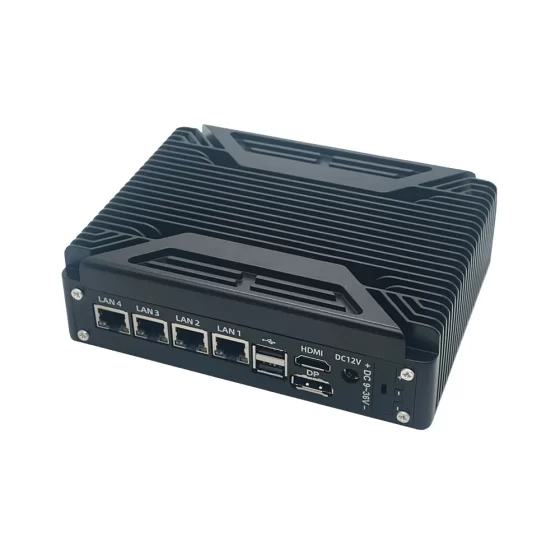
工业计算机或嵌入式计算机作为本地AI处理平台. It receives images from cameras, 运行检查算法, communicates with PLCs and reject mechanisms, 储存检查记录, 并将数据上传至MES, 仓库管理系统, 企业资源计划, 质量体系, 或生产数据库.
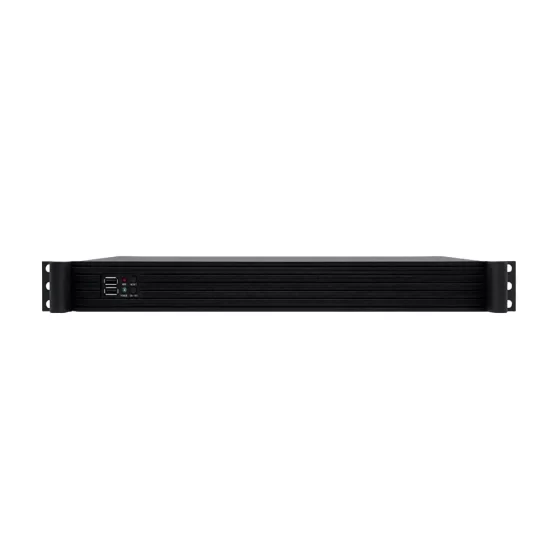
与标准商用 PC 相比, industrial computers provide stronger reliability, 灵活的输入/输出, 坚固的安装, 无风扇选项, 网络稳定, 和长生命周期支持. These features are important when inspection systems operate near conveyors, 包装机, 贴标设备, filling lines, sealing stations, and automated sorting systems.
This article explains how packaging inspection AI systems work, 实际部署中会遇到哪些挑战, 解决方案架构的结构如何, and which hardware features matter most when selecting an industrial computer for AI-based packaging inspection.

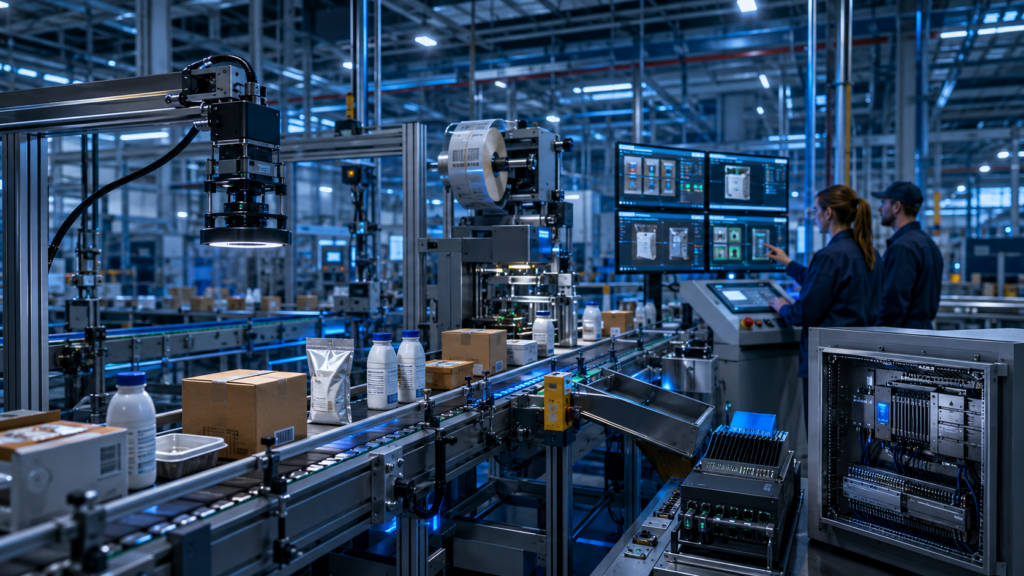
Industrial computers process camera images for packaging inspection, 标签验证, barcode checking, and quality control.
行业概况
Packaging Quality Directly Affects Customer Experience
Packaging is more than a container.
It carries product information, brand identity, regulatory labels, 批号, 条形码, expiration dates, handling instructions, and logistics data. For many products, packaging is also part of the quality record and traceability chain.
Manufacturers need to inspect packaging at multiple points, 包括:
- Label application
- 条形码和二维码可读性
- Date code and batch code printing
- Seal quality
- Cap and closure position
- Carton condition
- Product count
- Fill level
- Package deformation
- Final shipment verification
A packaging inspection AI computer helps manufacturers automate these checks and connect results with production records.
Why AI Is Used in Packaging Inspection
Traditional rule-based vision systems work well for simple and repeatable checks.
然而, packaging inspection can involve many variable conditions. Labels may wrinkle, cartons may deform slightly, glossy films may reflect light, printed codes may vary in contrast, and packages may move quickly on conveyors.
AI can help recognize more complex visual patterns and classify abnormalities that are difficult to define with fixed rules.
Packaging inspection AI can support:
- Label defect detection
- Print quality inspection
- Barcode and QR code verification
- Seal defect detection
- Cap and closure inspection
- Carton damage detection
- 包装完整性检查
- Product orientation verification
- Foreign object or contamination detection support
- Final package quality grading
AI does not replace proper camera and lighting design. It depends on stable image acquisition, controlled inspection conditions, and reliable industrial computing hardware.
工业计算是本土人工智能的基础
Packaging lines often require fast inspection decisions.
将每个图像发送到远程服务器可能会增加延迟, 网络负载, 以及对集中式基础设施的依赖. Local industrial computers allow image processing and AI inference to happen close to the packaging machine or conveyor.
An industrial computer can connect cameras, 照明控制器, 条形码阅读器, 传感器, PLC, 拒绝机制, 标签打印机, 包装机, 和工厂网络.
An embedded computer is useful when the inspection system must be integrated into a compact machine, 内阁, packaging station, or OEM inspection device.

Reflection, transparent materials, 弯曲标签, 小代码, 密封缺陷, and high line speed affect inspection reliability.
主要挑战
Packaging Material Variation
Packaging materials can vary widely.
A vision system may need to inspect paper cartons, 塑料瓶, glass containers, 金属罐, flexible films, pouches, 托盘, 泡罩包装, boxes, 标签, and shrink wraps.
Each material creates different imaging challenges.
Common issues include:
- Glossy surface reflection
- 透明包装
- Curved labels
- Wrinkled films
- Low-contrast printing
- Deformed cartons
- Small date codes
- Damaged edges
- Misaligned labels
- 快速的产品移动
The AI inspection computer must process images reliably under real production conditions.
High-Speed Line Requirements
Packaging lines can operate at high speed.
The system must capture images, process AI inference, 对结果进行分类, 与 PLC 通信, and trigger reject actions within the available production cycle time.
重要的性能因素包括:
- 相机分辨率
- 摄像头数量
- 帧率
- 输送速度
- AI模型复杂度
- 检验周期时间
- 拒绝机制计时
- 本地图像存储
- 数据上传频率
Stable sustained performance is more important than short benchmark peaks.
Lighting and Image Consistency
Lighting is one of the most important parts of packaging inspection.
Reflective films, transparent bottles, curved containers, printed cartons, foil packaging, and dark labels can create glare, 阴影, 失真, 或低对比度.
Poor image quality can reduce AI accuracy and increase false rejection.
A reliable system requires coordination between camera selection, lens design, lighting method, 机械安装, 触发时机, software configuration, 和计算硬件.
工控机必须支持稳定的摄像头采集和灯光控制(如有需要).
Integration with Packaging Equipment
Packaging inspection systems must work with real production equipment.
The AI inspection computer may need to communicate with filling machines, 封口机, labeling machines, 装盒机, case packers, 输送机, PLC, 拒绝机制, 扫描仪, 打印机, 和工厂数据库.
A practical packaging inspection AI platform may need:
- 局域网
- USB
- RS232
- RS485
- 通用输入输出接口
- 数字输入
- 数字输出
- HDMI 或 DisplayPort
- 扩展接口
没有合适的工业 I/O, system integration becomes more complicated and less reliable.
Traceability and Data Management
Packaging inspection results are most useful when connected to production records.
The system may need to link inspection images, 产品 ID, 批号, 日期代码, 条形码值, 标签数据, reject results, 时间戳, 站ID, and line numbers.
If the inspection computer cannot handle data reliably, traceability records may become incomplete.
This can affect quality analysis, shipment verification, recall investigation, and customer complaint handling.

Industrial computers connect AI packaging cameras, 自动化设备, 包装机, and factory data systems.
Packaging Inspection AI Solution Architecture
图像和传感器采集层
The acquisition layer captures the raw data required for AI inspection.
该层可能包括工业相机, 镜片, 照明模块, photoelectric sensors, 条形码阅读器, 触发传感器, and package positioning devices.
根据检查任务, 系统可能会捕获:
- 标签图像
- Barcode and QR code images
- 日期代码图像
- Seal images
- Cap and closure images
- Carton images
- Bottle images
- Pouch or film images
- 填充图像
- Final package images
Stable and repeatable image quality is essential before AI inspection can perform reliably.
工业AI计算层
The industrial AI computing layer is where the packaging inspection AI computer performs local processing.
在这一层, 工业计算机或嵌入式计算机可以:
- 接收来自相机的图像数据
- 运行 AI 推理模型
- 运行基于规则的视觉工具
- Detect label or print defects
- Verify barcode readability
- Check seal or cap condition
- 存储检查图像和日志
- Send pass or fail signals to PLCs
- Upload results to quality systems
- 本地显示巡检状态
该边缘计算层允许在生产线附近进行检查决策.
自动化控制层
The automation control layer connects inspection results with packaging equipment.
一个PLC, 输送控制器, 包装机, labeler, 灌装系统, 或拒绝机制可能会触发图像捕获或接收检查结果.
例如, if a carton label is incorrect or a barcode is unreadable, 工控机可向PLC发送故障信号. The system can then activate a reject mechanism or alert an operator.
This closed-loop communication turns AI inspection results into practical production action.
数据管理层
Inspection results must be stored and connected with production data.
The industrial computer may send records to MES, 仓库管理系统, 企业资源计划, 质量管理体系, factory databases, or dashboards.
检查数据可能包括:
- 产品编号
- 批号
- Barcode value
- Date code
- 检查结果
- 缺陷类别
- 图像证据
- 时间戳
- 站号
- 行号
- 拒绝状态
这支持可追溯性, 流程改进, 质量报告, and shipment verification.
用户界面和工程层
Operators and engineers need a clear local interface.
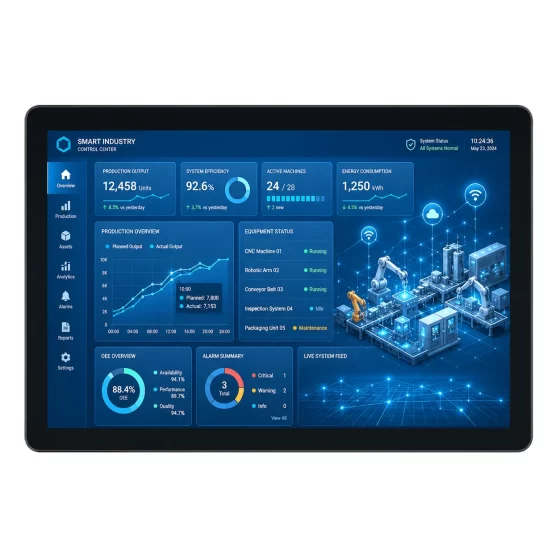
检查计算机可以连接到监视器, 触摸屏, 键盘, 或人机界面面板. 界面可显示实时图像, AI detection results, 拒绝计数, alarm messages, production statistics, camera status, 模型状态, 和系统日志.
A practical interface helps engineers adjust inspection parameters and respond quickly when packaging defects appear.

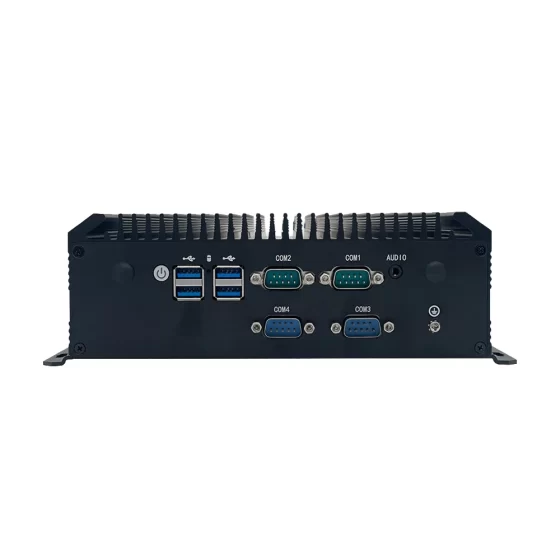
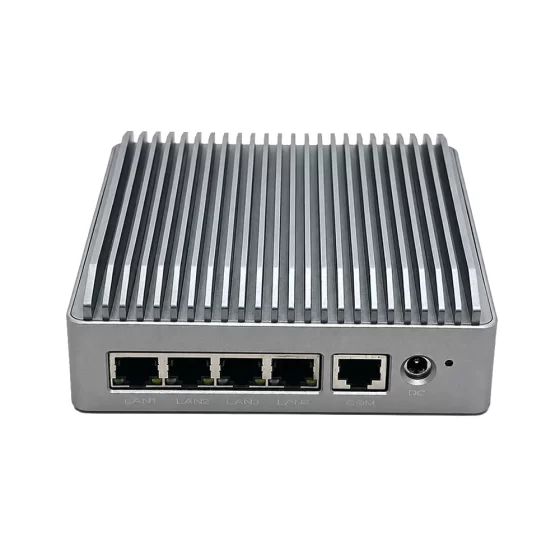
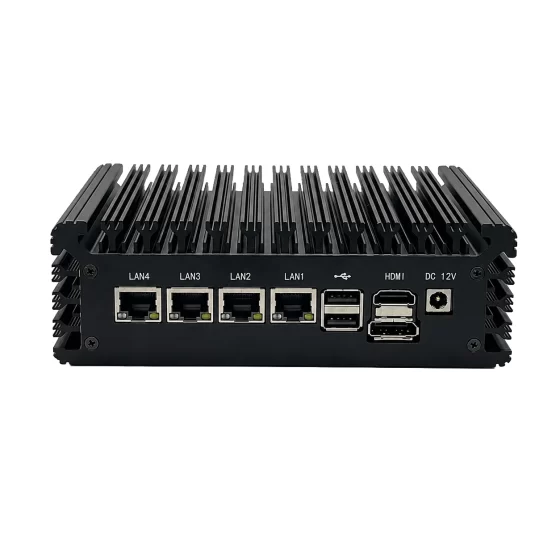
Fanless industrial computers support reliable packaging AI inspection deployment inside production-line cabinets.
主要特点
人工智能推理性能
Packaging inspection AI systems require stable local processing performance.
不同的应用需要不同的计算级别. 简单的条形码验证站可以使用紧凑型嵌入式计算机. A multi-camera packaging inspection line with AI defect detection may require a more powerful industrial PC or edge AI computer.
选型时应考虑:
- AI模型复杂度
- 相机分辨率
- 摄像头数量
- 所需帧率
- 输送速度
- 检验周期时间
- 存储工作负载
- 中央处理器, 图形处理器, 或AI加速器需求
The hardware should be selected according to real inspection workload and line speed.
相机和视觉接口支持
Packaging inspection depends on reliable image acquisition.
计算平台应支持所需的相机接口和带宽. USB and Gigabit Ethernet cameras are commonly used in industrial vision systems.
有用的硬件功能可能包括:
- USB 3.0 端口
- 多个 LAN 端口
- PCIe扩展
- M.2扩展
- HDMI 或 DisplayPort
- 高速SSD支持
- 稳定的电源设计
对于多摄像机系统, camera traffic may need to be separated from factory network communication.
Industrial I/O for Line Integration
The AI inspection computer must connect with packaging equipment and peripheral devices.
重要的 I/O 选项可能包括:
- 局域网
- USB
- RS232
- RS485
- 通用输入输出接口
- 数字输入
- 数字输出
- HDMI
- 显示端口
这些接口可以支持摄像头, 扫描仪, 照明控制器, 传感器, PLC, 输送机, 标签打印机, 警报, 和拒绝机制.
灵活的 I/O 减少了外部转换器并提高了部署可靠性.
无风扇且坚固的设计
Fanless industrial computers are useful in many packaging inspection applications.
它们减少灰尘摄入并消除一个常见的机械故障点. This can improve long-term reliability in production environments where inspection systems run continuously.
坚固的外壳有助于保护计算机免受振动, 电缆应力, 及机柜安装条件.
适用于高性能 AI 工作负载, 必须仔细审查热设计以确保长期稳定运行.
图像和检查记录的存储
Packaging inspection AI systems may generate many files and records.
计算机可以存储缺陷图像, accepted image samples, 检查日志, AI模型文件, 生产报告, 和本地数据库.
SSD 存储通常是首选,因为它比机械驱动器具有更快的响应速度和更好的抗冲击性.
For image-heavy inspection systems, 存储容量, 写耐力, 备份方法, 在系统设计期间应审查数据保留政策.
长生命周期和可维护性
Packaging machines and inspection systems may stay in production for many years.
电脑型号频繁变更, 端口, 司机, or expansion options can increase validation workload and maintenance cost.
具有生命周期规划的工业计算平台可帮助系统集成商, 机器制造商, and manufacturers maintain stable systems across multiple packaging lines and equipment generations.

Packaging inspection AI improves defect review, 标签验证, barcode traceability, seal inspection, and final quality control.
部署场景
Label Verification
Label verification is one of the most common packaging inspection AI applications.
The system can check whether the label is present, 正确定位, 可读的, and aligned with the expected product.
The industrial computer processes camera images locally and sends pass or fail results to the production control system.
Barcode and QR Code Inspection
Packaging often depends on accurate barcode and QR code recognition.
The system can verify readability, 位置, 打印质量, and code matching. It can also send recognition data to MES, 仓库管理系统, 企业资源计划, 或质量体系.
这支持可追溯性, 库存控制, and shipment verification.
Date Code and Batch Code Inspection
Date codes and batch codes are critical for traceability.
An AI vision system can inspect printed codes on cartons, 瓶子, pouches, 罐头, 标签, or blister packs.
The industrial computer can detect missing, blurred, misprinted, or unreadable codes and trigger reject actions when needed.
Seal and Closure Inspection
Packaging integrity often depends on proper sealing and closure.
AI inspection can check cap position, seal alignment, film sealing, pouch closure, blister pack sealing, and visible damage.
This helps reduce leakage, contamination risk, and packaging failure.
Carton and Case Inspection
Cartons and cases may need inspection for damage, 形变, 打印质量, 标签位置, and correct product grouping.
The vision system can inspect packages before palletizing or shipment.
Industrial computers process images and connect inspection results with warehouse or logistics systems.
Fill-Level and Presence Inspection
Some packaging applications require fill-level or product presence checks.
The system can inspect bottles, 罐子, 托盘, 杯子, boxes, or containers to confirm that the product is present and within the expected visual range.
This helps reduce underfill, overfill, missing product, and packaging errors.
Final Packaging Quality Control
Final packaging inspection checks the complete package before shipment.
The system may verify label accuracy, 条形码可读性, seal condition, carton appearance, package count, 和可见缺陷.
AI inspection helps reduce shipment errors and strengthens final quality assurance.
OEM Packaging Machine Integration
Machine builders can integrate industrial computers or embedded computers into packaging machines.
计算平台可提供摄像头处理, 人工智能推理, 人机界面显示, PLC通讯, 拒绝控制, 本地存储, 和数据输出.
This helps OEMs deliver inspection-ready packaging equipment for smart manufacturing environments.
商业效益
Improved Packaging Quality
Packaging inspection AI helps manufacturers detect defects more consistently.
The system can identify label problems, print defects, damaged cartons, seal issues, cap problems, code errors, and package deformation.
This improves final product quality and reduces the risk of defective packages reaching customers.
减少人工检查工作量
Manual packaging inspection can be repetitive and inconsistent.
AI vision systems automate many visual checks, allowing operators to focus on exceptions, equipment setup, 维护, 和流程改进.
This improves inspection consistency across shifts and reduces dependence on manual judgment.
Faster Reject Decisions
Local AI processing allows inspection decisions to happen near the packaging line.
工控机可发送通行证, 失败, 或缺陷类别结果传送至 PLC 并快速拒绝机制.
This helps remove defective packages earlier and reduces downstream sorting or rework.
更强的可追溯性
检验结果可与产品ID关联, 批号, 条形码值, 标签数据, 图片, 时间戳, 车站信息, 并拒绝状态.
This creates stronger packaging traceability records.
可靠的可追溯性支持质量分析, shipment verification, recall investigation, and customer complaint resolution.
更好的流程改进
Packaging inspection data can reveal recurring problems.
Manufacturers can analyze label errors, print defects, seal issues, packaging deformation, reject trends, and line-specific quality patterns.
Reliable industrial computing hardware helps ensure that this data is collected consistently and connected to factory systems.
可扩展的检查部署
A standardized industrial computing platform makes it easier to deploy packaging inspection AI across multiple lines and factories.
一致的硬件简化了软件映像, 司机管理, 备件计划, 维护培训, 和长期的技术支持.
This supports scalable digital quality control and smart manufacturing development.
为什么选择CoreIPC
CoreIPC为机器视觉提供工业计算平台, 边缘人工智能, 工厂自动化, 和嵌入式系统集成. For packaging inspection AI applications, CoreIPC专注于可靠的工业计算机硬件, 嵌入式计算机解决方案, 灵活的 I/O 配置, 紧凑的系统设计, 和OEM/ODM定制支持. CoreIPC帮助系统集成商, packaging equipment builders, 制造商选择符合实际部署需求的计算平台, 包括相机接口, 人工智能工作负载, 自动化通讯, 安装方法, 电源输入, 热设计, 存储需求, 和生命周期规划.
常见问题解答
1. What is packaging inspection AI?
Packaging inspection AI uses cameras, 灯光, 人工智能模型, 机器视觉软件, and industrial computing hardware to inspect packages automatically.
It can detect label errors, 条形码问题, damaged cartons, 密封缺陷, 缺失代码, cap issues, package deformation, fill-level problems, and other visual abnormalities. The goal is to improve packaging quality, reduce manual inspection, and connect inspection data with production records.
2. Why use an industrial computer for packaging inspection AI?
An industrial computer provides the local processing and connectivity required for packaging inspection on production lines.
它可以接收相机图像, 运行 AI 推理模型, 与 PLC 通信, connect to lighting controllers and sensors, 储存检验记录, and upload data to MES, 仓库管理系统, 企业资源计划, 或质量体系. It is designed for continuous industrial operation.
3. How is an embedded computer used in packaging inspection?
An embedded computer can be installed inside packaging machines, 检查柜, compact vision stations, or OEM equipment.
它可以处理相机图像, 运行检查软件, 与 PLC 通信, control reject actions, 显示本地结果, 并将记录发送到工厂系统. Its compact size makes it useful for space-limited machine-side deployment.
4. What packaging defects can AI vision detect?
AI vision can support detection of missing labels, 错误的标签, misaligned labels, unreadable barcodes, poor print quality, missing date codes, damaged cartons, 密封缺陷, cap problems, package deformation, and product presence issues.
确切的检测能力取决于相机设置, 灯光设计, AI模型训练, 产品变化, 以及实际生产测试.
5. What interfaces are important for packaging inspection computers?
重要的接口可能包括USB 3.0, 多个 LAN 端口, RS232, RS485, 通用输入输出接口, 数字输入, 数字输出, HDMI, 显示端口, M.2, 和 PCIe 扩展.
相机接口对于图像采集至关重要. 工业I/O对于PLC通信很重要, 触发传感器, 照明控制, 标签打印机, 输送机, 警报, 和拒绝机制.
6. Is a fanless industrial computer suitable for packaging inspection?
A fanless industrial computer can be suitable for many packaging inspection systems because it reduces dust intake and removes one common mechanical failure point.
然而, AI workloads and multi-camera systems may generate more heat than simple inspection tasks. 处理器性能, 外壳气流, 环境温度, and mounting method should be reviewed before selection.
7. How does packaging inspection AI support traceability?
Packaging inspection AI supports traceability by linking inspection results with product IDs, 批号, 条形码值, 日期代码, 标签数据, 图片, 时间戳, 站ID, 并拒绝状态.
该数据可上传至MES, 仓库管理系统, 企业资源计划, 或质量体系. Complete records help support shipment verification, 质量分析, and recall investigation.
8. Can packaging inspection AI connect with MES or WMS systems?
是的. Industrial computers can send packaging inspection data to MES, 仓库管理系统, 企业资源计划, 质量数据库, 或工厂仪表板.
Uploaded data may include barcode values, 检查结果, 缺陷类别, 图像记录, 时间戳, 线路信息, 并拒绝状态. This helps connect packaging inspection with production, warehouse, and logistics workflows.
9. What should be tested before deploying packaging inspection AI?
部署前, the system should be tested with real packages, 标签, codes, 生产照明, 实际输送速度, 相机分辨率, 人工智能模型, PLC通讯, 拒绝计时, 存储工作负载, 和网络状况.
还应测试长期运行稳定性和热性能,以降低生产风险.
10. Can AI replace manual packaging inspection completely?
AI inspection can automate many repetitive packaging checks, but deployment should be validated carefully.
Some cases may still need human review, especially during new product introduction, unusual defect analysis, or process change validation. 在很多工厂, AI works best as a consistent automated inspection layer that supports operators and quality teams.
结论
Packaging inspection AI is a practical foundation for automated label verification, barcode inspection, seal checking, print inspection, carton quality control, and final packaging traceability.
通过将工业计算硬件放置在靠近摄像头的位置, 照明系统, 传感器, PLC, 包装机, 输送机, 和拒绝机制, manufacturers can process inspection data locally and respond faster to packaging defects.
应根据实际部署需求选择合适的工控机或嵌入式计算机, 包括人工智能工作负载, 相机接口, 图像分辨率, 输入/输出配置, 网络设计, 存储需求, 安装方法, 电源输入, 热条件, 操作系统支持, 和生命周期规划.
CoreIPC supports packaging inspection AI projects with industrial computing platforms designed for practical factory deployment. 拥有正确的硬件基础, manufacturers and packaging equipment builders can build more reliable, 可扩展, and data-driven quality inspection systems.
联系我们
寻找工业计算机, 嵌入式计算机, or industrial motherboard for packaging inspection AI?
联系 CoreIPC 讨论您的项目需求, 包括相机接口, 人工智能工作负载, 输入/输出配置, 自动化通讯, 安装方法, 电源输入, 运行环境, 生命周期需求, 和 OEM/ODM 定制选项.
CoreIPC工业计算解决方案