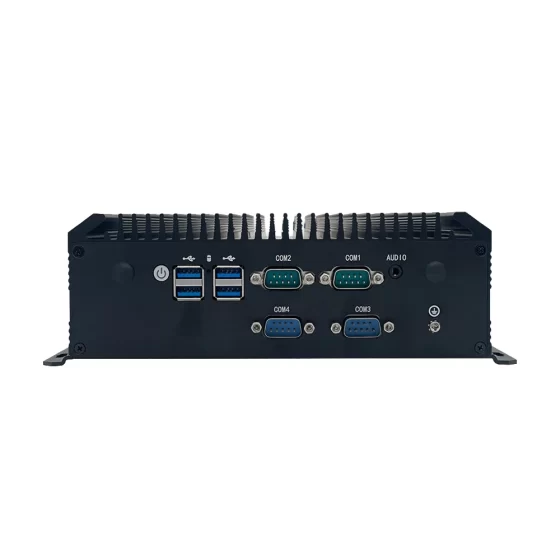
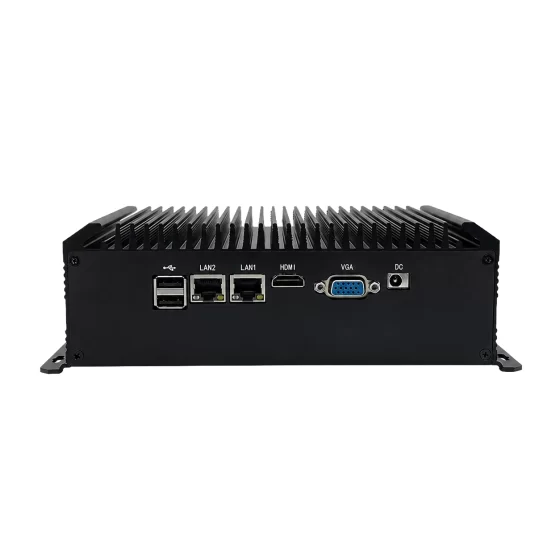
SMT机器视觉计算机: 用于可靠电子制造检测的 SMT 视觉计算机
执行摘要
An smt vision computer provides the industrial computing foundation for automated optical inspection, solder paste inspection, 条码识别, 元件验证, and quality data collection in SMT electronics manufacturing.
Surface mount technology production involves high-speed placement, dense PCB layouts, 小元件, solder paste control, reflow processes, 检查站, and traceability requirements. Each step can generate critical image data, test data, barcode data, 和生产记录.
A machine vision computer for SMT must process data reliably near the production line. It may connect to industrial cameras, 照明控制器, 条形码阅读器, PLC, 传感器, 测试设备, 制造执行系统, 和工厂数据库.
与标准商用 PC 相比, industrial computers and embedded computers are better suited for SMT environments because they support continuous operation, 稳定的输入/输出, 紧凑的安装, 无风扇选项, 坚固的机械设计, and long lifecycle planning.
For SMT equipment builders, electronics manufacturers, 和系统集成商, selecting the right industrial computing platform affects inspection accuracy, 生产正常运行时间, 可追溯性, and long-term maintainability.
This article explains how SMT vision computers support electronics manufacturing, what deployment challenges appear in real factories, 解决方案架构如何运作, and which hardware features are important for reliable SMT machine vision systems.

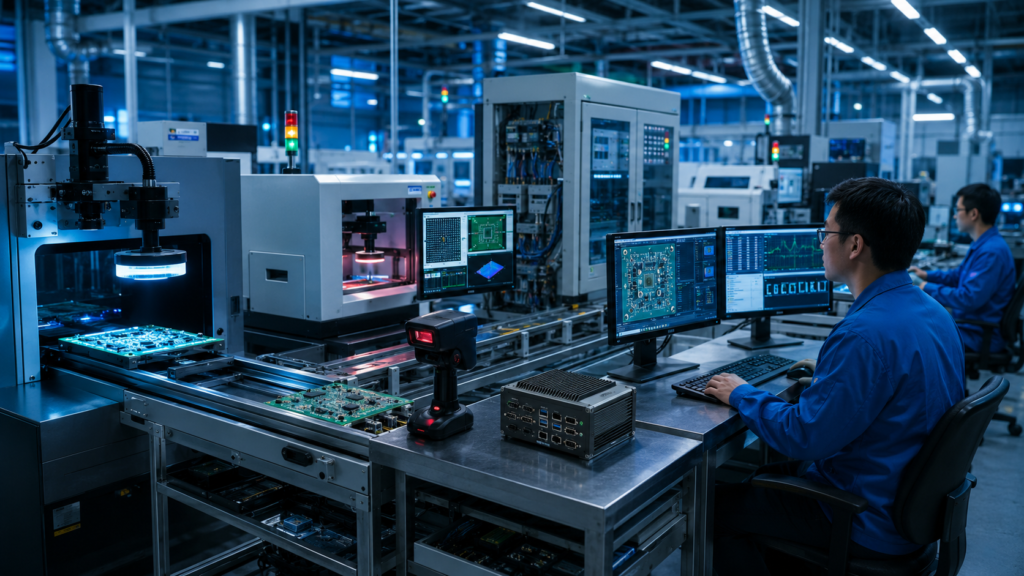
Industrial computers process SMT inspection data from cameras, AOI systems, SPI equipment, PCB conveyors, and barcode scanners.
行业概况
SMT Manufacturing Requires Precise Inspection
SMT production places electronic components onto printed circuit boards with high speed and high density.
As PCB layouts become more compact, inspection becomes more important. Small solder defects, 缺少组件, wrong orientation, poor placement, or unreadable codes can affect product quality and downstream reliability.
SMT inspection systems may include:
- Solder paste inspection
- 自动光学检查
- Component presence inspection
- Polarity and orientation verification
- PCB barcode and QR code recognition
- Reflow inspection support
- Repair and rework data collection
- Final visual inspection
- Test station data integration
- Production traceability records
A reliable machine vision computer provides the processing platform required to connect these inspection tasks with factory quality systems.
Vision Systems Are Moving Closer to the Line
SMT inspection is no longer limited to standalone equipment.
Modern electronics factories increasingly connect AOI, SPI, 条码识别, 维修站, and test equipment into MES and quality management systems. This requires local computing platforms that can process images and transfer results in real time.
An industrial computer can be installed near SMT lines, inside inspection machines, at repair stations, or in production cabinets.
It may run inspection software, collect camera images, manage barcode readers, process defect data, and upload results to central systems.
Why Industrial Computing Matters
Commercial PCs may work in office environments, but SMT production requires more stable hardware.
SMT lines may run continuously across multiple shifts. Inspection computers may operate near conveyors, reflow ovens, placement machines, 测试治具, 和生产工作站.
These areas may involve vibration, 热, 灰尘, 电噪声, limited space, and constant data communication.
Industrial computers and embedded computers are designed for these deployment conditions. They provide the reliability, interface flexibility, and mechanical integration needed for long-term SMT inspection systems.

Dense PCB layouts, solder paste, reflective joints, 小代码, and component details affect SMT vision reliability.
主要挑战
Small Components and High Inspection Detail
SMT inspection deals with very small components and fine PCB features.
A vision system may need to inspect solder paste coverage, component alignment, polarity marks, 缺少零件, bridging, tombstoning, insufficient solder, or label quality.
These inspection tasks may require high-resolution cameras, precise lighting, and stable image processing.
The computing platform must support consistent performance, especially when inspection speed and image resolution increase.
高速生产线
SMT lines operate at high speed.
Inspection systems must keep up with the production cycle. If image processing is too slow, the inspection station may become a bottleneck or delay production feedback.
Key performance factors include:
- 相机分辨率
- 摄像头数量
- Image frame rate
- 检查算法复杂度
- Barcode recognition speed
- Local storage workload
- Database communication
- MES upload frequency
A properly selected smt vision computer helps maintain stable inspection throughput.
Camera and Lighting Integration
SMT vision systems depend heavily on camera and lighting design.
Reflective solder joints, PCB surface colors, component markings, small QR codes, and uneven lighting can affect image quality.
The industrial computer may need to support camera interfaces, lighting controller communication, 触发信号, and local display output for engineering adjustment.
Good computing hardware cannot fix poor image acquisition, but unstable computing hardware can reduce the value of a well-designed vision system.
Traceability and Data Connection
Electronics manufacturers often need complete traceability from PCB assembly to final shipment.
Inspection results should be linked with PCB serial numbers, 工单, component batches, 测试记录, repair actions, and final quality status.
This requires stable data communication between inspection computers, MES software, 条码系统, 质量数据库, and production dashboards.
If the inspection computer fails to upload records consistently, 可追溯性变得不完整.
Long-Term Maintainability
SMT equipment and inspection platforms may remain in production for many years.
电脑型号频繁变更, 司机, 端口, 或扩展选项可能会产生验证和维护问题.
Factories and equipment builders need stable hardware platforms that can support repeatable deployment, 备件计划, and consistent software images across multiple production lines.

Industrial computers connect SMT cameras, inspection equipment, PLC, 制造执行系统, 维修站, 和工厂质量体系.
SMT Vision Computer Solution Architecture
图像采集层
图像采集层包括摄像头, 镜片, 照明模块, 触发器, and mechanical mounting structures.
In SMT applications, this layer may capture:
- Solder paste images
- PCB surface images
- Component placement images
- Polarity marks
- 条形码或二维码图像
- 缺陷图像
- Repair station images
- Label inspection images
Consistent image quality is essential. Camera selection, lighting angle, exposure, working distance, and mounting stability all affect inspection results.
工业计算层
The industrial computing layer is where the industrial computer or embedded computer performs local processing.
在这一层, 计算机可能会:
- Receive images from cameras
- Run AOI or SPI software
- Process barcode and QR code data
- Detect missing or misplaced components
- Store inspection records
- 与 PLC 通讯
- Display inspection status
- Upload results to MES
- Connect to quality databases
- Support remote maintenance
This layer must be stable because it directly affects inspection speed, data quality, 和生产连续性.
自动化控制层
The automation control layer connects the vision system with SMT equipment and production control devices.
一个PLC, 输送控制器, inspection machine controller, or sensor may trigger image capture. 加工后, the industrial computer may send pass, 失败, 警报, or review signals back to the equipment.
例如, if a PCB barcode does not match the expected work order, the system may stop the board, trigger an alarm, or request operator review.
This closed-loop communication helps reduce production errors.
数据管理层
当与生产记录相关联时,检查结果最有价值.
The SMT vision computer may send data to MES, 质量管理体系, 维修系统, 生产仪表板, or factory databases.
Typical data may include:
- PCB serial number
- 工单
- 检查结果
- 缺陷类型
- Defect image
- 站号
- 时间戳
- 操作员动作
- 修复状态
- Final test linkage
这支持可追溯性, 质量分析, 和流程改进.
用户界面层
操作员和工程师需要实用的本地界面.
工控机可连接显示器, 触摸屏, 键盘, 或人机界面面板. 界面可显示实时图像, 检验状态, 缺陷位置, 生产数量, 警报, and software logs.
A clear local interface helps engineers adjust inspection settings and respond quickly to abnormal conditions.
主要特点
稳定的图像处理性能
The computing platform must provide stable processing performance for the inspection workload.
Different SMT applications require different performance levels. A simple barcode recognition station may use a compact embedded computer. A multi-camera AOI system may require a more powerful industrial PC.
选型时应考虑:
- 相机分辨率
- 摄像头数量
- 检验速度
- Software workload
- 本地图像存储
- MES communication
- 显示要求
- 长期运行稳定性
Stable sustained performance is more important than short benchmark peaks.
Camera Interface Support
SMT vision systems commonly use USB or Ethernet cameras.
The industrial computer should provide the required camera interfaces and enough bandwidth for stable image transfer.
有用的硬件功能可能包括:
- USB 3.0 端口
- 多个 LAN 端口
- M.2扩展
- PCIe扩展
- 高速存储
- HDMI 或 DisplayPort 输出
- 稳定的电源设计
对于多摄像机系统, camera traffic may need to be separated from factory network communication.
Industrial I/O for Equipment Integration
The SMT vision computer must connect with real production equipment.
重要的 I/O 选项可能包括:
- 局域网
- USB
- RS232
- RS485
- 通用输入输出接口
- 数字输入
- 数字输出
- HDMI
- 显示端口
这些接口可以支持摄像头, 条形码阅读器, 照明控制器, PLC, 传感器, 打印机, 测试仪器, 和生产网络.
Flexible I/O helps reduce external adapters and improves deployment reliability.
Fanless and Compact Design
Fanless industrial computers are useful in many SMT environments.
它们减少灰尘摄入并消除一个常见的机械故障点. This is valuable for inspection systems that operate continuously and require low maintenance.
Compact embedded computers are also useful when the system must be installed inside inspection equipment, 控制柜, or production workstations.
热设计仍应仔细审查, especially for high-performance vision workloads.
Reliable Storage for Inspection Data
SMT inspection systems may generate many files and records.
The computer may store inspection images, 缺陷图像, barcode logs, 软件日志, 生产报告, 和本地数据库文件.
SSD 存储通常是首选,因为它比机械驱动器提供快速响应和更好的抗震性.
对于图像较多的应用程序, 部署前应检查存储容量和写入耐久性.
Long Lifecycle and System Consistency
SMT production lines often require stable hardware availability.
A long-lifecycle industrial computing platform helps reduce software validation workload, 备件复杂性, and maintenance risk.
This is especially important for OEM equipment builders that need repeatable hardware platforms for inspection machines sold to multiple customers.

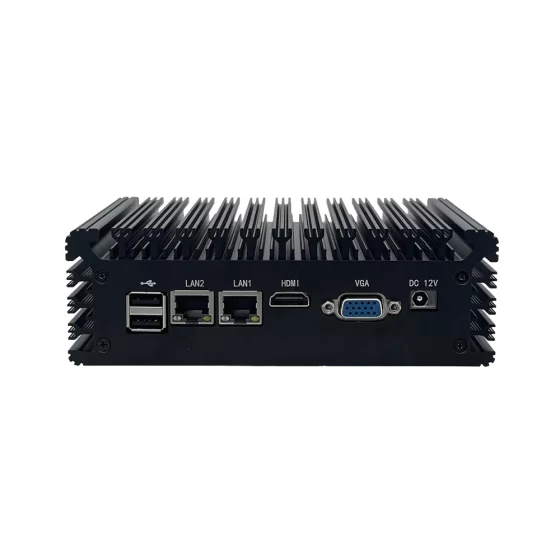
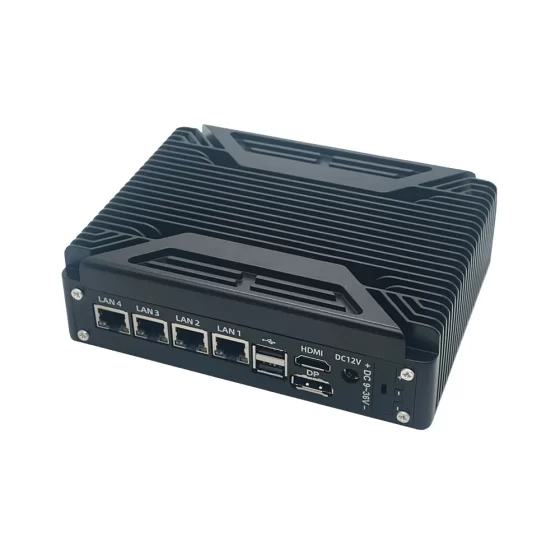
Fanless industrial computers support reliable SMT vision deployment in inspection cabinets and electronics production lines.
部署场景
Automated Optical Inspection
Automated optical inspection is one of the main SMT vision applications.
An industrial computer can process images captured from AOI cameras and help detect missing components, wrong parts, polarity errors, solder defects, or placement issues.
The system can display inspection results locally and upload records to MES or quality databases.
Solder Paste Inspection
Solder paste inspection checks paste volume, area, height, 位置, and printing quality before component placement.
A machine vision computer can process SPI image data and connect inspection results with process control systems.
This helps identify printing problems earlier and reduce downstream defects.
PCB条码和二维码识别
PCB traceability often begins with barcode, QR code, or Data Matrix recognition.
An embedded computer can process camera images and read codes on PCBs, 面板, 托盘, or labels.
The recognized data can be linked with work orders, 检查结果, 测试记录, and packaging information.
Component Presence and Orientation Verification
SMT vision systems can verify whether components are present, correctly oriented, and placed in the expected position.
This is useful for detecting missing parts, reversed components, shifted components, and incorrect assembly conditions.
The industrial computer processes images and sends results to the inspection software or production system.
维修和返工站
Repair stations need access to defect information and production records.
An industrial computer can display AOI results, show defect images, record repair actions, scan PCB IDs, and update repair status.
这有助于关闭检查之间的循环, 维修, and final quality validation.
Test Station Data Integration
信息通信技术, FCT, and other electronics test stations generate important quality data.
A machine vision computer may also connect barcode recognition, 测试设备, and MES software to ensure each test result is linked with the correct PCB or product.
This improves data consistency across inspection and testing workflows.
Final Label and Packaging Verification
发货前, products may require label verification, 条码识别, 包装检验, and final quality confirmation.
An industrial computer can process label images, verify codes, 存储结果, and send data to MES, 仓库管理系统, 或质量体系.
This helps reduce shipment errors and improves traceability.
商业效益
提高检测可靠性
A stable SMT vision computer helps inspection systems operate consistently across production shifts.
Reliable computing hardware reduces missed image capture, 延迟处理, software instability, and communication interruptions.
This supports more consistent quality control and production feedback.
Stronger PCB Traceability
Traceability depends on accurate data collection at each process step.
Industrial computers help link PCB IDs, 检查结果, 缺陷图像, 测试记录, repair actions, 时间戳, 和车站信息.
This supports customer audits, quality investigation, 保修分析, 和持续改进.
减少人工检查工作量
Manual inspection can be slow and inconsistent.
Machine vision systems automate many inspection and verification tasks. Industrial computers process images and connect results with production systems.
This reduces operator workload and improves inspection consistency across shifts.
Faster Defect Feedback
SMT defects should be detected as early as possible.
When inspection data is processed near the line, engineers can identify printing problems, placement issues, solder defects, or barcode errors faster.
Early feedback helps reduce rework and prevents defects from moving downstream.
更好的流程改进
Inspection data can reveal process trends.
制造商可以分析重复出现的缺陷, machine performance, solder paste issues, component placement accuracy, 和维修频率.
A reliable industrial computer helps ensure that the data used for analysis is complete and consistent.
Scalable SMT Line Deployment
A standardized industrial computing platform can be deployed across multiple SMT lines, 检查站, 和工厂.
这简化了软件映像管理, 备件计划, 驱动程序验证, 维护培训, 和长期的技术支持.
For equipment builders and electronics manufacturers, scalable hardware planning reduces project risk.
为什么选择CoreIPC
CoreIPC为机器视觉提供工业计算平台, 电子制造, 工厂自动化, 和嵌入式系统集成. For smt vision computer applications, CoreIPC专注于可靠的工业PC硬件, 嵌入式计算机解决方案, 灵活的 I/O 配置, 紧凑的系统设计, 和OEM/ODM定制支持. CoreIPC帮助系统集成商, SMT equipment builders, and electronics manufacturers select computing platforms that match real inspection requirements, 包括相机接口, 输入/输出配置, 安装方法, 电源输入, 热设计, 存储需求, 和生命周期规划.
常见问题解答
1. What is an SMT vision computer?
An SMT vision computer is an industrial computer used to support machine vision tasks in surface mount technology production.
它可以处理相机图像, run AOI or SPI software, read PCB barcodes, verify components, 与 PLC 通信, and upload inspection results to MES or quality systems. It is designed for factory environments where reliability, 输入/输出灵活性, and continuous operation are important.
2. Why use an industrial computer for SMT vision systems?
SMT vision systems often run near production lines, 检查机, 输送机, and test stations.
An industrial computer is more suitable than an office PC because it supports rugged installation, 稳定的热设计, 工业输入/输出, 相机连接, 和长生命周期部署. These features help inspection systems remain reliable during continuous electronics manufacturing.
3. How is an embedded computer used in SMT inspection?
An embedded computer can be installed inside AOI equipment, SPI machines, 维修站, 控制柜, or compact inspection systems.
It can acquire images, process inspection results, read barcode data, 与 PLC 通信, and send records to MES systems. Its compact size makes it useful for OEM equipment and space-limited SMT line installations.
4. What interfaces are important for an SMT vision computer?
重要的接口可能包括USB 3.0, 多个 LAN 端口, RS232, RS485, 通用输入输出接口, HDMI, 显示端口, M.2, 和 PCIe 扩展.
USB and LAN ports are commonly used for cameras and peripherals. GPIO or serial ports may support triggers, 照明控制器, 传感器, PLC, 及生产设备. Display outputs are useful for local monitoring.
5. Can SMT vision computers support AOI systems?
是的. SMT vision computers can support AOI systems when selected according to camera resolution, number of cameras, inspection software workload, and production speed.
Simple AOI stations may use compact embedded computers, while high-resolution or multi-camera systems may require more powerful industrial PCs. Real production testing is important before final selection.
6. How does an SMT vision computer support traceability?
The computer links inspection results with PCB serial numbers, 工单, 缺陷图像, 时间戳, 车站信息, and repair records.
This data can be uploaded to MES or quality systems. Complete traceability helps electronics manufacturers investigate defects, 支持客户审核, analyze process trends, and improve production quality.
7. Is a fanless industrial PC suitable for SMT vision applications?
A fanless industrial PC can be suitable for many SMT vision applications, especially when low maintenance and dust reduction are important.
然而, vision workloads may generate significant heat. The final selection should consider processor performance, camera count, 外壳设计, 环境温度, mounting location, and available airflow.
8. What storage is needed for SMT inspection systems?
存储要求取决于系统是仅存储日志还是还存储检查图像和缺陷记录.
SSD storage is usually preferred because it provides fast response and better shock resistance. 对于存储许多图像的系统, 存储容量, 写耐力, 应仔细审查备份策略.
9. Can SMT vision computers connect to MES systems?
是的. Industrial computers can send inspection data to MES systems through factory networks, 数据库, middleware, or software interfaces.
Uploaded data may include PCB IDs, 检查结果, 缺陷类别, 图片, 时间戳, 车站信息, and repair status. This helps connect inspection workflows with production traceability.
10. What should be tested before deploying an SMT vision computer?
部署前, the computer should be tested with real cameras, 检验软件, 照明控制器, PLC通讯, 条形码阅读器, 存储工作负载, 制造执行系统连接, and production cycle time.
Long-running stability and thermal performance should also be tested. This helps confirm that the system can operate reliably in actual SMT production.
结论
A smt vision computer is a critical hardware foundation for automated optical inspection, solder paste inspection, PCB barcode recognition, 元件验证, repair tracking, and quality data integration.
By placing industrial computing hardware close to SMT lines, 相机, 照明控制器, PLC, 条码系统, and inspection equipment, electronics manufacturers can process inspection data locally and connect results with MES and quality systems.
The right industrial computer or embedded computer should be selected according to real application requirements, 包括相机接口, 处理工作量, 输入/输出配置, 存储容量, 网络设计, 安装方法, 电源输入, 热条件, 操作系统兼容性, 和生命周期规划.
CoreIPC supports SMT vision computer projects with industrial computing platforms designed for practical electronics manufacturing deployment. 拥有正确的硬件基础, manufacturers and equipment builders can improve inspection reliability, 加强可追溯性, 减少人工工作量, and build scalable SMT quality control systems.
联系我们
寻找工业计算机, 嵌入式计算机, or industrial motherboard for an SMT machine vision system?
联系 CoreIPC 讨论您的项目需求, 包括相机接口, 检验工作量, 输入/输出配置, 制造执行系统集成, 安装方法, 电源输入, 运行环境, 生命周期需求, 和 OEM/ODM 定制选项.
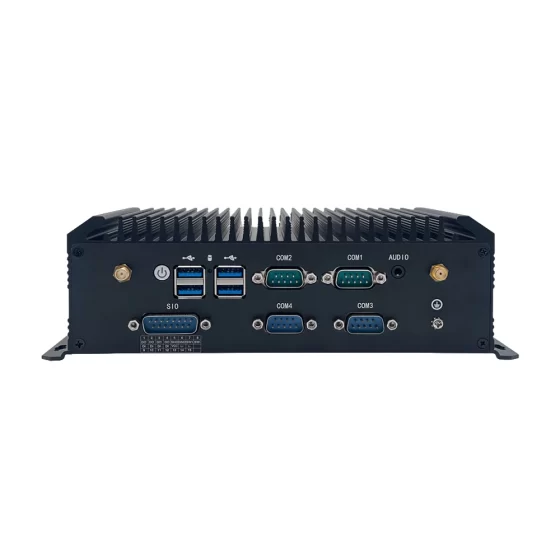
CoreIPC工业计算解决方案