حلول الحوسبة الصناعية CoreIPC

منصة أمن مركز البيانات: الكمبيوتر الصناعي لنشر أجهزة أمان مركز البيانات
ملخص تنفيذي
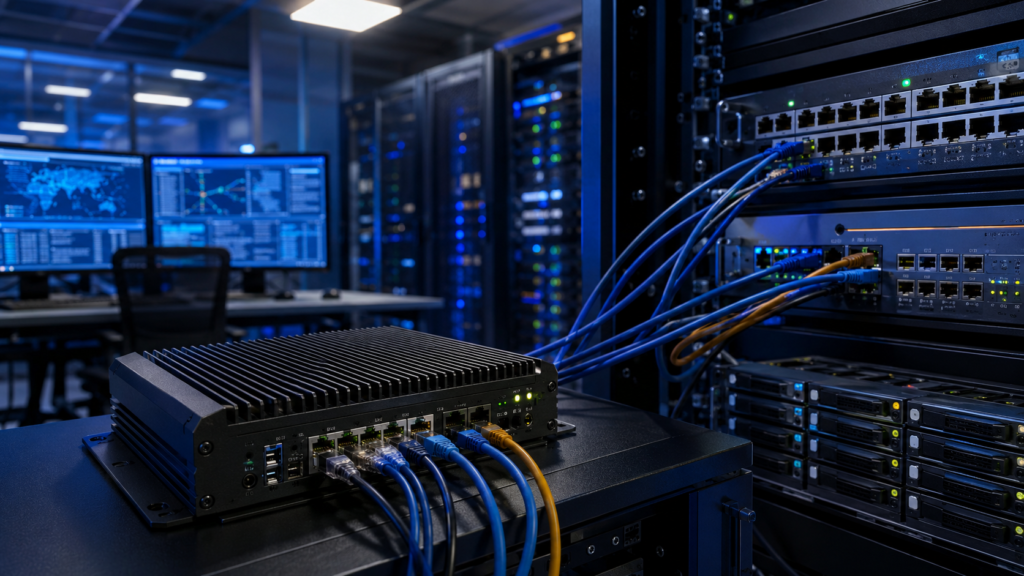
A data center security appliance is a dedicated computing platform used to protect, monitor, فحص, and control network traffic inside or around data center infrastructure. It may support firewall functions, الوصول إلى VPN, كشف التسلل, traffic logging, تجزئة الشبكة, الوصول الآمن عن بعد, packet inspection, and edge-level cybersecurity services.
As data centers become more distributed, interconnected, and service-oriented, security hardware must be reliable, مدمج, and capable of continuous operation. A data center security platform is often deployed at network edges, aggregation points, server rooms, branch facilities, industrial data rooms, or private cloud environments where stable security enforcement is required.
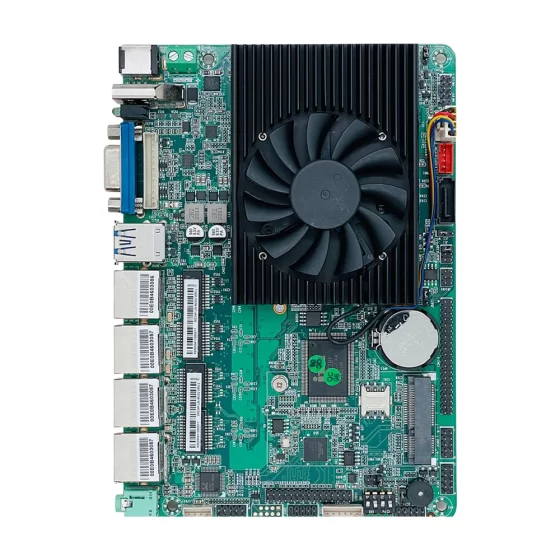
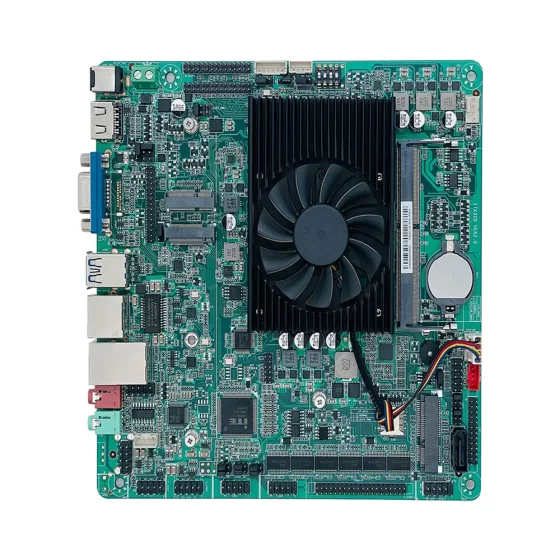
For this role, a standard commercial PC is usually not the right foundation. A security appliance needs dependable networking, multi-LAN architecture, تخزين مستقر, الموثوقية الحرارية, دعم دورة حياة طويلة, and integration flexibility. In many B2B projects, an industrial computer or embedded computer provides a more suitable hardware platform for building reliable security appliances.
A well-designed data center security appliance should support:
- Multiple LAN ports for WAN, لان, DMZ, management, and segmented networks
- Stable CPU performance for routing, جدار الحماية, VPN, and inspection workloads
- Reliable storage for logs, system images, and security records
- Compact mechanical design for cabinet, rack, or equipment-room deployment
- Low-maintenance thermal architecture
- Long-term hardware consistency for security software deployment
- Flexible customization for OEM and solution-provider requirements
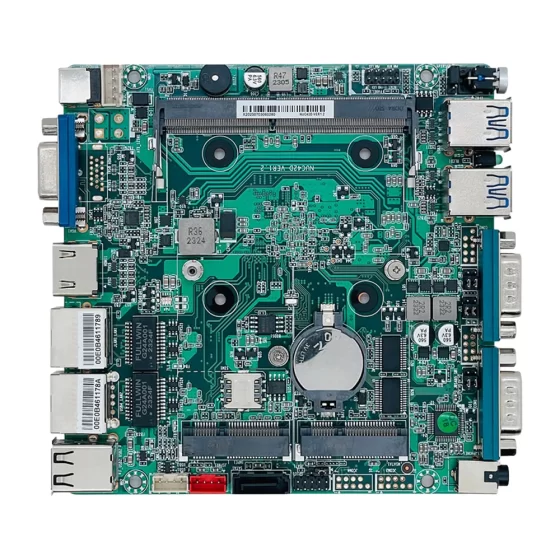
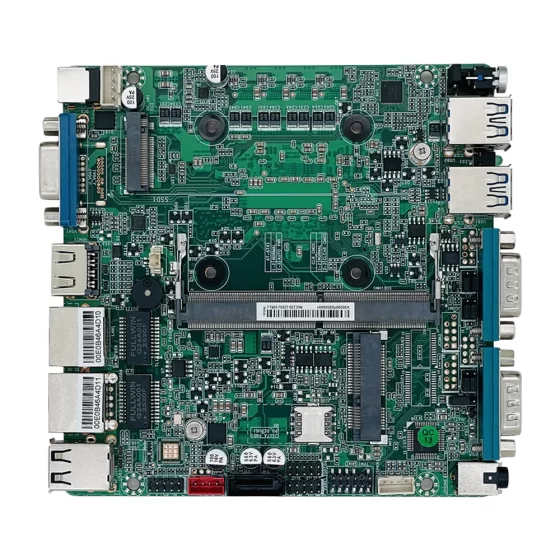
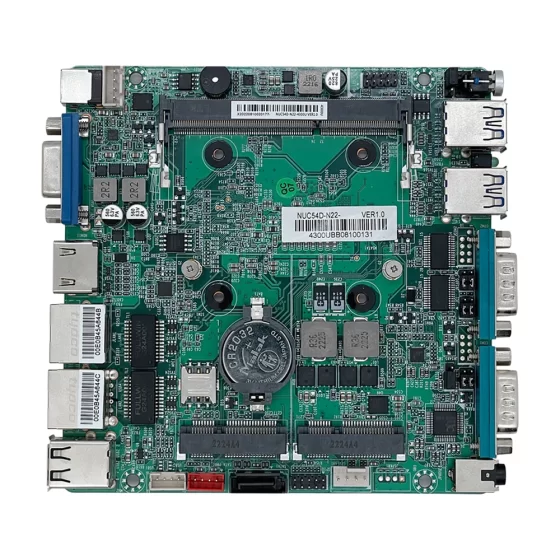
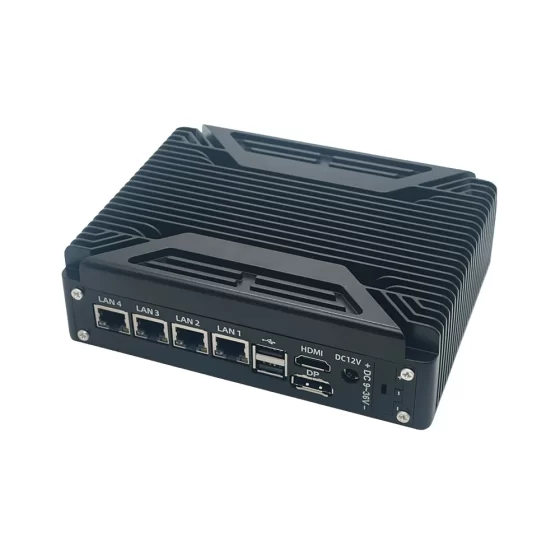
CoreIPC provides industrial computer and embedded computer platforms that can support network security appliances, edge gateways, firewall hardware, monitoring nodes, and customized embedded security systems for global B2B deployment.
 نظرة عامة على الصناعة
Data centers are no longer limited to large centralized facilities. Many organizations now use a combination of private data centers, colocation sites, edge data rooms, enterprise server rooms, industrial IT rooms, remote branches, and hybrid cloud infrastructure.
This distributed model creates more security boundaries. Traffic may flow between users, التطبيقات, المنصات السحابية, internal servers, الأنظمة الصناعية, storage clusters, remote offices, and management tools. Each connection point can become a risk if not monitored and controlled properly.
A data center security appliance is used to enforce security policies at these critical points. Depending on the software stack, it may function as a firewall appliance, بوابة VPN, intrusion detection platform, secure routing device, network monitoring node, or traffic inspection system.
Common deployment goals include:
- Protecting data center entry and exit traffic
- Separating internal network zones
- Securing remote management access
- Monitoring east-west traffic between internal systems
- Logging network events for troubleshooting and compliance support
- Supporting secure access for administrators and maintenance teams
- Creating dedicated hardware for cybersecurity software platforms
The hardware foundation matters because security services often run continuously. If the appliance becomes unstable, network visibility and protection may be affected. If the platform lacks enough LAN ports, network segmentation becomes difficult. If storage is unreliable, logs may be lost. إذا تغيرت المنصة بشكل متكرر, software images and long-term maintenance become harder to manage.
This is why industrial computer and embedded computer platforms are increasingly used for purpose-built data center security systems. They provide stable hardware design, الإدخال/الإخراج المرن, عوامل الشكل المضغوط, and better suitability for long-term appliance deployment.
 التحديات الرئيسية
Data center security appliance design involves more than installing cybersecurity software. The hardware must support traffic flow, security processing, عملية مستمرة, and maintainability.
| تحدي | ماذا يحدث في النشر الحقيقي | متطلبات الأجهزة |
|---|---|---|
| Multi-network connection | Security appliances may need WAN, لان, DMZ, management, and segmented network ports. | Multi-LAN industrial computer with stable Ethernet controllers. |
| Continuous traffic processing | جدار الحماية, VPN, التوجيه, and inspection workloads may run 24/7. | وحدة المعالجة المركزية الموثوقة, ذاكرة, تخزين, and thermal design. |
| الاحتفاظ بالسجل | Security systems may generate large amounts of event and traffic logs. | Industrial SSD, م.2, ساتا, or expandable storage options. |
| Cabinet or rack deployment | Appliances may be installed in data rooms, خزائن, or space-limited sites. | Compact embedded computer or rack-compatible industrial platform. |
| الإدارة عن بعد | Administrators need secure access for configuration, يراقب, and updates. | Dedicated management port, secure OS support, and stable networking. |
| Lifecycle control | Security software images may need to remain consistent for years. | Long-term hardware availability and stable I/O layout. |
Network Segmentation Complexity
A data center security platform often sits between different network zones. It may separate public-facing services from internal systems, isolate management traffic, or protect sensitive server groups.
لهذا السبب, a single Ethernet port is not enough. Multi-LAN design is essential for building firewall, التوجيه, and segmentation architectures.
متطلبات التشغيل المستمر
Security appliances are expected to operate continuously. Unlike a workstation that can be restarted during normal office hours, a data center security appliance may be part of the active network path.
Hardware instability can create service interruption, monitoring gaps, or remote access problems. The platform should be selected for reliability rather than only peak performance.
Storage and Logging Pressure
Security logs are important for troubleshooting, investigation, إعداد التقارير, and system optimization. Depending on the software configuration, the appliance may store firewall logs, VPN records, IDS alerts, أحداث النظام, and traffic metadata.
Reliable storage and proper capacity planning are important. The storage device should match the expected write load and operating environment.
 Solution Architecture for a Data Center Security Appliance
A data center security appliance usually operates as a dedicated node within a layered network security architecture. It connects physical networks, runs security software, and provides controlled visibility into network activity.
1. Network Interface Layer
This layer connects the appliance to different network zones.
Typical interface groups may include:
- WAN or upstream connection
- LAN or internal network
- DMZ network
- Server network
- شبكة الإدارة
- Backup or high-availability link
- Monitoring or mirror port
Multiple LAN ports allow the security appliance to enforce policies between these zones without relying on excessive external adapters.
2. Security Processing Layer
This is where the industrial computer or embedded computer runs the core security software.
اعتمادا على التطبيق, قد يدعم:
- Firewall policy enforcement
- خدمات VPN
- كشف التسلل
- منع التسلل
- Secure routing
- ترجمة عنوان الشبكة
- مراقبة حركة المرور
- Content filtering
- جمع السجل
- مراقبة صحة النظام
The CPU, ذاكرة, and storage should be selected according to traffic volume, عبء عمل التشفير, متطلبات التسجيل, ومكدس البرمجيات.
3. Management Layer
The management layer allows administrators to configure and maintain the appliance.
A data center security appliance may provide:
- Dedicated management interface
- Local console access
- Web-based management software
- Remote configuration tools
- System update control
- Backup and restore functions
- التحكم في وصول المستخدم
- Diagnostic logs
For secure deployment, management traffic should be separated from production traffic when possible.
4. Monitoring and Logging Layer
Security appliances generate operational and security data.
This data may include:
- أحداث جدار الحماية
- VPN sessions
- Blocked connections
- Allowed traffic records
- IDS alerts
- System resource status
- Interface statistics
- Storage health
- تغييرات التكوين
Logs may be stored locally, forwarded to a SIEM system, or sent to a centralized monitoring platform. Stable storage and network reliability are important for this layer.
5. Integration Layer
A data center security platform may need to integrate with broader IT and facility systems.
It can connect with:
- منصة سيم
- Network monitoring systems
- Authentication servers
- Centralized logging tools
- Cloud management systems
- منصات الصيانة عن بعد
- Data center operations dashboards
The appliance should provide enough hardware flexibility to support these integrations without forcing major redesign.
الميزات الرئيسية
A reliable data center security appliance should be built on a hardware platform that supports network performance, استقرار, توافق برامج الأمان, والنشر على المدى الطويل.
Multi-LAN Architecture
Multiple LAN ports are one of the most important hardware requirements.
A data center security appliance may need separate ports for WAN, لان, DMZ, management, يراقب, and failover. Multi-LAN design helps create cleaner network architecture and makes segmentation easier to implement.
For higher-performance systems, port type, controller quality, عرض النطاق الترددي, and driver compatibility should be evaluated carefully.
Stable CPU Performance
Security workloads can be CPU-intensive, especially when encryption, أنفاق VPN, packet filtering, التوجيه, and inspection services run at the same time.
The selected industrial computer should provide enough processing headroom for current workload and future policy expansion. CPU performance should be evaluated together with software requirements, traffic profile, and expected throughput.
Reliable Memory and Storage
Memory supports routing tables, security processes, سجلات, cache, and monitoring services. Storage supports operating system files, software packages, النسخ الاحتياطية للتكوين, and security logs.
For data center security systems, storage should be selected based on:
- حجم السجل
- Write frequency
- Retention period
- Operating system requirements
- Redundancy strategy
- Field replacement plan
M.2 SSD, ساتا SSD, or other storage options may be selected depending on the platform design.
Thermal Reliability
A security appliance may run continuously in a cabinet, rack, or equipment room. Thermal stability is therefore essential.
Fanless systems can reduce mechanical maintenance in low-to-moderate power designs. Higher-performance appliances may require controlled airflow or rugged active cooling. The right choice depends on CPU power, تصميم العلبة, درجة الحرارة المحيطة, and installation density.
تصميم ميكانيكي مدمج
Data center and edge data room installations often have limited space. A compact embedded computer can be installed in network cabinets, wall-mounted enclosures, industrial data rooms, or equipment racks.
Mechanical design should consider:
- طريقة التركيب
- Cable direction
- Port accessibility
- Power connector security
- Cooling clearance
- Service access
A clean layout reduces installation errors and improves maintenance efficiency.
Secure Management Support
Security appliances must be manageable without exposing unnecessary risk.
Useful hardware-level considerations include:
- Dedicated management LAN
- Console access
- Auto power-on
- Watchdog timer
- System recovery options
- Stable BIOS configuration
- Clear hardware status indication
These features help administrators maintain the appliance more efficiently.
القدرة على التوسع
Some security platforms require additional storage, وحدات لاسلكية, bypass modules, TPM-related options, or specialized network interfaces depending on the project.
التوسع من خلال M.2, ميني بي سي اي, بكيي, or customized board design helps OEMs and solution providers adapt the appliance to different customer environments.
Software Compatibility
Hardware must support the selected security software stack.
قد يشمل هذا:
- Firewall operating systems
- Linux-based security platforms
- VPN software
- IDS or IPS software
- Routing software
- Monitoring agents
- Log forwarding tools
- Remote management utilities
قبل النشر, integrators should verify driver support, LAN controller compatibility, دعم التخزين, إعدادات BIOS, and image deployment process.
سيناريوهات النشر
A data center security appliance can be used in different network security and infrastructure environments.
Data Center Edge Firewall
At the edge of a data center, the appliance can control traffic between upstream networks and internal systems. It may enforce firewall policies, manage NAT, terminate VPN connections, and monitor suspicious traffic patterns.
Multi-LAN architecture is important because the appliance may need to separate external, internal, DMZ, وشبكات الإدارة.
Internal Segmentation Gateway
Not all security risks come from outside the network. Data centers often need segmentation between server groups, application zones, storage networks, شبكات الإدارة, and backup systems.
A data center security appliance can act as a controlled gateway between these zones, helping enforce policy and improve visibility into internal traffic.
VPN and Remote Access Appliance
Administrators, المهندسين, and service teams may need secure remote access to data center resources.
A dedicated security appliance can provide VPN access, authentication integration, تسجيل الوصول, and controlled routing. Reliable hardware is important because remote access often supports maintenance and emergency response.
Network Monitoring and IDS Node
Some appliances are deployed primarily for monitoring rather than traffic forwarding. They may receive mirrored traffic from switches and analyze it for abnormal patterns, suspicious behavior, or policy violations.
في هذا السيناريو, عرض النطاق الترددي للشبكة المحلية, تخزين, أداء وحدة المعالجة المركزية, and logging capacity are important selection factors.
Edge Data Room Security
Many organizations operate smaller edge data rooms or remote IT facilities outside large data centers.
A compact embedded computer can provide firewall, VPN, التوجيه, and monitoring functions in these distributed sites. This helps standardize security architecture across many locations.
Industrial Data Center and OT Security
Industrial facilities may operate local data rooms for SCADA, زارة التربية والعلم, قواعد بيانات الإنتاج, video systems, and automation networks.
A data center security platform can help separate IT and OT systems, الوصول الآمن عن بعد, and monitor traffic between production networks and enterprise systems.
فوائد الأعمال
A well-designed data center security appliance can provide practical value for network teams, solution providers, مصنعي المعدات الأصلية, ومشغلي البنية التحتية.
Cleaner Network Segmentation
Multi-LAN hardware allows security policies to be applied between different network zones. This improves architecture clarity and reduces dependence on complex external adapters.
تحسين الرؤية الأمنية
A dedicated appliance can collect logs, monitor traffic, and provide better visibility into network behavior. This helps teams investigate issues and understand how data moves across the environment.
Reduced Deployment Complexity
An industrial computer with suitable LAN ports, تخزين, مدخلات الطاقة, and mounting options can simplify appliance design. This is especially useful for OEMs and solution providers building repeatable security systems.
Better Long-Term Maintainability
Stable hardware design helps maintain consistent software images, السائقين, الوثائق, وقطع الغيار. This is important for security appliances deployed across many sites.
Lower Hardware Failure Risk
Industrial-grade platforms are designed for continuous operation and controlled deployment environments. Reliable thermal design, خيارات التخزين, and mechanical construction can reduce maintenance risk.
Scalable Security Appliance Design
The same platform concept can be adapted for small branch data rooms, industrial sites, edge facilities, and larger data center networks. This supports a more consistent security hardware strategy.
لماذا كورIPC
يوفر CoreIPC أجهزة الكمبيوتر الصناعية, أجهزة الكمبيوتر المدمجة, لوحات مدمجة, and customized hardware platforms for network security, الأتمتة الصناعية, حوسبة الحافة, and OEM system integration. For data center security appliance projects, CoreIPC focuses on stable multi-LAN design, عوامل الشكل المضغوط, reliable storage support, practical thermal design, وتوافر الأجهزة على المدى الطويل. CoreIPC works with solution providers, تكامل النظام, and equipment manufacturers that need dependable computing platforms for security appliances, edge gateways, and network monitoring systems. مع القدرة على تصنيع التصميم الشخصي وتصنيع المعدات الأصلية, CoreIPC can support customized I/O, تصميم العلبة, العلامات التجارية, and project-specific hardware requirements.
الأسئلة المتداولة
1. What is a data center security appliance?
A data center security appliance is a dedicated hardware platform used to run network security functions in or around data center infrastructure. It may support firewall policies, الوصول إلى VPN, كشف التسلل, التوجيه, مراقبة حركة المرور, وتسجيل الأمن. Unlike a general-purpose PC, it is usually designed with multiple LAN ports, تخزين مستقر, continuous operation capability, and a compact form factor suitable for network cabinets or equipment rooms.
2. Why use an industrial computer for a data center security appliance?
An industrial computer can provide stable hardware design, منافذ LAN متعددة, تخزين موثوق, compact installation options, ودعم دورة الحياة الطويلة. These features are useful for security appliances that must operate continuously and remain consistent across multiple deployments. Compared with a standard desktop PC, an industrial or embedded computer is usually better suited for appliance-style deployment, OEM integration, والصيانة على المدى الطويل.
3. How many LAN ports does a security appliance need?
The number of LAN ports depends on the network architecture. A basic appliance may need WAN, لان, and management ports. More advanced deployments may require additional ports for DMZ, يراقب, failover, internal segmentation, or dedicated server zones. Multi-LAN design gives integrators more flexibility when building firewall, التوجيه, وأنظمة المراقبة.
4. What hardware factors affect firewall and VPN performance?
Firewall and VPN performance can be affected by CPU capability, ذاكرة, LAN controller performance, دعم السائق, عبء عمل التشفير, حجم حركة المرور, and software configuration. Storage may also matter if extensive logging is enabled. The best platform should be selected according to actual throughput requirements, number of concurrent sessions, VPN usage, inspection rules, and long-term expansion needs.
5. Can an embedded computer be used as a network security appliance?
نعم. An embedded computer can be used as a network security appliance if it provides the required LAN ports, أداء المعالجة, تخزين, power design, وتوافق البرامج. Compact embedded computers are especially useful for edge data rooms, شبكات الفروع, المرافق الصناعية, and OEM security devices where space and long-term availability are important.
6. Why is storage important in a data center security platform?
Storage is used for the operating system, ملفات التكوين, log records, software updates, and security event data. في بعض عمليات النشر, logs may be written frequently, so storage quality and capacity planning are important. محركات أقراص الحالة الصلبة الصناعية, M.2 modules, or SATA storage may be selected based on log volume, retention period, write load, and serviceability requirements.
7. What is the role of a dedicated management port?
A dedicated management port separates administrative access from production network traffic. This can make configuration, يراقب, استكشاف الأخطاء وإصلاحها, and remote maintenance easier to control. It also supports better network organization by keeping management communication isolated from user or application traffic. For security appliances, this separation is often useful in data center and enterprise environments.
8. Can a data center security appliance support internal segmentation?
نعم. A security appliance can be deployed between internal network zones to enforce policies and monitor traffic. This is useful for separating application servers, أنظمة التخزين, شبكات الإدارة, backup environments, and sensitive workloads. Internal segmentation helps improve visibility and control, especially in complex data center architectures where east-west traffic is significant.
9. What should OEMs consider when building a security appliance?
OEMs should evaluate LAN port count, processor performance, خيارات التخزين, التصميم الحراري, حجم العلبة, مدخلات الطاقة, توافق البرامج, إعدادات BIOS, branding needs, وتوافر دورة الحياة. The platform should support repeatable production and stable software images. Customization may also be required for enclosure design, port layout, تصاعد, وضع العلامات, or project-specific I/O.
10. Is fanless design suitable for data center security appliances?
Fanless design can be suitable for low-to-moderate power security appliances, especially in dusty, بعيد, or maintenance-limited environments. لكن, higher-performance systems may require controlled airflow or active cooling. The correct thermal design depends on CPU workload, installation density, درجة الحرارة المحيطة, تصميم العلبة, and expected traffic processing load.
خاتمة
A data center security appliance is an important part of modern network protection, التجزئة, الوصول عن بعد, and monitoring infrastructure. It helps control traffic between network zones, support secure administration, collect security logs, and provide better visibility into data center operations.
For reliable deployment, the hardware platform must provide more than basic computing performance. It should offer stable multi-LAN connectivity, dependable storage, الموثوقية الحرارية, تصميم ميكانيكي مدمج, توافق البرامج, and long-term lifecycle support.
By using an industrial computer or embedded computer as the foundation for a data center security appliance, solution providers and system integrators can build more reliable, قابلة للصيانة, and scalable security platforms. CoreIPC supports industrial computing hardware and customization services for companies developing network security appliances, edge gateways, and embedded cybersecurity systems.
اتصل بنا
If you are developing a data center security appliance or need an industrial computer platform for firewall, VPN, مراقبة حركة المرور, تجزئة الشبكة, or embedded cybersecurity applications, يمكن لـ CoreIPC المساعدة في تقييم متطلبات الأجهزة الخاصة بك. Contact the CoreIPC team to discuss LAN port configuration, أداء وحدة المعالجة المركزية, تصميم التخزين, enclosure structure, thermal requirements, تخصيص أوديإم/تصنيع المعدات الأصلية, and long-term supply planning for your next security platform project.