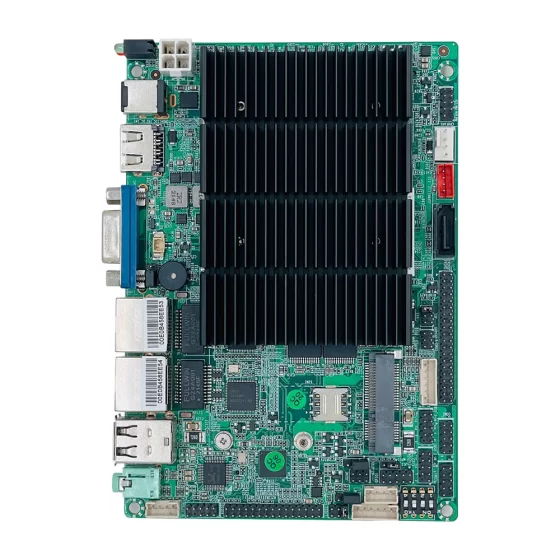
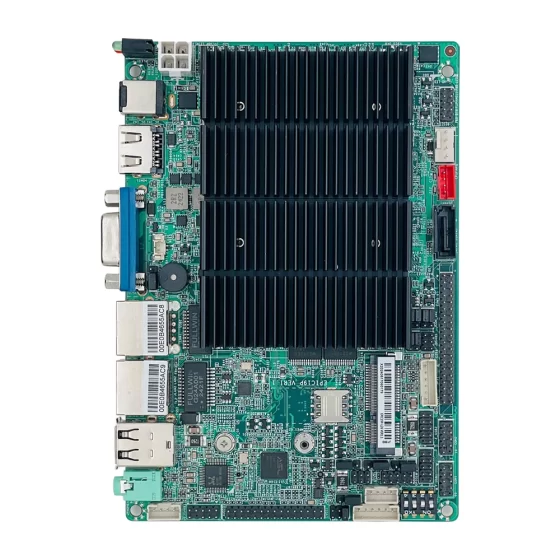
حلول الحوسبة الصناعية CoreIPC

جهاز أمن IPS: جهاز IPS لحماية الشبكات الصناعية
ملخص تنفيذي
يوفر جهاز ips أساس الحوسبة الصناعية لمنع التطفل, إنفاذ جدار الحماية, التحكم الآمن في حركة المرور, تجزئة الشبكة, حماية الوصول عن بعد, ونشر الأمن السيبراني الصناعي.
الشبكات الصناعية الحديثة لم تعد معزولة. المصانع, مواقع الطاقة, المستودعات, أنظمة النقل, وبيئات البنية التحتية البعيدة تقوم الآن بتوصيل PLCs, أنظمة سكادا, أجهزة الكمبيوتر الصناعية, أجهزة الكمبيوتر المدمجة, بوابات إنترنت الأشياء الصناعية, الكاميرات, أجهزة الاستشعار, واجهات التفاعل البشري, الروبوتات, والمنصات السحابية.
يعمل هذا الاتصال على تحسين الرؤية والكفاءة التشغيلية, ولكنه يزيد أيضًا من التعرض للوصول غير المصرح به, سلوك الشبكة غير طبيعي, حركة المرور الشبيهة بالبرامج الضارة, انتهاكات السياسة, ومخاطر الخدمة عن بعد.
يساعد جهاز أمان IPS في اكتشاف ومنع حركة المرور المشبوهة قبل أن تصل إلى الأنظمة الصناعية المهمة. على عكس منصات IDS التي تقوم بالمراقبة والتنبيه بشكل أساسي, عادةً ما يتم وضع نظام منع التطفل في الخط حتى يتمكن من فحص حركة المرور وحظر الاتصالات غير المرغوب فيها أو التحكم فيها وفقًا لسياسات محددة.
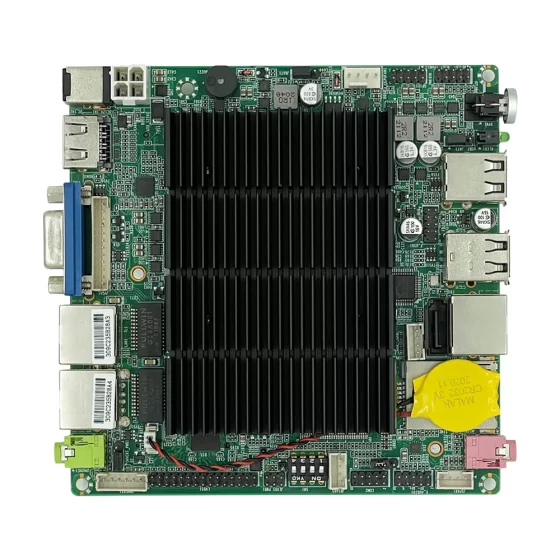
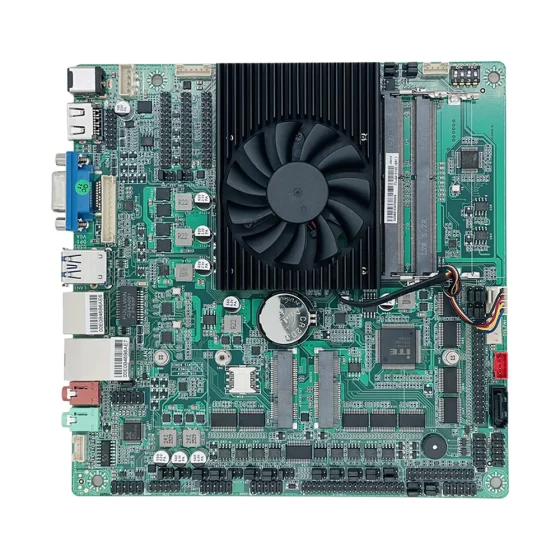
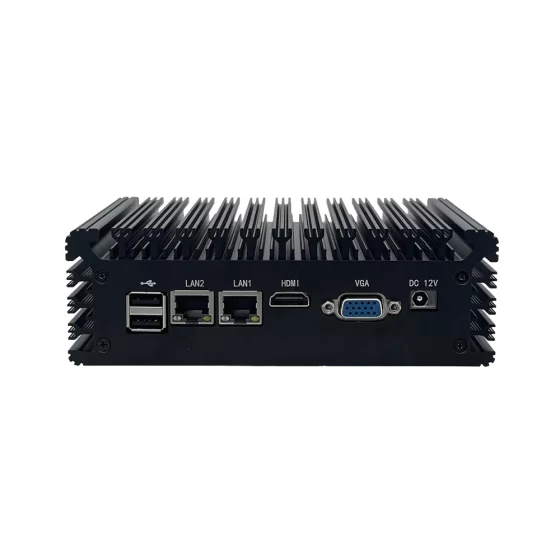
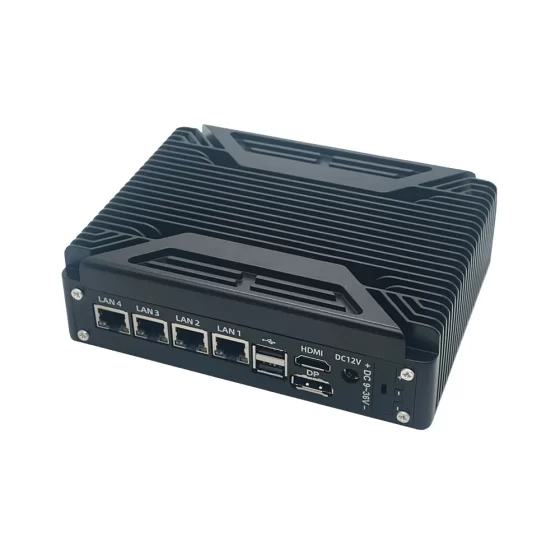
يمكن للكمبيوتر الصناعي أو الكمبيوتر المدمج أن يعمل كمنصة لأجهزة IPS. يمكنه توفير منافذ LAN متعددة, القدرة على التوجيه, وظائف جدار الحماية, التسجيل المحلي, أداء المعالجة الأمنية, تخزين موثوق, والنشر القوي لبيئات المصنع أو الحقل.
بالمقارنة مع الأجهزة الأمنية المكتبية القياسية, يجب أن تعمل أجهزة IPS الصناعية بشكل موثوق داخل الخزانات, مناطق الإنتاج, مواقع المرافق عن بعد, البنية التحتية للنقل, المستودعات, والشبكات من جانب الآلة.
تشرح هذه المقالة كيف تدعم أجهزة IPS حماية الشبكة الصناعية, ما هي تحديات النشر التي تظهر في التطبيقات الحقيقية, كيف تعمل بنية الحل, وما هي ميزات الأجهزة المهمة عند اختيار كمبيوتر صناعي أو كمبيوتر مضمن لنشر أجهزة أمان IPS.
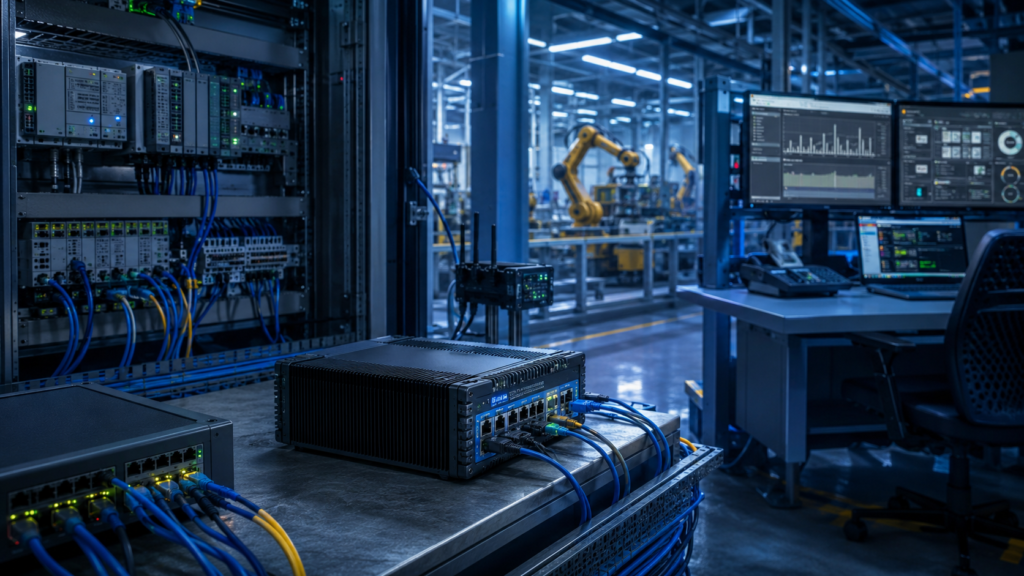
تساعد أجهزة الأمان IPS على حماية تكنولوجيا المعلومات الخاصة بالمصنع, بعد ذلك, بلك, سكادا, وشبكات الآلة.
نظرة عامة على الصناعة
الشبكات الصناعية تحتاج إلى حماية نشطة
غالبًا ما يبدأ الأمن السيبراني الصناعي بالرؤية.
تساعد منصات IDS في مراقبة حركة المرور واكتشاف الأنشطة المشبوهة. لكن, تتطلب بعض البيئات حماية نشطة عند حدود الشبكة.
يمكن لجهاز IPS فحص حركة المرور وفرض سياسات الوقاية.
يمكن أن يساعد في الحماية:
- شبكات PLC
- أنظمة سكادا
- شبكات الآلة
- بوابات إنترنت الأشياء الصناعية
- الوصول إلى الصيانة عن بعد
- حدود تكنولوجيا المعلومات في المصنع والتكنولوجيا التشغيلية
- شبكات الكاميرا
- أنظمة مراقبة الطاقة
- أنظمة أتمتة المستودعات
- البنية التحتية للنقل
- مواقع المرافق عن بعد
الهدف هو تقليل المخاطر مع الحفاظ على استقرار اتصالات الإنتاج.
يتم استخدام أجهزة IPS عند حدود الشبكة الحرجة
يتم نشر نظام منع التطفل بشكل شائع حيث يجب التحكم في حركة المرور.
في البيئات الصناعية, وقد يشمل ذلك الحدود بين شبكات تكنولوجيا المعلومات وشبكات التكنولوجيا التشغيلية, شبكات الآلة وأنظمة الوصول عن بعد, أو بوابات إنترنت الأشياء الصناعية والمنصات الخارجية.
قد يدعم الجهاز:
- التفتيش المروري
- إنفاذ جدار الحماية
- منع التسلل
- حماية VPN
- تجزئة الشبكة
- التحكم في سياسة الوصول
- تسجيل الأحداث الأمنية
- تصفية حركة المرور
- تقييد الوصول عن بعد
- مراقبة البروتوكول الصناعي
يجب تكوين جهاز IPS بعناية لأنه قد يؤثر بشكل فعال على حركة مرور الشبكة.
يلزم وجود أجهزة صناعية للنشر الموثوق
غالبًا ما يتم تثبيت أجهزة الشبكة المكتبية بشكل نظيف, غرف الشبكة التي يتم التحكم في درجة حرارتها.
قد يتم نشر أجهزة IPS الصناعية في مواقع أكثر قسوة.
وقد تعمل داخل خزائن التحكم, مرفقات الآلة, غرف المعدات عن بعد, رفوف المستودعات, خزائن على جانب الطريق, المحطات الفرعية, أو مرافق المرافق.
قد تحتوي هذه البيئات على الغبار, اهتزاز, اختلاف درجة الحرارة, الضوضاء الكهربائية, تدفق هواء محدود, إجهاد الكابل, والتشغيل المستمر.
توفر أجهزة الكمبيوتر الصناعية وأجهزة الكمبيوتر المدمجة الأساس القوي للأجهزة المطلوبة لهذه الظروف.

مسارات حركة المرور المضمنة, سياسات جدار الحماية, حركة VPN, شبكات PLC, وتؤثر بوابات IIoT على تخطيط نشر IPS.
التحديات الرئيسية
منع التهديدات دون تعطيل الإنتاج
التحدي الرئيسي لنشر IPS هو التوازن.
يجب أن يمنع الجهاز حركة المرور غير المرغوب فيها, ولكن لا ينبغي لها أن تمنع الاتصالات الصناعية المشروعة. قد تعتمد أنظمة الإنتاج على استطلاع PLC, الاتصالات SCADA, الوصول إلى واجهة HMI, نقل بيانات الآلة, رسائل التنبيه, وجلسات الهندسة عن بعد.
يمكن أن تؤدي سياسة IPS التي تم تكوينها بشكل سيئ إلى حدوث اضطراب تشغيلي.
قبل النشر, يجب أن تفهم الفرق:
- الحركة الصناعية المطلوبة
- اتصالات الجهاز العادية
- مسارات الإنتاج الحرجة
- سير عمل الخدمة عن بعد
- نوافذ الصيانة
- سلوك البروتوكول المسموح به
- متطلبات الوصول في حالات الطوارئ
- قواعد التسجيل والتصعيد
يجب دائمًا التحقق من صحة نشر IPS الصناعي بعناية قبل التشغيل المضمن الكامل.
مخاطر النشر والتوافر المضمنة
غالبًا ما يتم نشر أجهزة IPS بشكل مضمن.
وهذا يعني أن حركة المرور تمر عبر الجهاز قبل الوصول إلى الشبكة الوجهة. التنسيب المضمن يسمح بالوقاية, ولكنه أيضًا يجعل موثوقية الأجهزة أكثر أهمية.
إذا فشل الجهاز أو تمت تهيئته بشكل خاطئ, قد تنقطع الاتصالات.
وينبغي النظر في تخطيط النشر:
- استراتيجية التجاوز
- مسارات الشبكة الزائدة عن الحاجة
- سلوك آمن من الفشل
- استقرار الطاقة
- دورة حياة الأجهزة
- الوصول إلى الاسترداد المحلي
- النسخ الاحتياطي التكوين
- سياسة الإدارة عن بعد
تساعد الأجهزة الصناعية على تقليل مخاطر الفشل غير المتوقع.
ارتفاع عبء العمل التفتيش المروري
قد يحتاج جهاز IPS إلى فحص حركة المرور بشكل مستمر.
الأداء المطلوب يعتمد على حجم حركة المرور, سرعة المنفذ, تعقيد القاعدة, عبء عمل VPN, احتياجات التوجيه, ومتطلبات التسجيل.
وتشمل العوامل الهامة:
- عدد مناطق الشبكة
- سرعة منفذ LAN
- الإنتاجية المرورية
- مجموعة قواعد IPS
- تعقيد سياسة جدار الحماية
- عدد أنفاق VPN
- حجم حركة المرور المشفرة
- معدل إنشاء السجل
- جلسات الوصول عن بعد
- حركة البروتوكول الصناعي
يجب اختيار منصة الحوسبة بناءً على ظروف الشبكة الواقعية, ليس فقط مواصفات الأجهزة الأساسية.
تنسيق سياسات تكنولوجيا المعلومات والتكنولوجيا التشغيلية
يتطلب نشر أنظمة IPS الصناعية التعاون بين فرق أمن تكنولوجيا المعلومات وهندسة التكنولوجيا التشغيلية.
قد تركز فرق تكنولوجيا المعلومات على منع التهديدات, التحكم في الوصول, وإنفاذ السياسات. تركز فرق التكنولوجيا التشغيلية على وقت التشغيل, اتصالات الآلة, استمرارية الإنتاج, وسير عمل الصيانة.
وينبغي لسياسة IPS العملية أن تعكس كلا الجانبين.
يجب أن تحمي الشبكات دون عرقلة حركة المرور المطلوبة للإنتاج.
وهذا يتطلب مراجعة خط الأساس, ضبط تدريجي للسياسة, النشر على مراحل, وإجراءات التراجع الواضحة.
الموثوقية الميدانية على المدى الطويل
قد تصبح أجهزة IPS بنية تحتية أمنية مهمة.
وقد يظلون في الخدمة لسنوات عديدة عبر مصانع متعددة, المواقع النائية, أو تركيبات معدات OEM.
يمكن أن تؤدي التغييرات المتكررة في الأجهزة إلى حدوث مشكلات في توافق البرامج, مشاكل التحقق من صحة السائق, تحديات قطع الغيار, وتعقيد الصيانة.
تساعد المنصات الصناعية التي تتمتع بدعم دورة حياة طويلة على تقليل هذه المخاطر.

تقوم أجهزة IPS بتوصيل التحكم في حركة المرور المضمنة, الأنظمة الصناعية, قواعد بيانات الأحداث, ومنصات المراقبة الأمنية.
هندسة حلول أجهزة IPS
طبقة الشبكة الصناعية
تتضمن طبقة الشبكة الصناعية الأنظمة التي تحتاج إلى الحماية.
قد تشمل هذه الطبقة:
- الشركات المحدودة العامة
- واجهات التفاعل البشري
- خوادم SCADA
- أجهزة الكمبيوتر الصناعية
- وحدات التحكم المدمجة
- وحدات تحكم الآلة
- الروبوتات
- الكاميرات
- أجهزة الاستشعار
- عدادات الطاقة
- بوابات إنترنت الأشياء الصناعية
- محطات العمل الهندسية
يمكن تقسيم هذه الأنظمة إلى مناطق متعددة. يساعد جهاز IPS على التحكم في الاتصال بين تلك المناطق.
طبقة التحكم في حركة المرور المضمنة
طبقة التحكم في حركة المرور المضمنة هي المكان الذي يوجد فيه جهاز IPS مباشرة في مسار حركة المرور.
يجوز وضعه بين:
- شبكة WAN وشبكة LAN الخاصة بالمصنع
- شبكات تكنولوجيا المعلومات والتكنولوجيا التشغيلية
- شبكة الآلة وشبكة الخدمة عن بعد
- بوابة إنترنت الأشياء الصناعية والاتصال السحابي
- شبكة SCADA والوصول الخارجي
- شبكة الكاميرا ومنصة المراقبة
- المنشأة عن بعد ونظام الإدارة المركزية
يسمح هذا الموضع للجهاز بالفحص, يسمح, حاجز, أو تسجيل حركة المرور وفقا لسياسة الأمان.
طبقة الحوسبة IPS
طبقة الحوسبة IPS هي جوهر النظام.
عند هذه الطبقة, قد يكون الكمبيوتر الصناعي أو الكمبيوتر المدمج:
- فحص حزم الشبكة
- تطبيق قواعد الوقاية
- فرض سياسات جدار الحماية
- توجيه حركة المرور بين المناطق
- إدارة اتصالات VPN
- تسجيل الأحداث الأمنية
- دعم لوحات المعلومات المحلية
- مراقبة صحة النظام
- إرسال التنبيهات إلى منصات الأمان
- توفير الوصول إلى الإدارة عن بعد
توفر هذه الطبقة القدرة الحاسوبية اللازمة لمنع التسلل الصناعي.
طبقة سياسة الأمان
تحدد طبقة سياسة الأمان ما يجب أن يسمح به جهاز IPS, حاجز, فحص, أو سجل.
قد تعتمد السياسات على:
- منطقة الشبكة
- نوع الجهاز
- دور المستخدم
- غرض الوصول عن بعد
- نوع التطبيق
- البروتوكول الصناعي
- موقع الموقع
- نافذة الصيانة
- مستوى المخاطر
- اتجاه المرور
إن التصميم القوي للسياسة يتجنب الوصول المفتوح على نطاق واسع.
للشبكات الصناعية, يجب اختبار السياسات مع حركة المرور الحقيقية قبل التنفيذ.
طبقة مراقبة الأمن
تقوم طبقة مراقبة الأمان بربط نتائج IPS مع المشغلين وفرق الأمان.
قد يرسل جهاز IPS تنبيهات وسجلات إلى:
- لوحات معلومات الأمان المحلية
- منصة سيم
- أنظمة SOC
- منصات المراقبة الصناعية
- لوحات معلومات أمان SCADA
- منصات الأمن السحابية
- محطات عمل الصيانة
- أنظمة الإدارة المركزية
وهذا يساعد الفرق على فهم حركة المرور المحظورة, نشاط مشبوه, وصحة الجهاز.
الميزات الرئيسية
تجزئة شبكة LAN المتعددة
تعد منافذ LAN المتعددة ضرورية للعديد من عمليات نشر أجهزة IPS.
إنها تسمح للمنصة بفصل مناطق الشبكة المختلفة وفرض السياسات فيما بينها.
قد تشمل التكوينات المفيدة:
- وصلة WAN الصاعدة
- شبكة تكنولوجيا المعلومات في المصنع
- شبكة PLC
- شبكة الآلة
- شبكة سكادا
- شبكة الكاميرا
- شبكة إنترنت الأشياء الصناعية
- شبكة الصيانة عن بعد
يدعم تصميم الشبكات المحلية المتعددة تجزئة أقوى وتنظيم أفضل لحركة المرور.
أداء منع التسلل
يمكن أن تكون أعباء عمل IPS متطلبة.
يجب اختيار الأجهزة وفقًا لمتطلبات التفتيش المروري الحقيقية.
ينبغي النظر في الاختيار:
- أداء وحدة المعالجة المركزية
- سعة الذاكرة
- سرعة المنفذ
- الإنتاجية المرورية
- تعقيد القواعد
- عبء عمل VPN
- معالجة جدار الحماية
- حجم التسجيل
- سرعة التخزين
- دعم نظام التشغيل
لعمليات نشر أكبر, يجب التحقق من صحة الأداء باستخدام حركة مرور الشبكة الصناعية الواقعية.
تخزين محلي موثوق
قد تحتاج أجهزة IPS إلى تخزين السجلات, ملفات النظام, السياسات, النسخ الاحتياطية للتكوين, شهادات, سجلات الأحداث, والبيانات التشخيصية.
يُفضل عادةً تخزين SSD أو NVMe لأنه يوفر وصولاً أسرع ومقاومة أفضل للصدمات مقارنة بمحركات الأقراص الميكانيكية.
وينبغي النظر في تخطيط التخزين:
- الاحتفاظ بالسجل
- سجلات الأحداث الأمنية
- النسخ الاحتياطي التكوين
- استعادة النظام
- تخزين الشهادة
- ملفات التشخيص
- اكتب التحمل
- سير عمل النسخ الاحتياطي
يعمل التخزين الموثوق به على تحسين إمكانية التدقيق واستكشاف الأخطاء وإصلاحها.
الموثوقية المضمنة والتخطيط التجاوزي
لأن أجهزة IPS قد تكون مضمنة, الموثوقية أمر بالغ الأهمية.
يجب أن يأخذ تصميم الأجهزة والنظام في الاعتبار كيفية تصرف حركة المرور أثناء فقدان الطاقة, إعادة التشغيل, صيانة, أو فشل غير متوقع.
اعتمادا على النشر, قد يحتاج المشغلون إلى دعم التجاوز, تصميم زائدة عن الحاجة, أو إجراءات الاسترداد الموثقة.
وهذا مهم بشكل خاص لبيئات الإنتاج حيث يمكن أن يؤدي انقطاع الشبكة إلى إيقاف الأجهزة.
تصميم متين وبدون مروحة
تعد أجهزة الكمبيوتر الصناعية بدون مروحة مفيدة لعمليات نشر IPS في الخزانات المتربة والبيئات النائية.
إنها تقلل من دخول الغبار وتزيل نقطة عطل ميكانيكية شائعة.
تساعد العبوات القوية على الحماية من الاهتزاز, الإجهاد المتصاعد, سلالة الكابل, وساعات العمل الطويلة.
لا يزال يتعين مراجعة التصميم الحراري بعناية نظرًا لفحص حركة المرور, التشفير, ويمكن أن يؤدي التسجيل إلى إنشاء حمل معالجة مستمر.
الإدخال/الإخراج الصناعي المرن
تركز منصات IPS بشكل أساسي على الشبكات, لكن الإدخال/الإخراج الصناعي لا يزال مفيدًا.
قد تشمل الخيارات المهمة:
- لان
- USB
- RS232
- RS485
- جيبيو
- الإدخال الرقمي
- الإخراج الرقمي
- اتش دي ام اي
- منفذ العرض
- م.2
- بكيي
- ساتا أو NVMe
يمكن لـ GPIO دعم إخراج التنبيه. يمكن أن تدعم منافذ USB ومنافذ العرض الخدمة المحلية. يمكن أن يدعم توسيع PCIe أو M.2 وحدات LAN إضافية, وحدات لاسلكية, أو أجهزة التخزين.
دورة حياة طويلة وقابلية الصيانة
قد تظل أجهزة IPS الصناعية قيد الإنتاج لسنوات عديدة.
تساعد الأجهزة المتسقة في الحفاظ على صور البرامج, توافق برامج الأمان, التحقق من صحة السائق, تخطيط قطع الغيار, وقوالب التكوين.
هذا مهم لبناة الآلات, تكامل النظام, ويقوم المشغلون الصناعيون بنشر الأجهزة الأمنية عبر مواقع متعددة.
سيناريوهات النشر
حماية حدود تكنولوجيا المعلومات والتكنولوجيا التشغيلية
يمكن نشر جهاز IPS بين شبكات تكنولوجيا المعلومات في المصنع وشبكات التكنولوجيا التشغيلية.
يمكنه فحص حركة المرور بين أنظمة المؤسسة وشبكات الإنتاج.
ويساعد ذلك في فرض اتصالات خاضعة للرقابة وتقليل التعرض غير الضروري بين أنظمة الأعمال والمعدات الصناعية.
حماية شبكة الآلة
يمكن لمنشئي الآلات دمج أجهزة IPS في شبكات المعدات.
يمكن أن يساعد الجهاز في حماية وحدات التحكم في الماكينة, واجهات التفاعل البشري, أجهزة الكمبيوتر الصناعية, والوصول إلى الخدمة عن بعد.
يعد هذا مفيدًا لأجهزة OEM المنتشرة في مواقع العملاء حيث يكون الدعم عن بعد مطلوبًا.
حماية شبكة SCADA
غالبًا ما تقوم أنظمة SCADA بتوصيل غرف التحكم, الأجهزة البعيدة, محطات العمل الهندسية, ومنصات المراقبة.
يمكن لجهاز IPS فحص حركة المرور الداخلة إلى شبكة SCADA أو الخارجة منها وفرض سياسات الأمان.
وهذا مفيد للطاقة, ماء, مواصلات, وبيئات البنية التحتية.
بوابة أمن إنترنت الأشياء الصناعية
تقوم أنظمة إنترنت الأشياء الصناعية بتوصيل الآلات, أجهزة الاستشعار, بوابات, والمنصات السحابية.
يمكن لجهاز IPS المساعدة في فحص حركة المرور والتحكم فيها بين بوابات IIoT والأنظمة الخارجية.
وهذا يدعم نقل البيانات بشكل أكثر أمانًا وتجزئة الشبكة بشكل أفضل.
حماية الصيانة عن بعد
الصيانة عن بعد مفيدة, ولكن يجب السيطرة عليها.
يمكن لجهاز IPS فرض سياسات الوصول, فحص حركة مرور الخدمة عن بعد, نشاط السجل, وحماية شبكات الآلة من التعرض غير الضروري.
وهذا يدعم سير عمل الخدمة الآمنة لمصنعي المعدات الأصلية ومتكاملي الأنظمة.
أمن المستودعات والخدمات اللوجستية
قد تشمل المستودعات الناقلات, أنظمة الباركود, الكاميرات, أجهزة الكمبيوتر الصناعية, منصات WMS, وأجهزة التحكم الآلي.
يمكن لجهاز IPS حماية شبكات التشغيل الآلي والتحكم في حركة المرور بين الأنظمة اللوجستية, الوصول عن بعد, ومنصات الإدارة.
أمن البنية التحتية للنقل
قد تشمل أنظمة النقل معدات على جانب الطريق, مراقبو حركة المرور, أنظمة مواقف السيارات, شبكات المحطات, ومراكز المراقبة.
يمكن لأجهزة IPS الصناعية أن تدعم حماية الشبكة في بيئات البنية التحتية الموزعة.
تطوير أجهزة OEM IPS
يمكن لموفري الحلول الأمنية إنشاء أجهزة IPS مخصصة باستخدام أجهزة الكمبيوتر الصناعية أو اللوحات المدمجة.
يمكن للنظام الأساسي للأجهزة أن يدعم شبكات LAN المتعددة, التفتيش المروري, وظائف جدار الحماية, الوصول إلى VPN, تسجيل, والنشر القوي على غرار الأجهزة.
فوائد الأعمال
حماية الشبكة النشطة
يمكن لجهاز IPS أن يمنع بشكل فعال حركة المرور غير المرغوب فيها من الوصول إلى الأنظمة الصناعية الهامة.
وهذا يساعد على تقليل مخاطر الوصول غير المصرح به, الاتصالات المشبوهة, وانتهاكات السياسة.
تعتبر الحماية النشطة ذات قيمة عند حدود الشبكة حيث يكون التنفيذ الخاضع للرقابة مطلوبًا.
تجزئة الشبكة أقوى
تساعد أجهزة Multi-LAN IPS على تقسيم الشبكات الصناعية إلى مناطق خاضعة للتحكم.
وهذا يدعم الفصل بين تكنولوجيا المعلومات, بعد ذلك, آلة, آلة تصوير, إنترنت الأشياء, الخدمة عن بعد, وشبكات الإدارة.
يعمل التجزئة الأفضل على تحسين الأمان وتنظيم الشبكة.
الوصول عن بعد أكثر أمانًا
يمكن لأجهزة IPS دعم الصيانة الآمنة عن بعد من خلال الجمع بين سياسات الوقاية, قواعد جدار الحماية, اتصال VPN, والتسجيل.
يمكن للمهندسين المعتمدين الوصول إلى الأنظمة المطلوبة أثناء تقييد حركة المرور غير الضرورية.
وهذا يساعد على تقليل المخاطر أثناء عمليات الخدمة عن بعد.
رؤية أمنية أفضل
توفر أجهزة IPS السجلات, أحداث الوقاية, سجلات المرور المحظورة, حالة النفق, والمعلومات الصحية للنظام.
وهذا يساعد المشغلين وفرق الأمان على فهم ما يحدث عند حدود الشبكة.
الرؤية الجيدة تدعم مراجعة التدقيق, التحقيق في الحادث, واستكشاف الأخطاء وإصلاحها.
النشر الصناعي الموثوق
توفر أجهزة الكمبيوتر الصناعية أجهزة قوية للأجهزة الأمنية المنتشرة خارج البيئات المكتبية.
تصميم بدون مروحة, تخزين مستقر, التركيب الصناعي, ويساعد دعم دورة الحياة الطويلة في تقليل مخاطر الصيانة.
وهذا مهم للمصانع, مرافق الطاقة, مواقع النقل, المستودعات, والمنشآت عن بعد.
نشر الأجهزة الأمنية القابلة للتطوير
تعمل منصة أجهزة IPS القياسية على تسهيل نشر نظام منع التطفل عبر العديد من المصانع, آلات, المواقع النائية, وأنظمة تصنيع المعدات الأصلية.
تعمل الأجهزة المتسقة على تبسيط صور البرامج, قوالب السياسة, تخطيط قطع الغيار, تصديق, وإدارة دورة الحياة.
وهذا يدعم نشر الأمن السيبراني الصناعي القابل للتطوير.
لماذا كورIPC
يوفر CoreIPC منصات الحوسبة الصناعية لأمن الشبكات, إنترنت الأشياء الصناعية, أتمتة المصنع, المراقبة عن بعد, وتكامل النظام المدمج. لتطبيقات أجهزة IPS, يركز CoreIPC على أجهزة الكمبيوتر الصناعية الموثوقة, حلول الكمبيوتر المدمجة, تكوينات متعددة LAN, الإدخال/الإخراج المرن, تصميم نظام مدمج, خيارات النشر بدون مروحة, ودعم التخصيص OEM/ODM. CoreIPC يساعد تكامل النظام, مقدمي الحلول الأمنية, بناة الآلة, ويختار المشغلون الصناعيون منصات الحوسبة التي تتوافق مع متطلبات النشر الحقيقية, بما في ذلك عدد منافذ LAN, عبء عمل IPS, أداء جدار الحماية, متطلبات VPN, احتياجات التخزين, طرق التركيب, مدخلات الطاقة, الظروف الحرارية, وتخطيط دورة الحياة.
الأسئلة المتداولة
1. ما هو جهاز IPS?
جهاز IPS عبارة عن منصة أجهزة تستخدم لتشغيل وظائف منع التطفل.
يقوم بفحص حركة مرور الشبكة ويمكنه حظرها, يسمح, أو تسجيل حركة المرور وفقًا لسياسات الأمان. في البيئات الصناعية, تُستخدم أجهزة IPS بشكل شائع لحماية شبكات PLC, أنظمة سكادا, شبكات الآلة, بوابات إنترنت الأشياء الصناعية, واتصالات الوصول عن بعد.
2. لماذا نستخدم الكمبيوتر الصناعي لجهاز IPS?
يوفر الكمبيوتر الصناعي أجهزة قوية واتصالاً مرنًا للنشر في المصنع والحقل.
يمكنه دعم منافذ LAN المتعددة, عملية بدون مروحة, تخزين محلي موثوق, التركيب الصناعي, مدخلات الطاقة مستقرة, وتوافر دورة حياة طويلة. هذه الميزات تجعلها مناسبة لنشر IPS في الخزانات, مناطق الإنتاج, المواقع النائية, وأنظمة البنية التحتية.
3. كيف يتم استخدام الكمبيوتر المدمج كمنصة IPS?
يمكن لجهاز الكمبيوتر المدمج أن يعمل كجهاز IPS مدمج داخل خزانة التحكم, الضميمة الآلة, منشأة بعيدة, أو بوابة أمان OEM.
يمكنه فحص حركة المرور, فرض سياسات جدار الحماية, إدارة الوصول الآمن, سجلات المتجر, وتوجيه التنبيهات إلى أنظمة المراقبة.
4. ما هو الفرق بين IDS وIPS?
يكتشف IDS النشاط المشبوه ويصدر تنبيهات.
يمكن لـ IPS منع حركة المرور بشكل فعال عن طريق حظر الاتصال أو التحكم فيه وفقًا لسياسات محددة. في البيئات الصناعية, غالبًا ما يتم استخدام IDS للرؤية, بينما يتم استخدام IPS عندما يكون التنفيذ النشط مطلوبًا ويتم اختباره بعناية.
5. لماذا تعد منافذ LAN المتعددة مهمة لأجهزة IPS?
تسمح منافذ LAN المتعددة للجهاز بالجلوس بين مناطق الشبكة.
على سبيل المثال, قد يتصل منفذ واحد بتكنولوجيا المعلومات في المصنع, آخر لشبكات PLC, آخر لشبكات الجهاز, وآخر لشبكات الصيانة أو الإدارة عن بعد. وهذا يدعم الحماية المضمنة والتجزئة.
6. هل يمكن لأجهزة الكمبيوتر الصناعية بدون مروحة أن تدعم أحمال عمل IPS?
نعم. يمكن لأجهزة الكمبيوتر الصناعية بدون مروحة أن تدعم العديد من عمليات نشر IPS لأنها تقلل من امتصاص الغبار وتزيل نقطة عطل ميكانيكي واحدة.
لكن, فحص اي بي اس, معالجة جدار الحماية, ويمكن لتشفير VPN إنشاء وحدة المعالجة المركزية والحمل الحراري المستمر. حجم حركة المرور, تصميم العلبة, درجة الحرارة المحيطة, وينبغي مراجعة تدفق الهواء في الخزانة قبل النشر.
7. ما هي ميزات الأجهزة المهمة لمنصات IPS الصناعية?
تتضمن الميزات الهامة منافذ LAN متعددة, أداء كافٍ لوحدة المعالجة المركزية, ذاكرة موثوقة, تخزين SSD أو NVMe, الضميمة وعرة, تصميم بدون مروحة, مدخلات الطاقة الصناعية, USB, عرض الإخراج, جيبيو, وخيارات التوسع.
يجب أن يتطابق التكوين النهائي مع حجم حركة المرور, قواعد الوقاية, عبء عمل VPN, الاحتفاظ بالسجل, وبيئة التثبيت.
8. هل تستطيع أجهزة IPS حماية أنظمة إنترنت الأشياء الصناعية؟?
نعم. يمكن أن تساعد أجهزة IPS في حماية أنظمة إنترنت الأشياء الصناعية من خلال فحص حركة المرور بين بوابات إنترنت الأشياء الصناعية, آلات, المنصات السحابية, وشبكات المصانع.
يمكنهم فرض السياسات, تقييد الاتصالات غير المرغوب فيها, وتسجيل أنماط حركة المرور غير الطبيعية عند حدود الشبكة الرئيسية.
9. هل يحل جهاز IPS محل جدار الحماية؟?
ليس تماما. يتحكم جدار الحماية في حركة المرور بناءً على القواعد, بينما يقوم IPS بفحص حركة المرور بحثًا عن سلوك مشبوه أو غير مرغوب فيه ويمكنه منعه بشكل فعال.
في العديد من أجهزة الأمن الصناعي, تعمل وظائف جدار الحماية وIPS معًا لتوفير حماية أقوى للشبكة.
10. ما الذي يجب اختباره قبل نشر جهاز IPS?
قبل النشر, يجب اختبار النظام الأساسي باستخدام طوبولوجيا الشبكة الحقيقية, حجم حركة المرور, البروتوكولات الصناعية, سياسات الوقاية, قواعد جدار الحماية, عبء عمل VPN, سلوك التسجيل, وتشغيل طويل الأمد.
الاستقرار الحراري, سلوك تجاوز الفشل, إجراءات الاسترداد, سير عمل الوصول عن بعد, ويجب أيضًا التحقق من صحة اتصالات الإنتاج.
خاتمة
يعد جهاز ips أساسًا عمليًا لمنع التسلل الصناعي, حماية الشبكة النشطة, الوصول الآمن عن بعد, إنفاذ جدار الحماية, التحكم في حركة المرور, وتجزئة الشبكة.
عن طريق وضع جهاز كمبيوتر صناعي أو جهاز كمبيوتر مضمن على حدود الشبكة المضمنة الرئيسية, الشركات المصنعة, بناة الآلة, تكامل النظام, ويمكن لمشغلي البنية التحتية حماية شبكات PLC, أنظمة سكادا, شبكات الآلة, منصات إنترنت الأشياء الصناعية, واتصالات الصيانة عن بعد بشكل أكثر فعالية.
ينبغي اختيار جهاز أمان IPS المناسب وفقًا لمتطلبات النشر الحقيقية, بما في ذلك عدد منافذ LAN, حجم حركة المرور, عبء عمل IPS, أداء جدار الحماية, عدد أنفاق VPN, احتياجات التخزين, طريقة التركيب, مدخلات الطاقة, الظروف الحرارية, دعم نظام التشغيل, السياسة الأمنية, وتخطيط دورة الحياة.
يدعم CoreIPC مشاريع أجهزة IPS مع منصات الحوسبة الصناعية المصممة للمصانع العملية, جانب الآلة, والانتشار الميداني. مع أساس الأجهزة الصحيح, يمكن للمشغلين الصناعيين ومقدمي الحلول الأمنية بناء موثوقة, قابلة للتطوير, وأنظمة منع التسلل جاهزة للإنتاج.
اتصل بنا
أبحث عن جهاز كمبيوتر صناعي, الكمبيوتر المدمج, أو منصة LAN متعددة لنشر أجهزة IPS?
تواصل مع CoreIPC لمناقشة متطلبات مشروعك, بما في ذلك عدد منافذ LAN, مناطق الشبكة, حجم حركة المرور, عبء عمل IPS, تصميم التخزين, طريقة التركيب, مدخلات الطاقة, بيئة التشغيل, احتياجات دورة الحياة, وخيارات التخصيص OEM/ODM.