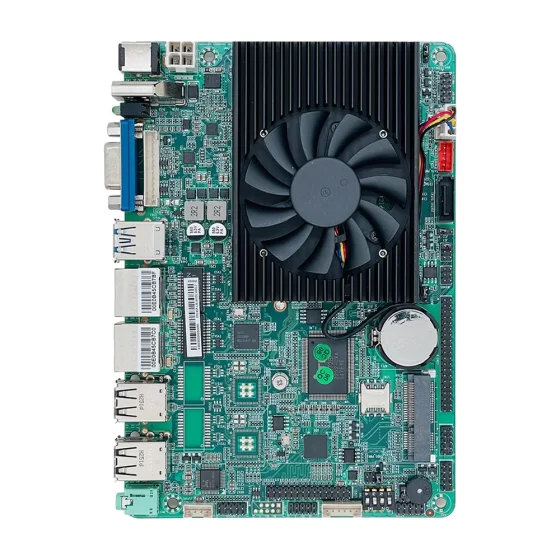
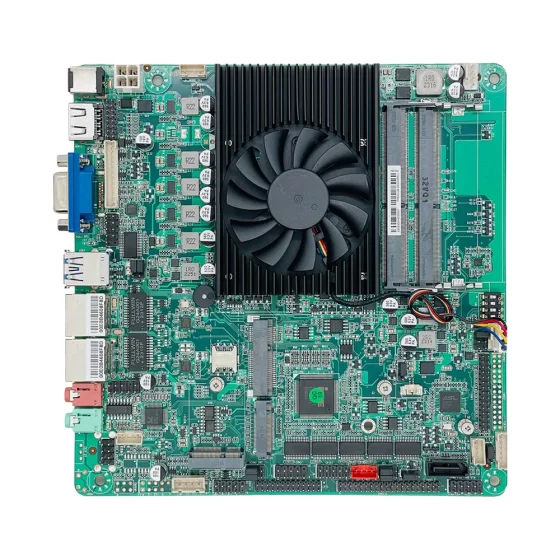
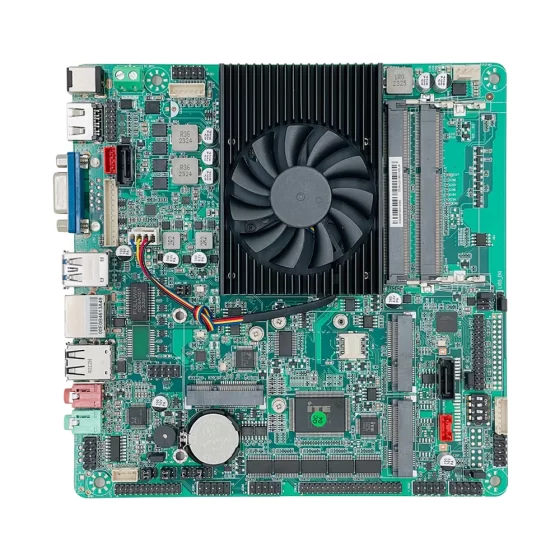
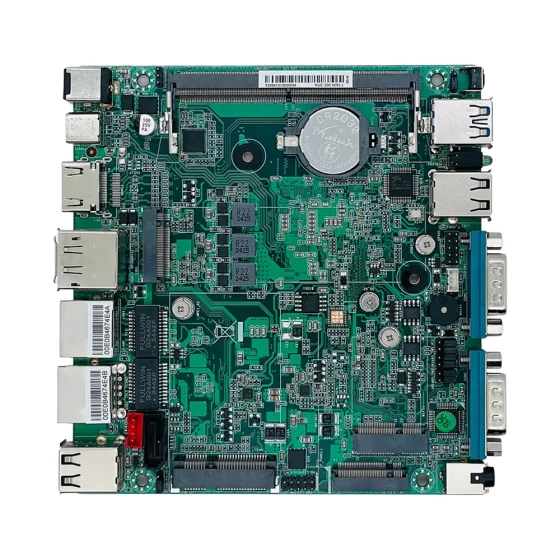
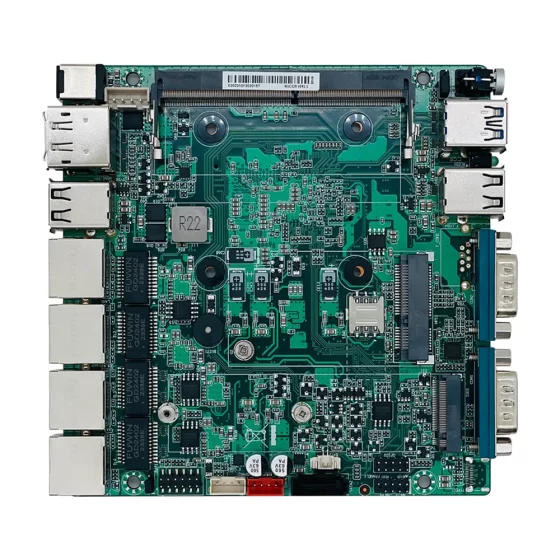
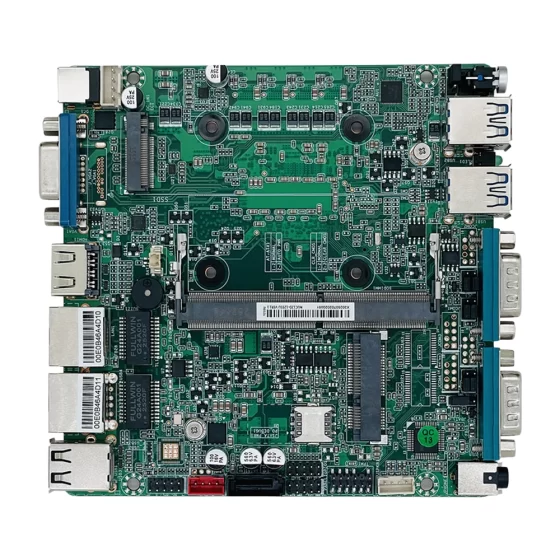
حلول الحوسبة الصناعية CoreIPC

منصة الحوسبة IDS: جهاز IDS لكشف التسلل إلى الشبكات الصناعية
ملخص تنفيذي
يوفر جهاز IDS أساس الحوسبة الصناعية لاكتشاف التسلل إلى الشبكة, مراقبة حركة المرور, الرؤية الأمنية, كشف الشذوذ, وحماية الشبكات الصناعية.
أصبحت البيئات الصناعية الحديثة مترابطة بشكل متزايد. المصانع, مرافق الطاقة, أنظمة النقل, المستودعات, وتعتمد مواقع البنية التحتية البعيدة الآن على الشركات المحدودة العامة, أنظمة سكادا, أجهزة الكمبيوتر الصناعية, أجهزة الكمبيوتر المدمجة, بوابات إنترنت الأشياء الصناعية, الكاميرات, أجهزة الاستشعار, واجهات التفاعل البشري, ومنصات الصيانة عن بعد.
يعمل هذا الاتصال على تحسين الإنتاجية والرؤية, ولكنه أيضًا يخلق المزيد من التعرض لأمن الشبكة.
تساعد منصة حوسبة IDS على مراقبة حركة مرور الشبكة واكتشاف الأنشطة المشبوهة دون مقاطعة اتصالات الإنتاج مباشرة. على عكس أجهزة الأمان المضمنة التي تمنع حركة المرور بشكل فعال, عادة ما يقوم نظام كشف التسلل بمراقبة حركة المرور, يحلل الأحداث, ويولد تنبيهات للمراجعة.
يمكن للكمبيوتر الصناعي أو الكمبيوتر المدمج أن يعمل بمثابة النظام الأساسي لأجهزة IDS. يمكنه الاتصال بحركة مرور الشبكة المتطابقة, مراقبة مناطق الشبكة المتعددة, تخزين سجلات الأمان, تشغيل برامج الكشف, وإرسال التنبيهات إلى لوحات المعلومات الأمنية أو منصات المراقبة.
بالمقارنة مع أجهزة الكمبيوتر المكتبية القياسية, تعد أجهزة الكمبيوتر الصناعية أكثر ملاءمة لنشر أجهزة IDS لأنها تدعم التثبيت القوي, تكوينات متعددة LAN, تخزين موثوق, خيارات التصميم بدون مروحة, مدخلات الطاقة مستقرة, وتوافر دورة حياة طويلة.
تشرح هذه المقالة كيف تدعم أجهزة IDS الأمن السيبراني الصناعي, ما هي التحديات التي تظهر في النشر الحقيقي, كيف تعمل بنية الحل, وما هي ميزات الأجهزة المهمة عند اختيار كمبيوتر صناعي أو كمبيوتر مضمن لمنصات حوسبة IDS.
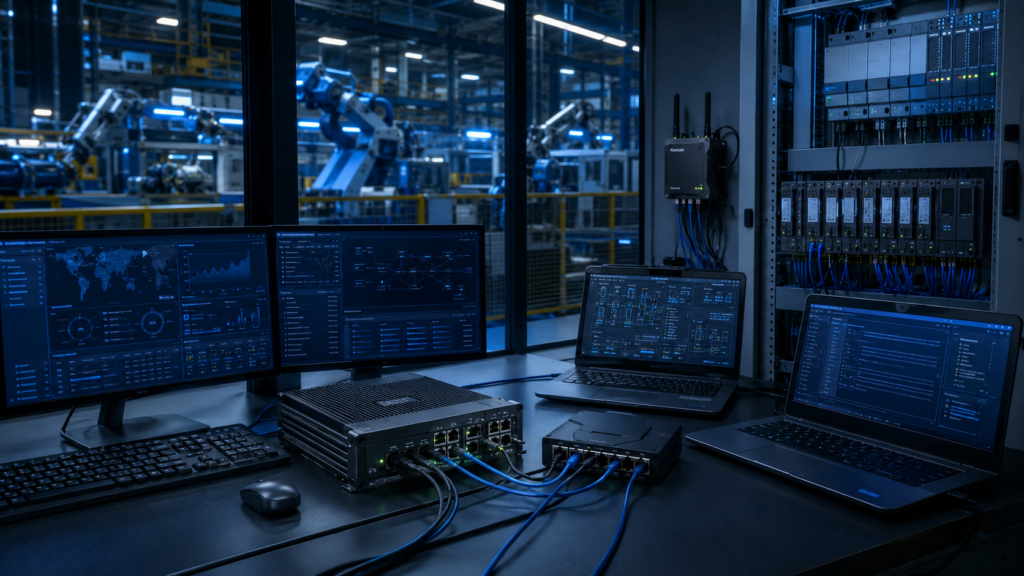
تساعد منصات الحوسبة IDS في مراقبة تكنولوجيا المعلومات في المصنع, بعد ذلك, بلك, سكادا, وشبكات الآلة.
نظرة عامة على الصناعة
تحتاج الشبكات الصناعية إلى رؤية أمنية أفضل
ولم تعد الشبكات الصناعية معزولة.
غالبًا ما تتبادل أنظمة الإنتاج البيانات مع MES, سكادا, تخطيط موارد المؤسسات, المنصات السحابية, أدوات الصيانة عن بعد, بوابات إنترنت الأشياء الصناعية, وشبكات متعددة المواقع.
وهذا يجعل الرؤية الأمنية أكثر أهمية.
يحتاج المشغلون الصناعيون إلى معرفة ما يحدث عبرهم:
- شبكات PLC
- شبكات SCADA
- شبكات الآلة
- أنظمة إنترنت الأشياء الصناعية
- شبكات الكاميرا
- اتصالات الخدمة عن بعد
- محطات العمل الهندسية
- أنظمة مراقبة الطاقة
- أنظمة أتمتة المستودعات
- البنية التحتية للنقل
- مرافق المرافق عن بعد
يساعد جهاز IDS العملي على مراقبة سلوك الشبكة وتحديد أنماط الاتصال المشبوهة.
تدعم أجهزة IDS الاكتشاف دون حظر فوري
عادةً ما يتم نشر نظام كشف التسلل لمراقبة حركة المرور وإصدار التنبيهات.
وهذا مفيد بشكل خاص في البيئات الصناعية لأن اتصالات الإنتاج يجب أن تظل مستقرة. يمكن أن يؤدي حظر حركة المرور الخاطئة إلى إيقاف الآلات, تعطيل الاقتراع SCADA, أو تتداخل مع المراقبة عن بعد.
يمكن لجهاز IDS الكشف:
- عمليات فحص الشبكة غير عادية
- محاولات اتصال غير مصرح بها
- سلوك بروتوكول غير طبيعي
- نشاط الوصول عن بعد مشبوه
- اتصال غير متوقع بالجهاز
- أنماط حركة المرور الشبيهة بالبرامج الضارة
- انتهاكات السياسة
- أجهزة غير معروفة على الشبكة
- حركة مرور زائدة من نقاط نهاية محددة
- التغييرات في الاتصالات الأساسية
الهدف هو تحسين الوعي قبل إجراء تغييرات على الشبكة قد تؤثر على الإنتاج.
الأجهزة الصناعية مهمة لنشر IDS
غالبًا ما يتم نشر أنظمة IDS بالقرب من حدود الشبكة, خزائن التحكم, خلايا الإنتاج, المرافق النائية, أو مواقع البنية التحتية.
قد تتضمن هذه المواقع اهتزازًا, تراب, تدفق هواء محدود, اختلاف درجة الحرارة, الضوضاء الكهربائية, وجداول التشغيل المستمرة.
توفر أجهزة الكمبيوتر الصناعية وأجهزة الكمبيوتر المدمجة أساسًا مناسبًا لهذا النوع من النشر.
أنها تدعم شبكات LAN متعددة, التخزين المحلي, تصميم ميكانيكي متين, التركيب الصناعي, خيارات التشغيل بدون مروحة, وتوافر مستقر على المدى الطويل.

حركة معكوسة, الصنابير الشبكة, ارتفاع حجم حركة المرور, شبكات PLC, وتؤثر بوابات IIoT على تخطيط نشر IDS.
التحديات الرئيسية
المراقبة دون مقاطعة الإنتاج
غالبًا ما تحمل الشبكات الصناعية حركة مرور حرجة.
الاتصالات PLC, استطلاعات SCADA, الوصول إلى واجهة HMI, حركة تحكم الروبوت, بيانات الآلة, وقد تكون اتصالات الإنذار حساسة للاضطراب.
غالبًا ما يتم نشر جهاز IDS بشكل سلبي من خلال النسخ المتطابق للشبكة, منافذ سبان, أو الصنابير الشبكة.
يساعد هذا في مراقبة حركة المرور دون أن تصبح نقطة فشل مضمنة.
لكن, لا يزال النشر السلبي يتطلب تخطيطًا دقيقًا.
يجب أن يفهم مصممو النظام:
- ما هي قطاعات الشبكة التي ينبغي مراقبتها
- كيف سيتم تسليم حركة المرور المتطابقة
- ما إذا كان فقدان الحزمة قد يؤثر على الرؤية
- مقدار حركة المرور التي يجب على IDS فحصها
- حيث ينبغي إرسال التنبيهات
- كيف ينبغي الاحتفاظ بالسجلات
- كيف سيتم توسيع نطاق المراقبة عبر المواقع
ارتفاع حجم حركة مرور الشبكة
قد تولد المواقع الصناعية كميات كبيرة من حركة مرور الشبكة.
أنظمة الكاميرا, بوابات إنترنت الأشياء الصناعية, استطلاعات SCADA, تحميلات المؤرخ, اتصالات الخدمة عن بعد, ويمكن أن يؤدي نقل البيانات متعدد المواقع إلى زيادة حجم حركة المرور.
يجب أن يقوم جهاز IDS بمعالجة حركة المرور هذه بشكل موثوق.
وتشمل عوامل عبء العمل الهامة:
- عدد قطاعات الشبكة المراقبة
- سرعة المنفذ
- حجم حركة المرور معكوسة
- عبء عمل فحص الحزمة
- تعقيد قاعدة الكشف
- حجم السجل
- تردد التنبيه
- عبء عمل التخزين المحلي
- تكامل لوحة القيادة
- عملية طويلة الأمد
إذا كانت الأجهزة ضعيفة, قد يصبح أداء الكشف غير مستقر.
فهم البروتوكولات الصناعية
قد تستخدم الشبكات الصناعية بروتوكولات وأنماط حركة مرور تختلف عن شبكات المكاتب.
قد تحتاج منصة IDS إلى مراقبة الاتصالات المتعلقة بالـ PLCs, أنظمة سكادا, البوابات الصناعية, واجهات التفاعل البشري, أجهزة الاستشعار, متر, الروبوتات, وأجهزة التشغيل الآلي.
يجب أن يميز نشر IDS المفيد بين الاتصالات الصناعية العادية والسلوك المشبوه.
وهذا يتطلب التكوين الصحيح, مراقبة خط الأساس, ضبط القاعدة, والتعاون بين فرق أمن تكنولوجيا المعلومات ومهندسي تكنولوجيا المعلومات.
إدارة التنبيهات والإيجابيات الكاذبة
يمكن لجهاز IDS إنشاء العديد من التنبيهات إذا لم يتم ضبطه بشكل صحيح.
قد يؤدي عدد كبير جدًا من النتائج الإيجابية الخاطئة إلى تجاهل المشغلين للتحذيرات. قد يؤدي عدد قليل جدًا من التنبيهات إلى تفويت أحداث مهمة.
يجب أن يحدد النشر العملي:
- أنواع التنبيهات الحرجة
- سلوك حركة المرور الأساسي
- أنماط الاتصال المسموح بها
- أجهزة موثوقة
- نوافذ الصيانة
- سياسات الخدمة عن بعد
- أولوية التسجيل
- مراجعة سير العمل
- عملية التصعيد
يجب أن يدعم النظام الأساسي للأجهزة التسجيل المستقر, لوحات المعلومات المحلية, والتكامل مع أنظمة المراقبة.
الموثوقية على المدى الطويل في المواقع الصناعية
قد تعمل أجهزة IDS بشكل مستمر لسنوات.
يمكن تركيبها داخل الخزانات الأمنية, غرف التحكم, مناطق الإنتاج, مواقع الطاقة, خزائن النقل, أو المرافق النائية.
إذا فشلت منصة IDS, قد يتم فقدان الرؤية الأمنية.
تساعد الأجهزة الصناعية على تقليل هذه المخاطر من خلال التصميم القوي, تخزين موثوق, خيارات بدون مروحة, دعم الطاقة الصناعية, والتخطيط لدورة حياة طويلة.

تقوم أجهزة IDS بتوصيل حركة مرور الشبكة المتطابقة, الأنظمة الصناعية, قواعد بيانات الأحداث, ومنصات المراقبة الأمنية.
بنية حلول أجهزة IDS
طبقة الشبكة الصناعية
تتضمن طبقة الشبكة الصناعية الأنظمة التي يتم مراقبتها.
قد تشمل هذه الطبقة:
- الشركات المحدودة العامة
- واجهات التفاعل البشري
- خوادم SCADA
- أجهزة الكمبيوتر الصناعية
- وحدات التحكم المدمجة
- وحدات تحكم الآلة
- الروبوتات
- الكاميرات
- أجهزة الاستشعار
- عدادات الطاقة
- بوابات إنترنت الأشياء الصناعية
- محطات العمل الهندسية
يمكن تقسيم هذه الأنظمة إلى مناطق شبكة متعددة.
يقوم جهاز IDS بمراقبة حركة المرور عبر المناطق المحددة لاكتشاف السلوك المشبوه.
طبقة جمع حركة المرور
توفر طبقة تجميع حركة المرور لجهاز IDS إمكانية رؤية الشبكة.
تشمل الطرق الشائعة:
- تبديل منافذ SPAN
- الصنابير الشبكة
- حركة معكوسة
- منافذ مراقبة مخصصة
- مراقبة الشبكة المجزأة
- خلاصات حركة المرور المجمعة
وينبغي تصميم هذه الطبقة بعناية.
يمكن أن يؤدي جمع حركة المرور الضعيف إلى إنشاء نقاط عمياء, فقدان الحزمة, أو كشف غير مكتمل.
طبقة الحوسبة IDS
طبقة الحوسبة IDS هي المكان الذي يقوم فيه الكمبيوتر الصناعي أو عمليات الكمبيوتر المدمجة بمراقبة حركة المرور.
عند هذه الطبقة, يجوز للنظام:
- تلقي حركة مرور الشبكة معكوسة
- فحص الحزم
- تحليل سلوك البروتوكول
- كشف الأنماط المشبوهة
- قارن حركة المرور بالقواعد
- سجلات المتجر
- توليد التنبيهات
- عرض لوحات المعلومات المحلية
- إرسال الأحداث إلى منصات الأمان
- مراقبة صحة النظام
توفر هذه الطبقة الأساس الحاسوبي لكشف التسلل.
طبقة الكشف والتحليلات
تحتوي طبقة الكشف والتحليلات على منطق البرنامج المستخدم لتحديد التهديدات المحتملة.
اعتمادا على النشر, قد تشمل:
- الكشف على أساس التوقيع
- كشف الشذوذ
- تحليل البروتوكول
- المقارنة الأساسية
- مراقبة سلوك الجهاز
- التنبيه القائم على القواعد
- تحليل نمط المرور
- ارتباط الأحداث الأمنية
- رؤية البروتوكول الصناعي
يجب أن يدعم الكمبيوتر الصناعي نظام التشغيل المطلوب, برنامج آي دي إس, تخزين, برامج تشغيل الشبكة, وأدوات المراقبة.
طبقة مراقبة الأمن
تقوم طبقة المراقبة بربط نتائج IDS مع المشغلين وفرق الأمان.
قد يرسل جهاز IDS تنبيهات إلى:
- لوحات معلومات الأمان المحلية
- منصة سيم
- أنظمة SOC
- أدوات مراقبة الشبكات الصناعية
- لوحات معلومات أمان SCADA
- منصات المراقبة السحابية
- محطات عمل الصيانة
- أنظمة الإدارة المركزية
ويساعد ذلك في تحويل بيانات الكشف عن الشبكة إلى رؤية أمنية قابلة للتنفيذ.
الميزات الرئيسية
إمكانية مراقبة الشبكات المحلية المتعددة
تعد منافذ LAN المتعددة مهمة لأجهزة IDS.
إنها تسمح للنظام الأساسي بمراقبة مناطق الشبكة المختلفة أو تلقي حركة مرور معكوسة من محولات متعددة.
قد تشمل التكوينات المفيدة:
- منفذ المراقبة لشبكة PLC
- منفذ مراقبة لشبكة الجهاز
- منفذ مراقبة لشبكة الكاميرا
- منفذ مراقبة لشبكة إنترنت الأشياء الصناعية
- منفذ الإدارة
- تنبيه منفذ الوصلة الصاعدة
- اتصال تكنولوجيا المعلومات بالمصنع
- منفذ الخدمة المحلية
يعمل تصميم الشبكات المحلية المتعددة على تحسين الرؤية ومرونة النشر.
أداء معالجة الحزم
يمكن أن تكون أعباء عمل IDS متطلبة.
يجب أن يقوم الجهاز بفحص حركة مرور الشبكة دون فقدان البيانات المهمة.
ينبغي النظر في الاختيار:
- أداء وحدة المعالجة المركزية
- سعة الذاكرة
- عدد منافذ LAN
- سرعة المنفذ
- حجم حركة المرور
- تعقيد قاعدة الكشف
- معدل إنشاء السجل
- سرعة التخزين
- دعم نظام التشغيل
- الاستقرار على المدى الطويل
للمواقع الأكبر, يجب التحقق من صحة منصة IDS باستخدام قواعد واقعية لحجم حركة المرور والكشف عنها.
تخزين محلي موثوق
قد تقوم أجهزة IDS بإنشاء كميات كبيرة من السجلات وسجلات الأمان.
يمكن استخدام التخزين المحلي ل:
- يلتقط الحزمة
- سجلات التنبيه
- سجلات الأحداث
- سجلات النظام
- البيانات الأساسية
- النسخ الاحتياطية للتكوين
- قواعد الكشف
- البيانات التشخيصية
- ملفات التحقيق الأمني
يُفضل عادةً تخزين SSD أو NVMe لأنه يوفر وصولاً سريعًا ومقاومة أفضل للصدمات مقارنة بمحركات الأقراص الميكانيكية.
يجب أن يأخذ تصميم التخزين في الاعتبار فترة الاحتفاظ, اكتب التحمل, سير العمل الاحتياطي, وتسجيل متطلبات التصدير.
دعم المراقبة السلبية
يتم نشر العديد من أجهزة IDS الصناعية بشكل سلبي.
وهذا يقلل من خطر انقطاع اتصالات الإنتاج.
يجب أن يدعم تصميم الأجهزة منافذ المراقبة المخصصة وفصل الإدارة.
قد يستخدم نشر IDS العملي مجموعة واحدة من المنافذ لمراقبة حركة المرور ومنفذًا آخر للإدارة, تحميل التنبيه, أو الوصول إلى لوحة القيادة.
ويساعد ذلك في الحفاظ على فصل واضح بين حركة المرور المرصودة والاتصالات الإدارية.
تصميم متين وبدون مروحة
تعد أجهزة الكمبيوتر الصناعية بدون مروحة مفيدة لنشر IDS في الخزانات المتربة, مناطق الإنتاج, والمرافق النائية.
إنها تقلل من دخول الغبار وتزيل نقطة عطل ميكانيكية شائعة.
تساعد العبوات القوية على الحماية من الاهتزاز, إجهاد الكابل, تأثير التركيب, والتشغيل الصناعي على المدى الطويل.
لا يزال ينبغي مراجعة التصميم الحراري بعناية لأن التفتيش المستمر لحركة المرور يمكن أن يؤدي إلى حمل معالجة مستدام.
الإدخال/الإخراج الصناعي المرن
على الرغم من أن أجهزة IDS تركز بشكل أساسي على الشبكات, لا يزال من الممكن أن تكون عمليات الإدخال/الإخراج الصناعية ذات قيمة.
قد تشمل الخيارات المفيدة:
- لان
- USB
- RS232
- RS485
- جيبيو
- الإدخال الرقمي
- الإخراج الرقمي
- اتش دي ام اي
- منفذ العرض
- م.2
- بكيي
- ساتا أو NVMe
يمكن لـ GPIO دعم إخراج التنبيه. يمكن أن تدعم منافذ USB ومنافذ العرض الصيانة المحلية. يمكن أن يدعم توسيع PCIe أو M.2 بطاقات الشبكة أو وحدات التخزين الإضافية.
دورة حياة طويلة وقابلية الصيانة
قد تظل أنظمة الأمن الصناعي في الخدمة لسنوات عديدة.
يمكن أن تؤدي التغييرات المتكررة في الأجهزة إلى حدوث مشكلات في توافق البرامج, مشاكل التحقق من صحة السائق, تحديات قطع الغيار, وتعقيد الصيانة.
تساعد منصات الحوسبة الصناعية مع التخطيط لدورة الحياة القائمين على تكامل الأنظمة والمشغلين في الحفاظ على عمليات نشر IDS متسقة عبر العديد من المواقع وأجيال المعدات.
سيناريوهات النشر
كشف التسلل إلى شبكة المصنع
يمكن للمصنع نشر جهاز IDS لمراقبة حركة المرور بين شبكات تكنولوجيا المعلومات وشبكات التكنولوجيا التشغيلية.
يمكن للجهاز مراقبة الاتصال بين أنظمة المؤسسة, شبكات الإنتاج, خوادم SCADA, والبوابات الصناعية.
ويساعد ذلك في اكتشاف محاولات الوصول المشبوهة أو أنماط حركة المرور غير المتوقعة.
مراقبة شبكة PLC
تعتبر شبكات PLC ضرورية للإنتاج.
يمكن لجهاز IDS مراقبة اتصالات PLC بشكل سلبي وتنبيه فرق الأمان عند حدوث سلوك غير طبيعي للجهاز, الوصول غير المصرح به, أو ظهور اتصال غير متوقع.
وهذا يدعم رؤية أفضل دون التدخل المباشر في تشغيل PLC.
مراقبة أمن SCADA
غالبًا ما تقوم أنظمة SCADA بتوصيل غرف التحكم, الأجهزة البعيدة, مشغلي, والمعدات الميدانية.
يمكن لمنصة حوسبة IDS مراقبة حركة مرور شبكة SCADA وإرسال تنبيهات إلى لوحات معلومات الأمان.
وهذا مفيد للطاقة, ماء, مواصلات, وأنظمة البنية التحتية للمنشأة.
مراقبة أمن إنترنت الأشياء الصناعية
تقوم أنظمة إنترنت الأشياء الصناعية بتوصيل الآلات, أجهزة الاستشعار, بوابات, والمنصات السحابية.
يمكن لجهاز IDS مراقبة الاتصال بين بوابات IIoT والأنظمة الخارجية.
يساعد هذا في اكتشاف تدفق البيانات غير العادي, اتصالات غير مصرح بها, أو سلوك البوابة غير طبيعي.
إمكانية رؤية الصيانة عن بعد
اتصالات الصيانة عن بعد مفيدة ولكنها تحتاج إلى إشراف.
يمكن لجهاز IDS مراقبة حركة المرور المتعلقة بالوصول عن بعد, اتصالات VPN, محطات العمل الهندسية, وجلسات خدمة الآلة.
يؤدي ذلك إلى تحسين الرؤية حول من يتصل وكيفية استخدام الشبكة.
مراقبة المستودعات والخدمات اللوجستية
يجوز للمستودعات استخدام أنظمة الباركود, الناقلات, أجهزة الكمبيوتر الصناعية, الكاميرات, منصات WMS, وأنظمة الفرز.
يمكن لمنصة IDS مراقبة حركة مرور الشبكة عبر أنظمة التشغيل الآلي واكتشاف أنماط الاتصال غير العادية.
وهذا يدعم البنية التحتية اللوجستية الأكثر أمانًا.
أمن البنية التحتية للنقل
قد تتضمن بيئات النقل معدات على جانب الطريق, أنظمة المحطة, منصات وقوف السيارات, مراقبو حركة المرور, ومراكز المراقبة.
يمكن لجهاز IDS الصناعي مراقبة شبكات البنية التحتية الموزعة وتوفير رؤية أمنية للمواقع البعيدة.
تطوير أجهزة OEM IDS
يمكن لمتكاملي الأنظمة ومقدمي حلول الأمن السيبراني بناء أجهزة IDS باستخدام أجهزة الكمبيوتر الصناعية أو اللوحات المدمجة.
يمكن لمنصة الأجهزة أن تدعم مراقبة الشبكات المحلية المتعددة, التخزين المحلي, التفتيش المروري, لوحات المعلومات, إعادة توجيه التنبيه, والنشر القوي على غرار الأجهزة.
فوائد الأعمال
تحسين رؤية أمن الشبكة
يساعد جهاز IDS المشغلين الصناعيين على فهم ما يحدث على الشبكة.
يمكنه اكتشاف حركة المرور المشبوهة, سلوك الجهاز غير طبيعي, اتصالات غير متوقعة, وانتهاكات السياسة.
هذه الرؤية مهمة للمصانع, المرافق النائية, المرافق, المستودعات, وأنظمة النقل.
انخفاض خطر انقطاع الإنتاج
لأنه يمكن نشر أجهزة IDS بشكل سلبي, يمكنهم مراقبة حركة المرور دون عرقلة اتصالات الإنتاج بشكل مباشر.
وهذا مفيد للبيئات الصناعية حيث يكون التوفر أمرًا بالغ الأهمية.
يمكن للمشغلين مراجعة التنبيهات والتحقيق في المشكلات قبل اتخاذ قرار بتغيير جدار الحماية أو سياسات الوصول.
مراقبة OT أقوى
غالبًا ما تحتوي الشبكات الصناعية على أجهزة يصعب مراقبتها باستخدام أدوات تكنولوجيا المعلومات القياسية.
يمكن لمنصة حوسبة IDS مراقبة حركة مرور التكنولوجيا التشغيلية, اتصالات الآلة, نشاط PLC, اتصالات SCADA, وسلوك البوابة الصناعية.
وهذا يساعد فرق الأمان على فهم ظروف الشبكة الصناعية بشكل أكثر وضوحًا.
تحقيق أفضل في الحوادث
تدعم سجلات وتنبيهات IDS التحقيق الأمني.
يمكن أن تساعد السجلات الفرق على فهم وقت حدوث نشاط مشبوه, الأجهزة التي كانت متورطة, وما هي أنماط الاتصال التي ظهرت.
يعمل التخزين المحلي الموثوق على تحسين إمكانية التتبع ودعم المراجعة بعد الحدث.
نشر الأمن قابلة للتطوير
تعمل منصة أجهزة IDS القياسية على تسهيل نشر مراقبة الشبكة عبر أجهزة متعددة, خطوط الإنتاج, المصانع, المواقع النائية, ومرافق البنية التحتية.
تعمل الأجهزة المتسقة على تبسيط صور البرامج, قوالب التكوين, تخطيط قطع الغيار, التدريب على الصيانة, ودعم دورة الحياة.
دعم نضج الأمن السيبراني
يبدأ العديد من المشغلين الصناعيين تحسين الأمن السيبراني من خلال الرؤية.
يوفر جهاز IDS خطوة أولى عملية لأنه يمكنه مراقبة حركة المرور وإنشاء تنبيهات دون إجراء تغييرات كبيرة على أنظمة التحكم في الإنتاج.
وهذا يساعد الفرق على بناء خط أساس أمني أقوى مع مرور الوقت.
لماذا كورIPC
يوفر CoreIPC منصات الحوسبة الصناعية لأمن الشبكات, إنترنت الأشياء الصناعية, أتمتة المصنع, المراقبة عن بعد, وتكامل النظام المدمج. لتطبيقات الأجهزة IDS, يركز CoreIPC على أجهزة الكمبيوتر الصناعية الموثوقة, حلول الكمبيوتر المدمجة, تكوينات متعددة LAN, الإدخال/الإخراج المرن, تصميم نظام مدمج, خيارات النشر بدون مروحة, ودعم التخصيص OEM/ODM. CoreIPC يساعد تكامل النظام, مقدمي الحلول الأمنية, بناة الآلة, ويختار المشغلون الصناعيون منصات الحوسبة التي تتوافق مع متطلبات النشر الحقيقية, بما في ذلك عدد منافذ LAN, عبء العمل لمراقبة حركة المرور, احتياجات التخزين, طرق التركيب, مدخلات الطاقة, الظروف الحرارية, وتخطيط دورة الحياة.
الأسئلة المتداولة
1. ما هو جهاز IDS?
جهاز IDS عبارة عن منصة أجهزة تستخدم لتشغيل برامج كشف التسلل.
يراقب حركة مرور الشبكة, يحلل أنماط الاتصال, يكتشف السلوك المشبوه, ويولد التنبيهات. في البيئات الصناعية, تُستخدم أجهزة IDS بشكل شائع لمراقبة شبكات PLC, أنظمة سكادا, شبكات الآلة, بوابات إنترنت الأشياء الصناعية, وحركة الوصول عن بعد.
2. لماذا نستخدم الكمبيوتر الصناعي لجهاز IDS?
يوفر الكمبيوتر الصناعي أجهزة قوية واتصالاً مرنًا للنشر في المصنع والحقل.
يمكنه دعم منافذ LAN المتعددة, عملية بدون مروحة, تخزين محلي موثوق, التركيب الصناعي, مدخلات الطاقة مستقرة, وتوافر دورة حياة طويلة. هذه الميزات تجعلها مناسبة لنشر IDS في خزائن التحكم, مناطق الإنتاج, المرافق النائية, ومواقع البنية التحتية.
3. كيف يتم استخدام الكمبيوتر المدمج كمنصة IDS?
يمكن للكمبيوتر المدمج أن يعمل كجهاز IDS مدمج داخل خزانة التحكم, الضميمة الآلة, منشأة بعيدة, أو بوابة أمان OEM.
يمكن أن تتلقى حركة المرور المتطابقة, فحص الحزم, سجلات المتجر, توليد التنبيهات, وتوجيه الأحداث إلى أنظمة المراقبة.
4. ما هو الفرق بين IDS وIPS?
يكتشف IDS النشاط المشبوه ويصدر تنبيهات.
يمكن لـ IPS حظر حركة المرور أو منعها بشكل فعال وفقًا لسياسات الأمان. في البيئات الصناعية, غالبًا ما يتم استخدام IDS أولاً لأن المراقبة السلبية تقلل من خطر مقاطعة اتصالات الإنتاج. يتطلب نشر IPS عادةً اختبارات أكثر دقة.
5. لماذا تعد منافذ LAN المتعددة مهمة لأجهزة IDS?
تسمح منافذ LAN المتعددة للجهاز بمراقبة قطاعات الشبكة المختلفة.
يمكن لمنفذ واحد مراقبة شبكة PLC, قد يقوم آخر بمراقبة شبكة الجهاز, قد يتصل آخر بشبكة الإدارة, وآخر قد يرسل تنبيهات إلى منصة المراقبة. وهذا يحسن الرؤية وتنظيم الشبكة.
6. هل يمكن لأجهزة الكمبيوتر الصناعية بدون مروحة أن تدعم أحمال عمل IDS?
نعم. يمكن لأجهزة الكمبيوتر الصناعية بدون مروحة أن تدعم العديد من عمليات نشر IDS لأنها تقلل من دخول الغبار وتزيل نقطة عطل ميكانيكي واحدة.
لكن, يمكن أن يؤدي فحص حركة مرور IDS إلى إنشاء حمل مستدام لوحدة المعالجة المركزية والتخزين. حجم حركة المرور, تصميم العلبة, درجة الحرارة المحيطة, وينبغي مراجعة تدفق الهواء في الخزانة قبل النشر.
7. ما هي ميزات الأجهزة المهمة لمنصات IDS الصناعية?
تتضمن الميزات الهامة منافذ LAN متعددة, أداء كافٍ لوحدة المعالجة المركزية, ذاكرة موثوقة, تخزين SSD أو NVMe, الضميمة وعرة, تصميم بدون مروحة, مدخلات الطاقة الصناعية, USB, عرض الإخراج, وخيارات التوسع.
يجب أن يتطابق التكوين النهائي مع حجم حركة المرور, قواعد الكشف, الاحتفاظ بالسجل, عبء عمل التخزين, وبيئة التثبيت.
8. هل تستطيع أجهزة IDS مراقبة أنظمة إنترنت الأشياء الصناعية?
نعم. يمكن لأجهزة IDS مراقبة الاتصال بين بوابات IIoT, آلات, المنصات السحابية, وشبكات المصانع.
يمكنهم المساعدة في اكتشاف تدفق البيانات غير العادي, اتصالات غير مصرح بها, سلوك البوابة غير طبيعي, أو اتصال غير متوقع بين الأجهزة.
9. هل يقوم جهاز IDS بحظر الهجمات تلقائيًا؟?
عادة, تم تصميم أجهزة IDS للكشف عن حركة المرور والتنبيه بها بدلاً من حظرها.
وهذا مفيد في البيئات الصناعية حيث يمكن أن يؤثر الحظر العرضي على الإنتاج. قد تقوم بعض عمليات النشر بدمج تنبيهات IDS مع جدران الحماية أو أنظمة الأمان الأخرى, ولكن يجب اختبار سياسات الحظر بعناية.
10. ما الذي يجب اختباره قبل نشر جهاز IDS?
قبل النشر, يجب اختبار النظام باستخدام طوبولوجيا الشبكة الحقيقية, حركة معكوسة, حجم حركة المرور, برامج الكشف, تسجيل عبء العمل, سلوك التخزين, إعادة توجيه التنبيه, وتشغيل طويل الأمد.
الاستقرار الحراري, فقدان الحزمة, رؤية الشبكة, الوصول إلى الإدارة, ويجب أيضًا التحقق من صحة سير عمل الصيانة.
خاتمة
يعد جهاز IDS أساسًا عمليًا لكشف التسلل إلى الشبكة الصناعية, الرؤية الأمنية, مراقبة حركة المرور السلبية, كشف الشذوذ, والتحقيق في الأمن السيبراني.
عن طريق وضع جهاز كمبيوتر صناعي أو جهاز كمبيوتر مدمج في نقاط مراقبة الشبكة الرئيسية, الشركات المصنعة, بناة الآلة, تكامل النظام, ويمكن لمشغلي البنية التحتية مراقبة شبكات PLC, أنظمة سكادا, شبكات الآلة, حركة إنترنت الأشياء الصناعية, واتصالات الصيانة عن بعد بشكل أكثر فعالية.
يجب اختيار منصة حوسبة IDS المناسبة وفقًا لمتطلبات النشر الحقيقية, بما في ذلك عدد منافذ LAN, حجم حركة المرور, عبء عمل الكشف, طريقة المراقبة, احتياجات التخزين, طريقة التركيب, مدخلات الطاقة, الظروف الحرارية, دعم نظام التشغيل, السياسة الأمنية, وتخطيط دورة الحياة.
يدعم CoreIPC مشاريع أجهزة IDS مع منصات الحوسبة الصناعية المصممة للمصانع العملية, جانب الآلة, والانتشار الميداني. مع أساس الأجهزة الصحيح, يمكن للمشغلين الصناعيين ومقدمي الحلول الأمنية بناء موثوقة, قابلة للتطوير, وأنظمة كشف التسلل الصديقة للإنتاج.
اتصل بنا
أبحث عن جهاز كمبيوتر صناعي, الكمبيوتر المدمج, أو منصة LAN متعددة لنشر أجهزة IDS?
تواصل مع CoreIPC لمناقشة متطلبات مشروعك, بما في ذلك عدد منافذ LAN, مناطق الشبكة المراقبة, حجم حركة المرور, تصميم التخزين, طريقة التركيب, مدخلات الطاقة, بيئة التشغيل, احتياجات دورة الحياة, وخيارات التخصيص OEM/ODM.