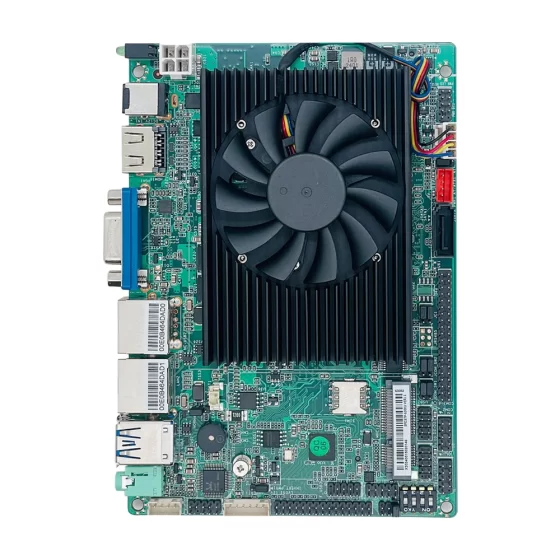
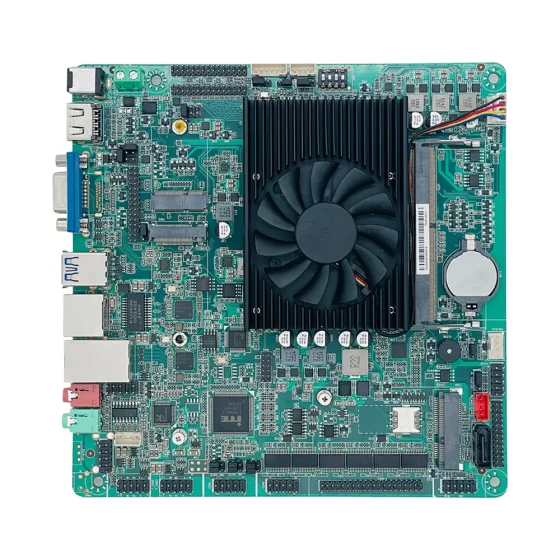
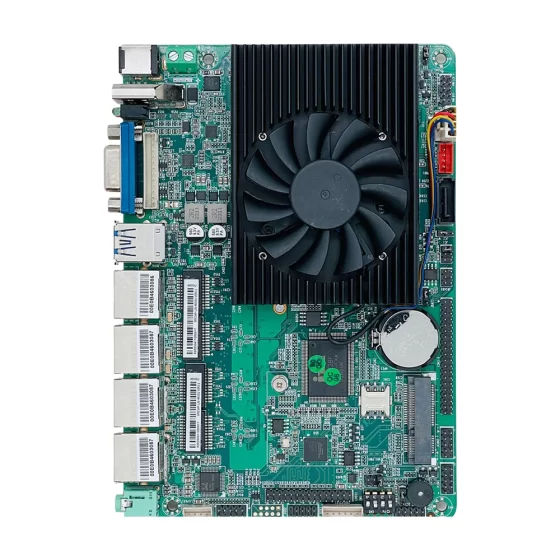
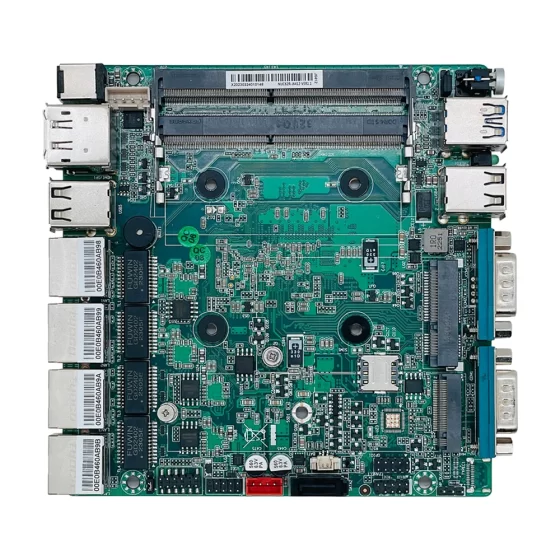
حلول الحوسبة الصناعية CoreIPC

جهاز أمان Zero Trust: جهاز Zero Trust لحماية الشبكات الصناعية
ملخص تنفيذي
A zero trust appliance provides the industrial computing foundation for identity-based access control, صيانة آمنة عن بعد, الشبكات ذات الامتيازات الأقل, إنفاذ السياسات, التقسيم الصناعي, والاتصالات المحمية عبر المصانع المتصلة الحديثة.
أصبحت الشبكات الصناعية أكثر توزيعًا وأكثر ارتباطًا. المصانع, بناة الآلة, المستودعات, مواقع الطاقة, أنظمة النقل, وبيئات البنية التحتية البعيدة تعتمد الآن على الشركات المحدودة العامة, أنظمة سكادا, أجهزة الكمبيوتر الصناعية, أجهزة الكمبيوتر المدمجة, بوابات إنترنت الأشياء الصناعية, الكاميرات, أجهزة الاستشعار, الروبوتات, المنصات السحابية, وأدوات الخدمة عن بعد.
يفترض أمان الشبكة التقليدي غالبًا أن المستخدمين والأجهزة الموجودة داخل شبكة موثوقة آمنة. في البيئات الصناعية الحديثة, وهذا الافتراض محفوف بالمخاطر بشكل متزايد.
يتبع أمان الثقة المعدومة مبدأً مختلفًا: لا تثق أبدًا بالمستخدم تلقائيًا, جهاز, طلب, أو الاتصال بالشبكة. يجب التحقق من كل طلب وصول, محدود, مراقبة, والسيطرة عليها وفقا للسياسة.
A zero trust security appliance built on an industrial computer or embedded computer can provide the local hardware platform for secure access control, تجزئة الشبكة, remote engineering access, التفتيش المروري, تسجيل, and policy-based connectivity.
Compared with standard office IT devices, industrial zero trust appliances must operate reliably in real factory and field conditions. ويمكن تركيبها داخل خزائن التحكم, مرفقات الآلة, المواقع النائية, خزائن النقل, utility facilities, or warehouse network rooms.
This article explains how zero trust appliances support industrial cybersecurity, ما هي تحديات النشر التي تظهر في التطبيقات الحقيقية, كيف تعمل بنية الحل, and which hardware features matter when selecting an industrial computer or embedded computer for zero trust appliance deployment.
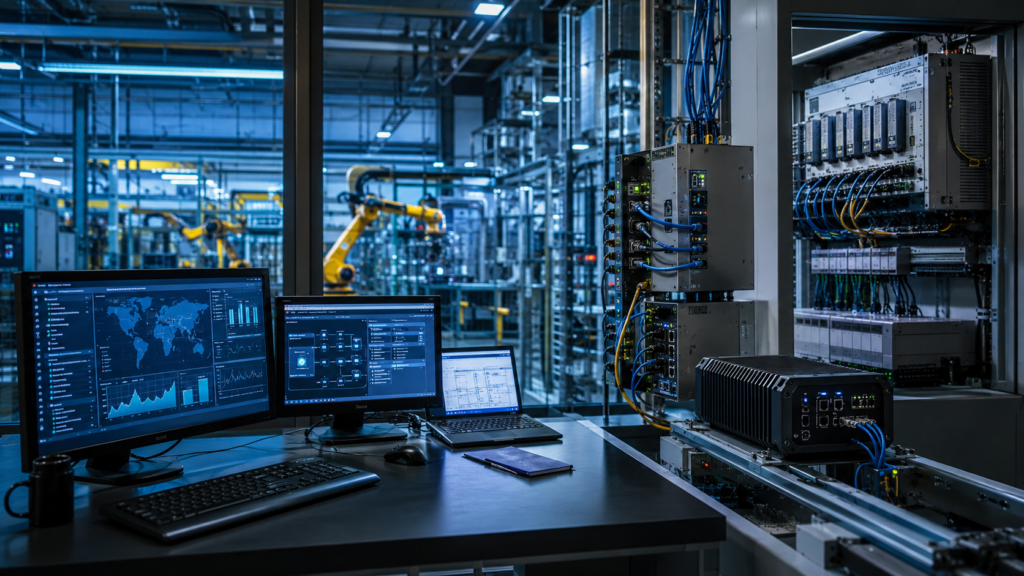
Zero trust appliances help control remote access to factory IT, بعد ذلك, بلك, سكادا, وشبكات الآلة.
نظرة عامة على الصناعة
Industrial Networks Need Stronger Access Control
وأصبحت الشبكات الصناعية معزولة مرة أخرى.
اليوم, ترتبط العديد من بيئات الإنتاج بأنظمة المؤسسة, منصات الخدمة عن بعد, لوحات المعلومات السحابية, بوابات إنترنت الأشياء الصناعية, and multi-site infrastructure.
This connectivity creates new operational value, but it also increases risk.
قد يحتاج المشغلون الصناعيون إلى الحماية:
- شبكات PLC
- أنظمة سكادا
- شبكات الآلة
- Remote maintenance connections
- بوابات إنترنت الأشياء الصناعية
- محطات العمل الهندسية
- شبكات الكاميرا
- أنظمة مراقبة الطاقة
- أنظمة أتمتة المستودعات
- البنية التحتية للنقل
- Utility facilities
A zero trust appliance helps control access to these systems more carefully.
Why Zero Trust Matters in OT Environments
Operational technology networks are different from office IT networks.
Production systems often require stable communication, predictable timing, and long lifecycle equipment. Some industrial devices may not support modern authentication or security controls directly.
Zero trust architecture helps by placing a controlled security layer between users, الأجهزة, التطبيقات, and critical systems.
Instead of allowing broad network access after a VPN login, a zero trust appliance can support more specific access rules.
على سبيل المثال:
- Only authorized users can access selected machines.
- Remote service access can be limited by role and time window.
- Factory IT traffic can be separated from PLC networks.
- Industrial IoT data can be routed through controlled paths.
- Unverified devices can be blocked or isolated.
- Access events can be logged for review.
This improves security without requiring every legacy device to support advanced security features by itself.
الأجهزة الصناعية مطلوبة للنشر الحقيقي
Zero trust appliances are often placed at important network boundaries.
في البيئات الصناعية, these locations may include machine-side cabinets, خلايا الإنتاج, remote utility rooms, عقد النقل, مواقع الطاقة, or distributed facilities.
قد تحتوي هذه البيئات على الغبار, اهتزاز, حرارة, تدفق هواء محدود, قوة غير مستقرة, إجهاد الكابل, والتشغيل المستمر.
Industrial computers and embedded computers provide a practical hardware foundation for this type of deployment.
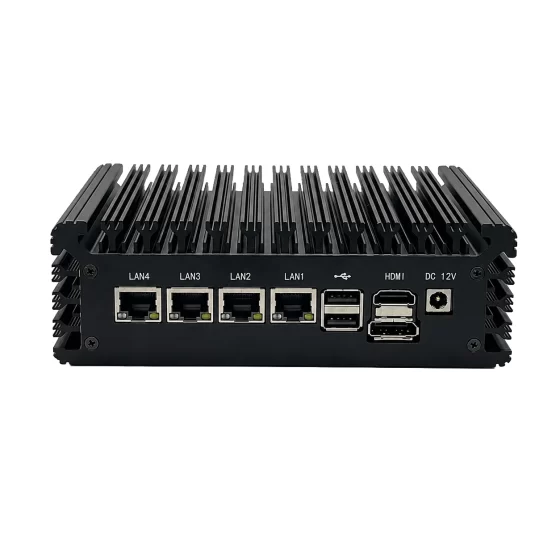
They support multi-LAN configurations, مرفقات وعرة, خيارات التشغيل بدون مروحة, تخزين موثوق, الإدخال/الإخراج المرن, التركيب الصناعي, وتوافر دورة حياة طويلة.

Legacy devices, مناطق الشبكة, سياسات الوصول, جلسات الخدمة عن بعد, and IIoT gateways affect zero trust deployment planning.
التحديات الرئيسية
Replacing Broad Trust with Policy-Based Access
A major challenge is moving from broad network trust to controlled access.
Traditional remote access may allow a user to connect to a large network segment after authentication. This can expose more systems than necessary.
A zero trust appliance should help limit access based on:
- User identity
- Device status
- Role
- موقع الموقع
- طلب
- Machine group
- منطقة الشبكة
- Maintenance purpose
- نافذة الوقت
- Security policy
وهذا يتطلب التخطيط الدقيق.
The goal is to give users access only to the systems required for their task, not to the entire industrial network.
حماية الأجهزة الصناعية القديمة
Many industrial devices were designed for reliability and long service life, not modern cybersecurity.
بعض الشركات المحدودة العامة, واجهات التفاعل البشري, محركات الأقراص, وحدات تحكم, and meters may not support advanced authentication, التشفير, or access control.
A zero trust appliance can help protect these assets by enforcing policies at the network boundary.
It can control who reaches the device, which traffic is allowed, and how access is logged.
This approach is useful when replacing legacy equipment is not practical.
الحفاظ على استمرارية الإنتاج
Industrial security controls must not interrupt production communication.
A zero trust appliance may sit between network zones, المستخدمين عن بعد, المنصات السحابية, and machine systems. If policies are too strict or poorly tested, required production traffic may be blocked.
Designers must understand normal communication patterns, مشتمل:
- PLC polling
- الاتصالات SCADA
- الوصول إلى واجهة HMI
- الوصول إلى محطة العمل الهندسية
- جلسات الصيانة عن بعد
- تحميل بيانات إنترنت الأشياء الصناعية
- الاتصالات التنبيه
- Camera and monitoring traffic
- Machine-to-machine communication
Policies should be validated before full enforcement.
Identity and Device Verification
Zero trust depends on verification.
In office IT environments, identity providers and endpoint management tools may already exist. في البيئات الصناعية, المستخدمين, service laptops, remote engineers, بناة الآلة, and site devices may be more diverse.
A practical zero trust system should consider:
- مصادقة المستخدم
- Device identification
- الوصول على أساس الدور
- Remote service approval
- تسجيل الجلسة
- نوافذ الصيانة
- Access review
- Integration with existing security tools
The appliance hardware must support the software environment required for these functions.
النشر الميداني الموثوق
A zero trust appliance may become critical security infrastructure.
إذا فشلت, الصيانة عن بعد, التواصل بالموقع, نقل بيانات إنترنت الأشياء الصناعية, or protected access may be interrupted.
يتطلب النشر الصناعي تصميمًا موثوقًا للأجهزة, including rugged construction, مدخلات الطاقة مستقرة, التخطيط الحراري, التخزين المحلي, ودعم دورة الحياة الطويلة.

Zero trust appliances connect industrial networks, identity systems, access logs, ومنصات المراقبة الأمنية.
Zero Trust Appliance Solution Architecture
Industrial Asset Layer
The industrial asset layer includes the systems that need protection.
قد تشمل هذه الطبقة:
- الشركات المحدودة العامة
- واجهات التفاعل البشري
- خوادم SCADA
- أجهزة الكمبيوتر الصناعية
- وحدات التحكم المدمجة
- وحدات تحكم الآلة
- الروبوتات
- الكاميرات
- أجهزة الاستشعار
- عدادات الطاقة
- بوابات إنترنت الأشياء الصناعية
- محطات العمل الهندسية
These assets may be grouped into different zones based on function, مخاطرة, and access requirements.
Zero Trust Appliance Layer
The zero trust appliance layer is the core enforcement point.
عند هذه الطبقة, قد يكون الكمبيوتر الصناعي أو الكمبيوتر المدمج:
- Enforce access policies
- مناطق شبكة القطاع
- Verify users and devices
- Control remote maintenance sessions
- مسار حركة المرور المعتمدة
- تطبيق قواعد جدار الحماية
- Support VPN or secure tunnel functions
- تسجيل أحداث الوصول
- مراقبة صحة النظام
- إرسال الأحداث إلى منصات الأمان
This layer helps replace broad network access with controlled, policy-based connectivity.
Identity and Policy Layer
The identity and policy layer defines who can access which systems and under what conditions.
قد تعتمد السياسات على:
- دور المستخدم
- هوية الجهاز
- منطقة الشبكة
- نوع التطبيق
- Machine group
- موقع الموقع
- Maintenance task
- نافذة الوقت
- Approval status
- مستوى المخاطر الأمنية
للبيئات الصناعية, policies should be designed with both IT security and OT engineering input.
This helps protect systems while maintaining required operational workflows.
Network Segmentation Layer
Network segmentation is a key part of zero trust deployment.
The appliance may separate:
- شبكة تكنولوجيا المعلومات في المصنع
- شبكة PLC
- شبكة الآلة
- شبكة سكادا
- شبكة الكاميرا
- شبكة إنترنت الأشياء الصناعية
- شبكة الخدمة عن بعد
- شبكة الإدارة
Multiple LAN ports and clear routing policies help create controlled boundaries between these zones.
Segmentation reduces unnecessary exposure and improves network organization.
Monitoring and Logging Layer
Zero trust requires visibility.
The appliance may collect logs and send security events to local dashboards, منصة سيم, أنظمة SOC, أدوات المراقبة, or cloud management systems.
Useful records may include:
- User login events
- Device access attempts
- Approved sessions
- Blocked traffic
- انتهاكات السياسة
- حالة نفق VPN
- Remote maintenance activity
- Network traffic events
- System health data
- تغييرات التكوين
This visibility supports audit review, التحقيق في الحادث, and long-term security improvement.
الميزات الرئيسية
تصميم شبكات LAN متعددة
Multiple LAN ports are important for zero trust appliances.
They allow the platform to separate traffic between different network zones.
قد تشمل التكوينات المفيدة:
- وصلة WAN الصاعدة
- شبكة تكنولوجيا المعلومات في المصنع
- شبكة PLC
- شبكة الآلة
- شبكة سكادا
- شبكة الكاميرا
- IIoT gateway network
- شبكة الصيانة عن بعد
Multi-LAN design supports least-privilege networking and clearer policy enforcement.
أداء المعالجة الأمنية
A zero trust appliance may process authentication workflows, الأنفاق الآمنة, سياسات جدار الحماية, قواعد التوجيه, تصفية حركة المرور, تسجيل, and monitoring data.
ينبغي النظر في اختيار الأجهزة:
- أداء وحدة المعالجة المركزية
- سعة الذاكرة
- عدد منافذ LAN
- سرعة المنفذ
- عدد الأنفاق
- الإنتاجية المشفرة
- عبء عمل جدار الحماية
- حجم التسجيل
- سرعة التخزين
- دعم نظام التشغيل
The appliance should be tested with realistic traffic and access patterns before deployment.
تخزين محلي موثوق
التخزين المحلي يدعم السجلات, النسخ الاحتياطية للتكوين, شهادات, access records, policy data, ملفات التشخيص, واسترداد النظام.
يُفضل عادةً تخزين SSD أو NVMe لأنه يوفر وصولاً أسرع ومقاومة أفضل للصدمات مقارنة بمحركات الأقراص الميكانيكية.
ينبغي النظر في تصميم التخزين:
- الاحتفاظ بالسجل
- Access event records
- تخزين الشهادة
- النسخ الاحتياطي التكوين
- استعادة النظام
- السجلات التشخيصية
- اكتب التحمل
- سير عمل النسخ الاحتياطي
يعمل التخزين الموثوق به على تحسين إمكانية التدقيق وكفاءة الصيانة.
تصميم متين وبدون مروحة
تعد أجهزة الكمبيوتر الصناعية بدون مروحة مفيدة للأجهزة الأمنية المنتشرة في الخزانات, المرافق النائية, and dusty environments.
إنها تقلل من دخول الغبار وتزيل نقطة عطل ميكانيكية شائعة.
تساعد العبوات القوية على الحماية من الاهتزاز, الإجهاد المتصاعد, سلالة الكابل, and continuous industrial operation.
Thermal design should still be reviewed carefully because encrypted traffic, التوجيه, security inspection, and logging can create sustained processing load.
الإدخال/الإخراج الصناعي المرن
Although zero trust appliances mainly focus on networking, لا يزال من الممكن أن يكون الإدخال/الإخراج الصناعي مفيدًا.
قد تتضمن خيارات الإدخال/الإخراج المهمة:
- لان
- USB
- RS232
- RS485
- جيبيو
- الإدخال الرقمي
- الإخراج الرقمي
- اتش دي ام اي
- منفذ العرض
- م.2
- بكيي
- ساتا أو NVMe
يمكن لـ GPIO دعم إخراج التنبيه. Serial ports may support maintenance access. يمكن أن تدعم منافذ USB ومنافذ العرض الخدمة المحلية. Expansion slots can support additional LAN modules, وحدات لاسلكية, أو التخزين.
Remote Management Support
Many zero trust appliances are deployed across distributed industrial sites.
Remote management is important.
The platform may need to support secure configuration updates, status monitoring, log export, health reporting, and controlled access review.
Remote management should be designed carefully so that it does not become an uncontrolled access path.
دورة حياة طويلة وقابلية الصيانة
Industrial security appliances may stay in service for many years.
تساعد الأجهزة المتسقة في الحفاظ على صور البرامج, توافق برامج الأمان, التحقق من صحة السائق, تخطيط قطع الغيار, وقوالب التكوين.
This is important for system integrators, بناة الآلة, and industrial operators deploying zero trust appliances across multiple machines, المصانع, والمواقع النائية.
سيناريوهات النشر
صيانة الماكينات عن بعد
Machine builders can use zero trust appliances to provide controlled remote service access.
Instead of giving broad VPN access to a full machine network, the appliance can limit access to selected devices and specific maintenance tasks.
This helps OEMs support customers while reducing unnecessary exposure.
IT and OT Boundary Control
A zero trust appliance can be deployed between factory IT and OT networks.
It can control which users, التطبيقات, and systems are allowed to communicate across the boundary.
This helps protect production systems while still allowing required data exchange.
SCADA Access Protection
SCADA networks often connect operators, محطات العمل الهندسية, الأجهزة البعيدة, ومنصات المراقبة.
A zero trust appliance can enforce access rules before users or systems reach SCADA assets.
وهذا مفيد للطاقة, ماء, مواصلات, والبنية التحتية للمنشأة.
أمن بوابة إنترنت الأشياء الصناعية
Industrial IoT gateways collect data from machines and send selected information to platforms or cloud systems.
A zero trust appliance can help control gateway communication, شبكات آلة القطاع, and log data access events.
وهذا يدعم نشر إنترنت الأشياء (IIoT) بشكل أكثر أمانًا.
شبكات المستودعات والخدمات اللوجستية
قد تشمل المستودعات الناقلات, محطات الباركود, منصات WMS, الكاميرات, أجهزة الكمبيوتر الصناعية, and remote support tools.
A zero trust appliance can help control access between automation systems, business systems, and service networks.
وهذا يدعم العمليات اللوجستية الآمنة.
البنية التحتية للنقل
قد تشمل أنظمة النقل معدات على جانب الطريق, مراقبو حركة المرور, أنظمة مواقف السيارات, شبكات المحطات, ومنصات المراقبة.
Zero trust appliances can help protect remote access and segment infrastructure networks across distributed sites.
Energy and Utility Facilities
Energy and utility sites may require remote monitoring, الوصول إلى SCADA, maintenance communication, ونقل البيانات بشكل آمن.
An industrial zero trust appliance can provide controlled connectivity for substations, محطات الضخ, meter networks, خزائن المرافق, والمرافق النائية.
تطوير الأجهزة الأمنية OEM
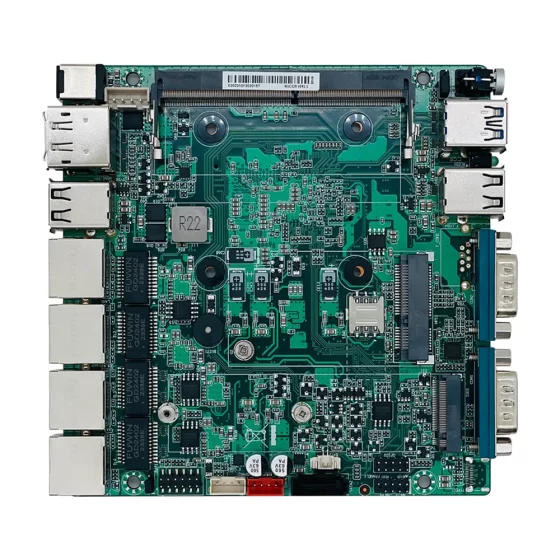
Security solution providers and system integrators can build zero trust security appliances using industrial computers or embedded boards.
يمكن للمنصة أن تدعم شبكات LAN المتعددة, secure access control, إنفاذ السياسات, تسجيل, الإدارة عن بعد, والنشر القوي على غرار الأجهزة.
فوائد الأعمال
Least-Privilege Access
Zero trust appliances help enforce least-privilege access.
Users and devices are granted only the access required for a specific task.
This reduces unnecessary exposure and helps protect critical industrial assets from broad network access.
صيانة عن بعد أكثر أمانًا
Remote maintenance is valuable, ولكن يجب السيطرة عليها.
A zero trust appliance can limit access by user, جهاز, role, system, time window, and policy.
This helps machine builders and industrial operators support remote service more securely.
تجزئة الشبكة أقوى
Multi-LAN zero trust appliances help divide industrial networks into controlled zones.
وهذا يدعم الفصل بين تكنولوجيا المعلومات, بعد ذلك, بلك, آلة, آلة تصوير, إنترنت الأشياء, الخدمة عن بعد, وشبكات الإدارة.
يعمل التقسيم الأفضل على تحسين الأمان ووضوح الشبكة.
Better Visibility and Auditability
Zero trust appliances can record access attempts, approved sessions, حركة المرور المحظورة, user activity, and policy events.
These records support audit review, التحقيق في الحادث, استكشاف الأخطاء وإصلاحها, and long-term security improvement.
Reliable local storage helps preserve important logs.
Reduced Risk for Legacy Devices
Many legacy industrial devices cannot enforce modern security policies by themselves.
A zero trust appliance can protect them by controlling access at the network boundary.
This allows operators to improve security without immediately replacing all existing equipment.
Scalable Industrial Security Deployment
A standardized zero trust appliance platform makes it easier to deploy secure access control across multiple factories, آلات, المواقع النائية, وأنظمة تصنيع المعدات الأصلية.
تعمل الأجهزة المتسقة على تبسيط صور البرامج, قوالب السياسة, تخطيط قطع الغيار, تصديق, وإدارة دورة الحياة.
This supports scalable industrial cybersecurity improvement.
لماذا كورIPC
يوفر CoreIPC منصات الحوسبة الصناعية لأمن الشبكات, إنترنت الأشياء الصناعية, أتمتة المصنع, المراقبة عن بعد, وتكامل النظام المدمج. For zero trust appliance applications, يركز CoreIPC على أجهزة الكمبيوتر الصناعية الموثوقة, حلول الكمبيوتر المدمجة, تكوينات متعددة LAN, الإدخال/الإخراج المرن, تصميم نظام مدمج, خيارات النشر بدون مروحة, ودعم التخصيص OEM/ODM. CoreIPC يساعد تكامل النظام, مقدمي الحلول الأمنية, بناة الآلة, ويختار المشغلون الصناعيون منصات الحوسبة التي تتوافق مع متطلبات النشر الحقيقية, بما في ذلك عدد منافذ LAN, access control workload, تجزئة الشبكة, احتياجات التخزين, طرق التركيب, مدخلات الطاقة, الظروف الحرارية, وتخطيط دورة الحياة.
الأسئلة المتداولة
1. What is a zero trust appliance?
A zero trust appliance is a hardware platform used to enforce identity-based and policy-based access control.
في البيئات الصناعية, it may control access to machine networks, الشركات المحدودة العامة, أنظمة سكادا, بوابات إنترنت الأشياء الصناعية, remote maintenance systems, and factory network zones. It helps reduce broad trust and limits access to approved users, الأجهزة, and tasks.
2. Why use an industrial computer for a zero trust appliance?
يوفر الكمبيوتر الصناعي أجهزة قوية واتصالاً مرنًا للنشر في المصنع والحقل.
يمكنه دعم منافذ LAN المتعددة, عملية بدون مروحة, التخزين المحلي, التركيب الصناعي, مدخلات الطاقة مستقرة, وتوافر دورة حياة طويلة. These features make it suitable for zero trust deployment in cabinets, آلات, المواقع النائية, وأنظمة البنية التحتية.
3. How is an embedded computer used as a zero trust appliance?
An embedded computer can act as a compact zero trust gateway inside a control cabinet, الضميمة الآلة, منشأة بعيدة, or OEM security appliance.
It can enforce access policies, شبكات القطاع, log sessions, manage secure tunnels, and control communication between users and industrial systems.
4. What is the difference between VPN and zero trust access?
A VPN often gives a user network access after connection.
Zero trust access is more specific. It verifies identity and applies policies to determine which systems, التطبيقات, or devices the user can access. In many deployments, VPN and zero trust functions may work together, but zero trust focuses more strongly on least-privilege access.
5. Why are multiple LAN ports important for zero trust appliances?
تسمح منافذ LAN المتعددة للجهاز بفصل مناطق الشبكة المختلفة.
قد يتصل منفذ واحد بشبكة WAN, آخر لتكنولوجيا المعلومات في المصنع, آخر لشبكات PLC, آخر لشبكات الجهاز, وآخر لشبكات الصيانة أو الإدارة عن بعد. This supports segmentation and precise policy enforcement.
6. Can fanless industrial computers support zero trust appliances?
نعم. Fanless industrial computers can support many zero trust appliance deployments because they reduce dust intake and remove one mechanical failure point.
لكن, الأنفاق الآمنة, قواعد جدار الحماية, تسجيل, and traffic processing can create sustained CPU and thermal load. تصميم الضميمة, درجة الحرارة المحيطة, وينبغي مراجعة تدفق الهواء في الخزانة قبل النشر.
7. What hardware features matter for zero trust appliances?
تتضمن الميزات الهامة منافذ LAN متعددة, أداء كافٍ لوحدة المعالجة المركزية, ذاكرة موثوقة, تخزين SSD أو NVMe, الضميمة وعرة, تصميم بدون مروحة, مدخلات الطاقة الصناعية, USB, عرض الإخراج, جيبيو, المنافذ التسلسلية, وخيارات التوسع.
The final configuration should match access control workload, تجزئة الشبكة, احتياجات التسجيل, وبيئة التثبيت.
8. Can zero trust appliances protect industrial IoT systems?
نعم. Zero trust appliances can help protect industrial IoT systems by controlling access between IIoT gateways, آلات, المنصات السحابية, وشبكات المصانع.
يمكنهم فرض السياسات, restrict unnecessary communication, and log access events at key network boundaries.
9. Does zero trust replace firewalls?
لا. Zero trust does not replace firewalls.
It adds stronger identity-based and policy-based access control. جدران الحماية, شبكات VPN, التجزئة, تسجيل, and zero trust policies often work together in a complete industrial security architecture.
10. ما الذي يجب اختباره قبل النشر?
قبل النشر, يجب اختبار النظام باستخدام طوبولوجيا الشبكة الحقيقية, أدوار المستخدم, device groups, سياسات الوصول, remote maintenance workflows, حجم حركة المرور, سلوك التسجيل, وتشغيل طويل الأمد.
الاستقرار الحراري, إجراءات الاسترداد, النسخ الاحتياطي التكوين, access review, ويجب أيضًا التحقق من صحة اتصالات الإنتاج.
خاتمة
A zero trust appliance is a practical foundation for industrial access control, صيانة آمنة عن بعد, الشبكات ذات الامتيازات الأقل, تجزئة الشبكة, and protected communication across connected industrial environments.
عن طريق وضع كمبيوتر صناعي أو كمبيوتر مدمج على حدود الشبكة الرئيسية, الشركات المصنعة, بناة الآلة, تكامل النظام, and infrastructure operators can control who accesses PLC networks, أنظمة سكادا, شبكات الآلة, منصات إنترنت الأشياء الصناعية, واتصالات الصيانة عن بعد.
The right zero trust security appliance should be selected according to real deployment requirements, بما في ذلك عدد منافذ LAN, access control workload, عدد الأنفاق, تجزئة الشبكة, احتياجات التخزين, طريقة التركيب, مدخلات الطاقة, الظروف الحرارية, دعم نظام التشغيل, السياسة الأمنية, وتخطيط دورة الحياة.
CoreIPC supports zero trust appliance projects with industrial computing platforms designed for practical factory, جانب الآلة, والانتشار الميداني. مع أساس الأجهزة الصحيح, يمكن للمشغلين الصناعيين ومقدمي الحلول الأمنية بناء موثوقة, قابلة للتطوير, and production-ready zero trust security systems.
اتصل بنا
أبحث عن جهاز كمبيوتر صناعي, الكمبيوتر المدمج, or multi-LAN platform for zero trust appliance deployment?
تواصل مع CoreIPC لمناقشة متطلبات مشروعك, بما في ذلك عدد منافذ LAN, مناطق الشبكة, access control workload, تصميم التخزين, طريقة التركيب, مدخلات الطاقة, بيئة التشغيل, احتياجات دورة الحياة, وخيارات التخصيص OEM/ODM.