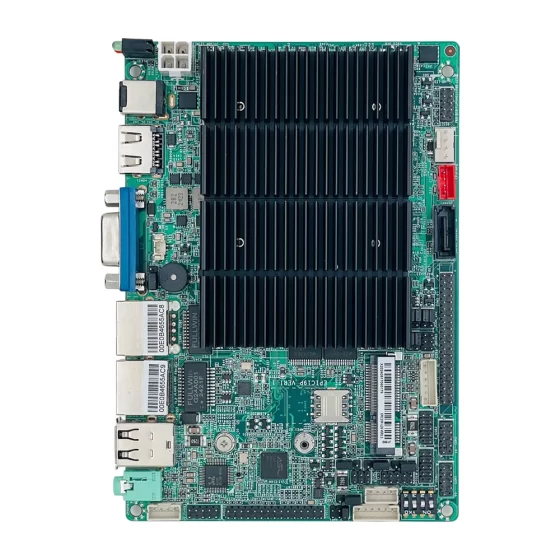
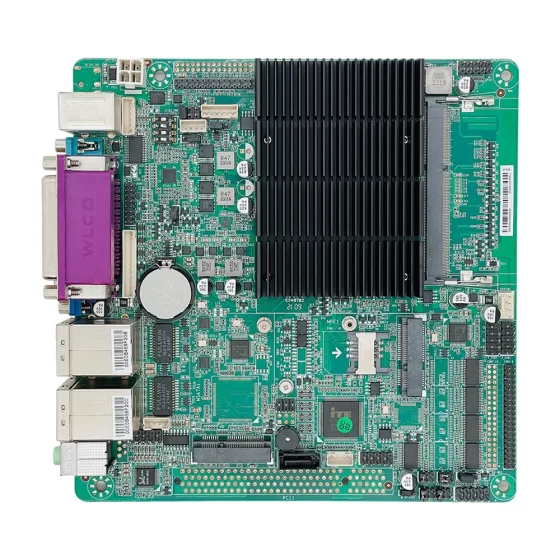
حلول الحوسبة الصناعية CoreIPC

بناء جهاز توجيه ناعم موثوق به باستخدام الكمبيوتر الصناعي ومنصات الكمبيوتر المضمنة
ملخص تنفيذي
أ جهاز توجيه ناعم is becoming an important network infrastructure platform for enterprises, المصانع, edge computing sites, أنظمة النقل, retail environments, and distributed industrial facilities. Unlike traditional fixed-function routers, a soft router network appliance uses x86-based or embedded computing hardware to run routing, جدار الحماية, VPN, إدارة حركة المرور, أمن الشبكة, شبكة SD-WAN, and edge gateway software on a flexible platform.
For industrial and commercial deployments, the hardware foundation matters as much as the software stack. A reliable soft router appliance requires stable processing performance, منافذ LAN متعددة, long lifecycle components, wide operating temperature options, storage flexibility, and dependable 24/7 عملية. This is where an الكمبيوتر الصناعي أو الكمبيوتر المدمج platform provides clear value compared with consumer-grade mini PCs or office routers.
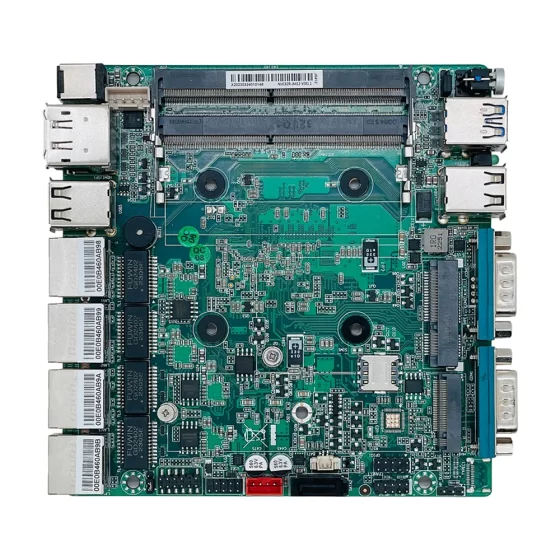
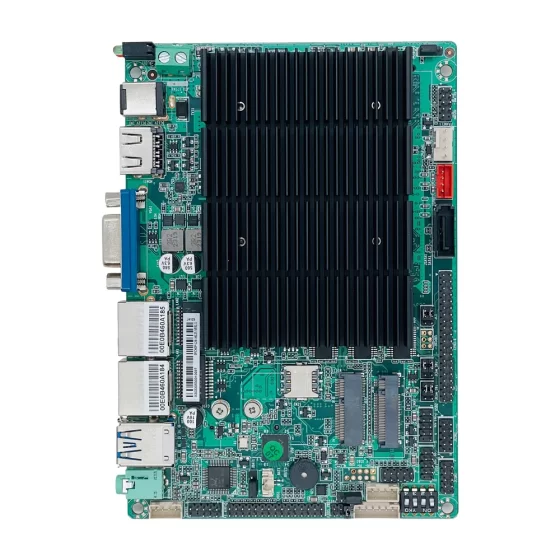
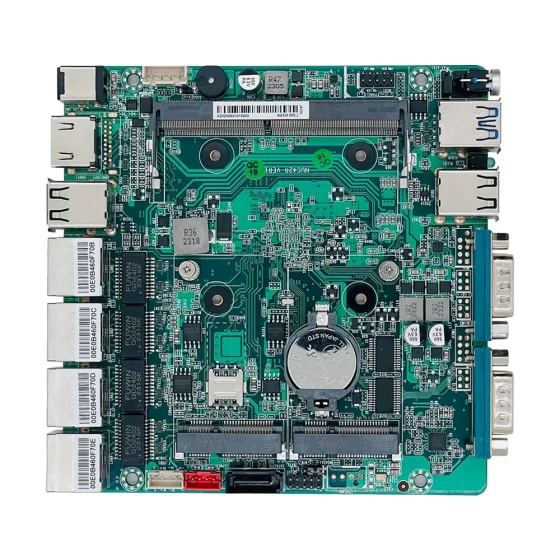
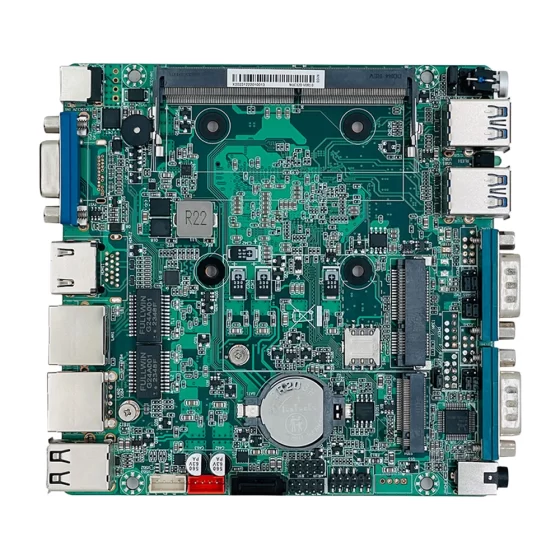
CoreIPC supports soft router network appliance applications through industrial-grade embedded systems, أجهزة كمبيوتر بدون مروحة, multi-LAN embedded boards, and customized industrial computing platforms. These platforms can be configured for network security appliances, البوابات الصناعية, أنظمة جدار الحماية, VPN routers, edge access nodes, and OEM network devices.
تشرح هذه المقالة الهندسة المعمارية, key challenges, hardware design considerations, سيناريوهات النشر, and business value of using industrial computer and embedded computer platforms for soft router appliance solutions.

Soft router appliances help connect distributed industrial, تجاري, and enterprise edge networks.
نظرة عامة على الصناعة
Network infrastructure is no longer limited to office routers, enterprise firewalls, and centralized data centers. Modern organizations are moving toward distributed, software-defined, and edge-based networking models. المصانع, المستودعات, المباني الذكية, retail chains, محاور النقل, مواقع الطاقة, and remote service locations all require reliable connectivity, secure access, and flexible network control.
A soft router network appliance addresses this shift by separating routing and network service functions from fixed-purpose router hardware. Instead of relying only on a traditional appliance with closed firmware, users can deploy routing and security software on a general-purpose computing platform. This allows the same hardware architecture to support multiple use cases, including firewall, VPN, نات, DHCP, DNS, VLAN routing, network monitoring, traffic shaping, captive portal, industrial gateway, and edge security.
In many commercial environments, soft router systems are built with compact embedded computers or small form factor industrial computers. These systems typically include multiple Ethernet ports, تخزين SSD, memory expansion, واجهات يو اس بي, display output for maintenance, and optional wireless connectivity. When designed correctly, they can operate as reliable network appliances for both enterprise and industrial environments.
The demand for soft router appliance platforms is driven by several practical trends:
First, network traffic is becoming more complex. Industrial devices, edge servers, كاميرات IP, automation controllers, POS terminals, الأكشاك, and remote users all generate different traffic profiles. Organizations need flexible routing policies and stronger segmentation.
Second, cybersecurity requirements are increasing. الوصول إلى VPN, قواعد جدار الحماية, كشف التسلل, network isolation, and secure remote maintenance are becoming basic requirements for distributed infrastructure.
Third, edge computing is expanding. More workloads are processed close to machines, أجهزة الاستشعار, and users. This creates demand for compact network platforms that can manage connectivity and run lightweight network services at the edge.
Fourth, OEM and system integrator customers increasingly require hardware platforms that can be customized. عدد منافذ LAN, اختيار المعالج, تصميم العلبة, storage layout, مدخلات الطاقة, and branding may need to match a specific project or product line.
For these reasons, an industrial computer or embedded computer platform can provide a stronger foundation for a soft router appliance than a standard consumer router or generic office device.
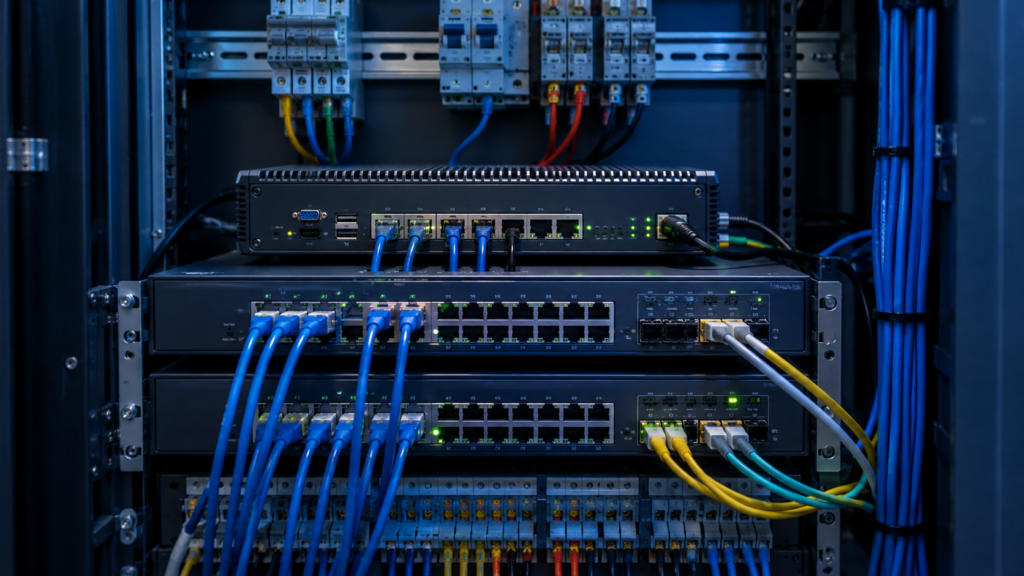
A multi-LAN soft router appliance supports WAN, لان, DMZ, آلة تصوير, صناعي, وشبكات الإدارة.
التحديات الرئيسية
Designing a soft router appliance is not only a matter of choosing routing software. The hardware platform must support stable operation, enough network throughput, system reliability, واحتياجات النشر على المدى الطويل.
1. Multi-LAN Port Requirements
A soft router network appliance usually requires more than one Ethernet port. Basic systems may need two LAN ports for WAN and LAN separation. More advanced systems may require four, six, or more ports for multi-WAN routing, VLAN segmentation, firewall zones, industrial device networks, شبكات الكاميرا, guest networks, وشبكات الإدارة.
The choice of Ethernet controller is important. Many industrial and commercial projects prefer stable Intel-based network controllers for compatibility and long-term driver support. Port count, سرعة المنفذ, التصميم الحراري, and board layout all affect system performance and reliability.
2. 24/7 مصداقية
Routers, بوابات, and firewalls are infrastructure devices. إذا فشل الجهاز, downstream systems may lose internet access, remote connectivity, or industrial communication. For factories, retail stores, المستودعات, وأنظمة النقل, downtime can affect operations directly.
A soft router appliance used in industrial environments should be designed for continuous operation. This includes a stable motherboard, تصميم طاقة موثوق, مكونات من الدرجة الصناعية, proper thermal management, and validated system integration.
3. Thermal Management
Soft router systems often run continuously in small enclosures. In many deployments, they are installed in cabinets, غرف التحكم, network closets, الأكشاك, or edge sites with limited airflow. Heat buildup can reduce component life and cause instability.
Fanless industrial computer designs are often preferred when dust, اهتزاز, ضوضاء, or maintenance concerns exist. لكن, fanless design must be carefully engineered with suitable processors, heat sinks, enclosure materials, and internal layout.
4. Software Compatibility
Soft router platforms may run different operating systems or network software stacks. The hardware should support common x86 operating environments, virtualization options, and network driver compatibility. إعدادات BIOS, storage interfaces, boot options, and watchdog support may also matter for system integrators.
5. Power Input and Deployment Environment
Consumer mini PCs are often designed for office use with standard adapters. Industrial deployments may require wider voltage input, stable DC power, DIN-rail installation, vehicle power environments, or power protection features.
A soft router appliance deployed in factories or field systems should be designed with practical power and mechanical requirements in mind.
6. Lifecycle and Supply Stability
Network appliances are often deployed across multiple sites and maintained for years. OEM customers and system integrators need consistent hardware availability, predictable revision control, والدعم طويل الأمد.
Short-lifecycle consumer hardware can create problems when a project needs repeat orders, spare units, or consistent certification testing. Industrial computer platforms provide better lifecycle management for B2B deployments.
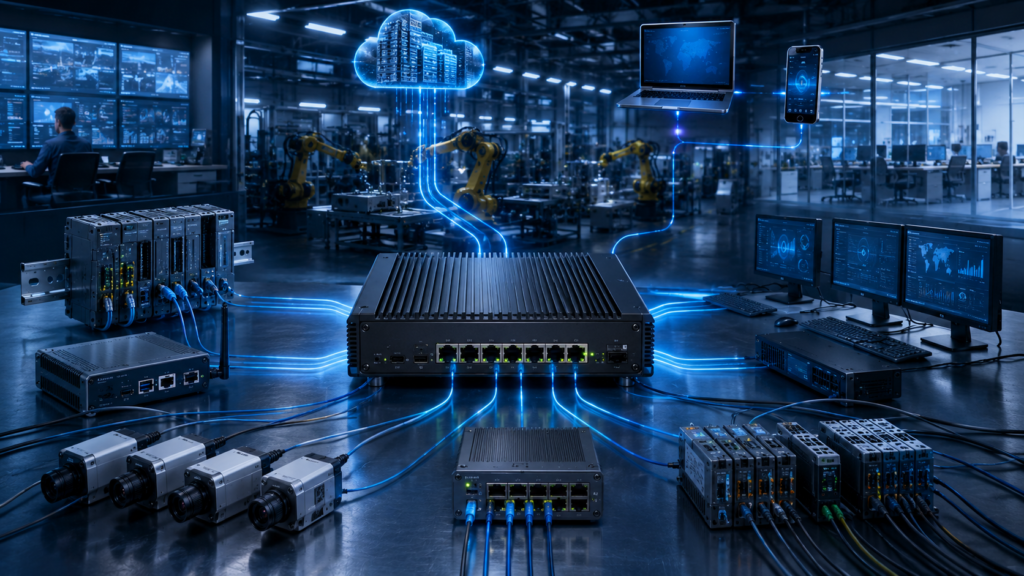
Industrial computer-based soft router appliance connecting cloud, VPN users, enterprise IT, and industrial OT networks.
هندسة الحلول
أ جهاز توجيه ناعم built on an industrial computer or embedded computer platform normally includes three main layers: hardware platform, network operating software, and deployment integration.
Hardware Platform Layer
The hardware layer is the foundation of the appliance. It may include an embedded motherboard, industrial box PC, fanless computer, or custom embedded board. Key hardware elements include the processor, ذاكرة, LAN controllers, تخزين, مدخلات الطاقة, واجهات التوسعة, and enclosure.
For routing and firewall workloads, the processor should provide stable performance for packet handling, التشفير, rule processing, and network services. Entry-level systems may use low-power processors for basic routing, VPN, and firewall functions. More advanced appliances may require stronger processors for multi-gigabit routing, IDS/IPS workloads, virtualization, or multiple network services running simultaneously.
Memory capacity affects firewall state tables, caching, monitoring services, and virtualization. Storage is used for the operating system, سجلات, النسخ الاحتياطي التكوين, and optional local applications. SSD-based storage is generally preferred for reliability and speed.
LAN ports define the physical network structure. A system may include two ports for basic WAN/LAN routing, four ports for segmented networks, or higher port counts for more advanced gateway designs. Optional wireless modules may support Wi-Fi, LTE, or 5G connectivity depending on the project.
Network Software Layer
The software layer provides routing and service functionality. اعتمادا على المشروع, the appliance may run open-source routing software, commercial firewall software, Linux-based gateway software, virtualization platforms, or custom OEM software.
Common functions include firewall policy management, VPN, VLAN, نات, DHCP, DNS, QoS, مراقبة حركة المرور, captive portal, الوصول عن بعد, والتسجيل. Some deployments may add intrusion detection, content filtering, شبكة SD-WAN, or cloud-based management.
The advantage of a soft router platform is flexibility. The same hardware can be adapted for different software stacks, customer requirements, and market segments.
Integration Layer
The integration layer connects the appliance to the real deployment environment. In an enterprise office, it may be installed between WAN access and internal networks. In a factory, it may isolate production networks from office IT networks. In retail, it may manage POS systems, الأكشاك, الكاميرات, and guest Wi-Fi. In transportation, it may connect onboard systems, خزائن التحكم, or station networks.
For OEM customers, integration may also include enclosure customization, BIOS configuration, العلامات التجارية, pre-installed operating systems, I/O customization, and validation testing.
A well-designed soft router network appliance should not be treated as a simple mini PC with extra LAN ports. It should be engineered as an infrastructure device with stable hardware, practical installation design, and clear network deployment logic.
الميزات الرئيسية
Multi-LAN Architecture
Multi-LAN support is one of the most important features of a soft router appliance. Different LAN ports can be assigned to WAN, لان, DMZ, management, التحكم الصناعي, آلة تصوير, guest, or backup network segments. This helps system integrators build secure and organized network structures.
للتطبيقات الصناعية, physical network separation is often easier to manage than purely software-based separation. Multiple LAN ports provide flexibility for routing, سياسات جدار الحماية, failover, and segmentation.
موثوقية من الدرجة الصناعية
A soft router network appliance may be deployed in environments where maintenance access is limited. Industrial computer platforms are designed for stable operation, توافر دورة حياة طويلة, and practical field deployment.
Reliability depends on board design, component selection, thermal validation, power stability, and system-level testing. These factors are especially important for network infrastructure devices because failure can affect multiple connected systems.
تصميم مدمج مدمج
Many soft router appliances need to fit inside network cabinets, machine control boxes, الأكشاك, المركبات, or small office spaces. Embedded computer platforms provide compact dimensions while still supporting multiple I/O ports and storage options.
Small form factor systems are also useful for OEM products where enclosure design, العلامات التجارية, and installation flexibility are important.
عملية بدون مروحة
Fanless systems reduce moving parts and help improve long-term reliability in dusty or vibration-prone environments. They also reduce noise in office, بيع بالتجزئة, الرعاية الصحية, and commercial environments.
A fanless soft router appliance must be matched with suitable processor power, تصميم العلبة, and thermal dissipation. Proper mechanical design is critical to avoid overheating.
Flexible Storage and Memory
Different network applications require different storage and memory configurations. Basic routing systems may use modest storage and memory, while firewall logging, VPN, معرفات/IPS, or virtualization may require more resources.
Embedded computer platforms can support different memory and storage options, helping system integrators configure the appliance according to workload and budget.
Wide Deployment Compatibility
A soft router appliance can be used across different industries when the hardware is designed with flexible interfaces and stable software support. إيثرنت, USB, عرض الإخراج, المنافذ التسلسلية, جيبيو, التوسع اللاسلكي, and storage interfaces may all be relevant depending on the deployment.
Industrial customers often need hardware that can adapt to multiple project types rather than a single fixed configuration.
تخصيص تصنيع المعدات الأصلية وأوديإم
For B2B network appliance vendors, branding and customization can be as important as technical specifications. OEM and ODM customization may include logo-free hardware, custom enclosure design, front panel changes, LAN port layout, power input adjustment, إعدادات BIOS, pre-installation services, and private-label product development.
This allows customers to build a complete network appliance product line based on a stable embedded computing platform.
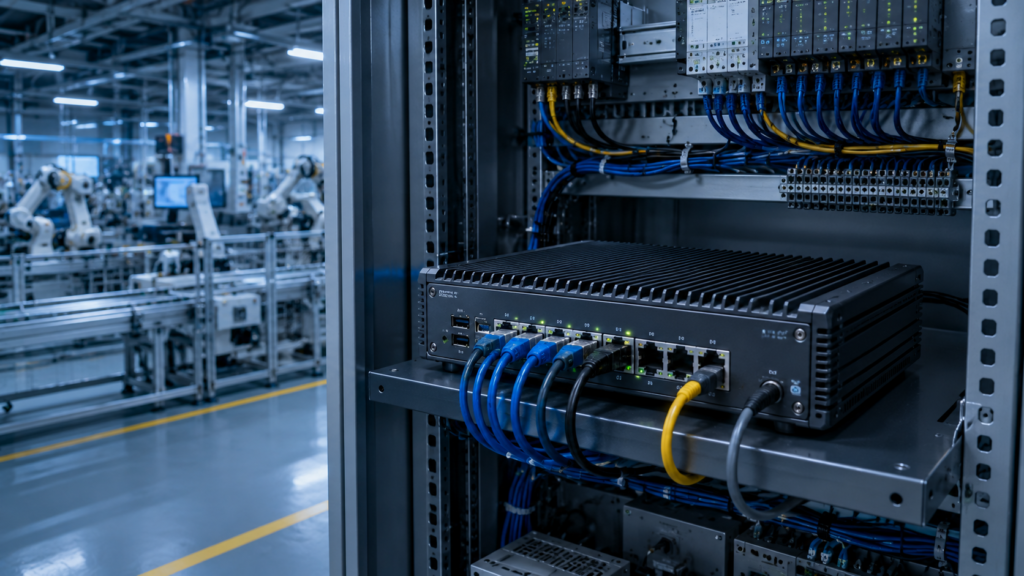
Fanless embedded computers provide compact and reliable hardware for soft router gateway deployments.
سيناريوهات النشر
Enterprise Firewall and VPN Gateway
A soft router appliance can be deployed as a firewall and VPN gateway for small and medium-sized businesses, المكاتب الفرعية, and distributed enterprise sites. It can manage WAN access, internal network segmentation, remote worker VPN, سياسات جدار الحماية, and traffic monitoring.
Compared with a fixed-function router, an embedded computer-based appliance provides more flexibility in software selection and configuration.
Industrial Network Gateway
Factories often need to separate OT networks from IT networks. A soft router network appliance can provide routing, قواعد جدار الحماية, الوصول إلى VPN, and network segmentation between industrial machines, أنظمة PLC, HMI stations, أنظمة سكادا, وشبكات المؤسسات.
Industrial computer hardware is especially suitable for this scenario because it can be installed in control cabinets and designed for continuous operation.
Multi-WAN Edge Router
متاجر البيع بالتجزئة, المستودعات, المرافق النائية, and service locations may use multiple WAN connections for redundancy. A soft router appliance with multiple LAN ports can support WAN failover, load balancing, and backup connectivity.
Optional wireless expansion can also support cellular backup when wired connections are unavailable or unstable.
جهاز أمن الشبكات
A soft router platform can be configured as a network security appliance for firewall, معرفات/IPS, VPN, traffic logging, والتحكم في الوصول. The hardware configuration should match the workload, especially when deep packet inspection, حركة المرور المشفرة, or multiple security services are required.
Industrial-grade hardware helps ensure stable operation in long-term security deployments.
Smart Building and Campus Network Gateway
Smart buildings and campuses may include office networks, surveillance systems, التحكم في الوصول, أنظمة التدفئة والتهوية وتكييف الهواء, guest Wi-Fi, and IoT devices. A soft router appliance can separate these networks and manage routing policies between them.
Compact embedded computers are suitable for distributed building network cabinets and edge access points.
Retail and Self-Service Kiosk Networks
Retail chains and self-service kiosks require stable connectivity for POS terminals, أنظمة الدفع, لافتات رقمية, الكاميرات, and remote management. A soft router appliance can help manage secure connectivity across multiple stores or kiosk locations.
Embedded computer platforms provide the compact size and customization flexibility needed for commercial network appliances.
Transportation and Remote Infrastructure
أنظمة النقل, خزائن على جانب الطريق, أنظمة مواقف السيارات, and remote infrastructure sites often require network devices that can operate continuously in non-office environments. A soft router appliance based on industrial computer hardware can provide secure routing, الوصول إلى VPN, and equipment connectivity for these distributed systems.
فوائد الأعمال
Higher Deployment Flexibility
A soft router network appliance allows system integrators and OEM customers to choose the software stack that best matches their project. The same hardware platform can support different routing, جدار الحماية, VPN, يراقب, or gateway applications.
This flexibility reduces the need to maintain many different hardware products for similar network use cases.
Better Long-Term Availability
Industrial computer platforms are typically designed with longer lifecycle planning than consumer devices. For B2B projects, this helps reduce redesign risk, replacement issues, and support complexity.
Long-term availability is especially important when the appliance is part of a certified, validated, or widely deployed system.
Improved Reliability for Infrastructure Use
Network devices often run 24/7. Using industrial-grade embedded computer hardware helps improve system stability compared with low-cost consumer mini PCs that may not be designed for continuous infrastructure workloads.
تصميم طاقة مستقر, thermal management, and component selection contribute to better field reliability.
Lower Custom Development Risk
For OEM appliance vendors, using a proven embedded computer platform can reduce development time. Instead of designing hardware from scratch, customers can start with an existing platform and customize selected elements.
This approach supports faster product launch while still allowing differentiation through enclosure design, software integration, العلامات التجارية, and configuration.
Scalable Product Strategy
A soft router appliance product line can be built around multiple performance levels and LAN port configurations. Customers can develop entry-level, mid-range, and advanced models using a consistent hardware and software strategy.
This is useful for network appliance vendors, industrial gateway suppliers, مقدمي الحلول الأمنية, وتكامل النظام.
لماذا كورIPC
CoreIPC provides industrial computer and embedded computer platforms for network appliance, بوابة الحافة, الأتمتة, and OEM hardware applications. For soft router appliance projects, CoreIPC can support multi-LAN embedded systems, أجهزة الكمبيوتر الصناعية بدون مروحة, compact embedded boards, and customized hardware configurations.
CoreIPC focuses on practical industrial computing requirements, including stable operation, الإدخال/الإخراج المرن, دعم دورة حياة طويلة, تكامل النظام, وتخصيص OEM/ODM. Customers can use CoreIPC platforms to build firewall appliances, بوابات VPN, industrial network gateways, edge routers, and private-label network devices.
With experience in embedded computing hardware, industrial motherboard design, and system-level customization, CoreIPC helps B2B customers develop reliable soft router network appliance solutions for global deployment.
الأسئلة المتداولة
1. What is a soft router appliance?
A soft router appliance is a network device that uses general-purpose computing hardware to run routing, جدار الحماية, VPN, and network management software. Unlike a traditional hardware router with fixed firmware, a soft router platform gives users more flexibility in software selection and configuration. It can be built with an industrial computer, الكمبيوتر المدمج, or custom embedded board, depending on performance, عدد منافذ LAN, مصداقية, and deployment requirements.
2. Why use an industrial computer for a soft router appliance?
يوفر الكمبيوتر الصناعي موثوقية أفضل, lifecycle control, and deployment flexibility than many consumer-grade mini PCs. Soft router appliances often operate continuously and may be installed in factories, خزائن, retail locations, أو مواقع البنية التحتية البعيدة. Industrial computers can support stable thermal design, multi-LAN connectivity, wider power options, وتوافرها على المدى الطويل, making them suitable for B2B and infrastructure-oriented network applications.
3. How many LAN ports does a soft router network appliance need?
The required LAN port count depends on the network architecture. A basic appliance may use two ports for WAN and LAN. More advanced systems may require four or more ports for multi-WAN routing, VLAN segmentation, DMZ, industrial control networks, شبكات الكاميرا, guest networks, or management access. OEM network appliance projects often choose different LAN configurations to create multiple product tiers.
4. Can a soft router appliance be fanless?
نعم. Many soft router appliances can be designed as fanless systems, especially when using low-power embedded processors and proper thermal design. Fanless operation reduces moving parts, ضوضاء, ومتطلبات الصيانة. This is useful in dusty industrial environments, retail spaces, مرافق الرعاية الصحية, and network cabinets. لكن, fanless design must be carefully matched to processor power, enclosure structure, and expected workload.
5. What software can run on a soft router appliance?
A soft router appliance can run different routing, جدار الحماية, VPN, gateway, or Linux-based network software stacks. The exact choice depends on the project, customer preference, توافق السائق, security requirements, and management model. Some customers use open-source firewall platforms, while others deploy commercial or custom network software. The key is to choose hardware with stable processor, LAN controller, تخزين, and BIOS support.
6. Is an embedded computer suitable for firewall applications?
نعم. An embedded computer can be used for firewall applications when the hardware configuration matches the workload. Basic firewall and routing tasks may run on low-power platforms, while advanced workloads such as VPN encryption, معرفات/IPS, traffic logging, and multi-gigabit routing may require stronger processors, المزيد من الذاكرة, and reliable storage. Industrial-grade embedded computers are often suitable for long-term firewall deployments.
7. What is the difference between a soft router appliance and a traditional router?
A traditional router is usually a fixed-function device with predefined firmware and limited customization. A soft router appliance uses computing hardware to run routing and security software, offering more flexibility in configuration, software updates, network services, and deployment models. This makes it attractive for system integrators, OEM appliance vendors, البوابات الصناعية, and enterprise edge network applications.
8. Can CoreIPC customize soft router appliance hardware?
نعم. CoreIPC can support soft router appliance projects through embedded computer platforms, أجهزة الكمبيوتر الصناعية, لوحات مدمجة, وتخصيص OEM/ODM. Customization may include LAN port configuration, تصميم العلبة, مدخلات الطاقة, خيارات التخزين, تخطيط اللوحة الأمامية, متطلبات العلامة التجارية, إعدادات BIOS, and system integration. This helps customers develop network appliance products that match their specific market and deployment needs.
9. What industries use soft router network appliances?
Soft router network appliances are used in enterprise offices, المصانع, المستودعات, retail chains, المباني الذكية, أنظمة النقل, مواقع الطاقة, الأكشاك, and remote infrastructure. They are especially useful where flexible routing, firewall control, الوصول إلى VPN, تجزئة الشبكة, and reliable edge connectivity are required. Industrial computer-based platforms are well suited for environments that need continuous operation and long-term hardware availability.
10. How should I choose hardware for a soft router appliance?
Start by defining the required LAN port count, target throughput, كومة البرمجيات, عبء عمل VPN, security features, احتياجات التخزين, مدخلات الطاقة, enclosure type, وبيئة التثبيت. For industrial or OEM use, also consider lifecycle, التصميم الحراري, component quality, and customization requirements. A reliable soft router appliance should be selected as an infrastructure platform, not only as a small computer with multiple Ethernet ports.
خاتمة
أ جهاز توجيه ناعم provides a flexible and scalable way to build modern network infrastructure for enterprise, صناعي, تجاري, وبيئات الحوسبة الحافة. By using an industrial computer or embedded computer platform, customers can combine software-defined routing with reliable hardware, multi-LAN connectivity, عملية بدون مروحة, دعم دورة حياة طويلة, and OEM customization.
For system integrators and network appliance vendors, this approach enables faster product development, better deployment flexibility, and stronger long-term support. For industrial and commercial users, it delivers a practical foundation for firewall, VPN, gateway, multi-WAN routing, تجزئة الشبكة, and secure edge connectivity.
CoreIPC supports soft router network appliance development with industrial computing platforms designed for reliability, customization, and real-world B2B deployment.
اتصل بنا
Looking for an industrial computer or embedded computer platform for your soft router network appliance project?
Contact CoreIPC to discuss your required LAN port count, منصة المعالج, تصميم العلبة, مدخلات الطاقة, توافق البرامج, واحتياجات التخصيص OEM/ODM. Our team can help you evaluate the right hardware foundation for firewall appliances, بوابات VPN, industrial routers, edge network gateways, and customized network security devices.