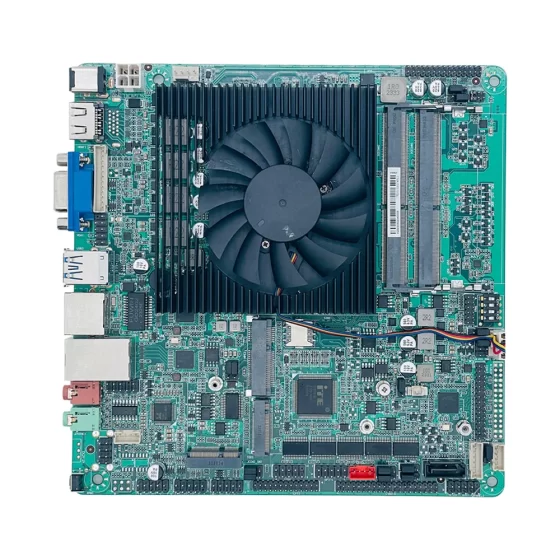
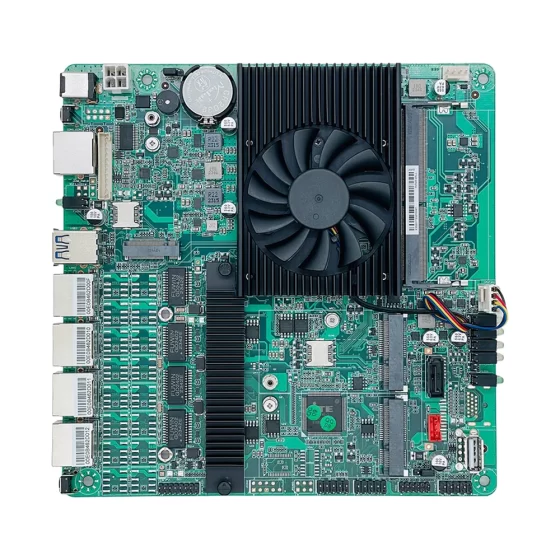
حلول الحوسبة الصناعية CoreIPC

منصة الأجهزة UTM: أجهزة UTM لأمن الشبكات الصناعية
ملخص تنفيذي
توفر أجهزة UTM أساس الحوسبة الصناعية لإدارة التهديدات الموحدة, الوصول الآمن عن بعد, نشر جدار الحماية, اتصال VPN, منع التسلل, تجزئة الشبكة, والاتصالات الصناعية المحمية.
أصبحت الشبكات الصناعية الحديثة أكثر ارتباطًا. المصانع, مواقع الطاقة, المستودعات, أنظمة النقل, وتعتمد المرافق البعيدة الآن على الشركات المحدودة العامة, أنظمة سكادا, أجهزة الكمبيوتر الصناعية, أجهزة الكمبيوتر المدمجة, الكاميرات, أجهزة الاستشعار, بوابات إنترنت الأشياء الصناعية, المنصات السحابية, وأدوات الصيانة عن بعد.
يعمل هذا الاتصال على تحسين الرؤية والكفاءة, ولكنه يزيد أيضًا من مخاطر أمان الشبكة.
يمكن لمنصة أجهزة UTM دمج وظائف أمان متعددة في جهاز شبكة صناعية واحد. قد يدعم قواعد جدار الحماية, أنفاق VPN, كشف التسلل, منع التسلل, تصفية حركة المرور, تسجيل, توجيه الشبكة, الوصول عن بعد, والتحكم في الاتصالات بين أنظمة تكنولوجيا المعلومات والتكنولوجيا التشغيلية.
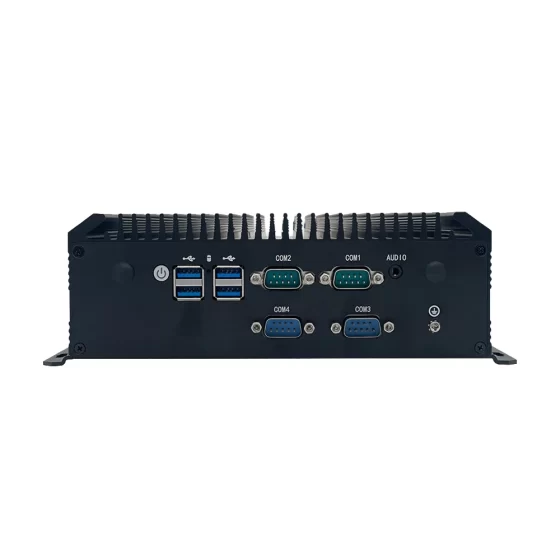
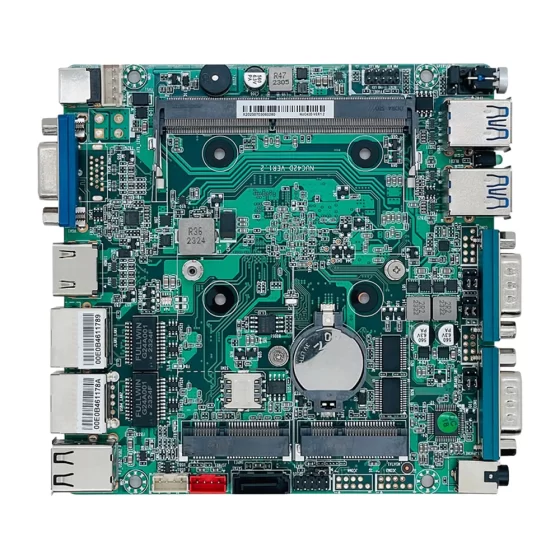
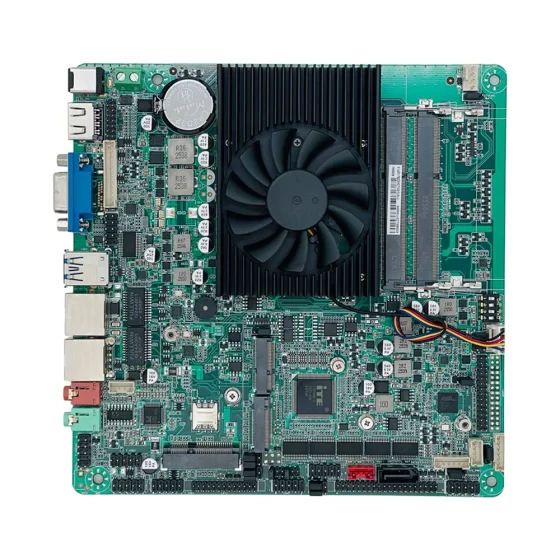
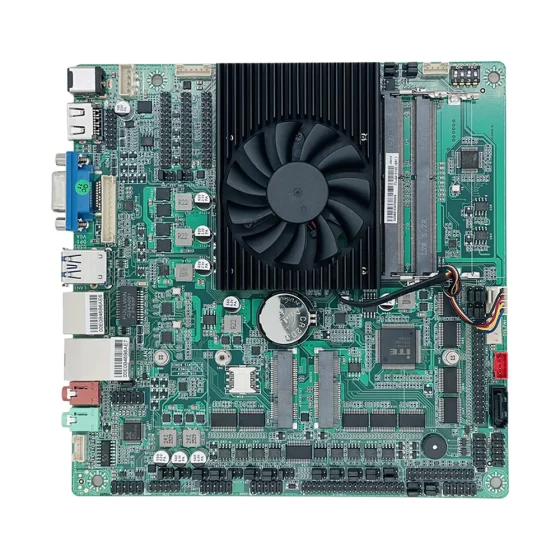
يمكن للكمبيوتر الصناعي أو الكمبيوتر المدمج أن يعمل كأساس لأجهزة UTM. يمكنه توفير منافذ LAN متعددة, أداء معالجة موثوق, تركيب وعرة, التخزين المحلي, خيارات التشغيل بدون مروحة, مدخلات الطاقة الصناعية, ودعم دورة الحياة الطويلة.
بالمقارنة مع الأجهزة الأمنية المكتبية القياسية, يجب أن تعمل أجهزة UTM الصناعية بشكل موثوق في خزائن المصنع, شبكات الآلة, المواقع النائية, مرافق الطاقة, خزائن النقل, وغيرها من البيئات الصعبة.
تشرح هذه المقالة كيف تدعم الأنظمة الأساسية لأجهزة UTM أمان الشبكات الصناعية, ما هي تحديات النشر التي تظهر في التطبيقات الحقيقية, كيف يتم تنظيم بنية الحل, وما هي ميزات الأجهزة المهمة عند اختيار جهاز كمبيوتر صناعي أو كمبيوتر مضمن لنشر جهاز UTM.
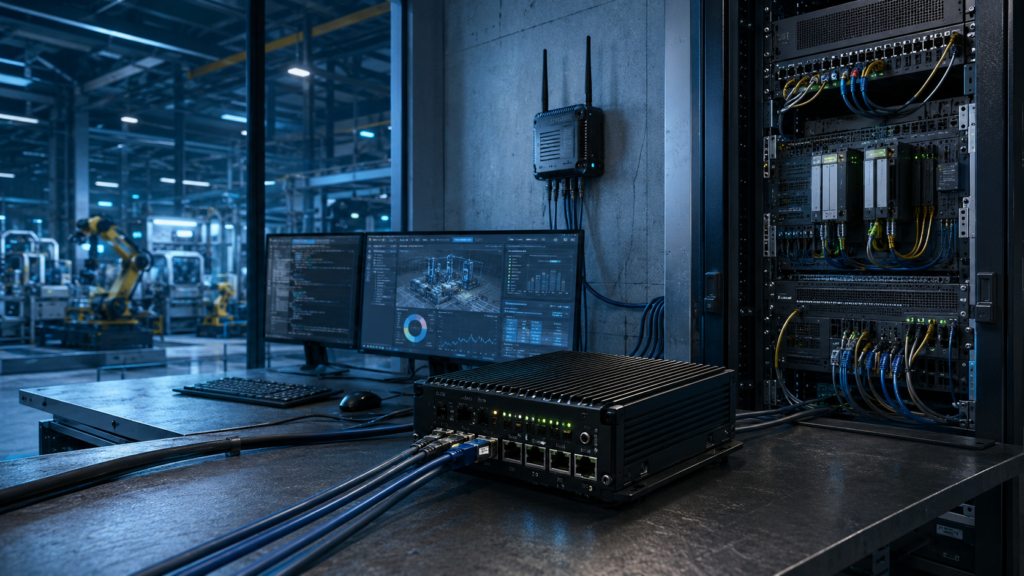
تساعد أجهزة UTM على حماية تكنولوجيا المعلومات الخاصة بالمصنع, بعد ذلك, آلة, بلك, وشبكات الخدمة عن بعد.
نظرة عامة على الصناعة
الشبكات الصناعية تحتاج إلى حماية موحدة
وأصبحت الشبكات الصناعية معزولة مرة أخرى.
اليوم, ترتبط العديد من بيئات الإنتاج بأنظمة المؤسسة, منصات الخدمة عن بعد, لوحات معلومات إنترنت الأشياء الصناعية, التطبيقات السحابية, وشبكات متعددة المواقع.
وهذا يخلق متطلبات أمنية عملية.
قد يحتاج المشغلون الصناعيون إلى الحماية:
- شبكات PLC
- أنظمة سكادا
- شبكات الآلة
- بوابات إنترنت الأشياء الصناعية
- الوصول إلى الصيانة عن بعد
- حدود تكنولوجيا المعلومات في المصنع والتكنولوجيا التشغيلية
- شبكات الكاميرا
- أنظمة مراقبة الطاقة
- أنظمة أتمتة المستودعات
- البنية التحتية للنقل
- مرافق المرافق عن بعد
تساعد منصة أجهزة UTM على توفير طبقة أمان موحدة عند حدود الشبكة الرئيسية.
تجمع أجهزة UTM بين وظائف الأمان المتعددة
تم تصميم إدارة التهديدات الموحدة لجلب العديد من وظائف أمان الشبكة في نظام أساسي واحد.
اعتمادا على تكوين البرنامج, قد يدعم جهاز UTM:
- جدار الحماية
- VPN
- كشف التسلل
- منع التسلل
- تصفية البوابة
- التحكم في التطبيق
- مراقبة حركة المرور
- ترجمة عنوان الشبكة
- التوجيه
- التسجيل
- التحكم في الوصول عن بعد
- إنفاذ السياسة الأمنية
في البيئات الصناعية, ويجب تنفيذ هذه الوظائف بعناية.
الهدف ليس منع حركة الإنتاج بشكل عشوائي, ولكن لحماية الشبكات مع الحفاظ على الاتصال الآلي الموثوق به.
تختلف الأجهزة الصناعية عن أجهزة شبكة المكاتب
عادةً ما يتم تركيب أجهزة أمان المكاتب في غرف الشبكة الخاضعة للرقابة.
قد يتم نشر منصات UTM الصناعية في ظروف أكثر قسوة.
قد يعملون داخل خزائن الإنتاج, غرف الآلة, المستودعات, صناديق على جانب الطريق, المحطات الفرعية, مواقع المرافق عن بعد, أو حاويات المعدات.
قد تحتوي هذه البيئات على الغبار, اهتزاز, تدفق هواء محدود, اختلاف درجة الحرارة, الضوضاء الكهربائية, وساعات العمل الطويلة.
توفر أجهزة الكمبيوتر الصناعية وأجهزة الكمبيوتر المدمجة أساسًا أقوى للأجهزة لهذا النوع من النشر.
إنهم يدعمون التصميم القوي, تكوينات متعددة LAN, عملية بدون مروحة, التخزين المحلي, الإدخال/الإخراج المرن, وتوافر دورة حياة طويلة.

مناطق الشبكة, حدود جدار الحماية, الوصول إلى VPN, شبكات PLC, شبكات الآلة, وتؤثر بوابات IIoT على تخطيط نشر UTM.
التحديات الرئيسية
حماية حدود تكنولوجيا المعلومات والتكنولوجيا التشغيلية
أحد التحديات الرئيسية في مجال الأمن الصناعي هو الفصل بين شبكات تكنولوجيا المعلومات والتكنولوجيا التشغيلية بشكل صحيح.
قد تتضمن شبكات تكنولوجيا المعلومات أنظمة مكتبية, برامج المؤسسة, الوصول إلى السحابة, أجهزة المستخدم, وتطبيقات الأعمال. قد تشتمل شبكات OT على أجهزة PLC, آلات, الروبوتات, أنظمة سكادا, واجهات التفاعل البشري, الكاميرات الصناعية, وأجهزة الاستشعار.
غالبًا ما تحتاج هذه الشبكات إلى تبادل البيانات المحددة, ولكن لا ينبغي أن تصبح شبكة مسطحة واحدة.
يمكن أن تساعد منصة أجهزة UTM في تحديد الحدود بين:
- شبكة تكنولوجيا المعلومات في المصنع
- شبكة الآلة
- شبكة PLC
- شبكة سكادا
- شبكة إنترنت الأشياء الصناعية
- شبكة الكاميرا
- شبكة الخدمة عن بعد
- شبكة الوصول السحابية
تعتبر منافذ LAN المتعددة وسياسات الأمان الواضحة مهمة للتجزئة العملية.
الحفاظ على استمرارية الإنتاج
لا يمكن التعامل مع الشبكات الصناعية تمامًا مثل شبكات المكاتب.
يجب أن يحمي جهاز الأمان الشبكة دون مقاطعة اتصالات الإنتاج المهمة.
بعض البروتوكولات الصناعية حساسة للتأخير, التوجيه غير المستقر, أو تصفية غير متوقعة.
يجب أن يفهم مصممو النظام حركة المرور المطلوبة للإنتاج وأي حركة يجب تقييدها.
ينبغي النظر في نشر UTM العملي:
- الاتصالات PLC
- استطلاعات SCADA
- الوصول إلى واجهة HMI
- مراقبة حركة الآلة
- حركة الصيانة عن بعد
- الاتصالات التنبيه
- تحميل بيانات إنترنت الأشياء الصناعية
- تدفقات بيانات الكاميرا
- الوصول إلى محطة العمل الهندسية
يجب اختبار سياسات الأمان قبل نشر الإنتاج الكامل.
معالجة حركة المرور المشفرة والمصفاة
قد يحتاج جهاز UTM إلى معالجة أعباء عمل أمنية متعددة في نفس الوقت.
قد تتضمن أعباء العمل هذه تشفير VPN, قواعد جدار الحماية, التفتيش المروري, كشف التسلل, تسجيل, التوجيه, وترجمة عنوان الشبكة.
تعتمد متطلبات الأجهزة على حجم حركة المرور الحقيقي.
وتشمل العوامل الهامة:
- عدد منافذ LAN
- سرعة المنفذ
- عدد أنفاق VPN
- الإنتاجية المشفرة
- تعقيد قاعدة جدار الحماية
- عبء عمل IDS أو IPS
- حجم التسجيل
- عدد المستخدمين عن بعد
- حركة المرور من موقع إلى آخر
- حركة البروتوكول الصناعي
قد تحتاج بوابة الجهاز الصغيرة إلى أداء معتدل. قد يتطلب جهاز الأمن الصناعي المركزي جهاز كمبيوتر صناعي أكثر قوة.
النشر في البيئات القاسية
قد يتم تثبيت أجهزة UTM الصناعية بالقرب من الآلات أو معدات البنية التحتية.
قد لا توفر هذه المواقع ظروف التشغيل المثالية.
قد تشمل تحديات النشر:
- تراب
- اهتزاز
- حرارة
- مساحة خزانة محدودة
- إجهاد الكابل
- الضوضاء الكهربائية
- قوة غير مستقرة
- وصول محدود للصيانة
- عملية مستمرة طويلة
- صعوبة خدمة الموقع البعيد
ويساعد تصميم الأجهزة الصناعية على تقليل هذه المخاطر.
إدارة السجلات وسجلات الأمان
تعتمد الرؤية الأمنية على التسجيل الموثوق.
قد تحتاج منصة UTM إلى تخزين سجلات الوصول, سجلات النفق, أحداث جدار الحماية, تنبيهات التسلل, أحداث النظام, والبيانات التشخيصية.
يعد التخزين المحلي مهمًا عندما يكون اتصال الشبكة غير مستقر أو عندما يجب الاحتفاظ بالسجلات محليًا.
يجب أن يأخذ تصميم التخزين في الاعتبار السعة, اكتب التحمل, سياسة الاحتفاظ, طريقة النسخ الاحتياطي, وسير عمل الصيانة.

تقوم أجهزة UTM بتوصيل الشبكات الصناعية, السياسات الأمنية, الوصول عن بعد, ومنصات المراقبة.
هندسة حلول منصة الأجهزة UTM
طبقة الشبكة الصناعية
تشمل طبقة الشبكة الصناعية جميع الأنظمة المحلية التي تحتاج إلى الحماية والاتصالات الخاضعة للرقابة.
قد تشمل هذه الطبقة:
- الشركات المحدودة العامة
- واجهات التفاعل البشري
- خوادم SCADA
- أجهزة الكمبيوتر الصناعية
- وحدات التحكم المدمجة
- وحدات تحكم الآلة
- الروبوتات
- أجهزة الاستشعار
- الكاميرات
- عدادات الطاقة
- بوابات إنترنت الأشياء الصناعية
- محطات العمل الهندسية
يمكن تقسيم هذه الأنظمة إلى مناطق شبكة مختلفة.
يقع جهاز UTM بين المناطق ويطبق سياسات الأمان.
طبقة أجهزة أمان UTM
تعد طبقة أجهزة أمان UTM هي جوهر النشر.
عند هذه الطبقة, قد يكون الكمبيوتر الصناعي أو الكمبيوتر المدمج:
- تطبيق قواعد جدار الحماية
- إدارة توجيه الشبكة
- إنشاء أنفاق VPN
- فحص حركة المرور
- اكتشاف سلوك الشبكة غير الطبيعي
- مناطق شبكة القطاع
- سجل سجلات الأمان
- التحكم في الوصول عن بعد
- دعم لوحات المعلومات المحلية
- التواصل مع منصات المراقبة
تساعد هذه الطبقة على حماية الأنظمة الصناعية مع الحفاظ على مسارات الاتصال المطلوبة.
طبقة سياسة الأمان
تحدد طبقة سياسة الأمان حركة المرور المسموح بها, مقيد, تفتيشها, أو تسجيلها.
قد تعتمد السياسات على:
- منطقة الشبكة
- مجموعة الأجهزة
- دور المستخدم
- غرض الوصول عن بعد
- نوع التطبيق
- البروتوكول الصناعي
- موقع الموقع
- نافذة الوقت
- مستوى المخاطر الأمنية
- متطلبات الصيانة
إن التصميم القوي للسياسة يتجنب الوصول المفتوح غير الضروري.
للبيئات الصناعية, يجب مراجعة السياسات مع كل من فرق أمن تكنولوجيا المعلومات وفرق هندسة التكنولوجيا التشغيلية.
الوصول عن بعد وطبقة VPN
يعد الوصول عن بعد وظيفة شائعة لأجهزة UTM الصناعية.
قد توفر المنصة وصولاً آمنًا لشبكة VPN للمهندسين, فرق خدمة صانعي القطع الأصلية, تكامل النظام, أو فرق المراقبة المركزية.
قد تدعم طبقة الوصول عن بعد:
- صيانة الماكينات عن بعد
- VPN من موقع إلى موقع
- الاتصال من المصنع إلى السحابة
- مراقبة SCADA عن بعد
- نقل بيانات إنترنت الأشياء الصناعية
- استكشاف الأخطاء وإصلاحها عن بعد
- تأمين الوصول إلى محطة العمل الهندسية
يجب أن يقتصر الوصول على الأنظمة المطلوبة وأن يتم توثيقه وفقًا لسياسة الموقع.
طبقة المراقبة والإدارة
تحتاج أجهزة UTM إلى الرؤية للتشغيل على المدى الطويل.
قد تتضمن طبقة المراقبة لوحات معلومات محلية, سجلات, سجلات التنبيه, معلومات صحة النظام, حالة النفق, وإحصاءات حركة المرور.
قد تتضمن بيانات المراقبة المفيدة:
- أحداث جدار الحماية
- حالة نفق VPN
- سجلات المرور المحظورة
- تنبيهات التسلل
- حجم حركة مرور الشبكة
- استخدام وحدة المعالجة المركزية والذاكرة
- حالة التخزين
- درجة حرارة الجهاز
- حالة الوصلة الصاعدة
- تاريخ الوصول عن بعد
وهذا يساعد الفرق على الحفاظ على الأمن, التحقيق في الأحداث, واستكشاف مشكلات الاتصال وإصلاحها.
الميزات الرئيسية
تجزئة شبكة LAN المتعددة
تعد منافذ LAN المتعددة أحد أهم متطلبات الأجهزة لأجهزة UTM.
أنها تسمح للنظام الأساسي بفصل مناطق الشبكة المختلفة.
قد تشمل التكوينات المفيدة:
- وصلة WAN الصاعدة
- شبكة تكنولوجيا المعلومات في المصنع
- شبكة PLC
- شبكة الآلة
- شبكة الكاميرا
- شبكة إنترنت الأشياء الصناعية
- شبكة الصيانة عن بعد
- شبكة الإدارة
يعمل تصميم الشبكات المحلية المتعددة على تحسين تنظيم الشبكة ويدعم بنية أمان أقوى.
أداء المعالجة الأمنية
يمكن أن تكون أحمال عمل UTM كثيفة الاستخدام لوحدة المعالجة المركزية والذاكرة.
يجب اختيار النظام الأساسي وفقًا لمتطلبات المرور والأمن الحقيقية.
ينبغي النظر في الاختيار:
- أداء وحدة المعالجة المركزية
- سعة الذاكرة
- سرعة المنفذ
- الإنتاجية المشفرة
- عبء عمل جدار الحماية
- عدد أنفاق VPN
- عبء عمل IDS أو IPS
- متطلبات التسجيل
- سعة التخزين
- دعم نظام التشغيل
لعمليات نشر أكبر, يجب التحقق من صحة النظام باستخدام أنماط حركة المرور الحقيقية قبل بدء الإنتاج.
تخزين محلي موثوق
التخزين المحلي يدعم ملفات النظام, سجلات, النسخ الاحتياطية للتكوين, شهادات, سجلات الأحداث, والبيانات التشخيصية.
يُفضل عادةً تخزين SSD أو NVMe لأنه يوفر وصولاً أسرع ومقاومة أفضل للصدمات مقارنة بمحركات الأقراص الميكانيكية.
وينبغي النظر في تخطيط التخزين:
- الاحتفاظ بالسجل
- سجلات الأحداث الأمنية
- استعادة النظام
- النسخ الاحتياطي التكوين
- تخزين شهادة VPN
- السجلات التشخيصية
- اكتب التحمل
- سير عمل النسخ الاحتياطي
يعمل التخزين الموثوق به على تحسين إمكانية التدقيق وكفاءة الصيانة.
الإدخال/الإخراج الصناعي المرن
على الرغم من أن منصات UTM هي في الأساس أجهزة شبكية, لا يزال من الممكن أن يكون الإدخال/الإخراج الصناعي مفيدًا.
قد تتضمن خيارات الإدخال/الإخراج المهمة:
- لان
- USB
- RS232
- RS485
- جيبيو
- الإدخال الرقمي
- الإخراج الرقمي
- اتش دي ام اي
- منفذ العرض
- م.2
- بكيي
- ساتا أو NVMe
قد تدعم المنافذ التسلسلية الوصول إلى الجهاز القديم أو وظائف الخدمة. قد يدعم GPIO تكامل التنبيه. قد تدعم فتحات التوسيع وحدات LAN إضافية, وحدات لاسلكية, أو أجهزة التخزين.
تصميم متين وبدون مروحة
تعد أجهزة الكمبيوتر الصناعية بدون مروحة مفيدة للأجهزة الأمنية المنتشرة في الخزانات أو البيئات المتربة.
إنها تقلل من دخول الغبار وتزيل نقطة عطل ميكانيكية شائعة.
تساعد العبوات القوية على الحماية من الاهتزاز, الإجهاد المتصاعد, سلالة الكابل, والتشغيل الصناعي على المدى الطويل.
لا يزال ينبغي مراجعة التصميم الحراري بعناية.
أعباء العمل الأمنية, حركة المرور المشفرة, والتسجيل المستمر يمكن أن يؤدي إلى المعالجة والحمل الحراري.
الطاقة الصناعية وخيارات التركيب
يمكن تركيب أجهزة UTM في خزائن التحكم, رفوف الشبكة, صناديق على جانب الطريق, مرفقات الآلة, أو غرف المعدات عن بعد.
قد يتطلب النشر العملي:
- تركيب على الحائط
- تركيب السكك الحديدية DIN
- تركيب الرف
- تصميم الضميمة المدمجة
- مدخلات العاصمة الصناعية
- حماية مستقرة للطاقة
- توجيه الكابل الآمن
- منافذ الصيانة التي يمكن الوصول إليها
يجب أن يتطابق التصميم الميكانيكي وتصميم الطاقة مع موقع التثبيت الفعلي.
دورة حياة طويلة وقابلية الصيانة
قد تظل الأجهزة الأمنية في الخدمة لسنوات عديدة.
يمكن أن تؤدي التغييرات المتكررة في الأجهزة إلى حدوث مشكلات في أنظمة التشغيل, برامج الأمن, السائقين, صور التكوين, قطع غيار, والتحقق من الصحة.
تساعد منصات الحوسبة الصناعية مع تخطيط دورة الحياة القائمين على تكامل الأنظمة والمشغلين في الحفاظ على عمليات نشر UTM متسقة عبر العديد من الأجهزة, المصانع, والمواقع النائية.
سيناريوهات النشر
بوابة أمن شبكة المصنع
يمكن نشر منصة أجهزة UTM على الحدود بين شبكات تكنولوجيا المعلومات في المصنع وشبكات التكنولوجيا التشغيلية.
يمكنه تطبيق قواعد جدار الحماية, إدارة التوجيه, التحكم في الوصول عن بعد, وتسجيل حركة المرور بين المناطق.
ويساعد ذلك على حماية شبكات الإنتاج مع السماح بتبادل البيانات المطلوبة.
حماية شبكة الآلة
يمكن لمنشئي الآلات دمج أجهزة UTM في شبكات المعدات.
يمكن للجهاز حماية وحدات التحكم في الماكينة, واجهات التفاعل البشري, أجهزة الكمبيوتر الصناعية, والوصول إلى الصيانة عن بعد.
وهذا مفيد لمعدات OEM التي يتم تسليمها إلى مواقع العملاء.
بوابة أمن إنترنت الأشياء الصناعية
غالبًا ما تقوم أنظمة إنترنت الأشياء الصناعية بتوصيل الآلات وأجهزة الاستشعار بلوحات المعلومات أو المنصات السحابية.
يمكن لجهاز UTM المساعدة في تقسيم شبكات الأجهزة, نقل آمن للبيانات, والتحكم في الوصول بين بوابات إنترنت الأشياء الصناعية والأنظمة الخارجية.
يؤدي هذا إلى تحسين الأمان لبيانات المصنع المتصلة.
حماية شبكة SCADA
قد تقوم أنظمة SCADA بتوصيل الأجهزة البعيدة, غرف التحكم, محطات العمل الهندسية, ومنصات المراقبة.
يمكن لجهاز UTM المساعدة في التحكم في حركة المرور الداخلة والخارجة من شبكة SCADA.
تعد الأجهزة الصناعية مهمة عندما تعمل هذه الأنظمة بشكل مفيد, طاقة, ماء, أو بيئات النقل.
أمن الصيانة عن بعد
الصيانة عن بعد مفيدة, ولكن يجب السيطرة عليها.
يمكن لجهاز UTM توفير الوصول إلى VPN, سياسة جدار الحماية, تسجيل, وتجزئة الشبكة للمهندسين المعتمدين.
ويساعد ذلك على تقليل التعرض غير الضروري مع دعم كفاءة الخدمة.
الاتصال الصناعي متعدد المواقع
يجوز للشركات التي لديها مصانع متعددة أو منشآت بعيدة استخدام منصات UTM لتأمين الاتصال بين المواقع.
يمكن للجهاز دعم الأنفاق المشفرة, التوجيه, قواعد جدار الحماية, والرصد.
وهذا يساعد على ربط الأنظمة الصناعية الموزعة بشكل أكثر أمانًا.
أمن المستودعات والخدمات اللوجستية
قد تشتمل المستودعات على أنظمة الباركود, خطوط الفرز, أجهزة الكمبيوتر الصناعية, الكاميرات, التحكم في الوصول, ومنصات WMS.
يمكن أن يساعد جهاز UTM في حماية هذه الأنظمة وشبكات التشغيل الآلي للقطاعات من شبكات الأعمال.
وهذا يدعم العمليات اللوجستية الآمنة.
تطوير الأجهزة الأمنية OEM
يمكن لمتكاملي الأنظمة إنشاء أجهزة أمان مخصصة باستخدام أجهزة الكمبيوتر الصناعية أو اللوحات المدمجة.
يمكن لمنصة الأجهزة دعم برامج جدار الحماية, تطبيقات VPN, مراقبة حركة المرور, تسجيل, وتجزئة الشبكة الآمنة.
وهذا يدعم منتجات الأمن السيبراني الصناعية OEM.
فوائد الأعمال
وظائف الأمن الموحدة
يمكن لمنصة أجهزة UTM أن تجمع بين وظائف أمان متعددة في جهاز واحد.
قد يشمل ذلك جدار الحماية, VPN, كشف التسلل, منع التسلل, التوجيه, تسجيل, والتحكم في حركة المرور.
يمكن للنظام الأساسي الموحد تبسيط النشر مقارنةً باستخدام العديد من الأجهزة المنفصلة.
أقوى تجزئة الشبكة الصناعية
تساعد أجهزة Multi-LAN UTM على تقسيم الشبكات الصناعية إلى مناطق خاضعة للتحكم.
وهذا يدعم الفصل بشكل أفضل بين تكنولوجيا المعلومات, بعد ذلك, آلة, آلة تصوير, إنترنت الأشياء, وشبكات الخدمة عن بعد.
يؤدي تجزئة الشبكة إلى تقليل التعرض غير الضروري وتحسين التخطيط الأمني.
الوصول عن بعد أكثر أمانًا
يمكن لأجهزة UTM توفير وصول VPN متحكم فيه للمهندسين وفرق الخدمة عن بعد.
يمكن أن يكون الوصول محدودًا وفقًا للدور, جهاز, موقع, أو غرض الصيانة.
ويساعد ذلك في دعم الخدمة عن بعد دون فتح وصول واسع إلى الشبكة الصناعية بأكملها.
تحسين الرؤية الأمنية
السجلات المحلية, حالة النفق, أحداث جدار الحماية, وتساعد بيانات صحة النظام المشغلين على فهم ما يحدث عند حدود الشبكة.
وهذا يدعم استكشاف الأخطاء وإصلاحها, مراجعة التدقيق, والتحقيق الأمني.
تعتبر الرؤية الأفضل مهمة بشكل خاص للمواقع الصناعية الموزعة.
النشر الميداني الموثوق
توفر أجهزة الكمبيوتر الصناعية أجهزة قوية للأجهزة الأمنية المنتشرة خارج البيئات المكتبية.
تصميم بدون مروحة, تخزين مستقر, التركيب الصناعي, ويساعد دعم دورة الحياة الطويلة في تقليل مخاطر الصيانة.
وهذا مهم للمصانع, مواقع الطاقة, عقد النقل, المستودعات, والمرافق النائية.
نشر الأجهزة الأمنية القابلة للتطوير
تعمل منصة أجهزة UTM القياسية على تسهيل نشر أمان الشبكة عبر العديد من الأجهزة, خطوط الإنتاج, المواقع, وأنظمة تصنيع المعدات الأصلية.
تعمل الأجهزة المتسقة على تبسيط صور البرامج, قوالب التكوين, تخطيط قطع الغيار, تصديق, وإدارة دورة الحياة.
وهذا يدعم نشر الأمن السيبراني الصناعي القابل للتطوير.
لماذا كورIPC
يوفر CoreIPC منصات الحوسبة الصناعية لأمن الشبكات, إنترنت الأشياء الصناعية, أتمتة المصنع, المراقبة عن بعد, وتكامل النظام المدمج. لتطبيقات الأجهزة UTM, يركز CoreIPC على أجهزة الكمبيوتر الصناعية الموثوقة, حلول الكمبيوتر المدمجة, تكوينات متعددة LAN, الإدخال/الإخراج المرن, تصميم نظام مدمج, خيارات النشر بدون مروحة, ودعم التخصيص OEM/ODM. CoreIPC يساعد تكامل النظام, مقدمي الحلول الأمنية, بناة الآلة, ويختار المشغلون الصناعيون منصات الحوسبة التي تتوافق مع متطلبات النشر الحقيقية, بما في ذلك عدد منافذ LAN, عبء عمل جدار الحماية, أداء VPN, احتياجات التخزين, طرق التركيب, مدخلات الطاقة, الظروف الحرارية, وتخطيط دورة الحياة.
الأسئلة المتداولة
1. ما هي أجهزة UTM?
أجهزة UTM عبارة عن منصة حوسبة تستخدم لتشغيل وظائف إدارة التهديدات الموحدة.
قد يدعم جدار الحماية, VPN, كشف التسلل, منع التسلل, التوجيه, تسجيل, تصفية حركة المرور, والتحكم في الوصول. في البيئات الصناعية, تُستخدم أجهزة UTM بشكل شائع لحماية شبكات المصانع, شبكات الآلة, الوصول عن بعد, وأنظمة إنترنت الأشياء الصناعية.
2. لماذا نستخدم الكمبيوتر الصناعي لأجهزة UTM?
يوفر الكمبيوتر الصناعي أجهزة قوية واتصالاً مرنًا للنشر في المصنع والحقل.
يمكنه دعم منافذ LAN المتعددة, عملية بدون مروحة, التخزين المحلي, التركيب الصناعي, مدخلات الطاقة مستقرة, وتوافر دورة حياة طويلة. هذه الميزات تجعلها مناسبة لأجهزة UTM المنتشرة في الخزانات, آلات, المستودعات, المواقع النائية, وأنظمة البنية التحتية.
3. كيف يتم استخدام جهاز كمبيوتر مضمن كأجهزة UTM?
يمكن لجهاز الكمبيوتر المدمج أن يعمل كجهاز UTM مدمج داخل خزانة التحكم, الضميمة الآلة, منشأة بعيدة, أو بوابة أمان OEM.
يمكنه تشغيل جدار الحماية, VPN, التوجيه, تسجيل, ووظائف تجزئة الشبكة مع توفير عامل شكل أصغر لعمليات النشر المحدودة المساحة.
4. ما هو الفرق بين جهاز UTM وجدار الحماية?
يتحكم جدار الحماية بشكل أساسي في حركة مرور الشبكة وفقًا للقواعد.
قد يشتمل جهاز UTM على وظائف جدار الحماية بالإضافة إلى ميزات أمان إضافية مثل VPN, كشف التسلل, منع التسلل, تصفية حركة المرور, تسجيل, وأمن البوابة. في النشر الصناعي, غالبًا ما تعمل هذه الوظائف معًا لحماية حدود الشبكة.
5. لماذا تعد منافذ LAN المتعددة مهمة لأجهزة UTM?
تسمح منافذ LAN المتعددة للجهاز بفصل مناطق الشبكة.
على سبيل المثال, قد يتصل منفذ واحد بشبكة WAN, آخر لتكنولوجيا المعلومات في المصنع, آخر لشبكات PLC, آخر لشبكات الجهاز, وآخر لشبكات الصيانة أو الإدارة عن بعد. وهذا يدعم تصميم سياسة التجزئة والأمان بشكل أفضل.
6. هل يمكن لأجهزة الكمبيوتر الصناعية بدون مروحة أن تدعم أجهزة UTM?
نعم. يمكن لأجهزة الكمبيوتر الصناعية بدون مروحة أن تدعم العديد من عمليات نشر أجهزة UTM لأنها تقلل من دخول الغبار وتزيل نقطة عطل ميكانيكي واحدة.
لكن, جدار الحماية, VPN, وأعباء عمل التفتيش يمكن أن تخلق حرارة. أداء وحدة المعالجة المركزية, تصميم العلبة, درجة الحرارة المحيطة, وينبغي مراجعة تدفق الهواء في الخزانة قبل النشر.
7. ما هي ميزات الأجهزة المهمة لمنصات UTM الصناعية?
تتضمن الميزات الهامة منافذ LAN متعددة, أداء كافٍ لوحدة المعالجة المركزية, ذاكرة موثوقة, تخزين SSD أو NVMe, الضميمة وعرة, تصميم بدون مروحة, مدخلات الطاقة الصناعية, USB, المنافذ التسلسلية, جيبيو, عرض الإخراج, وخيارات التوسع.
يجب أن يتطابق التكوين النهائي مع حجم حركة المرور, عبء عمل VPN, سياسة جدار الحماية, احتياجات التسجيل, وبيئة التثبيت.
8. هل تستطيع أجهزة UTM حماية أنظمة إنترنت الأشياء الصناعية?
نعم. يمكن أن تساعد أجهزة UTM في حماية أنظمة إنترنت الأشياء الصناعية عن طريق تجزئة شبكات الماكينات, التحكم في حركة المرور إلى المنصات السحابية, تأمين الوصول عن بعد, وتسجيل أحداث الاتصال.
يمكن أن يجلس بين بوابات IIoT, آلات, شبكات المصانع, ومنصات خارجية لتوفير حدود أمنية خاضعة للرقابة.
9. هل يمكن لأجهزة UTM دعم الصيانة عن بعد?
نعم. يمكن لأجهزة UTM دعم الصيانة الآمنة عن بعد من خلال الجمع بين الوصول إلى VPN, قواعد جدار الحماية, تسجيل, وتجزئة الشبكة.
يتيح ذلك للمهندسين المعتمدين الوصول إلى الأنظمة المطلوبة مع الحد من التعرض غير الضروري لأجزاء أخرى من الشبكة الصناعية.
10. ما الذي يجب اختباره قبل نشر جهاز UTM?
قبل النشر, يجب اختبار النظام باستخدام طوبولوجيا الشبكة الحقيقية, سياسات جدار الحماية, عدد أنفاق VPN, حجم حركة المرور, البروتوكولات الصناعية, تسجيل عبء العمل, سلوك التخزين, وتشغيل طويل الأمد.
الاستقرار الحراري, سير عمل الوصول عن بعد, إجراءات الاسترداد, النسخ الاحتياطي التكوين, ويجب أيضًا التحقق من صحة تجزئة الشبكة.
خاتمة
تعد أجهزة UTM أساسًا عمليًا لأمن الشبكات الصناعية الموحدة, الوصول الآمن عن بعد, نشر جدار الحماية, اتصال VPN, كشف التسلل, التحكم في حركة المرور, وتجزئة الشبكة.
عن طريق وضع كمبيوتر صناعي أو كمبيوتر مدمج على حدود الشبكة الرئيسية, الشركات المصنعة, بناة الآلة, تكامل النظام, ويمكن لمشغلي البنية التحتية حماية شبكات الآلات, أنظمة إنترنت الأشياء الصناعية, منصات سكادا, وتوزيع المرافق بشكل أكثر فعالية.
يجب تحديد النظام الأساسي لأجهزة UTM المناسب وفقًا لمتطلبات النشر الحقيقية, بما في ذلك عدد منافذ LAN, عبء عمل جدار الحماية, عدد أنفاق VPN, أداء التفتيش, تجزئة الشبكة, احتياجات التخزين, طريقة التركيب, مدخلات الطاقة, الظروف الحرارية, دعم نظام التشغيل, السياسة الأمنية, وتخطيط دورة الحياة.
يدعم CoreIPC مشاريع أجهزة UTM مع منصات الحوسبة الصناعية المصممة للمصانع العملية, جانب الآلة, والانتشار الميداني. مع أساس الأجهزة الصحيح, يمكن للمشغلين الصناعيين وبناة المعدات بناء موثوقة, قابلة للتطوير, وتأمين أنظمة حماية الشبكات الصناعية.
اتصل بنا
أبحث عن جهاز كمبيوتر صناعي, الكمبيوتر المدمج, أو منصة LAN متعددة لنشر أجهزة UTM?
تواصل مع CoreIPC لمناقشة متطلبات مشروعك, بما في ذلك عدد منافذ LAN, عبء عمل جدار الحماية, أداء VPN, تجزئة الشبكة, تصميم التخزين, طريقة التركيب, مدخلات الطاقة, بيئة التشغيل, احتياجات دورة الحياة, وخيارات التخصيص OEM/ODM.