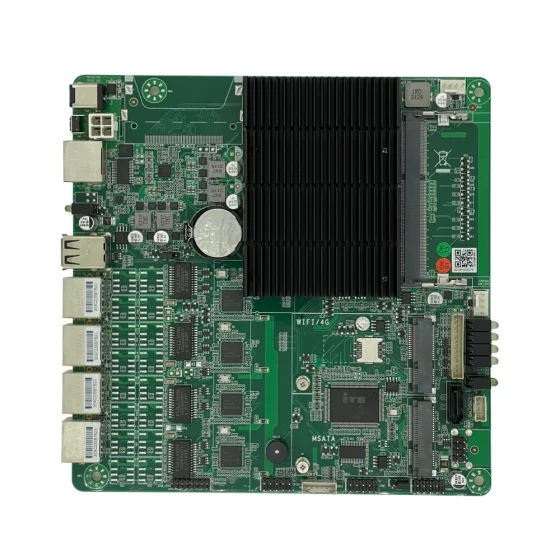
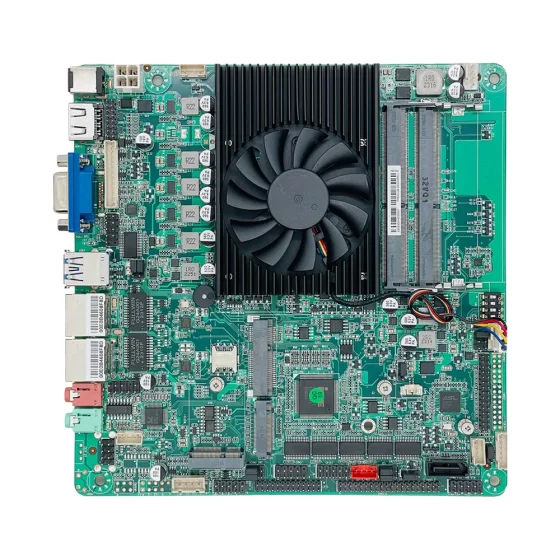
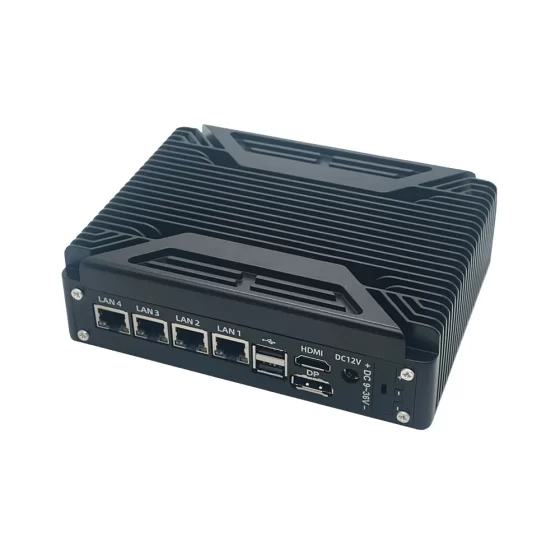
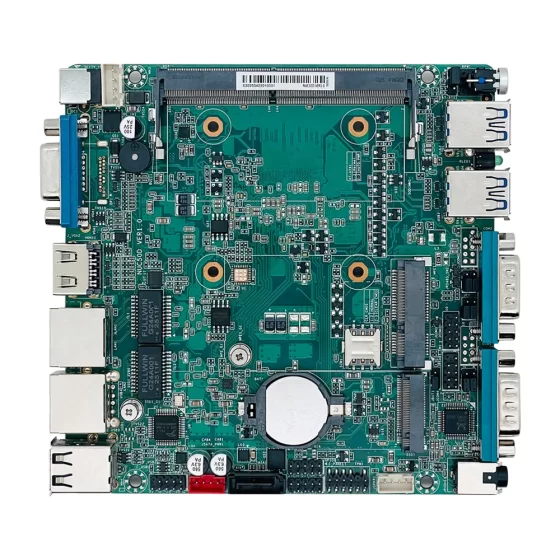
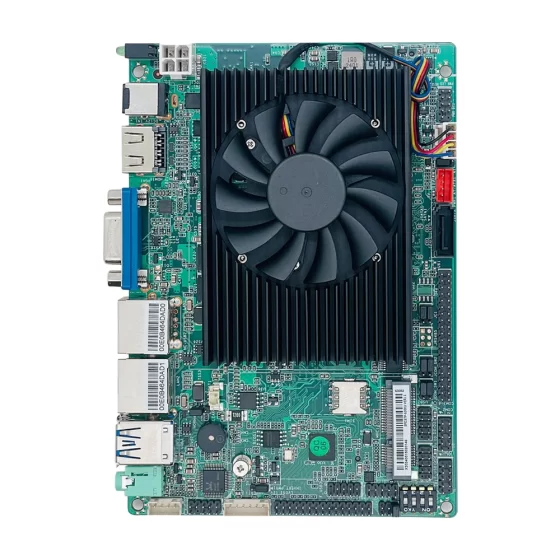
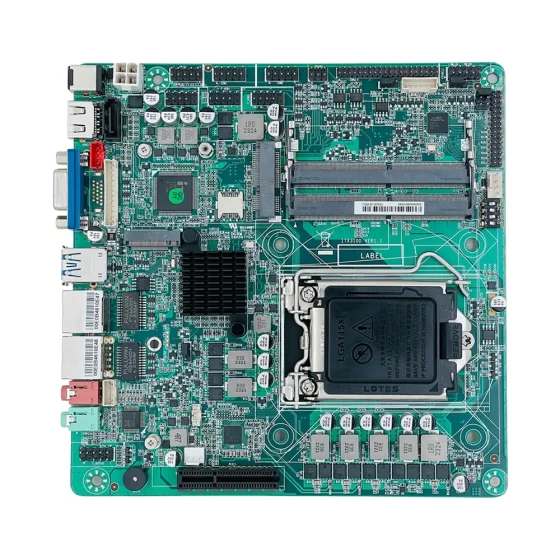
حلول الحوسبة الصناعية CoreIPC

منصة نشر VPN: جهاز VPN للاتصال الآمن بالشبكة الصناعية
ملخص تنفيذي
يوفر جهاز VPN أساسًا حاسوبيًا آمنًا للوصول الصناعي عن بعد, الاتصال من موقع إلى موقع, صيانة الآلة, تجزئة شبكة المصنع, واتصالات البيانات المحمية عبر البيئات الصناعية الموزعة.
المصانع الحديثة, بناة المعدات, مواقع الطاقة, أنظمة النقل, المستودعات, وغالبًا ما تحتاج المرافق البعيدة إلى وصول آمن بين الأجهزة, أنظمة التحكم, المهندسين, فرق الخدمة, ومنصات الإدارة المركزية. لكن, إن تعريض الشبكات الصناعية مباشرة للإنترنت العام يخلق مخاطر تشغيلية ومخاطر أمنية خطيرة.
يمكن لمنصة نشر VPN المبنية على كمبيوتر صناعي أو كمبيوتر مضمن أن توفر طبقة وصول إلى الشبكة يمكن التحكم فيها. يمكنه توصيل المهندسين عن بعد, مواقع المصانع, شبكات الآلة, بوابات إنترنت الأشياء الصناعية, أنظمة سكادا, ومنصات الصيانة من خلال الأنفاق المشفرة وسياسات الوصول المُدارة.
بالمقارنة مع أجهزة الشبكة المكتبية القياسية, يجب أن يعمل جهاز VPN الصناعي بشكل موثوق في بيئات النشر الحقيقية. ويمكن تركيبه داخل خزائن التحكم, غرف شبكة المصنع, مرفقات الآلة, خزائن النقل, مرافق الطاقة, أو مواقع المعدات البعيدة.
توفر أجهزة الكمبيوتر الصناعية وأجهزة الكمبيوتر المدمجة أجهزة قوية, تكوينات LAN مرنة, خيارات الاتصال التسلسلي, التخزين المحلي, تصميم بدون مروحة, مدخلات الطاقة مستقرة, ودعم دورة الحياة الطويلة.
تشرح هذه المقالة كيف تدعم منصات نشر VPN أمان الشبكات الصناعية, ما هي التحديات التي يواجهها المصنعون ومتكاملو الأنظمة, كيف تعمل بنية الحل, وما هي ميزات الأجهزة المهمة عند اختيار كمبيوتر صناعي أو كمبيوتر مضمن لتطبيقات أجهزة VPN.
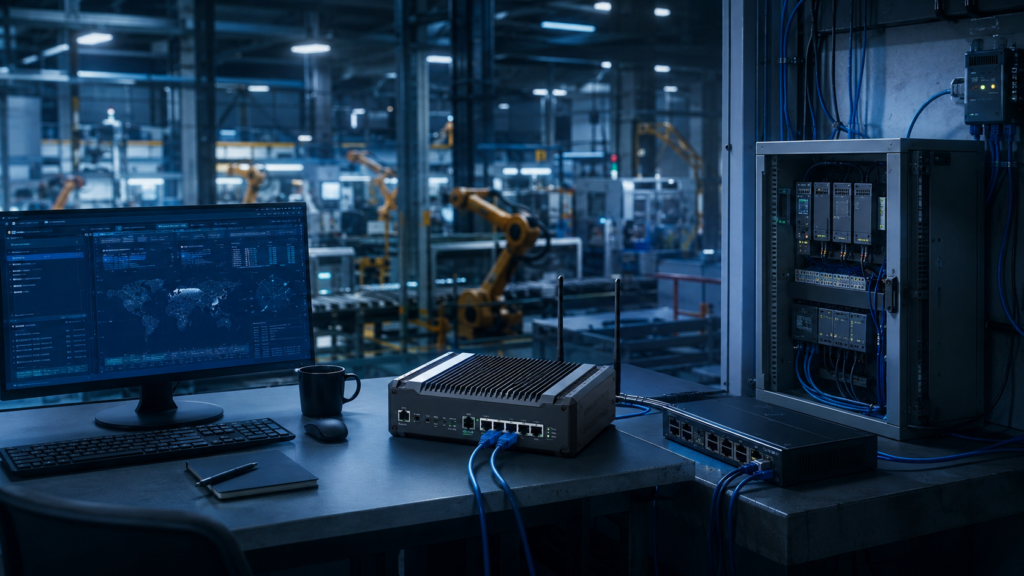
تساعد أجهزة VPN على تأمين الوصول الهندسي عن بعد إلى الأجهزة والشبكات الصناعية.
نظرة عامة على الصناعة
تحتاج الشبكات الصناعية إلى اتصال آمن عن بعد
أصبح الوصول عن بعد مطلبًا طبيعيًا في العمليات الصناعية.
يحتاج صانعو الآلات إلى دعم المعدات بعد التسليم. يحتاج مهندسو المصانع إلى مراقبة خطوط الإنتاج عن بعد. يحتاج متخصصو تكامل الأنظمة إلى استكشاف أخطاء أنظمة التحكم وإصلاحها. تحتاج الشركات متعددة المواقع إلى اتصال آمن بين المصانع, المستودعات, ومراكز البيانات.
تشمل احتياجات الاتصال عن بعد الشائعة:
- صيانة الماكينات عن بعد
- اتصال من موقع إلى موقع المصنع
- الوصول إلى بوابة إنترنت الأشياء الصناعية
- الوصول إلى شبكة SCADA
- لوحات المراقبة عن بعد
- دعم خدمة المعدات
- تأمين الوصول الهندسي
- نقل البيانات بين المرافق
- مراجعة التنبيه عن بعد
- الاتصال بالسحابة أو مركز البيانات
يساعد جهاز VPN على توفير الوصول المتحكم فيه دون الكشف عن الأنظمة الصناعية مباشرة.
أجهزة VPN هي أكثر من مجرد أجهزة توجيه الشبكة
منصة نشر VPN ليست مجرد جهاز توجيه أساسي.
في البيئات الصناعية, قد تحتاج إلى دعم تجزئة الشبكة, سياسات جدار الحماية, منافذ LAN متعددة, الأنفاق الآمنة, التسجيل المحلي, إدارة حركة المرور, مسارات الشبكة الزائدة, والتحكم في الخدمة عن بعد.
قد تحتاج أيضًا إلى توصيل أجهزة Ethernet الحديثة والأنظمة الصناعية القديمة.
قد يوجد جهاز VPN صناعي عملي بينهما:
- شبكات الآلة
- شبكات PLC
- شبكات تكنولوجيا المعلومات في المصانع
- شبكات الخدمة عن بعد
- منصات إنترنت الأشياء الصناعية
- الأنظمة السحابية
- مراكز الرصد
- شبكات الشركات
يتمثل دور الجهاز في إنشاء حدود شبكة آمنة ويمكن التحكم فيها.
الحوسبة الصناعية هي مؤسسة الأجهزة
يتم نشر العديد من أجهزة VPN خارج البيئات المكتبية النظيفة.
قد تعمل بالقرب من الآلات, داخل الخزانات, في المواقع النائية, أو في مرافق البنية التحتية. قد تحتوي هذه المواقع على الغبار, اهتزاز, اختلاف درجة الحرارة, الضوضاء الكهربائية, مساحة محدودة, وساعات العمل الطويلة.
توفر أجهزة الكمبيوتر الصناعية وأجهزة الكمبيوتر المدمجة أساسًا أقوى لهذا النوع من النشر.
أنها تدعم عملية موثوقة, الإدخال/الإخراج المرن, منافذ LAN متعددة, تصميم مدمج, حاويات بدون مروحة, وتوافر دورة حياة طويلة.

مناطق الشبكة, الوصلات الصاعدة, شبكات PLC, شبكات الآلة, وتؤثر بوابات IIoT على تخطيط نشر VPN.
التحديات الرئيسية
تأمين الوصول عن بعد دون الكشف عن الأنظمة الصناعية
الوصول عن بعد مفيد, ولكن يجب السيطرة عليه بعناية.
غالبًا ما تشتمل الأنظمة الصناعية على الشركات المحدودة العامة, واجهات التفاعل البشري, وحدات تحكم, أجهزة الاستشعار, الروبوتات, بوابات, ومعدات SCADA. قد لا تكون هذه الأنظمة مصممة للتعرض المباشر للإنترنت.
يساعد جهاز VPN في إنشاء طبقة وصول محمية.
لكن, يجب أن لا يزال النشر في الاعتبار:
- مصادقة المستخدم
- أذونات الوصول
- تجزئة الشبكة
- قواعد جدار الحماية
- نوافذ الصيانة عن بعد
- احتياجات التسجيل والتدقيق
- هوية الجهاز
- سياسة التحديث الآمن
- تصميم التوجيه الداخلي
الهدف هو توفير الوصول عن بعد فقط إلى الأنظمة المطلوبة, عدم فتح شبكة المصنع بالكامل دون داع.
مناطق شبكة متعددة
تحتوي المواقع الصناعية عادةً على عدة مناطق شبكية.
قد يقوم المصنع بفصل شبكات تكنولوجيا المعلومات المكتبية, شبكات الآلة, شبكات الكاميرا, شبكات PLC, شبكات الصيانة, واتصالات البوابة السحابية.
يجب أن تدعم منصة نشر VPN هذه البنية.
غالبًا ما تكون منافذ LAN المتعددة مهمة لأنها تتيح فصلًا أفضل بين مناطق الشبكة المختلفة.
على سبيل المثال:
- منفذ LAN واحد لشبكة WAN أو الوصلة الصاعدة
- منفذ LAN واحد لتكنولوجيا المعلومات في المصنع
- منفذ LAN واحد لشبكة الجهاز
- منفذ LAN واحد لشبكة PLC أو شبكة الأتمتة
- منفذ LAN واحد للخدمة أو الإدارة عن بعد
يعمل تجزئة الشبكة الجيدة على تحسين الأمان والاستقرار التشغيلي.
الموثوقية للتشغيل المستمر
قد يصبح جهاز VPN جزءًا مهمًا من الشبكة الصناعية.
إذا فشل الجهاز, الوصول عن بعد, نقل البيانات, يراقب, وقد يتم مقاطعة دعم الخدمة.
يتطلب النشر الصناعي تصميمًا موثوقًا للأجهزة.
وتشمل عوامل الموثوقية الهامة:
- الضميمة بدون مروحة
- تصميم حراري مستقر
- تركيب وعرة
- مدخلات الطاقة الصناعية
- الاحتفاظ بالكابل
- تخزين SSD
- مكونات دورة حياة طويلة
- تسجيل النظام المحلي
- التخطيط للتعافي
تساعد الأجهزة الموثوقة على تقليل عبء أعمال الصيانة ووقت التوقف غير المتوقع.
الأداء وتحميل حركة المرور المشفرة
تتطلب حركة مرور VPN قوة المعالجة.
يعتمد الأداء المطلوب على عدد المستخدمين, أنواع الأنفاق, عبء عمل التشفير, حجم حركة المرور, عدد المواقع, وقواعد جدار الحماية.
قد تحتاج بوابة خدمة الآلة الصغيرة إلى أداء معتدل. قد يتطلب مركز VPN متعدد المواقع في المصنع وحدة معالجة مركزية أقوى, ذاكرة, وقدرة الشبكة.
يجب على مصممي النظام النظر في ذلك:
- عدد أنفاق VPN
- الإنتاجية المشفرة
- معالجة جدار الحماية
- قواعد التوجيه
- جلسات المستخدم عن بعد
- حركة المرور من موقع إلى آخر
- حركة البروتوكول الصناعي
- مراقبة حجم البيانات
- تسجيل عبء العمل
يجب اختيار الجهاز وفقًا لمتطلبات الشبكة الحقيقية, ليس فقط عدد المنافذ.
التكامل مع الأنظمة الصناعية وأنظمة تكنولوجيا المعلومات
غالبًا ما تقوم منصات VPN الصناعية بتوصيل التكنولوجيا التشغيلية وأنظمة تكنولوجيا المعلومات.
وهذا يتطلب التخطيط الدقيق.
قد يحتاج الجهاز إلى الاتصال بشبكات PLC, خوادم SCADA, بوابات إنترنت الأشياء الصناعية, جدران الحماية, مفاتيح, المنصات السحابية, أنظمة المصادقة, وأدوات الصيانة عن بعد.
يجب أن تكون المنصة العملية مرنة بدرجة كافية لتلبية المتطلبات الصناعية ومتطلبات تكنولوجيا المعلومات.

تقوم أجهزة VPN بتوصيل المستخدمين عن بعد, شبكات المصانع, أنظمة الآلة, والمنصات السحابية بشكل آمن.
هندسة حلول أجهزة VPN
طبقة شبكة الأجهزة الصناعية
تشتمل طبقة شبكة الجهاز على المعدات التي تحتاج إلى اتصال آمن.
قد يشمل هذا:
- الشركات المحدودة العامة
- واجهات التفاعل البشري
- أنظمة سكادا
- أجهزة الكمبيوتر الصناعية
- وحدات التحكم المدمجة
- الروبوتات
- وحدات تحكم الآلة
- الكاميرات الصناعية
- بوابات
- عدادات الطاقة
- أجهزة الاستشعار
- المعدات عن بعد
ولا ينبغي أن تتعرض هذه الأنظمة مباشرة للشبكات الخارجية.
يوفر جهاز VPN مسار وصول يمكن التحكم فيه.
طبقة أجهزة VPN الصناعية
تعد طبقة جهاز VPN هي جوهر النشر.
عند هذه الطبقة, قد يكون الكمبيوتر الصناعي أو الكمبيوتر المدمج:
- إنشاء أنفاق VPN مشفرة
- إدارة الاتصال من موقع إلى موقع
- دعم الوصول الهندسي عن بعد
- تطبيق سياسات جدار الحماية
- تقسيم الشبكات الداخلية
- توجيه حركة المرور بين المناطق
- تسجيل أحداث الوصول
- مراقبة حالة الاتصال
- دعم واجهات الإدارة المحلية
- الاتصال بأنظمة الأمان ذات المستوى الأعلى
تحمي هذه الطبقة الأنظمة الصناعية مع الاستمرار في تمكين الاتصال الضروري.
أمن الشبكة وطبقة السياسة
The security policy layer defines who can access what.
It may include access control rules, مناطق الشبكة, سياسات جدار الحماية, authentication methods, قيود حركة المرور, and maintenance permissions.
A secure industrial VPN design should avoid broad unrestricted access.
بدلاً من, access should be limited according to:
- دور المستخدم
- نوع الجهاز
- موقع الموقع
- Maintenance purpose
- نافذة الوقت
- Network segment
- Application requirement
- Security policy
This improves control and reduces unnecessary exposure.
Remote Access and Site Connectivity Layer
The remote access layer supports external users and distributed locations.
اعتمادا على المشروع, قد تشمل:
- وصول مهندس عن بعد
- OEM machine service access
- VPN من موقع إلى موقع
- الاتصال من المصنع إلى مركز البيانات
- مراقبة المنشأة عن بعد
- Cloud platform communication
- الوصول إلى منصة الصيانة
- Multi-branch secure connectivity
This layer allows distributed industrial systems to communicate securely.
طبقة المراقبة والإدارة
VPN deployments need visibility.
قد يوفر الجهاز لوحات معلومات محلية, سجلات, connection status, traffic information, device health data, وسجلات التنبيه.
It may also connect to centralized monitoring systems.
قد تتضمن معلومات المراقبة المفيدة:
- حالة النفق
- User login records
- حركة مرور الشبكة
- System temperature
- حالة التخزين
- عبء عمل وحدة المعالجة المركزية
- حالة الوصلة الصاعدة
- أحداث جدار الحماية
- تاريخ الوصول عن بعد
تساعد الرؤية الجيدة المشغلين على الحفاظ على اتصال آمن وموثوق بالشبكة.
الميزات الرئيسية
منافذ LAN متعددة
تعد منافذ LAN المتعددة واحدة من أهم الميزات لجهاز VPN الصناعي.
أنها تسمح للنظام بفصل WAN, لان, آلة, خدمة, وشبكات الإدارة.
قد تدعم تكوينات LAN المفيدة:
- وصلة WAN الصاعدة
- شبكة تكنولوجيا المعلومات في المصنع
- شبكة PLC
- شبكة الآلة
- شبكة الكاميرا
- شبكة الصيانة عن بعد
- اتصال البوابة السحابية
- مسارات الشبكة الزائدة عن الحاجة
يؤدي ذلك إلى تحسين تنظيم حركة المرور ودعم التخطيط الأفضل للأمن السيبراني.
أداء معالجة VPN والشبكة
يجب أن تقوم أجهزة VPN بمعالجة حركة المرور المشفرة بشكل موثوق.
يجب اختيار الأجهزة وفقًا للإنتاجية الحقيقية ومتطلبات الأنفاق.
ينبغي النظر في الاختيار:
- أداء وحدة المعالجة المركزية
- سعة الذاكرة
- عدد أنفاق VPN
- الإنتاجية المشفرة
- عبء عمل جدار الحماية
- تعقيد التوجيه
- متطلبات التسجيل
- احتياجات التخزين
- سرعة منفذ الشبكة
للوصول إلى الآلة الصغيرة, قد يكون الكمبيوتر المدمج كافيًا. لعمليات نشر أكبر في مواقع متعددة, قد تكون هناك حاجة إلى جهاز كمبيوتر صناعي عالي الأداء.
الإدخال/الإخراج الصناعي المرن
قد تحتاج منصات VPN الصناعية إلى أكثر من منافذ Ethernet.
قد تتضمن خيارات الإدخال/الإخراج المفيدة:
- لان
- USB
- RS232
- RS485
- جيبيو
- الإدخال الرقمي
- الإخراج الرقمي
- اتش دي ام اي
- منفذ العرض
- م.2
- بكيي
- تخزين SATA أو NVMe
قد تدعم المنافذ التسلسلية الوصول إلى المعدات القديمة أو وظائف الخدمة. يمكن لـ GPIO دعم تكامل التنبيه. يمكن أن تدعم مخرجات USB وشاشة العرض الصيانة المحلية.
يعمل الإدخال/الإخراج المرن على تحسين قدرة النظام على التكيف.
تصميم بدون مروحة وقوي
يعد التصميم بدون مروحة مفيدًا لأجهزة الشبكات الصناعية.
فهو يقلل من دخول الغبار ويزيل نقطة عطل ميكانيكية شائعة. تساعد العبوات القوية على حماية الجهاز من الاهتزاز, تأثير التثبيت, وإجهاد الكابل.
يعد هذا مفيدًا لأجهزة VPN المثبتة على الخزانة, بوابات الشبكة من جانب الجهاز, عقد المنشأة البعيدة, ونشر البنية التحتية.
لا يزال ينبغي مراجعة التصميم الحراري بعناية, خاصة عندما يتعامل الجهاز مع حركة المرور المشفرة المستمرة.
تخزين محلي موثوق
قد تحتاج أجهزة VPN إلى مساحة تخزين محلية للسجلات, ملفات النظام, النسخ الاحتياطية للتكوين, شهادات, سجلات المراقبة, والبيانات التشخيصية.
يُفضل عادةً تخزين SSD لأنه يوفر مقاومة أفضل للصدمات ووصولاً أسرع من محركات الأقراص الميكانيكية.
وينبغي النظر في تخطيط التخزين:
- الاحتفاظ بالسجل
- النسخ الاحتياطي التكوين
- استعادة النظام
- سجلات الأحداث الأمنية
- بيانات الرصد المحلية
- اكتب التحمل
- سير عمل الصيانة
يساعد التخزين الموثوق به على دعم إمكانية التدقيق واستكشاف الأخطاء وإصلاحها.
دورة حياة طويلة وقابلية الصيانة
قد تبقى أجهزة الشبكات الصناعية في الخدمة لسنوات عديدة.
يمكن أن تؤدي التغييرات المتكررة في الأجهزة إلى حدوث مشكلات في توافق البرامج, مشاكل قطع الغيار, وتعقيد الصيانة.
منصات الحوسبة الصناعية مع تخطيط دورة الحياة تساعد تكامل الأنظمة, مصنعي المعدات الأصلية, ويحافظ مشغلو المصانع على منصات نشر VPN متسقة عبر أجهزة متعددة, المواقع, ومشاريع البنية التحتية.
سيناريوهات النشر
صيانة الماكينات عن بعد
غالبًا ما يحتاج صانعو الآلات إلى الوصول الآمن إلى المعدات بعد التسليم.
يمكن لجهاز VPN توفير وصول عن بعد يتم التحكم فيه إلى أجهزة HMI الخاصة بالجهاز, الشركات المحدودة العامة, أجهزة الكمبيوتر الصناعية, أو أنظمة التشخيص.
يساعد هذا فرق خدمة OEM على دعم العملاء دون الحاجة إلى وصول عام مفتوح إلى شبكات الأجهزة.
الاتصال بالمصنع من موقع إلى موقع
قد تحتاج الشركات التي لديها مصانع متعددة إلى اتصال آمن بين المواقع.
يمكن لجهاز VPN أن يدعم الاتصال من موقع إلى موقع لبيانات الإنتاج, أنظمة المراقبة, الوصول الهندسي, والإدارة المركزية.
ويساعد ذلك على توصيل المرافق الموزعة مع الحفاظ على فصل الشبكة.
أمن بوابة إنترنت الأشياء الصناعية
غالبًا ما تجمع أنظمة إنترنت الأشياء الصناعية البيانات من الأجهزة وترسل معلومات محددة إلى الأنظمة الأساسية أو الخدمات السحابية.
يمكن لجهاز VPN حماية الاتصال بين بوابات IIoT المحلية والأنظمة البعيدة.
يمكنه أيضًا تقسيم شبكات الأجهزة من الاتصالات الخارجية.
SCADA والوصول إلى شبكة المرافق
طاقة, ماء, مواصلات, وقد تتطلب أنظمة المنشأة المراقبة والصيانة عن بعد.
يمكن لجهاز VPN الصناعي أن يوفر وصولاً آمنًا إلى شبكات SCADA, المعدات عن بعد, المحطات الفرعية, محطات الضخ, أو خزائن المرافق.
تعتبر الأجهزة القوية مهمة لهذه البيئات الموزعة.
اتصال شبكة المستودعات والخدمات اللوجستية
قد تستخدم المستودعات أجهزة VPN لتوصيل أنظمة الفرز, محطات الباركود, أجهزة الكمبيوتر الصناعية, أنظمة المراقبة, ومنصات الإدارة عن بعد.
وهذا يدعم الوصول الآمن إلى البنية التحتية اللوجستية الموزعة ويحسن كفاءة الصيانة.
البنية التحتية للنقل
قد تشمل أنظمة النقل معدات على جانب الطريق, أنظمة المحطة, منصات وقوف السيارات, مراقبو حركة المرور, وعقد المراقبة.
يمكن لجهاز VPN توفير اتصال آمن بين الأجهزة البعيدة ومراكز الإدارة.
تعد أجهزة الكمبيوتر الصناعية مفيدة عندما يتطلب الأمر النشر القوي والشبكات المستقرة.
تكامل أجهزة أمان OEM
يمكن لأخصائيي تكامل الأنظمة وبناة المعدات دمج أجهزة الكمبيوتر الصناعية في أجهزة VPN المخصصة أو بوابات الأمان.
يمكن للمنصة توفير شبكات LAN متعددة, قدرة جدار الحماية, الوصول الآمن عن بعد, المراقبة المحلية, تخزين, والنشر على غرار الأجهزة.
وهذا يدعم منتجات أمان شبكة OEM للعملاء الصناعيين.
مراقبة المرافق عن بعد
قد يكون لدى المرافق البعيدة عدد محدود من الموظفين المحليين.
يمكن لجهاز VPN مساعدة الفرق المركزية في الوصول إلى أنظمة المراقبة, بوابات البيانات, الكاميرات, معدات المرافق, وأنظمة التحكم بشكل آمن.
تعمل السجلات المحلية ودعم الإدارة عن بعد على تحسين الرؤية التشغيلية.
فوائد الأعمال
الوصول عن بعد أكثر أمانًا
يقوم جهاز VPN بإنشاء طبقة وصول يمكن التحكم فيها بين المستخدمين البعيدين والشبكات الصناعية.
وهذا يقلل من الحاجة إلى كشف أنظمة الماكينة مباشرة.
مع تصميم السياسات المناسبة, يمكن أن يقتصر الوصول عن بعد على المعدات المطلوبة, أدوار المستخدم, والمهام الخدمية.
دعم أفضل لخدمة صانعي القطع الأصلية
يمكن لمنشئي الأجهزة استخدام منصات نشر VPN لدعم معدات العملاء عن بعد.
هذا يمكن أن يقلل من احتياجات السفر, تقصير وقت استكشاف الأخطاء وإصلاحها, وتحسين استجابة الخدمة.
تساعد منصة الكمبيوتر الصناعية المستقرة في الحفاظ على موثوقية الوصول إلى الخدمة عن بعد طوال دورة حياة المعدات.
تحسين تجزئة الشبكة
تساعد منافذ LAN المتعددة وسياسات جدار الحماية على فصل شبكات المصنع.
وهذا يمكن أن يقلل من الاتصال غير الضروري بين تكنولوجيا المعلومات, بعد ذلك, آلة, آلة تصوير, وشبكات الصيانة.
يدعم التجزئة الأفضل كلا من الاستقرار التشغيلي والتخطيط الأمني.
تقليل وقت التوقف عن العمل أثناء استكشاف الأخطاء وإصلاحها
يساعد الوصول الآمن عن بعد المهندسين على تشخيص المشكلات بشكل أسرع.
بدلاً من انتظار الدعم في الموقع, يمكن للمهندسين المعتمدين مراجعة السجلات, حالة النظام, اتصالات الجهاز, وبيانات الجهاز عن بعد.
يمكن أن يؤدي ذلك إلى تقليل التأخير في استكشاف الأخطاء وإصلاحها وتحسين كفاءة الصيانة.
رؤية تشغيلية أقوى
يمكن لجهاز VPN توفير السجلات, حالة النفق, بيانات صحة النظام, ومعلومات الاتصال.
وهذا يساعد فرق الشبكة والصيانة على فهم نشاط الوصول عن بعد وحالة الجهاز.
رؤية أفضل تدعم مراجعة التدقيق, استكشاف الأخطاء وإصلاحها, وإدارة الشبكة على المدى الطويل.
نشر متعدد المواقع قابل للتطوير
تعمل منصة أجهزة VPN القياسية على تسهيل نشر الاتصال الآمن عبر أجهزة متعددة, المصانع, المستودعات, والمرافق النائية.
تعمل الأجهزة المتسقة على تبسيط صور البرامج, قوالب التكوين, تخطيط قطع الغيار, التدريب على الصيانة, ودعم دورة الحياة.
وهذا يساعد القائمين على تكامل الأنظمة والمشغلين الصناعيين على توسيع نطاق الاتصال الآمن بشكل أكثر كفاءة.
لماذا كورIPC
يوفر CoreIPC منصات الحوسبة الصناعية لأمن الشبكات, إنترنت الأشياء الصناعية, أتمتة المصنع, المراقبة عن بعد, وتكامل النظام المدمج. لتطبيقات أجهزة VPN, يركز CoreIPC على أجهزة الكمبيوتر الصناعية الموثوقة, حلول الكمبيوتر المدمجة, تكوينات متعددة LAN, الإدخال/الإخراج المرن, تصميم نظام مدمج, خيارات النشر بدون مروحة, ودعم التخصيص OEM/ODM. CoreIPC يساعد تكامل النظام, بناة الآلة, ويختار المشغلون الصناعيون منصات الحوسبة التي تتوافق مع متطلبات النشر الحقيقية, بما في ذلك عبء عمل VPN, عدد منافذ LAN, تجزئة الشبكة, احتياجات التخزين, طرق التركيب, مدخلات الطاقة, الظروف الحرارية, وتخطيط دورة الحياة.
الأسئلة المتداولة
1. ما هو جهاز VPN?
جهاز VPN هو جهاز شبكة أو منصة حوسبة صناعية تستخدم لإنشاء اتصالات مشفرة آمنة بين المستخدمين, المواقع, آلات, أو الشبكات.
في البيئات الصناعية, يمكن أن يدعم الصيانة عن بعد, الاتصال من موقع إلى موقع, الوصول إلى شبكة الجهاز, اتصالات إنترنت الأشياء الصناعية, والمراقبة الآمنة. فهو يساعد على توفير الوصول المتحكم فيه بدلاً من تعريض المعدات مباشرة.
2. لماذا نستخدم الكمبيوتر الصناعي كجهاز VPN?
يوفر الكمبيوتر الصناعي أجهزة قوية واتصالاً مرنًا للنشر في المصنع أو الميدان.
يمكنه دعم منافذ LAN المتعددة, التخزين المحلي, التركيب الصناعي, عملية بدون مروحة, خيارات الاتصال التسلسلي, وتوافر دورة حياة طويلة. هذه الميزات تجعلها مناسبة لنشر VPN الصناعي حيث تكون الموثوقية وتجزئة الشبكة أمرًا مهمًا.
3. كيف يتم استخدام جهاز كمبيوتر مضمن في نشر VPN?
يمكن لجهاز الكمبيوتر المدمج أن يعمل كبوابة VPN مدمجة داخل الأجهزة, خزائن التحكم, المرافق النائية, أو أجهزة أمان OEM.
يمكنها إنشاء أنفاق آمنة, حركة المرور على الطريق, تطبيق سياسات الوصول, سجل الأحداث, وتوصيل شبكات الماكينات بمنصات الخدمة عن بعد أو أنظمة المصنع.
4. ما هي التطبيقات التي تحتاج إلى جهاز VPN?
وتشمل التطبيقات صيانة الجهاز عن بعد, الاتصال من موقع إلى موقع المصنع, أمن بوابة إنترنت الأشياء الصناعية, الوصول إلى SCADA, مراقبة المرافق, البنية التحتية للنقل, شبكات المستودعات, وتكامل أجهزة أمان OEM.
قد يستفيد أي نظام صناعي يحتاج إلى اتصال آمن عن بعد أو موزع من جهاز VPN المصمم بشكل صحيح.
5. لماذا تعتبر منافذ LAN المتعددة مهمة لجهاز VPN?
تسمح منافذ LAN المتعددة بفصل الشبكة.
قد يتصل منفذ واحد بشبكة WAN, آخر لتكنولوجيا المعلومات في المصنع, آخر لشبكات الجهاز, وآخر لشبكات الصيانة أو الإدارة. وهذا يساعد على تنظيم حركة المرور, تقليل التعرض بين المناطق, ودعم بنية أمنية أفضل.
6. هل يمكن لأجهزة الكمبيوتر الصناعية بدون مروحة أن تدعم أجهزة VPN?
نعم. تعد أجهزة الكمبيوتر الصناعية بدون مروحة مناسبة للعديد من عمليات نشر أجهزة VPN لأنها تقلل من دخول الغبار وتزيل نقطة عطل ميكانيكي واحدة.
لكن, يمكن أن تؤدي حركة المرور المشفرة المستمرة إلى إنشاء معالجة وحمل حراري. أداء وحدة المعالجة المركزية, تصميم العلبة, درجة الحرارة المحيطة, تدفق هواء الخزانة, وينبغي مراجعة طريقة التركيب قبل النشر.
7. ما هي ميزات الأجهزة المهمة لمنصات VPN الصناعية?
تتضمن الميزات الهامة منافذ LAN متعددة, أداء كافٍ لوحدة المعالجة المركزية, ذاكرة موثوقة, تخزين SSD, الضميمة وعرة, تصميم بدون مروحة, مدخلات الطاقة الصناعية, USB, المنافذ التسلسلية, جيبيو, عرض الإخراج, وخيارات التوسع.
يجب أن يتطابق التكوين النهائي مع إنتاجية VPN, عدد الأنفاق, عبء عمل جدار الحماية, متطلبات التسجيل, وبيئة التثبيت.
8. هل يمكن لجهاز VPN توصيل أنظمة إنترنت الأشياء الصناعية بالمنصات السحابية?
نعم. يمكن لجهاز VPN حماية الاتصال بين بوابات إنترنت الأشياء الصناعية المحلية والمنصات البعيدة أو الأنظمة السحابية.
ويمكنه أيضًا المساعدة في تقسيم شبكات الأجهزة من الأنظمة الخارجية وتوفير مسار اتصال يتم التحكم فيه لنقل البيانات المحددة.
9. هل جهاز VPN هو نفس جدار الحماية?
ليس بالضبط. يركز جهاز VPN على الاتصال المشفر الآمن, بينما يركز جدار الحماية على تصفية حركة المرور والتحكم في الوصول.
تجمع العديد من أجهزة الأمن الصناعي بين الوظيفتين. في عمليات النشر العملي, VPN, جدار الحماية, التوجيه, تسجيل, وغالبًا ما تعمل ميزات التجزئة معًا.
10. ما الذي يجب اختباره قبل النشر?
قبل النشر, يجب اختبار النظام الأساسي باستخدام طوبولوجيا الشبكة الحقيقية, عبء عمل VPN, عدد الأنفاق, سياسات جدار الحماية, سير عمل الوصول عن بعد, حركة المرور من موقع إلى آخر, التسجيل المحلي, سلوك التخزين, وتشغيل طويل الأمد.
الاستقرار الحراري, سلوك فشل الشبكة, الوصول إلى الإدارة عن بعد, ويجب أيضًا التحقق من صحة إجراءات الاسترداد.
خاتمة
يعد جهاز VPN أساسًا عمليًا للوصول الآمن عن بعد, الاتصال من موقع إلى موقع, اتصالات إنترنت الأشياء الصناعية, الوصول إلى SCADA, ونشر شبكة الجهاز المحمية.
عن طريق وضع جهاز كمبيوتر صناعي أو جهاز كمبيوتر مدمج على حافة الشبكة, الشركات المصنعة, بناة الآلة, ويمكن لمتكاملي الأنظمة إنشاء اتصال يمكن التحكم فيه بين المستخدمين عن بعد, مواقع المصانع, شبكات الآلة, ومنصات الإدارة.
يجب اختيار منصة نشر VPN المناسبة وفقًا للمتطلبات الحقيقية, بما في ذلك عبء عمل VPN, عدد الأنفاق, عدد منافذ LAN, تجزئة الشبكة, قواعد جدار الحماية, احتياجات التخزين, طريقة التركيب, مدخلات الطاقة, الظروف الحرارية, دعم نظام التشغيل, السياسة الأمنية, وتخطيط دورة الحياة.
يدعم CoreIPC مشاريع أجهزة VPN مع منصات الحوسبة الصناعية المصممة للمصانع العملية, جانب الآلة, والانتشار الميداني. مع أساس الأجهزة الصحيح, يمكن للمشغلين الصناعيين وبناة المعدات بناء موثوقة, قابلة للتطوير, وحلول الاتصال الآمنة.
اتصل بنا
أبحث عن جهاز كمبيوتر صناعي, الكمبيوتر المدمج, أو منصة LAN متعددة لنشر أجهزة VPN?
تواصل مع CoreIPC لمناقشة متطلبات مشروعك, بما في ذلك عدد منافذ LAN, عبء عمل VPN, تجزئة الشبكة, تصميم التخزين, طريقة التركيب, مدخلات الطاقة, بيئة التشغيل, احتياجات دورة الحياة, وخيارات التخصيص OEM/ODM.