CoreIPC Industrial Computing-Lösungen

Branchenüberblick
Die moderne Fertigung durchläuft einen rasanten Wandel, der von der Industrie vorangetrieben wird 4.0, Intelligente Fabriken, und digitalisierte Produktionsprozesse. Herkömmliche Automatisierungssysteme, die ausschließlich auf eigenständigen SPS basieren, werden zunehmend in industrielle Computerplattformen integriert, um eine erweiterte Visualisierung zu unterstützen, Datenanalyse, Maschinenanbindung, Edge-Intelligenz, und zentralisierte Verwaltung.

Intelligente Fabrikautomation
Da Fabriken Technologien wie das industrielle IoT übernehmen (IIoT), maschinelles Sehen, vorausschauende Wartung, MES-Integration, und Echtzeit-Produktionsüberwachung, die Nachfrage nach einem zuverlässigen Industrie-PC für SPS Anwendungen nehmen weiter zu.
Ein moderner Industriecomputer dient als intelligente Steuerungs- und Kommunikationszentrale innerhalb automatisierter Produktionsumgebungen. Es ergänzt SPS-Systeme durch die Bereitstellung erhöhter Rechenleistung, umfangreiche Konnektivität, flexible Softwarebereitstellung, und nahtlose Integration mit Fabrikinformationssystemen.
Ob im Automobilbau eingesetzt, Elektronikbaugruppe, Lebensmittelverarbeitung, Verpackungsmaschinen, Pharmazeutische Produktion, oder Logistikautomatisierung, Industrie-PCs sind zu einem entscheidenden Bestandteil der Fabrikautomatisierungsinfrastrukturen der nächsten Generation geworden.

Herausforderungen bei der Automatisierung
Herausforderungen
Obwohl SPS nach wie vor das Rückgrat industrieller Steuerungssysteme bilden, Hersteller stoßen häufig auf mehrere Einschränkungen, wenn sie sich ausschließlich auf SPS-basierte Architekturen verlassen.
Begrenzte Datenverarbeitungsmöglichkeiten
Herkömmliche SPS sind hauptsächlich für deterministische Steuerungsaufgaben konzipiert. Sie sind nicht für die Handhabung optimiert:
- Umfangreiche Produktionsdaten
- Arbeitslasten der maschinellen Bildverarbeitung
- Datenbankverwaltung
- KI-gesteuerte Analysen
- Industrielle IoT-Anwendungen
Da Fabriken immer größere Mengen an Betriebsdaten generieren, zusätzliche Rechenressourcen werden notwendig.
Komplexe Multisystemintegration
Moderne Fabriken erfordern oft eine Integration untereinander:
- SPS
- SCADA-Systeme
- MES-Plattformen
- ERP-Systeme
- Edge-Computing-Geräte
- Cloud-Dienste
Der Aufbau einer nahtlosen Kommunikation zwischen diesen Systemen kann ohne eine dedizierte industrielle Computerplattform eine Herausforderung darstellen.
Wachsende Konnektivitätsanforderungen
Industrielle Automatisierungsumgebungen verlassen sich zunehmend darauf:
- EtherCAT
- PROFINET
- Modbus TCP
- OPC UA
- CAN-Bus
- Ethernet/IP
Herkömmlichen Steuerungen fehlen möglicherweise ausreichende Kommunikationsschnittstellen für die gleichzeitige Verwaltung mehrerer Industrienetzwerke.
Raue Industrieumgebungen
Fabrikböden sind Geräten ausgesetzt:
- Hohe Temperaturen
- Staubverschmutzung
- Vibration
- Elektrisches Rauschen
- Kontinuierlich 24/7 Betrieb
Kommerzielle Computer sind oft nicht in der Lage, die Zuverlässigkeitsanforderungen industrieller Einsätze zu erfüllen.
Herausforderungen bei der Skalierbarkeit
Während sich Produktionslinien weiterentwickeln, Hersteller benötigen skalierbare Computerplattformen, die diese unterstützen können:
- Zusätzliche I/O-Module
- Mehr vernetzte Maschinen
- Neue Softwareanwendungen
- Zukünftige KI- und Edge-Computing-Workloads
Herkömmliche Automatisierungsarchitekturen könnten künftige Erweiterungen nur schwer bewältigen können.

SPS + IPC-Lösungsarchitektur
Lösungsarchitektur
CoreIPC bietet eine umfassende Industrie-PC für SPS-Automatisierungslösung das industrietaugliche Computerhardware mit führenden industriellen Steuerungsplattformen kombiniert.
Die Architektur besteht aus fünf Schlüsselschichten.
Schicht 1: Feldgeräte
Diese Ebene umfasst:
- Sensoren
- Encoder
- Industriekameras
- Barcode-Lesegeräte
- Aktuatoren
- Servoantriebe
- VFDs
- Robotiksysteme
Diese Geräte sammeln Produktionsdaten und führen Steuerbefehle aus.
Schicht 2: SPS-Steuerungsschicht
SPS führen Echtzeit-Steuerungsfunktionen aus, z:
- Bewegungssteuerung
- Logikverarbeitung
- Sicherheitsmanagement
- Gerätesynchronisation
Zu den unterstützten SPS-Ökosystemen können gehören:
- Siemens
- Beckhoff
- Mitsubishi
- Omron
- Schneider Electric
- Allen-Bradley
Schicht 3: CoreIPC Industrial Computing Layer
Im Zentrum der Architektur steht ein CoreIPC Industriecomputer oder eingebetteter Computer.
Der Industrie-PC leistet Leistung:
- HMI-Visualisierung
- SCADA-Betrieb
- Datenerfassung
- Edge-Analyse
- Soft-PLC-Bereitstellung
- Industrielle Gateway-Funktionen
- Protokollkonvertierung
- Datenbankverwaltung
Zu den typischen Softwareumgebungen gehören::
- Windows 10 IoT
- Windows 11 IoT
- Linux
- Ubuntu
- Debian
- Echtzeit-Linux
- CODESYS-Laufzeit
- TwinCAT 3
Schicht 4: Fertigungsmanagementsysteme
Der Industrie-PC kommuniziert mit:
- MES-Systeme
- Qualitätsmanagementsysteme
- Produktionsplanungssysteme
- Lagerverwaltungssysteme
- Rückverfolgbarkeitsplattformen
Dies ermöglicht Echtzeit-Produktionstransparenz und Betriebsoptimierung.
Schicht 5: Unternehmen & Wolkenschicht
Werksdaten können sicher übertragen werden:
- ERP-Systeme
- Private Clouds
- Öffentliche Clouds
- KI-Analyseplattformen
- Fernüberwachungszentren
Unterstützung der vorausschauenden Wartung und unternehmensweiten Entscheidungsfindung.
Hauptmerkmale
Hochleistungsfähiges industrielles Computing
Unterstützung für CoreIPC-Systeme:
- Intel® Core™ Prozessoren
- Intel® Celeron® Prozessoren
- Intel® Atom® Prozessoren
- AMD Ryzen™ Embedded-Prozessoren
Dies ermöglicht eine deutlich höhere Rechenleistung im Vergleich zu herkömmlichen reinen SPS-Architekturen.
Soft-SPS-Kompatibilität
CoreIPC-Industriecomputer können beliebte Soft-SPS-Plattformen hosten, darunter:
- CODESYS
- TwinCAT 3
- OpenPLC
- PLCnext-Runtime
Dadurch können Hersteller Steuerungs- und Rechenfunktionen auf einer einheitlichen Plattform kombinieren.
Unterstützung für Industrieprotokolle
CoreIPC-Lösungen unterstützen Kommunikationsprotokolle wie:
- EtherCAT
- Modbus TCP
- Modbus RTU
- CAN-Bus
- OPC UA
- MQTT
- PROFINET
- Ethernet/IP
Ermöglicht nahtlose Konnektivität zwischen verschiedenen Industriegeräten.
Flexible Erweiterung
Industrielle Anwendungen erfordern oft maßgeschneiderte I/O- und Kommunikationsschnittstellen.
Unterstützung für CoreIPC-Plattformen:
- PCIe-Erweiterung
- M.2-Erweiterung
- Mini-PCIe-Module
- GPIO-Schnittstellen
- Digitale I/O-Karten
- Bewegungskontrollkarten
- Framegrabber-Karten
Bietet außergewöhnliche Flexibilität bei der Bereitstellung.

Industrielle Zuverlässigkeit
Breites Betriebstemperaturdesign
Designs in Industriequalität unterstützen den Betrieb in anspruchsvollen Umgebungen mit:
- Erweiterte Temperaturtoleranz
- Stoßfestigkeit
- Vibrationsfestigkeit
- EMI-Schutz
Gewährleistung eines zuverlässigen Betriebs in Fabrikhallen.
Edge-Computing-Fähigkeit
Der Industrie-PC kann Daten lokal verarbeiten:
- Reduzieren Sie den Netzwerkverkehr
- Geringere Latenz
- Verbessern Sie die Reaktionsfähigkeit des Systems
- Verbessern Sie die Cybersicherheit
Unterstützung der modernen Industrie 4.0 Initiativen.
Lange Verfügbarkeit über den gesamten Lebenszyklus
CoreIPC-Produktangebot:
- Langfristige Lieferverfügbarkeit
- Stabile Hardwareplattformen
- Konsistente Produktüberarbeitungen
Ideal für industrielle Automatisierungsprojekte mit verlängerten Bereitstellungszyklen.
Empfohlene CoreIPC-Produkte
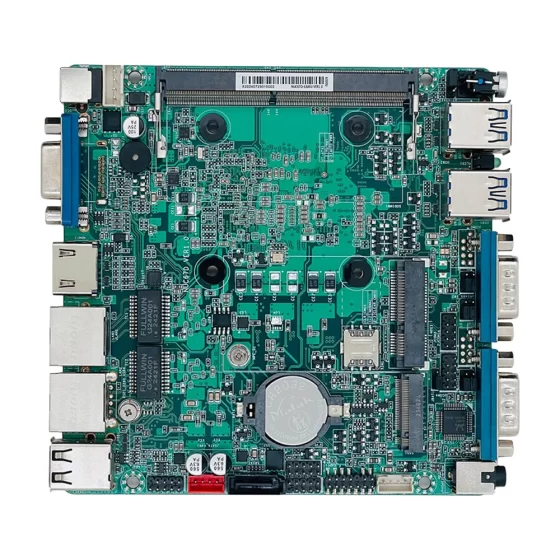
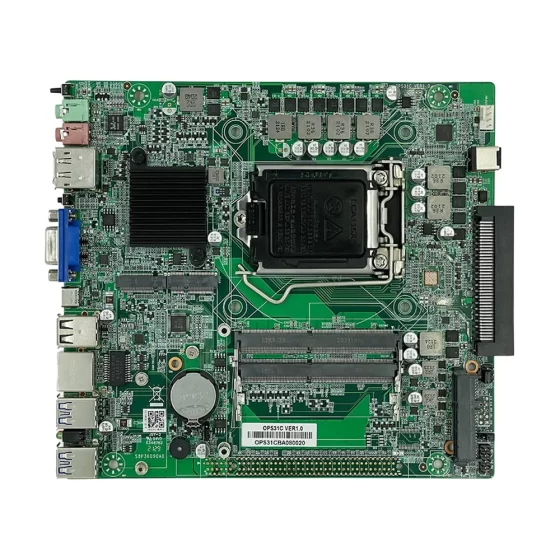
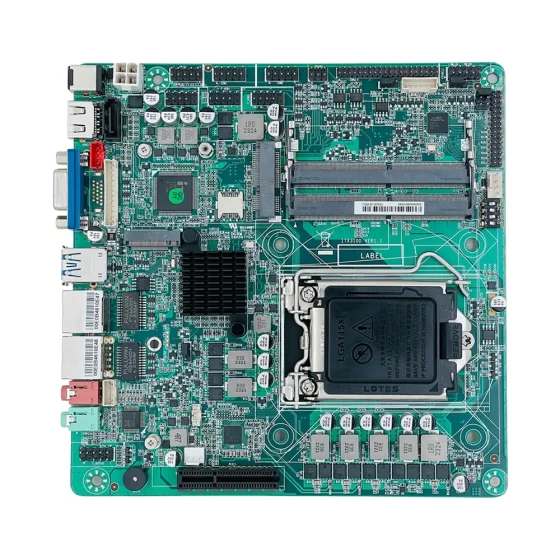
Industrielle Motherboards
Empfohlen für Maschinenbauer und Hersteller von Automatisierungsgeräten.
Anwendungen:
- SPS-Controller-Integration
- Maschinenautomatisierung
- Industrielle Gateways
- HMI-Systeme
Vorteile:
- Kompakte Formfaktoren
- Flexible Anpassung
- Langfristige Verfügbarkeit
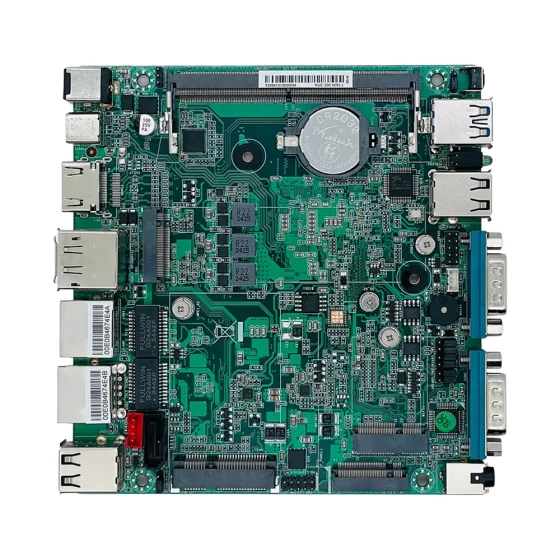
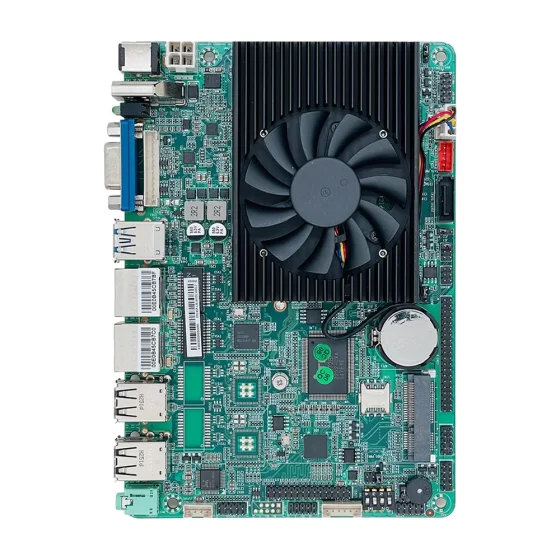
Eingebettete Boards
Ideal für eingebettete Automatisierungssysteme, die platzsparende Designs erfordern.
Anwendungen:
- Eingebettete Steuerungssysteme
- Motion-Control-Plattformen
- Robotik-Controller
- Intelligente Fertigungsausrüstung
Vorteile:
- Geringer Stromverbrauch
- Hohe Zuverlässigkeit
- Umfangreiche Industrieschnittstellen
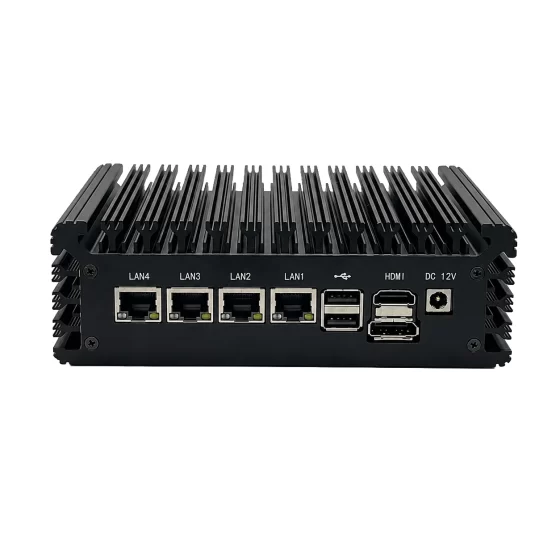
Lüfterlose Industriecomputer
Entwickelt für Fabrikumgebungen, die einen wartungsfreien Betrieb erfordern.
Anwendungen:
- SCADA-Stationen
- Industrielles Edge-Computing
- Soft-SPS-Systeme
- Produktionsüberwachung
Vorteile:
- Leiser Betrieb
- Staubdichtes Design
- Hohe Stabilität
Industrielle KI-Edge-Computer
Geeignet für fortgeschrittene Automatisierungsprojekte.
Anwendungen:
- Bildverarbeitungsinspektion
- Vorausschauende Wartung
- KI-Qualitätskontrolle
- Autonome Fertigungssysteme
Vorteile:
- GPU-Beschleunigung
- Echtzeitanalysen
- Edge-KI-Verarbeitung
Vorteile
Verbesserte Produktionseffizienz
Industrie-PCs machen es möglich:
- Schnellere Datenverarbeitung
- Verbesserte Maschinenkoordination
- Reduzierte Ausfallzeiten
- Optimierte Arbeitsabläufe
Dies führt zu einer höheren Gesamteffektivität der Ausrüstung (OEE).
Vereinfachte Systemintegration
Eine zentralisierte industrielle Computerplattform vereinfacht die Kommunikation untereinander:
- SPS
- Sensoren
- MES-Systeme
- ERP-Systeme
- Cloud-Dienste
Reduzierung der Engineering-Komplexität.
Größere Flexibilität
Hersteller können es problemlos bereitstellen:
- Neue Softwareanwendungen
- Zusätzliche Kommunikationsprotokolle
- Erweiterte Analysefunktionen
Ohne die bestehende SPS-Infrastruktur zu ersetzen.
Reduzierte Gesamtbetriebskosten
Durch die Konsolidierung mehrerer Funktionen auf einer einzigen Plattform, Organisationen können reduzieren:
- Hardwarekosten
- Wartungsanforderungen
- Energieverbrauch
- Systemkomplexität
Zukunftssichere Automatisierungsinfrastruktur
CoreIPC-Lösungen bieten eine skalierbare Grundlage für:
- Industrielles IoT
- Intelligente Fabriken
- Edge-Computing
- KI-Bereitstellung
Gewährleistung eines langfristigen Investitionsschutzes.
Warum CoreIPC
CoreIPC ist auf industrielle Computerplattformen spezialisiert, die für die Automatisierung konzipiert sind, Embedded Computing, und intelligente Fertigungsanwendungen.
Kunden entscheiden sich aus folgenden Gründen für CoreIPC::
Umfangreiche Industrieerfahrung
Jahrelange Expertise in:
- Industrie-Motherboards
- Eingebettetes Computing
- Automatisierungshardware
- Edge-Computing-Plattformen
Flexible OEM/ODM-Dienste
Unterstützung für:
- Maßgeschneiderte Schnittstellen
- Spezialisierte Formfaktoren
- Branchenspezifische Konfigurationen
- Privates Branding
Zuverlässige Produktqualität
Alle Produkte sind für entwickelt:
- Dauerbetrieb
- Industrielle Umgebungen
- Bereitstellung mit langem Lebenszyklus
Umfassender technischer Support
CoreIPC bietet:
- Beratung vor dem Verkauf
- Hardware-Anpassung
- Unterstützung bei der Softwareintegration
- Langfristige Projektunterstützung
Globale Lieferfähigkeit
Unterstützung von Automatisierungsprojekten weltweit mit stabiler Produktverfügbarkeit und reaktionsschnellem Service.
FAQ
Was ist ein Industrie-PC für SPS-Anwendungen??
Ein Industrie-PC für SPS-Anwendungen ist eine robuste Computerplattform, die neben herkömmlicher SPS-Hardware arbeitet oder diese ersetzt, um fortschrittliche Datenverarbeitung bereitzustellen, Visualisierung, Kommunikation, und Datenverarbeitungsfunktionen.
Kann ein Industrie-PC eine SPS ersetzen??
In einigen Anwendungen, Ja. Soft-SPS-Plattformen wie CODESYS und TwinCAT ermöglichen die Ausführung von SPS-Funktionen durch Industrie-PCs und bieten gleichzeitig zusätzliche Rechenleistung und Flexibilität.
Unterstützt CoreIPC CODESYS??
Ja. CoreIPC-Industriecomputer und eingebettete Plattformen können so konfiguriert werden, dass sie CODESYS-basierte Automatisierungslösungen unterstützen.
Unterstützt CoreIPC TwinCAT? 3?
Ja. CoreIPC-Hardware kann mit TwinCAT bereitgestellt werden 3 Umgebungen für industrielle Steuerungen und EtherCAT-basierte Automatisierungssysteme.
Welche Betriebssysteme werden unterstützt??
Abhängig von der Hardwareplattform, Unterstützung für CoreIPC-Lösungen:
- Windows 10 IoT
- Windows 11 IoT
- Linux
- Ubuntu
- Debian
- Echtzeit-Linux
Kann CoreIPC die EtherCAT-Kommunikation unterstützen??
Ja. CoreIPC-Industriecomputer können je nach Software- und Hardware-Implementierung EtherCAT-Master- und -Slave-Konfigurationen unterstützen.
Sind lüfterlose Industrie-PCs für Fabrikumgebungen geeignet??
Ja. Lüfterlose Industrie-PCs werden in Fabriken häufig eingesetzt, da sie eine höhere Zuverlässigkeit bieten, geringerer Wartungsaufwand, und Beständigkeit gegen Staubverschmutzung.
Kann CoreIPC maßgeschneiderte Industriecomputer anbieten??
Ja. CoreIPC bietet OEM- und ODM-Dienste einschließlich kundenspezifischem Motherboard-Design, Schnittstellenanpassung, Gehäuseänderungen, und projektspezifische Hardwareentwicklung.
Kontaktieren Sie uns
Auf der Suche nach einem zuverlässigen Industrie-PC für SPS Automatisierungsprojekte?
CoreIPC bietet Industrie-Motherboards, eingebettete Platinen, lüfterlose Industriecomputer, und maßgeschneiderte Automatisierungs-Computing-Lösungen für intelligente Fabriken und die Industrie 4.0 Anwendungen.
Ob Sie automatisierte Produktionsanlagen bauen, Einsatz von Soft-SPS-Systemen, Integration von MES-Plattformen, oder die Entwicklung intelligenter Fertigungslösungen, Unser Engineering-Team steht Ihnen gerne zur Verfügung.
Kontaktieren Sie CoreIPC noch heute, um Ihre Anforderungen an die Fabrikautomation zu besprechen und die ideale Industrie-Computing-Plattform für Ihr Projekt zu entdecken.