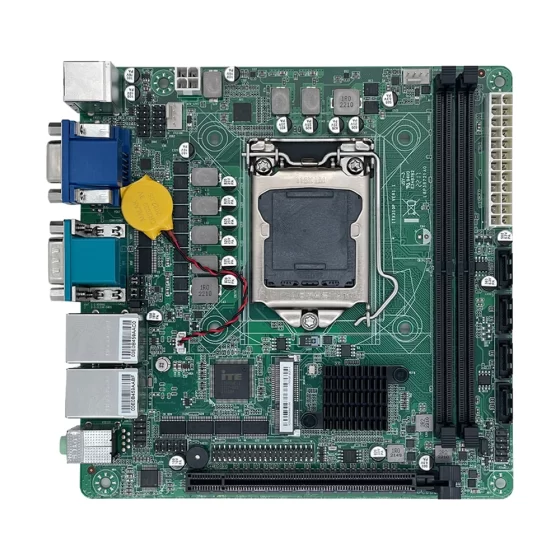
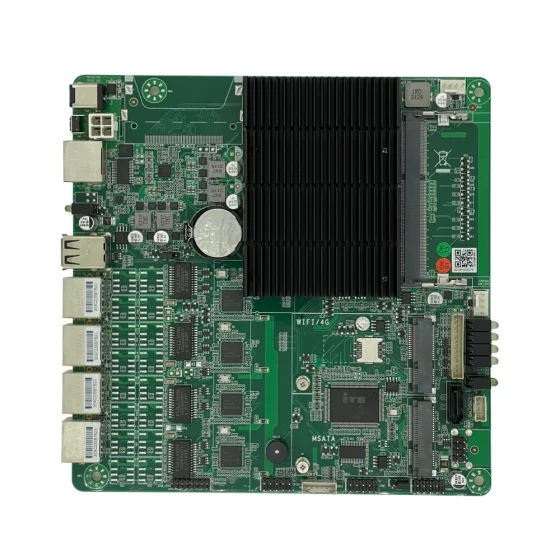
CoreIPC Industrial Computing-Lösungen

Edge-Computing-Plattform für die SCADA-Datenverarbeitung basierend auf der Scada-Edge-Computing-Architektur
Zusammenfassung
Die steigende Nachfrage nach industrieller Echtzeitüberwachung und -steuerung hat die Einführung verteilter Rechenmodelle in modernen SCADA-Systemen beschleunigt. Herkömmliche zentralisierte Architekturen haben oft Probleme mit der Latenz, Skalierbarkeit, und Zuverlässigkeitsanforderungen in komplexen Industrieumgebungen.
Scada-Edge-Computing ermöglicht einen dezentralen Verarbeitungsansatz, bei dem Daten näher an der Quelle analysiert werden Industriecomputer oder eingebetteter Computer auf der Randschicht eingesetzt. Dadurch wird die Kommunikationslatenz deutlich reduziert, verbessert die betriebliche Reaktionsfähigkeit, und verbessert die Systemstabilität in geschäftskritischen Industrieanwendungen.
By integrating edge computing into SCADA infrastructures, industrial organizations can achieve faster decision-making, reduced network dependency, and improved system availability. CoreIPC edge computing platforms are designed to support these requirements through industrial-grade reliability, deterministic performance, and scalable architecture suitable for modern automation systems.

Industrial edge computing platform enabling real-time SCADA data processing in a smart factory automation environment
Branchenüberblick
SCADA systems are widely deployed across manufacturing, Energie, Dienstprogramme, Transport, und Prozessindustrien. These systems traditionally rely on centralized control centers where data from PLCs, Sensoren, und Feldgeräten zur Verarbeitung und Visualisierung übermittelt.
Mit dem rasanten Wachstum des industriellen IoT (IIoT), Das Volumen und die Geschwindigkeit industrieller Daten haben deutlich zugenommen. Dies hat Einschränkungen in herkömmlichen SCADA-Architekturen aufgedeckt, insbesondere im Hinblick auf die Latenz, Bandbreitennutzung, und Skalierbarkeit.
Scada-Edge-Computing begegnet diesen Herausforderungen, indem die Berechnung näher an die Datenquelle verlagert wird. Anstatt alle Rohdaten an zentrale Server zu übertragen, Edge-Knoten führen eine lokale Verarbeitung durch, Filterung, und Analyse.
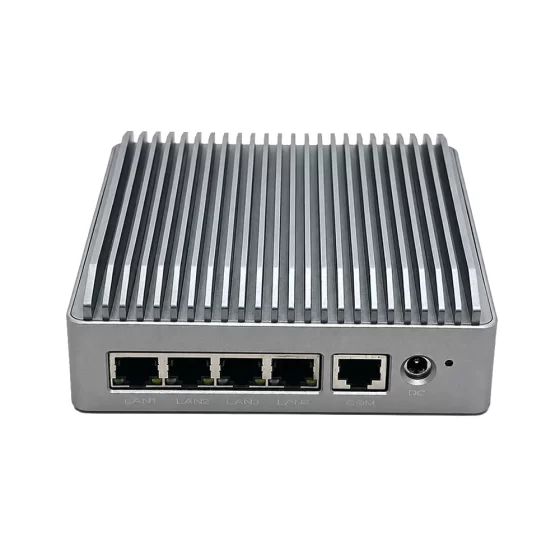
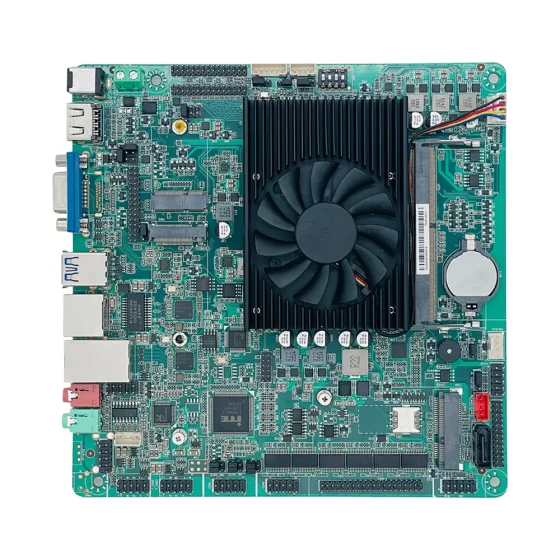
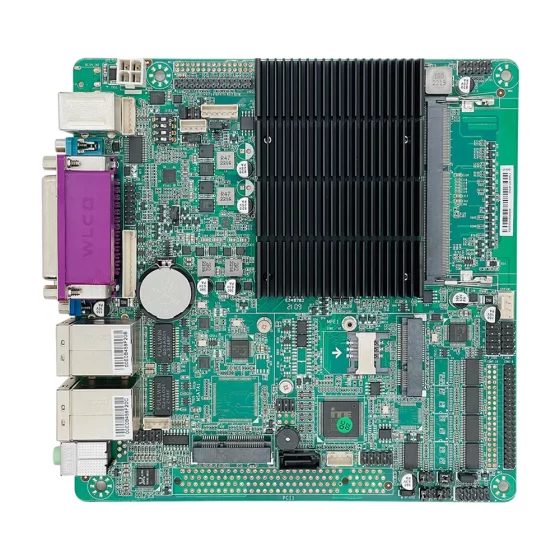
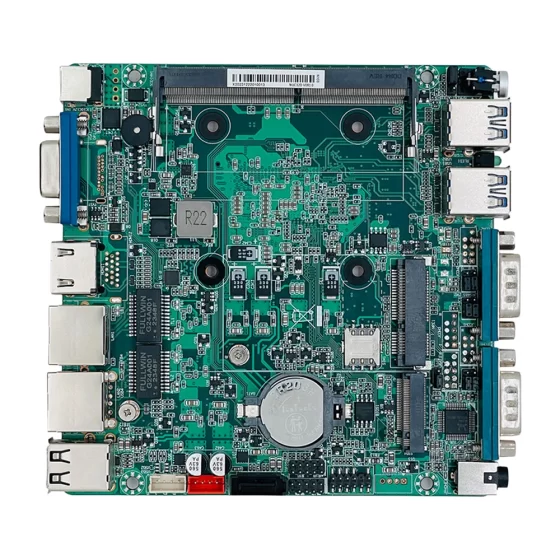
Industriecomputer und eingebettete Computer sind zu wesentlichen Komponenten für diesen Wandel geworden, fungieren als zuverlässige Edge-Knoten in verteilten SCADA-Umgebungen.
Wichtigste Herausforderungen
Industrielle SCADA-Umgebungen stehen vor mehreren kritischen Herausforderungen, die die Effizienz und Skalierbarkeit einschränken.
Latenz in zentralisierten Architekturen
Centralized SCADA systems introduce delays between data acquisition and control actions, impacting real-time responsiveness.
Network bandwidth limitations
High-frequency industrial data generated by sensors and devices can overload communication networks.
Scalability constraints
Expanding centralized systems often requires significant infrastructure upgrades and increased operational complexity.
Reliability risks
Centralized architectures introduce single points of failure that can disrupt entire industrial operations.
Cybersecurity exposure
Continuous data transmission between field sites and control centers increases potential attack surfaces.
Scada-Edge-Computing mitigates these issues by distributing processing across localized edge nodes.

Industrial edge computing system installed inside control cabinet for real-time SCADA data processing
Lösungsarchitektur
A typical Scada-Edge-Computing architecture consists of multiple interconnected layers:
Field device layer
Includes PLCs, Sensoren, Aktoren, and industrial instruments responsible for real-time data generation.
Edge computing layer
Industrial computers and embedded computers operate at the edge to perform local data processing, Protokollkonvertierung, Anomalieerkennung, und Entscheidungsfindung in Echtzeit.
SCADA supervisory layer
Central SCADA systems handle visualization, Überwachungs-Dashboards, Alarmmanagement, and historical data storage.
Cloud and enterprise layer
Used for advanced analytics, KI-Modelltraining, vorausschauende Wartung, and enterprise system integration.
The edge computing layer is the core enabler of distributed intelligence in modern SCADA systems.
Hauptmerkmale
Datenverarbeitung in Echtzeit
Edge nodes process SCADA data locally to minimize latency and improve system responsiveness.
Industrial protocol support
Supports common industrial communication protocols including Modbus, OPC UA, PROFINET, und MQTT.
Deterministic performance
Ensures stable and predictable execution of time-sensitive industrial workloads.
Rugged industrial design
Industrial-grade embedded systems ensure reliable operation in harsh environments such as vibration, Staub, and temperature variations.
Distributed intelligence
Edge nodes can independently process data and execute local decisions without relying on centralized servers.
Enhanced cybersecurity
Local processing reduces external network exposure and improves segmentation of critical systems.
Bereitstellungsszenarien
Smart manufacturing systems
Enables real-time production monitoring, equipment optimization, and automated process control.
Energy and utility systems
Applied in substations, grid monitoring, and renewable energy management systems.
Wasseraufbereitungsanlagen
Supports continuous monitoring of flow, Druck, and chemical processing systems.
Verkehrsinfrastruktur
Used in railway systems, Verkehrskontrolle, and infrastructure monitoring applications.
Öl- und Gasbetriebe
Enables remote monitoring of pipelines, drilling systems, and refinery operations.
In all scenarios, Scada-Edge-Computing improves operational efficiency and system responsiveness.
Geschäftsvorteile
The adoption of edge computing in SCADA environments delivers measurable operational advantages.
Latency is significantly reduced through local processing at edge nodes. System reliability is improved through distributed architecture that eliminates single points of failure. Network bandwidth consumption is reduced by filtering data at the edge. Cybersecurity is enhanced by limiting external communication paths. Scalability is improved through modular deployment of edge nodes. Predictive maintenance capabilities are strengthened through real-time analytics.
Overall, Scada-Edge-Computing enables industrial organizations to transition toward more intelligent and resilient automation systems.
Warum CoreIPC
CoreIPC provides industrial computing platforms specifically designed for edge SCADA environments. Its industrial computer and embedded computer solutions are engineered for long-term stability, Dauerbetrieb, and harsh industrial conditions.
CoreIPC platforms are optimized for Scada-Edge-Computing workloads requiring deterministic performance, Multiprotokoll-Kommunikation, and scalable deployment across distributed industrial infrastructures.
These systems are widely used in industrial environments where reliability, Echtzeitverarbeitung, and system integration are critical requirements.
Häufig gestellte Fragen
What is scada edge computing?
Scada edge computing is a distributed architecture where SCADA data is processed at the edge instead of centralized servers, improving responsiveness and reducing latency.
How does an industrial computer support SCADA systems?
An industrial computer acts as an edge processing node that handles data acquisition, Protokollkonvertierung, und Echtzeitanalysen.
What is the role of embedded computers in SCADA edge systems?
Embedded computers provide compact and efficient computing platforms for edge deployment in space-constrained industrial environments.
Why is edge computing important for SCADA systems?
Es reduziert die Latenz, verbessert die Zuverlässigkeit, and enables scalable distributed processing across industrial systems.
Which industries benefit most from scada edge computing?
Industries such as manufacturing, Energie, Transport, Wasseraufbereitung, and oil and gas benefit significantly.
Is SCADA edge computing suitable for harsh environments?
Ja, industrial-grade hardware is designed for vibration, Staub, and wide-temperature conditions.
What protocols are commonly used in SCADA systems?
Zu den gängigen Protokollen gehört Modbus, OPC UA, PROFINET, EtherNet/IP, und MQTT.
Can SCADA edge computing scale easily?
Ja, edge architectures are modular and can be expanded by adding additional nodes.
What hardware is typically used in SCADA edge deployments?
Industrial computers and embedded computers are commonly used due to their reliability and stability.
Abschluss
The adoption of Scada-Edge-Computing represents a fundamental shift in industrial automation architecture. By moving computation closer to the data source, industrial systems achieve lower latency, higher reliability, and improved scalability.
When combined with industrial-grade industrial computer and embedded computer platforms, SCADA systems evolve into distributed and intelligent infrastructures capable of supporting modern industrial requirements.
Kontaktieren Sie uns
For more information about CoreIPC edge computing solutions for SCADA applications, please contact our engineering team for integration and deployment support.