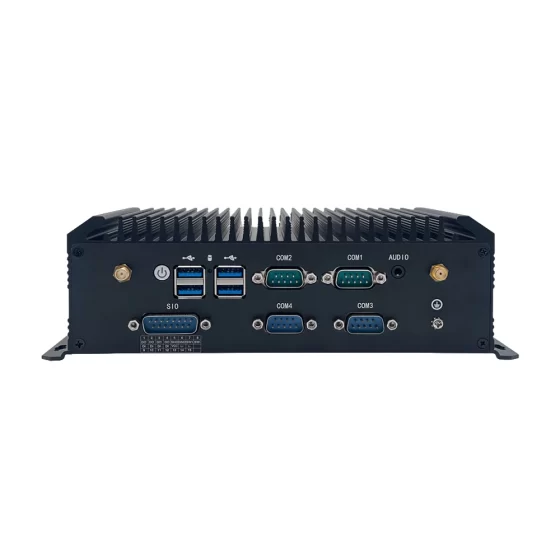
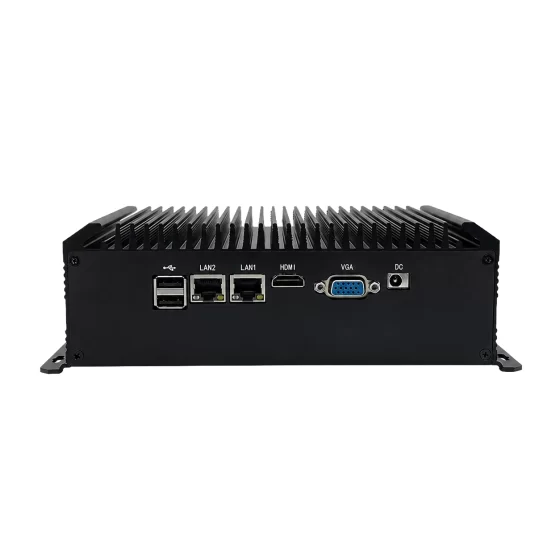
CoreIPC Industrial Computing-Lösungen

Plattform für Lagerrobotik: Lagerrobotikcomputer für automatisierte Logistikabläufe
Zusammenfassung
Ein Lagerroboter-Computer bildet die industrielle Computergrundlage für die FTS- und AMR-Koordination, Kommunikation der Roboterflotte, lokale Navigationsunterstützung, Sensordatenverarbeitung, Integration der Lagerautomatisierung, und Logistiktransparenz in Echtzeit.
Moderne Lagerhäuser setzen zunehmend auf Robotersysteme, um die Kommissionierung zu verbessern, Sortierung, Transport, Nachschub, Lagerverwaltung, Palettenbewegung, und Auftragsabwicklung. AGVs, AMRs, Roboterarme, Förderer, Barcode-Systeme, RFID-Lesegeräte, Industriekameras, Sensoren, WMS-Plattformen, WCS-Systeme, und Cloud-Dashboards benötigen alle zuverlässige Datenverarbeitung und Kommunikation.
Ein Lagerrobotikcomputer, der auf einem Industriecomputer oder einem eingebetteten Computer basiert, kann Roboter mit der Lagerinfrastruktur verbinden, lokale Daten verarbeiten, unterstützen die Flottenkoordination, Gerätestatus erfassen, Segmentnetzwerke, Pufferdatensätze, und mit übergeordneter Lagersoftware kommunizieren.
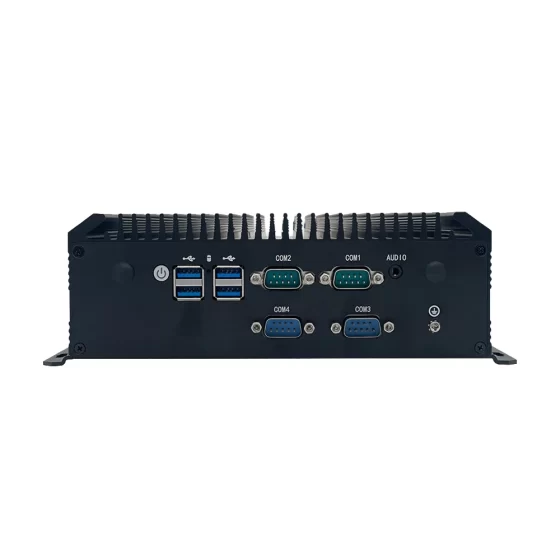
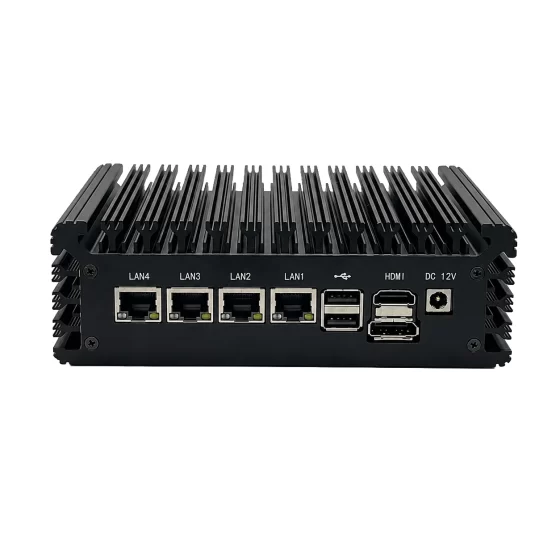
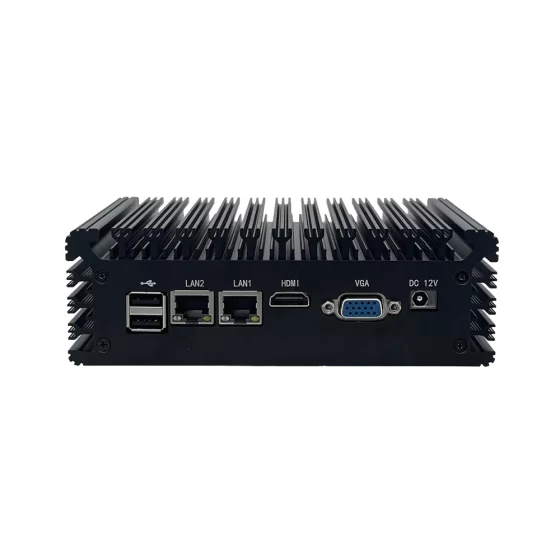
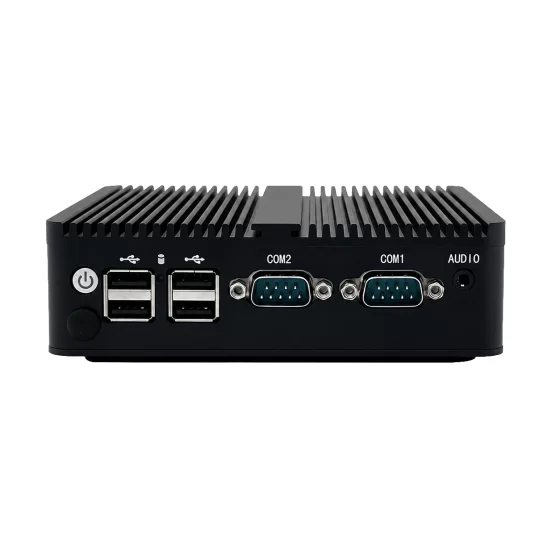
Im Vergleich zu Standard-Büro-PCs oder Consumer-Gateways, Industriecomputer eignen sich besser für Lagerrobotikumgebungen. Sie unterstützen eine robuste Installation, mehrere LAN-Ports, serielle Kommunikation, USB, GPIO, lokaler Speicher, lüfterlose Designoptionen, stabile strom eingang, und lange Verfügbarkeit über den gesamten Lebenszyklus.
In diesem Artikel wird erläutert, wie Lagerrobotikplattformen funktionieren, welche Herausforderungen bei der Bereitstellung in automatisierten Logistikumgebungen auftreten, wie die Lösungsarchitektur aufgebaut ist, und welche Hardwaremerkmale bei der Auswahl eines Industriecomputers oder Embedded-Computers für Lagerrobotikanwendungen wichtig sind.
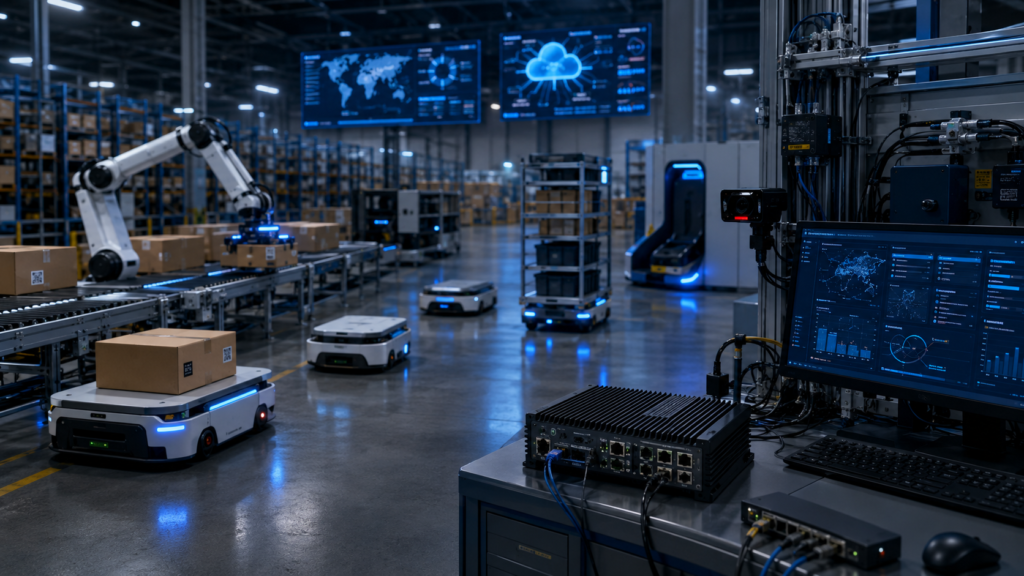
Lagerroboter-Computer sammeln Roboter, Förderer, Scanner, RFID, und Ausstattungsdaten für smarte Logistikplattformen.
Branchenüberblick
Lagerhäuser bewegen sich in Richtung Roboterautomatisierung
Der Lagerbetrieb wird schneller, dichter, und datengesteuerter.
Die traditionelle manuelle Handhabung wird zunehmend durch Roboter unterstützt, Förderer, Scanner, und intelligente Lagersoftware. Diese Systeme tragen zur Effizienzsteigerung bei, Gehstrecke verkürzen, unterstützen flexible Kommissionierung, und die Geschwindigkeit der Auftragsabwicklung erhöhen.
Zu den gängigen Lagerrobotersystemen gehören::
- AGVs
- AMRs
- Roboter-Kommissioniersysteme
- Roboter-Palettiersysteme
- Förderroboter
- Sortierroboter
- Mobile Inspektionsroboter
- Gabelstapler-Assistenzsysteme
- Automatisierte Lagersysteme
- Ladestationen für Roboter
- Flottenmanagementplattformen
Diese Systeme benötigen zuverlässiges Edge Computing und Echtzeit-Datenaustausch.
Lagerroboter benötigen eine lokale Computerinfrastruktur
Roboter agieren nicht isoliert.
Sie müssen mit Lagerleitsystemen kommunizieren, Aufgabenverwaltungsplattformen, Ladestationen, Barcode-Scanner, Sensoren, Kameras, Verkehrskontrollzonen, Zugangstore, und Sicherheitssysteme.
Ein Lagerroboter-Computer kann als lokale Edge-Plattform fungieren, die diese Systeme verbindet.
Es kann unterstützen:
- Überwachung des Roboterstatus
- Aggregation von Flottendaten
- Aufgabenkommunikation
- Sensorintegration
- Lokale Ereignisverarbeitung
- Netzwerksegmentierung
- Ferndiagnose
- Datenpufferung
- Integration von Lagersoftware
- Sicherheitsprotokollierung
Dies macht die Computerplattform zu einem wichtigen Bestandteil der Robotik-Infrastruktur.
Industriecomputer unterstützen den realen Lagereinsatz
Lagerumgebungen sind nicht immer sauber oder stabil.
Computer können in der Nähe von Förderbändern installiert werden, Ladebereiche für Roboter, Laderampen, Sortierlinien, Geräteschränke, oder Lagerregale.
Diese Bereiche können Staub enthalten, Vibration, Temperaturschwankungen, instabile Macht, Kabelspannung, begrenzter Luftstrom, und Dauerbetrieb.
Industriecomputer und eingebettete Computer bieten die robuste Hardware-Grundlage, die für diese Bedingungen erforderlich ist.
Sie helfen Anbietern von Lagerautomatisierung beim Aufbau zuverlässiger Lösungen, wartbar, und skalierbare robotervernetzte Systeme.

Mehrere Roboter, Förderer, Scanner, RFID-Tore, Ladestationen, Kamera-Streams, und LAN-Zonen wirken sich auf den Einsatz von Lagerrobotik aus.
Wichtigste Herausforderungen
Koordinierung mehrerer Roboter und Geräte
In einem intelligenten Lager können viele Roboter gleichzeitig arbeiten.
Jeder Roboter kann seine Position melden, Aufgabenstatus, Batteriestand, Fehlermeldungen, Sensordaten, und Kommunikationsstatus.
Die Lagerroboterplattform muss möglicherweise auch Förderbänder anschließen, Tore, Barcode-Lesegeräte, Kameras, Ladegeräte, und WMS- oder WCS-Systeme.
Dadurch entsteht eine komplexe Datenumgebung.
Die Computerplattform muss eine stabile Kommunikation zwischen Robotern unterstützen, Infrastruktur, und Lagersoftware.
Unterstützung der operativen Reaktion in Echtzeit
Lagerrobotik erfordert oft eine schnelle Reaktion vor Ort.
Eine Verzögerung bei der Aufgabenzuweisung, Zonensteuerung, Umgang mit Hindernisereignissen, oder die Koordination der Förderanlagen kann die Effizienz verringern oder ein Betriebsrisiko schaffen.
Zeitkritische Daten können Folgendes umfassen::
- Standort des Roboters
- Aufgabenstatus
- Batteriestatus
- Ladeverfügbarkeit
- Fördererstatus
- Veranstaltungen in der Sicherheitszone
- Dockaktivität
- Barcode-Scan-Datensätze
- Verkehrsstau
- Fehleralarme
Edge Computing ermöglicht die Ausführung wichtiger Logik in der Nähe der Lagerausrüstung.
Dies reduziert die Abhängigkeit von Remote-Systemen und verbessert die Reaktionsfähigkeit.
Integration mit WMS- und WCS-Plattformen
Lagerroboter müssen mit Lagersoftware arbeiten.
Ein WMS kann den Lagerbestand verwalten, Bestellungen, Aufgaben auswählen, Empfang, und Versandaufzeichnungen. Ein WCS kann Förderer koordinieren, Irgendwie, Roboter, Scanner, und Automatisierungsgeräte.
Der Lagerroboter-Computer muss möglicherweise strukturierte Daten mit beiden Systemen austauschen.
Dies kann Folgendes umfassen::
- Anforderungen an Roboteraufgaben
- Ergebnisse auswählen und platzieren
- Aufzeichnungen über Bestandsbewegungen
- Fördererstatus
- Ereignisse sortieren
- Barcode-Scandaten
- Fehlerprotokolle des Roboters
- Daten der Ladestation
- Aufzeichnungen über die Betriebsleistung
Eine zuverlässige Softwareintegration setzt eine stabile Hardware voraus, lokaler Speicher, Netzwerkkonnektivität, und Protokollunterstützung.
Umgang mit gemischten Schnittstellen und Systemen
In Lagerrobotikumgebungen sind häufig Geräte mehrerer Anbieter enthalten.
Verschiedene Systeme können Ethernet verwenden, USB, serielle Kommunikation, GPIO, digitale I/O, oder Funkmodule.
Möglicherweise muss die Plattform eine Verbindung herstellen:
- Controller für Roboterflotten
- AGV-Ladestationen
- AMR-Gateways
- Barcode-Lesegeräte
- RFID-Lesegeräte
- Förder-SPS
- Industriekameras
- Sicherheitssensoren
- Zugangskontrollgeräte
- Lokale Dashboards
Flexible industrielle I/O tragen dazu bei, den Bedarf an externen Konvertern zu reduzieren und die Bereitstellung zu vereinfachen.
Aufrechterhaltung der Netzwerksegmentierung
Lagerrobotiknetzwerke sollten nicht immer ein flaches Netzwerk teilen.
Roboter, Scanner, Kameras, WMS-Server, Büro-IT-Geräte, Fernwartungssysteme, und Verwaltungstools erfordern möglicherweise separate Netzwerkzonen.
Ein Lagerroboter-Computer mit mehreren LAN-Anschlüssen kann bei der Trennung helfen:
- Roboternetzwerk
- Scannernetzwerk
- Kameranetzwerk
- WMS- oder WCS-Netzwerk
- Netzwerk für Lagerausrüstung
- Fernwartungsnetzwerk
- Managementnetzwerk
- Cloud-Uplink
Segmentierung verbessert die Sicherheit, Verkehrsorganisation, und Systemstabilität.
Sicherstellung eines kontinuierlichen Betriebs
Lagerrobotiksysteme laufen oft stundenlang.
Wenn die Computerplattform ausfällt, Roboter erhalten möglicherweise keine Aufgaben mehr, Förderbänder können die Koordination verlieren, Dashboards können an Sichtbarkeit verlieren, und Wartungsteams können Diagnosedaten verlieren.
Zuverlässiger Einsatz erfordert:
- Robustes Gehäuse
- Lüfterlose Designoptionen
- Stabile Leistungsaufnahme
- Zuverlässige Lagerung
- Sichere Montage
- Thermische Stabilität
- Lokaler Wiederherstellungszugriff
- Konfigurationssicherung
- Fernüberwachung
- Langer Lebenszyklus-Support
Industrietaugliche Hardware trägt dazu bei, das Risiko von Ausfallzeiten zu reduzieren.

Lagerrobotikcomputer verbinden Roboterflotten, Förderer, WMS, WCS, Flottenplattformen, Cloud-Systeme, und lokale Datenbanken.
Architektur der Computerlösung für Lagerrobotik
Roboter- und Geräteschicht
Die Roboter- und Geräteschicht umfasst alle physischen Systeme, die an der Lagerautomatisierung beteiligt sind.
Diese Schicht kann umfassen:
- AGVs
- AMRs
- Roboterarme
- Förderer
- Sortierlinien
- Barcode-Lesegeräte
- RFID-Lesegeräte
- Industriekameras
- Ladestationen
- Sicherheitssensoren
- Zugangstore
- SPS-Steuerungen
- Lokale HMIs
Diese Systeme generieren Echtzeit-Betriebsdaten und erfordern eine stabile Kommunikation.
Edge-Computing-Schicht
Auf der Edge-Computing-Schicht arbeitet der Industriecomputer oder eingebettete Computer.
Auf dieser Ebene, Die Plattform kann:
- Erfassen Sie den Roboterstatus
- Scannerdaten empfangen
- Ladestationen überwachen
- Verarbeiten Sie lokale Ereignisse
- Protokolle speichern
- Pufferdatensätze
- Unterstützen Sie die Ferndiagnose
- Segmentnetzwerke
- Leiten Sie strukturierte Daten weiter
- Verbinden Sie Automatisierungsgeräte mit Lagersoftware
Diese Schicht bietet lokales Computing in der Nähe des Lagerbetriebs.
Roboterkoordinationsschicht
Die Roboterkoordinationsschicht unterstützt die Kommunikation zwischen Robotern und Steuerungssystemen.
Die Plattform darf austauschen:
- Aufgabenzuweisungen
- Standortdaten des Roboters
- Batteriestatus
- Routenereignisse
- Fehleralarme
- Ladeanfragen
- Zonenzugriffsstatus
- Übergabesignale des Förderers
- Abhol- und Lieferbestätigungen
Ziel ist es, Robotern dabei zu helfen, reibungslos mit der Lagerinfrastruktur zu arbeiten.
Lagersoftware-Integrationsschicht
Der Lagerroboter-Computer kann mit übergeordneten Plattformen verbunden werden, einschließlich:
- WMS
- WCS
- ERP
- Flottenmanagementsysteme
- Cloud-Dashboards
- Lokale Datenbanken
- Wartungssysteme
- Sicherheitsüberwachungssysteme
- Industrielle IoT-Plattformen
Diese Integration ermöglicht es Lagerleitern, die Roboteraktivität zu verfolgen, Lagerbewegung, Gerätestatus, und betriebliche Leistung.
Sicherheits- und Verwaltungsschicht
Die Sicherheits- und Verwaltungsebene trägt dazu bei, dass die Robotikplattform kontrolliert und wartbar bleibt.
Es kann Folgendes umfassen::
- Netzwerksegmentierung
- Sicherer Fernzugriff
- Firewall-Richtlinien
- Benutzerberechtigungen
- Lokale Protokollierung
- Konfigurationssicherung
- Überwachung des Gerätezustands
- Speicherüberwachung
- Ferndiagnose
- Update-Management
Diese Schicht unterstützt eine langfristige Systemzuverlässigkeit und eine sicherere Fernwartung.
Hauptmerkmale
Multi-Roboter-Konnektivität
Eine Lagerrobotikplattform muss die Kommunikation mit mehreren Robotern und Infrastruktursystemen unterstützen.
Wichtige Konnektivitätsanforderungen können sein::
- Roboterflottennetzwerk
- Anschluss Ladestation
- Anschluss der Förderbandsteuerung
- Scanner- und RFID-Integration
- Kameradatenverbindung
- WMS- oder WCS-Kommunikation
- Fernwartungszugriff
- Cloud-Dashboard-Verbindung
Das System sollte entsprechend der Anzahl der Roboter dimensioniert werden, Geräte, und Datenflüsse.
Multi-LAN-Netzwerkdesign
Mehrere LAN-Ports sind für den Einsatz von Lagerrobotik wertvoll.
Sie ermöglichen, dass verschiedene Netzwerke getrennt und kontrolliert bleiben.
Nützliche Konfigurationen können sein::
- LAN-Roboter
- WMS oder WCS LAN
- Kamera-LAN
- Scanner-LAN
- Geräte-LAN
- Management-LAN
- Remote-Service-LAN
- WAN- oder Cloud-Uplink
Dies verbessert die Netzwerkorganisation und trägt dazu bei, zu verhindern, dass hoher Datenverkehr die kritische Roboterkommunikation beeinträchtigt.
Kantenverarbeitungsleistung
Die Plattform muss möglicherweise sammeln, Verfahren, speichern, und Daten kontinuierlich weiterleiten.
Die Auswahl der Hardware sollte berücksichtigt werden:
- CPU-Leistung
- Speicherkapazität
- Anzahl der Roboter
- Anzahl der Datenpunkte
- Scanner-Ereignisrate
- Arbeitsbelastung der Kamera
- Arbeitslast der lokalen Datenbank
- Netzwerkdurchsatz
- Speichergeschwindigkeit
- Betriebssystemunterstützung
Für größere Lager, Die Plattform sollte mit echter Roboterverkehrs- und Lagersoftware getestet werden.
Zuverlässiger lokaler Speicher
Der lokale Speicher unterstützt Systemdateien, Protokolle, Roboterstatusaufzeichnungen, Aufgabenereignisse, Diagnosedaten, Puffer hochladen, und lokale Datenbanken.
SSD- oder NVMe-Speicher werden häufig bevorzugt, da sie einen schnellen Zugriff und eine bessere Stoßfestigkeit als mechanische Laufwerke bieten.
Die Lagerungsplanung sollte berücksichtigt werden:
- Protokollaufbewahrung
- Protokolle zu Roboterereignissen
- Aufgabenverlauf
- Fehlerdaten
- Lokale Datenpufferung
- Konfigurationssicherung
- Schreiben Sie Ausdauer
- Wiederherstellungsworkflow
Eine zuverlässige Lagerung verbessert die Rückverfolgbarkeit und Wartungseffizienz.
Flexible industrielle I/O
Lagerrobotiksysteme erfordern möglicherweise unterschiedliche E/A-Konfigurationen.
Nützliche Optionen können sein::
- LAN
- USB
- RS232
- RS485
- GPIO
- Digitaler Eingang
- Digitaler Ausgang
- HDMI
- DisplayPort
- M.2
- PCIe
- SATA oder NVMe
Serielle Anschlüsse können ältere Geräte unterstützen. Über USB können Servicetools oder Scanner angeschlossen werden. GPIO und digitale I/O können Alarme unterstützen, Auslöser, und Gerätestatussignale. M.2 und PCIe können die Erweiterung unterstützen.
Robustes und lüfterloses Design
Lagerroboterplattformen können in staubiger Umgebung installiert werden, vibrationsanfällig, oder geschlossenen Bereichen.
Lüfterlose Industriecomputer reduzieren die Staubaufnahme und beseitigen eine häufige mechanische Fehlerquelle.
Robuste Gehäuse schützen vor Vibrationen, Kabelspannung, Auswirkungen auf die Installation, und Dauerbetrieb.
Auch wenn das System eine kontinuierliche Kommunikation übernimmt, sollte das thermische Design sorgfältig überprüft werden, lokaler Speicher schreibt, und Kantenbearbeitung.
Sicherer Fernzugriff
Anbieter von Lagerautomatisierung benötigen häufig eine Ferndiagnose.
Ein Lagerrobotercomputer kann den kontrollierten Fernzugriff für Ingenieure unterstützen, Integratoren, und Wartungsteams.
Der Fernzugriff sollte umfassen:
- Benutzerauthentifizierung
- VPN- oder sichere Tunnelunterstützung
- Zugriffsberechtigungen
- Sitzungsprotokollierung
- Wartungsfenster
- Netzwerksegmentierung
- Konfigurationssicherung
- Verfahren für den Notfallzugang
Dies unterstützt eine schnellere Fehlerbehebung und begrenzt gleichzeitig unnötige Belastungen.
Lange Verfügbarkeit über den gesamten Lebenszyklus
Lagerrobotiksysteme können an vielen Standorten eingesetzt werden und über Jahre hinweg in Betrieb bleiben.
Konsistente Hardware hilft bei der Pflege von Software-Images, Roboterkommunikationstreiber, Flottensystemintegration, Ersatzteile, und Validierungsverfahren.
Für Anbieter von Lagerautomatisierung ist eine lange Verfügbarkeit über den gesamten Lebenszyklus wichtig, Systemintegratoren, und Logistikunternehmen.
Bereitstellungsszenarien
FTS-Flottenintegration
AGV-Flotten benötigen Kommunikation mit Aufgabensystemen, Verkehrsregeln, Ladestationen, und Lagersoftware.
Ein Lagerroboter-Computer kann den FTS-Status erfassen, Aufgabendatensätze puffern, Infrastrukturgeräte verbinden, und Informationen an Flottenmanagement- oder WMS-Systeme weiterleiten.
Dies verbessert die Sichtbarkeit des AGV und die Betriebskoordination.
AMR-Betriebsunterstützung
AMRs können flexibler arbeiten als AGVs mit fester Route.
Sie können Karten melden, Positionen, Aufgaben, Batteriestand, und Hindernisveranstaltungen.
Ein eingebetteter Computer kann den lokalen Datenaustausch zwischen AMRs unterstützen, Sensoren, Lagerplattformen, und Überwachungs-Dashboards.
Dies unterstützt einen sichereren und zuverlässigeren AMR-Einsatz.
Roboter-Kommissionierarbeitsplätze
Roboter-Kommissioniersysteme können Kameras verwenden, Greifer, Förderer, Barcode-Lesegeräte, und lokale Kontrollsysteme.
Ein Industriecomputer kann Gerätedaten verarbeiten, Prüfgeräte anschließen, Aufzeichnungen speichern, und mit WMS- oder WCS-Plattformen kommunizieren.
Dies verbessert die Automatisierung der Kommissionierung und die Rückverfolgbarkeit.
Übergabe von Förderbändern und Robotern
Roboter interagieren häufig mit Förderbändern, Irgendwie, Ladestellen, und Lagerflächen.
Der Lagerroboter-Computer kann den Datenaustausch zwischen Robotern und festen Automatisierungssystemen unterstützen.
Dies hilft bei der Koordinierung von Übergabepunkten und reduziert Zeitkonflikte.
Überwachung von Roboterladestationen
Roboterladebereiche sind für den kontinuierlichen Betrieb von entscheidender Bedeutung.
Die Plattform kann den Status der Ladestation überwachen, Roboterbatterie-Ereignisse, Ladegerät-Alarme, und Nutzungsaufzeichnungen.
Dies hilft Betreibern, die Bereitschaft und den Wartungsbedarf der Flotte zu verstehen.
Lagersicherheit und Zonenüberwachung
Roboterlager erfordern möglicherweise kontrollierte Zonen für Menschen, Roboter, Gabelstapler, und Ausrüstung.
Eine Computerplattform kann Signale von Sensoren sammeln, Zugangskontrollen, Sicherheitsvorrichtungen, und Robotersysteme.
Dies trägt dazu bei, die Transparenz des Zonenstatus und der Betriebsereignisse zu verbessern.
Roboterbetrieb an mehreren Standorten
Große Logistikunternehmen setzen möglicherweise Roboter in vielen Lagerhäusern ein.
Eine standardisierte Lagerrobotikplattform kann lokale Standortdaten sammeln und ausgewählte Informationen an zentrale Dashboards senden.
Dies unterstützt eine durchgängige Überwachung, Wartung, und Leistungsanalyse.
OEM-Warehouse-Robotik-Gerät
Anbieter von Lagerautomatisierung können mithilfe von Industriecomputern oder eingebetteten Platinen maßgeschneiderte Robotergeräte bauen.
Die Plattform kann Roboterkonnektivität unterstützen, Geräteintegration, lokaler Speicher, Fernzugriff, und robusten Einsatz.
Dies trägt dazu bei, wiederholbare Lösungen für verschiedene Kundenumgebungen zu schaffen.
Geschäftsvorteile
Bessere Sichtbarkeit des Roboters
Ein Lagerroboter-Computer hilft bei der Erfassung des Roboterstatus, Aufgabenfortschritt, Batteriestand, Störungsaufzeichnungen, und betriebliche Ereignisse.
Dadurch erhalten Bediener einen besseren Einblick in die Aktivitäten des Roboterlagers.
Eine verbesserte Sichtbarkeit unterstützt schnellere Entscheidungen und eine bessere Ressourcenplanung.
Verbesserte Automatisierungskoordination
Roboter müssen mit Förderbändern arbeiten, Scanner, WMS, WCS, Ladestationen, und Lagerinfrastruktur.
Eine lokale Computerplattform hilft dabei, diese Systeme zu verbinden und den Datenaustausch zu koordinieren.
Dies verbessert den Automatisierungsfluss und verringert Integrationslücken.
Schnellere lokale Reaktion
Edge Computing ermöglicht die Verarbeitung wichtiger Ereignisse in der Nähe des Lagerbodens.
Roboterwarnungen, Scannerereignisse, Ladeprobleme, und Gerätestatusänderungen können lokal gehandhabt werden.
Dies reduziert die Reaktionsverzögerung und verbessert die Betriebsstabilität.
Reduziertes Ausfallrisiko
Industriecomputer bieten robuste Hardware für langlebige Lagerrobotersysteme.
Lüfterlose Designoptionen, zuverlässige Lagerung, stabile strom eingang, und sichere Montage tragen dazu bei, das Wartungsrisiko zu reduzieren.
Dies unterstützt den kontinuierlichen Logistikbetrieb.
Stärkere Netzwerkorganisation
Multi-LAN-Lagerrobotikplattformen helfen bei der Trennung von Roboternetzwerken, Scanner-Netzwerke, Kameranetzwerke, WMS- oder WCS-Systeme, und Fernwartungszugriff.
Dies erhöht die Sicherheit und reduziert unnötige Verkehrsstörungen.
Ein strukturiertes Netzwerk unterstützt skalierbare Automatisierung.
Skalierbare Robotik-Bereitstellung
Eine standardisierte Computerplattform für Lagerrobotik erleichtert den Einsatz ähnlicher Systeme in vielen Zonen, Lagerhäuser, und Kundenstandorte.
Konsistente Hardware vereinfacht Software-Images, Konfigurationsvorlagen, Ersatzteilplanung, Wartungsschulung, und Lebenszyklusmanagement.
Dies unterstützt den langfristigen Ausbau der Lagerrobotik.
Warum CoreIPC
CoreIPC bietet industrielle Computerplattformen für die Robotik, Industrielles IoT, maschinelles Sehen, Kanten-KI, Industrielle Automatisierung, und eingebettete Systemintegration. Für Computeranwendungen in der Lagerrobotik, CoreIPC konzentriert sich auf zuverlässige industrielle Computerhardware, Embedded-Computer-Lösungen, Multi-LAN-Konfigurationen, serielle Kommunikation, flexible I/O, kompaktes Systemdesign, lüfterlose Bereitstellungsoptionen, lokale Speicherfähigkeit, und OEM/ODM-Anpassungsunterstützung. CoreIPC unterstützt Anbieter von Lagerautomatisierung, Robotersystemintegratoren, und Logistikbetreiber wählen Computerplattformen aus, die den tatsächlichen Einsatzanforderungen entsprechen, einschließlich Roboteranzahl, Geräteschnittstellen, Datenarbeitslast, Anzahl der LAN-Ports, Speicherbedarf, Montagemethoden, Leistungsaufnahme, thermische Bedingungen, und Lebenszyklusplanung.
Häufig gestellte Fragen
1. Was ist ein Lagerrobotikcomputer??
Ein Lagerroboter-Computer ist eine industrielle Computerplattform, die zur Verbindung verwendet wird, Monitor, und unterstützen Roboterlagersysteme.
Es kann mit AGVs kommunizieren, AMRs, Förderer, Scanner, Ladestationen, Sensoren, WMS-Plattformen, WCS-Systeme, und lokale Dashboards. Es hilft beim Sammeln von Daten, Prozessereignisse, Protokolle speichern, und unterstützen die Automatisierungskoordination.
2. Warum einen Industriecomputer für die Lagerrobotik verwenden??
Ein Industriecomputer bietet robuste Hardware und flexible Konnektivität für den Lagereinsatz.
Es kann mehrere LAN-Ports unterstützen, serielle Kommunikation, USB, GPIO, lokaler Speicher, lüfterloser Betrieb, Industriemontage, stabile strom eingang, und lange Verfügbarkeit über den gesamten Lebenszyklus. Diese Eigenschaften machen es für Roboterzonen geeignet, Förderbereiche, Schränke, und Lagerkantensysteme.
3. Wie wird ein eingebetteter Computer in der Lagerrobotik eingesetzt??
Ein eingebetteter Computer kann als kompakte lokale Edge-Plattform in der Nähe von Robotern oder Automatisierungsgeräten fungieren.
Es kann Roboterdaten sammeln, lokale Ereignisse verarbeiten, Verbinden Sie Scanner und Sensoren, Aufzeichnungen speichern, Kommunikation mit WMS- oder WCS-Systemen, und unterstützen die Ferndiagnose.
4. Welche Roboter können von einer Lagerrobotikplattform unterstützt werden??
Eine Lagerrobotikplattform kann AGVs unterstützen, AMRs, Roboter-Kommissioniersysteme, Roboterarme, Förderroboter, Sortierroboter, mobile Inspektionsroboter, und automatisierte Transportsysteme.
Die genaue Unterstützung hängt von den Kommunikationsschnittstellen des Roboters ab, Software-Integration, Netzwerkdesign, und Bewerbungsvoraussetzungen.
5. Warum sind mehrere LAN-Ports für die Lagerrobotik wichtig??
Mehrere LAN-Ports helfen bei der Trennung von Roboternetzwerken, Lagerausrüstung, Scanner, Kameras, WMS- oder WCS-Systeme, Verwaltungsverkehr, und Fernwartungszugriff.
Dies verbessert die Netzwerkklarheit und verringert die Wahrscheinlichkeit, dass hoher Datenverkehr oder unkritischer Datenverkehr die Roboterkommunikation beeinträchtigt.
6. Können Lagerroboter-Computer AGV- und AMR-Systeme unterstützen??
Ja. Lagerrobotikcomputer können AGV- und AMR-Systeme durch die Erfassung von Statusdaten unterstützen, Anbindung von Flottensystemen, Überwachung von Ladestationen, Austausch von Aufgabendatensätzen, und Weiterleitung von Betriebsdaten an Lagerplattformen.
Sie können auch lokale Pufferung und Fernwartung unterstützen.
7. Welche Hardwarefunktionen sind für Lagerrobotikcomputer wichtig??
Zu den wichtigen Features gehören mehrere LAN-Ports, RS232, RS485, USB, GPIO, digitale I/O, zuverlässiges Gedächtnis, SSD- oder NVMe-Speicher, robustes Gehäuse, lüfterloses Design, industrieller Stromeingang, Ausgabe anzeigen, M.2, PCIe, und Erweiterungsmöglichkeiten.
Die endgültige Konfiguration sollte mit der Anzahl der Roboter übereinstimmen, Geräteschnittstellen, Datenarbeitslast, und Installationsumgebung.
8. Können Lagerroboter-Computer mit WMS- und WCS-Plattformen verbunden werden??
Ja. Ein Lagerroboter-Computer kann strukturierte Daten mit WMS- und WCS-Plattformen austauschen.
Es kann den Roboterstatus senden, Aufgabenergebnisse, Scanneraufzeichnungen, Förderveranstaltungen, Ladedaten, Fehlerprotokolle, und Gerätestatusaufzeichnungen an Lagersoftwaresysteme.
9. Können lüfterlose Computer die Arbeitslast der Lagerrobotik unterstützen??
Ja. Lüfterlose Industriecomputer können viele Arbeitslasten der Lagerrobotik unterstützen, da sie die Staubaufnahme reduzieren und eine häufige mechanische Fehlerquelle beseitigen.
Jedoch, Das thermische Design sollte überprüft werden, wenn das System eine kontinuierliche Roboterkommunikation übernimmt, lokale Datenbanken, Kameradaten, oder Kantenbearbeitung.
10. Was sollte vor der Bereitstellung getestet werden??
Vor der Bereitstellung, Die Plattform soll mit echten Robotern getestet werden, Scanner, Förderer, Ladestationen, Netzwerktopologie, Lagersoftware, Datenraten, Speicherverhalten, und langlebigen Betrieb.
Thermische Stabilität, Ferndiagnose, Netzwerksegmentierung, Wiederherstellungsverfahren, und die Integration mit WMS oder WCS sollte ebenfalls validiert werden.
Abschluss
Ein Lagerrobotikcomputer ist eine praktische Grundlage für die FTS- und AMR-Koordination, Sichtbarkeit der Roboterflotte, Intelligente Lagerautomatisierung, Förderbandintegration, Scanner-Datenerfassung, Überwachung der Ladestation, und Lagersoftware-Konnektivität.
Durch die Platzierung eines Industriecomputers oder eingebetteten Computers in der Nähe von Lagerrobotersystemen, Automatisierungsanbieter und Logistikbetreiber können Roboter vernetzen, Scanner, Förderer, Sensoren, Ladestationen, WMS-Plattformen, WCS-Systeme, Cloud-Dashboards, und Wartungstools über zuverlässige und kontrollierte Kommunikationswege.
Die richtige Lagerrobotikplattform sollte entsprechend den tatsächlichen Einsatzanforderungen ausgewählt werden, einschließlich Roboteranzahl, Geräteschnittstellen, LAN-Port-Design, Datenarbeitslast, Speicherkonfiguration, Fernzugriffsrichtlinie, Montagemethode, Leistungsaufnahme, thermische Bedingungen, Betriebssystemunterstützung, und Lebenszyklusplanung.
CoreIPC unterstützt Computerprojekte im Bereich Lagerrobotik mit industriellen Computerplattformen, die für die praktische Logistik konzipiert sind, Roboter, Rand, Kabinett, und OEM-Bereitstellung. Mit der richtigen Hardware-Grundlage, Lagerbetreiber und Automatisierungsanbieter können zuverlässig bauen, skalierbar, und datengesteuerte Roboterlogistiksysteme.
Kontaktieren Sie uns
Auf der Suche nach einem Industriecomputer, eingebetteter Computer, oder Edge-Plattform für den Einsatz von Lagerrobotik?
Kontaktieren Sie CoreIPC, um Ihre Projektanforderungen zu besprechen, einschließlich Roboteranzahl, Geräteschnittstellen, LAN-Port-Konfiguration, WMS- oder WCS-Integration, Datenarbeitslast, Speicherdesign, Montagemethode, Leistungsaufnahme, Betriebsumgebung, Lebenszyklusanforderungen, und OEM/ODM-Anpassungsoptionen.