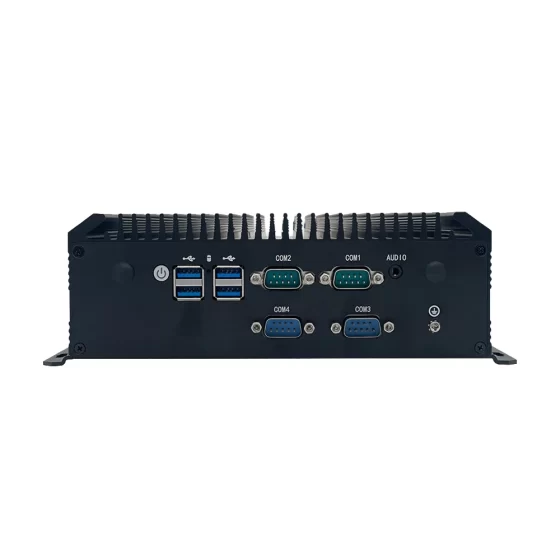
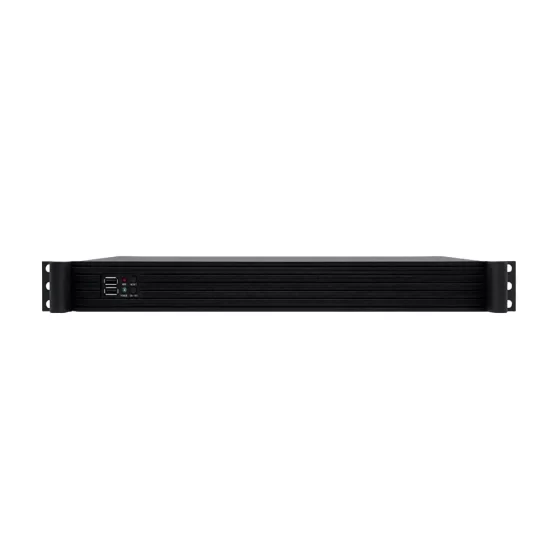
Soluciones de informática industrial CoreIPC

Computadora industrial para cámaras de alta velocidad: Computadora con cámara de alta velocidad para visión artificial y automatización
Resumen ejecutivo
Una computadora con cámara de alta velocidad proporciona la base informática industrial para la adquisición de imágenes, procesamiento en tiempo real, control de inspección, análisis de movimiento, e integración de datos en aplicaciones de visión artificial de alta velocidad.
Las cámaras de alta velocidad se utilizan ampliamente en la fabricación., inspección electrónica, embalaje, análisis de movimiento, robótica, inspección de semiconductores, pruebas de materiales, y control de calidad automatizado. Estas aplicaciones requieren hardware informático estable que pueda manejar grandes flujos de datos de imágenes., comunicarse con cámaras industriales, procesar marcos rápidamente, y conectar resultados con sistemas de automatización.
A diferencia de las PC de oficina estándar, Una computadora industrial está diseñada para operación continua cerca de equipos de producción.. Puede admitir interfaces de cámaras industriales., almacenamiento de alta velocidad, múltiples puertos LAN, Conectividad USB, señales de activación, comunicación PLC, instalación robusta, y una implementación de ciclo de vida prolongado.
También se puede utilizar una computadora integrada cuando el sistema de cámara debe instalarse dentro del equipo., máquinas de inspección compactas, gabinetes de control, o plataformas de visión OEM.
Seleccionar la computadora industrial adecuada para cámaras de alta velocidad es importante porque la resolución de la cámara, velocidad de fotogramas, tiempo de exposición, carga de trabajo de procesamiento de imágenes, ancho de banda de datos, y los requisitos de almacenamiento pueden afectar directamente la confiabilidad de la inspección.
Este artículo explica cómo las computadoras con cámaras de alta velocidad respaldan los sistemas de visión industrial., ¿Qué desafíos de implementación enfrentan los fabricantes?, cómo funciona la arquitectura de la solución, y qué características de hardware son más importantes para la adquisición y el procesamiento confiables de imágenes de alta velocidad.
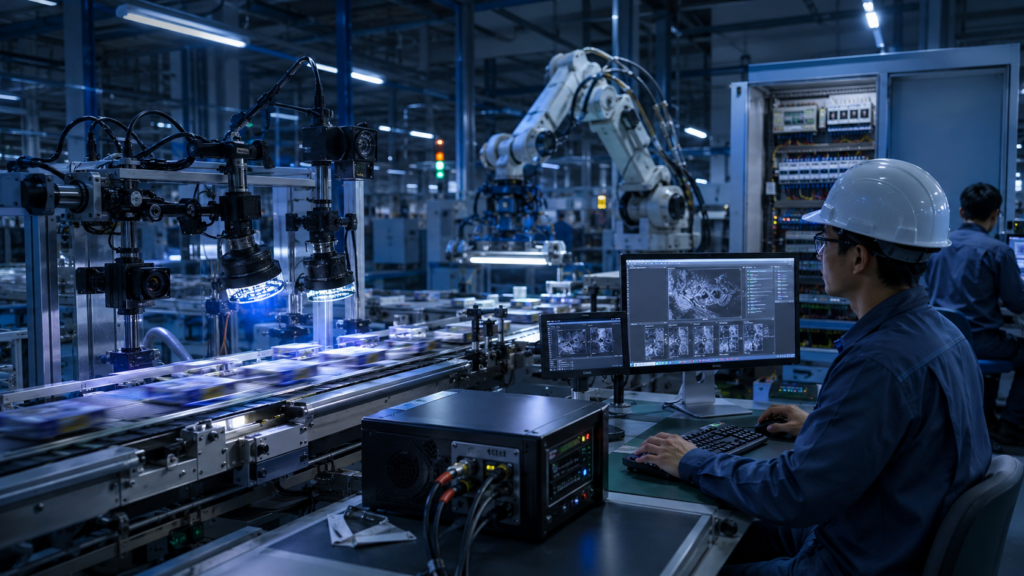
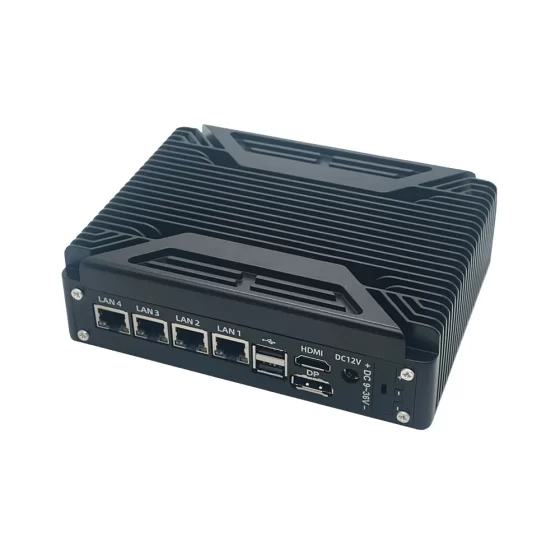
Las computadoras industriales procesan datos de cámaras de alta velocidad de fotogramas para la inspección de producción, análisis de movimiento, y control de calidad.
Descripción general de la industria
Las cámaras de alta velocidad se están expandiendo en la inspección industrial
Las cámaras de alta velocidad se utilizan cuando las cámaras estándar no pueden capturar movimientos rápidos., eventos de producción rápida, o cambios de proceso de corta duración.
En entornos industriales, ayudan a los fabricantes a analizar, inspeccionar, y controlar procesos que ocurren demasiado rápido para la observación manual.
Las aplicaciones comunes incluyen:
- Inspección de producción de alta velocidad
- Análisis de movimiento
- Detección de defectos
- Monitoreo de línea de embalaje
- Análisis de movimiento robótico.
- Inspección SMT y electrónica.
- Inspección de procesos de semiconductores
- Inspección de material web
- Inspección de llenado y sellado.
- Pruebas mecánicas y análisis de fallas.
Estas aplicaciones suelen generar grandes cantidades de datos de imágenes en poco tiempo..
Una computadora con cámara de alta velocidad debe capturar, proceso, almacenar, y transferir estos datos de forma fiable.
Por qué es importante el hardware informático
Una cámara de alta velocidad es sólo una parte del sistema de visión.
La cámara puede capturar cientos o miles de fotogramas por segundo., pero el sistema también necesita una computadora capaz de recibir los datos sin pérdida, procesándolo rápidamente, y enviar resultados útiles a los sistemas de producción.
Si la computadora no está seleccionada correctamente, el sistema puede experimentar caídas de fotogramas, inspección retrasada, cuellos de botella de almacenamiento, rendimiento inestable del software, o fallos de comunicación.
Esto es especialmente importante cuando el sistema de visión se utiliza para inspección en tiempo real o control de automatización..
Computadoras industriales para implementación en fábrica real
Los sistemas de cámaras de alta velocidad suelen instalarse cerca de las máquinas., transportadores, robots, equipo de prueba, estaciones de inspección, o líneas de producción.
Estos entornos pueden incluir vibraciones., polvo, calor, ruido electrico, espacio de instalación limitado, y largas horas de funcionamiento.
Los ordenadores industriales y los ordenadores integrados son más adecuados para estas condiciones que los ordenadores comerciales estándar..
Proporcionan un diseño robusto, E/S flexibles, montaje estable, opciones sin ventilador, interfaces de alta velocidad, y disponibilidad de ciclo de vida prolongado para sistemas de visión artificial.

velocidad de movimiento, sincronización del gatillo, iluminación, ancho de banda, velocidad de almacenamiento, y la estabilidad industrial afectan la confiabilidad de las cámaras de alta velocidad.
Desafíos clave
Ancho de banda de datos de imágenes grandes
Las cámaras de alta velocidad pueden generar flujos de datos muy grandes.
El ancho de banda requerido depende de la resolución de la cámara., velocidad de fotogramas, profundidad de bits, número de cámaras, formato de imagen, e interfaz de transferencia.
Un sistema que utiliza varias cámaras de alta velocidad puede requerir una planificación cuidadosa para:
- Ancho de banda de la interfaz de la cámara
- carga de procesamiento de la CPU
- Capacidad de memoria
- Velocidad de almacenamiento
- Tráfico de red
- Estabilidad de la transferencia de datos
- Optimización de software
- Requisitos de procesamiento en tiempo real
Si la computadora no puede manejar todo el flujo de datos, Puede producirse pérdida de fotogramas..
Para sistemas de inspección, La pérdida de marco puede significar defectos omitidos o análisis de proceso incompleto..
Procesamiento de imágenes en tiempo real
Los sistemas de cámaras de alta velocidad a menudo requieren un procesamiento de imágenes rápido.
Es posible que la computadora necesite detectar defectos., medir el movimiento, calcular la posición del objeto, identificar eventos anormales, o desencadenar respuestas de automatización en muy poco tiempo.
El procesamiento en tiempo real depende tanto del diseño del hardware como del software..
Los factores importantes incluyen:
- Rendimiento del procesador
- Ancho de banda de memoria
- Velocidad de almacenamiento
- Requisitos de GPU o acelerador
- Compatibilidad con el SDK de la cámara
- Algoritmos de procesamiento de imágenes
- Estabilidad del sistema operativo
- Latencia de comunicación de automatización
Una computadora con cámara de alta velocidad debe proporcionar un rendimiento estable y sostenido., no sólo un rendimiento máximo breve.
Compatibilidad de la interfaz de la cámara
Las cámaras de alta velocidad pueden utilizar diferentes interfaces según la aplicación.
Las interfaces comunes pueden incluir USB 3.0, Visión GigE, 2.5Llevar, 10Llevar, Enlace de cámara, CoaXPress, u otras interfaces de visión especializadas.
La computadora industrial debe admitir la interfaz requerida a través de puertos integrados., tarjetas de expansión, o módulos adecuados.
Una mala planificación de la interfaz puede limitar todo el sistema.
Por ejemplo, una CPU potente no puede resolver un problema de ancho de banda de la cámara si el sistema carece de la interfaz de entrada de alta velocidad correcta.
Cuellos de botella en el almacenamiento
La captura de imágenes de alta velocidad puede requerir un almacenamiento local rápido.
Algunas aplicaciones solo procesan imágenes en tiempo real y guardan los resultados.. Otros deben almacenar imágenes sin procesar., videoclips, marcos defectuosos, registros, o procesar evidencia.
Los requisitos de almacenamiento pueden depender de:
- Duración de la grabación
- Velocidad de fotogramas
- Resolución de imagen
- Método de compresión
- Número de cámaras
- Política de retención de imágenes de inspección
- Frecuencia de carga de la base de datos
- Necesidades de almacenamiento en búfer locales
Generalmente se prefiere el almacenamiento SSD o NVMe porque proporciona un rendimiento de escritura más rápido y una mejor resistencia a los golpes que las unidades mecánicas..
Estabilidad del entorno industrial
Las computadoras con cámara de alta velocidad a menudo se instalan en entornos de producción donde la confiabilidad es crítica..
Un sistema puede funcionar continuamente en varios turnos.. Se puede montar en un armario., dentro de una maquina, debajo de una estación de trabajo, o cerca de equipos en movimiento.
La computadora debe permanecer estable en condiciones reales como vibración., calor, polvo, variación de potencia, tensión del cable, y ruido eléctrico.
Esta es la razón por la que el diseño de nivel industrial es importante para las aplicaciones de cámaras de alta velocidad.

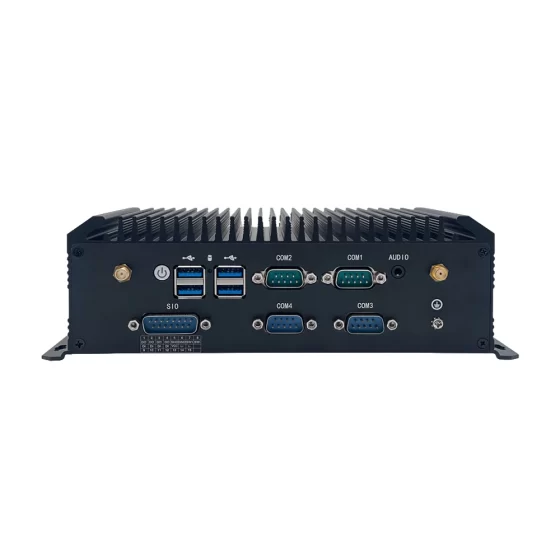
Computadoras industriales conectan cámaras de alta velocidad, hardware de adquisición, sistemas de automatización, y bases de datos de fábrica.
Arquitectura de solución informática de cámara de alta velocidad
Capa de adquisición de imágenes y cámara
La capa de adquisición de imágenes incluye cámaras de alta velocidad., lentes, módulos de iluminación, sensores de disparo, captadores de fotogramas, y estructuras de montaje.
Esta capa captura imágenes o secuencias de vídeo de productos en rápido movimiento., herramientas, procesos, o eventos mecánicos.
Dependiendo de la aplicación, el sistema puede capturar:
- Movimiento de producto
- Defectos superficiales
- movimiento mecanico
- Cronograma del proceso
- Acciones de embalaje
- Colocación de componentes
- Comportamiento de llenado de líquido
- Deformación del material
- movimiento robótico
- Eventos de producción de alta velocidad
La sincronización estable de la cámara y la calidad de la imagen son esenciales antes de que la computadora pueda procesar los datos de manera confiable.
Capa de Computación Industrial
La capa de informática industrial es donde la computadora industrial o la computadora integrada recibe y procesa los datos de la cámara..
en esta capa, la computadora puede realizar varias tareas:
- Adquisición de imágenes
- Almacenamiento en búfer de fotogramas
- Procesamiento de imágenes en tiempo real
- Detección de defectos
- Análisis de movimiento
- Cálculo de medidas
- Manejo de señales de disparo
- Almacenamiento de vídeo local
- comunicación PLC
- Carga de datos a los sistemas de fábrica.
Esta capa debe coincidir cuidadosamente con la carga de trabajo de la cámara..
Una discrepancia entre la velocidad de la cámara y el rendimiento de la computadora puede reducir la confiabilidad del sistema.
Capa de control de automatización
Los sistemas de cámaras de alta velocidad a menudo se conectan con equipos de automatización..
Un PLC, controlador de movimiento, controlador de robot, sistema transportador, o el controlador de la máquina puede enviar señales de activación a la computadora. Después del procesamiento, la computadora puede enviar pase, fallar, posición, momento, o los resultados de la alarma regresan al sistema de control.
Por ejemplo, si la cámara detecta un producto defectuoso en una línea de envasado rápido, La computadora industrial puede enviar una señal para activar un mecanismo de rechazo..
Esta comunicación de circuito cerrado ayuda a convertir los datos de imágenes de alta velocidad en un control de producción práctico..
Capa de gestión de datos
Los sistemas de cámaras de alta velocidad pueden generar importantes datos de inspección y proceso.
La computadora puede enviar datos al MES, SCADA, sistemas de gestión de calidad, bases de datos de fábrica, o paneles de seguimiento.
Los datos pueden incluir:
- ID del producto
- Resultado de la inspección
- Imagen de defecto
- Grabación de vídeo
- Valor de medición
- Marca de tiempo
- ID de estación
- Evento desencadenante
- Estado de la máquina
- Rechazar resultado
Esto apoya la trazabilidad, análisis de calidad, mejora de procesos, y solución de problemas de equipos.
Interfaz de usuario y capa de ingeniería
Los operadores e ingenieros necesitan una interfaz local práctica.
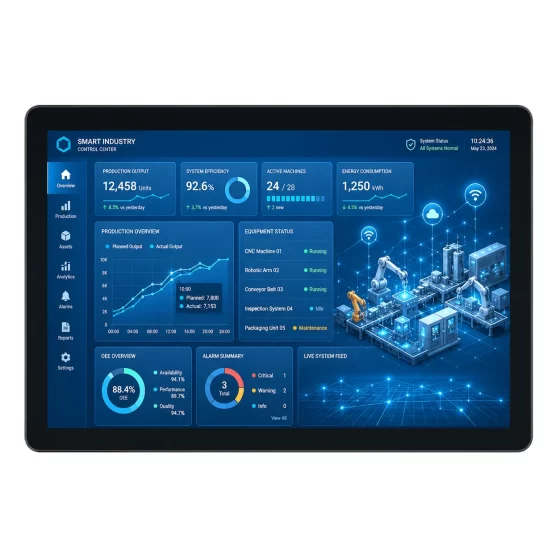
La computadora industrial puede conectarse a un monitor., pantalla táctil, teclado, o panel HMI. La interfaz puede mostrar imágenes de la cámara en vivo., clips grabados, estado del marco, resultados de la inspección, alarmas, registros del sistema, y configuración de la cámara.
Una interfaz clara ayuda a los ingenieros a ajustar la exposición, iluminación, sincronización del gatillo, parámetros de procesamiento de imágenes, y configuración de almacenamiento.

Las robustas computadoras industriales admiten la implementación confiable de cámaras de alta velocidad en gabinetes de control de visión artificial.
Características clave de una computadora con cámara de alta velocidad
Procesamiento de datos de alta velocidad
Una computadora con cámara de alta velocidad debe proporcionar un rendimiento de procesamiento estable para la carga de trabajo de imágenes real..
La configuración requerida depende de:
- Resolución de la cámara
- Velocidad de fotogramas
- Número de cámaras
- Profundidad de bits de la imagen
- Algoritmos de procesamiento en tiempo real
- Necesidades de almacenamiento local
- Requisitos de visualización
- Tiempo de respuesta de automatización
- Marco de software
Para una monitorización sencilla con una sola cámara, una computadora integrada compacta puede ser suficiente.
Para inspección multicámara de alta velocidad, Es posible que se requiera una PC industrial más potente con expansión y almacenamiento de alta velocidad..
Soporte de interfaz de cámara
La compatibilidad con la interfaz de la cámara es uno de los factores de selección más importantes.
La computadora industrial debe admitir la interfaz de cámara requerida por la aplicación.. Esto puede incluir puertos integrados o capacidad de expansión..
Las opciones de hardware útiles pueden incluir:
- USB 3.0 puertos
- Múltiples puertos LAN
- 2.5Opciones GbE o 10GbE
- expansión PCIe
- Expansión M.2
- Soporte para captura de cuadros
- Interfaz de almacenamiento de alta velocidad
- Diseño de energía estable
Para sistemas multicámara, La planificación del ancho de banda debe realizarse antes de la selección del hardware..
Arquitectura de almacenamiento confiable
Es posible que los sistemas de cámaras de alta velocidad necesiten almacenar archivos de imágenes o videoclips de gran tamaño.
El almacenamiento SSD o NVMe puede ayudar a soportar una alta velocidad de escritura y un acceso rápido a los datos. Para aplicaciones con muchas imágenes, El diseño del almacenamiento debe considerar tanto la capacidad como la resistencia..
Las preguntas importantes sobre el almacenamiento incluyen:
- ¿Cuánto tiempo deben almacenarse las imágenes??
- ¿Se requieren imágenes sin formato??
- ¿Se almacena sólo la evidencia de defectos??
- ¿Se necesita almacenamiento en búfer local??
- ¿Se cargarán los datos a un servidor??
- ¿Cuánta resistencia de escritura se requiere??
Un diseño de almacenamiento confiable reduce el riesgo de pérdida de datos de inspección.
E/S industriales para disparo y control
Las aplicaciones de cámaras de alta velocidad a menudo dependen de una sincronización precisa.
Es posible que la computadora necesite recibir señales de activación., controlar la iluminación, comunicarse con PLC, y enviar resultados a equipos de automatización.
Las opciones de E/S útiles pueden incluir:
- LAN
- USB
- RS232
- RS485
- GPIO
- Entrada digital
- Salida digital
- hdmi
- DisplayPort
La E/S flexible reduce el uso de convertidores externos y mejora la confiabilidad de la implementación.
Diseño resistente y sin ventilador
Las computadoras industriales sin ventilador son útiles en muchos entornos de producción.
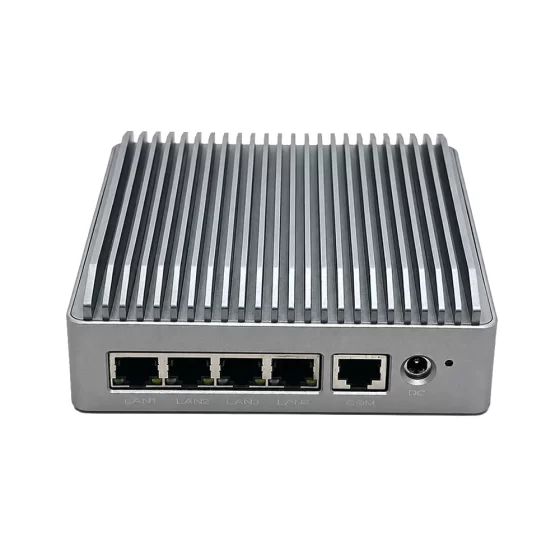
Reducen la entrada de polvo y eliminan un punto común de falla mecánica.. Esto puede mejorar la confiabilidad a largo plazo en las estaciones de inspección., gabinetes, e instalaciones en el lado de la máquina.
Sin embargo, Las cargas de trabajo de las cámaras de alta velocidad pueden generar un calor significativo..
El diseño térmico debe revisarse cuidadosamente, especialmente para procesadores de alto rendimiento, múltiples cámaras, captadores de fotogramas, o aceleración de GPU.
Largo ciclo de vida y mantenibilidad
Los sistemas de visión artificial pueden permanecer en producción durante muchos años.
Cambios frecuentes en los modelos de computadora., puertos, conductores, o las opciones de expansión pueden crear problemas de validación y mantenimiento.
Las plataformas informáticas industriales con planificación del ciclo de vida ayudan a los fabricantes y fabricantes de equipos OEM a mantener sistemas de cámaras de alta velocidad consistentes en múltiples máquinas., pauta, y proyectos de clientes.

Los sistemas de cámaras de alta velocidad mejoran la inspección, análisis de movimiento, trazabilidad, detección de defectos, y seguimiento de la producción.
Escenarios de implementación
Inspección de producción de alta velocidad
Las cámaras de alta velocidad pueden inspeccionar productos que se mueven rápidamente en transportadores o líneas de producción..
La computadora industrial procesa imágenes para detectar piezas faltantes, defectos superficiales, posición incorrecta, problemas de embalaje, o movimiento anormal.
Esto ayuda a los fabricantes a inspeccionar productos sin ralentizar la línea..
Análisis de movimiento
Las cámaras de alta velocidad se utilizan a menudo para analizar el movimiento mecánico..
El sistema puede capturar movimientos rápidos en máquinas., herramientas, brazos robóticos, actuadores, o partes móviles. Los ingenieros pueden revisar los fotogramas grabados para comprender el tiempo, vibración, impacto, o comportamiento del proceso.
Una computadora industrial proporciona captura de imágenes., almacenamiento local, reproducción, y soporte de análisis.
Inspección de línea de embalaje
Las líneas de envasado suelen moverse rápidamente.
Una computadora con cámara de alta velocidad puede respaldar la inspección de etiquetas, sellos, gorras, niveles de llenado, códigos impresos, y posición del paquete.
El sistema puede enviar resultados de aprobación o falla a los PLC o mecanismos de rechazo..
Esto ayuda a reducir los errores de embalaje y mejorar el control de calidad..
Inspección SMT y Electrónica
La fabricación de productos electrónicos puede requerir la captura de imágenes de alta velocidad para la colocación de componentes, revisión del proceso de soldadura, reconocimiento de código de barras, y detección de defectos.
Se puede instalar una computadora integrada cerca de las líneas SMT, máquinas de inspección, o estaciones de prueba.
El sistema puede conectar los resultados de la inspección con los números de serie de PCB y los registros MES..
Inspección de procesos de semiconductores
La inspección de semiconductores puede requerir imágenes de alta resolución y alta velocidad para obleas, muere, paquetes, marcas, y procesar eventos.
Un PC industrial puede procesar datos de cámaras, Imágenes de defecto tienda, y comunicarse con los sistemas de control de equipos.
Esto respalda el control de calidad y la trazabilidad en entornos de fabricación de precisión..
Robótica y Control de Movimiento
Los sistemas robóticos pueden usar cámaras de alta velocidad para rastrear el movimiento, localización de piezas, monitoreo de procesos, o análisis de trayectoria.
La computadora industrial puede procesar imágenes y comunicarse con controladores de robots o PLC.
Esto ayuda a mejorar la precisión de la automatización y proporciona datos útiles para ajustar el sistema..
Pruebas de materiales y análisis de fallas
Las cámaras de alta velocidad son útiles para probar materiales., componentes mecanicos, impactos, deformación, rotura, o comportamiento de proceso rápido.
La computadora almacena secuencias de imágenes y ayuda a los ingenieros a revisar los eventos cuadro por cuadro..
Esto es valioso para R&laboratorios D, ingeniería de producción, y la investigación de calidad.
Integración de equipos de visión OEM
Los fabricantes de máquinas pueden integrar computadoras industriales o placas integradas en equipos de cámaras de alta velocidad..
La plataforma informática puede proporcionar adquisición de cámara., procesamiento de imágenes, pantalla HMI, comunicación de automatización, almacenamiento local, y salida de datos.
Esto ayuda a los OEM a ofrecer sistemas de visión listos para su implementación industrial..
Beneficios comerciales
Mejor captura de eventos rápidos
Los sistemas de cámaras de alta velocidad ayudan a los fabricantes a ver eventos que son demasiado rápidos para la observación manual o las cámaras estándar..
Con el ordenador industrial adecuado, Se pueden capturar secuencias de imágenes., procesado, y almacenado de forma fiable.
Esto ayuda a los equipos de producción a identificar problemas de proceso y mejorar el control..
Confiabilidad de inspección mejorada
Una computadora con cámara de alta velocidad correctamente seleccionada reduce el riesgo de pérdida de fotogramas, procesamiento retrasado, y comunicación inestable.
El hardware informático confiable ayuda a que los sistemas de inspección funcionen de manera consistente en todos los turnos de producción..
Esto respalda un mejor control de calidad y confianza en la producción..
Detección de defectos más rápida
El procesamiento de imágenes local permite detectar rápidamente defectos o eventos anormales.
La computadora industrial puede enviar resultados a PLC, alarmas, o rechazar mecanismos a tiempo para la acción de producción..
Esto ayuda a reducir el riesgo de calidad posterior..
Mayor trazabilidad
Los datos de inspección de cámaras de alta velocidad se pueden vincular con ID de productos, marcas de tiempo, información de la estación, Imágenes de defecto, y registros de producción.
Esto crea una trazabilidad más sólida para el análisis de calidad., auditorías de clientes, mejora de procesos, e investigación de fallas.
Análisis manual reducido
La captura de imágenes de alta velocidad ayuda a reducir la dependencia de la observación manual.
Los ingenieros pueden utilizar datos registrados., detección automática, y resultados de medición para analizar procesos rápidos con mayor precisión.
Esto mejora la resolución de problemas y respalda la mejora de procesos basados en datos..
Implementación escalable de visión artificial
Una plataforma informática industrial estandarizada ayuda a los fabricantes a implementar sistemas de cámaras de alta velocidad en múltiples líneas, maquinas, y fábricas.
El hardware consistente simplifica las imágenes de software, gestión de conductores, planificación de repuestos, entrenamiento de mantenimiento, y soporte técnico a largo plazo.
Esto respalda la fabricación inteligente escalable y el desarrollo de visión artificial..
Por qué CoreIPC
CoreIPC proporciona plataformas informáticas industriales para visión artificial, adquisición de imágenes de alta velocidad, automatización de fábrica, e integración de sistemas integrados. Para aplicaciones informáticas de cámara de alta velocidad, CoreIPC se centra en hardware informático industrial confiable, soluciones informáticas integradas, Configuraciones de E/S flexibles, diseño de sistema compacto, y soporte de personalización OEM/ODM. CoreIPC ayuda a los integradores de sistemas, constructores de maquinaria, y los equipos de fabricación seleccionan plataformas informáticas que coincidan con los requisitos de implementación reales, incluyendo interfaces de cámara, carga de trabajo de procesamiento, diseño de almacenamiento, comunicación de automatización, métodos de montaje, entrada de energía, condiciones termicas, y planificación del ciclo de vida.
Preguntas frecuentes
1. ¿Qué es una computadora con cámara de alta velocidad??
Una computadora con cámara de alta velocidad es una computadora industrial que se utiliza para capturar, proceso, almacenar, y transferir datos de imágenes desde cámaras de alta velocidad.
Puede admitir la inspección por visión artificial., análisis de movimiento, inspección de embalaje, robótica, inspección de semiconductores, o pruebas de materiales. La computadora debe manejar un gran ancho de banda de datos., interfaces de cámara, velocidad de almacenamiento, y requisitos de procesamiento en tiempo real.
2. Por qué utilizar una computadora industrial para cámaras de alta velocidad?
Los sistemas de cámaras de alta velocidad suelen instalarse cerca de las máquinas., transportadores, robots, estaciones de inspección, o líneas de producción.
Una computadora industrial es más adecuada que una PC de oficina porque admite un funcionamiento continuo, E/S industriales, instalación robusta, redes estables, interfaces de alta velocidad, y una implementación de ciclo de vida prolongado. Estas características ayudan a que el sistema siga siendo confiable en entornos de fábrica..
3. ¿Cómo se utiliza una computadora integrada con cámaras de alta velocidad??
Se puede instalar una computadora integrada dentro de las máquinas, sistemas de inspección, gabinetes de control, o equipo de visión compacto.
Puede adquirir datos de la cámara., ejecutar software de procesamiento de imágenes, comunicarse con PLC, registros de inspección de la tienda, y cargar resultados en los sistemas de fábrica. Su diseño compacto lo hace útil para equipos de visión OEM e instalaciones con espacio limitado..
4. ¿Qué interfaces son importantes para las computadoras con cámaras de alta velocidad??
Las interfaces importantes pueden incluir USB 3.0, GigabitEthernet, 2.5Llevar, 10Llevar, PCIe, M.2, RS232, RS485, GPIO, hdmi, y DisplayPort.
La mejor interfaz depende del tipo de cámara., velocidad de fotogramas, resolución, y número de cámaras. Para cámaras especializadas, También puede ser necesario un soporte para sujetar el marco..
5. ¿Pueden las computadoras industriales sin ventilador admitir cámaras de alta velocidad??
Las computadoras industriales sin ventilador pueden admitir algunas aplicaciones de cámaras de alta velocidad, especialmente cuando la carga de trabajo y las condiciones térmicas son moderadas.
Sin embargo, altas velocidades de fotogramas, múltiples cámaras, captadores de fotogramas, o el procesamiento intenso de imágenes puede generar un calor significativo. La selección final debe considerar la carga de trabajo de la CPU., velocidad de almacenamiento, diseño de recinto, temperatura ambiente, y flujo de aire.
6. ¿Cómo se pueden reducir las caídas de fotogramas en sistemas de cámaras de alta velocidad??
Las caídas de fotogramas se pueden reducir adaptando el ancho de banda de la cámara, interfaz de computadora, capacidad de memoria, velocidad de almacenamiento, y procesamiento de carga de trabajo.
El sistema debería probarse con cámaras reales., velocidades de fotogramas reales, resolución de imagen real, y software de producción. Separación de red, compatibilidad del controlador, y también se debe revisar la velocidad de escritura del almacenamiento.
7. ¿Qué almacenamiento se necesita para aplicaciones de cámara de alta velocidad??
El almacenamiento depende de si el sistema guarda el vídeo sin procesar., marcos seleccionados, Imágenes de defecto, o solo resultados de inspección.
A menudo se prefiere el almacenamiento NVMe o SSD de alta velocidad para datos de imágenes de gran tamaño.. Para grabación continua, capacidad, velocidad de escritura sostenida, escribe resistencia, y la política de retención de datos debe revisarse cuidadosamente.
8. ¿Se pueden conectar las computadoras con cámaras de alta velocidad a PLC y sistemas MES??
Sí. Los ordenadores industriales pueden comunicarse con los PLC, controladores de movimiento, mecanismos de rechazo, sistemas MES, bases de datos de calidad, y paneles de seguimiento.
Pueden recibir señales de activación., enviar resultados de aprobado o reprobado, registros de inspección de la tienda, y cargar datos relacionados con el producto. Esto ayuda a conectar la inspección de imágenes de alta velocidad con la automatización y la trazabilidad de la fábrica..
9. Qué se debe probar antes de la implementación?
Antes del despliegue, El sistema debe probarse con cámaras reales., velocidades de fotogramas reales, resolución de imagen, software de procesamiento, señales de activación, comunicación PLC, carga de trabajo de almacenamiento, y condiciones de la red.
También se deben probar la estabilidad a largo plazo y el rendimiento térmico.. Esto ayuda a confirmar que la computadora puede soportar la operación de producción sin pérdida de cuadros o tiempo de inactividad inesperado..
10. ¿Qué aplicaciones necesitan una computadora con cámara de alta velocidad??
Las aplicaciones incluyen inspección de producción de alta velocidad., inspección de embalaje, análisis de movimiento, robótica, Inspección SMT, inspección de semiconductores, seguimiento de material web, inspección de llenado, pruebas mecanicas, y análisis de fallas.
Cualquier aplicación que deba capturar eventos rápidos o procesar datos de imágenes con alta velocidad de cuadros puede beneficiarse de una computadora industrial adecuadamente seleccionada..
Conclusión
Una computadora con cámara de alta velocidad es una base de hardware fundamental para los sistemas de visión industriales que requieren una rápida adquisición de imágenes., procesamiento en tiempo real, almacenamiento confiable, e integración de automatización.
Colocando hardware informático industrial cerca de las cámaras., sensores, PLC, transportadores, robots, y equipo de inspección, Los fabricantes pueden capturar eventos de producción rápidos., detectar defectos, analizar el movimiento, y conectar resultados con sistemas de fábrica.
La computadora industrial o la computadora integrada adecuada deben seleccionarse de acuerdo con los requisitos de la aplicación real., incluyendo interfaz de cámara, velocidad de fotogramas, resolución, carga de trabajo de procesamiento, velocidad de almacenamiento, configuración de E/S, diseño de red, método de montaje, entrada de energía, condiciones termicas, soporte del sistema operativo, y planificación del ciclo de vida.
CoreIPC admite proyectos informáticos con cámaras de alta velocidad con plataformas informáticas industriales diseñadas para la implementación práctica de fábricas y equipos.. Con la base de hardware adecuada, Los fabricantes y fabricantes de máquinas pueden mejorar la fiabilidad de la inspección., reducir la pérdida de fotogramas, fortalecer la trazabilidad, y construir sistemas de visión artificial escalables.
Contáctenos
Busco ordenador industrial, computadora integrada, o placa base industrial para cámaras de alta velocidad?
Póngase en contacto con CoreIPC para analizar los requisitos de su proyecto., incluyendo interfaz de cámara, velocidad de fotogramas, resolución de imagen, carga de trabajo de procesamiento, diseño de almacenamiento, configuración de E/S, comunicación de automatización, método de montaje, entrada de energía, entorno operativo, necesidades del ciclo de vida, y opciones de personalización OEM/ODM.