Soluciones de informática industrial CoreIPC

Plataforma Vision para clasificación logística: Computadora de visión de clasificación logística para identificación automatizada de paquetes
Resumen ejecutivo
Una plataforma de visión de clasificación logística proporciona la base informática industrial para la identificación automatizada de paquetes, reconocimiento de código de barras, control de dimensiones, verificación de etiqueta, control de enrutamiento, e integración de datos de clasificación en entornos logísticos modernos.
en almacenes, centros de distribución, centros logísticos de comercio electrónico, y centros de paquetería, Los sistemas de clasificación deben procesar grandes volúmenes de artículos de forma rápida y precisa.. Los paquetes pueden variar en tamaño., forma, posición de la etiqueta, condición de la superficie, y velocidad de movimiento. Un sistema confiable de visión de clasificación logística ayuda a identificar cada artículo, verificar su información, y enviar resultados de clasificación a equipos de automatización y sistemas de gestión de almacenes.
Una computadora industrial o una computadora integrada actúa como plataforma de procesamiento de visión local.. Conecta cámaras, lectores de códigos de barras, sistemas de iluminación, sensores, transportadores, PLC, mecanismos de clasificación, sistemas de pesaje, y redes de fábricas o almacenes.
En comparación con las PC comerciales estándar, Los ordenadores industriales son más adecuados para operaciones logísticas continuas.. Proporcionan una adquisición de imágenes estable., E/S flexibles, diseño robusto, redes confiables, opciones sin ventilador, y soporte de ciclo de vida prolongado.
Para integradores de automatización logística, operadores de almacén, y fabricantes de equipos de clasificación OEM, La selección de la plataforma informática industrial adecuada afecta a la precisión de la clasificación., tiempo de actividad del sistema, trazabilidad, y mantenibilidad a largo plazo.
Este artículo explica cómo funcionan los sistemas de visión de clasificación logística., ¿Qué desafíos aparecen en el despliegue real?, cómo está estructurada la arquitectura de la solución, y qué características de hardware son más importantes al seleccionar una computadora industrial para aplicaciones de visión de clasificación logística.
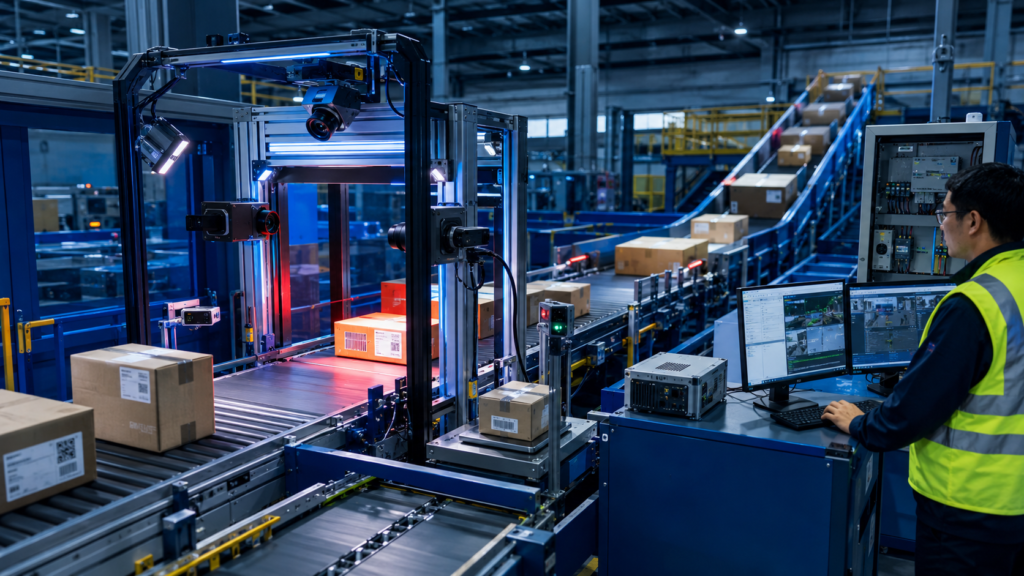
Las computadoras industriales procesan imágenes de paquetes y datos de códigos de barras para su identificación y clasificación automatizadas..
Descripción general de la industria
La clasificación logística se está volviendo más automatizada
Las operaciones logísticas modernas dependen de la velocidad, exactitud, y datos en tiempo real.
Crecimiento del comercio electrónico, expectativas de entrega el mismo día, y las complejas cadenas de suministro han aumentado la necesidad de sistemas de clasificación automatizados. La clasificación manual es difícil de escalar porque requiere mucha mano de obra, propenso a errores, y limitado por la velocidad del operador.
Los sistemas de visión para la clasificación logística pueden ayudar:
- Reconocimiento de códigos de barras de paquetes
- Lectura de códigos QR y etiquetas.
- Comprobación de dimensiones del paquete
- Verificación de la posición de la etiqueta
- Inspección de etiquetas de dirección
- Clasificación de confirmación de ruta
- Detección de presencia de paquetes
- Monitoreo del flujo del transportador
- Identificación de cajas y bolsas.
- Reducción de errores de clasificación
- WMS e integración de datos de seguimiento
Una computadora de visión de clasificación logística confiable ayuda a convertir los datos visuales en decisiones de clasificación procesables.
Por qué se utilizan los sistemas de visión en la clasificación logística
Un sistema de clasificación logística debe identificar rápidamente los paquetes mientras se mueven sobre cintas transportadoras.
Los lectores de códigos de barras tradicionales pueden funcionar bien cuando las etiquetas están limpias y colocadas correctamente. Sin embargo, Los entornos logísticos reales son más complejos.. Las etiquetas pueden estar arrugadas, inclinado, parcialmente dañado, mal impreso, o colocados en diferentes lados del paquete.
Los sistemas de visión brindan más flexibilidad porque pueden capturar un campo de visión más amplio y procesar datos de imágenes desde múltiples ángulos..
Una plataforma de visión de clasificación logística puede inspeccionar etiquetas, leer códigos, verificar la orientación del paquete, comprobar el estado del paquete, y respaldar decisiones de enrutamiento automatizadas.
La informática industrial es la capa de procesamiento local
La clasificación logística requiere un procesamiento local cerca de transportadores y estaciones de escaneo.
Enviar cada imagen a un servidor remoto puede aumentar la latencia y la carga de la red. Una computadora industrial local puede procesar imágenes cerca de la línea de clasificación, comunicarse con PLC, y enviar decisiones de clasificación rápidamente.
Las computadoras integradas son útiles cuando el sistema debe instalarse dentro de túneles de escaneo compactos., maquinas clasificadoras, gabinetes de control, o equipo de logística OEM.
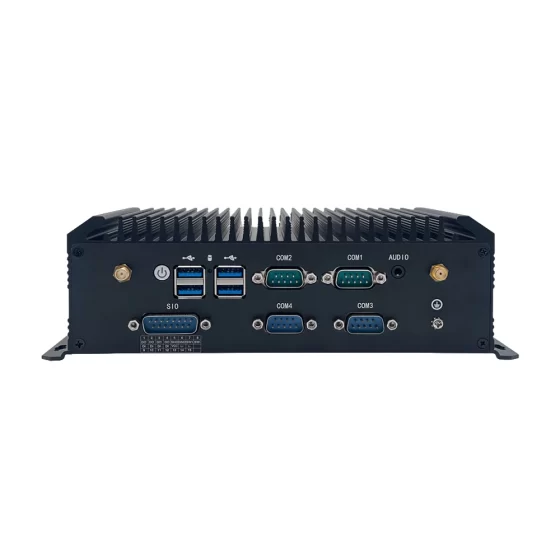
Las computadoras industriales brindan la confiabilidad y flexibilidad de interfaz necesarias para la operación continua de almacenes y centros de distribución..

Paquetes mixtos, variación de etiqueta, velocidad del transportador, cobertura de cámara, y el tiempo de activación afectan la confiabilidad de la clasificación.
Desafíos clave
Alto volumen de paquetes y rápida velocidad del transportador
Los sistemas de clasificación logística suelen funcionar a gran velocidad.
Los paquetes pueden moverse continuamente a través de túneles de escaneo., uniones transportadoras, desviadores, o carriles de clasificación automatizados. El sistema de visión debe capturar imágenes., información del código de proceso, y enviar los resultados de la clasificación antes de que el paquete llegue al punto de decisión.
Los factores de rendimiento importantes incluyen:
- Velocidad del transportador
- Resolución de la cámara
- Número de cámaras
- Velocidad de reconocimiento de códigos de barras
- Carga de trabajo de procesamiento de imágenes
- Sincronización del disparador
- Tiempo de respuesta del mecanismo de clasificación
- Latencia de comunicación WMS
La computadora de visión de clasificación logística debe proporcionar un rendimiento estable y sostenido bajo una carga de trabajo continua..
Variación de la forma y la etiqueta del paquete
Los paquetes no son uniformes..
Un sistema de clasificación puede procesar cajas, sobres, sobres publicitarios de polietileno, bolsas, tubos, bandejas, paquetes irregulares, y bienes devueltos. Las etiquetas pueden aparecer en diferentes lados., en diferentes ángulos, o en superficies irregulares.
Los desafíos comunes de las etiquetas y los paquetes incluyen:
- Etiquetas arrugadas
- Etiquetas rotas
- Impresión de bajo contraste
- Superficies curvas o irregulares
- Cinta o película reflectante
- Cajas dañadas
- Superficies del paquete sucias
- Múltiples códigos de barras en un paquete
- Colocación incorrecta de la etiqueta
- Artículos de rápido movimiento
La plataforma de visión debe manejar esta variación manteniendo la precisión de clasificación..
Adquisición de imágenes multicámara
La clasificación logística suele requerir varias cámaras.
Es posible que una sola cámara superior no lea etiquetas laterales o paquetes inclinados. Muchos sistemas de clasificación utilizan top, lado, y cámaras en ángulo para aumentar la velocidad de lectura.
Esto crea mayores requisitos de ancho de banda y sincronización..
La computadora industrial debe admitir suficientes interfaces de cámara., ancho de banda de la red, rendimiento de procesamiento, y capacidad de almacenamiento para la configuración real de la cámara.
Integración con equipos de clasificación
Los resultados de la visión deben estar relacionados con la acción de clasificación..
Es posible que la computadora necesite comunicarse con los PLC., controladores de transportador, desviadores, tipo de, sistemas de pesaje, aplicadores de etiquetas, alarmas, y sistemas de gestión de almacenes.
Es posible que se necesite una plataforma práctica de visión de clasificación logística:
- LAN
- USB
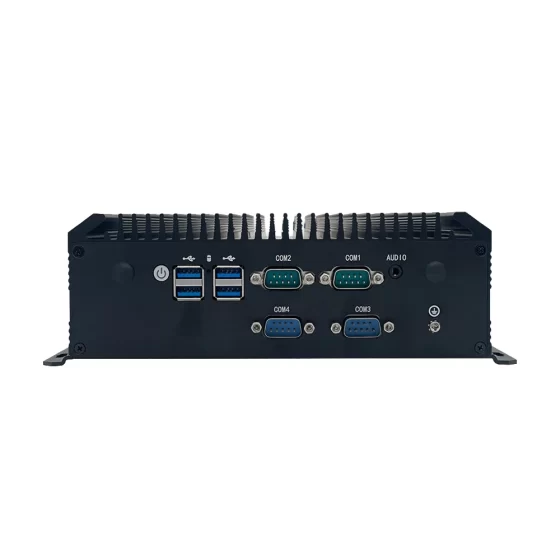
- RS232
- RS485
- GPIO
- Entrada digital
- Salida digital
- Múltiples salidas de pantalla
- Interfaces de expansión
Sin E/S industriales fiables, Es posible que las decisiones de clasificación no lleguen al equipo en el momento adecuado..
Operación y mantenimiento continuo
Las instalaciones logísticas pueden operar durante largas horas con tiempo de inactividad limitado.
Se pueden instalar computadoras de visión cerca de los transportadores., túneles de escaneo, tipo de, gabinetes de control, o equipos de automatización de almacenes. Estos lugares pueden incluir polvo, vibración, movimiento de cables, calor, ruido electrico, y actividad mecánica continua.
Una falla de hardware puede detener el reconocimiento de códigos de barras, retrasar la clasificación, o crear errores de enrutamiento.
El hardware informático de nivel industrial ayuda a reducir este riesgo y respalda la estabilidad del sistema a largo plazo..

Los ordenadores industriales conectan cámaras de clasificación, transportadores, PLC, desviadores, software de almacén, y sistemas de seguimiento de paquetes.
Arquitectura de la solución de visión de clasificación logística
Capa de adquisición de imágenes
La capa de adquisición de imágenes captura datos visuales de parcelas., etiquetas, códigos de barras, y zonas transportadoras.
Esta capa puede incluir cámaras industriales., lentes, módulos de iluminación, sensores de disparo, lectores de códigos de barras, y sensores de presencia de paquetes.
Dependiendo de la aplicación, el sistema puede capturar:
- Imágenes de etiquetas principales
- Imágenes de etiquetas laterales
- Imágenes de códigos de barras
- Imágenes de códigos QR
- Imágenes de la superficie del paquete
- Imágenes del estado del cartón
- Imágenes de dimensiones del paquete
- Imágenes de flujo del transportador
- Ordenar imágenes de carriles
La calidad de imagen estable es esencial antes de que el software de reconocimiento pueda tomar decisiones confiables.
Capa informática de visión industrial
La capa informática de visión industrial es donde la computadora de visión de clasificación logística realiza el procesamiento local..
en esta capa, el ordenador industrial o el ordenador integrado pueden:
- Recibir imágenes de cámaras.
- Ejecute el software de reconocimiento de códigos de barras
- Procesar OCR o datos de etiquetas
- Identificar la orientación del paquete
- Haga coincidir los datos del paquete con las reglas de enrutamiento
- Almacenar registros de imágenes o imágenes de excepción
- Comunicarse con los PLC
- Enviar resultados de clasificación a desviadores
- Cargar datos a WMS o bases de datos
- Mostrar el estado del sistema local
Esta capa de borde permite que las decisiones de reconocimiento y enrutamiento se realicen cerca del equipo de clasificación..
Capa de control de automatización
La capa de control de automatización conecta el sistema de visión con el equipo de clasificación física..
Un PLC, controlador del transportador, controlador desviador, o la máquina clasificadora puede enviar señales de activación y recibir resultados de clasificación.
Por ejemplo, después de que se reconoce el código de barras de un paquete, La computadora industrial puede enviar la información del carril de destino al PLC.. Luego, el PLC activa el desviador o mecanismo de clasificación correcto en el momento adecuado..
Esta comunicación de circuito cerrado es esencial para la precisión de la clasificación a alta velocidad..
Capa de gestión de datos
Los datos de clasificación deben estar conectados con sistemas de almacén y logística..
La computadora industrial puede enviar registros a WMS, TMS, ERP, plataformas de seguimiento, bases de datos de paquetes, o sistemas de monitoreo locales.
Los datos pueden incluir:
- El número de rastreo
- Valor del código de barras
- ID del paquete
- Carril de destino
- Resultado de clasificación
- Marca de tiempo
- ID de estación
- Prueba de imagen
- Leer registro de fallas
- Estado de rechazo
Esto apoya la trazabilidad, seguimiento de envíos, manejo de excepciones, y análisis operativo.
Interfaz de usuario y capa de monitoreo
Los operadores e ingenieros necesitan una interfaz local para el monitoreo y el mantenimiento..
La computadora industrial puede conectarse a un monitor., pantalla táctil, teclado, o panel de control. La interfaz puede mostrar vistas de cámara en vivo., leer tarifas, Imágenes de excepción, estado del sistema, clasificación cuenta, mensajes de alarma, y estado de la conexión de red.
Una interfaz clara ayuda a los equipos de mantenimiento a responder rápidamente cuando cambia el rendimiento del reconocimiento..

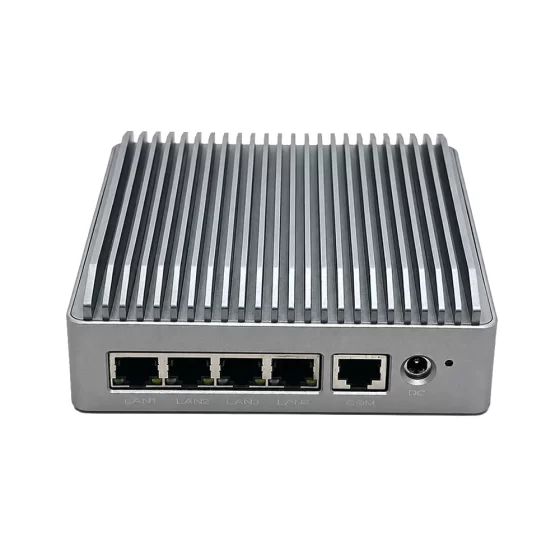
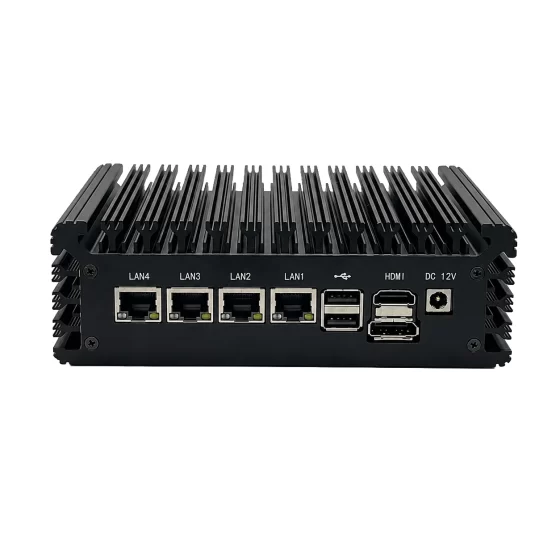
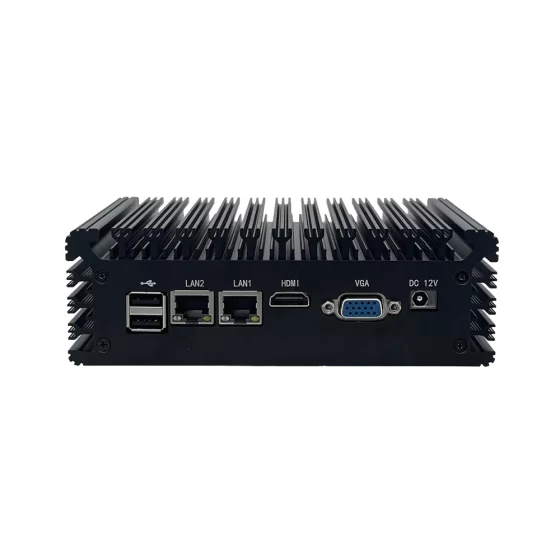
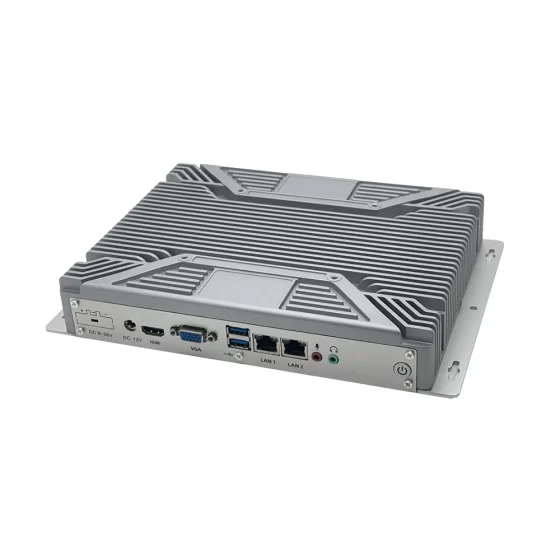
Las computadoras industriales sin ventilador respaldan el despliegue de visión de clasificación logística confiable dentro de los gabinetes de control del almacén.
Características clave
Rendimiento de procesamiento de imágenes estable
Un ordenador de visión para clasificación logística debe procesar datos de imágenes de forma fiable en funcionamiento continuo.
Diferentes sistemas requieren diferentes niveles de computación. Una estación de lectura de códigos de barras con una sola cámara puede utilizar una computadora integrada compacta. Un túnel de clasificación multicámara de alta velocidad puede requerir una PC industrial más potente.
La selección debe considerar:
- Resolución de la cámara
- Número de cámaras
- Velocidad del transportador
- Carga de trabajo de reconocimiento de códigos de barras
- Complejidad del modelo OCR o IA
- Sincronización del disparador
- Carga de trabajo de almacenamiento
- comunicación WMS
- Requisitos de visualización locales
Un rendimiento estable y sostenido es más importante que los picos breves de los índices de referencia.
Compatibilidad con cámara e interfaz de visión
Los sistemas de visión de clasificación logística suelen utilizar cámaras USB o Ethernet.
La computadora debe admitir las interfaces de cámara y el ancho de banda requeridos.. En sistemas multicámara, La planificación de la interfaz es especialmente importante..
Las características útiles del hardware pueden incluir:
- USB 3.0 puertos
- Múltiples puertos LAN
- 2.5Opciones de LAN GbE o de mayor velocidad
- Expansión M.2
- expansión PCIe
- HDMI o DisplayPort
- Compatibilidad con SSD de alta velocidad
- Diseño de energía estable
Es posible que sea necesario separar el tráfico de las cámaras del tráfico de la red del almacén para mejorar la estabilidad del sistema..
E/S industriales para control de clasificación
La computadora de visión debe conectarse con equipos reales de automatización logística..
Las opciones de E/S importantes pueden incluir:
- LAN
- USB
- RS232
- RS485
- GPIO
- Entrada digital
- Salida digital
- hdmi
- DisplayPort
Estas interfaces pueden admitir cámaras., sensores, PLC, controladores de iluminación, lectores de códigos de barras, alarmas, desviadores, transportadores, y pantallas del operador local.
La E/S flexible reduce los convertidores externos y mejora la confiabilidad de la implementación.
Redes confiables
La creación de redes es fundamental en la clasificación logística.
Es posible que la computadora necesite comunicarse con WMS, bases de datos de paquetes, PLC, paneles de seguimiento, y sistemas de mantenimiento remoto.
Múltiples puertos LAN pueden admitir la separación de redes. Un puerto puede conectarse a redes de cámaras o máquinas, mientras que otro se conecta a los sistemas informáticos del almacén.
Esto mejora la organización de la red y reduce los conflictos de tráfico..
Diseño resistente y sin ventilador
Los ordenadores industriales sin ventilador son útiles en entornos logísticos.
Reducen la entrada de polvo y eliminan un punto común de falla mecánica.. Esto es valioso en almacenes y áreas de clasificación de paquetes donde los sistemas pueden funcionar continuamente y las ventanas de mantenimiento son limitadas..
Una carcasa resistente ayuda a proteger la computadora de las vibraciones., tensión del cable, y el impacto de la instalación.
El diseño térmico aún debe revisarse cuidadosamente, especialmente para cargas de trabajo de reconocimiento multicámara y basadas en IA.
Almacenamiento de imágenes y registros de excepción
Los sistemas de clasificación logística pueden necesitar almacenar imágenes, eventos de lectura fallida, registros de excepción, registros, y ordenar datos.
Generalmente se prefiere el almacenamiento SSD porque proporciona una respuesta rápida y una mejor resistencia a los golpes que las unidades mecánicas..
Para sistemas que almacenan muchas imágenes de paquetes, capacidad de almacenamiento, escribe resistencia, métodos de copia de seguridad, y la política de retención debe revisarse durante el diseño.

Las plataformas de visión de clasificación logística mejoran las tasas de lectura de códigos de barras, enrutamiento de paquetes, trazabilidad, manejo de excepciones, y rendimiento del almacén.
Escenarios de implementación
Reconocimiento de códigos de barras de paquetes
El reconocimiento de códigos de barras de paquetes es una de las principales aplicaciones de visión de clasificación logística.
El sistema captura imágenes de paquetes en movimiento y lee códigos de barras o códigos QR automáticamente. El ordenador industrial procesa la imagen y envía los datos de seguimiento a WMS o sistemas de control de clasificación..
Esto ayuda a automatizar la identificación de paquetes y reducir el escaneo manual..
Lectura de etiquetas en varios lados
Algunos paquetes pueden tener etiquetas en diferentes lados..
Una plataforma de visión multicámara puede capturar lo mejor, lado, y vistas en ángulo. La computadora procesa imágenes de múltiples cámaras e identifica el código mejor legible.
Esto mejora la velocidad de lectura para flujos de paquetes mixtos..
Control de clasificación del transportador
Los sistemas de visión de clasificación logística pueden respaldar el enrutamiento basado en transportadores.
Después de identificar el paquete, la computadora envía información de clasificación al PLC o al controlador del transportador. El sistema puede entonces dirigir el paquete al carril correcto., tolva, o zona de clasificación.
Esto respalda una operación más rápida y precisa del centro de distribución..
Verificación de dimensiones y formas del paquete
Los sistemas de visión pueden respaldar la verificación de dimensiones o el análisis de la forma del paquete..
La computadora puede procesar datos de la cámara para estimar el tamaño del paquete., detectar formas anormales, o verificar si un paquete cumple con los requisitos de manipulación.
Esto ayuda a reducir los atascos de equipos y respalda mejores decisiones de clasificación..
Verificación de etiquetas e impresiones
Las operaciones logísticas dependen de etiquetas legibles.
Un sistema de visión puede verificar que la etiqueta está presente., legible, y correctamente posicionado. También puede detectar etiquetas dañadas., impresión de bajo contraste, o múltiples códigos conflictivos.
Esto ayuda a reducir las excepciones de clasificación y la intervención manual..
Clasificación de cumplimiento de comercio electrónico
Los centros logísticos de comercio electrónico procesan una amplia variedad de tipos de paquetes.
Una computadora de visión de clasificación logística puede ayudar a identificar paquetes, verificar etiquetas, leer códigos de pedido, y enviar información de ruta a los sistemas de almacén.
Esto mejora la velocidad de clasificación y la precisión del envío..
Clasificación de aeropuertos y centros de mensajería
Los centros de mensajería y los sistemas logísticos aeroportuarios requieren un alto rendimiento y una identificación fiable de los paquetes..
Las computadoras industriales pueden soportar túneles de visión, tipos de transportadores, estaciones de lectura de códigos de barras, y sistemas de manejo de excepciones.
El hardware informático estable ayuda a mantener los sistemas de clasificación en funcionamiento durante operaciones de gran volumen.
Integración de equipos de clasificación OEM
Los fabricantes de equipos pueden integrar ordenadores integrados o placas base industriales en máquinas clasificadoras, túneles de escaneo, o sistemas de transporte automatizados.
La plataforma informática puede proporcionar adquisición de imágenes., reconocimiento de código de barras, comunicación PLC, almacenamiento local, pantalla HMI, y salida de datos.
Esto ayuda a los OEM a ofrecer sistemas de clasificación listos para la automatización del almacén..
Beneficios comerciales
Precisión de clasificación mejorada
Un sistema de visión de clasificación logística mejora la identificación de paquetes y la precisión del enrutamiento.
Leyendo códigos de barras y etiquetas automáticamente, el sistema reduce los errores de escaneo manual y admite decisiones de clasificación más rápidas.
La clasificación precisa ayuda a reducir los paquetes mal encaminados y mejora la confiabilidad de la entrega.
Mayor rendimiento
Los sistemas de visión automatizados pueden procesar paquetes continuamente en transportadores.
Una computadora industrial correctamente seleccionada ayuda a mantener estable el procesamiento de imágenes y el rendimiento de la comunicación..
Esto permite un mayor rendimiento de clasificación sin depender exclusivamente del trabajo manual..
Intervención manual reducida
La clasificación manual y el manejo de excepciones pueden ralentizar las operaciones logísticas.
Los sistemas de visión reducen el trabajo manual al identificar los paquetes automáticamente y enviar datos de ruta al equipo de clasificación..
Los operadores pueden centrarse en las excepciones., monitoreo del sistema, y mantenimiento en lugar de tareas de escaneo repetitivas.
Mayor trazabilidad
Los datos de clasificación se pueden vincular con los ID de paquete, marcas de tiempo, imágenes, ID de estación, decisiones de ruta, y registros de excepción.
Esto crea una trazabilidad más sólida en los flujos de trabajo de almacén y logística..
La trazabilidad confiable respalda el seguimiento de los envíos, investigación de reclamaciones, y análisis operativo.
Manejo de excepciones más rápido
Cuando el sistema detecta etiquetas ilegibles, códigos de barras conflictivos, o condiciones anormales del paquete, puede enviar paquetes a un carril de excepción.
Los registros de imágenes y los registros del sistema ayudan a los operadores a investigar los problemas más rápidamente.
Esto reduce los retrasos y mejora el control del proceso de clasificación..
Automatización logística escalable
Una plataforma informática industrial estandarizada facilita la implementación de sistemas de visión en múltiples líneas de clasificación, centros, y almacenes.
El hardware consistente simplifica las imágenes de software, gestión de conductores, planificación de repuestos, entrenamiento de mantenimiento, y soporte técnico a largo plazo.
Esto respalda la automatización logística escalable y el desarrollo de almacenes inteligentes..
Por qué CoreIPC
CoreIPC proporciona plataformas informáticas industriales para visión artificial, automatización logística, IoT industrial, e integración de sistemas integrados. Para aplicaciones de visión de clasificación logística, CoreIPC se centra en hardware informático industrial confiable, soluciones informáticas integradas, Configuraciones de E/S flexibles, diseño de sistema compacto, y soporte de personalización OEM/ODM. CoreIPC ayuda a los integradores de sistemas, constructores de equipos de clasificación, y los equipos de automatización de almacenes seleccionan plataformas informáticas que coincidan con los requisitos de implementación reales, incluyendo interfaces de cámara, carga de trabajo de reconocimiento, comunicación de automatización, métodos de montaje, entrada de energía, diseño térmico, necesidades de almacenamiento, y planificación del ciclo de vida.
Preguntas frecuentes
1. ¿Qué es una plataforma de visión de clasificación logística??
Una plataforma de visión de clasificación logística utiliza cámaras, iluminación, sensores, software de visión, y hardware informático industrial para identificar y enrutar paquetes automáticamente.
Puede leer códigos de barras, códigos QR, etiquetas, e información del paquete mientras los artículos se mueven en los transportadores. El sistema envía datos de clasificación a los PLC., plataformas WMS, bases de datos, o sistemas de control de transportadores.
2. ¿Por qué utilizar un ordenador industrial para la visión de clasificación logística??
Una computadora industrial proporciona el procesamiento local y la conectividad necesarios para los sistemas de clasificación de alta velocidad.
Puede recibir imágenes de la cámara., ejecutar software de reconocimiento de códigos de barras, comunicarse con PLC, almacenar registros de excepción, y cargar datos en sistemas de almacén. Está diseñado para funcionamiento continuo en entornos logísticos donde la vibración, polvo, y las largas horas de funcionamiento son comunes.
3. ¿Cómo se utiliza una computadora integrada en equipos de clasificación??
Se puede instalar una computadora integrada dentro de los túneles de escaneo., maquinas clasificadoras, gabinetes de control, o sistemas de transporte compactos.
Puede procesar datos de la cámara., comunicarse con sensores y PLC, mostrar el estado del sistema local, y enviar los resultados de clasificación al software de almacén. Su tamaño compacto lo hace útil para equipos de automatización logística OEM..
4. ¿Qué interfaces son importantes para los ordenadores de visión de clasificación logística??
Las interfaces importantes pueden incluir USB 3.0, múltiples puertos LAN, RS232, RS485, GPIO, entrada digital, salida digital, hdmi, DisplayPort, M.2, y expansión PCIe.
Las interfaces de la cámara son importantes para la adquisición de imágenes.. Las E/S industriales son útiles para sensores de activación, comunicación PLC, desviadores, sistemas transportadores, control de iluminación, y alarmas.
5. ¿Pueden los sistemas de visión mejorar las tasas de lectura de códigos de barras??
Sí. Los sistemas de visión pueden mejorar las tasas de lectura de códigos de barras al capturar áreas de imagen más grandes y utilizar múltiples ángulos de cámara.
Pueden leer etiquetas desde diferentes posiciones del paquete y ayudar a manejar etiquetas inclinadas., arrugado, o etiquetas parcialmente difíciles. Sin embargo, El rendimiento depende de la ubicación de la cámara., iluminación, velocidad del paquete, capacidad de software, y hardware informático.
6. ¿Los sistemas de clasificación logística necesitan varias cámaras??
Muchos sistemas de clasificación logística utilizan varias cámaras para aumentar la cobertura de lectura..
Arriba, lado, y las cámaras en ángulo pueden ayudar a leer etiquetas en diferentes superficies del paquete. Los sistemas multicámara requieren más ancho de banda y potencia de procesamiento, por lo que la computadora industrial debe seleccionarse cuidadosamente.
7. ¿Es una computadora industrial sin ventilador adecuada para la clasificación logística??
Una computadora industrial sin ventilador puede ser adecuada para muchas aplicaciones de clasificación logística porque reduce la entrada de polvo y elimina un punto de falla mecánica..
Sin embargo, El reconocimiento multicámara y la inspección basada en IA pueden requerir una planificación térmica más sólida. carga de trabajo de la CPU, flujo de aire del gabinete, temperatura ambiente, y la ubicación de montaje deben revisarse antes de la selección final.
8. ¿Cómo apoya la visión de clasificación logística la trazabilidad??
El sistema puede registrar los ID de los paquetes., valores de código de barras, decisiones de clasificación, marcas de tiempo, ID de estación, imágenes, y eventos de excepción.
Estos datos se pueden cargar en WMS., plataformas de seguimiento, o bases de datos logísticas. La trazabilidad completa ayuda a los operadores a investigar rutas erróneas, lecturas fallidas, y disputas de envío.
9. Qué se debe probar antes de la implementación?
Antes del despliegue, el sistema debe ser probado con paquetes reales, etiquetas reales, velocidad real del transportador, resolución de la cámara, condiciones de iluminación, software de código de barras, comunicación PLC, sincronización de clasificación, carga de trabajo de almacenamiento, y conexión de red.
También se deben probar la estabilidad a largo plazo y el rendimiento térmico para reducir el riesgo de producción..
10. ¿Puede la visión de clasificación logística conectarse con los sistemas WMS??
Sí. Los ordenadores industriales pueden enviar datos de clasificación a plataformas WMS, bases de datos de seguimiento, sistemas ERP, o paneles de seguimiento.
Los datos cargados pueden incluir números de seguimiento., valores de código de barras, carriles de destino, leer resultados, marcas de tiempo, imágenes, y registros de excepción. Esto ayuda a conectar la clasificación física con la gestión logística digital..
Conclusión
Una plataforma de visión de clasificación logística es una base práctica para la identificación automatizada de paquetes, reconocimiento de código de barras, verificación de etiqueta, control de clasificación, y trazabilidad del almacén.
Colocando hardware informático industrial cerca de las cámaras., sensores, transportadores, PLC, desviadores, y equipos de clasificación, Los operadores logísticos pueden procesar datos de paquetes localmente y enviar decisiones de ruta rápidamente..
La computadora industrial o la computadora integrada adecuada debe seleccionarse de acuerdo con los requisitos de implementación reales., incluyendo interfaz de cámara, carga de trabajo de reconocimiento, velocidad del transportador, configuración de E/S, diseño de red, necesidades de almacenamiento, método de montaje, entrada de energía, condiciones termicas, soporte del sistema operativo, y planificación del ciclo de vida.
CoreIPC respalda proyectos de visión de clasificación logística con plataformas informáticas industriales diseñadas para la implementación práctica de almacenes y equipos.. Con la base de hardware adecuada, Los integradores de sistemas y los operadores logísticos pueden mejorar la precisión de la clasificación., reducir el escaneo manual, fortalecer la trazabilidad, y construir sistemas de automatización logística escalables.
Contáctenos
Busco ordenador industrial, computadora integrada, o placa base industrial para la visión de clasificación logística?
Póngase en contacto con CoreIPC para analizar los requisitos de su proyecto., incluyendo interfaz de cámara, carga de trabajo de reconocimiento de códigos de barras, configuración de E/S, comunicación de control de clasificación, método de montaje, entrada de energía, entorno operativo, necesidades del ciclo de vida, y opciones de personalización OEM/ODM.