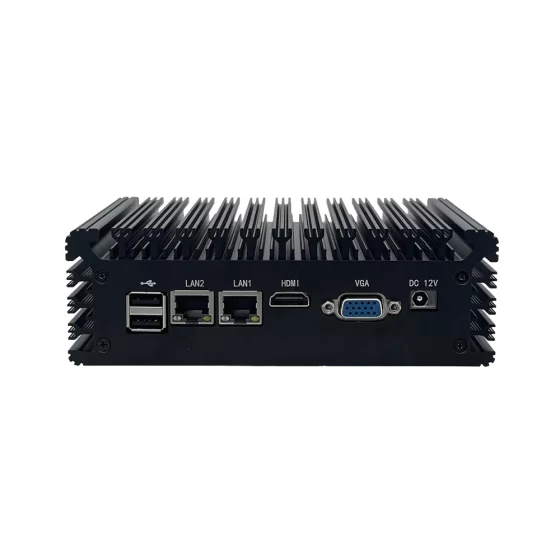
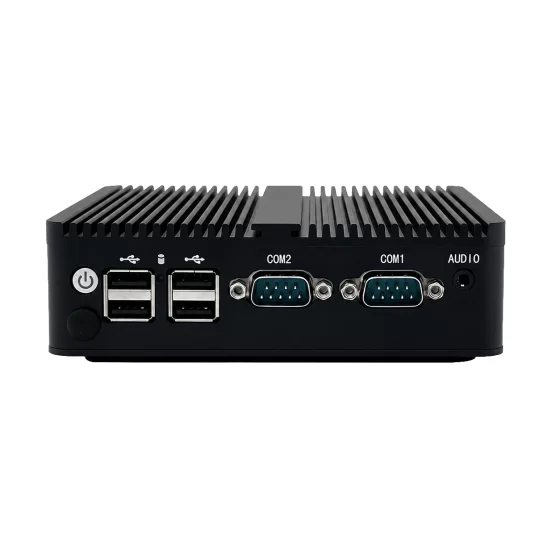
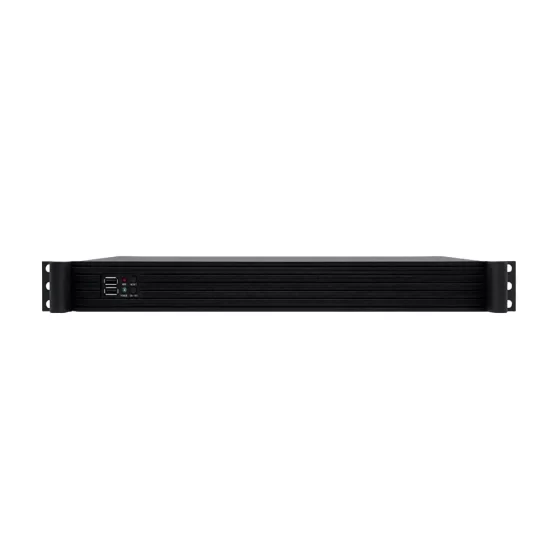
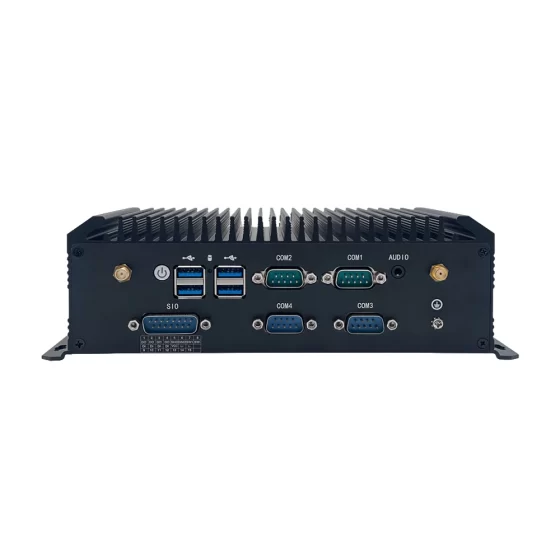
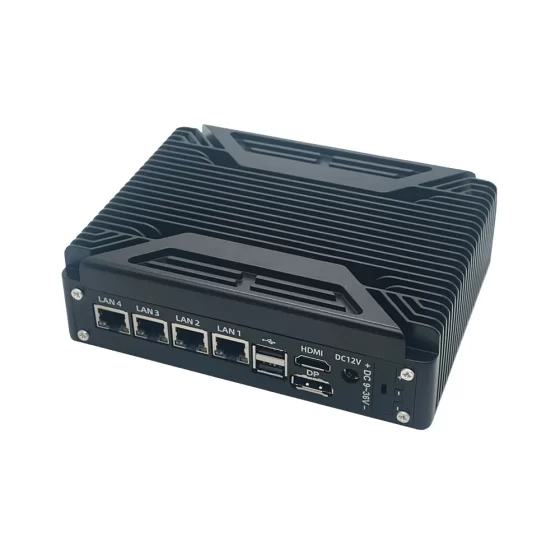
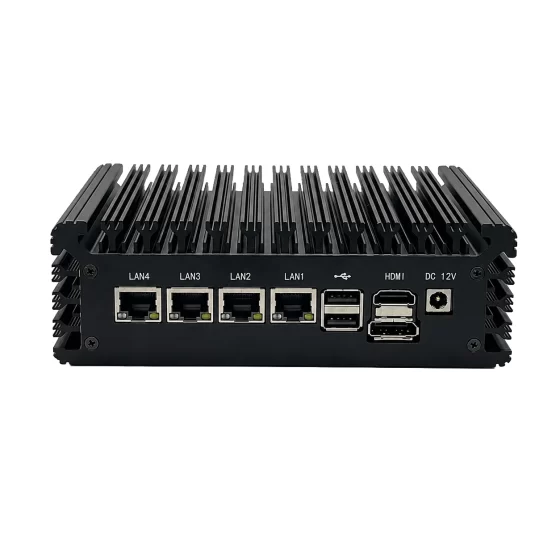
Soluciones de informática industrial CoreIPC

Computadora AI para inspección farmacéutica: Computadora de inspección farmacéutica para un control de calidad confiable
Resumen ejecutivo
A pharmaceutical inspection computer provides the industrial computing foundation for AI-based visual inspection, detección de defectos, verificación de embalaje, control de etiquetas, soporte de serialización, and quality data collection in pharmaceutical manufacturing.
Pharmaceutical production requires consistent inspection across tablets, capsules, vials, ampoules, syringes, blister packs, botellas, cajas de cartón, etiquetas, y embalaje final. Even small visual defects, etiquetas incorrectas, missing codes, damaged seals, or packaging errors can create serious quality and operational risks.
AI inspection systems use industrial cameras, iluminación, sensores, software de visión artificial, Modelos de inferencia de IA, and industrial computing hardware to inspect products and packaging more consistently than manual methods alone.
Una computadora industrial o una computadora integrada actúa como plataforma de procesamiento de IA local.. Recibe datos de imagen., runs AI or vision inspection software, Se comunica con PLC y sistemas de automatización., almacena registros de inspección, y carga los resultados en MES, sistemas de calidad, o bases de datos de producción.
En comparación con las PC comerciales estándar, Las computadoras industriales brindan mayor confiabilidad., E/S flexibles, diseño mecánico robusto, opciones sin ventilador, redes estables, y soporte de ciclo de vida prolongado. These features are important when inspection systems operate near filling lines, blister packaging machines, labeling equipment, serialization stations, and automated packaging lines.
This article explains how AI computers support pharmaceutical inspection, ¿Qué desafíos aparecen en el despliegue real?, cómo funciona la arquitectura de la solución, and which hardware features matter most for reliable pharma quality control.

Industrial computers process camera images for pharma quality inspection, verificación de embalaje, control de etiquetas, y trazabilidad.
Descripción general de la industria
Pharmaceutical Manufacturing Requires Strict Inspection
Pharmaceutical manufacturing depends on product consistency, packaging accuracy, label correctness, and complete production records.
Inspection may occur at multiple stages, including raw material handling, filling, caza de focas, blister packaging, etiquetado, codificación, cartoning, and final packaging verification.
Common inspection targets include:
- Tablet shape and color
- Capsule surface defects
- Vial fill level
- Ampoule cracks
- Syringe assembly
- Blister pack completeness
- Bottle cap and seal condition
- Label position
- Barcode and QR code readability
- Date code and batch code accuracy
- Carton print quality
- Final package verification
A pharmaceutical inspection computer helps process image data and connect inspection results with production records.
Why AI Is Used in Pharma Inspection
Traditional rule-based vision systems can work well for fixed and clearly defined inspection tasks.
Sin embargo, pharmaceutical products and packaging can show variation in reflection, material surface, calidad de impresión, contenedores transparentes, liquid level, tablet appearance, and package geometry.
AI inspection can help identify complex visual patterns and classify abnormalities that may be difficult to define with simple thresholds.
AI-based pharmaceutical inspection may support:
- Detección de defectos
- Product presence verification
- Fill-level checking
- Inspección de sellos
- Verificación de etiquetas
- Print and code inspection
- Packaging completeness checks
- Foreign object detection support
- Appearance classification
- Traceability data capture
La IA no reemplaza a la cámara adecuada, iluminación, y diseño mecánico. It depends on stable image acquisition and reliable industrial computing hardware.
La informática industrial es la base local de la IA
Pharmaceutical inspection systems often need fast local decisions.
Enviar cada imagen a un servidor remoto puede aumentar la latencia, carga de red, y dependencia de la infraestructura centralizada. Local industrial computers allow image processing and AI inference to happen near the inspection station.
An AI inspection computer can connect cameras, controladores de iluminación, sensores, PLC, transportadores, mecanismos de rechazo, lectores de códigos de barras, impresoras, y redes de fábricas.
Embedded computers are useful when inspection hardware must be installed inside packaging machines, labeling equipment, inspection cabinets, or OEM pharma equipment.

Transparent containers, embalaje reflectante, curved labels, small codes, iluminación, and product variation affect inspection reliability.
Desafíos clave
Product and Packaging Variation
Pharmaceutical inspection is difficult because products and packaging can vary in many ways.
Tablets may differ slightly in color or surface texture. Capsules may reflect light differently. Vials and ampoules may be transparent. Blister packs may include glossy foil. Labels may wrinkle or shift during application.
Los desafíos de inspección comunes incluyen:
- Low-contrast defects
- Reflective packaging surfaces
- Transparent containers
- Curved bottle labels
- Small printed codes
- Variable tablet appearance
- Liquid level visibility
- Seal edge inspection
- Fast conveyor movement
- Packaging deformation
The inspection computer must process images reliably under real production conditions.
High-Speed Inspection Requirements
Pharmaceutical packaging and filling lines can operate at high speed.
Inspection systems must capture images, procesar datos, clasificar resultados, and send pass or fail signals quickly enough to match production timing.
Los factores importantes de la carga de trabajo incluyen:
- Resolución de la cámara
- Número de cámaras
- Line speed
- Complejidad del modelo de IA
- Image processing cycle time
- Temporización del mecanismo de rechazo
- Almacenamiento de imágenes locales
- Database upload requirements
- Capacidad de respuesta de la interfaz de usuario
Un rendimiento estable y sostenido es más importante que un rendimiento máximo breve.
Iluminación y calidad de imagen
Lighting is critical in pharmaceutical inspection.
Transparent vials, glossy blister packs, reflective foil, botellas de plastico, glass surfaces, and curved labels can create glare, oscuridad, distortion, o bajo contraste.
Una mala calidad de imagen puede reducir la precisión de la inspección y aumentar el falso rechazo.
A reliable system requires careful coordination between cameras, lentes, iluminación, montaje, desencadenantes, software, y hardware informático.
La computadora industrial debe admitir una adquisición estable de la cámara y un control de la iluminación cuando sea necesario..
Integración con equipos de producción
Pharmaceutical inspection systems must connect with real production equipment.
Es posible que la computadora de inspección de IA necesite comunicarse con los PLC, máquinas de llenado, capping equipment, blister packaging machines, etiquetadoras, cartoners, impresoras, escáneres, mecanismos de rechazo, y bases de datos de fábrica.
A practical pharmaceutical inspection computer may need:
- LAN
- USB
- RS232
- RS485
- GPIO
- Entrada digital
- Salida digital
- Salida de pantalla
- Interfaces de expansión
Sin E/S industriales adecuadas, integration becomes more complex and less reliable.
Traceability and Inspection Records
Pharmaceutical inspection data often needs to be connected with batch records, ID de producto, Imágenes de inspeccion, marcas de tiempo, ID de estación, y datos de embalaje.
Incomplete inspection records can reduce the value of quality analysis and make investigation more difficult.
The inspection computer must support reliable data handling, almacenamiento local, and communication with MES or quality systems.

Industrial computers connect pharma inspection cameras, equipo de automatización, máquinas de embalaje, MES, y sistemas de calidad de fábrica.
Pharmaceutical Inspection Computer Solution Architecture
Capa de adquisición de imágenes y sensores
The acquisition layer captures the raw inspection data.
Esta capa puede incluir cámaras industriales., lentes, módulos de iluminación, sensores de disparo, lectores de códigos de barras, print inspection cameras, fill-level sensors, y sensores de producción.
Depending on the inspection task, el sistema puede capturar:
- Tablet images
- Capsule images
- Vial images
- Syringe images
- Blister pack images
- Bottle and cap images
- Imágenes de etiquetas
- Imágenes de códigos de barras o códigos QR
- Imágenes de códigos de fecha
- Carton package images
La calidad constante de los insumos es esencial. AI and machine vision software can only perform reliably when images are clear, estable, and repeatable.
Capa informática de IA industrial
The industrial AI computing layer is where the pharmaceutical inspection computer performs local processing.
en esta capa, el ordenador industrial o el ordenador integrado pueden:
- Recibir datos de imágenes de cámaras.
- Ejecute modelos de inferencia de IA
- Run rule-based vision tools
- Detectar defectos o anormalidades
- Verify product presence
- Check label and print quality
- Almacenar imágenes y registros
- Enviar señales de pasa o falla
- Comunicarse con los PLC
- Cargar datos a sistemas de calidad.
- Display inspection results locally
This edge computing layer allows inspection decisions to happen near the production line.
Capa de control de automatización
The automation control layer connects inspection results with production equipment.
Un PLC, controlador del transportador, filling system, máquina de embalaje, o mecanismo de rechazo puede activar la captura de imágenes o recibir resultados de inspección.
Por ejemplo, if a blister pack is missing a tablet or a label code is unreadable, the industrial computer can send a fail signal. The production system may then reject the item or alert an operator.
This closed-loop communication makes AI inspection useful for real production control.
Capa de gestión de datos
Inspection records must be connected with manufacturing data.
The industrial computer may send results to MES, sistemas de gestión de calidad, bases de datos de producción, o tableros de fábrica.
Los datos de inspección pueden incluir:
- ID del producto
- Número de lote
- Resultado de la inspección
- Categoría de defecto
- Prueba de imagen
- Puntuación de confianza
- ID de estación
- Marca de tiempo
- Número de línea
- Estado de rechazo
- Acción del operador
Esto apoya la trazabilidad, informes de calidad, y mejora de procesos.
Interfaz de usuario y capa de ingeniería
Los operadores e ingenieros necesitan una interfaz local práctica.
The inspection computer may connect to a monitor, pantalla táctil, teclado, o panel HMI. La interfaz puede mostrar imágenes en vivo., ubicaciones de defectos, estado de inspección, Rechazar recuentos, alarmas, estado del modelo, y registros del sistema.
A clear interface helps engineers adjust inspection settings, review failed products, y solucionar problemas de inspección rápidamente.
Características clave
Rendimiento de inferencia de IA
Pharmaceutical inspection AI systems require stable local processing performance.
Diferentes tareas de inspección requieren diferentes niveles informáticos. A simple barcode verification station may use a compact embedded computer. A multi-camera blister pack inspection or AI defect detection system may require a more powerful industrial PC or edge AI platform.
La selección debe considerar:
- Complejidad del modelo de IA
- Resolución de la cámara
- Número de cámaras
- Velocidad de fotogramas requerida
- Tiempo del ciclo de inspección
- Carga de trabajo de almacenamiento
- Marco de software
- UPC, GPU, o necesidades de acelerador de IA
The hardware should be selected according to real inspection workload, no sólo especificaciones generales.
Compatibilidad con cámara e interfaz de visión
Pharmaceutical inspection depends on reliable image acquisition.
The computing platform should support the required camera interfaces and bandwidth. Las cámaras USB y Gigabit Ethernet son comunes en muchos sistemas de visión industriales..
Las características útiles del hardware pueden incluir:
- USB 3.0
- Múltiples puertos LAN
- expansión PCIe
- Expansión M.2
- HDMI o DisplayPort
- Compatibilidad con SSD de alta velocidad
- Diseño de energía estable
Para sistemas multicámara, Es posible que sea necesario separar el tráfico de la cámara del tráfico de la red de fábrica..
E/S industriales para la integración de la producción
The inspection computer must connect with production equipment and peripheral devices.
Las opciones de E/S importantes pueden incluir:
- LAN
- USB
- RS232
- RS485
- GPIO
- Entrada digital
- Salida digital
- hdmi
- DisplayPort
Estas interfaces pueden admitir cámaras., escáneres, impresoras, controladores de iluminación, PLC, transportadores, alarmas, mecanismos de rechazo, y equipos de embalaje.
La E/S flexible reduce los convertidores externos y mejora la confiabilidad de la implementación.
Diseño resistente y sin ventilador
Fanless industrial computers are useful in many pharma inspection applications.
Reducen la entrada de polvo y eliminan un punto común de falla mecánica.. This can support lower maintenance in continuous production environments.
Una carcasa resistente ayuda a proteger la computadora de las vibraciones., tensión del cable, y condiciones de instalación del gabinete.
Para cargas de trabajo de IA de alto rendimiento, thermal design must be reviewed carefully to ensure stable long-term operation.
Almacenamiento de imágenes y registros de inspección
Pharmaceutical inspection systems may generate many files and records.
La computadora puede almacenar imágenes de defectos., product images, registros de inspección, archivos de modelo, informes de producción, y bases de datos locales.
Generalmente se prefiere el almacenamiento SSD porque proporciona una respuesta más rápida y una mejor resistencia a los golpes que las unidades mecánicas..
Para aplicaciones con muchas imágenes, capacidad de almacenamiento, escribe resistencia, política de retención, and backup planning should be reviewed during system design.
Largo ciclo de vida y mantenibilidad
Pharmaceutical inspection equipment may stay in service for many years.
Cambios frecuentes en los modelos de computadora., conductores, puertos, or expansion options can increase validation and maintenance workload.
Las plataformas informáticas industriales con planificación del ciclo de vida ayudan a los integradores de sistemas, constructores de equipos, and manufacturers maintain consistent inspection systems across multiple lines and equipment generations.

Fanless industrial computers support reliable pharma inspection deployment in production cabinets and inspection machines.
Escenarios de implementación
Tablet and Capsule Inspection
AI vision systems can inspect tablet and capsule appearance.
The system may check shape, color, coating condition, grietas, chips, contaminación, size variation, or missing products.
An industrial computer processes images locally and sends inspection results to production or quality systems.
Vial and Ampoule Inspection
Vials and ampoules may require inspection for fill level, cap condition, grietas, partículas, posición de la etiqueta, and printed codes.
The inspection computer can process images from multiple cameras and communicate with PLCs or reject mechanisms.
This supports automated quality control on filling and packaging lines.
Syringe and Medical Device Packaging Inspection
Syringe-related inspection may include plunger position, cap condition, label quality, package presence, and assembly verification.
An embedded computer can be installed near the inspection station or inside OEM equipment to process images and upload records.
Blister Pack Inspection
Blister packaging inspection is one of the most common pharmaceutical vision applications.
The system can check whether each cavity contains the correct product, whether tablets are damaged, whether packaging is complete, and whether foil or printed information is correct.
The industrial computer processes images and sends pass or fail results to the packaging line.
Bottle Cap and Seal Inspection
Bottle packaging may require cap, seal, etiqueta, and fill-level inspection.
A vision system can verify whether the cap is present, properly positioned, and visually acceptable.
The inspection computer can store results and connect inspection data with batch and packaging records.
Label and Code Verification
Pharmaceutical packaging often requires accurate labels, códigos de barras, códigos QR, números de lote, and date codes.
Un sistema de visión puede verificar que la etiqueta está presente., legible, correctamente posicionado, and linked to the correct product.
The industrial computer can connect recognition results with production databases and traceability systems.
Carton and Final Package Inspection
Final packaging inspection may check cartons, inserts, etiquetas, sellos, códigos de barras, recuento de productos, and package completeness.
An AI inspection computer can process images, verify packaging rules, and send results to quality systems or reject mechanisms.
This helps reduce packaging errors before shipment.
OEM Pharma Inspection Equipment
Machine builders can integrate embedded computers or industrial motherboards into pharma inspection equipment.
The computing platform can provide AI processing, adquisición de imágenes, pantalla HMI, comunicación PLC, control de rechazo, almacenamiento local, y salida de datos.
This helps OEMs deliver inspection systems ready for factory integration.

Pharmaceutical inspection systems improve defect review, verificación de etiqueta, trazabilidad, monitoreo de calidad, and packaging inspection.
Beneficios comerciales
Consistencia de inspección mejorada
AI inspection helps improve consistency across production shifts.
Industrial computers process images using defined vision rules or AI models. Esto reduce la dependencia del juicio manual y ayuda a mantener un rendimiento de inspección estable..
Consistent inspection is especially important for repetitive high-speed production tasks.
Carga de trabajo de inspección manual reducida
Manual inspection can be repetitive and difficult to sustain at high speed.
Las plataformas de inspección con IA automatizan muchas tareas de inspección visual, allowing operators and engineers to focus on exceptions, equipment setup, y mejora de procesos.
This can improve efficiency while reducing missed defects caused by fatigue.
Decisiones de calidad más rápidas
Local image processing allows inspection decisions to happen near the production line.
The industrial computer can classify defects and send pass, fallar, or reject results to PLCs quickly.
This helps remove defective products earlier and supports smoother production flow.
Mayor trazabilidad
Inspection results can be linked with product IDs, números de lote, categorías de defectos, imágenes, marcas de tiempo, información de la estación, y datos de embalaje.
This creates stronger quality records for pharmaceutical production.
Reliable traceability supports quality analysis, revisión del proceso, y responsabilidad de producción.
Mejor mejora de procesos
Pharmaceutical inspection systems generate useful quality data.
Los fabricantes pueden analizar defectos recurrentes, packaging errors, label issues, reject patterns, y variación del proceso.
Reliable industrial computing hardware helps ensure that this data is collected consistently and connected with factory systems.
Scalable Inspection Deployment
A standardized industrial computing platform makes it easier to deploy pharma inspection systems across multiple lines and factories.
El hardware consistente simplifica las imágenes de software, gestión de conductores, planificación de repuestos, entrenamiento de mantenimiento, y soporte técnico a largo plazo.
This supports scalable quality control and digital manufacturing development.
Por qué CoreIPC
CoreIPC proporciona plataformas informáticas industriales para visión artificial, IA de vanguardia, automatización de fábrica, e integración de sistemas integrados. For pharmaceutical inspection computer applications, CoreIPC se centra en hardware informático industrial confiable, soluciones informáticas integradas, Configuraciones de E/S flexibles, diseño de sistema compacto, y soporte de personalización OEM/ODM. CoreIPC ayuda a los integradores de sistemas, constructores de equipos de inspección, and pharmaceutical manufacturers select computing platforms that match real deployment requirements, incluyendo interfaces de cámara, Cargas de trabajo de IA, comunicación de automatización, métodos de montaje, entrada de energía, diseño térmico, necesidades de almacenamiento, y planificación del ciclo de vida.
Preguntas frecuentes
1. What is a pharmaceutical inspection computer?
A pharmaceutical inspection computer is an industrial computer used to process images and inspection data in pharma production.
It can connect to cameras, controladores de iluminación, escáneres, PLC, máquinas de embalaje, y sistemas de calidad. It may run AI inspection software, detectar defectos, verificar etiquetas, registros de inspección de la tienda, and upload results to production databases.
2. Why use an industrial computer for pharma inspection?
Pharma inspection systems often run near filling lines, máquinas de embalaje, transportadores, etiquetadoras, y estaciones de inspección.
Una computadora industrial es más adecuada que una PC de oficina porque admite un funcionamiento continuo, E/S industriales, instalación robusta, redes estables, opciones sin ventilador, y una implementación de ciclo de vida prolongado.
3. How is an embedded computer used in pharmaceutical inspection?
Se puede instalar una computadora integrada dentro de las máquinas de inspección., gabinetes de control, sistemas de etiquetado, blister packaging equipment, or compact vision stations.
Puede procesar imágenes de la cámara., ejecutar software de inspección, comunicarse con PLC, almacenar registros, y enviar resultados a los sistemas de fábrica. Its compact size makes it useful for OEM equipment and space-limited installations.
4. What can AI inspect in pharmaceutical manufacturing?
AI inspection can support tablet appearance checking, capsule inspection, blister pack verification, vial inspection, control de nivel de llenado, cap and seal inspection, verificación de etiqueta, lectura de código de barras, date code inspection, and final packaging checks.
The exact capability depends on camera setup, diseño de iluminación, Entrenamiento de modelos de IA, variación del producto, and production testing.
5. What interfaces are important for pharma inspection computers?
Las interfaces importantes pueden incluir USB 3.0, múltiples puertos LAN, RS232, RS485, GPIO, entrada digital, salida digital, hdmi, DisplayPort, M.2, y expansión PCIe.
Las interfaces de la cámara son fundamentales para la adquisición de imágenes.. Las E/S industriales son importantes para la comunicación PLC, control de iluminación, sensores de disparo, impresoras, escáneres, transportadores, y mecanismos de rechazo.
6. Is a fanless industrial computer suitable for pharma inspection?
A fanless industrial computer can be suitable for many pharma inspection applications because it reduces dust intake and removes one mechanical failure point.
Sin embargo, AI workloads and multi-camera systems may generate significant heat. Rendimiento del procesador, flujo de aire del gabinete, temperatura ambiente, y el método de montaje deben revisarse antes de la selección final del hardware..
7. How does pharma inspection support traceability?
Inspection systems support traceability by connecting results with product IDs, números de lote, marcas de tiempo, ID de estación, categorías de defectos, datos de la etiqueta, valores de código de barras, y registros de imagen.
Estos datos se pueden cargar en MES., sistemas de calidad, o bases de datos de producción. Complete records help manufacturers analyze quality issues and improve process control.
8. Can pharmaceutical inspection computers connect to MES systems?
Sí. Industrial computers can send inspection data to MES, bases de datos de calidad, o paneles de producción.
Los datos cargados pueden incluir ID de productos, números de lote, resultados de la inspección, categorías de defectos, imágenes, marcas de tiempo, line information, and reject status. This helps connect inspection workflows with production records.
9. What should be tested before deploying a pharma inspection computer?
Antes del despliegue, El sistema debe probarse con productos reales., actual packaging, iluminación de producción, real line speed, resolución de la cámara, software de inspección, comunicación PLC, rechazar el tiempo, carga de trabajo de almacenamiento, y condiciones de la red.
También se deben probar la estabilidad a largo plazo y el rendimiento térmico para reducir el riesgo de producción..
10. Can AI inspection replace manual pharma inspection completely?
La inspección con IA puede automatizar muchas tareas de inspección visual repetitivas, pero debe introducirse con cuidado.
Some inspection cases may still require human review, especially during validation, manejo de excepciones, or unusual defect analysis. En muchas fábricas, AI inspection works best as a consistent automated inspection layer that supports operators and quality teams.
Conclusión
A pharmaceutical inspection computer is a practical foundation for AI-based visual inspection, verificación de embalaje, detección de defectos, control de etiquetas, trazabilidad, y control de calidad de la producción.
Colocando hardware informático industrial cerca de las cámaras., sistemas de iluminación, sensores, PLC, transportadores, máquinas de embalaje, y mecanismos de rechazo, Los fabricantes pueden procesar datos de inspección localmente y responder más rápido a los problemas de calidad..
La computadora industrial o la computadora integrada adecuada debe seleccionarse de acuerdo con los requisitos de implementación reales., incluyendo interfaz de cámara, Carga de trabajo de IA, configuración de E/S, diseño de red, necesidades de almacenamiento, método de montaje, entrada de energía, condiciones termicas, soporte del sistema operativo, y planificación del ciclo de vida.
CoreIPC supports pharmaceutical inspection computer projects with industrial computing platforms designed for practical factory deployment. Con la base de hardware adecuada, pharmaceutical manufacturers and equipment builders can build more reliable, escalable, and data-driven inspection systems.
Contáctenos
Busco ordenador industrial, computadora integrada, or industrial motherboard for pharma inspection?
Póngase en contacto con CoreIPC para analizar los requisitos de su proyecto., incluyendo interfaz de cámara, Carga de trabajo de IA, configuración de E/S, comunicación de automatización, método de montaje, entrada de energía, entorno operativo, necesidades del ciclo de vida, y opciones de personalización OEM/ODM.