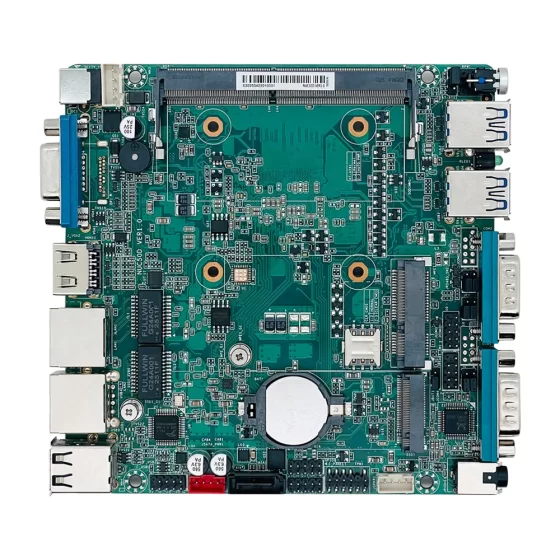
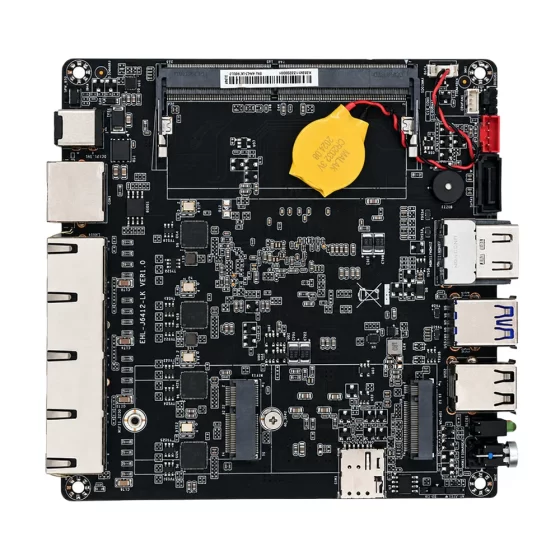
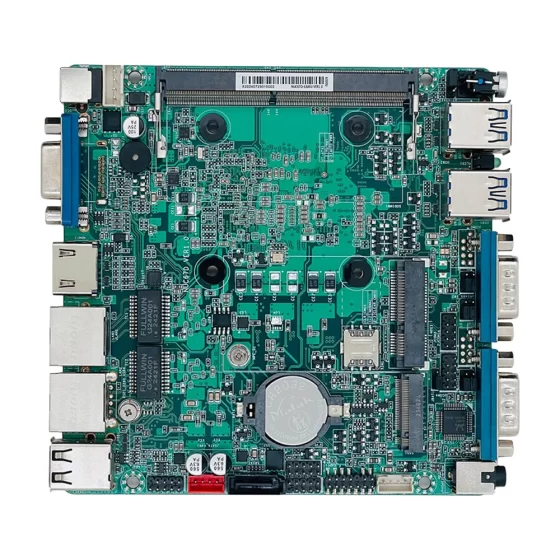
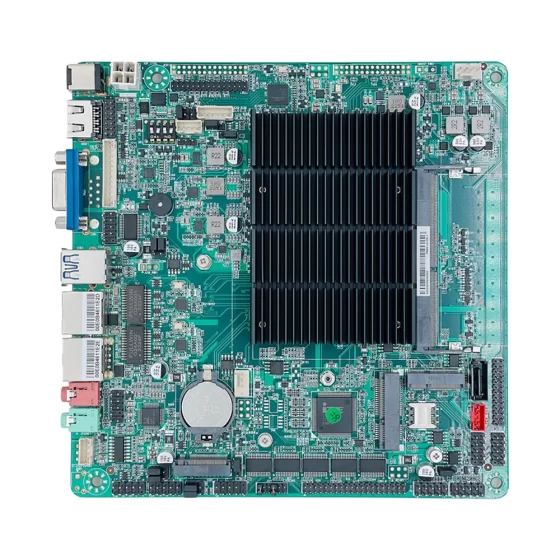
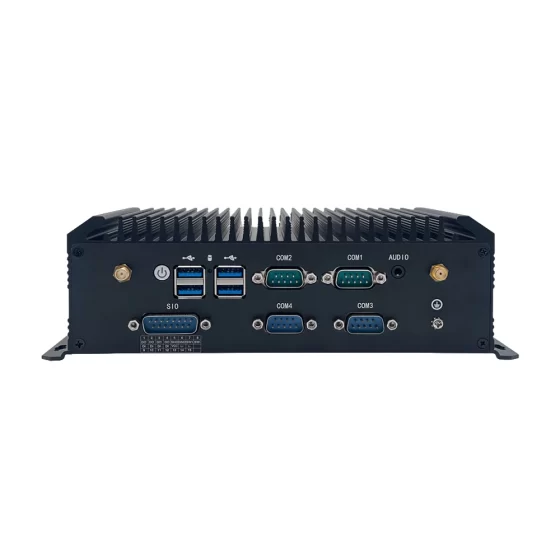
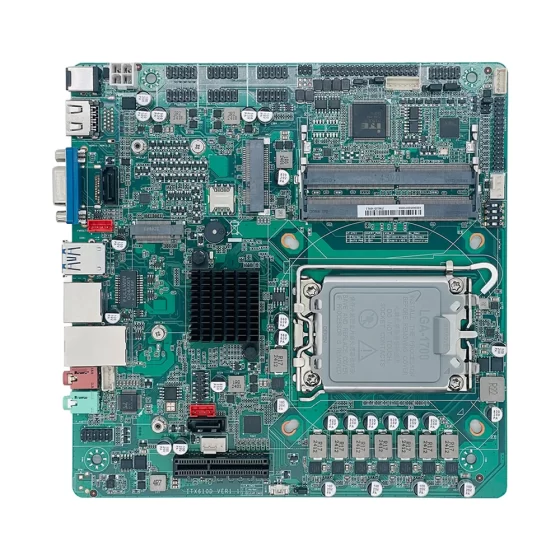
Soluciones de informática industrial CoreIPC

Plataforma de agregación de datos industriales: Agregación de datos industriales para la fabricación inteligente
Resumen ejecutivo
Industrial data aggregation provides the computing foundation for collecting, normalizing, almacenamiento en búfer, tratamiento, and forwarding data from machines, PLC, sensores, metros, robots, camaras, sistemas de inspección, y plataformas de software de fábrica.
Modern factories generate data from many different sources. Production lines may include legacy machines, Ethernet-based PLCs, serial sensors, medidores industriales, lectores de códigos de barras, sistemas de visión, equipo de prueba, Sistemas SCADA, plataformas MES, and cloud-connected industrial IoT applications.
Without a reliable aggregation layer, data may remain fragmented across machines, spreadsheets, local controllers, isolated databases, or disconnected systems.
An industrial data aggregation platform built on an industrial computer or embedded computer can collect data from multiple devices, alinear marcas de tiempo, filtrar registros innecesarios, buffer information locally, run edge processing tasks, y enviar datos estructurados a SCADA, MES, ERP, plataformas en la nube, historians, o sistemas de análisis.
Compared with basic converters or office PCs, industrial computers provide a more reliable hardware foundation for shop floor deployment. Soportan recintos resistentes, múltiples puertos LAN, interfaces seriales, almacenamiento local, opciones de diseño sin ventilador, entrada de energía industrial, E/S flexibles, y disponibilidad de ciclo de vida prolongado.
This article explains how industrial data aggregation platforms support smart manufacturing, what deployment challenges appear in real factories, cómo funciona la arquitectura de la solución, and which hardware features matter when selecting an industrial computer or embedded computer for factory data aggregation applications.
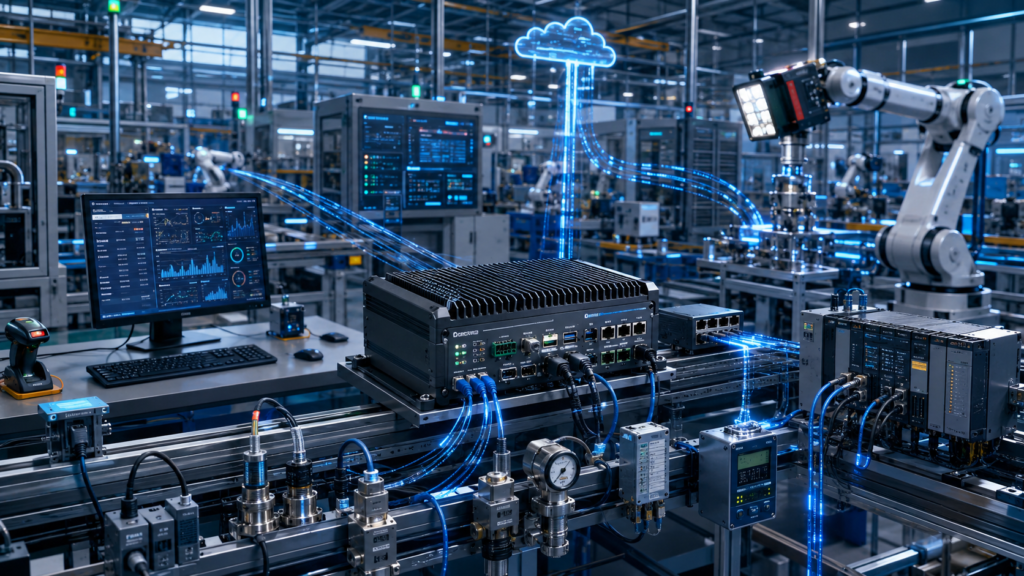
Industrial data aggregation platforms collect and organize machine, sensor, calidad, production, and energy data.
Descripción general de la industria
Factories Need Unified Data Visibility
Smart manufacturing depends on reliable data.
Production teams need to understand machine status, razones de tiempo de inactividad, recuentos de producción, historial de alarmas, uso de energía, resultados de calidad, valores de proceso, maintenance conditions, and equipment performance.
Sin embargo, factory data is often distributed across many systems.
Some machines store data locally. Some PLCs only communicate with nearby HMIs. Some meters use serial communication. Some inspection machines export files. Some systems send data to SCADA, while others report to MES or cloud dashboards.
This creates disconnected information.
An industrial data aggregation platform helps bring these data sources together.
Data Aggregation Is Different from Simple Data Collection
Basic data collection captures values from devices.
Industrial data aggregation goes further.
A practical aggregation platform may need to support:
- Multi-device data acquisition
- Protocol bridging
- Normalización de datos
- Alineación de marca de tiempo
- Almacenamiento en búfer local
- Filtrado de datos
- Procesamiento de bordes
- Quality data consolidation
- Alarm and event collection
- Energy data aggregation
- Remote access logging
- Platform integration
The goal is to create structured and usable industrial data, not only raw values.
La informática industrial es la base del hardware
Industrial data aggregation platforms are often deployed near production equipment.
Se pueden instalar dentro de armarios de control., recintos de máquinas, production line panels, cuartos de servicio, sistemas de almacén, or edge computing stations.
Estos ambientes pueden incluir polvo., vibración, variación de temperatura, poder inestable, ruido electrico, flujo de aire limitado, tensión del cable, y funcionamiento continuo.
Las computadoras industriales y las computadoras integradas proporcionan la base de hardware necesaria para estas condiciones..
They support multi-LAN networking, comunicación en serie, almacenamiento local, diseño sin ventilador, montaje industrial, flexible expansion, and stable long-term deployment.

Interfaces mixtas, legacy devices, protocol diversity, volumen de datos, almacenamiento en búfer, and network segmentation affect aggregation deployment.
Desafíos clave
Collecting Data from Mixed Equipment
Factories often contain equipment from different vendors and generations.
A single production line may include PLCs, metros, sensores, robots, lectores de códigos de barras, sistemas de prueba, camaras, HMI, y máquinas heredadas.
These devices may use different interfaces, formatos de datos, y métodos de comunicación.
A data aggregation platform must support practical connectivity, incluido:
- Ethernet-based devices
- Dispositivos seriales
- Redes de PLC
- Sensor systems
- Meter networks
- USB-connected equipment
- Local files or databases
- Pasarelas industriales
- Controladores de máquinas
- Equipo de inspección
Flexible I/O is important because every factory site is different.
Normalizing Data into Usable Formats
Raw factory data is often inconsistent.
Different machines may use different tag names, units, marcas de tiempo, alarm codes, sampling rates, and record structures.
An industrial data aggregation platform should help convert this raw data into a more consistent structure.
Esto puede incluir:
- Tag mapping
- Conversión de unidades
- Alineación de marca de tiempo
- Filtrado de datos
- Clasificación de eventos
- Alarm grouping
- Production count formatting
- Machine status standardization
- Local data validation
Structured data is easier to use in MES, SCADA, historiador, nube, y sistemas de análisis.
Avoiding Data Loss During Network Interruptions
Factory networks are not always stable.
Connections to MES, SCADA, paneles de control en la nube, or remote servers may be interrupted.
If the aggregation platform only forwards live data without local buffering, important records may be lost.
Local storage and buffering are important for:
- Historial de alarmas
- La producción cuenta
- Resultados de calidad
- Energy records
- Registros de mantenimiento
- Tendencias de sensores
- Machine status changes
- Batch or process records
A reliable industrial computer can store data locally and forward it when the network connection recovers.
Managing High Device Count and Data Volume
Industrial data aggregation workload depends on the number of connected devices and the update rate.
A small machine gateway may collect a few signals. A factory-level aggregation platform may process data from many machines, sensores, metros, camaras, y sistemas de software.
The system must be sized according to:
- Recuento de dispositivos
- Recuento de puntos de datos
- Frecuencia de muestreo
- Carga de trabajo del protocolo
- Tamaño de la base de datos local
- Frecuencia de carga
- Edge processing needs
- Storage retention period
- Requisitos del panel
- Ancho de banda de red
Hardware selection should reflect the actual data workload.
Maintaining Network Segmentation
Industrial data aggregation platforms often sit between machine networks and higher-level systems.
This creates a security boundary.
A flat network can expose machines, PLC, camaras, and local systems unnecessarily.
The aggregation platform may need to separate:
- Red de máquinas
- Red PLC
- Red de sensores
- Red de cámaras
- Red informática de fábrica
- Red industrial de IoT
- Red de mantenimiento remoto
- Red de gestión
Multiple LAN ports help create cleaner segmentation and controlled data flow.
Supporting Long-Term Factory Deployment
Factory data systems often remain in use for many years.
Los cambios frecuentes de hardware pueden crear problemas de validación de software, problemas con el conductor, desafíos de repuestos, y complejidad del mantenimiento.
Industrial computing platforms with lifecycle planning help manufacturers and system integrators maintain consistent aggregation systems across production lines, plantas, y generaciones de equipos.

Industrial data aggregation platforms connect shop-floor devices with local databases, software de fábrica, IIoT systems, y plataformas en la nube.
Industrial Data Aggregation Solution Architecture
Capa de dispositivo y máquina
The device and machine layer includes the equipment that generates data.
Esta capa puede incluir:
- Controladores PLC
- Sensores
- Medidores de energía
- Robots
- Lectores de códigos de barras
- Cámaras industriales
- Equipo de prueba
- HMI
- Unidades
- Controladores de movimiento
- Remote I/O modules
- Dispositivos serie heredados
These systems provide raw production, calidad, energía, mantenimiento, y procesar datos.
The industrial data aggregation platform connects to these sources and collects selected information.
Edge Aggregation Layer
The edge aggregation layer is the core of the solution.
en esta capa, el ordenador industrial o el ordenador integrado pueden:
- Collect data from multiple devices
- Convertir protocolos
- Normalize tag values
- Align timestamps
- Almacenar registros locales
- Almacenar datos durante problemas de red
- Filter unnecessary values
- Aggregate alarms and events
- Run local processing logic
- Forward structured data to higher-level systems
This layer turns disconnected shop floor data into usable industrial information.
Capa de procesamiento local
The local processing layer improves data quality before upload.
La plataforma podrá procesar:
- Machine status changes
- Eventos de alarma
- La producción cuenta
- Cycle time records
- Energy consumption values
- Quality inspection results
- Datos ambientales
- Maintenance indicators
- Señales de estado del equipo
- Downtime events
Procesando datos localmente, the platform can reduce bandwidth usage and improve response time.
Capa de integración de plataforma
The aggregation platform connects local data with factory and enterprise systems.
Puede enviar información seleccionada a:
- SCADA
- MES
- ERP
- Plataformas industriales de IoT
- Paneles de control en la nube
- Bases de datos de historiadores locales
- Sistemas de mantenimiento
- Bases de datos de calidad
- Sistemas de gestión de energía.
- Plataformas de monitoreo remoto
Instead of sending every raw value, the platform can deliver structured data, registros de eventos, resúmenes, tendencias, alertas, y registros seleccionados.
Capa de seguridad y gestión
Industrial data aggregation must be controlled and maintainable.
La capa de seguridad y gestión puede incluir:
- Segmentación de red
- Políticas de firewall
- Acceso remoto seguro
- Permisos de usuario
- Registro local
- Copia de seguridad de configuración
- Monitoreo del estado del dispositivo
- Monitoreo del estado del almacenamiento
- Diagnóstico remoto
- Gestión de actualizaciones
This layer helps keep data collection reliable and secure over the full system lifecycle.
Características clave
Conectividad multidispositivo
An industrial data aggregation platform must connect with many types of factory devices.
Las interfaces útiles pueden incluir:
- LAN
- USB
- RS232
- RS485
- GPIO
- Entrada digital
- Salida digital
- hdmi
- DisplayPort
- M.2
- PCIe
- Almacenamiento SATA o NVMe
Native industrial interfaces reduce the need for external converters and simplify cabinet wiring.
This improves reliability and makes the platform easier to deploy across different machines.
Diseño de red multiLAN
Multiple LAN ports are valuable for separating different networks.
Las configuraciones útiles pueden incluir:
- Red PLC
- Red de máquinas
- Red de sensores
- Red de cámaras
- Red informática de fábrica
- Red industrial de IoT
- Red de mantenimiento remoto
- Red de gestión
Multi-LAN design improves security, routing clarity, and traffic organization.
It also allows data aggregation without exposing machine networks directly to higher-level systems.
Almacenamiento local confiable
Local storage is critical for aggregation systems.
La plataforma puede almacenar:
- Machine data
- Registros de alarma
- Registros de eventos
- La producción cuenta
- Resultados de calidad
- Energy trends
- Bases de datos locales
- Cargar buffers
- Archivos de configuración
- Security logs
Generalmente se prefiere el almacenamiento SSD o NVMe porque proporciona un acceso rápido y una mejor resistencia a los golpes que las unidades mecánicas..
El diseño del almacenamiento debe considerar el tiempo de retención., escribe resistencia, flujo de trabajo de respaldo, and data recovery needs.
Data Buffering and Store-and-Forward
A strong aggregation platform should continue collecting data even when the network connection is interrupted.
Store-and-forward capability helps protect factory records.
Cuando se recupera la conexión, buffered data can be uploaded to MES, SCADA, nube, or historian systems.
This is useful for production reporting, trazabilidad de calidad, monitoreo de energía, and remote facility operations.
Rendimiento del procesamiento perimetral
The platform may need to collect, normalize, proceso, almacenar, y reenviar datos al mismo tiempo.
La selección de hardware debe considerar:
- rendimiento de la CPU
- Capacidad de memoria
- Recuento de dispositivos
- Recuento de puntos de datos
- Polling frequency
- Carga de trabajo de base de datos local
- Velocidad de almacenamiento
- Carga de trabajo de conversión de protocolo
- Requisitos del panel
- Soporte del sistema operativo
Para implementaciones más grandes, the system should be tested with real data rates and device connections.
Diseño robusto y sin ventilador
Fanless industrial computers are well suited for factory data aggregation.
Reducen la entrada de polvo y eliminan un punto común de falla mecánica..
Los gabinetes resistentes ayudan a proteger contra las vibraciones, tensión de instalación del gabinete, tensión del cable, y funcionamiento continuo.
El diseño térmico aún debe revisarse cuidadosamente, especially when the platform handles many devices, local storage writes, and continuous data processing.
Gestión remota segura
Distributed aggregation platforms need practical maintenance.
Secure remote management can help engineers update configurations, review logs, monitor system health, and troubleshoot data issues.
Remote management should be controlled through authentication, permisos de acceso, explotación florestal, y segmentación de red.
This helps reduce on-site maintenance workload while protecting factory systems.
Disponibilidad de ciclo de vida prolongado
Industrial aggregation systems often become part of long-term production infrastructure.
El hardware consistente ayuda a mantener las imágenes del software, data collection templates, conductores, piezas de repuesto, y procedimientos de validación.
Long lifecycle availability is especially important for machine builders, integradores de sistemas, and manufacturers deploying aggregation platforms across multiple sites.
Escenarios de implementación
Production Line Data Aggregation
Una línea de producción puede incluir PLC., sensores, lectores de códigos de barras, sistemas de inspección, robots, and local HMIs.
An industrial data aggregation platform can collect selected data from these devices and create structured records for MES, SCADA, o paneles de control locales.
This improves line visibility and production reporting.
Multi-Machine Data Collection
Factories often need to collect data from many machines in one area.
An embedded computer can aggregate machine status, recuentos de ciclos, alarmas, and process values from multiple devices.
This supports centralized monitoring without replacing existing equipment.
Quality Data Aggregation
Quality systems may need data from inspection machines, lectores de códigos de barras, estaciones de prueba, sistemas de visión, y equipo de producción.
An aggregation platform can combine these records locally and forward structured data to quality databases or traceability platforms.
This supports better production quality analysis.
Energy Data Aggregation
Factories may monitor energy usage from meters, compresores, sistemas de climatización, utilidades, y equipo de producción.
A data aggregation platform can collect energy records, alinear marcas de tiempo, store trends, and forward selected values to energy management systems.
This supports efficiency improvement and abnormal consumption detection.
Industrial IoT Data Hub
An industrial data aggregation platform can act as a local IIoT data hub.
It can collect machine and sensor data, procesar registros localmente, buffer information, and send selected data to cloud dashboards or local industrial IoT systems.
This supports connected factory deployment.
SCADA and MES Integration
SCADA and MES systems often require reliable data from production equipment.
The aggregation platform can collect local device data, normalize it, and forward structured records to these systems.
This improves integration between the shop floor and factory management platforms.
Monitoreo remoto de instalaciones
Remote facilities may include utility rooms, estaciones de bombeo, sistemas de energía, estaciones de monitoreo ambiental, or small production sites.
Una computadora integrada puede recopilar datos localmente, registros de buffer, and send information to central platforms when the network is available.
This improves visibility for distributed operations.
OEM Data Aggregation Appliance
Machine builders and system integrators can integrate industrial computers into custom aggregation appliances.
The platform can provide device connectivity, protocol handling, almacenamiento local, procesamiento de bordes, acceso remoto, and secure data forwarding for customer-ready systems.
Beneficios comerciales
Unified Factory Data
Industrial data aggregation helps bring machine, sensor, calidad, energía, and production data into a more unified structure.
This improves visibility across production lines and reduces information silos.
Unified data supports better decision-making.
Informes manuales reducidos
Many factories still rely on manual data entry or disconnected machine records.
A data aggregation platform can automate collection and forwarding.
This reduces manual workload, improves data consistency, and supports more reliable reporting.
Mejor trazabilidad de la producción
Aggregated data can support traceability across machines, operadores, lotes, procesos, inspecciones, y marcas de tiempo.
This is valuable for quality management, solución de problemas, compliance workflows, y mejora continua.
Improved Equipment Monitoring
Aggregated machine data helps teams understand equipment status, alarmas, downtime, and operating conditions.
This supports maintenance planning and faster problem diagnosis.
When data is collected consistently, abnormal patterns are easier to identify.
Stronger System Integration
Factories often use multiple systems that need shared data.
Industrial data aggregation helps connect machines with SCADA, MES, ERP, paneles de control en la nube, bases de datos de calidad, y plataformas de gestión energética.
This improves the value of existing factory software.
Implementación escalable de fabricación inteligente
A standardized industrial data aggregation platform makes it easier to deploy across many machines, líneas de producción, y fábricas.
El hardware consistente simplifica las imágenes de software, plantillas de configuración, planificación de repuestos, capacitación, y gestión del ciclo de vida.
This supports scalable smart manufacturing and industrial IoT programs.
Por qué CoreIPC
CoreIPC proporciona plataformas informáticas industriales para IoT industrial, automatización de fábrica, visión artificial, IA de vanguardia, seguridad de red, e integración de sistemas integrados. For industrial data aggregation applications, CoreIPC se centra en hardware informático industrial confiable, soluciones informáticas integradas, configuraciones de LAN múltiple, comunicación en serie, E/S flexibles, diseño de sistema compacto, opciones de implementación sin ventilador, capacidad de almacenamiento local, y soporte de personalización OEM/ODM. CoreIPC ayuda a los integradores de sistemas, constructores de maquinaria, y los fabricantes seleccionan plataformas informáticas que coincidan con los requisitos de implementación reales, incluyendo interfaces de dispositivos, carga de trabajo de datos, Recuento de puertos LAN, necesidades de almacenamiento, métodos de montaje, entrada de energía, condiciones termicas, y planificación del ciclo de vida.
Preguntas frecuentes
1. What is industrial data aggregation?
Industrial data aggregation is the process of collecting data from multiple factory devices and systems, then organizing it into a more usable structure.
It may include data from PLCs, sensores, metros, maquinas, robots, camaras, inspection equipment, Sistemas SCADA, y puertas de enlace industriales de IoT. The goal is to make factory data easier to store, analizar, and share.
2. Why use an industrial computer for data aggregation?
An industrial computer provides rugged hardware and flexible connectivity for factory deployment.
Puede admitir múltiples puertos LAN, comunicación en serie, USB, GPIO, almacenamiento confiable, operación sin ventilador, montaje industrial, y disponibilidad de ciclo de vida prolongado. These features make it suitable for collecting and processing data near production equipment.
3. How is an embedded computer used as a data aggregation platform?
Se puede instalar una computadora integrada dentro de un gabinete de control., recinto de la máquina, or factory edge node.
It can collect data from local devices, normalizar valores, almacenar registros, datos del buffer, ejecutar software de puerta de enlace, y enviar información estructurada al MES, SCADA, plataformas en la nube, o bases de datos locales.
4. What devices can an industrial data aggregation platform connect?
A platform can connect PLCs, sensores, metros, HMI, robots, lectores de códigos de barras, cámaras industriales, sistemas de prueba, conduce, remote I/O modules, dispositivos serie heredados, and local gateways.
The exact device support depends on hardware interfaces, controladores de software, protocolos de comunicacion, y requisitos de integración.
5. Why is local storage important for data aggregation?
El almacenamiento local ayuda a prevenir la pérdida de datos durante interrupciones de la red.
The platform can continue collecting machine records, alarmas, datos de calidad, energy values, and production counts locally. When the connection to MES, SCADA, or cloud platforms recovers, buffered data can be uploaded.
6. Why are multiple LAN ports important for aggregation platforms?
Multiple LAN ports help separate machine networks, Redes de PLC, redes informáticas de fábrica, redes de cámaras, sistemas industriales de IO, y redes de mantenimiento remoto.
This improves security, reduces unnecessary traffic exposure, and supports cleaner network organization.
7. Can industrial data aggregation support legacy equipment?
Sí. Many aggregation platforms support legacy equipment through RS232, RS485, USB, E/S digitales, or protocol conversion software.
This allows older machines and devices to contribute data to modern factory systems without immediate equipment replacement.
8. Can data aggregation platforms support industrial IoT?
Sí. Industrial data aggregation platforms are commonly used as local industrial IoT data hubs.
They can collect data from machines and sensors, procesar registros localmente, datos del buffer, and forward selected information to cloud dashboards, local IIoT systems, SCADA, or MES platforms.
9. What hardware features matter for industrial data aggregation?
Las características importantes incluyen múltiples puertos LAN, RS232, RS485, USB, GPIO, E/S digitales, memoria confiable, Almacenamiento SSD o NVMe, recinto resistente, diseño sin ventilador, entrada de energía industrial, salida de pantalla, M.2, PCIe, y opciones de expansión.
La configuración final debe coincidir con el número de dispositivos., carga de trabajo de datos, necesidades de almacenamiento, y entorno de instalación.
10. Qué se debe probar antes de la implementación?
Antes del despliegue, the platform should be tested with real devices, topología de red, tarifas de datos, carga de trabajo del protocolo, comportamiento del almacenamiento local, lógica de almacenamiento en búfer, comportamiento de carga, y operación de larga duración.
Estabilidad térmica, procedimientos de recuperación, gestión remota, precisión de los datos, e integración con MES, SCADA, o los sistemas en la nube también deben validarse.
Conclusión
Industrial data aggregation is a practical foundation for smart manufacturing, factory visibility, industrial IoT deployment, trazabilidad de la producción, monitoreo de energía, quality data consolidation, and machine data integration.
By placing an industrial computer or embedded computer near production equipment, fabricantes, constructores de maquinaria, and system integrators can collect data from PLCs, sensores, metros, robots, camaras, inspection equipment, legacy devices, Sistemas SCADA, plataformas MES, and cloud dashboards through controlled and reliable communication paths.
The right industrial data aggregation platform should be selected according to real deployment requirements, incluyendo interfaces de dispositivos, data point count, polling frequency, Recuento de puertos LAN, comunicación en serie, diseño de almacenamiento, requisitos de almacenamiento en búfer, método de montaje, entrada de energía, condiciones termicas, soporte del sistema operativo, y planificación del ciclo de vida.
CoreIPC supports industrial data aggregation projects with industrial computing platforms designed for practical shop floor, lado de la máquina, gabinete, y despliegue OEM. Con la base de hardware adecuada, Los operadores industriales y los fabricantes de equipos pueden construir sistemas confiables., escalable, and data-driven factory aggregation systems.
Contáctenos
Busco ordenador industrial, computadora integrada, or multi-LAN platform for industrial data aggregation deployment?
Póngase en contacto con CoreIPC para analizar los requisitos de su proyecto., incluyendo interfaces de dispositivos, Recuento de puertos LAN, comunicación en serie, carga de trabajo de datos, configuración de almacenamiento, método de montaje, entrada de energía, entorno operativo, necesidades del ciclo de vida, y opciones de personalización OEM/ODM.