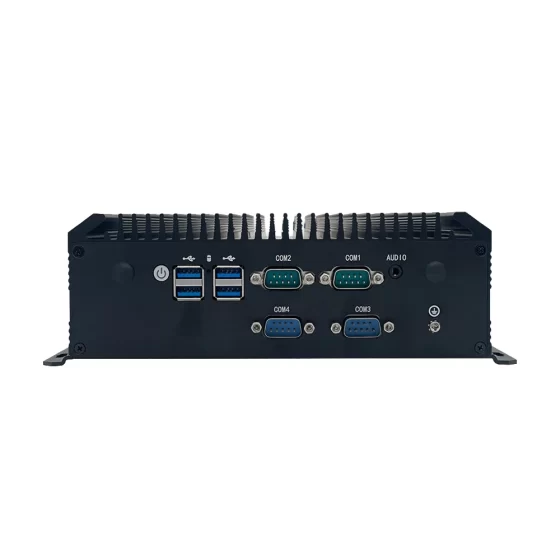
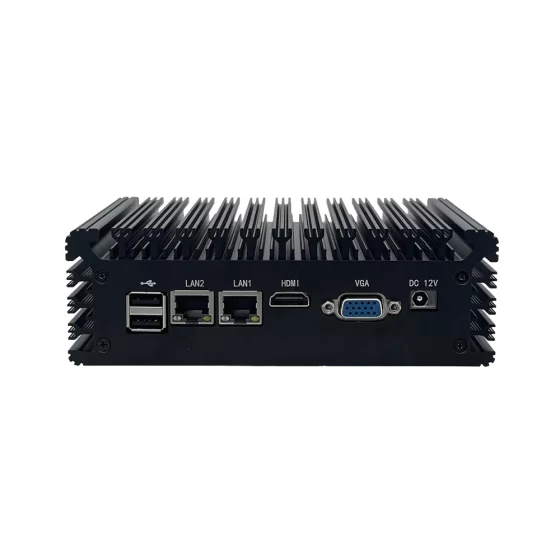
CoreIPC Industrial Computing Solutions

3D Machine Vision Computing System: 3D Machine Vision Computer for Industrial Inspection and Automation
Executive Summary
A 3D machine vision computer provides the industrial computing foundation for depth sensing, 3D inspection, robotic guidance, dimensional measurement, and intelligent automation in modern manufacturing environments.
Unlike traditional 2D vision systems that analyze flat images, 3D machine vision systems capture depth, shape, height, volume, surface profile, and spatial position. This allows manufacturers to inspect complex parts, guide robots, measure dimensions, detect defects, and verify assembly accuracy with more spatial information.
A complete 3D machine vision system usually includes 3D cameras, laser profilers, structured light sensors, time-of-flight cameras, lenses, lighting, motion systems, image processing software, and industrial computing hardware. The industrial computer or embedded computer acts as the local processing platform.
It receives 3D data, processes point clouds or depth images, runs inspection algorithms, communicates with PLCs and robots, stores results, and uploads data to MES, quality systems, or production databases.
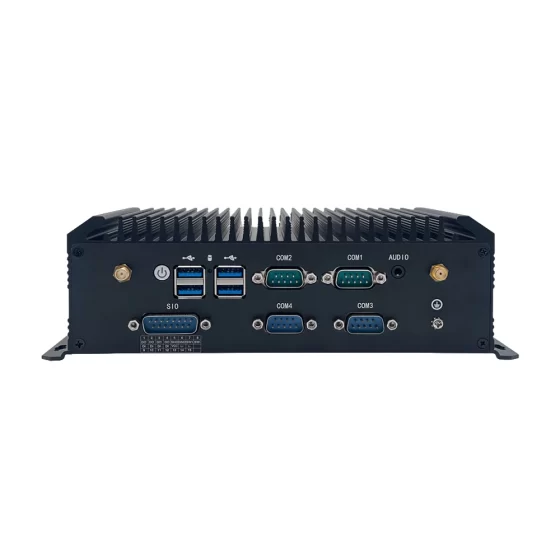
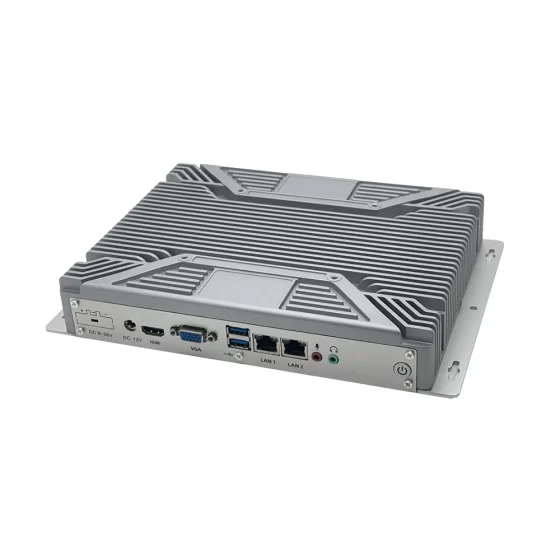
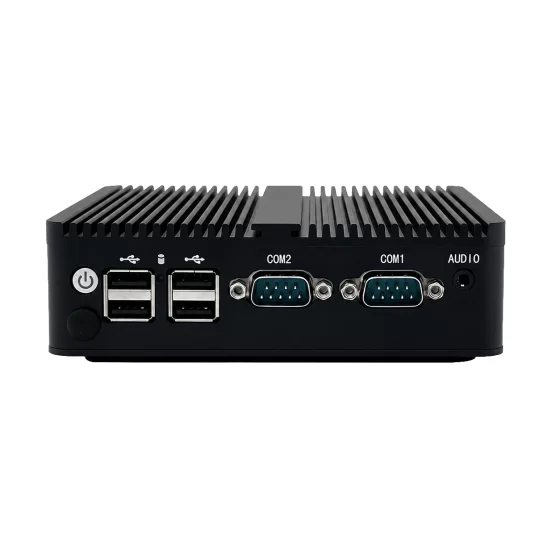
Compared with standard commercial PCs, industrial computers provide better reliability, flexible I/O, rugged mechanical design, stable networking, fanless options, and long lifecycle support. These features are important when 3D vision systems are deployed near machines, conveyors, robotic cells, inspection stations, or production lines.
This article explains how 3D machine vision computing systems work, what deployment challenges manufacturers face, how the solution architecture is structured, and which hardware features are important when selecting an industrial computer for 3D machine vision applications.
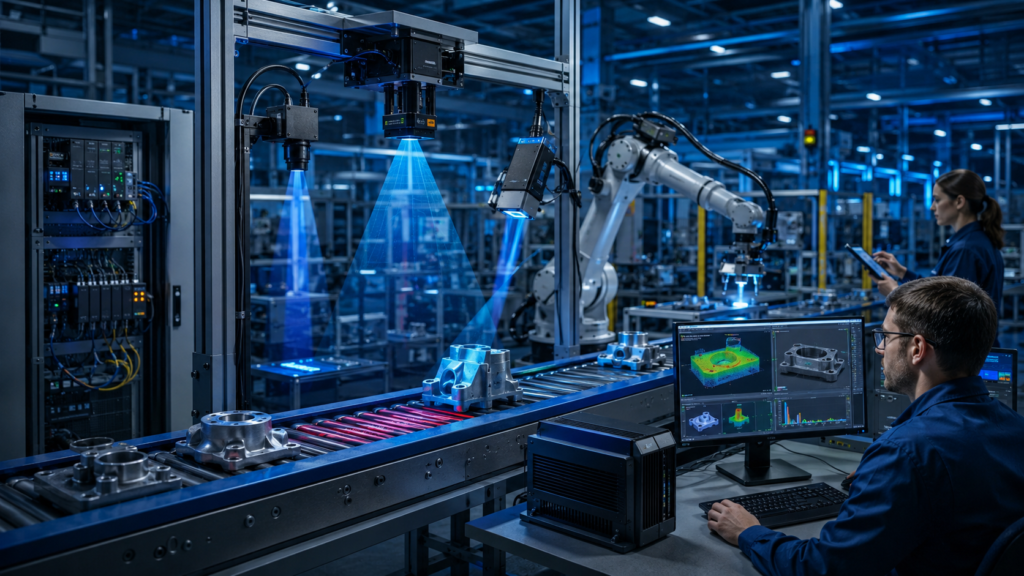
3D vision computers process depth data for industrial inspection, measurement, and automation.
Industry Overview
3D Vision Is Expanding in Industrial Automation
Machine vision has become a core technology in automated manufacturing.
Traditional 2D vision systems are widely used for barcode reading, label verification, surface inspection, and simple presence detection. However, many industrial applications require more than flat image analysis.
Factories increasingly need to understand the shape, height, position, volume, and orientation of objects. This is where 3D machine vision becomes valuable.
3D vision systems can support:
- Dimensional inspection
- Surface profile measurement
- Robot guidance
- Bin picking
- Assembly verification
- Volume measurement
- Gap and flush inspection
- Package inspection
- Weld bead inspection
- Defect detection on complex surfaces
A 3D machine vision computer provides the processing power and industrial connectivity required to turn 3D sensor data into useful production decisions.
Why 3D Machine Vision Requires Strong Computing
3D vision data is more complex than standard 2D image data.
A 2D camera captures pixels. A 3D vision system may generate depth maps, point clouds, height profiles, surface models, or spatial coordinates. These data types can be large and computationally demanding.
The computing platform may need to process:
- Point cloud data
- Depth images
- Laser profile data
- Multi-camera images
- Robot coordinate transformations
- Measurement algorithms
- Defect detection models
- Real-time pass or fail decisions
This makes the industrial computer a critical part of system performance.
If the computer cannot process data fast enough, inspection speed, robot response, and production throughput may be affected.
Industrial Computing for Real Factory Deployment
3D machine vision systems are often installed directly in production environments.
They may operate near conveyors, robotic arms, machine tools, packaging lines, assembly cells, or inspection benches. These environments may include vibration, dust, electrical noise, heat, cable movement, and long operating hours.
An embedded computer or industrial computer is better suited for these conditions than a standard office PC.
It can provide stable performance, industrial I/O, multiple LAN or USB interfaces, rugged mounting, local storage, and long-term system availability.

Surface reflection, complex geometry, sensor synchronization, and point cloud processing affect 3D inspection reliability.
Key Challenges
Large 3D Data Processing Workloads
3D vision systems can generate large amounts of data.
Point clouds, depth maps, and high-resolution profile data require more processing than simple image capture. In real-time production environments, the computer must process this data quickly enough to match the line speed.
Important workload factors include:
- Sensor resolution
- Scan rate
- Number of cameras or profilers
- Point cloud size
- Algorithm complexity
- Robot guidance requirements
- Local storage needs
- Network communication load
A 3D machine vision computer must be selected according to actual inspection speed and processing demand.
Sensor and Camera Integration
3D vision projects often use specialized sensors.
These may include structured light cameras, laser triangulation sensors, stereo cameras, time-of-flight cameras, or line profile sensors. Each device may have different interface, bandwidth, driver, and synchronization requirements.
The industrial computer must support the required sensor interfaces and provide stable data transfer.
Common interface requirements may include:
- Gigabit Ethernet
- USB 3.0
- Multiple LAN ports
- Trigger input
- GPIO
- Serial communication
- M.2 or PCIe expansion
- Display output
Poor interface planning can limit system performance even when the processor is powerful.
Lighting, Surface, and Material Complexity
3D vision performance depends on the object and environment.
Reflective metal, transparent plastic, black rubber, glossy packaging, uneven surfaces, and complex geometries may create difficult imaging conditions.
Some materials absorb light. Others create glare or noise. Some objects require precise positioning, while others move quickly through the inspection area.
A reliable system requires careful coordination between sensors, lighting, mounting, calibration, software, and computing hardware.
Real-Time Automation Communication
3D machine vision systems are often connected with automation equipment.
A robot may need coordinates from the vision computer. A PLC may need pass, fail, measurement, or position results. A conveyor may need synchronized trigger timing.
This creates real-time communication requirements between the industrial computer and factory equipment.
The system may need to communicate with:
- PLCs
- Robot controllers
- Motion controllers
- Conveyor systems
- Reject mechanisms
- Sensors
- MES or quality systems
- Factory databases
Stable I/O and network communication are essential for practical deployment.
Long-Term Stability in Production
3D vision systems may run continuously across multiple shifts.
If the computing hardware fails, inspection or robotic operation may stop. This can affect production output, quality control, and equipment availability.
Industrial-grade design is important because 3D vision computers are often installed inside cabinets, machine enclosures, robotic cells, or production workstations.
The hardware must support stable thermal performance, reliable storage, rugged mechanical installation, and long lifecycle availability.

Industrial computers connect 3D sensors, robots, automation equipment, MES, quality databases, and monitoring systems.
3D Machine Vision Computer Solution Architecture
3D Sensor Layer
The sensor layer captures spatial information from products, parts, packages, or production environments.
Depending on the application, this layer may include:
- Structured light cameras
- Stereo vision cameras
- Time-of-flight cameras
- Laser profile sensors
- Line scan profilers
- Industrial area cameras
- Trigger sensors
- Lighting modules
- Calibration targets
The sensor layer generates depth information, height profiles, 3D coordinates, or surface models.
Consistent sensor data is essential before any inspection or robot guidance decision can be reliable.
Industrial Computing Layer
The industrial computing layer is the core of the 3D machine vision system.
At this layer, the industrial computer or embedded computer receives data from sensors and runs processing software.
The computer may perform tasks such as:
- Image acquisition
- Depth map processing
- Point cloud processing
- 3D measurement
- Surface defect detection
- Object localization
- Robot coordinate calculation
- Pass or fail judgment
- Result storage
- Data upload to factory systems
This layer must provide stable performance because it directly affects inspection speed and automation response.
Automation Control Layer
The automation control layer connects the vision system with production equipment.
A PLC, robot controller, motion controller, or conveyor system may send trigger signals to the industrial computer. After processing, the computer sends results back to the equipment.
For example, in a robot guidance application, the 3D vision computer may calculate the position and orientation of a part. The robot controller then uses this data to pick, place, or inspect the part.
In an inspection application, the computer may send pass, fail, measurement, or reject results to the PLC.
Data Management Layer
3D inspection results often need to be recorded and connected to production data.
The industrial computer may send data to MES, quality management systems, databases, dashboards, or cloud platforms.
The data may include:
- Product ID
- Measurement result
- Defect type
- 3D image file
- Point cloud record
- Inspection result
- Timestamp
- Station ID
- Work order
- Robot position data
This supports traceability, process improvement, and long-term quality analysis.
User Interface and Engineering Layer
Operators and engineers need a practical interface for system monitoring and adjustment.
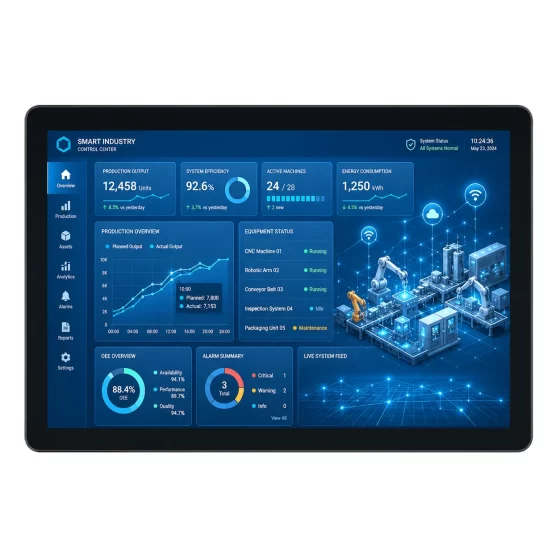
The 3D machine vision computer may connect to a monitor, touchscreen, keyboard, or HMI panel. The interface can show live depth images, point cloud views, measurement values, inspection status, alarms, and production counts.
A clear interface helps engineers calibrate sensors, review defects, adjust parameters, and troubleshoot production issues.
Key Features
Stable 3D Processing Performance
3D vision applications require stable sustained performance.
The computer may need to process large data sets continuously while also communicating with automation equipment and factory systems.
Hardware selection should consider:
- CPU performance
- Memory capacity
- Sensor bandwidth
- Graphics or AI acceleration
- Storage speed
- Number of cameras
- Scan frequency
- Software workload
- Required response time
For simple measurement systems, a compact embedded computer may be enough. For high-speed point cloud processing or multi-sensor systems, a more powerful industrial computer may be required.
High-Speed Sensor Interface Support
3D sensors require stable data transfer.
The industrial computer should support the camera or sensor interface required by the application. Many industrial 3D cameras use Gigabit Ethernet or USB 3.0, while some systems may require expansion cards or dedicated interfaces.
Useful interface options may include:
- Multiple LAN ports
- USB 3.0
- PCIe expansion
- M.2 expansion
- GPIO
- RS232
- RS485
- HDMI
- DisplayPort
For multi-camera or high-resolution systems, bandwidth planning is very important.
Industrial I/O for Automation Integration
A 3D vision system must connect with real factory equipment.
Industrial I/O allows the computer to receive triggers, send results, control lighting, communicate with PLCs, and support automation workflows.
Common I/O requirements include:
- Digital input
- Digital output
- GPIO
- LAN
- USB
- RS232
- RS485
The right I/O design reduces external converters and improves system reliability.
Rugged and Fanless System Design
Fanless industrial computers are often useful in machine vision environments.
They reduce dust intake and remove one common mechanical failure point. This is important in production areas where systems run continuously and maintenance access is limited.
Rugged mechanical design also protects the computer from vibration, cable stress, and cabinet installation conditions.
For high-performance 3D vision workloads, thermal design must be reviewed carefully to ensure stable operation.
Reliable Storage for 3D Data
3D vision systems may generate large files.
The computer may store point clouds, depth images, measurement records, defect images, logs, model files, and inspection reports.
SSD storage is commonly preferred because it provides faster access and better shock resistance than mechanical drives.
For applications that store many 3D records, storage capacity, write endurance, and data retention policy should be reviewed during system design.
Long Lifecycle and Maintainability
Machine vision systems may stay in production for many years.
Frequent changes in computer models, drivers, ports, or expansion interfaces can increase validation workload and maintenance cost.
Industrial computing platforms with lifecycle planning help manufacturers and OEM equipment builders maintain consistent systems across multiple lines, machines, and customer projects.
Deployment Scenarios
3D Dimensional Inspection
3D machine vision is widely used for dimensional inspection.
The system can measure height, width, gap, volume, surface profile, and geometric features. This is useful for parts where 2D inspection cannot provide enough information.
An industrial computer processes 3D data and sends measurement results to quality systems or PLCs.
Robot Guidance and Bin Picking
Robots often need 3D vision to locate parts in space.
A 3D machine vision computer can process depth data, identify object position, calculate orientation, and send coordinates to the robot controller.
This supports bin picking, part handling, assembly automation, and flexible robotic production.
Surface Profile Inspection
Some defects are difficult to detect with 2D images.
3D vision can inspect scratches, dents, warping, height differences, missing material, and uneven surfaces.
The industrial computer processes surface profiles and compares results with quality rules.
Packaging and Volume Inspection
Packaging systems may use 3D vision to verify box shape, package height, fill level, volume, label position, or product presence.
This helps improve packaging quality and reduce shipment errors.
A 3D machine vision computer can connect the inspection results with MES, WMS, or logistics systems.
Automotive and Mechanical Part Inspection
Automotive and mechanical parts often require precise shape and position verification.
3D vision systems can inspect castings, machined parts, weld areas, connectors, brackets, housings, and assembled components.
Industrial computers provide the processing and connectivity needed for these inspection stations.
Electronics and Semiconductor Inspection
3D vision can support electronics and semiconductor inspection where height, coplanarity, alignment, or surface structure matters.
Applications may include solder joint height inspection, connector alignment, package inspection, substrate inspection, and precision assembly verification.
An embedded computer can be integrated into compact inspection machines or production-line equipment.
OEM Vision Equipment Integration
Machine builders can integrate 3D vision computers into inspection machines, robotic systems, or automated production equipment.
The embedded computer or industrial PC can provide sensor processing, automation communication, HMI display, and data output.
This helps OEMs deliver machines that are ready for smart manufacturing and quality traceability.
Business Benefits
More Accurate Inspection
3D vision provides spatial information that 2D systems cannot capture.
By measuring depth, height, profile, and shape, manufacturers can inspect complex parts more accurately.
This improves quality control for applications where flat image inspection is not enough.
Improved Robot Flexibility
3D vision helps robots work with parts that are randomly placed, stacked, or positioned with variation.
A 3D machine vision computer can calculate object position and orientation, allowing robots to pick, place, sort, or inspect parts more intelligently.
This supports flexible automation and reduces the need for precise mechanical fixtures.
Reduced Manual Measurement
Manual measurement can be slow and inconsistent.
A 3D machine vision system automates many measurement and inspection tasks. It can collect results faster and more consistently than manual methods.
This helps reduce inspection workload and improves process repeatability.
Stronger Quality Traceability
3D inspection data can be linked with product IDs, measurement values, defect records, timestamps, and station information.
This creates stronger traceability for quality analysis, customer audits, and process improvement.
Industrial computers help connect this data with MES, databases, and quality systems.
Faster Defect Detection
Local processing allows defects and measurement errors to be detected near the production process.
The industrial computer can send results to PLCs or robots quickly, allowing immediate reject, rework, or process correction.
This helps reduce downstream quality risk.
Scalable Automation Deployment
A standardized industrial computing platform makes it easier to deploy 3D vision across multiple machines, lines, and factories.
Consistent hardware simplifies software images, driver management, spare parts planning, maintenance training, and technical support.
This supports long-term smart manufacturing development.
Why CoreIPC
CoreIPC provides industrial computing platforms for machine vision, robotics, factory automation, and embedded system integration. For 3D machine vision computer applications, CoreIPC focuses on reliable industrial PC hardware, embedded computer solutions, flexible I/O configurations, compact system design, and OEM/ODM customization support. CoreIPC helps system integrators, machine builders, and manufacturing teams select computing platforms that match real deployment requirements, including 3D sensor interfaces, processing workload, automation communication, mounting methods, power input, thermal design, storage needs, and lifecycle planning.
Frequently Asked Questions
1. What is a 3D machine vision computer?
A 3D machine vision computer is an industrial computer used to process data from 3D cameras, laser profilers, structured light sensors, or depth cameras.
It can handle point clouds, depth maps, surface profiles, and measurement data. The computer may also communicate with PLCs, robots, MES systems, and quality databases. It is designed for factory environments where reliability and real-time processing are important.
2. Why does 3D machine vision need an industrial computer?
3D vision data is more complex than standard 2D image data.
An industrial computer provides the processing power, sensor interfaces, storage, and automation connectivity needed for real-time inspection or robot guidance. It is also designed for production environments where vibration, dust, heat, long operation hours, and industrial I/O are common.
3. How is an embedded computer used in 3D vision systems?
An embedded computer can be installed inside inspection machines, robotic cells, control cabinets, or compact production equipment.
It can receive data from 3D sensors, process depth images or point clouds, calculate measurement results, and communicate with PLCs or robots. Its compact design makes it useful for OEM systems and space-limited installations.
4. What interfaces are important for 3D machine vision computers?
Important interfaces may include Gigabit Ethernet, USB 3.0, multiple LAN ports, PCIe, M.2, GPIO, RS232, RS485, HDMI, and DisplayPort.
Camera or sensor interfaces are especially important because 3D data requires stable bandwidth. GPIO and serial ports may support triggers, lighting control, PLC communication, or automation signals.
5. Can 3D vision systems support robot guidance?
Yes. 3D vision is widely used for robot guidance.
The system can identify object position, orientation, height, and shape. The 3D machine vision computer processes this data and sends coordinates to the robot controller. This supports bin picking, part handling, assembly, sorting, and flexible automation.
6. Is a fanless industrial PC suitable for 3D machine vision?
A fanless industrial PC can be suitable for some 3D machine vision applications, especially where dust reduction and low maintenance are important.
However, 3D processing workloads may generate more heat than simple data collection. The system should be selected according to processor workload, sensor count, enclosure design, ambient temperature, and airflow conditions.
7. How does 3D vision improve inspection accuracy?
3D vision adds depth and shape information to inspection.
It can measure height, volume, surface profile, gap, alignment, and geometry. This allows manufacturers to inspect features that are difficult or impossible to evaluate with 2D images alone. It is useful for complex surfaces, mechanical parts, packaging, and robotic applications.
8. What storage is needed for 3D vision inspection?
Storage needs depend on whether the system saves only results or also stores point clouds, depth images, and defect records.
SSD storage is usually preferred because it provides fast access and better shock resistance. For applications storing large 3D data files, storage capacity, write endurance, and data retention policies should be reviewed carefully.
9. Can 3D machine vision computers connect to MES or quality systems?
Yes. Industrial computers can send measurement results, defect data, product IDs, timestamps, images, and inspection records to MES, quality databases, or factory dashboards.
This helps manufacturers link 3D inspection results with production history and traceability records. It also supports quality analysis and process improvement.
10. What should be tested before deploying a 3D vision computing system?
Before deployment, the system should be tested with real parts, real surface materials, actual line speed, sensor resolution, lighting conditions, software workload, PLC communication, robot integration, storage needs, and thermal conditions.
Long-running stability should also be tested. This helps confirm that the system can operate reliably in production.
Conclusion
A 3D machine vision computer is a critical hardware foundation for advanced inspection, measurement, robotic guidance, and smart manufacturing automation.
By processing depth data, point clouds, surface profiles, and spatial coordinates near the production line, industrial computers help manufacturers inspect complex parts, guide robots, detect defects, and connect results with factory quality systems.
The right industrial computer or embedded computer should be selected according to real application requirements, including 3D sensor interface, processing workload, I/O configuration, network architecture, storage capacity, mounting method, power input, thermal design, operating system support, and lifecycle planning.
CoreIPC supports 3D machine vision computer projects with industrial computing platforms designed for practical factory and equipment integration. With the right hardware foundation, manufacturers and machine builders can improve inspection accuracy, automation flexibility, traceability, and long-term smart manufacturing scalability.
Contact Us
Looking for an industrial computer, embedded computer, or industrial motherboard for a 3D machine vision computing system?
Contact CoreIPC to discuss your project requirements, including 3D sensor interface, processing workload, I/O configuration, robot or PLC communication, mounting method, power input, operating environment, lifecycle needs, and OEM/ODM customization options.