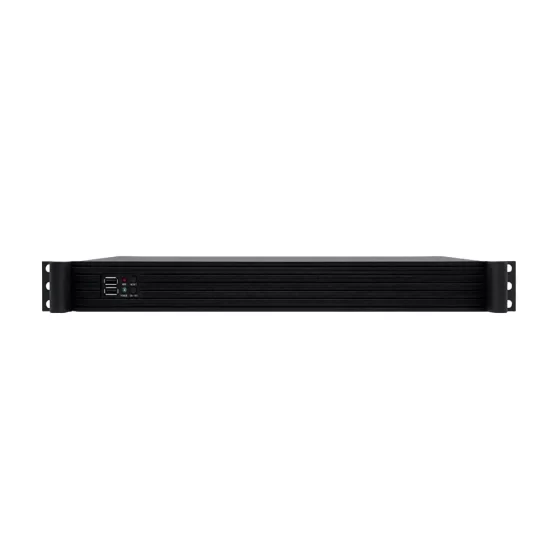
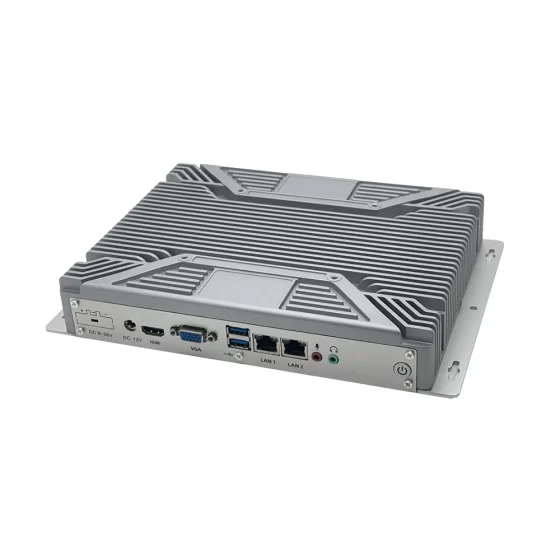
CoreIPC Industrial Computing Solutions

Machine Vision Computer for SMT: SMT Vision Computer for Reliable Electronics Manufacturing Inspection
Executive Summary
An smt vision computer provides the industrial computing foundation for automated optical inspection, solder paste inspection, barcode recognition, component verification, and quality data collection in SMT electronics manufacturing.
Surface mount technology production involves high-speed placement, dense PCB layouts, small components, solder paste control, reflow processes, inspection stations, and traceability requirements. Each step can generate critical image data, test data, barcode data, and production records.
A machine vision computer for SMT must process data reliably near the production line. It may connect to industrial cameras, lighting controllers, barcode readers, PLCs, sensors, test equipment, MES systems, and factory databases.
Compared with standard commercial PCs, industrial computers and embedded computers are better suited for SMT environments because they support continuous operation, stable I/O, compact installation, fanless options, rugged mechanical design, and long lifecycle planning.
For SMT equipment builders, electronics manufacturers, and system integrators, selecting the right industrial computing platform affects inspection accuracy, production uptime, traceability, and long-term maintainability.
This article explains how SMT vision computers support electronics manufacturing, what deployment challenges appear in real factories, how the solution architecture works, and which hardware features are important for reliable SMT machine vision systems.
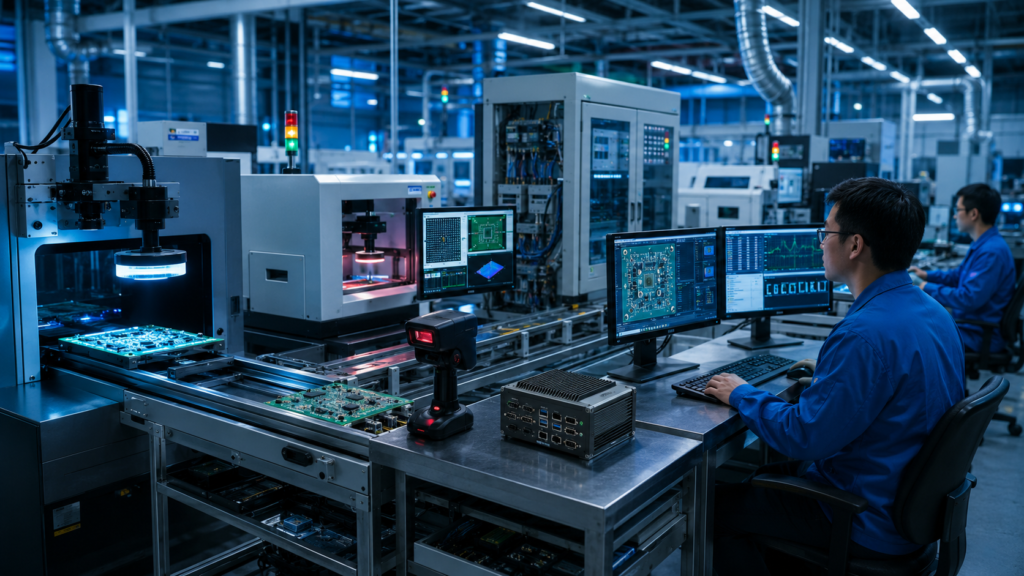
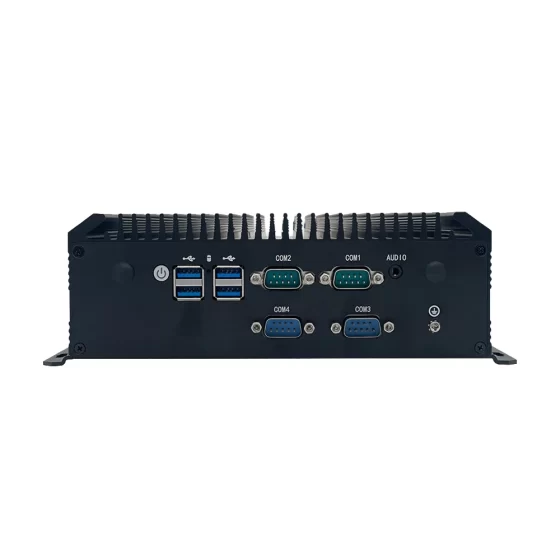
Industrial computers process SMT inspection data from cameras, AOI systems, SPI equipment, PCB conveyors, and barcode scanners.
Industry Overview
SMT Manufacturing Requires Precise Inspection
SMT production places electronic components onto printed circuit boards with high speed and high density.
As PCB layouts become more compact, inspection becomes more important. Small solder defects, missing components, wrong orientation, poor placement, or unreadable codes can affect product quality and downstream reliability.
SMT inspection systems may include:
- Solder paste inspection
- Automated optical inspection
- Component presence inspection
- Polarity and orientation verification
- PCB barcode and QR code recognition
- Reflow inspection support
- Repair and rework data collection
- Final visual inspection
- Test station data integration
- Production traceability records
A reliable machine vision computer provides the processing platform required to connect these inspection tasks with factory quality systems.
Vision Systems Are Moving Closer to the Line
SMT inspection is no longer limited to standalone equipment.
Modern electronics factories increasingly connect AOI, SPI, barcode recognition, repair stations, and test equipment into MES and quality management systems. This requires local computing platforms that can process images and transfer results in real time.
An industrial computer can be installed near SMT lines, inside inspection machines, at repair stations, or in production cabinets.
It may run inspection software, collect camera images, manage barcode readers, process defect data, and upload results to central systems.
Why Industrial Computing Matters
Commercial PCs may work in office environments, but SMT production requires more stable hardware.
SMT lines may run continuously across multiple shifts. Inspection computers may operate near conveyors, reflow ovens, placement machines, test fixtures, and production workstations.
These areas may involve vibration, heat, dust, electrical noise, limited space, and constant data communication.
Industrial computers and embedded computers are designed for these deployment conditions. They provide the reliability, interface flexibility, and mechanical integration needed for long-term SMT inspection systems.

Dense PCB layouts, solder paste, reflective joints, small codes, and component details affect SMT vision reliability.
Key Challenges
Small Components and High Inspection Detail
SMT inspection deals with very small components and fine PCB features.
A vision system may need to inspect solder paste coverage, component alignment, polarity marks, missing parts, bridging, tombstoning, insufficient solder, or label quality.
These inspection tasks may require high-resolution cameras, precise lighting, and stable image processing.
The computing platform must support consistent performance, especially when inspection speed and image resolution increase.
High-Speed Production Lines
SMT lines operate at high speed.
Inspection systems must keep up with the production cycle. If image processing is too slow, the inspection station may become a bottleneck or delay production feedback.
Key performance factors include:
- Camera resolution
- Number of cameras
- Image frame rate
- Inspection algorithm complexity
- Barcode recognition speed
- Local storage workload
- Database communication
- MES upload frequency
A properly selected smt vision computer helps maintain stable inspection throughput.
Camera and Lighting Integration
SMT vision systems depend heavily on camera and lighting design.
Reflective solder joints, PCB surface colors, component markings, small QR codes, and uneven lighting can affect image quality.
The industrial computer may need to support camera interfaces, lighting controller communication, trigger signals, and local display output for engineering adjustment.
Good computing hardware cannot fix poor image acquisition, but unstable computing hardware can reduce the value of a well-designed vision system.
Traceability and Data Connection
Electronics manufacturers often need complete traceability from PCB assembly to final shipment.
Inspection results should be linked with PCB serial numbers, work orders, component batches, test records, repair actions, and final quality status.
This requires stable data communication between inspection computers, MES software, barcode systems, quality databases, and production dashboards.
If the inspection computer fails to upload records consistently, traceability becomes incomplete.
Long-Term Maintainability
SMT equipment and inspection platforms may remain in production for many years.
Frequent changes in computer models, drivers, ports, or expansion options can create validation and maintenance problems.
Factories and equipment builders need stable hardware platforms that can support repeatable deployment, spare parts planning, and consistent software images across multiple production lines.

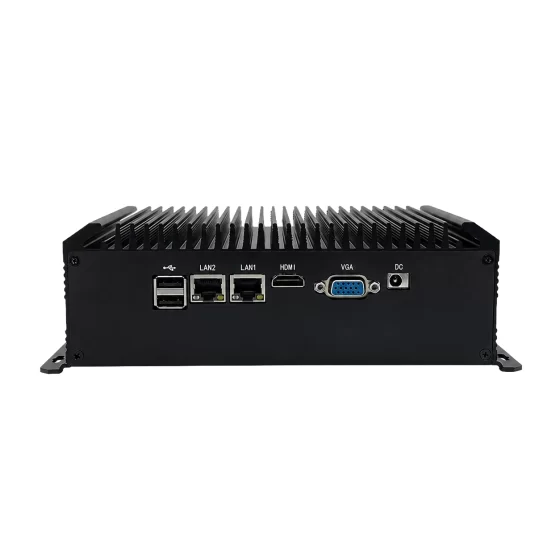
Industrial computers connect SMT cameras, inspection equipment, PLCs, MES, repair stations, and factory quality systems.
SMT Vision Computer Solution Architecture
Image Acquisition Layer
The image acquisition layer includes cameras, lenses, lighting modules, triggers, and mechanical mounting structures.
In SMT applications, this layer may capture:
- Solder paste images
- PCB surface images
- Component placement images
- Polarity marks
- Barcode or QR code images
- Defect images
- Repair station images
- Label inspection images
Consistent image quality is essential. Camera selection, lighting angle, exposure, working distance, and mounting stability all affect inspection results.
Industrial Computing Layer
The industrial computing layer is where the industrial computer or embedded computer performs local processing.
At this layer, the computer may:
- Receive images from cameras
- Run AOI or SPI software
- Process barcode and QR code data
- Detect missing or misplaced components
- Store inspection records
- Communicate with PLCs
- Display inspection status
- Upload results to MES
- Connect to quality databases
- Support remote maintenance
This layer must be stable because it directly affects inspection speed, data quality, and production continuity.
Automation Control Layer
The automation control layer connects the vision system with SMT equipment and production control devices.
A PLC, conveyor controller, inspection machine controller, or sensor may trigger image capture. After processing, the industrial computer may send pass, fail, alarm, or review signals back to the equipment.
For example, if a PCB barcode does not match the expected work order, the system may stop the board, trigger an alarm, or request operator review.
This closed-loop communication helps reduce production errors.
Data Management Layer
Inspection results are most valuable when connected to production records.
The SMT vision computer may send data to MES, quality management systems, repair systems, production dashboards, or factory databases.
Typical data may include:
- PCB serial number
- Work order
- Inspection result
- Defect type
- Defect image
- Station ID
- Timestamp
- Operator action
- Repair status
- Final test linkage
This supports traceability, quality analysis, and process improvement.
User Interface Layer
Operators and engineers need a practical local interface.
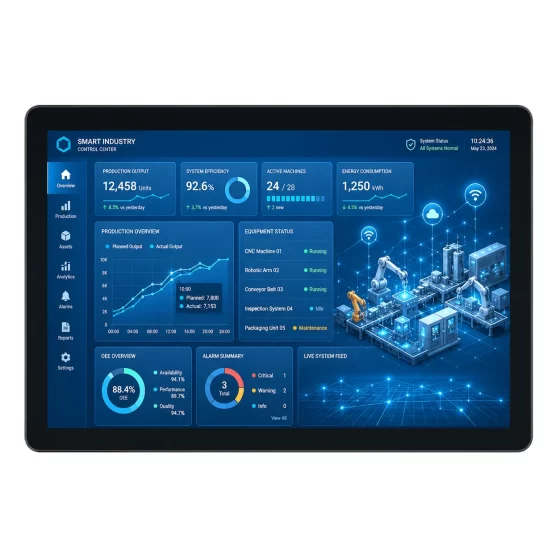
The industrial computer may connect to a monitor, touchscreen, keyboard, or HMI panel. The interface can show live images, inspection status, defect locations, production counts, alarms, and software logs.
A clear local interface helps engineers adjust inspection settings and respond quickly to abnormal conditions.
Key Features
Stable Image Processing Performance
The computing platform must provide stable processing performance for the inspection workload.
Different SMT applications require different performance levels. A simple barcode recognition station may use a compact embedded computer. A multi-camera AOI system may require a more powerful industrial PC.
Selection should consider:
- Camera resolution
- Number of cameras
- Inspection speed
- Software workload
- Local image storage
- MES communication
- Display requirements
- Long-running stability
Stable sustained performance is more important than short benchmark peaks.
Camera Interface Support
SMT vision systems commonly use USB or Ethernet cameras.
The industrial computer should provide the required camera interfaces and enough bandwidth for stable image transfer.
Useful hardware features may include:
- USB 3.0 ports
- Multiple LAN ports
- M.2 expansion
- PCIe expansion
- High-speed storage
- HDMI or DisplayPort output
- Stable power design
For multi-camera systems, camera traffic may need to be separated from factory network communication.
Industrial I/O for Equipment Integration
The SMT vision computer must connect with real production equipment.
Important I/O options may include:
- LAN
- USB
- RS232
- RS485
- GPIO
- Digital input
- Digital output
- HDMI
- DisplayPort
These interfaces can support cameras, barcode readers, lighting controllers, PLCs, sensors, printers, test instruments, and production networks.
Flexible I/O helps reduce external adapters and improves deployment reliability.
Fanless and Compact Design
Fanless industrial computers are useful in many SMT environments.
They reduce dust intake and remove one common mechanical failure point. This is valuable for inspection systems that operate continuously and require low maintenance.
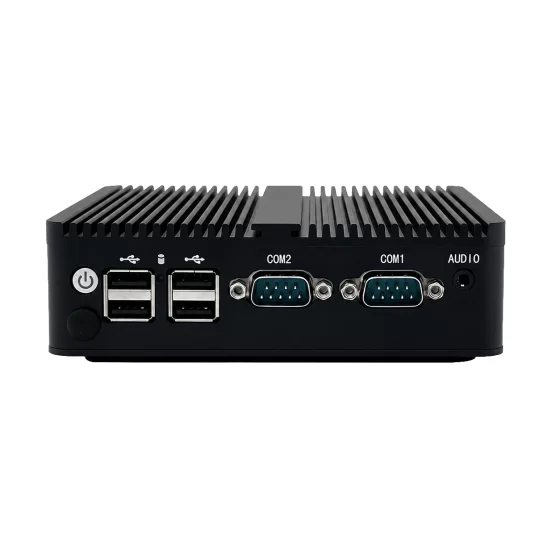
Compact embedded computers are also useful when the system must be installed inside inspection equipment, control cabinets, or production workstations.
Thermal design should still be reviewed carefully, especially for high-performance vision workloads.
Reliable Storage for Inspection Data
SMT inspection systems may generate many files and records.
The computer may store inspection images, defect images, barcode logs, software logs, production reports, and local database files.
SSD storage is commonly preferred because it provides fast response and better shock resistance than mechanical drives.
For image-heavy applications, storage capacity and write endurance should be reviewed before deployment.
Long Lifecycle and System Consistency
SMT production lines often require stable hardware availability.
A long-lifecycle industrial computing platform helps reduce software validation workload, spare parts complexity, and maintenance risk.
This is especially important for OEM equipment builders that need repeatable hardware platforms for inspection machines sold to multiple customers.

Fanless industrial computers support reliable SMT vision deployment in inspection cabinets and electronics production lines.
Deployment Scenarios
Automated Optical Inspection
Automated optical inspection is one of the main SMT vision applications.
An industrial computer can process images captured from AOI cameras and help detect missing components, wrong parts, polarity errors, solder defects, or placement issues.
The system can display inspection results locally and upload records to MES or quality databases.
Solder Paste Inspection
Solder paste inspection checks paste volume, area, height, position, and printing quality before component placement.
A machine vision computer can process SPI image data and connect inspection results with process control systems.
This helps identify printing problems earlier and reduce downstream defects.
PCB Barcode and QR Code Recognition
PCB traceability often begins with barcode, QR code, or Data Matrix recognition.
An embedded computer can process camera images and read codes on PCBs, panels, trays, or labels.
The recognized data can be linked with work orders, inspection results, test records, and packaging information.
Component Presence and Orientation Verification
SMT vision systems can verify whether components are present, correctly oriented, and placed in the expected position.
This is useful for detecting missing parts, reversed components, shifted components, and incorrect assembly conditions.
The industrial computer processes images and sends results to the inspection software or production system.
Repair and Rework Stations
Repair stations need access to defect information and production records.
An industrial computer can display AOI results, show defect images, record repair actions, scan PCB IDs, and update repair status.
This helps close the loop between inspection, repair, and final quality validation.
Test Station Data Integration
ICT, FCT, and other electronics test stations generate important quality data.
A machine vision computer may also connect barcode recognition, test equipment, and MES software to ensure each test result is linked with the correct PCB or product.
This improves data consistency across inspection and testing workflows.
Final Label and Packaging Verification
Before shipment, products may require label verification, barcode recognition, packaging inspection, and final quality confirmation.
An industrial computer can process label images, verify codes, store results, and send data to MES, WMS, or quality systems.
This helps reduce shipment errors and improves traceability.
Business Benefits
Improved Inspection Reliability
A stable SMT vision computer helps inspection systems operate consistently across production shifts.
Reliable computing hardware reduces missed image capture, delayed processing, software instability, and communication interruptions.
This supports more consistent quality control and production feedback.
Stronger PCB Traceability
Traceability depends on accurate data collection at each process step.
Industrial computers help link PCB IDs, inspection results, defect images, test records, repair actions, timestamps, and station information.
This supports customer audits, quality investigation, warranty analysis, and continuous improvement.
Reduced Manual Inspection Workload
Manual inspection can be slow and inconsistent.
Machine vision systems automate many inspection and verification tasks. Industrial computers process images and connect results with production systems.
This reduces operator workload and improves inspection consistency across shifts.
Faster Defect Feedback
SMT defects should be detected as early as possible.
When inspection data is processed near the line, engineers can identify printing problems, placement issues, solder defects, or barcode errors faster.
Early feedback helps reduce rework and prevents defects from moving downstream.
Better Process Improvement
Inspection data can reveal process trends.
Manufacturers can analyze recurring defects, machine performance, solder paste issues, component placement accuracy, and repair frequency.
A reliable industrial computer helps ensure that the data used for analysis is complete and consistent.
Scalable SMT Line Deployment
A standardized industrial computing platform can be deployed across multiple SMT lines, inspection stations, and factories.
This simplifies software image management, spare parts planning, driver validation, maintenance training, and long-term technical support.
For equipment builders and electronics manufacturers, scalable hardware planning reduces project risk.
Why CoreIPC
CoreIPC provides industrial computing platforms for machine vision, electronics manufacturing, factory automation, and embedded system integration. For smt vision computer applications, CoreIPC focuses on reliable industrial PC hardware, embedded computer solutions, flexible I/O configurations, compact system design, and OEM/ODM customization support. CoreIPC helps system integrators, SMT equipment builders, and electronics manufacturers select computing platforms that match real inspection requirements, including camera interfaces, I/O configuration, mounting methods, power input, thermal design, storage needs, and lifecycle planning.
Frequently Asked Questions
1. What is an SMT vision computer?
An SMT vision computer is an industrial computer used to support machine vision tasks in surface mount technology production.
It can process camera images, run AOI or SPI software, read PCB barcodes, verify components, communicate with PLCs, and upload inspection results to MES or quality systems. It is designed for factory environments where reliability, I/O flexibility, and continuous operation are important.
2. Why use an industrial computer for SMT vision systems?
SMT vision systems often run near production lines, inspection machines, conveyors, and test stations.
An industrial computer is more suitable than an office PC because it supports rugged installation, stable thermal design, industrial I/O, camera connectivity, and long lifecycle deployment. These features help inspection systems remain reliable during continuous electronics manufacturing.
3. How is an embedded computer used in SMT inspection?
An embedded computer can be installed inside AOI equipment, SPI machines, repair stations, control cabinets, or compact inspection systems.
It can acquire images, process inspection results, read barcode data, communicate with PLCs, and send records to MES systems. Its compact size makes it useful for OEM equipment and space-limited SMT line installations.
4. What interfaces are important for an SMT vision computer?
Important interfaces may include USB 3.0, multiple LAN ports, RS232, RS485, GPIO, HDMI, DisplayPort, M.2, and PCIe expansion.
USB and LAN ports are commonly used for cameras and peripherals. GPIO or serial ports may support triggers, lighting controllers, sensors, PLCs, and production equipment. Display outputs are useful for local monitoring.
5. Can SMT vision computers support AOI systems?
Yes. SMT vision computers can support AOI systems when selected according to camera resolution, number of cameras, inspection software workload, and production speed.
Simple AOI stations may use compact embedded computers, while high-resolution or multi-camera systems may require more powerful industrial PCs. Real production testing is important before final selection.
6. How does an SMT vision computer support traceability?
The computer links inspection results with PCB serial numbers, work orders, defect images, timestamps, station information, and repair records.
This data can be uploaded to MES or quality systems. Complete traceability helps electronics manufacturers investigate defects, support customer audits, analyze process trends, and improve production quality.
7. Is a fanless industrial PC suitable for SMT vision applications?
A fanless industrial PC can be suitable for many SMT vision applications, especially when low maintenance and dust reduction are important.
However, vision workloads may generate significant heat. The final selection should consider processor performance, camera count, enclosure design, ambient temperature, mounting location, and available airflow.
8. What storage is needed for SMT inspection systems?
Storage requirements depend on whether the system stores only logs or also inspection images and defect records.
SSD storage is usually preferred because it provides fast response and better shock resistance. For systems storing many images, storage capacity, write endurance, and backup strategy should be reviewed carefully.
9. Can SMT vision computers connect to MES systems?
Yes. Industrial computers can send inspection data to MES systems through factory networks, databases, middleware, or software interfaces.
Uploaded data may include PCB IDs, inspection results, defect categories, images, timestamps, station information, and repair status. This helps connect inspection workflows with production traceability.
10. What should be tested before deploying an SMT vision computer?
Before deployment, the computer should be tested with real cameras, inspection software, lighting controllers, PLC communication, barcode readers, storage workload, MES connection, and production cycle time.
Long-running stability and thermal performance should also be tested. This helps confirm that the system can operate reliably in actual SMT production.
Conclusion
A smt vision computer is a critical hardware foundation for automated optical inspection, solder paste inspection, PCB barcode recognition, component verification, repair tracking, and quality data integration.
By placing industrial computing hardware close to SMT lines, cameras, lighting controllers, PLCs, barcode systems, and inspection equipment, electronics manufacturers can process inspection data locally and connect results with MES and quality systems.
The right industrial computer or embedded computer should be selected according to real application requirements, including camera interfaces, processing workload, I/O configuration, storage capacity, network design, mounting method, power input, thermal conditions, operating system compatibility, and lifecycle planning.
CoreIPC supports SMT vision computer projects with industrial computing platforms designed for practical electronics manufacturing deployment. With the right hardware foundation, manufacturers and equipment builders can improve inspection reliability, strengthen traceability, reduce manual workload, and build scalable SMT quality control systems.
Contact Us
Looking for an industrial computer, embedded computer, or industrial motherboard for an SMT machine vision system?
Contact CoreIPC to discuss your project requirements, including camera interface, inspection workload, I/O configuration, MES integration, mounting method, power input, operating environment, lifecycle needs, and OEM/ODM customization options.