CoreIPC Industrial Computing Solutions

Industrial PC for Rockwell Automation Platforms
Executive Summary
An Industrial PC for Rockwell Automation platforms plays an increasingly important role in modern industrial automation environments where manufacturers demand higher connectivity, real-time analytics, edge computing capabilities, and seamless integration between operational technology (OT) and information technology (IT).
Rockwell Automation solutions, including Allen-Bradley® PLCs, ControlLogix®, CompactLogix®, FactoryTalk®, and industrial networking technologies, are widely deployed across manufacturing, logistics, food processing, automotive, energy, and infrastructure sectors. These systems provide reliable machine and process control; however, today’s industrial operations require more than deterministic control. Manufacturers need advanced computing resources to support visualization, industrial data management, machine vision, AI-driven analytics, Industrial IoT (IIoT), and cloud connectivity.
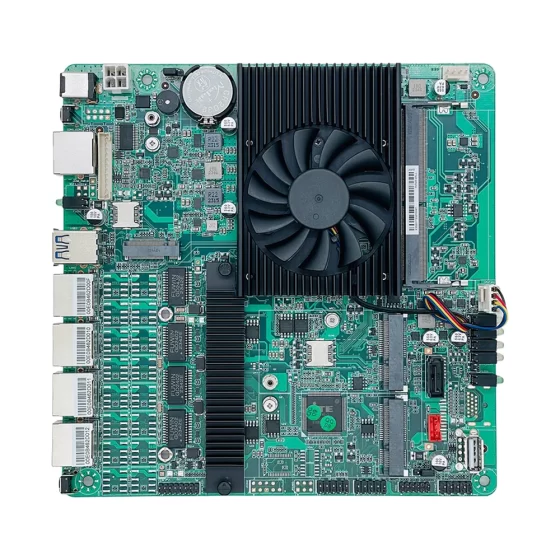
An industrial computer or embedded computer complements Rockwell Automation architectures by functioning as a high-performance computing platform capable of collecting, processing, analyzing, and transmitting operational data. These systems serve as critical edge computing nodes that enable digital transformation initiatives while maintaining reliable communication with Allen-Bradley controllers and FactoryTalk software environments.
This article explores how industrial PCs integrate with Rockwell Automation platforms, addresses key deployment challenges, examines solution architecture, and highlights the business benefits of deploying industrial-grade embedded computing solutions in modern industrial environments.

Modern smart factories combine Rockwell Automation control systems, industrial PCs, robotics, and automated production lines to improve operational efficiency and manufacturing visibility.
Industry Overview
The industrial automation industry is experiencing rapid transformation driven by Industry 4.0, smart manufacturing, Industrial Internet of Things (IIoT), artificial intelligence, and edge computing technologies. Manufacturers are increasingly focused on improving operational efficiency, reducing downtime, enhancing product quality, and gaining actionable insights from production data.
Rockwell Automation has established itself as one of the world’s leading industrial automation providers. Its Allen-Bradley control systems and FactoryTalk software suite are widely used in industrial facilities across North America, Europe, and global manufacturing markets.
Traditional automation architectures primarily focused on machine control and process automation. Today, industrial organizations require significantly more functionality, including:
- Real-time production monitoring
- Manufacturing execution systems (MES)
- Enterprise resource planning (ERP) integration
- Industrial cybersecurity
- Predictive maintenance
- Digital twins
- AI-powered quality inspection
- Industrial data analytics
- Remote diagnostics
- Cloud-based reporting
While Allen-Bradley PLCs excel at deterministic control and process management, they are not intended to perform advanced computing tasks such as large-scale data processing, machine learning inference, database hosting, or high-performance visualization.
This has led to increasing adoption of industrial computers and embedded computers as complementary platforms within Rockwell Automation ecosystems.
An industrial PC serves as a bridge between production equipment, industrial control systems, enterprise software, and cloud services, enabling manufacturers to unlock the full value of operational data.

Modern industrial automation environments require seamless integration between Allen-Bradley PLCs, industrial computers, communication networks, and production systems to enable reliable data exchange and real-time operational visibility.
Key Challenges
Increasing Data Volume
Modern manufacturing systems generate massive quantities of data from:
- PLCs
- Sensors
- Vision systems
- Robots
- Drives
- HMIs
- Quality inspection stations
Traditional automation infrastructures may struggle to process and analyze this data efficiently without dedicated industrial computing resources.
Multi-System Integration Complexity
Industrial facilities often contain equipment from multiple vendors.
A typical production environment may include:
- Allen-Bradley PLCs
- SCADA systems
- Machine vision platforms
- Industrial robots
- ERP software
- MES platforms
- Cloud services
- Legacy equipment
Achieving seamless communication among these systems can be challenging.
Edge Computing Requirements
Manufacturers increasingly require local processing capabilities to support:
- Real-time analytics
- AI inference
- Production monitoring
- Quality inspection
- Predictive maintenance
Cloud-only architectures may introduce latency and bandwidth limitations.
Harsh Operating Conditions
Industrial deployments frequently expose computing hardware to:
- Dust
- Vibration
- Shock
- Humidity
- Electromagnetic interference
- Temperature extremes
Commercial-grade computers often fail to provide the reliability required for continuous industrial operation.
Cybersecurity Risks
As industrial systems become increasingly connected, cybersecurity concerns continue to grow.
Organizations must protect:
- Control systems
- Production data
- Intellectual property
- Network infrastructure
Industrial computers deployed within Rockwell Automation environments must support secure communication and network segmentation strategies.

Industrial PCs connect Allen-Bradley PLCs, FactoryTalk systems, and cloud platforms to enable intelligent manufacturing operations.
Solution Architecture
A modern Rockwell Automation architecture combines deterministic machine control with advanced industrial computing resources.
Layer 1: Field Devices
The field layer consists of:
- Industrial sensors
- Actuators
- Encoders
- Variable frequency drives
- Servo systems
- Safety devices
- Inspection equipment
These devices generate operational data and execute physical processes.
Layer 2: Allen-Bradley Control Layer
Allen-Bradley PLCs perform:
- Machine control
- Motion control
- Process automation
- Alarm management
- Safety monitoring
- Sequencing functions
Controllers such as ControlLogix and CompactLogix provide reliable deterministic operation.
Layer 3: Industrial PC Layer
The industrial PC functions as an intelligent edge computing platform.
Responsibilities include:
- Data acquisition
- Protocol conversion
- Database management
- SCADA hosting
- HMI applications
- Edge analytics
- AI processing
- Industrial networking
- Machine vision workloads
Communication with Rockwell Automation platforms may utilize:
- EtherNet/IP
- OPC UA
- MQTT
- Modbus TCP
- SQL databases
- REST APIs
Layer 4: Manufacturing Operations Layer
The operations layer includes:
- FactoryTalk applications
- MES platforms
- Quality management systems
- Maintenance systems
- Production reporting software
Industrial PCs aggregate and process information from multiple operational sources.
Layer 5: Enterprise and Cloud Layer
Enterprise integration supports:
- ERP systems
- Cloud analytics
- Predictive maintenance
- Multi-site management
- Corporate dashboards
- Remote monitoring
The industrial PC serves as a secure gateway connecting plant-floor operations to enterprise-level systems.

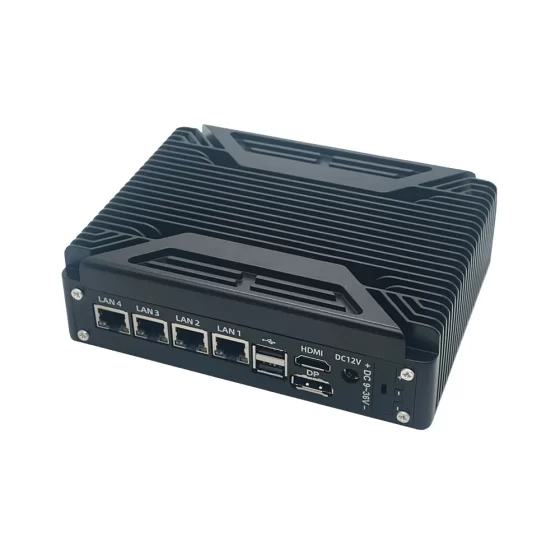
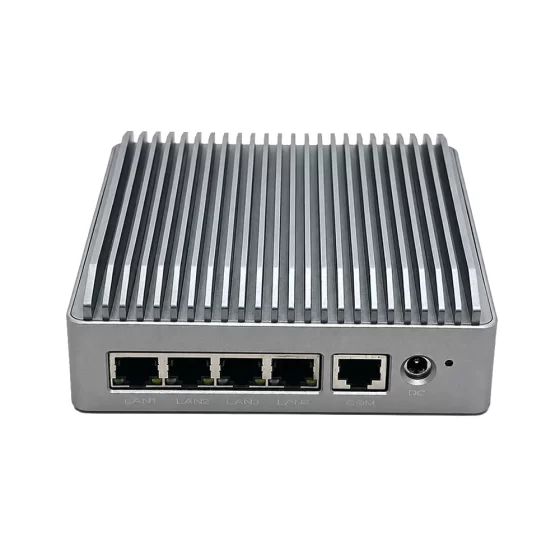
A fanless industrial PC enables edge analytics, machine vision processing, Industrial IoT connectivity, and FactoryTalk applications in modern smart factories.
Key Features
Industrial-Grade Reliability
Industrial PCs are specifically designed for demanding industrial environments.
Key characteristics include:
- Fanless cooling
- Rugged metal construction
- Solid-state storage
- Wide-temperature operation
- Long-term availability
These features improve reliability and reduce maintenance requirements.
High-Performance Computing
Modern automation systems increasingly require substantial processing power.
Industrial computers support:
- Multi-core processors
- High-speed memory
- NVMe storage
- GPU acceleration
- AI workloads
This enables advanced industrial applications beyond traditional PLC capabilities.
Flexible Industrial Connectivity
Industrial environments require extensive communication options.
Common interfaces include:
- Gigabit Ethernet
- 2.5G Ethernet
- USB
- COM ports
- RS232
- RS422
- RS485
- CAN Bus
- Digital I/O
Flexible connectivity simplifies integration with Allen-Bradley equipment and third-party devices.
Edge Computing Support
Edge computing provides several advantages:
- Reduced latency
- Faster response times
- Lower cloud bandwidth costs
- Improved reliability
- Enhanced security
Industrial PCs can process operational data locally before transmitting relevant information to enterprise systems.
Industrial Software Compatibility
Industrial computers support a wide range of automation software platforms, including:
- FactoryTalk View
- FactoryTalk Historian
- SCADA systems
- MES applications
- Database software
- Analytics platforms
This flexibility supports both new installations and legacy modernization projects.
Machine Vision Integration
Industrial PCs are increasingly deployed in machine vision applications.
Typical functions include:
- Image acquisition
- Defect detection
- Barcode reading
- OCR inspection
- Quality verification
Results can be communicated directly to Allen-Bradley PLCs for process control decisions.
Long Lifecycle Support
Industrial automation projects often remain operational for many years.
Industrial PCs typically provide:
- Long product lifecycles
- Stable hardware platforms
- Consistent software compatibility
- Extended availability
This reduces redesign and validation costs throughout the project lifecycle.
Deployment Scenarios
Smart Manufacturing
Industrial PCs collect production data from Rockwell Automation systems and transform it into actionable insights.
Applications include:
- OEE monitoring
- Production analytics
- Asset utilization tracking
- Process optimization
Packaging Automation
Packaging equipment often uses Allen-Bradley PLCs for motion and machine control.
Industrial PCs provide:
- Recipe management
- Data logging
- Production reporting
- Remote diagnostics
- Operator visualization
Machine Vision Inspection
Industrial PCs support high-resolution cameras and image processing software for:
- Defect detection
- Product verification
- OCR inspection
- Traceability systems
Inspection results can trigger automated control actions through Rockwell Automation controllers.
Warehouse and Logistics Automation
Modern logistics facilities require extensive coordination among:
- Conveyors
- Sortation systems
- Automated storage systems
- Mobile robots
Industrial PCs support warehouse management integration and operational analytics.
Energy Management
Industrial computers collect operational data from automation systems and energy monitoring devices.
Applications include:
- Power monitoring
- Energy optimization
- Utility reporting
- Sustainability initiatives
Predictive Maintenance
Industrial PCs aggregate equipment data and support predictive maintenance analytics.
Organizations can identify equipment degradation trends before failures occur, reducing downtime and maintenance costs.
Business Benefits
Improved Operational Visibility
Industrial PCs enable real-time access to production data, equipment status, and operational performance metrics.
Managers gain greater visibility into manufacturing operations and can make more informed decisions.
Reduced Downtime
Continuous monitoring and predictive analytics help identify potential issues before they impact production.
This improves equipment availability and operational continuity.
Enhanced Data Utilization
Industrial computers transform raw automation data into actionable business intelligence.
Organizations can leverage insights to improve quality, efficiency, and productivity.
Greater Scalability
Industrial PC platforms support future expansion through software upgrades, additional communication protocols, and integration with emerging technologies.
Lower Total Cost of Ownership
Reliable industrial hardware reduces maintenance requirements and extends deployment lifecycles.
This contributes to lower overall operational costs.
Support for Digital Transformation
Industrial PCs provide the computing foundation required for:
- Industrial IoT
- AI applications
- Cloud integration
- Digital twins
- Smart manufacturing
These technologies help organizations remain competitive in evolving industrial markets.
Why CoreIPC
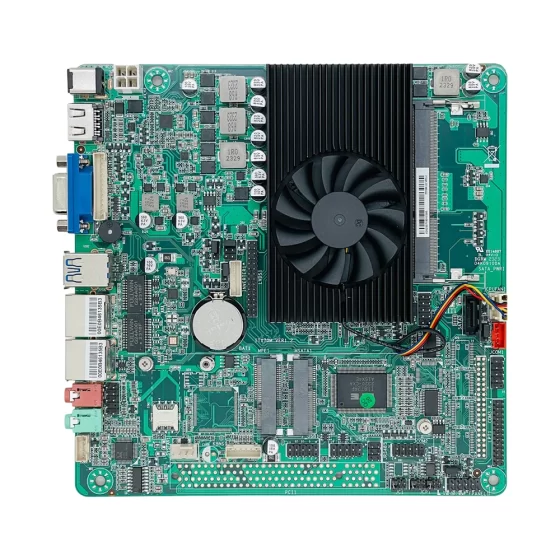
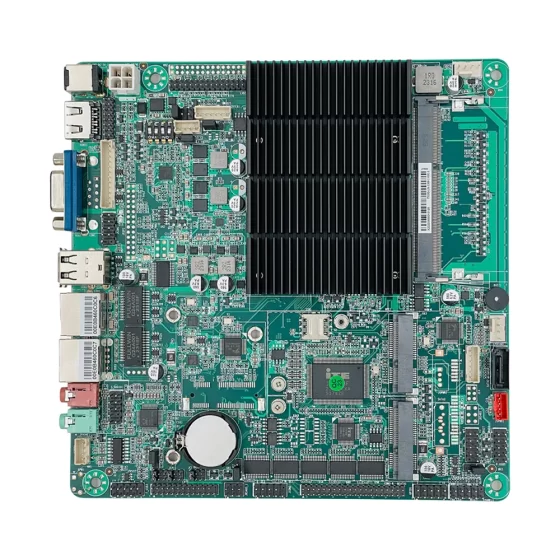
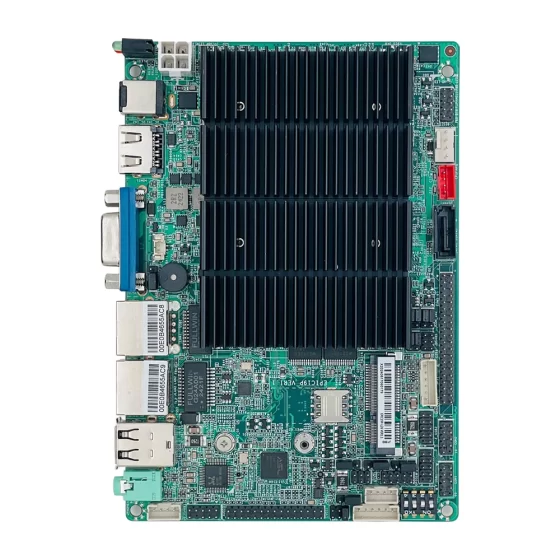
CoreIPC provides industrial computing solutions designed for demanding industrial automation environments. Our industrial computers, embedded computers, and embedded boards support seamless integration with Rockwell Automation platforms while delivering the performance required for edge computing, industrial networking, machine vision, and intelligent manufacturing applications. With industrial-grade reliability, flexible I/O configurations, long product lifecycles, and OEM/ODM customization capabilities, CoreIPC helps machine builders, system integrators, and industrial automation providers deploy scalable and future-ready automation solutions.
Frequently Asked Questions
What is a Rockwell Automation IPC?
A Rockwell Automation IPC refers to an industrial computer deployed alongside Allen-Bradley controllers and FactoryTalk software platforms. It provides advanced computing capabilities such as data processing, visualization, analytics, database management, and edge computing that extend beyond traditional PLC functionality.
Can an industrial PC replace an Allen-Bradley PLC?
Generally, industrial PCs complement rather than replace PLCs. PLCs remain the preferred platform for deterministic machine control, while industrial PCs provide higher-level computing functions such as analytics, visualization, and enterprise integration.
Which communication protocols are commonly used with Rockwell Automation systems?
Common protocols include EtherNet/IP, OPC UA, MQTT, Modbus TCP, SQL connectivity, and REST APIs. Protocol selection depends on application requirements and system architecture.
Why are fanless industrial computers preferred?
Fanless designs eliminate moving parts, reduce dust accumulation, improve reliability, and minimize maintenance requirements in industrial environments.
What role does edge computing play in industrial automation?
Edge computing enables local processing of operational data, reducing latency, minimizing bandwidth usage, and improving system responsiveness. It also supports continuous operation during network disruptions.
Can industrial PCs support FactoryTalk software?
Yes. Many industrial PCs are deployed as platforms for FactoryTalk View, FactoryTalk Historian, FactoryTalk AssetCentre, and related Rockwell Automation software applications.
Are industrial PCs suitable for machine vision applications?
Yes. Industrial PCs provide the processing power necessary for image acquisition, AI inference, OCR inspection, barcode reading, and defect detection in machine vision systems.
How do industrial PCs improve predictive maintenance?
Industrial PCs collect and analyze equipment data from PLCs, sensors, and production assets. Analytics software can identify abnormal patterns that indicate potential equipment failures.
What industries use Rockwell Automation platforms?
Rockwell Automation solutions are widely used in manufacturing, food and beverage processing, automotive production, logistics, packaging, pharmaceuticals, energy, and infrastructure applications.
What factors should be considered when selecting an industrial PC?
Important considerations include processor performance, communication interfaces, environmental specifications, software compatibility, lifecycle availability, cybersecurity features, and future expansion requirements.
Conclusion
A modern Industrial PC for Rockwell Automation platforms provides the computing foundation necessary to support smart manufacturing, Industrial IoT, machine vision, predictive maintenance, and edge computing initiatives. While Allen-Bradley PLCs continue to deliver reliable deterministic control, industrial computers and embedded computers provide the advanced processing capabilities required for data-intensive industrial applications.
By integrating industrial-grade computing platforms with Rockwell Automation ecosystems, manufacturers can improve operational visibility, optimize production processes, enhance scalability, and accelerate digital transformation efforts. As industrial automation continues to evolve, industrial PCs will remain a critical component in building intelligent, connected, and future-ready manufacturing operations.
Contact Us
Looking for an industrial PC solution for Rockwell Automation platforms?
CoreIPC provides industrial computers, embedded computers, industrial motherboards, and customized embedded computing platforms designed for industrial automation, edge computing, machine vision, Industrial IoT, and smart manufacturing applications.
Contact our engineering team to discuss your project requirements and identify the right industrial computing solution for your deployment.