销售查询
|
获取报价


用于表面缺陷检测的人工智能计算机 | CoreIPC | 核心IPC

用于表面缺陷检测的人工智能计算机 | 核心IPC

执行摘要

An AI computer for surface defect detection is a specialized industrial computing platform designed to perform real-time visual inspection and defect analysis in manufacturing environments. By combining industrial cameras, 机器视觉软件, artificial intelligence algorithms, and edge computing capabilities, manufacturers can automatically detect scratches, dents, 裂缝, stains, assembly defects, dimensional deviations, and other product quality issues with high accuracy and consistency.

As manufacturing industries continue to adopt Industry 4.0 technologies, traditional manual inspection methods are increasingly being replaced by AI-powered surface defect detection systems. These solutions improve inspection speed, reduce labor dependency, minimize false detection rates, and provide continuous quality monitoring throughout production processes.

A robust surface defect detection computer serves as the central processing unit of the inspection system, handling image acquisition, 人工智能推理, data analysis, and communication with production equipment. Industrial-grade computing platforms are particularly important because they must operate reliably in demanding factory environments while delivering low-latency processing and long-term stability.

For manufacturers seeking to improve product quality, reduce waste, and increase production efficiency, deploying an industrial computer or embedded computer for surface defect detection has become a key step toward intelligent manufacturing and automated quality control.

Industrial Vision Inspection Station Patrol

Industrial Vision Inspection Station Patrol


行业概况

The Growing Demand for Automated Surface Inspection

Surface quality inspection is a critical process across numerous manufacturing industries, 包括:

  • Electronics manufacturing
  • Semiconductor production
  • Automotive components
  • Metal fabrication
  • Battery manufacturing
  • Glass processing
  • Pharmaceutical packaging
  • Consumer products
  • Food and beverage packaging
  • Textile production

Even minor surface defects can lead to product failures, customer complaints, warranty claims, and brand reputation damage. As production volumes increase and quality standards become more stringent, manufacturers require inspection systems capable of detecting microscopic defects at high production speeds.

行业 4.0 and Smart Quality Control

行业 4.0 initiatives are driving the adoption of intelligent quality inspection systems. Modern factories are increasingly integrating:

  • Industrial IoT devices
  • AI-driven analytics
  • 机器视觉系统
  • Edge computing platforms
  • Predictive maintenance tools
  • Real-time production monitoring

Surface defect detection systems have become a core component of smart manufacturing because they provide immediate feedback on product quality and production performance.

The Rise of Edge AI Inspection

Traditional machine vision systems often relied on centralized servers for image analysis. 然而, increasing image resolutions and production speeds generate massive amounts of data.

Edge computing addresses this challenge by processing inspection data directly at the production line. An embedded computer or industrial computer performs AI inference locally, reducing latency while improving reliability and operational efficiency.

因此, AI-powered surface defect detection computers are becoming standard equipment in modern automated manufacturing facilities.


Modern Factory Automation Inspection System

Modern Factory Automation Inspection System

Key Challenges in Surface Defect Detection Deployment

Although AI inspection technology offers significant advantages, manufacturers often encounter several deployment challenges.

环境挑战

Manufacturing environments may expose inspection equipment to:

  • 灰尘
  • 振动
  • Oil contamination
  • 湿度
  • 温度波动
  • 电磁干扰

Consumer-grade computers often struggle to maintain stable operation under these conditions.

Real-Time Processing Requirements

Many production lines operate continuously at high speeds. Inspection systems must:

  • Capture images in real time
  • Process multiple camera streams
  • Execute AI inference rapidly
  • Trigger alarms instantly
  • Communicate with PLC systems

Any processing delay can impact production efficiency.

Defect Diversity

Surface defects vary significantly depending on the product:

  • Scratches
  • Cracks
  • Burrs
  • Stains
  • Missing components
  • Color inconsistencies
  • Shape deviations

AI models must be trained to identify multiple defect categories accurately.

Legacy Equipment Integration

Factories often use existing automation infrastructure, 包括:

  • PLC
  • 监控与数据采集系统
  • 制造执行系统平台
  • Industrial networks

The inspection computer must support seamless integration with these systems.

Cybersecurity Requirements

Connected manufacturing environments introduce cybersecurity risks.

Inspection systems require:

  • 安全通讯
  • 用户访问控制
  • 网络分段
  • 软件更新管理
  • Data protection mechanisms

Scalability Considerations

Manufacturers frequently expand production capacity over time.

A scalable surface defect detection computer should support:

  • Additional cameras
  • More AI models
  • New production lines
  • Increased data volumes

without requiring complete system replacement.


High-Tech Industrial Control Room解决方案架构

Typical AI Surface Defect Detection Architecture

A modern surface defect detection solution consists of several integrated components:

图像采集层

Industrial cameras continuously capture product images on the production line.

Common camera types include:

  • Area scan cameras
  • Line scan cameras
  • 高速摄像机
  • 3D vision cameras

Lighting systems ensure consistent image quality for accurate analysis.

控制层

PLCs coordinate production equipment such as:

  • 输送机
  • 机械臂
  • Sorting mechanisms
  • Packaging systems

The inspection system exchanges data with PLCs through industrial communication protocols.

边缘计算层

The surface defect detection computer serves as the core processing platform.

Its responsibilities include:

  • Camera control
  • 图像采集
  • AI模型执行
  • 缺陷分类
  • 数据存储
  • Production communication

The industrial computer performs all processing locally to minimize latency.

AI Analysis Layer

Machine learning and deep learning algorithms analyze captured images.

Common AI tasks include:

  • 缺陷检测
  • Object classification
  • Anomaly detection
  • Segmentation analysis
  • Dimensional measurement

Advanced AI models can identify defects that are difficult or impossible for traditional rule-based systems to detect.

工厂集成层

Inspection results are transmitted to:

  • PLC
  • 监控与数据采集系统
  • 制造执行系统平台
  • 企业资源计划系统
  • Quality management systems

This integration enables real-time quality control and production optimization.

Cloud and Analytics Layer

Production data can be aggregated for:

  • Quality trend analysis
  • 生产报告
  • 预测性维护
  • 流程优化

Cloud connectivity provides visibility across multiple factories and production sites.


Key Features of an AI Computer for Surface Defect Detection

1. High-Performance Processing Capability

AI-based inspection requires substantial computing resources.

Industrial computing platforms support:

  • Multi-core processors
  • High-speed memory
  • Hardware acceleration
  • GPU-based AI inference

These capabilities enable rapid image processing and real-time defect detection.

2. 无风扇工业设计

Many production environments contain dust and contaminants.

Fanless systems offer:

  • 减少维护
  • 提高可靠性
  • 使用寿命更长
  • Lower failure rates

This makes them ideal for continuous industrial operation.

3. 宽温操作

Factories often experience temperature variations.

Industrial-grade embedded computers are designed for stable operation under extended temperature conditions, ensuring consistent inspection performance.

4. 工业连接

A surface defect detection computer must communicate with numerous devices.

Typical interfaces include:

  • 千兆位以太网
  • USB
  • 串口
  • 数字输入/输出
  • Industrial fieldbus connectivity

These interfaces simplify system integration.

5. Edge AI Acceleration

Modern inspection systems increasingly rely on AI.

Edge AI capabilities provide:

  • Faster inference
  • Reduced network dependency
  • 更低的延迟
  • Improved privacy

Local processing is particularly valuable in high-speed manufacturing applications.

6. High Reliability and 24/7 手术

Manufacturing lines often run continuously.

Industrial computers are engineered for:

  • 长期稳定
  • 连续运转
  • Reduced downtime
  • Consistent performance

This reliability is essential for mission-critical inspection systems.

7. 灵活的扩展能力

Inspection requirements evolve over time.

Expandable platforms support:

  • Additional cameras
  • AI accelerators
  • 存储升级
  • 网络扩展

This protects investment and simplifies future upgrades.

8. 长生命周期支持

Manufacturing equipment typically remains in service for many years.

Industrial computing platforms offer longer product lifecycles than consumer hardware, reducing redesign and qualification costs.

9. Cybersecurity Readiness

Secure computing platforms help protect production environments through:

  • 访问控制
  • 安全通讯
  • Operating system hardening
  • Remote management capabilities

These features support modern industrial cybersecurity strategies.


推荐的CoreIPC产品

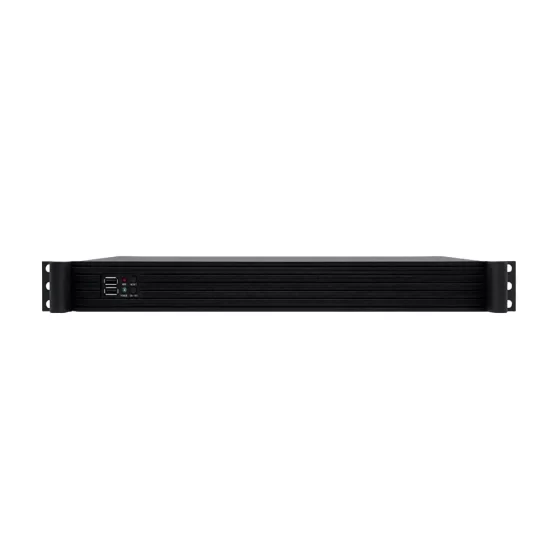
工业电脑

Suitable Applications

  • Large-scale inspection systems
  • Multi-camera deployments
  • High-speed production lines

部署场景

  • Automotive manufacturing
  • 电子组装
  • Metal processing

Key Advantages

  • High processing power
  • Expansion flexibility
  • Extensive connectivity

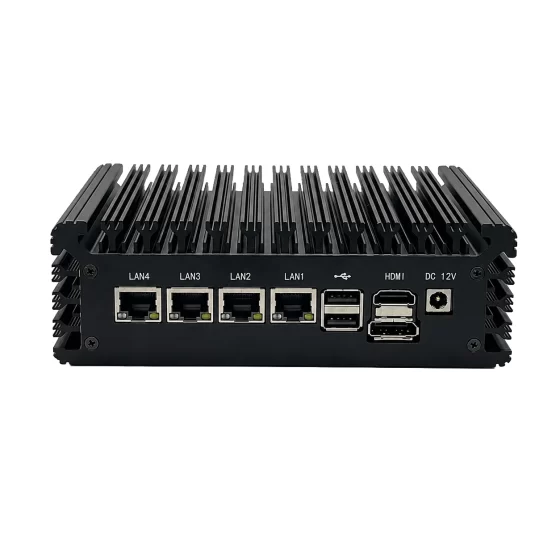
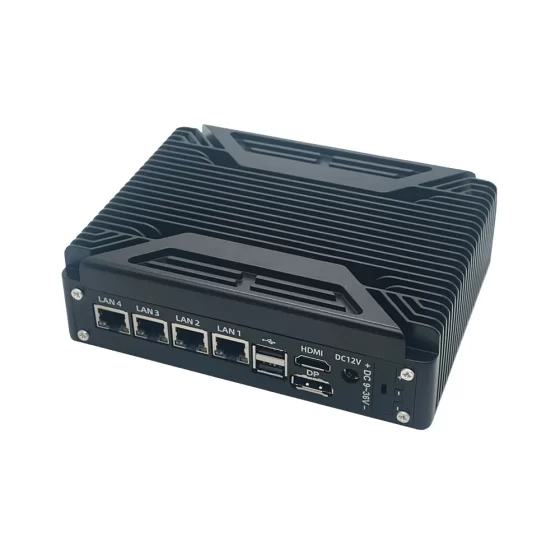
无风扇工业电脑

Suitable Applications

  • Dusty production environments
  • Harsh industrial locations
  • Continuous operation systems

部署场景

  • 工厂自动化
  • Packaging inspection
  • Food processing

Key Advantages

  • Maintenance-free design
  • 提高可靠性
  • 静音运行

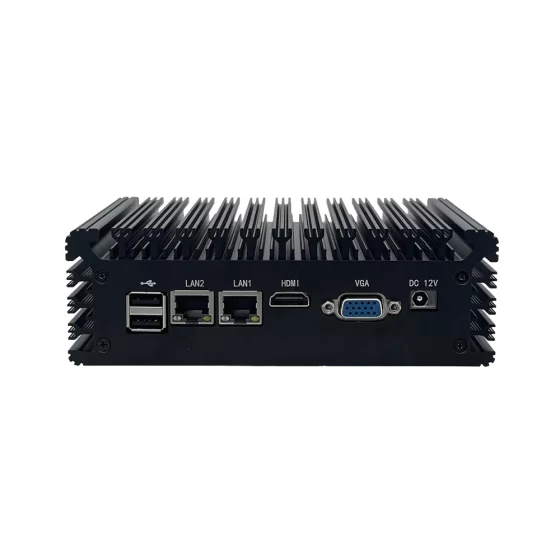
嵌入式计算机

Suitable Applications

  • Compact inspection stations
  • Edge AI deployments
  • Space-constrained installations

部署场景

  • Production cells
  • Inspection workstations
  • Automated assembly systems

Key Advantages

  • Compact size
  • 灵活集成
  • Efficient processing

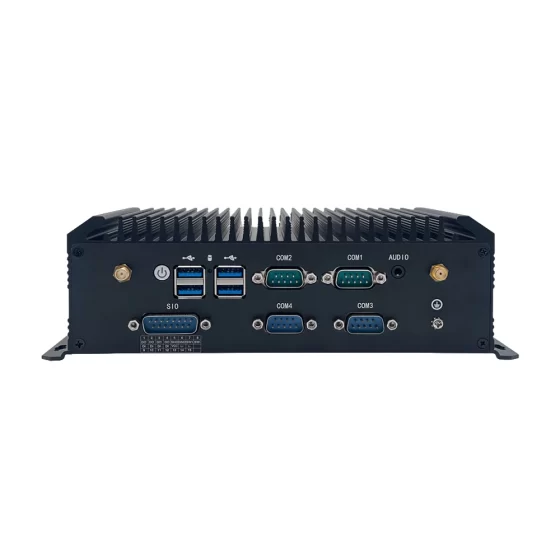
嵌入式工控机

Suitable Applications

  • 机器视觉系统
  • AI inference platforms
  • Production monitoring

部署场景

  • 表面检查
  • 机器人引导
  • Process control

Key Advantages

  • 坚固的结构
  • Easy deployment
  • 工业可靠性

Mini-ITX 主板

Suitable Applications

  • Custom inspection equipment
  • OEM machine vision solutions

部署场景

  • Equipment manufacturing
  • Integrated inspection systems

Key Advantages

  • Customization flexibility
  • Rich I/O options
  • 长期供货

边缘人工智能计算机

Suitable Applications

  • Deep learning inspection
  • Advanced defect classification
  • Real-time visual analytics

部署场景

  • Semiconductor inspection
  • Battery manufacturing
  • Precision electronics production

Key Advantages

  • 人工智能加速
  • Low-latency processing
  • Scalable performance

部署场景

Smart Factory Quality Inspection

AI computers monitor production quality continuously and automatically remove defective products from the production flow.

Machine Vision Inspection for Electronics Manufacturing

High-resolution cameras inspect PCBs, 连接器, and electronic assemblies to identify missing components and soldering defects.

Battery Production Inspection

AI systems detect scratches, dents, 污染, and coating defects during battery manufacturing processes.

Metal Surface Inspection

Industrial computers analyze steel, aluminum, and machined parts for cracks, corrosion, and dimensional deviations.

Glass Manufacturing Inspection

Machine vision systems identify bubbles, scratches, 筹码, and surface imperfections on glass products.

Automotive Component Inspection

AI-powered inspection verifies surface quality and assembly integrity of automotive parts.

Packaging Quality Verification

Inspection systems ensure packaging consistency, 标签准确度, and product appearance standards.

Semiconductor Wafer Inspection

Advanced AI algorithms identify microscopic defects during semiconductor fabrication processes.


商业效益

Deploying an industrial computer for surface defect detection provides measurable operational advantages.

减少停机时间

Automated inspection identifies quality issues early, preventing production disruptions and reducing rework requirements.

提高生产力

Continuous AI inspection enables higher throughput than manual inspection methods.

降低维护成本

Industrial-grade hardware minimizes unexpected failures and reduces maintenance requirements.

Improved Product Quality

Consistent AI analysis improves defect detection accuracy and reduces quality variation.

更好的运营可见性

Real-time inspection data provides valuable insights into manufacturing performance.

更快的决策

Immediate defect identification enables rapid corrective actions and process optimization.

Enhanced Scalability

Manufacturers can expand inspection coverage without fundamentally redesigning system architecture.


为什么选择CoreIPC

CoreIPC specializes in industrial computing and embedded hardware solutions designed for demanding industrial applications.

Our capabilities include:

  • 工业计算专业知识
  • 嵌入式硬件开发
  • OEM manufacturing support
  • ODM project services
  • Custom embedded board development

CoreIPC focuses on providing reliable computing platforms for machine vision, 工业自动化, 边缘人工智能, and smart manufacturing applications.

Key strengths include:

  • Industrial-grade design philosophy
  • Flexible hardware customization
  • Long lifecycle product availability
  • Comprehensive engineering support
  • 全球部署经验

Whether deploying a single inspection station or a factory-wide quality inspection network, CoreIPC can provide suitable computing platforms to support surface defect detection projects.


常见问题解答

1. What is a surface defect detection computer?

A surface defect detection computer is an industrial computing platform that processes images captured by machine vision cameras and uses AI algorithms to identify defects such as scratches, 裂缝, stains, and manufacturing imperfections.

2. Why is an industrial computer preferred over a commercial PC?

Industrial computers are designed for harsh environments and continuous operation. They offer better reliability, wider environmental tolerance, and longer lifecycle support compared with commercial PCs.

3. Can AI improve inspection accuracy?

是的. AI-based inspection systems can identify complex defect patterns that traditional rule-based systems may miss, improving overall inspection performance.

4. How many cameras can a surface defect detection system support?

The number depends on processor performance, 图像分辨率, frame rate, and AI workload. Industrial computing platforms can often support multiple synchronized camera streams.

5. What industries use surface defect detection systems?

Industries include electronics, automotive, semiconductor, battery manufacturing, 包装, metal processing, glass production, and consumer goods manufacturing.

6. Is edge computing important for defect detection?

是的. Edge computing enables real-time analysis at the production line, reducing latency and minimizing dependence on external networks.

7. 一般支持哪些通信协议?

Industrial inspection systems often integrate using Ethernet, Modbus TCP, OPC统一协议, EtherCAT, 工业以太网, and other industrial communication standards.

8. Can AI models be updated after deployment?

是的. Modern systems allow AI models to be retrained and updated as new defect types emerge or production requirements change.

9. What are the benefits of fanless industrial computers?

Fanless systems reduce maintenance, 提高可靠性, eliminate dust intake, and support long-term operation in industrial environments.

10. Can surface defect detection integrate with MES systems?

是的. Inspection results can be transferred to MES platforms for production monitoring, quality management, and traceability purposes.

11. How much storage is required for inspection systems?

Storage requirements depend on image resolution, retention policies, and production volume. Many deployments use a combination of local and network storage.

12. Are embedded computers suitable for machine vision applications?

是的. Modern embedded computers offer sufficient performance for many AI inspection workloads while maintaining compact form factors.

13. How does AI reduce quality costs?

AI improves defect detection consistency, reduces escaped defects, minimizes manual inspection labor, and lowers scrap and rework rates.

14. What factors should be considered when selecting a surface defect detection computer?

Key considerations include computing performance, AI acceleration capability, environmental requirements, 连接性, expandability, 和生命周期支持.

15. Can the same platform support multiple inspection tasks?

是的. Many industrial computing platforms can simultaneously perform defect detection, 质量监控, production analytics, and equipment communication functions.


结论

AI-powered surface defect detection is transforming modern manufacturing by enabling automated, accurate, and real-time quality inspection. As production environments become increasingly automated and data-driven, the role of the surface defect detection computer continues to grow in importance.

By combining machine vision technology, 边缘人工智能计算, 工业连接, and reliable industrial hardware, manufacturers can improve product quality, 降低运营成本, and increase production efficiency. Industrial computers and embedded computers provide the performance, 可靠性, and scalability required to support these advanced inspection systems, making them essential components of smart factory quality control strategies.


联系我们

Looking for the right computing platform for your surface defect detection project?

CoreIPC提供工业计算解决方案:

  • Surface defect detection systems
  • 机器视觉检测
  • Edge AI applications
  • Smart manufacturing projects
  • OEM and ODM developments
  • Custom embedded hardware platforms

Contact the CoreIPC engineering team today for product selection assistance, solution consultation, and customized industrial computing solutions tailored to your application.

留言


    安全检查: