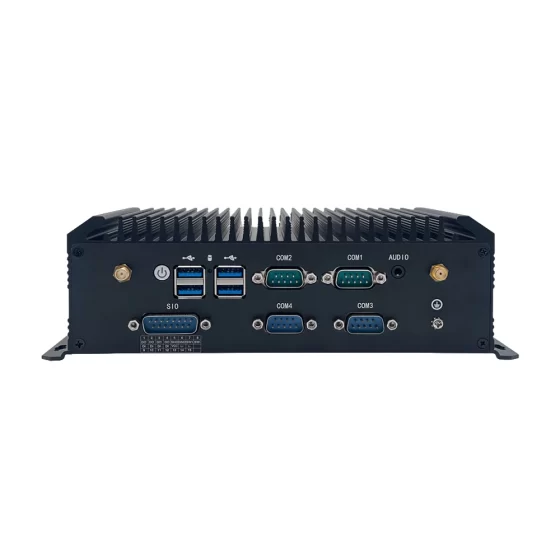
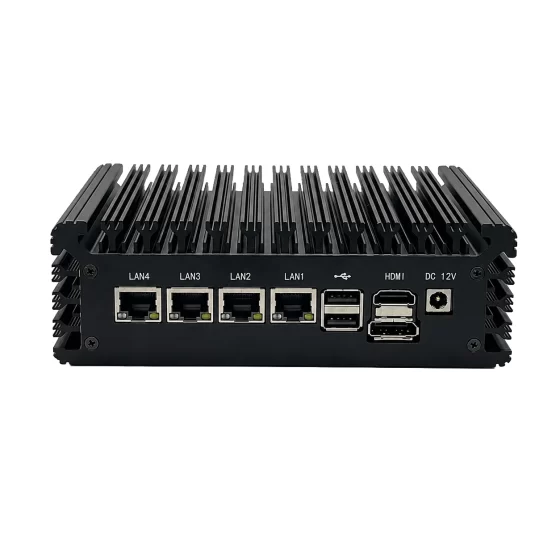
Edge AI Computer for OCR Inspection
执行摘要
An OCR inspection computer is a critical component in modern machine vision systems, enabling manufacturers to automatically read, verify, and analyze printed characters, serial numbers, 条形码, 二维码, 日期代码, and product labels during production. Traditional OCR inspection solutions often struggle with varying lighting conditions, complex backgrounds, damaged markings, and high-speed production environments. Edge AI computers address these challenges by combining industrial computing reliability with artificial intelligence acceleration, delivering accurate and real-time OCR inspection directly at the production line.
In smart manufacturing environments, Edge AI computers process images captured by industrial cameras, perform AI-based optical character recognition, and communicate inspection results to PLCs, 制造执行系统平台, and factory management systems. This enables automated quality control, product traceability, compliance verification, and process optimization.
As Industry 4.0 initiatives continue to expand, manufacturers increasingly deploy Edge AI-powered OCR inspection systems to improve quality assurance, reduce manual inspection costs, and support digital transformation strategies. This article explores OCR inspection challenges, solution architecture, 部署场景, business benefits, and recommended CoreIPC industrial computing platforms for industrial OCR applications.

Industrial OCR inspection system using machine vision cameras and Edge AI computing to verify labels, serial numbers, 条形码, and QR codes in real time.
行业概况
The Growing Demand for OCR Inspection in Manufacturing
Manufacturers across multiple industries increasingly rely on OCR inspection systems to ensure product quality, regulatory compliance, 和可追溯性.
Common OCR inspection applications include:
- Product serial number verification
- Barcode inspection
- QR code reading
- Lot number verification
- 日期代码检查
- PCB character recognition
- Battery traceability management
- Pharmaceutical packaging inspection
- Food packaging verification
- Automotive component identification
Modern production lines often process thousands of products per hour, making manual inspection impractical and unreliable.
行业 4.0 and Intelligent Quality Control
行业 4.0 emphasizes:
- Automated quality assurance
- Digital traceability
- Data-driven manufacturing
- 边缘计算
- AI-powered inspection
- Smart factory deployment
OCR inspection systems have evolved from simple rule-based image processing toward AI-enhanced vision platforms capable of handling complex production environments.
Edge AI computers provide the computational foundation required for these intelligent inspection systems.
The Rise of Edge AI in Machine Vision
Traditional vision systems often relied on centralized servers for image processing.
然而, modern factories require:
- 更低的延迟
- 更快的响应时间
- 减少网络流量
- 提高可靠性
- Real-time decision-making
Edge AI computers enable OCR processing directly at the production line, reducing dependency on cloud infrastructure while improving inspection performance.
主要挑战
Reading Inconsistent Printed Characters
Manufacturing environments frequently encounter:
- Smudged text
- Incomplete printing
- Low contrast markings
- Curved surfaces
- Reflective materials
Traditional OCR algorithms may struggle under these conditions.
高速生产线
OCR systems often need to inspect products moving at high speeds.
挑战包括:
- Motion blur
- Limited processing windows
- Large image volumes
- 实时响应要求
Variable Lighting Conditions
Factory lighting environments can introduce:
- Shadows
- Reflections
- Brightness variations
- Surface glare
OCR inspection systems must maintain stable recognition accuracy despite these variables.
Multiple Product Variants
Manufacturers frequently produce:
- Different label formats
- Multiple packaging designs
- Various character sizes
- Different languages
OCR inspection systems must remain flexible across product lines.
Integration with Automation Systems
OCR inspection results often need to communicate with:
- PLC
- SCADA平台
- 制造执行系统
- ERP平台
- Traceability databases
Reliable industrial communication is essential.
Data Storage and Traceability
Many industries require:
- Inspection image archiving
- Product tracking
- Compliance reporting
- Historical data analysis
This generates significant data management requirements.

Industrial OCR inspection architecture connecting machine vision cameras, Edge AI computing, PLC控制系统, 制造执行系统平台, 和企业网络.
解决方案架构
OCR Inspection System Architecture
A typical OCR inspection solution consists of multiple integrated layers.
图像采集层
Components include:
- 工业相机
- Smart cameras
- Area scan cameras
- Line scan cameras
- Industrial lighting systems
- Optical lenses
These devices capture product images for inspection.
边缘AI处理层
The Edge AI computer performs:
- Image preprocessing
- OCR识别
- Character verification
- 人工智能推理
- 缺陷分类
- Barcode decoding
- QR code reading
处理在本地进行以最小化延迟.
自动化控制层
Inspection results communicate with:
- PLC
- Industrial robots
- Sorting equipment
- Reject mechanisms
- Packaging systems
This enables automated pass/fail decisions.
工业网络层
通信协议可包括:
- 工业以太网
- 以太网/IP
- Modbus TCP
- OPC统一协议
- MQTT
- 工业以太网
These networks connect inspection systems with factory infrastructure.
企业集成层
Inspection data may be forwarded to:
- 制造执行系统
- ERP平台
- Quality management systems
- Cloud analytics platforms
- Traceability databases
This supports factory-wide visibility.

Real-time OCR inspection dashboard providing production analytics, quality control monitoring, and product traceability management for smart manufacturing operations.
主要特点
1. AI-Powered OCR Recognition
AI models improve recognition accuracy for:
- Damaged characters
- Distorted labels
- Low-contrast printing
- Complex backgrounds
2. Real-Time Edge Processing
Edge AI computers process images locally, enabling:
- Millisecond-level response
- 减少延迟
- Immediate decision-making
3. High-Speed Inspection Capability
Industrial OCR systems support:
- Continuous inspection
- High-throughput production lines
- Multi-camera deployments
4. 工业级可靠性
Industrial environments require:
- 24/7 手术
- Rugged hardware
- 长生命周期支持
- 性能稳定
5. Flexible Camera Integration
OCR systems can integrate with:
- GigE Vision cameras
- USB3 Vision cameras
- Smart cameras
- 多摄像头系统
6. Advanced Data Analytics
Inspection data supports:
- 生产报告
- Trend analysis
- Quality monitoring
- 流程优化
7. Traceability Support
OCR inspection enables:
- Product tracking
- Compliance verification
- Manufacturing history management
8. Machine Learning Adaptability
AI models can be trained for:
- New products
- Different fonts
- New label formats
- Specialized inspection requirements
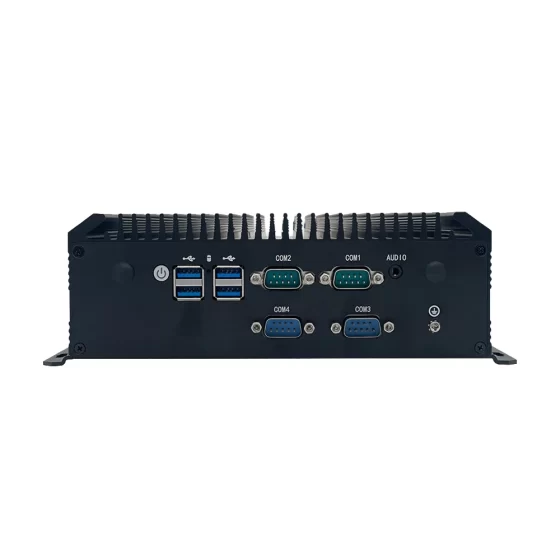
推荐的CoreIPC产品
边缘人工智能计算机
适合于:
- OCR检查
- 人工智能推理
- 机器视觉应用
主要优势:
- 人工智能加速
- 实时处理
- 工业可靠性
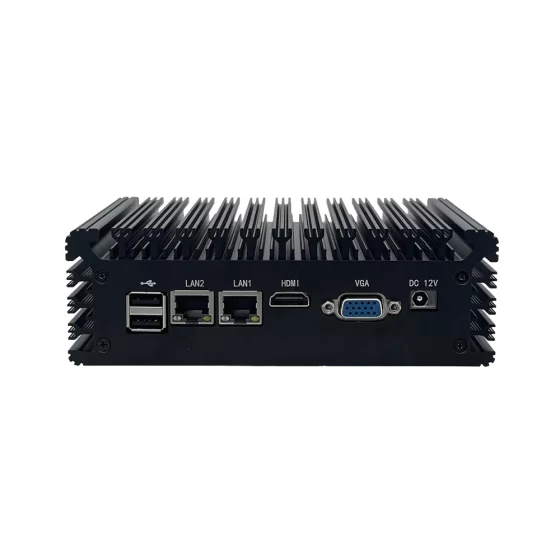
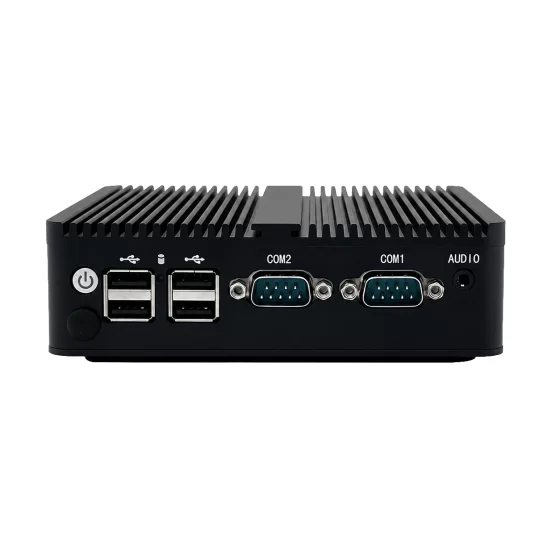
嵌入式计算机
适合于:
- Compact inspection systems
- Equipment integration
- Production line deployment
主要优势:
- Small footprint
- 低功耗
- 安装灵活
工业电脑
适合于:
- Centralized vision systems
- Multi-camera inspection
- Quality control stations
主要优势:
- 高性能
- 扩展能力
- Large storage support
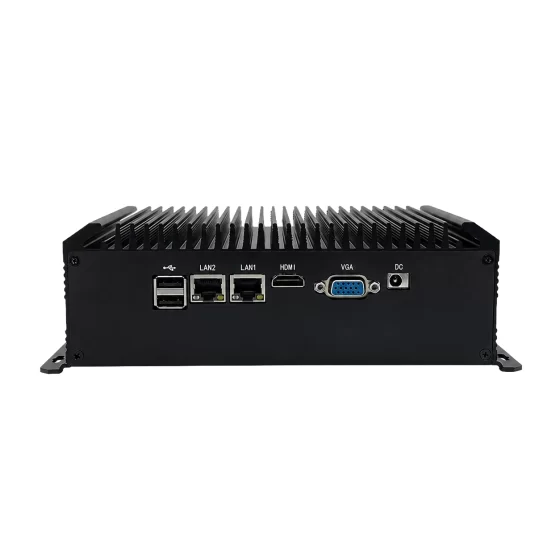
无风扇工业电脑
适合于:
- 多尘环境
- 维护敏感的装置
主要优势:
- 静音运行
- 减少维护
- 增强的可靠性
Mini-ITX 主板
适合于:
- Custom OCR systems
- OEM项目
- Embedded vision devices
主要优势:
- Standard form factor
- Rich I/O options
- Flexible system design
定制嵌入式板
适合于:
- Dedicated inspection equipment
- Specialized machine vision systems
主要优势:
- Tailored hardware design
- 针对特定应用的优化
部署场景
Packaging Label Inspection
OCR systems verify:
- Product names
- Lot numbers
- Expiration dates
- Regulatory markings
Pharmaceutical Packaging Verification
Inspection systems validate:
- Batch codes
- Serialization information
- Compliance markings
PCB Character Recognition
Edge AI computers inspect:
- PCB identifiers
- Component labels
- Manufacturing codes
Battery Production Traceability
OCR systems read:
- 二维码
- Serial numbers
- Traceability markings
throughout the production process.
Automotive Parts Identification
Inspection platforms verify:
- Part numbers
- Production dates
- Supplier codes
before shipment.
Logistics and Warehouse Automation
OCR systems support:
- Package identification
- 条码验证
- 库存追踪
商业效益
Reduced Inspection Errors
AI-based OCR systems improve recognition accuracy compared to manual inspection.
Increased Production Efficiency
Automated inspection eliminates bottlenecks and supports high-speed production.
Improved Product Traceability
Manufacturers gain complete visibility into product history and identification records.
Lower Labor Costs
OCR automation reduces dependence on manual verification processes.
Better Compliance Management
Inspection records support regulatory and quality management requirements.
更快的决策
Real-time inspection data enables rapid process adjustments and corrective actions.
为什么选择CoreIPC
CoreIPC provides industrial computing platforms designed for machine vision and intelligent automation applications.
CoreIPC supports OCR inspection projects through:
- 工业计算专业知识
- 嵌入式硬件开发
- OEM manufacturing services
- ODM project support
- Edge AI computing platforms
- 工业级可靠性
- Long lifecycle product availability
- Flexible hardware customization
是否部署机器视觉系统, OCR inspection platforms, AI quality control systems, or smart manufacturing solutions, CoreIPC offers scalable industrial computing platforms designed for demanding industrial environments.
常见问题解答
1. What is an OCR inspection computer?
An OCR inspection computer is an industrial computing platform that processes images captured by industrial cameras and performs optical character recognition to verify printed information during manufacturing.
2. Why use Edge AI for OCR inspection?
Edge AI enables real-time processing directly at the production line, reducing latency and improving inspection performance.
3. What types of characters can OCR systems recognize?
OCR systems can recognize serial numbers, lot codes, 日期代码, 条形码, 二维码, 标签, and product identifiers.
4. Can OCR inspection work on damaged labels?
AI-based OCR systems significantly improve recognition accuracy on damaged, blurred, or partially obscured characters.
5. What industries use OCR inspection?
Common industries include automotive, electronics, pharmaceuticals, food processing, battery manufacturing, 后勤, and consumer goods.
6. How does OCR inspection improve traceability?
OCR systems automatically capture and store product identification data, supporting complete manufacturing traceability.
7. Can OCR inspection systems integrate with PLCs?
是的. OCR inspection systems commonly communicate with PLCs using industrial protocols such as PROFINET, 以太网/IP, and OPC UA.
8. What role does an Edge AI computer play?
The Edge AI computer performs image processing, OCR识别, 人工智能推理, and inspection decision-making locally.
9. Are OCR systems suitable for high-speed production lines?
是的. Modern Edge AI computers can process large image volumes in real time and support high-throughput manufacturing.
10. Can OCR inspection systems support multiple product types?
是的. AI-based OCR systems can be trained to handle different fonts, 标签, languages, and product variants.
11. What camera types are commonly used?
GigE Vision, USB3 Vision, smart cameras, and industrial area scan cameras are commonly deployed.
12. How does OCR inspection support Industry 4.0?
OCR systems generate digital production data that can be integrated with MES, 企业资源计划, 云平台, and factory analytics systems.
结论
An Edge AI computer is a key technology for modern OCR inspection systems, enabling real-time recognition, intelligent quality control, and product traceability in smart manufacturing environments. By combining machine vision, artificial intelligence, 工业网络, and automation integration, Edge AI-powered OCR inspection solutions help manufacturers improve accuracy, increase efficiency, 降低运营成本, and support Industry 4.0 transformation initiatives. Selecting a reliable industrial computing platform ensures long-term performance and successful deployment across a wide range of OCR inspection applications.
联系我们
Looking for an Edge AI computer solution for OCR inspection?
CoreIPC提供工业计算平台:
- OCR检测
- 机器视觉
- Industrial AI
- 智能制造
- Quality Control Automation
- 代工项目
- ODM项目
- 定制嵌入式硬件开发
Contact CoreIPC to discuss your OCR inspection requirements and identify the ideal industrial computing platform for your application.
CoreIPC工业计算解决方案