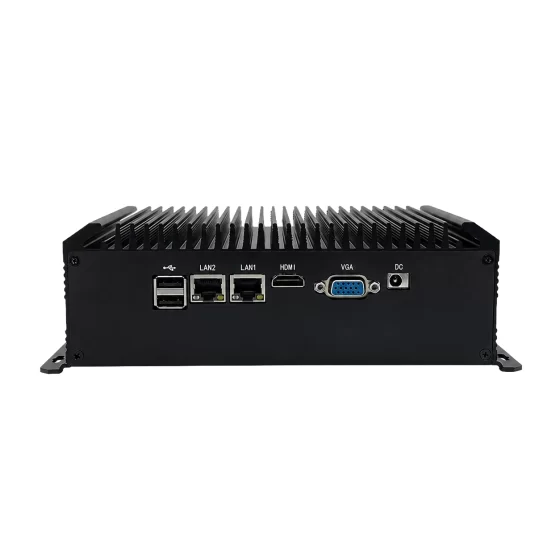
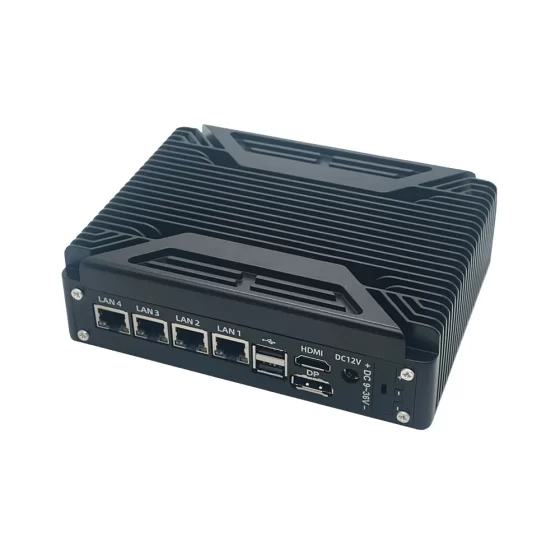
CoreIPC工业计算解决方案

PCB检测工业计算机
执行摘要
A reliable PCB检测工业计算机 is a critical component in modern electronics manufacturing environments where precision, 速度, 质量控制直接影响生产效率和产品可靠性. 作为印刷电路板 (多氯联苯) 变得越来越复杂, 制造商需要能够检测微观缺陷的先进检测系统, 装配错误, 焊接问题, 和元件放置不准确且具有极高的精度.
传统的手动检测方法已不足以满足大批量电子产品生产的需求. 现代 PCB 检测系统依赖机器视觉, 自动光学检测 (兴趣区), 自动 X 射线检测 (AXI), 人工智能, 和实时图像处理技术,确保整个制造过程的质量一致.
这些检测系统的核心是工业计算机或嵌入式计算机,提供图像采集所需的计算能力, 缺陷分析, 生产监控, 数据库管理, 和工厂一体化. 与商用 PC 不同, industrial computers are specifically designed to operate reliably in demanding manufacturing environments while supporting continuous operation, high-speed data processing, and long product lifecycle requirements.
This article explores the role of industrial computers in PCB inspection applications, 关键部署挑战, 系统架构考虑, essential features, and the business benefits of implementing industrial-grade computing platforms in electronics manufacturing facilities.

Modern PCB manufacturing facilities rely on AOI inspection systems, 工业计算机, and automated production lines to ensure high-quality electronics assembly and defect detection
行业概况
Printed circuit boards form the foundation of virtually every electronic product manufactured today. Industries such as consumer electronics, 工业自动化, 汽车电子, 医疗器械, 电信, 航天, and defense all depend on high-quality PCB manufacturing processes.
As electronic products continue to become smaller, faster, and more complex, PCB production requires increasingly sophisticated inspection technologies capable of identifying defects that may not be visible to the human eye.
Common PCB manufacturing defects include:
- 缺少组件
- Incorrect component placement
- Solder bridges
- Insufficient solder
- Open circuits
- Short circuits
- Surface contamination
- Bent leads
- Component polarity errors
- Trace defects
To maintain quality standards, manufacturers deploy inspection technologies throughout the production process.
Typical inspection stages include:
- 焊膏检查 (SPI)
- Pre-reflow inspection
- Post-reflow AOI
- X-ray inspection
- Functional testing
- Final quality verification
These inspection systems generate significant volumes of image and production data that require high-performance computing resources for real-time processing and analysis.
Industrial computers serve as the core computing platform that enables:
- High-speed image acquisition
- Vision processing
- 缺陷检测
- 数据存储
- 生产追溯
- Manufacturing analytics
- Factory integration
因此, industrial computing platforms have become an essential component of modern PCB manufacturing facilities.

Modern PCB inspection systems must process high-resolution images and detect microscopic defects on increasingly complex circuit boards in real time.
主要挑战
High-Speed Image Processing Requirements
PCB inspection systems capture large quantities of high-resolution images during production.
Modern inspection equipment may process:
- Multiple cameras
- High frame rates
- Ultra-high-resolution images
- Multi-angle inspections
Processing this data in real time requires significant computing power.
PCB 复杂性增加
Today’s circuit boards often feature:
- 细间距元件
- Ball grid arrays (BGAs)
- Microvias
- Dense layouts
- Multi-layer designs
Detecting defects within these complex assemblies demands advanced inspection algorithms and powerful image processing capabilities.
Continuous Production Operation
Electronics manufacturing lines frequently operate:
- 24/7 production schedules
- High-throughput assembly processes
- Minimal downtime environments
Inspection systems must maintain continuous performance without affecting production efficiency.
大数据量
PCB inspection systems generate substantial amounts of data including:
- 图片
- 检查结果
- 生产记录
- 质量报告
- Traceability information
Reliable storage and data management infrastructure are essential.
Factory Integration Requirements
Inspection systems must communicate with:
- SMT生产线
- 制造执行系统平台
- 企业资源计划系统
- 质量管理软件
- Manufacturing databases
Achieving seamless integration requires flexible industrial communication capabilities.

Industrial computers connect AOI systems, 机器视觉相机, manufacturing databases, and MES platforms to enable intelligent PCB inspection and production traceability.
解决方案架构
A modern PCB inspection solution consists of several interconnected layers.
层 1: PCB Production Equipment
制造层包括:
- Solder paste printers
- 贴片机
- 回流焊炉
- 输送机
- PCB handling systems
These systems perform the physical manufacturing processes.
层 2: 视觉采集层
The inspection layer includes:
- 工业相机
- 光学镜片
- 照明系统
- X-ray sensors
- Laser measurement devices
These devices capture images and inspection data.
层 3: 工控机层
The industrial computer functions as the processing platform.
职责包括:
- 图像采集
- 图像处理
- 缺陷检测
- 人工智能推理
- 数据库管理
- 质量分析
- 生产监控
- 报告
This layer provides the computing resources required for inspection operations.
层 4: Manufacturing Software Layer
Software systems include:
- 自动检测软件
- AXI software
- SPC systems
- 追溯平台
- Quality management applications
The industrial computer hosts and supports these applications.
层 5: 企业集成层
企业连接性支持集成:
- 制造执行系统平台
- 企业资源计划系统
- Manufacturing databases
- 云分析平台
- Factory dashboards
This layer transforms inspection data into actionable business intelligence.
主要特点
高性能处理
PCB inspection applications require powerful computing resources.
Industrial computers typically support:
- 多核处理器
- 高速内存
- NVMe存储
- GPU加速
- AI processing capabilities
These resources enable real-time inspection performance.
工业级可靠性
Electronics manufacturing facilities require dependable operation.
工业计算机提供:
- 无风扇设计
- 坚固的结构
- 固态存储
- 工业级组件
- 长期稳定
这些特性提高了系统可用性.
Machine Vision Optimization
Industrial computers designed for vision applications support:
- Multiple camera interfaces
- High-bandwidth image transfer
- GPU processing
- 实时分析
This enables rapid defect detection and inspection accuracy.
灵活的连接方式
PCB inspection systems require extensive connectivity.
典型的接口包括:
- 千兆位以太网
- USB 3.0
- USB 3.2
- 串口
- 数字输入/输出
- 相机接口
- 显示输出
These interfaces support integration with production equipment and inspection devices.
AI Inspection Capability
Artificial intelligence is increasingly used in PCB inspection.
Industrial computers can support:
- Deep learning models
- 缺陷分类
- Pattern recognition
- Automated quality analysis
AI improves inspection accuracy and reduces false positives.
Data Management Support
工业计算机支持:
- 本地数据库
- 历史数据存储
- 生产记录
- 追溯系统
Reliable data management improves quality control and compliance.
长生命周期可用性
Industrial computing platforms offer:
- 长期供货
- 稳定的硬件配置
- Extended support periods
This reduces redesign costs and simplifies maintenance planning.
部署场景
自动光学检测 (兴趣区)
AOI systems use industrial computers to:
- Capture images
- Analyze solder joints
- Verify component placement
- Detect manufacturing defects
Real-time processing is essential for maintaining production throughput.
Automated X-Ray Inspection (AXI)
Industrial computers process X-ray images to inspect:
- Hidden solder joints
- BGA connections
- Internal defects
These systems support advanced quality control requirements.
SMT Production Monitoring
Manufacturers deploy industrial computers to monitor:
- Production status
- 设备利用率
- 产量表现
- Process quality
这支持持续改进举措.
基于人工智能的缺陷检测
Machine learning algorithms help identify complex defects that traditional rule-based systems may miss.
Industrial computers provide the processing power required for AI inference and model execution.
Quality Traceability Systems
Inspection results are linked to production records for:
- 产品追溯
- 监管合规性
- Failure analysis
- Warranty management
Industrial computers manage and store this information.
智能工厂集成
Industrial computers connect inspection systems with broader factory infrastructure including MES, 企业资源计划, 和工业物联网平台.
商业效益
提高产品质量
Advanced inspection systems help identify defects before products reach customers.
This improves quality and reduces field failures.
Higher Production Efficiency
Automated inspection eliminates many manual inspection tasks and supports higher manufacturing throughput.
Reduced Rework Costs
Early defect detection prevents defective products from progressing through the production process.
This reduces material waste and labor costs.
Enhanced Traceability
Inspection data provides detailed production records that support quality management and compliance requirements.
更好的运营可见性
Manufacturers gain real-time insight into:
- Yield rates
- 缺陷趋势
- Process performance
- 设备状态
This supports data-driven decision-making.
Support for Smart Manufacturing
Industrial computers provide the computing infrastructure required for Industry 4.0 倡议, AI inspection systems, and intelligent factory operations.
为什么选择CoreIPC
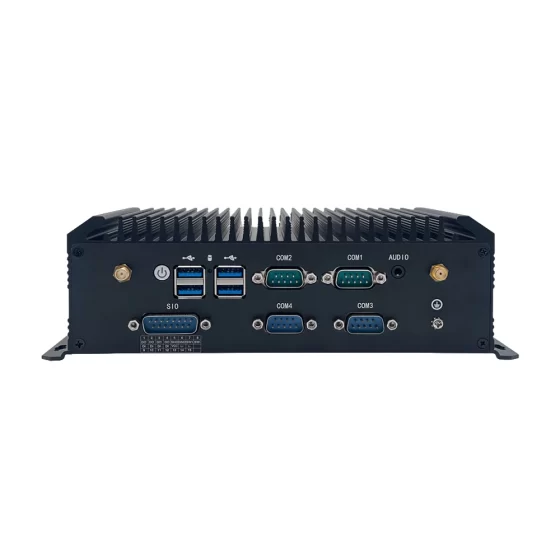
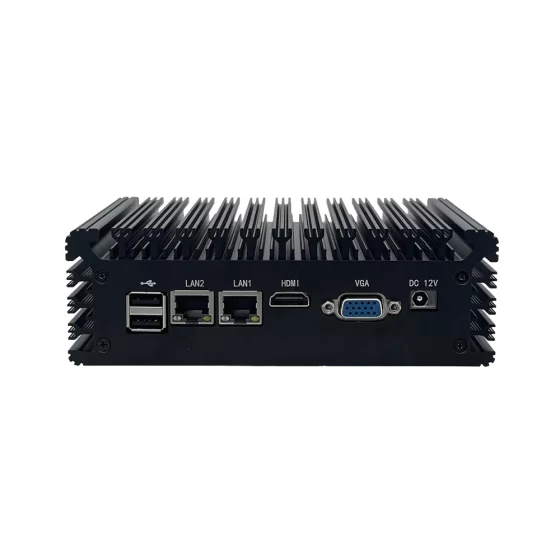
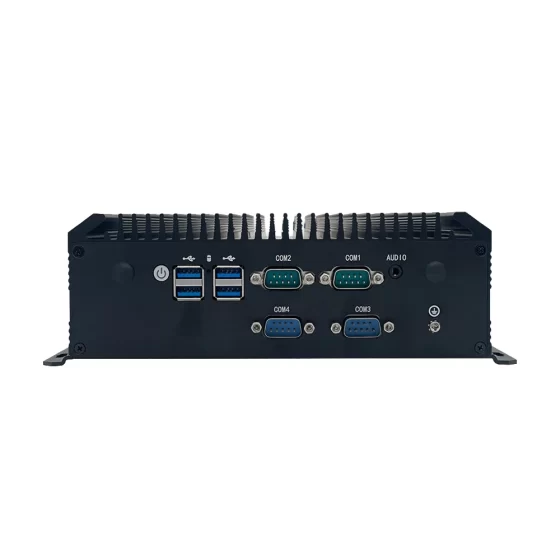
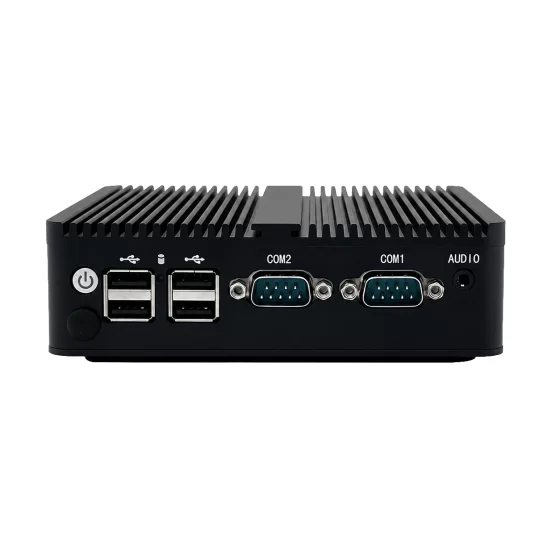
CoreIPC提供专为机器视觉设计的工业计算平台, 自动化检查, 和电子制造应用. 我们的工业计算机, 嵌入式计算机, and embedded boards deliver the performance, 可靠性, and connectivity required for PCB inspection systems, AOI platforms, AI-based quality control, 和智能工厂集成. With industrial-grade durability, 产品生命周期长, 灵活的 I/O 配置, 以及OEM/ODM定制能力, CoreIPC helps manufacturers deploy scalable and reliable inspection solutions for modern electronics production environments.
常见问题解答
What is a PCB inspection computer?
A PCB inspection computer is an industrial computing platform used to support automated optical inspection, X-ray inspection, 机器视觉处理, and quality control operations in electronics manufacturing environments.
Why use an industrial computer for PCB inspection?
工业计算机提供更高的可靠性, 更长的生命周期, 更好的环境耐受性, and superior connectivity compared to commercial PCs, making them ideal for manufacturing applications.
Can industrial computers support AOI systems?
是的. Industrial computers are commonly used as the processing platform for Automated Optical Inspection systems, 处理图像采集, 分析, 和缺陷检测.
Are GPUs important for PCB inspection?
Many advanced inspection systems use GPU acceleration to improve image processing performance, AI inference speed, and machine vision capabilities.
Can industrial computers support AI-based inspection?
是的. Modern industrial computers can run deep learning models for defect classification, pattern recognition, and automated quality analysis.
What interfaces are commonly required?
Typical interfaces include Ethernet, USB 3.0, 串口, 数字输入/输出, 相机接口, and multiple display outputs.
How do industrial computers improve production quality?
They enable faster and more accurate defect detection, helping manufacturers identify issues before products leave the production line.
Can industrial computers integrate with MES systems?
是的. Industrial computers often connect inspection systems to MES, 企业资源计划, 质量管理, and manufacturing database platforms.
What industries use PCB inspection computers?
Consumer electronics, 汽车电子, 工业自动化, 电信, 航天, 医疗器械, and defense industries commonly deploy PCB inspection systems.
What should be considered when selecting a PCB inspection computer?
Important factors include processor performance, GPU支持, 相机连接, 存储容量, 可靠性, 生命周期可用性, 和软件兼容性.
结论
一个 PCB检测工业计算机 提供现代电子制造质量控制系统所需的计算基础. 通过支持高速图像处理, machine vision applications, 基于人工智能的缺陷检测, 和工厂范围内的集成, industrial computers enable manufacturers to improve product quality, increase production efficiency, 并支持智能制造举措.
As PCB designs continue to grow more complex and quality requirements become increasingly stringent, industrial computing platforms will remain a critical component of advanced inspection systems and intelligent electronics manufacturing operations.
联系我们
Looking for an industrial computer solution for PCB inspection applications?
CoreIPC提供工业计算机, 嵌入式计算机, 工业主板, and customized computing platforms designed for machine vision, 自动化检查, 人工智能分析, 和电子制造环境.
Contact our engineering team to discuss your PCB inspection requirements and discover the right industrial computing solution for your project.