智能制造系统中用于视觉引导机器人的计算机
执行摘要
一个 vision guided robotics computer is a critical industrial computing platform that enables robots to perceive, interpret, and respond to visual data in real time. In modern smart manufacturing environments, this system combines machine vision, robotics control, and edge computing to deliver adaptive automation beyond traditional fixed-path robotic systems.
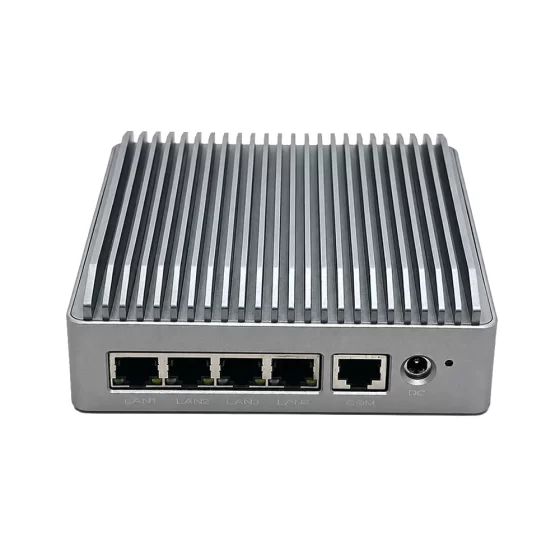
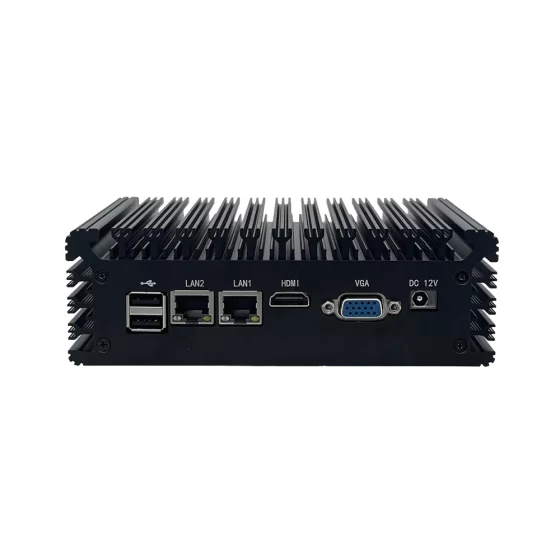
一个 工业计算机 或者 嵌入式计算机 used in vision guided robotics (VGR) acts as the core edge intelligence node, responsible for image acquisition, 加工, 人工智能推理, and motion coordination. These systems are essential in high-precision automation environments where accuracy, 速度, and reliability are critical.
CoreIPC industrial computing platforms provide stable, low-latency, and scalable computing performance for demanding robotic vision applications across global manufacturing industries.
行业概况
Vision guided robotics has become a foundational technology in Industry 4.0 smart manufacturing systems. Traditional industrial robots rely on predefined programming, while modern production systems require dynamic adaptation based on real-world visual feedback.
A typical VGR ecosystem includes:
- 工业相机 (GigE Vision / USB3 / MIPI)
- AI-based vision algorithms
- Industrial robots (SCARA, 6-axis, delta robots)
- Motion control systems
- Edge computing industrial computers
这 vision guided robotics computer serves as the central processing unit of this ecosystem, enabling real-time perception and decision-making.
Industries adopting VGR systems include automotive manufacturing, semiconductor inspection, 电子组装, logistics automation, and pharmaceutical production.
主要挑战
1. Real-Time Processing Constraints
Vision guided robotics requires millisecond-level processing latency to ensure accurate robotic movement synchronization.
2. High-Volume Image Data Handling
Multi-camera systems generate large data streams requiring high-bandwidth processing and optimized memory management.
3. Environmental Complexity
Industrial environments introduce challenges such as:
- Variable lighting conditions
- Dust and vibration
- Reflective surfaces
- Thermal instability
4. Motion-Vision Synchronization
Precise coordination between vision systems and robotic actuators is required to avoid positioning errors.
5. System Reliability Requirements
VGR systems must operate continuously in 24/7 industrial environments without downtime.

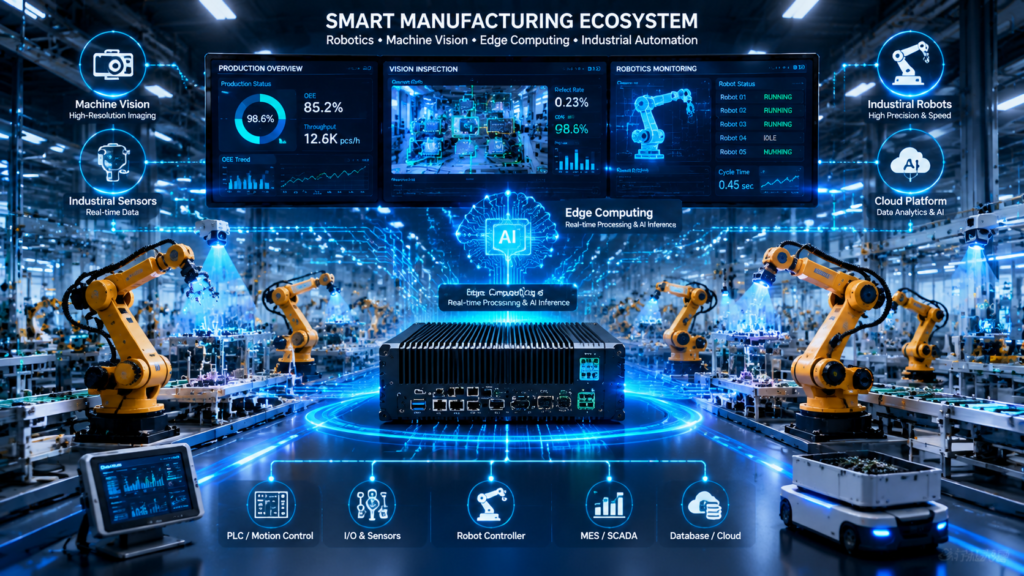
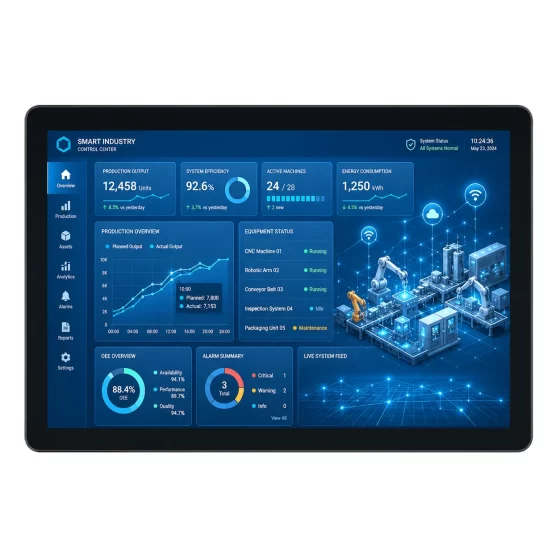
Industrial automation ecosystem combining robotics, 机器视觉, and edge AI computing for smart factory operations
解决方案架构
A vision guided robotics system built around an industrial computer follows a layered edge computing architecture:
1. Vision Acquisition Layer
Industrial cameras capture real-time images of objects on production lines or work cells.
2. 边缘计算层 (Vision Guided Robotics Computer)
这 工业计算机 / 嵌入式计算机 performs:
- Image preprocessing and filtering
- Object detection and classification
- Feature extraction and coordinate mapping
- AI inference for decision-making
3. Robot Control Layer
Processed visual data is converted into motion commands:
- Pick-and-place operations
- Path correction
- Alignment and positioning adjustment
4. Robot Execution Layer
Industrial robots execute precise mechanical actions based on computed instructions.
5. System Integration Layer
Data is synchronized with higher-level systems:
- 制造执行系统 (Manufacturing Execution Systems)
- SCADA platforms
- Cloud analytics systems
This architecture ensures closed-loop intelligent automation between perception and action.
主要特点
High-Performance Edge Computing
Supports real-time AI inference for multi-camera machine vision systems.
Multi-Camera Support
Compatible with industrial-grade imaging interfaces including GigE Vision and USB3 cameras.
Low-Latency Deterministic Processing
Ensures synchronized robotic response for high-speed production environments.
工业级可靠性
Designed for continuous 24/7 operation in harsh environments.
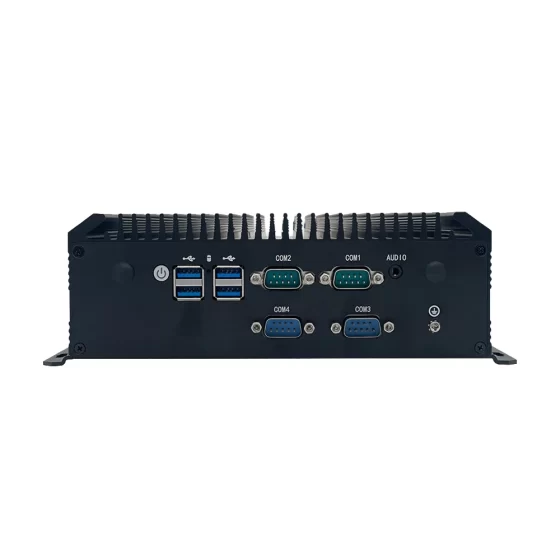
Flexible I/O Expansion
支持:
- Multiple Gigabit Ethernet ports
- RS232 / RS485 serial interfaces
- USB 3.x expansion
- Optional GPIO and fieldbus modules
AI Acceleration Support
Optional GPU or AI accelerator integration for deep learning vision workloads.

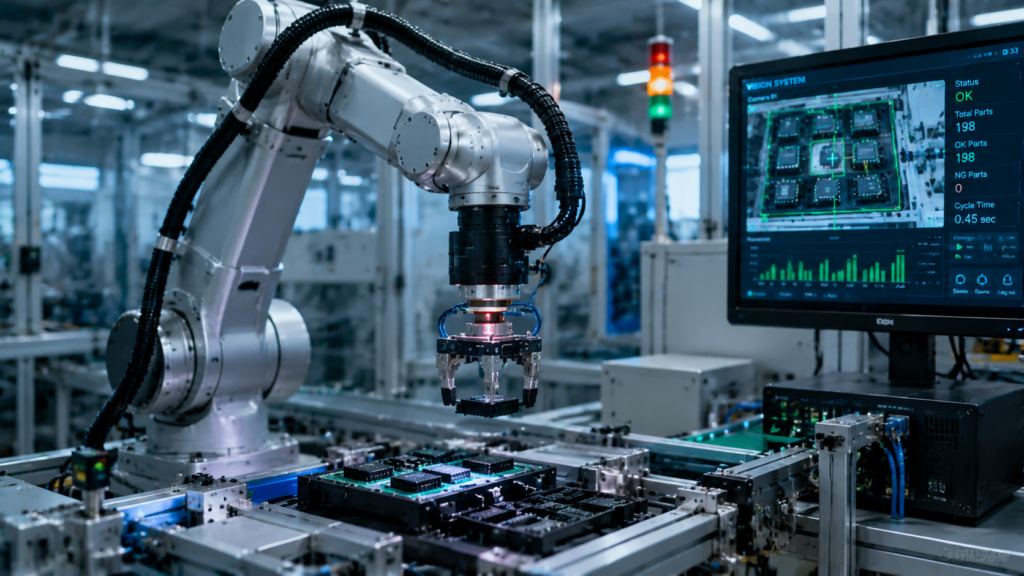
Robotic automation system using machine vision and industrial computer for precision pick-and-place manufacturing
部署场景
Automotive Manufacturing
Used for welding guidance, assembly alignment, and robotic inspection.
Electronics Production
Enables PCB inspection, component placement verification, 和缺陷检测.
Logistics Automation
Supports intelligent bin picking, 排序, and warehouse robotics systems.
Semiconductor Inspection
Provides high-precision wafer inspection and micro-defect detection.
Pharmaceutical Packaging
Ensures labeling accuracy, bottle positioning, and packaging validation.
商业效益
Improved Production Accuracy
Reduces errors through AI-based visual guidance systems.
Increased Automation Flexibility
Enables robots to adapt to dynamic production conditions.
Higher Throughput Efficiency
Optimized robotic motion reduces cycle time and increases output.
降低运营成本
Minimizes manual inspection and rework requirements.
Enhanced Quality Control
Real-time monitoring ensures consistent product quality.
为什么选择CoreIPC
CoreIPC provides industrial-grade computing platforms specifically designed for vision guided robotics applications in smart manufacturing environments.
主要优势包括:
- Stable edge computing performance for real-time vision workloads
- Industrial embedded system design for harsh environments
- Long lifecycle support for manufacturing stability
- Flexible integration with robotics and vision systems
- OEM/ODM customization capabilities
- Proven reliability in 24/7 industrial automation deployments
CoreIPC enables seamless integration between machine vision systems and robotic automation platforms, supporting scalable intelligent manufacturing transformation.
常见问题解答
1. What is a vision guided robotics computer?
It is an industrial computing system that processes visual data and guides robotic movement in real time using machine vision and AI algorithms.
2. Why is an industrial computer required for VGR systems?
Industrial computers provide deterministic performance, 可靠性, and connectivity required for real-time robotic control and vision processing.
3. Can embedded computers handle vision guided robotics?
是的, embedded computers are widely used for edge vision processing and lightweight AI inference tasks.
4. What is the typical latency requirement in VGR systems?
Most systems require millisecond-level latency to ensure accurate robotic synchronization.
5. What types of cameras are used in VGR systems?
GigE Vision, USB3 industrial cameras, and high-speed CMOS sensors are commonly used.
6. Can VGR systems integrate with MES and SCADA?
是的, industrial computers serve as bridges between robotics systems and enterprise manufacturing platforms.
7. What industries benefit most from VGR?
Automotive, electronics, semiconductor, 后勤, and pharmaceutical industries.
8. Does vision guided robotics require AI?
Modern systems increasingly rely on AI for object detection, 分类, and decision-making.
9. What is the role of edge computing in VGR?
Edge computing reduces latency by processing visual data locally on industrial computers.
10. How does CoreIPC ensure reliability?
CoreIPC uses industrial-grade components, 无风扇设计, and validated thermal architecture for long-term stability.
结论
Vision guided robotics represents a core technology in modern intelligent manufacturing systems. By combining machine vision, robotics control, 和边缘计算, manufacturers can achieve higher precision, 灵活性, and efficiency.
一个 vision guided robotics computer built on industrial or embedded computing platforms enables real-time perception and decision-making essential for next-generation automation systems.
CoreIPC delivers reliable and scalable industrial computing solutions that empower advanced robotic vision applications across global manufacturing industries.
联系我们
CoreIPC provides industrial computing platforms for vision guided robotics, machine vision systems, 和智能自动化应用. Contact our engineering team to discuss your project requirements and integration needs.
CoreIPC工业计算解决方案