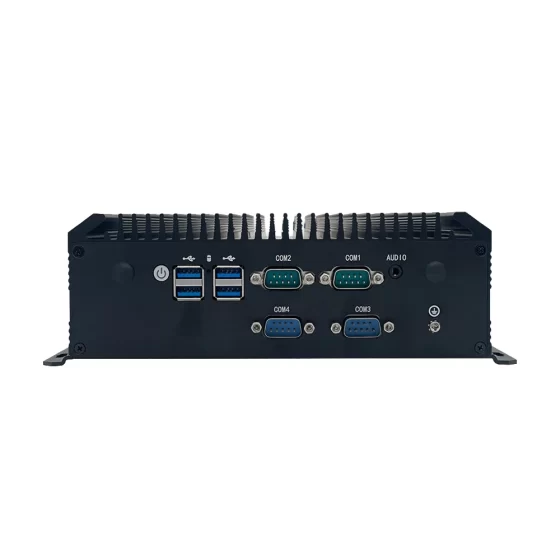
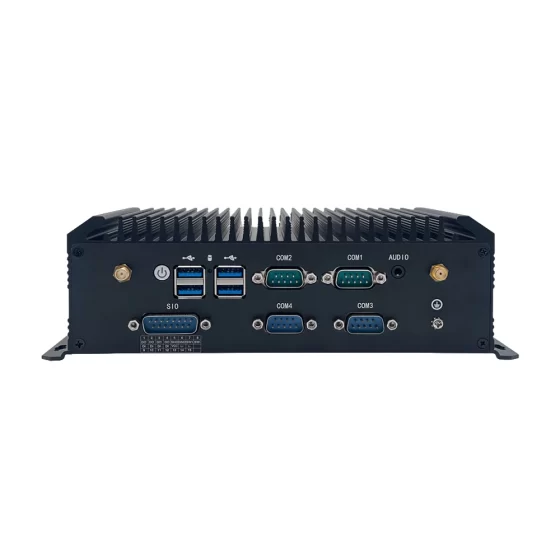
حلول الحوسبة الصناعية CoreIPC

كمبيوتر فحص الجودة بالذكاء الاصطناعي: الحوسبة الصناعية للفحص البصري الموثوق القائم على الذكاء الاصطناعي
ملخص تنفيذي
An AI quality inspection computer provides the industrial computing foundation for automated visual inspection, كشف العيب, التحقق من المنتج, مراقبة العملية, وتكامل البيانات عالية الجودة في بيئات التصنيع الحديثة.
مع تحرك المصانع نحو إنتاج أكثر ذكاءً, أصبح فحص الجودة يعتمد بشكل أكبر على البيانات, على أساس الكاميرا, ومتصلة بأنظمة التشغيل الآلي. يمكن أن يكون الفحص اليدوي التقليدي محدودًا بسبب إرهاق المشغل, حكم غير متناسق, سرعة الإنتاج, وصعوبة التعامل مع كميات كبيرة من بيانات التفتيش.
تستخدم أنظمة التفتيش المعتمدة على الذكاء الاصطناعي الكاميرات الصناعية, إضاءة, أجهزة الاستشعار, برنامج رؤية الآلة, نماذج استنتاج الذكاء الاصطناعي, وأجهزة الحوسبة الصناعية للكشف عن العيوب, تصنيف التشوهات, التحقق من تجميع المنتج, وربط نتائج التفتيش مع MES أو أنظمة الجودة.
يعمل الكمبيوتر الصناعي أو الكمبيوتر المدمج كمنصة معالجة محلية للذكاء الاصطناعي. يتلقى بيانات الصورة, يدير خوارزميات التفتيش, يتواصل مع PLCs ومعدات التشغيل الآلي, سجلات تفتيش المخازن, and uploads results to factory databases or production dashboards.
بالمقارنة مع أجهزة الكمبيوتر التجارية القياسية, industrial computers are better suited for factory deployment because they provide stable operation, الإدخال/الإخراج المرن, تصميم ميكانيكي متين, خيارات بدون مروحة, شبكات موثوقة, ودعم دورة الحياة الطويلة.
This article explains how AI quality inspection computers support industrial inspection, ما هي التحديات التي يواجهها المصنعون أثناء النشر, كيف تعمل بنية الحل, and which hardware features are important for reliable AI-based quality control.
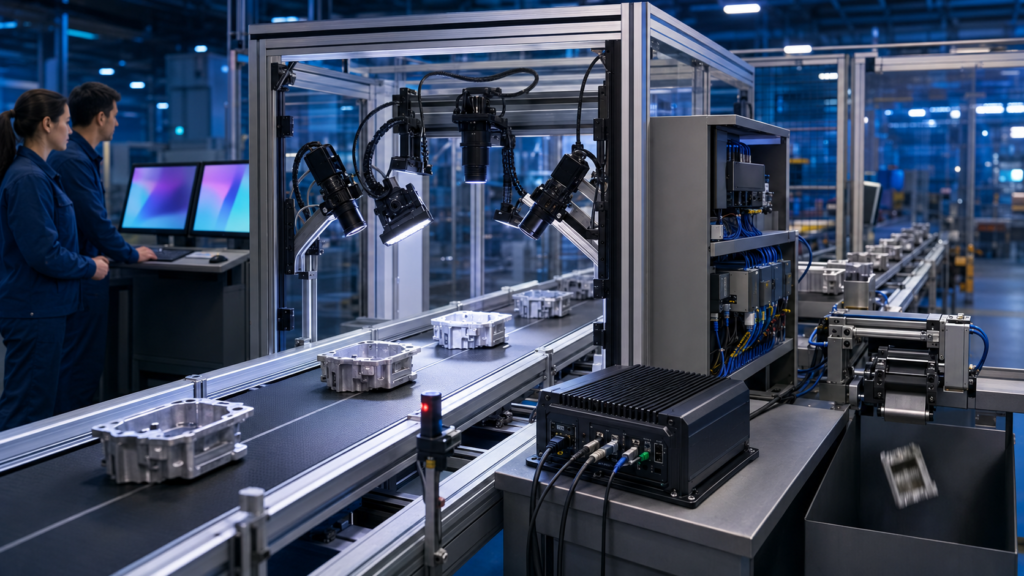
AI Quality Inspection on Production Lines
نظرة عامة على الصناعة
Quality Inspection Is Moving Toward AI
Manufacturing quality control has traditionally relied on manual inspection, rule-based machine vision, sampling inspection, or offline testing.
These methods are still useful, but many modern production lines require faster, more consistent, and more data-connected inspection. Products are becoming more complex, production speeds are increasing, and factories need stronger traceability.
AI quality inspection can support:
- كشف عيوب السطح
- فحص مظهر المنتج
- التحقق من التجميع
- Missing part detection
- Label and barcode checking
- فحص التغليف
- Dimension and position verification
- كشف الأجسام الغريبة
- Solder and component inspection
- تصنيف العيوب
- Quality data collection
A reliable AI quality inspection computer provides the local computing platform required to turn camera data into production decisions.
لماذا يتم استخدام الذكاء الاصطناعي في فحص الجودة
تعمل أنظمة الرؤية التقليدية القائمة على القواعد بشكل جيد عندما تكون العيوب واضحة, مستقر, وسهلة التحديد.
لكن, real-world defects are often more complex. الخدوش, البقع, الشقوق, الخدوش, تلوث, poor solder joints, المكونات المفقودة, تشوه, and color variation may appear in different shapes, الأحجام, وظروف الإضاءة.
AI inspection models can help identify visual patterns that are difficult to describe with fixed rules.
AI can be useful for:
- Variable defect shapes
- Complex product surfaces
- Mixed product models
- Subtle appearance differences
- تصنيف العيوب
- كشف الشذوذ
- Multi-stage quality analysis
الذكاء الاصطناعي لا يحل محل الكاميرا المناسبة, عدسة, إضاءة, والتصميم الميكانيكي. It depends on stable image acquisition and reliable computing hardware.
Industrial Computing Enables Real Factory Deployment
AI inspection systems are often installed directly on production lines.
قد تعمل بالقرب من الناقلات, الخلايا الروبوتية, assembly machines, معدات التعبئة والتغليف, محطات الاختبار, inspection benches, أو خزائن التحكم.
قد تشمل هذه البيئات الاهتزاز, تراب, حرارة, الضوضاء الكهربائية, حركة الكابل, مساحة محدودة, وساعات العمل الطويلة.
تم تصميم أجهزة الكمبيوتر الصناعية وأجهزة الكمبيوتر المدمجة لظروف النشر هذه. They support stable performance, الإدخال/الإخراج الصناعي, multiple camera interfaces, تركيب وعرة, التخزين المحلي, وتوافر دورة حياة طويلة.

AI Quality Inspection Vision Challenges
التحديات الرئيسية
تقلب العيب
Defects are not always consistent.
The same defect type may appear differently depending on product material, زاوية الإضاءة, surface texture, production process, or camera position.
تشمل تحديات التفتيش الشائعة:
- خدوش دقيقة
- Surface stains
- Cracks and dents
- مكونات مفقودة
- Wrong assembly
- Color differences
- تلوث
- الأجسام الغريبة
- Misaligned parts
- Damaged packaging
The AI quality inspection computer must process images reliably under real production conditions.
ارتفاع عبء عمل معالجة الصور
AI inspection often uses high-resolution cameras and deep learning models.
يعتمد عبء عمل الحوسبة على دقة الكاميرا, عدد الكاميرات, معدل الإطار, تعقيد النموذج, inspection cycle time, and storage requirements.
If the computer is underpowered, the system may experience delayed processing, الإطارات المسقطة, unstable inspection speed, or reduced production throughput.
وتشمل عوامل عبء العمل الهامة:
- حجم نموذج الذكاء الاصطناعي
- دقة الصورة
- عدد الكاميرات
- معدل الإطار المطلوب
- تخزين الصور المحلية
- منطق تصنيف العيوب
- توقيت الاتصال PLC
- MES or database upload frequency
Stable sustained performance is more important than short peak benchmark performance.
تكامل الكاميرا والإضاءة
AI inspection accuracy depends heavily on image quality.
الإضاءة السيئة يمكن أن تخلق الوهج, الظلال, طمس الحركة, تباين منخفض, or unstable color. يمكن أن تؤدي هذه المشكلات إلى تقليل دقة النموذج وزيادة الاكتشاف الخاطئ.
A reliable system requires coordination between:
- اختيار الكاميرا
- Lens design
- Lighting method
- توقيت الزناد
- Product positioning
- Mechanical mounting
- Software settings
- Computing hardware
The industrial computer must support stable image acquisition and reliable connection with lighting controllers, أجهزة الاستشعار, and camera systems.
التكامل مع معدات الإنتاج
AI inspection results must be connected with production actions.
قد يحتاج النظام إلى التواصل مع PLCs, الناقلات, الروبوتات, آليات الرفض, إنذار, قارئات الباركود, برنامج مس, أو قواعد بيانات الجودة.
A practical AI inspection computer may need:
- لان
- USB
- RS232
- RS485
- جيبيو
- الإدخال الرقمي
- الإخراج الرقمي
- HDMI أو DisplayPort
- توسيع M.2 أو PCIe
بدون تكوين الإدخال/الإخراج الصحيح, يصبح تكامل النظام أكثر تعقيدًا وأقل موثوقية.
التشغيل والصيانة المستمرة
AI quality inspection systems often operate across multiple shifts.
إذا فشل جهاز الكمبيوتر التفتيش, image processing may stop, reject control may fail, and quality data may become incomplete.
Industrial-grade hardware helps reduce this risk by supporting stable thermal design, تركيب ميكانيكي وعرة, تخزين موثوق, and long-term component availability.
Long lifecycle support is also important because inspection systems often remain in production for many years.

AI Quality Inspection Computer Architecture
AI Quality Inspection Computer Solution Architecture
طبقة الحصول على الصور وأجهزة الاستشعار
تلتقط طبقة الاستحواذ البيانات الأولية اللازمة لفحص الذكاء الاصطناعي.
قد تشمل هذه الطبقة الكاميرات الصناعية, العدسات, وحدات الإضاءة, أجهزة الاستشعار الزناد, قارئات الباركود, أجهزة القياس, وأجهزة استشعار الإنتاج.
اعتمادا على التطبيق, قد يلتقط النظام:
- Product surface images
- صور التجميع
- صور المكونات
- Packaging images
- الباركود أو صور التسمية
- صور عيب
- بيانات الموقف
- قيم القياس
- إشارات العملية
تعد جودة الإدخال المتسقة أمرًا ضروريًا. AI inspection results depend on clear, قابل للتكرار, and stable data capture.
طبقة الحوسبة الصناعية AI
The industrial AI computing layer is where the AI quality inspection computer performs local processing.
عند هذه الطبقة, قد يكون الكمبيوتر الصناعي أو الكمبيوتر المدمج:
- استقبال الصور من الكاميرات
- تشغيل نماذج الاستدلال بالذكاء الاصطناعي
- Detect visual defects
- Classify abnormal conditions
- Compare results with inspection rules
- تخزين الصور والسجلات
- عرض نتائج التفتيش
- إرسال إشارات النجاح أو الفشل
- التواصل مع PLCs
- تحميل البيانات إلى أنظمة الجودة
This edge computing layer allows inspection decisions to happen close to the production process.
طبقة التحكم الآلي
The automation control layer connects AI inspection results with equipment action.
بلك, تحكم الروبوت, تحكم الحركة, نظام الناقل, or reject mechanism may trigger inspection and receive results from the industrial computer.
على سبيل المثال, if the system detects a missing component, unreadable label, surface defect, or package damage, the computer can send a fail signal to the PLC. The equipment may then stop the line, تفعيل آلية الرفض, or route the product for rework.
This closed-loop communication turns AI inspection into practical quality control.
طبقة إدارة البيانات
Inspection results must be stored and connected with production records.
قد يرسل الكمبيوتر الصناعي البيانات إلى MES, نظم إدارة الجودة, قواعد بيانات المصانع, لوحات الإنتاج, أو منصات التحليلات.
قد تتضمن بيانات التفتيش:
- معرف المنتج
- أمر العمل
- رقم الدفعة
- نتيجة التفتيش
- فئة الخلل
- أدلة الصورة
- درجة الثقة
- معرف المحطة
- الطابع الزمني
- عمل المشغل
- Recheck status
وهذا يدعم إمكانية التتبع, تحليل الجودة, تحسين العملية, والمساءلة عن الإنتاج.
واجهة المستخدم والطبقة الهندسية
يحتاج المشغلون والمهندسون إلى واجهة محلية للمراقبة والضبط.
The AI quality inspection computer may connect to a monitor, شاشة تعمل باللمس, لوحة المفاتيح, أو لوحة HMI.
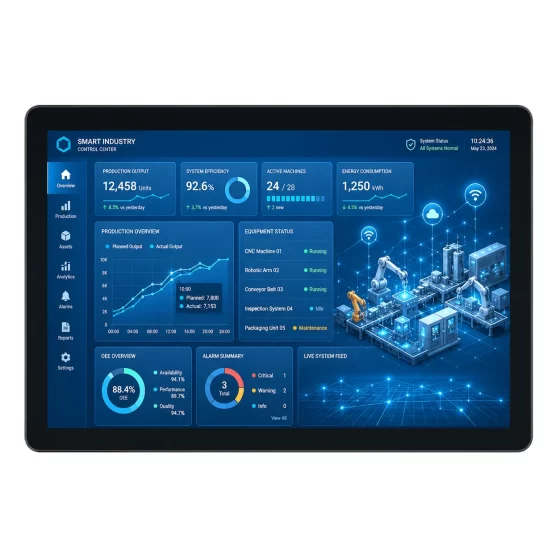
يمكن للواجهة عرض الصور الحية, مواقع الخلل, نتائج التفتيش, رسائل التنبيه, التهم الإنتاج, AI model status, حالة الكاميرا, وسجلات النظام.
A clear interface helps engineers review defects, adjust inspection settings, and troubleshoot production problems quickly.
الميزات الرئيسية
أداء الاستدلال بالذكاء الاصطناعي
AI inspection requires stable inference performance.
تتطلب مهام الفحص المختلفة مستويات حوسبة مختلفة. A simple single-camera defect detection station may use a compact embedded computer. A multi-camera AI inspection line may require a more powerful industrial PC or edge AI computer.
ينبغي النظر في الاختيار:
- تعقيد نموذج الذكاء الاصطناعي
- دقة الكاميرا
- عدد الكاميرات
- سرعة الفحص
- معدل الإطار
- عبء عمل وحدة المعالجة المركزية
- احتياجات مسرع GPU أو AI
- سعة الذاكرة
- عبء عمل التخزين
- إطار البرمجيات
The best configuration should be selected according to real production data and actual inspection cycle time.
دعم واجهة الكاميرا
يعد اتصال الكاميرا أحد أهم متطلبات الأجهزة.
AI inspection systems commonly use USB cameras, كاميرات جيجا, 2.5كاميرات جيجابت, or other industrial vision interfaces.
قد تتضمن ميزات الأجهزة المفيدة:
- USB 3.0 الموانئ
- منافذ LAN متعددة
- 2.5خيارات GbE أو شبكة LAN عالية السرعة
- توسيع PCIe
- توسعة M.2
- مخرج HDMI أو DisplayPort
- تخزين عالي السرعة
- تصميم طاقة مستقر
للأنظمة متعددة الكاميرات, يجب إكمال تخطيط النطاق الترددي قبل اختيار الأجهزة.
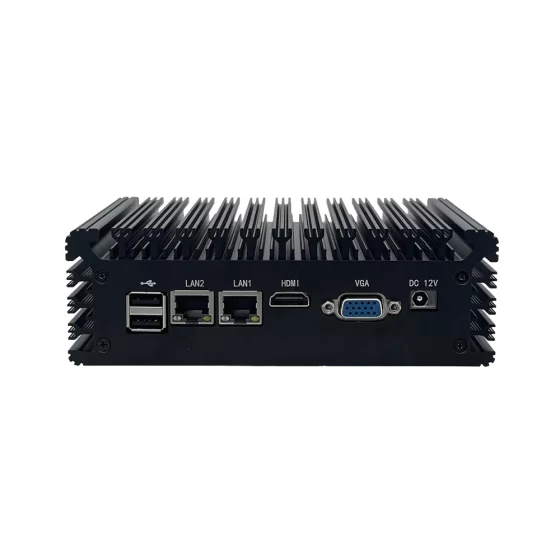
الإدخال/الإخراج الصناعي لتكامل المصنع
يجب أن يتصل كمبيوتر الفحص المزود بالذكاء الاصطناعي بمعدات إنتاج حقيقية.
قد تتضمن خيارات الإدخال/الإخراج المهمة:
- لان
- USB
- RS232
- RS485
- جيبيو
- الإدخال الرقمي
- الإخراج الرقمي
- اتش دي ام اي
- منفذ العرض
يمكن لهذه الواجهات دعم الكاميرات, أجهزة الاستشعار, وحدات تحكم الإضاءة, قارئات الباركود, الشركات المحدودة العامة, الناقلات, إنذار, الروبوتات, وآليات الرفض.
يعمل الإدخال/الإخراج المرن على تقليل المحولات الخارجية وتحسين موثوقية النظام.
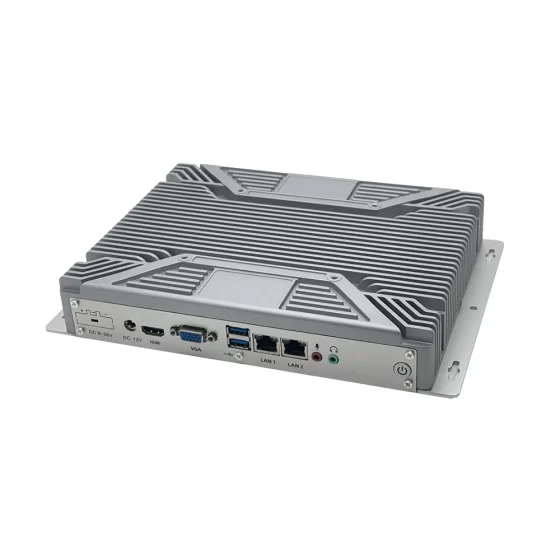
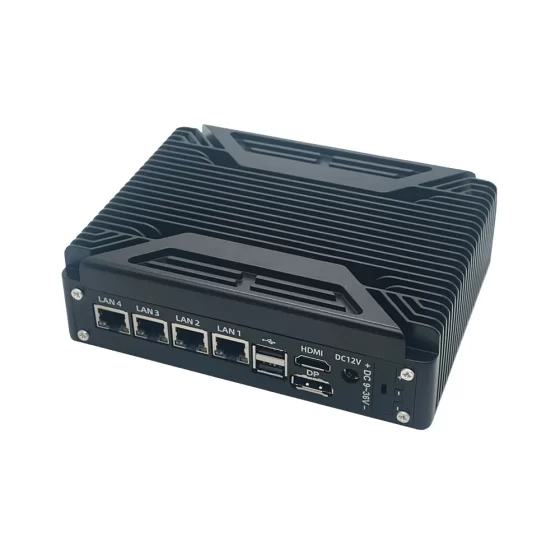
تصميم بدون مروحة وقوي
Fanless industrial computers are useful in many inspection environments.
إنها تقلل من دخول الغبار وتزيل نقطة عطل ميكانيكية شائعة. This is valuable when systems operate continuously and maintenance access is limited.
يساعد الغلاف المتين على حماية الكمبيوتر من الاهتزاز, إجهاد الكابل, وتأثير التثبيت.
لأحمال عمل الذكاء الاصطناعي عالية الأداء, thermal design must be reviewed carefully. قوة المعالج, استخدام GPU أو المسرع, تدفق هواء الخزانة, درجة الحرارة المحيطة, and mounting position can all affect long-term stability.
تخزين موثوق لسجلات التفتيش
AI inspection systems may generate large amounts of data.
قد يقوم الكمبيوتر بتخزين صور معيبة, عينات الصور المقبولة, سجلات التفتيش, ملفات نماذج الذكاء الاصطناعي, التقارير, وسجلات قاعدة البيانات المحلية.
يُفضل عادةً تخزين SSD أو NVMe لأنه يوفر وصولاً أسرع ومقاومة أفضل للصدمات مقارنة بمحركات الأقراص الميكانيكية.
للتطبيقات ذات الصور الثقيلة, سعة التخزين, اكتب التحمل, طريقة النسخ الاحتياطي, ويجب مراجعة سياسة الاحتفاظ بالبيانات أثناء تصميم النظام.
دورة حياة طويلة وقابلية الصيانة
AI inspection systems may remain in production for many years.
التغييرات المتكررة في نماذج الأجهزة, الموانئ, السائقين, أو يمكن أن تؤدي خيارات التوسعة إلى زيادة عبء عمل التحقق من الصحة وتكلفة الصيانة.
تساعد منصات الحوسبة الصناعية مع تخطيط دورة الحياة الشركات المصنعة ومصنعي معدات OEM في الحفاظ على أنظمة متسقة عبر خطوط متعددة, آلات, ومشاريع العملاء.
سيناريوهات النشر
كشف عيوب السطح
Surface defect detection is one of the most common AI inspection applications.
The system can inspect metal, plastic, glass, electronic parts, packaging materials, textiles, and other product surfaces.
The industrial computer processes images locally to detect scratches, البقع, الخدوش, الشقوق, تلوث, and other visible defects.
التحقق من التجميع
AI inspection can verify whether products are assembled correctly.
يمكن للنظام التحقق من وجود المكونات, توجيه, موضع, محاذاة الموصل, وضع المسمار, توجيه الكابل, موقف التسمية, أو الأجزاء المفقودة.
An industrial computer processes camera images and sends results to the production system or PLC.
Electronics Inspection
Electronics manufacturing can use AI inspection for PCB inspection, مراجعة مشتركة لحام, التحقق من المكونات, التعرف على الباركود, فحص الموصل, وتصنيف العيوب.
يمكن تركيب جهاز كمبيوتر مضمن بالقرب من خطوط SMT, معدات المنظمة العربية للتصنيع, محطات الاختبار, أو مقاعد الإصلاح.
Inspection results can be connected with PCB serial numbers, أوامر العمل, and MES records.
فحص التغليف
AI quality inspection can support packaging checks for labels, الرموز الشريطية, رموز التاريخ, الأختام, قبعات, كرتون, الحقائب, زجاجات, and final packages.
The industrial computer processes images and sends pass or fail results to PLCs or reject mechanisms.
This helps reduce shipment errors and improve traceability.
Food and Pharmaceutical Inspection
Food and pharmaceutical production often require visual inspection of products, التسميات, الحزم, الأختام, رموز, والتغليف النهائي.
AI inspection computers can support appearance inspection, التحقق من التسمية, fill-level checks, package completeness, and traceability record creation.
These applications require stable image acquisition and reliable data handling.
Battery and New Energy Inspection
Battery manufacturing can use AI inspection for electrode surfaces, مظهر الخلية, tab welding areas, تجميع الوحدة النمطية, الأسلاك, التسميات, and final pack inspection.
The industrial computer processes defect images and connects results with production and quality systems.
This supports safer and more traceable battery manufacturing workflows.
خلايا التفتيش الروبوتية
يمكن دمج فحص الذكاء الاصطناعي مع الأنظمة الآلية.
A robot may move a product under a camera, position a camera around the product, or sort items based on inspection results.
The AI quality inspection computer processes images and communicates with the robot controller or PLC.
معدات التفتيش OEM
Machine builders can integrate industrial computers, أجهزة الكمبيوتر المدمجة, or industrial motherboards into AI inspection machines.
يمكن لمنصة الحوسبة توفير الحصول على الصور, استنتاج الذكاء الاصطناعي, عرض اتش ام اي, الاتصالات الأتمتة, التخزين المحلي, وإخراج بيانات المصنع.
This helps OEMs deliver inspection equipment ready for smart manufacturing integration.

AI Quality Inspection Defect Review
فوائد الأعمال
تحسين اتساق التفتيش
AI quality inspection helps manufacturers inspect products more consistently across shifts.
The system processes images according to defined models and inspection logic. This reduces dependence on manual judgment and helps maintain stable quality control.
Reliable industrial computing hardware supports this consistency by keeping image acquisition and inference workloads stable.
تقليل عبء عمل الفحص اليدوي
يمكن أن يكون الفحص اليدوي متكررًا, بطيء, وغير متناسقة.
AI inspection automates many visual checks and allows operators to focus on exception handling, process adjustment, and equipment maintenance.
This improves production efficiency and reduces the risk of missed defects caused by fatigue.
كشف أسرع للعيوب
تسمح معالجة الذكاء الاصطناعي المحلية باتخاذ قرارات الفحص بالقرب من خط الإنتاج.
The industrial computer can detect defects and send pass, يفشل, or classification results to PLCs quickly.
وهذا يتيح إجراء رفض أسرع, rework routing, أو تصحيح العملية.
إمكانية تتبع الجودة بشكل أقوى
يمكن ربط بيانات فحص الذكاء الاصطناعي بمعرفات المنتج, أوامر العمل, فئات العيوب, الصور, الطوابع الزمنية, معلومات المحطة, وإجراءات المشغل.
This creates stronger quality records for production analysis, عمليات تدقيق العملاء, التحقيق في الضمان, وتحليل السبب الجذري.
Traceability becomes more useful when inspection data is collected consistently and connected with MES or quality systems.
تحسين عملية أفضل
AI inspection platforms generate useful production data.
يمكن للمصنعين تحليل العيوب المتكررة, أداء المحطة, عملية الانجراف, قضايا المعدات, واتجاهات التفتيش.
Reliable industrial computers help ensure that this data is stored, نقل, and displayed consistently.
نشر التصنيع الذكي القابل للتطوير
A standardized industrial computing platform makes it easier to deploy AI inspection across multiple production lines and factories.
تعمل الأجهزة المتسقة على تبسيط صور البرامج, إدارة السائق, تخطيط قطع الغيار, التدريب على الصيانة, والدعم الفني على المدى الطويل.
وهذا يدعم مراقبة الجودة الرقمية القابلة للتطوير وتطوير التصنيع الذكي.
لماذا كورIPC
توفر CoreIPC منصات حوسبة صناعية لرؤية الآلة, حافة الذكاء الاصطناعي, أتمتة المصنع, وتكامل النظام المدمج. For AI quality inspection computer applications, يركز CoreIPC على أجهزة الكمبيوتر الصناعية الموثوقة, حلول الكمبيوتر المدمجة, تكوينات الإدخال/الإخراج المرنة, تصميم نظام مدمج, ودعم التخصيص OEM/ODM. CoreIPC يساعد تكامل النظام, بناة الآلة, وتقوم فرق التصنيع باختيار منصات الحوسبة التي تتوافق مع متطلبات النشر الحقيقية, بما في ذلك واجهات الكاميرا, أعباء عمل الذكاء الاصطناعي, الاتصالات الأتمتة, طرق التركيب, مدخلات الطاقة, التصميم الحراري, احتياجات التخزين, وتخطيط دورة الحياة.
الأسئلة المتداولة
1. What is an AI quality inspection computer?
An AI quality inspection computer is an industrial computer used to run AI-based inspection software near production equipment.
It connects to cameras, وحدات تحكم الإضاءة, أجهزة الاستشعار, الشركات المحدودة العامة, وشبكات المصانع. يتلقى بيانات الصورة, runs AI inference, detects defects, سجلات تفتيش المخازن, and sends results to automation systems or quality databases.
2. Why use an industrial computer for AI quality inspection?
AI inspection systems often operate directly on production lines.
يعد الكمبيوتر الصناعي أكثر ملاءمة من جهاز الكمبيوتر المكتبي لأنه يدعم التشغيل المستمر, تصاعد وعرة, الإدخال/الإخراج الصناعي, اتصال الكاميرا, تصميم حراري مستقر, ونشر دورة حياة طويلة. These features help inspection systems remain reliable during real factory operation.
3. How is an embedded computer used in AI inspection systems?
يمكن تركيب جهاز كمبيوتر مدمج داخل أجهزة الفحص, الخلايا الروبوتية, خزائن الإنتاج, محطات الرؤية المدمجة, أو معدات تصنيع المعدات الأصلية.
يمكنه معالجة بيانات الكاميرا, تشغيل نماذج الذكاء الاصطناعي, التواصل مع PLCs, عرض النتائج المحلية, and upload inspection records. Its compact design makes it useful for space-limited machine-side deployment.
4. What defects can AI quality inspection detect?
AI quality inspection can support detection of scratches, الخدوش, الشقوق, البقع, تلوث, الأجزاء المفقودة, wrong assembly, poor labels, barcode errors, عيوب الختم, عيوب السطح, and packaging damage.
The actual detection capability depends on camera quality, تصميم الإضاءة, التدريب على نماذج الذكاء الاصطناعي, اختلاف المنتج, and real production validation.
5. What interfaces are important for AI inspection computers?
قد تتضمن الواجهات المهمة USB 3.0, منافذ LAN متعددة, 2.5يحمل, RS232, RS485, جيبيو, المدخلات الرقمية, الإخراج الرقمي, اتش دي ام اي, منفذ العرض, م.2, وتوسيع PCIe.
تعتبر واجهات الكاميرا ضرورية للحصول على الصور. يعد الإدخال / الإخراج الصناعي مهمًا لاتصالات PLC, إشارات الزناد, التحكم في الإضاءة, أجهزة الاستشعار, إنذار, الناقلات, وآليات الرفض.
6. Does an AI quality inspection computer need a GPU?
Some AI inspection workloads may need GPU or AI accelerator support, especially for high-resolution images, كاميرات متعددة, or complex models.
Other applications may run on CPU-based industrial computers if the model is lightweight and the inspection speed is moderate. Hardware should be selected based on real model performance and production cycle time.
7. Is a fanless industrial computer suitable for AI inspection?
A fanless industrial computer can be suitable for many AI inspection applications because it reduces dust intake and removes one common mechanical failure point.
لكن, AI workloads can generate significant heat. أداء وحدة المعالجة المركزية, استخدام GPU أو المسرع, تدفق هواء الخزانة, درجة الحرارة المحيطة, and mounting method should be reviewed before final selection.
8. How does AI inspection support traceability?
AI inspection supports traceability by linking inspection results with product IDs, أوامر العمل, فئات العيوب, الصور, الطوابع الزمنية, معرفات المحطة, وإجراءات المشغل.
يمكن تحميل هذه البيانات إلى MES, أنظمة الجودة, أو قواعد بيانات الإنتاج. تساعد السجلات الكاملة الشركات المصنعة على تحليل العيوب, دعم عمليات التدقيق, وتحسين عمليات الإنتاج.
9. Can AI inspection connect with MES systems?
نعم. يمكن لأجهزة الكمبيوتر الصناعية إرسال نتائج فحص الذكاء الاصطناعي إلى MES, قواعد بيانات الجودة, لوحات الإنتاج, أو منصات التحليلات.
قد تتضمن البيانات التي تم تحميلها معرفات المنتج, نتائج التفتيش, فئات العيوب, سجلات الصور, الطوابع الزمنية, line numbers, ومعلومات المحطة. This helps connect visual inspection with production management and quality analysis.
10. ما الذي يجب اختباره قبل النشر?
قبل النشر, يجب اختبار النظام بمنتجات حقيقية, عيوب حقيقية, إضاءة الإنتاج, دقة الكاميرا الفعلية, سرعة الخط, نماذج الذكاء الاصطناعي, الاتصالات PLC, عبء عمل التخزين, وظروف الشبكة.
وينبغي أيضًا اختبار الاستقرار طويل الأمد والأداء الحراري. ويساعد هذا في التأكد من أن النظام الأساسي يمكن أن يعمل بشكل موثوق في الإنتاج.
خاتمة
An AI quality inspection computer is a practical foundation for automated visual inspection, كشف العيب, إمكانية تتبع الإنتاج, and smart manufacturing quality control.
من خلال وضع أجهزة الحوسبة الصناعية بالقرب من الكاميرات, أنظمة الإضاءة, أجهزة الاستشعار, الشركات المحدودة العامة, الناقلات, الروبوتات, ومعدات التفتيش, يمكن للمصنعين معالجة بيانات الفحص محليًا والاستجابة بشكل أسرع لمشكلات الجودة.
يجب اختيار الكمبيوتر الصناعي المناسب أو الكمبيوتر المدمج وفقًا لمتطلبات النشر الحقيقية, بما في ذلك عبء عمل الذكاء الاصطناعي, واجهة الكاميرا, دقة الصورة, تكوين الإدخال/الإخراج, تصميم الشبكة, احتياجات التخزين, طريقة التركيب, مدخلات الطاقة, الظروف الحرارية, دعم نظام التشغيل, وتخطيط دورة الحياة.
CoreIPC supports AI quality inspection computer projects with industrial computing platforms designed for practical factory deployment. مع أساس الأجهزة الصحيح, يمكن للمصنعين وبناة المعدات بناء أكثر موثوقية, قابلة للتطوير, وأنظمة فحص الجودة المبنية على البيانات.
اتصل بنا
أبحث عن جهاز كمبيوتر صناعي, الكمبيوتر المدمج, or industrial motherboard for AI quality inspection?
تواصل مع CoreIPC لمناقشة متطلبات مشروعك, بما في ذلك واجهة الكاميرا, عبء عمل الذكاء الاصطناعي, تكوين الإدخال/الإخراج, الاتصالات الأتمتة, طريقة التركيب, مدخلات الطاقة, بيئة التشغيل, احتياجات دورة الحياة, وخيارات التخصيص OEM/ODM.