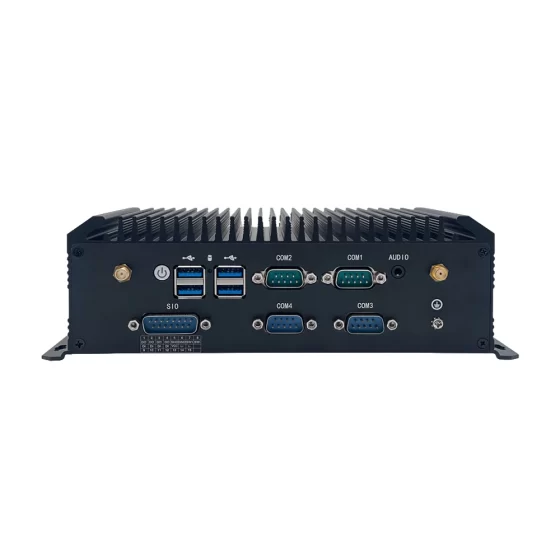
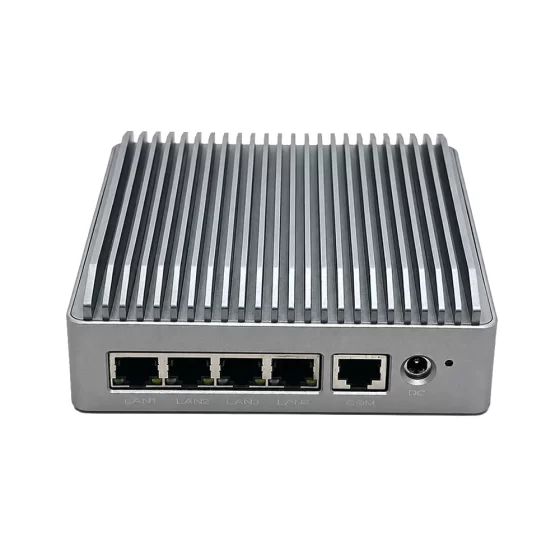
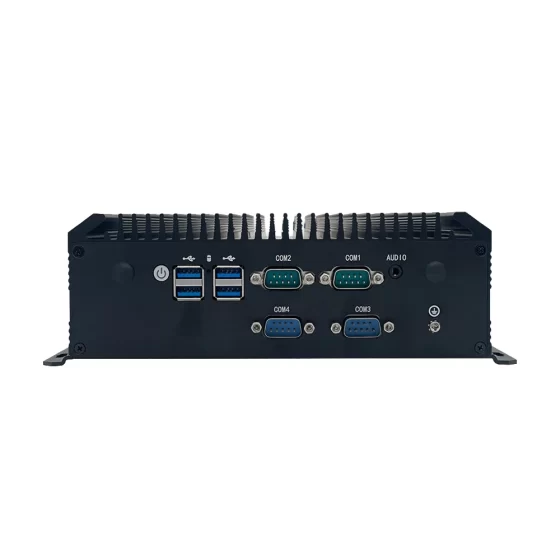
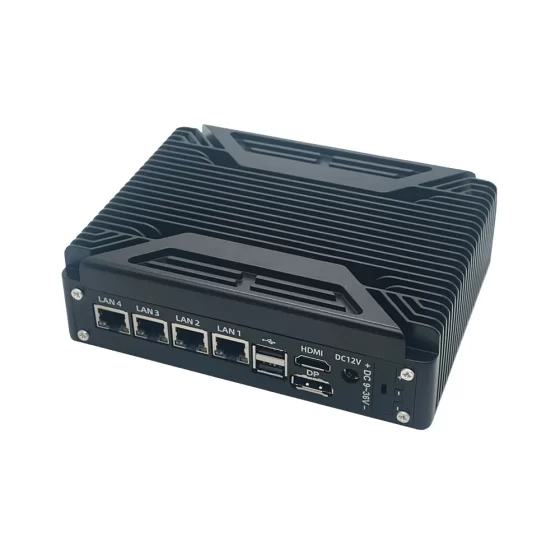
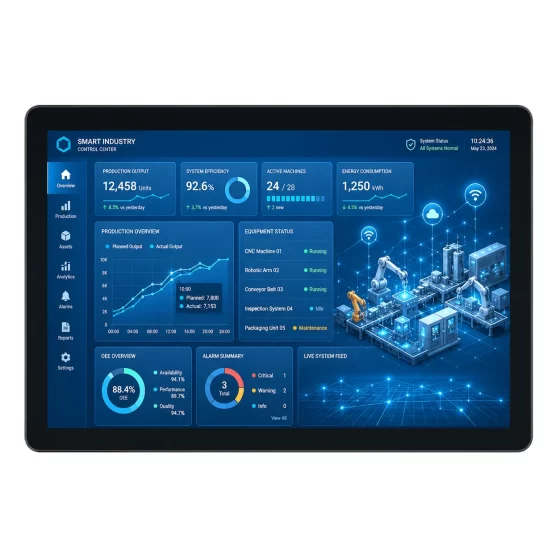
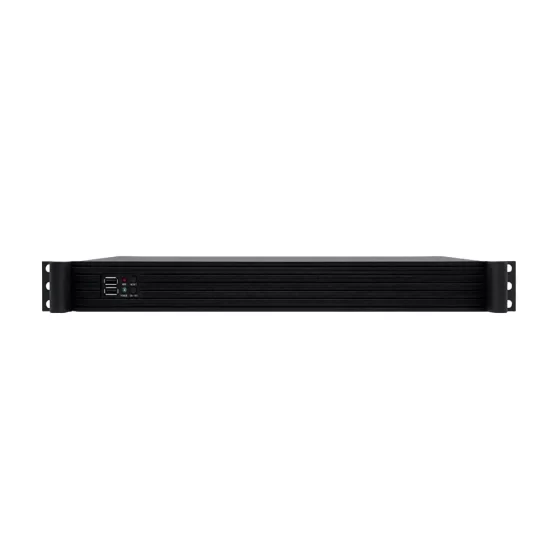
حلول الحوسبة الصناعية CoreIPC

الكمبيوتر الصناعي للكاميرات عالية السرعة: كاميرا كمبيوتر عالية السرعة لرؤية الماكينة وأتمتتها
ملخص تنفيذي
يوفر كمبيوتر الكاميرا عالي السرعة أساس الحوسبة الصناعية للحصول على الصور, معالجة في الوقت الحقيقي, مراقبة التفتيش, تحليل الحركة, وتكامل البيانات في تطبيقات الرؤية الآلية عالية السرعة.
تستخدم الكاميرات عالية السرعة على نطاق واسع في التصنيع, فحص الالكترونيات, التعبئة والتغليف, تحليل الحركة, الروبوتات, فحص أشباه الموصلات, اختبار المواد, ومراقبة الجودة الآلية. تتطلب هذه التطبيقات أجهزة حاسوبية مستقرة يمكنها التعامل مع تدفقات بيانات الصور الكبيرة, التواصل مع الكاميرات الصناعية, إطارات العملية بسرعة, وربط النتائج بأنظمة الأتمتة.
على عكس أجهزة الكمبيوتر المكتبية القياسية, تم تصميم الكمبيوتر الصناعي للتشغيل المستمر بالقرب من معدات الإنتاج. يمكنه دعم واجهات الكاميرا الصناعية, تخزين عالي السرعة, منافذ LAN متعددة, اتصال USB, إشارات الزناد, الاتصالات PLC, تركيب وعرة, ونشر دورة حياة طويلة.
يمكن أيضًا استخدام الكمبيوتر المدمج عندما يلزم تثبيت نظام الكاميرا داخل الجهاز, آلات التفتيش المدمجة, خزائن التحكم, أو منصات رؤية OEM.
يعد اختيار الكمبيوتر الصناعي المناسب للكاميرات عالية السرعة أمرًا مهمًا نظرًا لدقة الكاميرا, معدل الإطار, توقيت التعرض, عبء عمل معالجة الصور, عرض النطاق الترددي للبيانات, ومتطلبات التخزين يمكن أن تؤثر بشكل مباشر على موثوقية الفحص.
يشرح هذا المقال كيف تدعم أجهزة الكمبيوتر المزودة بكاميرات عالية السرعة أنظمة الرؤية الصناعية, ما هي تحديات النشر التي يواجهها المصنعون؟, كيف تعمل بنية الحل, وما هي ميزات الأجهزة الأكثر أهمية للحصول على الصور ومعالجتها بسرعة عالية وموثوقة.
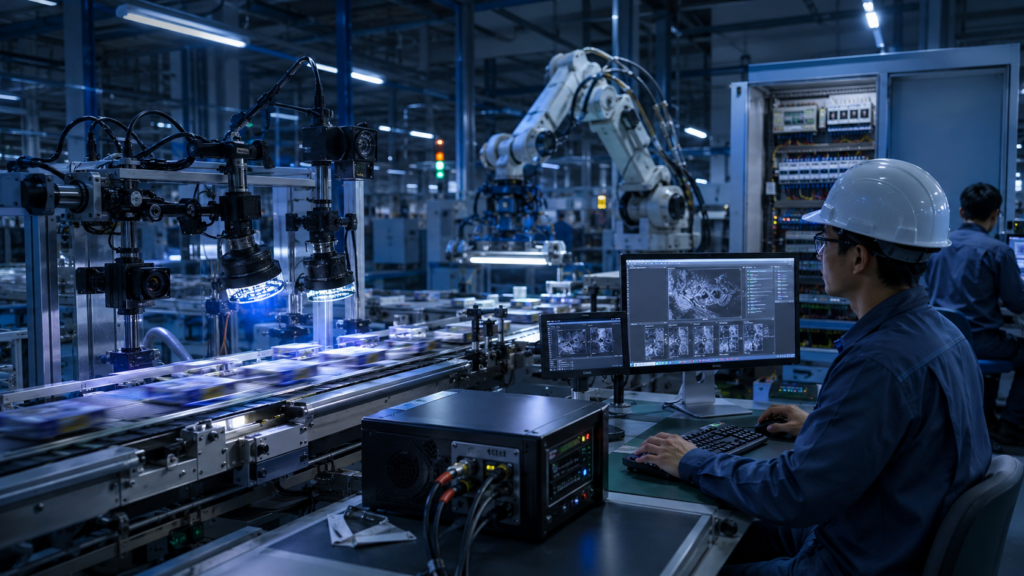
تقوم أجهزة الكمبيوتر الصناعية بمعالجة بيانات الكاميرا ذات معدل الإطارات العالي لفحص الإنتاج, تحليل الحركة, ومراقبة الجودة.
نظرة عامة على الصناعة
الكاميرات عالية السرعة تتوسع في التفتيش الصناعي
تُستخدم الكاميرات عالية السرعة عندما لا تتمكن الكاميرات القياسية من التقاط الحركة السريعة, أحداث الإنتاج السريع, أو تغييرات عملية قصيرة المدة.
في البيئات الصناعية, أنها تساعد الشركات المصنعة على التحليل, فحص, وعمليات التحكم التي تحدث بسرعة كبيرة جدًا بحيث لا يمكن مراقبتها يدويًا.
تشمل التطبيقات الشائعة:
- فحص الإنتاج عالي السرعة
- تحليل الحركة
- كشف الخلل
- مراقبة خط التعبئة والتغليف
- تحليل الحركة الروبوتية
- SMT وفحص الإلكترونيات
- فحص عملية أشباه الموصلات
- فحص المواد على شبكة الإنترنت
- فحص التعبئة والختم
- الاختبارات الميكانيكية وتحليل الأعطال
غالبًا ما تولد هذه التطبيقات كميات كبيرة من بيانات الصورة في وقت قصير.
يجب أن يلتقط الكمبيوتر كاميرا عالية السرعة, عملية, محل, ونقل هذه البيانات بشكل موثوق.
لماذا تعتبر أجهزة الحوسبة مهمة؟
الكاميرا عالية السرعة ليست سوى جزء واحد من نظام الرؤية.
قد تلتقط الكاميرا مئات أو آلاف الإطارات في الثانية, لكن النظام يحتاج أيضًا إلى جهاز كمبيوتر قادر على استقبال البيانات دون خسارة, معالجتها بسرعة, وإرسال النتائج المفيدة إلى أنظمة الإنتاج.
إذا لم يتم تحديد الكمبيوتر بشكل صحيح, قد يواجه النظام قطرات الإطار, تأخر التفتيش, اختناقات التخزين, أداء البرامج غير مستقر, أو فشل الاتصالات.
وهذا مهم بشكل خاص عند استخدام نظام الرؤية للفحص في الوقت الحقيقي أو التحكم الآلي.
أجهزة الكمبيوتر الصناعية لنشر المصنع الحقيقي
غالبًا ما يتم تركيب أنظمة الكاميرات عالية السرعة بالقرب من الآلات, الناقلات, الروبوتات, معدات الاختبار, محطات التفتيش, أو خطوط الإنتاج.
قد تشمل هذه البيئات الاهتزاز, تراب, حرارة, الضوضاء الكهربائية, مساحة التثبيت محدودة, وساعات العمل الطويلة.
تعد أجهزة الكمبيوتر الصناعية وأجهزة الكمبيوتر المدمجة أكثر ملاءمة لهذه الظروف من أجهزة الكمبيوتر التجارية القياسية.
أنها توفر تصميم وعرة, الإدخال/الإخراج المرن, تصاعد مستقر, خيارات بدون مروحة, واجهات عالية السرعة, وتوافر دورة حياة طويلة لأنظمة الرؤية الآلية.

سرعة الحركة, توقيت الزناد, إضاءة, عرض النطاق الترددي, سرعة التخزين, ويؤثر الاستقرار الصناعي على موثوقية الكاميرا عالية السرعة.
التحديات الرئيسية
عرض النطاق الترددي لبيانات الصور الكبيرة
يمكن للكاميرات عالية السرعة توليد تدفقات بيانات كبيرة جدًا.
يعتمد النطاق الترددي المطلوب على دقة الكاميرا, معدل الإطار, عمق قليلا, عدد الكاميرات, تنسيق الصورة, وواجهة النقل.
قد يتطلب النظام الذي يستخدم كاميرات متعددة عالية السرعة تخطيطًا دقيقًا:
- عرض النطاق الترددي لواجهة الكاميرا
- تحميل معالجة وحدة المعالجة المركزية
- سعة الذاكرة
- سرعة التخزين
- حركة مرور الشبكة
- استقرار نقل البيانات
- تحسين البرمجيات
- متطلبات المعالجة في الوقت الحقيقي
إذا كان الكمبيوتر لا يستطيع التعامل مع تدفق البيانات الكامل, قد يحدث فقدان الإطار.
لأنظمة التفتيش, يمكن أن يعني فقدان الإطار وجود عيوب مفقودة أو تحليل غير مكتمل للعملية.
معالجة الصور في الوقت الحقيقي
غالبًا ما تتطلب أنظمة الكاميرات عالية السرعة معالجة سريعة للصور.
قد يحتاج الكمبيوتر إلى اكتشاف العيوب, قياس الحركة, حساب موضع الكائن, تحديد الأحداث غير الطبيعية, أو إطلاق استجابات الأتمتة خلال فترة زمنية قصيرة جدًا.
تعتمد المعالجة في الوقت الفعلي على تصميم الأجهزة والبرامج.
وتشمل العوامل الهامة:
- أداء المعالج
- عرض النطاق الترددي للذاكرة
- سرعة التخزين
- متطلبات GPU أو المسرع
- توافق الكاميرا SDK
- خوارزميات معالجة الصور
- استقرار نظام التشغيل
- أتمتة الاتصالات الكمون
يجب أن يوفر كمبيوتر الكاميرا عالي السرعة أداءً مستقرًا ومستدامًا, ليس فقط أداء الذروة القصيرة.
توافق واجهة الكاميرا
قد تستخدم الكاميرات عالية السرعة واجهات مختلفة حسب التطبيق.
قد تتضمن الواجهات الشائعة USB 3.0, رؤية جيجا, 2.5يحمل, 10يحمل, رابط الكاميرا, كواكسبريس, أو غيرها من واجهات الرؤية المتخصصة.
يجب أن يدعم الكمبيوتر الصناعي الواجهة المطلوبة من خلال المنافذ الموجودة على متن الطائرة, بطاقات التوسعة, أو وحدات مناسبة.
يمكن أن يؤدي سوء تخطيط الواجهة إلى تقييد النظام بأكمله.
على سبيل المثال, لا تستطيع وحدة المعالجة المركزية القوية حل مشكلة النطاق الترددي للكاميرا إذا كان النظام يفتقر إلى واجهة الإدخال الصحيحة عالية السرعة.
اختناقات التخزين
قد يتطلب التقاط الصور بسرعة عالية تخزينًا محليًا سريعًا.
تقوم بعض التطبيقات بمعالجة الصور في الوقت الفعلي فقط وحفظ النتائج. يجب على الآخرين تخزين الصور الخام, مقاطع فيديو, إطارات العيوب, سجلات, أو معالجة الأدلة.
قد تعتمد متطلبات التخزين على:
- مدة التسجيل
- معدل الإطار
- دقة الصورة
- طريقة الضغط
- عدد الكاميرات
- سياسة الاحتفاظ بالصورة التفتيش
- تردد تحميل قاعدة البيانات
- احتياجات التخزين المؤقت المحلية
يُفضل عادةً تخزين SSD أو NVMe لأنه يوفر أداء كتابة أسرع ومقاومة أفضل للصدمات مقارنة بمحركات الأقراص الميكانيكية.
استقرار البيئة الصناعية
غالبًا ما يتم تثبيت أجهزة الكمبيوتر المزودة بكاميرات عالية السرعة في بيئات الإنتاج حيث تكون الموثوقية أمرًا بالغ الأهمية.
قد يعمل النظام بشكل مستمر عبر نوبات متعددة. يمكن تركيبه في خزانة, داخل الآلة, تحت محطة العمل, أو بالقرب من المعدات المتحركة.
يجب أن يظل الكمبيوتر مستقرًا في ظل الظروف الحقيقية مثل الاهتزاز, حرارة, تراب, تباين الطاقة, إجهاد الكابل, والضوضاء الكهربائية.
هذا هو سبب أهمية التصميم الصناعي لتطبيقات الكاميرا عالية السرعة.

تقوم أجهزة الكمبيوتر الصناعية بتوصيل الكاميرات عالية السرعة, أجهزة الاستحواذ, أنظمة الأتمتة, وقواعد بيانات المصانع.
هندسة حلول الكمبيوتر للكاميرات عالية السرعة
الكاميرا وطبقة الحصول على الصور
تتضمن طبقة الحصول على الصور كاميرات عالية السرعة, العدسات, وحدات الإضاءة, أجهزة الاستشعار الزناد, المختطفون الإطار, وتركيب الهياكل.
تلتقط هذه الطبقة الصور أو تسلسلات الفيديو من المنتجات سريعة الحركة, أدوات, العمليات, أو الأحداث الميكانيكية.
اعتمادا على التطبيق, قد يلتقط النظام:
- حركة المنتج
- العيوب السطحية
- الحركة الميكانيكية
- توقيت العملية
- إجراءات التعبئة والتغليف
- وضع المكونات
- سلوك ملء السائل
- تشوه المواد
- الحركة الروبوتية
- أحداث إنتاج عالية السرعة
يعد التوقيت المستقر للكاميرا وجودة الصورة ضروريين قبل أن يتمكن الكمبيوتر من معالجة البيانات بشكل موثوق.
طبقة الحوسبة الصناعية
طبقة الحوسبة الصناعية هي المكان الذي يستقبل فيه الكمبيوتر الصناعي أو الكمبيوتر المدمج بيانات الكاميرا ويعالجها.
عند هذه الطبقة, قد يقوم الكمبيوتر بعدة مهام:
- الحصول على الصور
- التخزين المؤقت للإطار
- معالجة الصور في الوقت الحقيقي
- كشف الخلل
- تحليل الحركة
- حساب القياس
- التعامل مع إشارة الزناد
- تخزين الفيديو المحلي
- الاتصالات PLC
- تحميل البيانات إلى أنظمة المصنع
يجب أن تتوافق هذه الطبقة بعناية مع حجم عمل الكاميرا.
يمكن أن يؤدي عدم التطابق بين سرعة الكاميرا وأداء الكمبيوتر إلى تقليل موثوقية النظام.
طبقة التحكم الآلي
غالبًا ما تتصل أنظمة الكاميرات عالية السرعة بمعدات التشغيل الآلي.
بلك, تحكم الحركة, تحكم الروبوت, نظام الناقل, أو قد ترسل وحدة التحكم في الماكينة إشارات تشغيل إلى الكمبيوتر. بعد المعالجة, قد يرسل الكمبيوتر تمريرة, يفشل, موضع, توقيت, أو نتائج التنبيه تعود إلى نظام التحكم.
على سبيل المثال, إذا اكتشفت الكاميرا منتجًا معيبًا على خط تعبئة سريع, يمكن للكمبيوتر الصناعي إرسال إشارة لتفعيل آلية الرفض.
يساعد هذا الاتصال ذو الحلقة المغلقة على تحويل بيانات الصور عالية السرعة إلى تحكم عملي في الإنتاج.
طبقة إدارة البيانات
قد تولد أنظمة الكاميرات عالية السرعة بيانات فحص ومعالجة مهمة.
قد يرسل الكمبيوتر البيانات إلى MES, سكادا, نظم إدارة الجودة, قواعد بيانات المصانع, أو لوحات المراقبة.
قد تشمل البيانات:
- معرف المنتج
- نتيجة التفتيش
- صورة عيب
- سجل الفيديو
- قيمة القياس
- الطابع الزمني
- معرف المحطة
- حدث الزناد
- حالة الآلة
- رفض النتيجة
وهذا يدعم إمكانية التتبع, تحليل الجودة, تحسين العملية, واستكشاف أخطاء المعدات وإصلاحها.
واجهة المستخدم والطبقة الهندسية
يحتاج المشغلون والمهندسون إلى واجهة محلية عملية.
قد يتصل الكمبيوتر الصناعي بشاشة, شاشة تعمل باللمس, لوحة المفاتيح, أو لوحة HMI. يمكن للواجهة عرض صور الكاميرا الحية, مقاطع مسجلة, حالة الإطار, نتائج التفتيش, إنذار, سجلات النظام, وإعدادات الكاميرا.
تساعد الواجهة الواضحة المهندسين على ضبط التعرض, إضاءة, توقيت الزناد, معلمات معالجة الصور, وإعدادات التخزين.

تدعم أجهزة الكمبيوتر الصناعية القوية نشر الكاميرات عالية السرعة الموثوقة في خزانات التحكم في رؤية الآلة.
الميزات الرئيسية لجهاز كمبيوتر ذو كاميرا عالية السرعة
معالجة البيانات بسرعة عالية
يجب أن يوفر كمبيوتر الكاميرا عالي السرعة أداء معالجة مستقرًا لأعباء العمل الفعلية للصورة.
التكوين المطلوب يعتمد على:
- دقة الكاميرا
- معدل الإطار
- عدد الكاميرات
- عمق بت الصورة
- خوارزميات المعالجة في الوقت الحقيقي
- احتياجات التخزين المحلية
- متطلبات العرض
- وقت الاستجابة الآلي
- إطار البرمجيات
من أجل مراقبة بسيطة بكاميرا واحدة, قد يكون الكمبيوتر المدمج المدمج كافيًا.
للفحص عالي السرعة للكاميرات المتعددة, قد تكون هناك حاجة إلى جهاز كمبيوتر صناعي أكثر قوة مع توسيع وتخزين عالي السرعة.
دعم واجهة الكاميرا
يعد دعم واجهة الكاميرا أحد أهم عوامل الاختيار.
يجب أن يدعم الكمبيوتر الصناعي واجهة الكاميرا التي يتطلبها التطبيق. قد يشمل ذلك المنافذ الموجودة على متن الطائرة أو إمكانية التوسع.
قد تتضمن خيارات الأجهزة المفيدة:
- USB 3.0 الموانئ
- منافذ LAN متعددة
- 2.5خيارات GbE أو 10GbE
- توسيع PCIe
- توسعة M.2
- دعم ملتقط الإطار
- واجهة تخزين عالية السرعة
- تصميم طاقة مستقر
للأنظمة متعددة الكاميرات, يجب أن يتم تخطيط النطاق الترددي قبل اختيار الأجهزة.
بنية تخزين موثوقة
قد تحتاج أنظمة الكاميرات عالية السرعة إلى تخزين ملفات صور أو مقاطع فيديو كبيرة الحجم.
يمكن أن يساعد تخزين SSD أو NVMe في دعم سرعة الكتابة العالية والوصول السريع إلى البيانات. للتطبيقات ذات الصور الثقيلة, يجب أن يأخذ تصميم التخزين في الاعتبار كلاً من السعة والتحمل.
تتضمن أسئلة التخزين المهمة:
- كم من الوقت يجب تخزين الصور?
- هل الصور الخام مطلوبة؟?
- يتم تخزين أدلة العيب فقط?
- هل هناك حاجة إلى التخزين المؤقت المحلي?
- سيتم تحميل البيانات إلى الخادم?
- ما مقدار القدرة على التحمل المطلوبة للكتابة?
يقلل تصميم التخزين الموثوق به من مخاطر فقدان بيانات الفحص.
الإدخال/الإخراج الصناعي للتشغيل والتحكم
غالبًا ما تعتمد تطبيقات الكاميرا عالية السرعة على التوقيت الدقيق.
قد يحتاج الكمبيوتر إلى تلقي إشارات الزناد, إضاءة التحكم, التواصل مع PLCs, وإرسال النتائج إلى معدات التشغيل الآلي.
قد تتضمن خيارات الإدخال/الإخراج المفيدة:
- لان
- USB
- RS232
- RS485
- جيبيو
- الإدخال الرقمي
- الإخراج الرقمي
- اتش دي ام اي
- منفذ العرض
يعمل الإدخال/الإخراج المرن على تقليل استخدام المحول الخارجي وتحسين موثوقية النشر.
تصميم بدون مروحة وقوي
تعد أجهزة الكمبيوتر الصناعية بدون مروحة مفيدة في العديد من بيئات الإنتاج.
إنها تقلل من دخول الغبار وتزيل نقطة عطل ميكانيكية شائعة. وهذا يمكن أن يحسن الموثوقية على المدى الطويل في محطات الفحص, خزائن, والمنشآت من جانب الآلة.
لكن, يمكن أن تولد أحمال عمل الكاميرا عالية السرعة حرارة كبيرة.
ينبغي مراجعة التصميم الحراري بعناية, وخاصة للمعالجات عالية الأداء, كاميرات متعددة, المختطفون الإطار, أو تسريع GPU.
دورة حياة طويلة وقابلية الصيانة
قد تظل أنظمة الرؤية الآلية قيد الإنتاج لسنوات عديدة.
التغييرات المتكررة في نماذج الكمبيوتر, الموانئ, السائقين, أو يمكن أن تؤدي خيارات التوسيع إلى إنشاء مشكلات تتعلق بالتحقق من الصحة والصيانة.
تساعد منصات الحوسبة الصناعية مع التخطيط لدورة الحياة الشركات المصنعة ومصنعي معدات OEM في الحفاظ على أنظمة كاميرات متسقة عالية السرعة عبر أجهزة متعددة, خطوط, ومشاريع العملاء.

تعمل أنظمة الكاميرا عالية السرعة على تحسين الفحص, تحليل الحركة, إمكانية التتبع, كشف العيب, ومراقبة الإنتاج.
سيناريوهات النشر
فحص الإنتاج عالي السرعة
يمكن للكاميرات عالية السرعة فحص المنتجات سريعة الحركة على الناقلات أو خطوط الإنتاج.
يقوم الكمبيوتر الصناعي بمعالجة الصور لاكتشاف الأجزاء المفقودة, عيوب السطح, موقف غير صحيح, مشاكل التعبئة والتغليف, أو حركة غير طبيعية.
وهذا يساعد الشركات المصنعة على فحص المنتجات دون إبطاء الخط.
تحليل الحركة
غالبًا ما تستخدم الكاميرات عالية السرعة لتحليل الحركة الميكانيكية.
يمكن للنظام التقاط الحركة السريعة في الآلات, أدوات, الأسلحة الروبوتية, المحركات, أو الأجزاء المتحركة. يمكن للمهندسين مراجعة الإطارات المسجلة لفهم التوقيت, اهتزاز, تأثير, أو سلوك العملية.
يوفر الكمبيوتر الصناعي إمكانية التقاط الصور, التخزين المحلي, تشغيل, ودعم التحليل.
فحص خط التعبئة والتغليف
غالبًا ما تتحرك خطوط التعبئة والتغليف بسرعة.
يمكن لكمبيوتر الكاميرا عالي السرعة أن يدعم فحص الملصقات, الأختام, قبعات, مستويات التعبئة, الرموز المطبوعة, وموقف الحزمة.
يمكن للنظام إرسال نتائج النجاح أو الفشل إلى PLCs أو آليات الرفض.
وهذا يساعد على تقليل أخطاء التغليف وتحسين مراقبة الجودة.
SMT وفحص الإلكترونيات
قد يتطلب تصنيع الإلكترونيات التقاط صور عالي السرعة لوضع المكونات, مراجعة عملية اللحام, التعرف على الباركود, وكشف الخلل.
يمكن تركيب جهاز كمبيوتر مضمن بالقرب من خطوط SMT, آلات التفتيش, أو محطات الاختبار.
يمكن للنظام توصيل نتائج الفحص بالأرقام التسلسلية لثنائي الفينيل متعدد الكلور وسجلات MES.
فحص عملية أشباه الموصلات
قد يتطلب فحص أشباه الموصلات تصويرًا عالي الدقة وعالي السرعة للرقائق, يموت, الحزم, علامات, ومعالجة الأحداث.
يمكن لجهاز الكمبيوتر الصناعي معالجة بيانات الكاميرا, تخزين الصور العيوب, والتواصل مع أنظمة التحكم في المعدات.
وهذا يدعم مراقبة الجودة وإمكانية التتبع في بيئات التصنيع الدقيقة.
الروبوتات والتحكم في الحركة
قد تستخدم الأنظمة الروبوتية كاميرات عالية السرعة لتتبع الحركة, توطين جزء, مراقبة العملية, أو تحليل المسار.
يمكن للكمبيوتر الصناعي معالجة الصور والتواصل مع وحدات التحكم الروبوتية أو PLCs.
يساعد هذا على تحسين دقة التشغيل الآلي ويوفر بيانات مفيدة لضبط النظام.
اختبار المواد وتحليل الفشل
الكاميرات عالية السرعة مفيدة لاختبار المواد, المكونات الميكانيكية, التأثيرات, تشوه, الكسر, أو سلوك العملية السريعة.
يقوم الكمبيوتر بتخزين تسلسلات الصور ودعم المهندسين في مراجعة الأحداث إطارًا تلو الآخر.
هذا أمر ذو قيمة لـ R&مختبرات د, هندسة الإنتاج, والتحقيق في الجودة.
تكامل معدات الرؤية OEM
يمكن لمصنعي الآلات دمج أجهزة الكمبيوتر الصناعية أو اللوحات المدمجة في معدات الكاميرا عالية السرعة.
منصة الحوسبة يمكن أن توفر الحصول على الكاميرا, معالجة الصور, عرض اتش ام اي, الاتصالات الأتمتة, التخزين المحلي, وإخراج البيانات.
وهذا يساعد مصنعي المعدات الأصلية على تقديم أنظمة رؤية جاهزة للنشر الصناعي.
فوائد الأعمال
التقاط أفضل للأحداث السريعة
تساعد أنظمة الكاميرات عالية السرعة الشركات المصنعة على رؤية الأحداث السريعة جدًا بحيث لا يمكن مراقبتها يدويًا أو الكاميرات القياسية.
مع الكمبيوتر الصناعي المناسب, يمكن التقاط تسلسلات الصور, معالجتها, وتخزينها بشكل موثوق.
وهذا يساعد فرق الإنتاج على تحديد مشاكل العملية وتحسين التحكم.
تحسين موثوقية التفتيش
يقلل كمبيوتر الكاميرا عالي السرعة الذي تم اختياره بشكل صحيح من خطر سقوط الإطارات, تأخر المعالجة, والتواصل غير المستقر.
تساعد أجهزة الحوسبة الموثوقة أنظمة الفحص على العمل بشكل متسق عبر نوبات الإنتاج.
وهذا يدعم مراقبة الجودة بشكل أفضل والثقة في الإنتاج.
كشف أسرع للعيوب
تسمح معالجة الصور المحلية باكتشاف العيوب أو الأحداث غير الطبيعية بسرعة.
يمكن للكمبيوتر الصناعي إرسال النتائج إلى الشركات المحدودة العامة, إنذار, أو رفض الآليات في الوقت المناسب لإجراءات الإنتاج.
وهذا يساعد على تقليل مخاطر الجودة النهائية.
تتبع أقوى
يمكن ربط بيانات فحص الكاميرا عالية السرعة بمعرفات المنتج, الطوابع الزمنية, معلومات المحطة, صور خلل, وسجلات الإنتاج.
وهذا يخلق إمكانية تتبع أقوى لتحليل الجودة, عمليات تدقيق العملاء, تحسين العملية, والتحقيق في الفشل.
انخفاض التحليل اليدوي
يساعد التقاط الصور بسرعة عالية على تقليل الاعتماد على المراقبة اليدوية.
يمكن للمهندسين استخدام البيانات المسجلة, الكشف التلقائي, ونتائج القياس لتحليل العمليات السريعة بشكل أكثر دقة.
يؤدي ذلك إلى تحسين استكشاف الأخطاء وإصلاحها ودعم تحسين العمليات المستندة إلى البيانات.
نشر رؤية الآلة القابلة للتطوير
تساعد منصة الحوسبة الصناعية القياسية الشركات المصنعة على نشر أنظمة كاميرات عالية السرعة عبر خطوط متعددة, آلات, والمصانع.
تعمل الأجهزة المتسقة على تبسيط صور البرامج, إدارة السائق, تخطيط قطع الغيار, التدريب على الصيانة, والدعم الفني على المدى الطويل.
وهذا يدعم التصنيع الذكي القابل للتطوير وتطوير رؤية الآلة.
لماذا كورIPC
توفر CoreIPC منصات حوسبة صناعية لرؤية الآلة, الحصول على الصور بسرعة عالية, أتمتة المصنع, وتكامل النظام المدمج. لتطبيقات الكمبيوتر الكاميرا عالية السرعة, يركز CoreIPC على أجهزة الكمبيوتر الصناعية الموثوقة, حلول الكمبيوتر المدمجة, تكوينات الإدخال/الإخراج المرنة, تصميم نظام مدمج, ودعم التخصيص OEM/ODM. CoreIPC يساعد تكامل النظام, بناة الآلة, وتقوم فرق التصنيع باختيار منصات الحوسبة التي تتوافق مع متطلبات النشر الحقيقية, بما في ذلك واجهات الكاميرا, عبء العمل المعالجة, تصميم التخزين, الاتصالات الأتمتة, طرق التركيب, مدخلات الطاقة, الظروف الحرارية, وتخطيط دورة الحياة.
الأسئلة المتداولة
1. ما هو كمبيوتر الكاميرا عالي السرعة?
كمبيوتر الكاميرا عالي السرعة هو كمبيوتر صناعي يستخدم لالتقاط الصور, عملية, محل, ونقل بيانات الصور من الكاميرات عالية السرعة.
قد يدعم فحص رؤية الآلة, تحليل الحركة, فحص التغليف, الروبوتات, فحص أشباه الموصلات, أو اختبار المواد. يجب أن يتعامل الكمبيوتر مع النطاق الترددي العالي للبيانات, واجهات الكاميرا, سرعة التخزين, ومتطلبات المعالجة في الوقت الحقيقي.
2. لماذا نستخدم الكمبيوتر الصناعي للكاميرات عالية السرعة?
غالبًا ما يتم نشر أنظمة الكاميرات عالية السرعة بالقرب من الآلات, الناقلات, الروبوتات, محطات التفتيش, أو خطوط الإنتاج.
يعد الكمبيوتر الصناعي أكثر ملاءمة من جهاز الكمبيوتر المكتبي لأنه يدعم التشغيل المستمر, الإدخال/الإخراج الصناعي, تركيب وعرة, شبكات مستقرة, واجهات عالية السرعة, ونشر دورة حياة طويلة. تساعد هذه الميزات النظام على البقاء موثوقًا به في بيئات المصنع.
3. كيف يتم استخدام الكمبيوتر المدمج مع الكاميرات عالية السرعة?
يمكن تثبيت جهاز كمبيوتر مدمج داخل الأجهزة, أنظمة التفتيش, خزائن التحكم, أو معدات الرؤية المدمجة.
يمكنه الحصول على بيانات الكاميرا, تشغيل برامج معالجة الصور, التواصل مع PLCs, سجلات فحص المتجر, وتحميل النتائج على أنظمة المصنع. تصميمه المدمج يجعله مفيدًا لمعدات رؤية OEM والتركيبات ذات المساحة المحدودة.
4. ما هي الواجهات المهمة لأجهزة الكمبيوتر المزودة بكاميرات عالية السرعة?
قد تتضمن الواجهات المهمة USB 3.0, جيجابت إيثرنت, 2.5يحمل, 10يحمل, بكيي, م.2, RS232, RS485, جيبيو, اتش دي ام اي, وديسبلاي بورت.
أفضل واجهة تعتمد على نوع الكاميرا, معدل الإطار, دقة, وعدد الكاميرات. للكاميرات المتخصصة, قد يكون دعم ملتقط الإطار مطلوبًا أيضًا.
5. يمكن لأجهزة الكمبيوتر الصناعية بدون مروحة دعم الكاميرات عالية السرعة?
يمكن لأجهزة الكمبيوتر الصناعية بدون مروحة دعم بعض تطبيقات الكاميرا عالية السرعة, خاصة عندما يكون عبء العمل والظروف الحرارية معتدلة.
لكن, معدلات إطارات عالية, كاميرات متعددة, المختطفون الإطار, أو معالجة الصور الثقيلة يمكن أن تولد حرارة كبيرة. يجب أن يأخذ الاختيار النهائي في الاعتبار عبء عمل وحدة المعالجة المركزية, سرعة التخزين, تصميم العلبة, درجة الحرارة المحيطة, وتدفق الهواء.
6. كيف يمكن تقليل قطرات الإطار في أنظمة الكاميرات عالية السرعة?
يمكن تقليل قطرات الإطار عن طريق مطابقة النطاق الترددي للكاميرا, واجهة الكمبيوتر, سعة الذاكرة, سرعة التخزين, ومعالجة عبء العمل.
يجب اختبار النظام بكاميرات حقيقية, معدلات الإطار الحقيقي, دقة الصورة الفعلية, وبرامج الإنتاج. فصل الشبكة, توافق السائق, ويجب أيضًا مراجعة سرعة الكتابة للتخزين.
7. ما هو التخزين المطلوب لتطبيقات الكاميرا عالية السرعة?
يعتمد التخزين على ما إذا كان النظام يحفظ الفيديو الخام, إطارات مختارة, صور خلل, أو نتائج التفتيش فقط.
غالبًا ما يُفضل تخزين NVMe أو SSD عالي السرعة لبيانات الصور الكبيرة. للتسجيل المستمر, سعة, سرعة الكتابة المستدامة, اكتب التحمل, ويجب مراجعة سياسة الاحتفاظ بالبيانات بعناية.
8. يمكن لأجهزة الكمبيوتر المزودة بكاميرات عالية السرعة الاتصال بأنظمة PLC وأنظمة MES?
نعم. يمكن لأجهزة الكمبيوتر الصناعية التواصل مع PLCs, وحدات تحكم الحركة, آليات الرفض, أنظمة MES, قواعد بيانات الجودة, ولوحات المراقبة.
يمكنهم تلقي إشارات الزناد, إرسال نتائج النجاح أو الفشل, سجلات فحص المتجر, وتحميل البيانات المتعلقة بالمنتج. ويساعد ذلك في ربط فحص الصور عالي السرعة بأتمتة المصنع وإمكانية التتبع.
9. ما الذي يجب اختباره قبل النشر?
قبل النشر, يجب اختبار النظام بكاميرات حقيقية, معدلات الإطارات الفعلية, دقة الصورة, برامج المعالجة, إشارات الزناد, الاتصالات PLC, عبء عمل التخزين, وظروف الشبكة.
وينبغي أيضًا اختبار الاستقرار طويل الأمد والأداء الحراري. يساعد هذا في التأكد من أن الكمبيوتر يمكنه دعم عملية الإنتاج دون فقدان الإطار أو التوقف غير المتوقع.
10. ما هي التطبيقات التي تحتاج إلى كاميرا كمبيوتر عالية السرعة?
وتشمل التطبيقات فحص الإنتاج عالي السرعة, فحص التغليف, تحليل الحركة, الروبوتات, فحص سمت, فحص أشباه الموصلات, مراقبة المواد على شبكة الإنترنت, فحص التعبئة, الاختبار الميكانيكي, وتحليل الفشل.
يمكن لأي تطبيق يجب عليه التقاط أحداث سريعة أو معالجة بيانات صور ذات معدل إطارات مرتفع أن يستفيد من جهاز كمبيوتر صناعي تم اختياره بشكل صحيح.
خاتمة
يعد كمبيوتر الكاميرا عالي السرعة أساسًا مهمًا للأجهزة لأنظمة الرؤية الصناعية التي تتطلب الحصول على الصور بسرعة, معالجة في الوقت الحقيقي, تخزين موثوق, والتكامل الآلي.
من خلال وضع أجهزة الحوسبة الصناعية بالقرب من الكاميرات, أجهزة الاستشعار, الشركات المحدودة العامة, الناقلات, الروبوتات, ومعدات التفتيش, يمكن للمصنعين التقاط أحداث الإنتاج السريعة, كشف العيوب, تحليل الحركة, وربط النتائج بأنظمة المصنع.
يجب اختيار الكمبيوتر الصناعي المناسب أو الكمبيوتر المدمج وفقًا لمتطلبات التطبيق الحقيقية, بما في ذلك واجهة الكاميرا, معدل الإطار, دقة, عبء العمل المعالجة, سرعة التخزين, تكوين الإدخال/الإخراج, تصميم الشبكة, طريقة التركيب, مدخلات الطاقة, الظروف الحرارية, دعم نظام التشغيل, وتخطيط دورة الحياة.
يدعم CoreIPC مشاريع كمبيوتر الكاميرا عالية السرعة مع منصات الحوسبة الصناعية المصممة للنشر العملي للمصانع والمعدات. مع أساس الأجهزة الصحيح, يمكن للمصنعين وبناة الآلات تحسين موثوقية الفحص, تقليل فقدان الإطار, تعزيز التتبع, وبناء أنظمة رؤية آلية قابلة للتطوير.
اتصل بنا
أبحث عن جهاز كمبيوتر صناعي, الكمبيوتر المدمج, أو اللوحة الأم الصناعية للكاميرات عالية السرعة?
تواصل مع CoreIPC لمناقشة متطلبات مشروعك, بما في ذلك واجهة الكاميرا, معدل الإطار, دقة الصورة, عبء العمل المعالجة, تصميم التخزين, تكوين الإدخال/الإخراج, الاتصالات الأتمتة, طريقة التركيب, مدخلات الطاقة, بيئة التشغيل, احتياجات دورة الحياة, وخيارات التخصيص OEM/ODM.