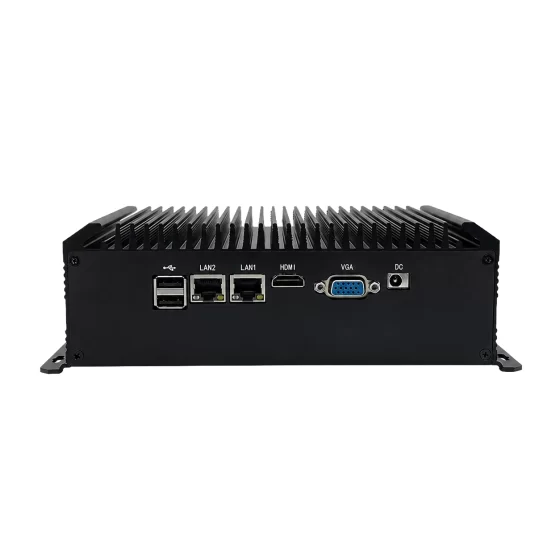
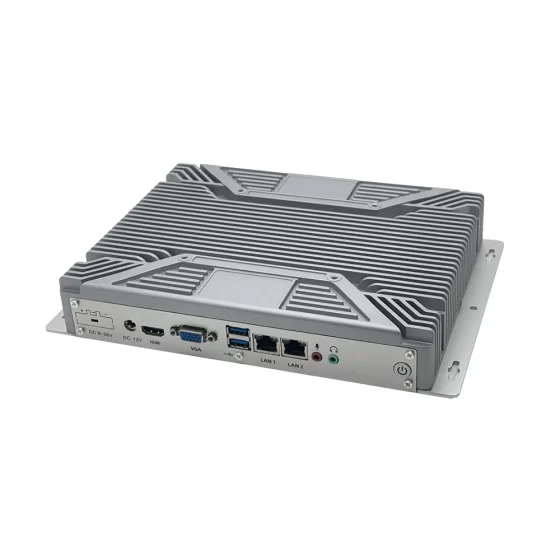
حلول الحوسبة الصناعية CoreIPC

منصة الرؤية للفرز اللوجستي: كمبيوتر الرؤية للفرز اللوجستي لتحديد هوية الطرود تلقائيًا
ملخص تنفيذي
توفر منصة رؤية الفرز اللوجستي أساس الحوسبة الصناعية للتعرف الآلي على الطرود, التعرف على الباركود, فحص البعد, التحقق من التسمية, التحكم في التوجيه, وفرز تكامل البيانات في البيئات اللوجستية الحديثة.
في المستودعات, مراكز التوزيع, مراكز تنفيذ التجارة الإلكترونية, ومراكز الطرود, يجب أن تقوم أنظمة الفرز بمعالجة كميات كبيرة من العناصر بسرعة ودقة. قد تختلف الحزم في الحجم, شكل, موقف التسمية, حالة السطح, وسرعة الحركة. يساعد نظام رؤية الفرز اللوجستي الموثوق به في تحديد كل عنصر, التحقق من معلوماتها, وإرسال نتائج الفرز إلى معدات التشغيل الآلي وأنظمة إدارة المستودعات.
يعمل الكمبيوتر الصناعي أو الكمبيوتر المدمج كمنصة معالجة الرؤية المحلية. يقوم بتوصيل الكاميرات, قارئات الباركود, أنظمة الإضاءة, أجهزة الاستشعار, الناقلات, الشركات المحدودة العامة, آليات الفرز, أنظمة الوزن, وشبكات المصانع أو المستودعات.
بالمقارنة مع أجهزة الكمبيوتر التجارية القياسية, تعد أجهزة الكمبيوتر الصناعية أكثر ملاءمة للعمليات اللوجستية المستمرة. أنها توفر الحصول على الصور مستقرة, الإدخال/الإخراج المرن, تصميم متين, شبكات موثوقة, خيارات بدون مروحة, ودعم دورة الحياة الطويلة.
لتكامل أتمتة الخدمات اللوجستية, مشغلي المستودعات, وبناة معدات الفرز OEM, يؤثر اختيار منصة الحوسبة الصناعية المناسبة على دقة الفرز, وقت تشغيل النظام, إمكانية التتبع, وقابلية الصيانة على المدى الطويل.
تشرح هذه المقالة كيفية عمل أنظمة الرؤية والفرز اللوجستي, ما هي التحديات التي تظهر في النشر الحقيقي, كيف يتم تنظيم بنية الحل, وما هي ميزات الأجهزة الأكثر أهمية عند اختيار جهاز كمبيوتر صناعي لتطبيقات رؤية الفرز اللوجستي.
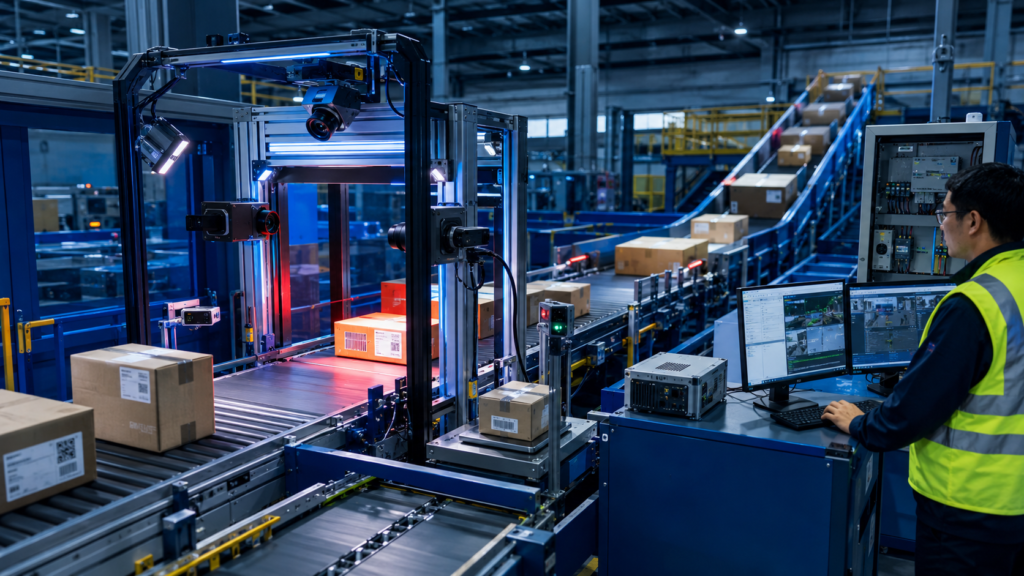
تقوم أجهزة الكمبيوتر الصناعية بمعالجة صور الطرود وبيانات الباركود لتحديد الهوية والفرز الآلي.
نظرة عامة على الصناعة
أصبح الفرز اللوجستي أكثر آلية
تعتمد العمليات اللوجستية الحديثة على السرعة, دقة, والبيانات في الوقت الحقيقي.
نمو التجارة الإلكترونية, توقعات التسليم في نفس اليوم, وزادت سلاسل التوريد المعقدة من الحاجة إلى أنظمة الفرز الآلية. من الصعب توسيع نطاق الفرز اليدوي لأنه يتطلب عمالة كثيفة, عرضة للخطأ, ومحدودة بسرعة المشغل.
يمكن أن تدعم أنظمة الرؤية الفرز اللوجستية:
- التعرف على الباركود الطرود
- قراءة رمز الاستجابة السريعة والتسمية
- فحص أبعاد الحزمة
- التحقق من موقف التسمية
- فحص تسمية العنوان
- فرز تأكيد المسار
- الكشف عن وجود الحزمة
- مراقبة تدفق الناقل
- تحديد الكرتون والحقيبة
- تقليل الأخطاء في الفرز
- WMS وتكامل بيانات التتبع
يساعد كمبيوتر رؤية الفرز اللوجستي الموثوق به على تحويل البيانات المرئية إلى قرارات فرز قابلة للتنفيذ.
لماذا يتم استخدام أنظمة الرؤية في الفرز اللوجستي
يجب أن يحدد نظام الفرز اللوجستي الطرود بسرعة أثناء تحركها على الناقلات.
يمكن أن تعمل الماسحات الضوئية التقليدية للرموز الشريطية بشكل جيد عندما تكون الملصقات نظيفة وموضعة بشكل صحيح. لكن, البيئات اللوجستية الحقيقية أكثر تعقيدًا. قد تكون التجاعيد التسميات, مائل, تضررت جزئيا, طباعة سيئة, أو وضعها على جوانب مختلفة من العبوة.
توفر أنظمة الرؤية مرونة أكبر لأنها تستطيع التقاط مجال رؤية أوسع ومعالجة بيانات الصورة من زوايا متعددة.
يمكن لمنصة رؤية الفرز اللوجستي فحص الملصقات, قراءة الرموز, التحقق من اتجاه الحزمة, تحقق من حالة الحزمة, ودعم قرارات التوجيه الآلي.
الحوسبة الصناعية هي طبقة المعالجة المحلية
يتطلب الفرز اللوجستي معالجة محلية بالقرب من الناقلات ومحطات المسح.
قد يؤدي إرسال كل صورة إلى خادم بعيد إلى زيادة زمن الوصول وتحميل الشبكة. يمكن لجهاز كمبيوتر صناعي محلي معالجة الصور القريبة من خط الفرز, التواصل مع PLCs, وإرسال قرارات الفرز بسرعة.
تعد أجهزة الكمبيوتر المضمنة مفيدة عندما يتعين تثبيت النظام داخل أنفاق المسح المدمجة, آلات الفرز, خزائن التحكم, أو المعدات اللوجستية OEM.
توفر أجهزة الكمبيوتر الصناعية الموثوقية ومرونة الواجهة اللازمة للتشغيل المستمر للمستودعات ومراكز التوزيع.

حزم مختلطة, اختلاف التسمية, سرعة الناقل, تغطية الكاميرا, ويؤثر توقيت الزناد على موثوقية الفرز.
التحديات الرئيسية
حجم العبوة الكبير وسرعة النقل السريعة
غالبًا ما تعمل أنظمة الفرز اللوجستي بسرعة عالية.
قد تتحرك الحزم بشكل مستمر من خلال أنفاق المسح, تقاطعات الناقل, المحولات, أو ممرات الفرز الآلي. يجب أن يلتقط نظام الرؤية الصور, معلومات رمز العملية, وإرسال نتائج الفرز قبل أن تصل الحزمة إلى نقطة القرار.
وتشمل عوامل الأداء الهامة:
- سرعة الناقل
- دقة الكاميرا
- عدد الكاميرات
- سرعة التعرف على الباركود
- عبء عمل معالجة الصور
- توقيت الزناد
- فرز وقت استجابة آلية
- زمن انتقال اتصالات WMS
يجب أن يوفر كمبيوتر رؤية الفرز اللوجستي أداءً مستقرًا ومستدامًا في ظل عبء العمل المستمر.
شكل العبوة وتنوع التسمية
الحزم ليست موحدة.
يمكن لنظام الفرز معالجة الكراتين, المغلفات, بريدية بولي, أكياس, أنابيب, الصواني, حزم غير منتظمة, وإرجاع البضائع. يمكن أن تظهر التسميات على جوانب مختلفة, في زوايا مختلفة, أو على الأسطح غير المستوية.
تتضمن تحديات التسمية والحزمة الشائعة ما يلي::
- تسميات التجاعيد
- تسميات ممزقة
- طباعة منخفضة التباين
- الأسطح المنحنية أو غير المستوية
- شريط عاكس أو فيلم
- كرتونة تالفة
- أسطح العبوات المتسخة
- رموز شريطية متعددة في حزمة واحدة
- وضع التسمية غير صحيح
- العناصر سريعة الحركة
يجب أن تتعامل منصة الرؤية مع هذا الاختلاف مع الحفاظ على دقة الفرز.
الحصول على الصور من الكاميرات المتعددة
غالبًا ما يتطلب الفرز اللوجستي كاميرات متعددة.
قد لا تتمكن الكاميرا العلوية الواحدة من قراءة الملصقات الجانبية أو العبوات المائلة. تستخدم العديد من أنظمة الفرز الجزء العلوي, جانب, وكاميرات بزاوية لزيادة معدل القراءة.
يؤدي هذا إلى إنشاء متطلبات أعلى للنطاق الترددي والمزامنة.
يجب أن يدعم الكمبيوتر الصناعي واجهات الكاميرا الكافية, عرض النطاق الترددي للشبكة, أداء المعالجة, وسعة التخزين لتكوين الكاميرا الفعلي.
التكامل مع معدات الفرز
يجب أن تكون نتائج الرؤية مرتبطة بإجراء الفرز.
قد يحتاج الكمبيوتر إلى التواصل مع PLCs, وحدات تحكم الناقل, المحولات, نوع من, أنظمة الوزن, تطبيق التسمية, إنذار, وأنظمة إدارة المستودعات.
قد تحتاج إلى منصة رؤية عملية للفرز اللوجستي:
- لان
- USB
- RS232
- RS485
- جيبيو
- الإدخال الرقمي
- الإخراج الرقمي
- مخرجات عرض متعددة
- واجهات التوسعة
بدون إدخال/إخراج صناعي موثوق, قد لا تصل قرارات الفرز إلى المعدات في الوقت المناسب.
التشغيل والصيانة المستمرة
قد تعمل المرافق اللوجستية لساعات طويلة مع فترات توقف محدودة.
قد يتم تثبيت أجهزة كمبيوتر الرؤية بالقرب من الناقلات, مسح الأنفاق, نوع من, خزائن التحكم, أو معدات أتمتة المستودعات. قد تحتوي هذه المواقع على الغبار, اهتزاز, حركة الكابل, حرارة, الضوضاء الكهربائية, والنشاط الميكانيكي المستمر.
يمكن أن يؤدي فشل الأجهزة إلى إيقاف التعرف على الرمز الشريطي, تأخير الفرز, أو إنشاء أخطاء التوجيه.
تساعد أجهزة الحوسبة الصناعية على تقليل هذه المخاطر وتدعم استقرار النظام على المدى الطويل.

تقوم أجهزة الكمبيوتر الصناعية بتوصيل كاميرات الفرز, الناقلات, الشركات المحدودة العامة, المحولات, برامج المستودعات, وأنظمة تتبع الطرود.
الترتيب اللوجستي رؤية الحلول المعمارية
طبقة الحصول على الصور
تلتقط طبقة الحصول على الصور البيانات المرئية من الطرود, التسميات, الرموز الشريطية, ومناطق الناقل.
قد تشمل هذه الطبقة الكاميرات الصناعية, العدسات, وحدات الإضاءة, أجهزة الاستشعار الزناد, قارئات الباركود, وأجهزة استشعار وجود الحزمة.
اعتمادا على التطبيق, قد يلتقط النظام:
- أعلى صور التسمية
- صور التسمية الجانبية
- صور الباركود
- صور رمز الاستجابة السريعة
- صور سطح الحزمة
- صور حالة الكرتون
- صور أبعاد الحزمة
- صور تدفق الناقل
- فرز الصور حارة
تعد جودة الصورة الثابتة أمرًا ضروريًا قبل أن يتمكن برنامج التعرف من اتخاذ قرارات موثوقة.
طبقة حوسبة الرؤية الصناعية
طبقة حوسبة الرؤية الصناعية هي المكان الذي يقوم فيه كمبيوتر رؤية الفرز اللوجستي بالمعالجة المحلية.
عند هذه الطبقة, قد يكون الكمبيوتر الصناعي أو الكمبيوتر المدمج:
- استقبال الصور من الكاميرات
- تشغيل برنامج التعرف على الباركود
- معالجة التعرف الضوئي على الحروف (OCR) أو بيانات التسمية
- تحديد اتجاه الحزمة
- مطابقة بيانات الحزمة مع قواعد التوجيه
- تخزين سجلات الصور أو صور الاستثناء
- التواصل مع PLCs
- إرسال نتائج الفرز إلى المحولات
- تحميل البيانات إلى WMS أو قواعد البيانات
- عرض حالة النظام المحلي
تسمح طبقة الحافة هذه باتخاذ قرارات التعرف والتوجيه بالقرب من معدات الفرز.
طبقة التحكم الآلي
تقوم طبقة التحكم الآلي بربط نظام الرؤية بمعدات الفرز المادية.
بلك, تحكم الناقل, تحكم المحول, أو قد ترسل آلة الفرز إشارات تشغيل وتستقبل نتائج الفرز.
على سبيل المثال, بعد التعرف على الباركود الخاص بالحزمة, يمكن للكمبيوتر الصناعي إرسال معلومات مسار الوجهة إلى PLC. يقوم PLC بعد ذلك بتنشيط المحول أو آلية الفرز الصحيحة في الوقت المناسب.
يعد اتصال الحلقة المغلقة هذا ضروريًا لدقة الفرز عالية السرعة.
طبقة إدارة البيانات
يجب أن تكون عمليات فرز البيانات مرتبطة بأنظمة المستودعات والخدمات اللوجستية.
قد يرسل الكمبيوتر الصناعي سجلات إلى WMS, TMS, تخطيط موارد المؤسسات, منصات التتبع, قواعد بيانات الطرود, أو أنظمة المراقبة المحلية.
قد تشمل البيانات:
- عدد تتبع
- قيمة الباركود
- معرف الحزمة
- حارة الوجهة
- نتيجة الفرز
- الطابع الزمني
- معرف المحطة
- أدلة الصورة
- قراءة سجل الفشل
- رفض الحالة
وهذا يدعم إمكانية التتبع, تتبع الشحنة, معالجة الاستثناء, والتحليلات التشغيلية.
واجهة المستخدم وطبقة المراقبة
يحتاج المشغلون والمهندسون إلى واجهة محلية للمراقبة والصيانة.
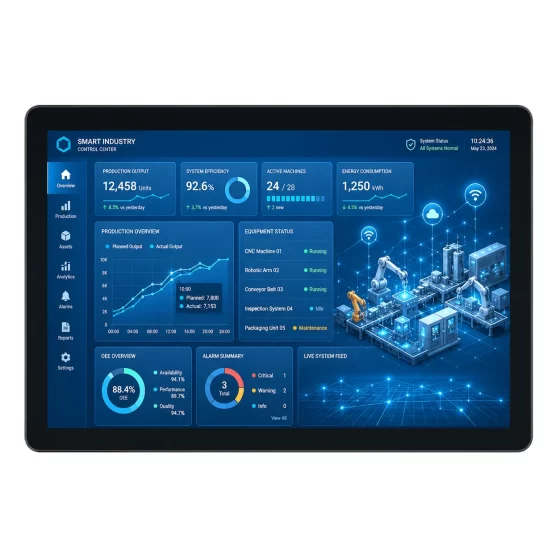
قد يتصل الكمبيوتر الصناعي بشاشة, شاشة تعمل باللمس, لوحة المفاتيح, أو لوحة التحكم. يمكن للواجهة إظهار مشاهدات الكاميرا الحية, قراءة معدلات, صور الاستثناء, حالة النظام, أعداد الفرز, رسائل التنبيه, وحالة اتصال الشبكة.
تساعد الواجهة الواضحة فرق الصيانة على الاستجابة بسرعة عند تغير أداء التعرف.

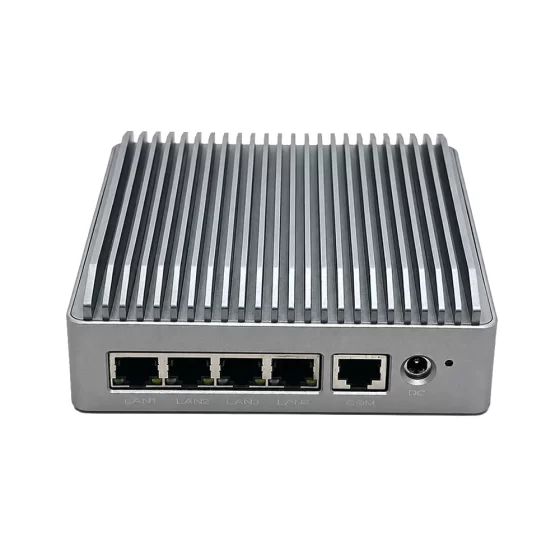
تدعم أجهزة الكمبيوتر الصناعية بدون مروحة نشر رؤية الفرز اللوجستي الموثوق به داخل خزائن التحكم في المستودعات.
الميزات الرئيسية
أداء معالجة الصور مستقر
يجب أن يقوم كمبيوتر رؤية الفرز اللوجستي بمعالجة بيانات الصورة بشكل موثوق في ظل التشغيل المستمر.
تتطلب الأنظمة المختلفة مستويات حوسبة مختلفة. قد تستخدم محطة قراءة الباركود ذات الكاميرا الواحدة جهاز كمبيوتر مدمجًا. قد يتطلب نفق الفرز متعدد الكاميرات عالي السرعة جهاز كمبيوتر صناعيًا أكثر قوة.
ينبغي النظر في الاختيار:
- دقة الكاميرا
- عدد الكاميرات
- سرعة الناقل
- عبء عمل التعرف على الباركود
- تعقيد نموذج OCR أو AI
- توقيت الزناد
- عبء عمل التخزين
- اتصالات WMS
- متطلبات العرض المحلية
يعد الأداء المستدام المستقر أكثر أهمية من القمم القياسية القصيرة.
دعم واجهة الكاميرا والرؤية
تستخدم أنظمة رؤية الفرز اللوجستي عادةً كاميرات USB أو Ethernet.
يجب أن يدعم الكمبيوتر واجهات الكاميرا وعرض النطاق الترددي المطلوب. في أنظمة الكاميرات المتعددة, تخطيط الواجهة مهم بشكل خاص.
قد تتضمن ميزات الأجهزة المفيدة:
- USB 3.0 الموانئ
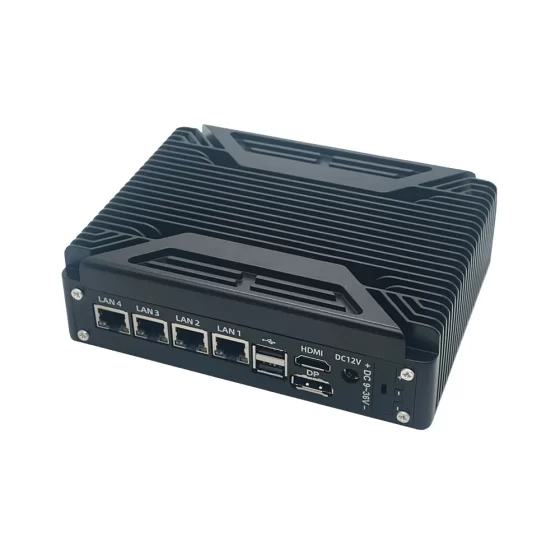
- منافذ LAN متعددة
- 2.5خيارات GbE أو شبكة LAN عالية السرعة
- توسعة M.2
- توسيع PCIe
- HDMI أو DisplayPort
- دعم SSD عالي السرعة
- تصميم طاقة مستقر
قد يلزم فصل حركة مرور الكاميرا عن حركة مرور شبكة المستودع لتحسين استقرار النظام.
الإدخال/الإخراج الصناعي للتحكم في الفرز
يجب أن يتصل كمبيوتر الرؤية بمعدات أتمتة لوجستية حقيقية.
قد تتضمن خيارات الإدخال/الإخراج المهمة:
- لان
- USB
- RS232
- RS485
- جيبيو
- الإدخال الرقمي
- الإخراج الرقمي
- اتش دي ام اي
- منفذ العرض
يمكن لهذه الواجهات دعم الكاميرات, أجهزة الاستشعار, الشركات المحدودة العامة, وحدات تحكم الإضاءة, قارئات الباركود, إنذار, المحولات, الناقلات, ويعرض المشغل المحلي.
يعمل الإدخال/الإخراج المرن على تقليل المحولات الخارجية وتحسين موثوقية النشر.
شبكات موثوقة
التواصل أمر بالغ الأهمية في الفرز اللوجستي.
قد يحتاج الكمبيوتر إلى الاتصال بـ WMS, قواعد بيانات الطرود, الشركات المحدودة العامة, لوحات مراقبة, وأنظمة الصيانة عن بعد.
يمكن لمنافذ LAN المتعددة أن تدعم فصل الشبكة. قد يتصل منفذ واحد بالكاميرا أو شبكات الجهاز, بينما يتصل آخر بأنظمة تكنولوجيا المعلومات في المستودعات.
يؤدي ذلك إلى تحسين تنظيم الشبكة وتقليل تعارضات حركة المرور.
تصميم بدون مروحة وقوي
تعد أجهزة الكمبيوتر الصناعية بدون مروحة مفيدة في البيئات اللوجستية.
إنها تقلل من دخول الغبار وتزيل نقطة عطل ميكانيكية شائعة. يعد هذا مفيدًا في مناطق فرز المستودعات والطرود حيث قد تعمل الأنظمة بشكل مستمر وتكون نوافذ الصيانة محدودة.
يساعد الغلاف المتين على حماية الكمبيوتر من الاهتزاز, إجهاد الكابل, وتأثير التثبيت.
لا يزال ينبغي مراجعة التصميم الحراري بعناية, خاصة بالنسبة لأحمال عمل التعرف على الكاميرات المتعددة والقائمة على الذكاء الاصطناعي.
تخزين الصور وسجلات الاستثناءات
قد تحتاج أنظمة الفرز اللوجستي إلى تخزين الصور, أحداث القراءة الفاشلة, سجلات الاستثناء, سجلات, وفرز البيانات.
يُفضل عادةً تخزين SSD لأنه يوفر استجابة سريعة ومقاومة أفضل للصدمات مقارنة بمحركات الأقراص الميكانيكية.
للأنظمة التي تخزن العديد من صور الحزمة, سعة التخزين, اكتب التحمل, طرق النسخ الاحتياطي, ويجب مراجعة سياسة الاحتفاظ أثناء التصميم.

تعمل منصات رؤية الفرز اللوجستي على تحسين معدلات قراءة الباركود, توجيه الطرود, إمكانية التتبع, معالجة الاستثناء, وسعة المستودعات.
سيناريوهات النشر
التعرف على الباركود الطرود
يعد التعرف على الباركود للطرود أحد تطبيقات الرؤية الرئيسية لفرز الخدمات اللوجستية.
يلتقط النظام صورًا للحزم المتحركة ويقرأ الرموز الشريطية أو رموز QR تلقائيًا. يقوم الكمبيوتر الصناعي بمعالجة الصورة وإرسال بيانات التتبع إلى WMS أو أنظمة التحكم في الفرز.
ويساعد ذلك في أتمتة عملية تحديد الحزمة وتقليل المسح اليدوي.
قراءة الملصقات متعددة الجوانب
قد تحتوي بعض العبوات على ملصقات على جوانب مختلفة.
يمكن لمنصة الرؤية متعددة الكاميرات التقاط الجزء العلوي, جانب, ووجهات النظر الزاوية. يعالج الكمبيوتر الصور من كاميرات متعددة ويحدد أفضل رمز يمكن قراءته.
يؤدي ذلك إلى تحسين معدل القراءة لتدفقات الطرود المختلطة.
التحكم في فرز الناقل
يمكن لأنظمة رؤية الفرز اللوجستي أن تدعم التوجيه المعتمد على الناقل.
بعد تحديد الحزمة, يرسل الكمبيوتر معلومات الفرز إلى وحدة تحكم PLC أو الناقل. ويمكن للنظام بعد ذلك توجيه الحزمة إلى المسار الصحيح, شلال, أو منطقة الفرز.
وهذا يدعم تشغيل مركز التوزيع بشكل أسرع وأكثر دقة.
أبعاد العبوة والتحقق من شكلها
قد تدعم أنظمة الرؤية فحص الأبعاد أو تحليل شكل العبوة.
يمكن للكمبيوتر معالجة بيانات الكاميرا لتقدير حجم الحزمة, اكتشاف الأشكال غير الطبيعية, أو التحقق مما إذا كانت الحزمة تلبي متطلبات المناولة.
ويساعد ذلك في تقليل انحشار المعدات ويدعم قرارات الفرز بشكل أفضل.
التحقق من التسمية والطباعة
تعتمد العمليات اللوجستية على تسميات قابلة للقراءة.
يمكن لنظام الرؤية التحقق من وجود الملصق, قابلة للقراءة, ووضعها بشكل صحيح. يمكنه أيضًا اكتشاف الملصقات التالفة, طباعة منخفضة التباين, أو رموز متضاربة متعددة.
ويساعد ذلك في تقليل استثناءات الفرز والتدخل اليدوي.
فرز استيفاء التجارة الإلكترونية
تقوم مراكز تنفيذ التجارة الإلكترونية بمعالجة مجموعة واسعة من أنواع الحزم.
يمكن أن يساعد كمبيوتر رؤية الفرز اللوجستي في تحديد الطرود, التحقق من التسميات, قراءة رموز الطلب, وإرسال معلومات التوجيه إلى أنظمة المستودعات.
يؤدي ذلك إلى تحسين سرعة الفرز ودقة الشحن.
فرز المطار ومركز البريد السريع
تتطلب مراكز البريد السريع وأنظمة الخدمات اللوجستية في المطارات إنتاجية عالية وتعريفًا موثوقًا للحزم.
يمكن لأجهزة الكمبيوتر الصناعية دعم أنفاق الرؤية, أنواع الناقل, محطات قراءة الباركود, وأنظمة معالجة الاستثناءات.
تساعد أجهزة الحوسبة المستقرة في الحفاظ على تشغيل أنظمة الفرز أثناء العمليات ذات الحجم الكبير.
تكامل معدات الفرز OEM
يمكن لمصنعي المعدات دمج أجهزة الكمبيوتر المدمجة أو اللوحات الأم الصناعية في آلات الفرز, مسح الأنفاق, أو أنظمة النقل الآلية.
يمكن لمنصة الحوسبة توفير الحصول على الصور, التعرف على الباركود, الاتصالات PLC, التخزين المحلي, عرض اتش ام اي, وإخراج البيانات.
وهذا يساعد مصنعي المعدات الأصلية على تقديم أنظمة فرز جاهزة لأتمتة المستودعات.
فوائد الأعمال
تحسين دقة الفرز
يعمل نظام رؤية الفرز اللوجستي على تحسين تحديد الحزمة ودقة التوجيه.
من خلال قراءة الباركود والملصقات تلقائيا, يقلل النظام من أخطاء المسح اليدوي ويدعم قرارات الفرز بشكل أسرع.
يساعد الفرز الدقيق على تقليل الطرود التي يتم توجيهها بشكل خاطئ وتحسين موثوقية التسليم.
إنتاجية أعلى
يمكن لأنظمة الرؤية الآلية معالجة الطرود بشكل مستمر على الناقلات.
يساعد الكمبيوتر الصناعي المختار بشكل صحيح في الحفاظ على أداء مستقر لمعالجة الصور والاتصالات.
وهذا يدعم إنتاجية فرز أعلى دون الاعتماد كليًا على العمل اليدوي.
تقليل التدخل اليدوي
يمكن أن يؤدي الفرز اليدوي ومعالجة الاستثناءات إلى إبطاء العمليات اللوجستية.
تعمل أنظمة الرؤية على تقليل العمل اليدوي من خلال تحديد الحزم تلقائيًا وإرسال بيانات التوجيه إلى معدات الفرز.
يمكن للمشغلين التركيز على الاستثناءات, مراقبة النظام, والصيانة بدلاً من مهام المسح المتكررة.
تتبع أقوى
يمكن ربط فرز البيانات بمعرفات الحزمة, الطوابع الزمنية, الصور, معرفات المحطة, قرارات التوجيه, وسجلات الاستثناء.
وهذا يخلق إمكانية تتبع أقوى عبر سير عمل المستودعات والخدمات اللوجستية.
التتبع الموثوق يدعم تتبع الشحنات, التحقيق في المطالبات, والتحليل التشغيلي.
معالجة الاستثناءات بشكل أسرع
عندما يكتشف النظام تسميات غير قابلة للقراءة, الباركود المتعارض, أو ظروف الحزمة غير طبيعية, يمكنه إرسال الحزم إلى مسار الاستثناء.
تساعد سجلات الصور وسجلات النظام المشغلين على التحقيق في المشكلات بشكل أسرع.
وهذا يقلل من التأخير ويحسن التحكم في عملية الفرز.
أتمتة لوجستية قابلة للتطوير
تعمل منصة الحوسبة الصناعية الموحدة على تسهيل نشر أنظمة الرؤية عبر خطوط فرز متعددة, محاور, والمستودعات.
تعمل الأجهزة المتسقة على تبسيط صور البرامج, إدارة السائق, تخطيط قطع الغيار, التدريب على الصيانة, والدعم الفني على المدى الطويل.
وهذا يدعم أتمتة الخدمات اللوجستية القابلة للتطوير وتطوير المستودعات الذكية.
لماذا كورIPC
توفر CoreIPC منصات حوسبة صناعية لرؤية الآلة, أتمتة الخدمات اللوجستية, إنترنت الأشياء الصناعية, وتكامل النظام المدمج. لتطبيقات الرؤية الفرز اللوجستية, يركز CoreIPC على أجهزة الكمبيوتر الصناعية الموثوقة, حلول الكمبيوتر المدمجة, تكوينات الإدخال/الإخراج المرنة, تصميم نظام مدمج, ودعم التخصيص OEM/ODM. CoreIPC يساعد تكامل النظام, فرز صانعي المعدات, وتقوم فرق أتمتة المستودعات باختيار منصات الحوسبة التي تتوافق مع متطلبات النشر الحقيقية, بما في ذلك واجهات الكاميرا, عبء العمل الاعتراف, الاتصالات الأتمتة, طرق التركيب, مدخلات الطاقة, التصميم الحراري, احتياجات التخزين, وتخطيط دورة الحياة.
الأسئلة المتداولة
1. ما هي منصة رؤية الفرز اللوجستي?
تستخدم منصة رؤية الفرز اللوجستي الكاميرات, إضاءة, أجهزة الاستشعار, برامج الرؤية, وأجهزة الحوسبة الصناعية لتحديد الحزم وتوجيهها تلقائيًا.
يمكنه قراءة الباركود, رموز الاستجابة السريعة, التسميات, ومعلومات الحزمة أثناء تحرك العناصر على الناقلات. يرسل النظام بيانات الفرز إلى PLCs, منصات WMS, قواعد البيانات, أو أنظمة التحكم في الناقلات.
2. لماذا نستخدم الكمبيوتر الصناعي لرؤية الفرز اللوجستي?
يوفر الكمبيوتر الصناعي المعالجة المحلية والاتصال المطلوب لأنظمة الفرز عالية السرعة.
يمكنه استقبال صور الكاميرا, تشغيل برنامج التعرف على الباركود, التواصل مع PLCs, تخزين سجلات الاستثناء, وتحميل البيانات إلى أنظمة المستودعات. وهي مصممة للتشغيل المستمر في البيئات اللوجستية حيث الاهتزاز, تراب, وساعات العمل الطويلة شائعة.
3. كيف يتم استخدام الكمبيوتر المدمج في معدات الفرز?
يمكن تركيب جهاز كمبيوتر مضمن داخل أنفاق المسح, آلات الفرز, خزائن التحكم, أو أنظمة النقل المدمجة.
يمكنه معالجة بيانات الكاميرا, التواصل مع أجهزة الاستشعار وPLCs, عرض حالة النظام المحلي, وإرسال نتائج الفرز إلى برنامج المستودع. حجمها الصغير يجعلها مفيدة لمعدات التشغيل الآلي للخدمات اللوجستية OEM.
4. ما هي الواجهات المهمة لأجهزة الكمبيوتر ذات الرؤية والفرز اللوجستي?
قد تتضمن الواجهات المهمة USB 3.0, منافذ LAN متعددة, RS232, RS485, جيبيو, المدخلات الرقمية, الإخراج الرقمي, اتش دي ام اي, منفذ العرض, م.2, وتوسيع PCIe.
واجهات الكاميرا مهمة للحصول على الصور. يعد الإدخال / الإخراج الصناعي مفيدًا لأجهزة استشعار الزناد, الاتصالات PLC, المحولات, أنظمة الناقل, التحكم في الإضاءة, وأجهزة الإنذار.
5. يمكن لأنظمة الرؤية تحسين معدلات قراءة الباركود?
نعم. يمكن لأنظمة الرؤية تحسين معدلات قراءة الباركود من خلال التقاط مساحات أكبر من الصورة واستخدام زوايا الكاميرا المتعددة.
يمكنهم قراءة الملصقات من مواضع مختلفة للعبوة والمساعدة في التعامل مع الوضع المائل, التجاعيد, أو تسميات صعبة جزئيا. لكن, يعتمد الأداء على موضع الكاميرا, إضاءة, سرعة الحزمة, القدرة البرمجية, وأجهزة الحوسبة.
6. هل تحتاج أنظمة الفرز اللوجستي إلى كاميرات متعددة؟?
تستخدم العديد من أنظمة الفرز اللوجستي كاميرات متعددة لزيادة تغطية القراءة.
قمة, جانب, ويمكن أن تساعد الكاميرات ذات الزوايا في قراءة الملصقات الموجودة على أسطح العبوات المختلفة. تتطلب الأنظمة متعددة الكاميرات مزيدًا من النطاق الترددي وقوة المعالجة, لذلك يجب اختيار الحاسوب الصناعي بعناية.
7. هو جهاز كمبيوتر صناعي بدون مروحة مناسب للفرز اللوجستي?
يمكن أن يكون الكمبيوتر الصناعي بدون مروحة مناسبًا للعديد من تطبيقات الفرز اللوجستي لأنه يقلل من دخول الغبار ويزيل نقطة عطل ميكانيكي واحدة.
لكن, قد يتطلب التعرف على الكاميرات المتعددة والفحص المعتمد على الذكاء الاصطناعي تخطيطًا حراريًا أقوى. عبء عمل وحدة المعالجة المركزية, تدفق هواء الخزانة, درجة الحرارة المحيطة, وينبغي مراجعة موقع التركيب قبل الاختيار النهائي.
8. كيف تدعم رؤية الفرز اللوجستي إمكانية التتبع?
يمكن للنظام تسجيل معرفات الحزمة, قيم الباركود, قرارات الفرز, الطوابع الزمنية, معرفات المحطة, الصور, وأحداث الاستثناء.
يمكن تحميل هذه البيانات إلى WMS, منصات التتبع, أو قواعد البيانات اللوجستية. تساعد إمكانية التتبع الكاملة المشغلين على التحقيق في الأخطاء, قراءات فاشلة, والنزاعات الشحن.
9. ما الذي يجب اختباره قبل النشر?
قبل النشر, يجب اختبار النظام بحزم حقيقية, تسميات حقيقية, سرعة الناقل الفعلية, دقة الكاميرا, ظروف الإضاءة, برامج الباركود, الاتصالات PLC, توقيت الفرز, عبء عمل التخزين, والاتصال بالشبكة.
وينبغي أيضًا اختبار الاستقرار طويل الأمد والأداء الحراري لتقليل مخاطر الإنتاج.
10. هل يمكن ربط رؤية الفرز اللوجستي بأنظمة WMS?
نعم. يمكن لأجهزة الكمبيوتر الصناعية إرسال بيانات الفرز إلى منصات WMS, قواعد بيانات التتبع, أنظمة تخطيط موارد المؤسسات, أو لوحات المراقبة.
قد تتضمن البيانات التي تم تحميلها أرقام التتبع, قيم الباركود, ممرات الوجهة, قراءة النتائج, الطوابع الزمنية, الصور, وسجلات الاستثناء. ويساعد ذلك في ربط الفرز المادي بإدارة الخدمات اللوجستية الرقمية.
خاتمة
تعد منصة رؤية الفرز اللوجستي أساسًا عمليًا لتحديد الطرود تلقائيًا, التعرف على الباركود, التحقق من التسمية, التحكم في الفرز, وتتبع المستودعات.
من خلال وضع أجهزة الحوسبة الصناعية بالقرب من الكاميرات, أجهزة الاستشعار, الناقلات, الشركات المحدودة العامة, المحولات, ومعدات الفرز, يمكن لمشغلي الخدمات اللوجستية معالجة بيانات الحزمة محليًا وإرسال قرارات التوجيه بسرعة.
يجب اختيار الكمبيوتر الصناعي المناسب أو الكمبيوتر المدمج وفقًا لمتطلبات النشر الحقيقية, بما في ذلك واجهة الكاميرا, عبء العمل الاعتراف, سرعة الناقل, تكوين الإدخال/الإخراج, تصميم الشبكة, احتياجات التخزين, طريقة التركيب, مدخلات الطاقة, الظروف الحرارية, دعم نظام التشغيل, وتخطيط دورة الحياة.
تدعم CoreIPC مشاريع رؤية الفرز اللوجستي من خلال منصات الحوسبة الصناعية المصممة للنشر العملي للمستودعات والمعدات. مع أساس الأجهزة الصحيح, يمكن لأخصائيي تكامل الأنظمة ومشغلي الخدمات اللوجستية تحسين دقة الفرز, تقليل المسح اليدوي, تعزيز التتبع, وبناء أنظمة أتمتة لوجستية قابلة للتطوير.
اتصل بنا
أبحث عن جهاز كمبيوتر صناعي, الكمبيوتر المدمج, أو اللوحة الأم الصناعية لرؤية الفرز اللوجستي?
تواصل مع CoreIPC لمناقشة متطلبات مشروعك, بما في ذلك واجهة الكاميرا, عبء عمل التعرف على الباركود, تكوين الإدخال/الإخراج, فرز الاتصالات التحكم, طريقة التركيب, مدخلات الطاقة, بيئة التشغيل, احتياجات دورة الحياة, وخيارات التخصيص OEM/ODM.