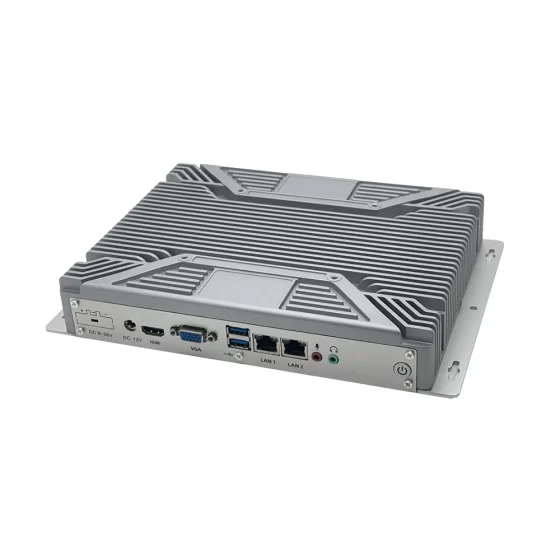
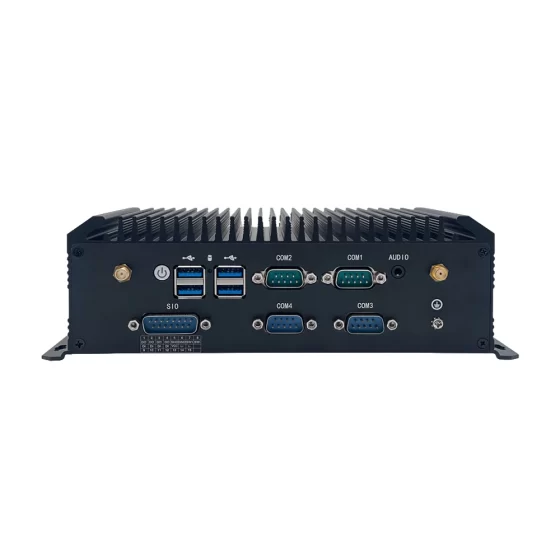
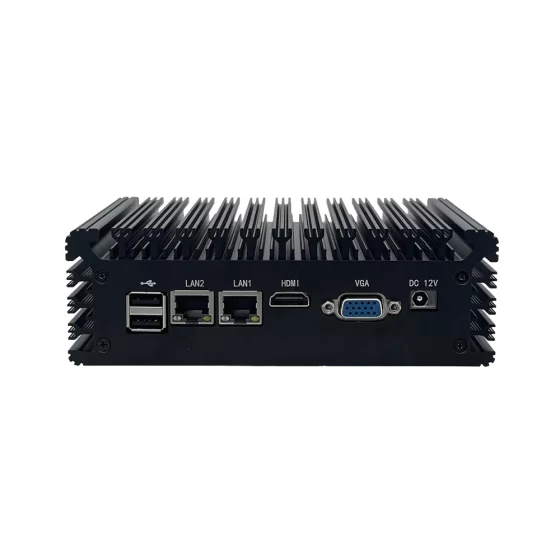
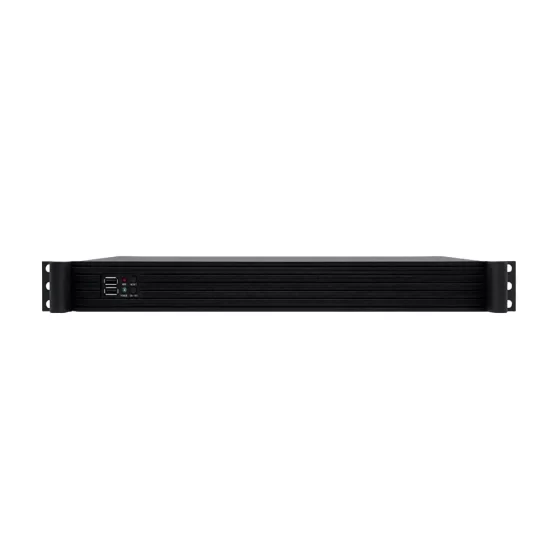
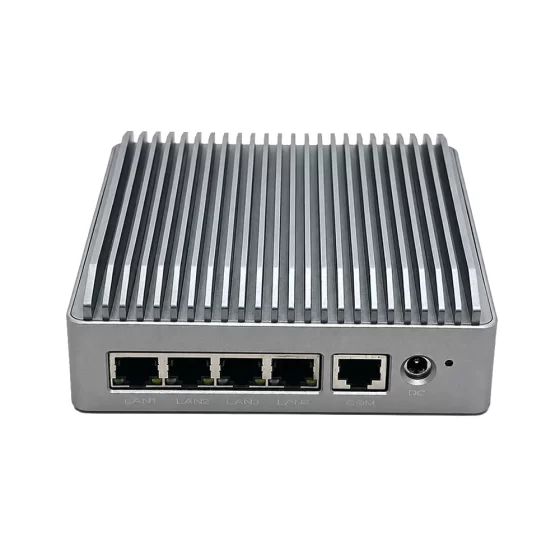
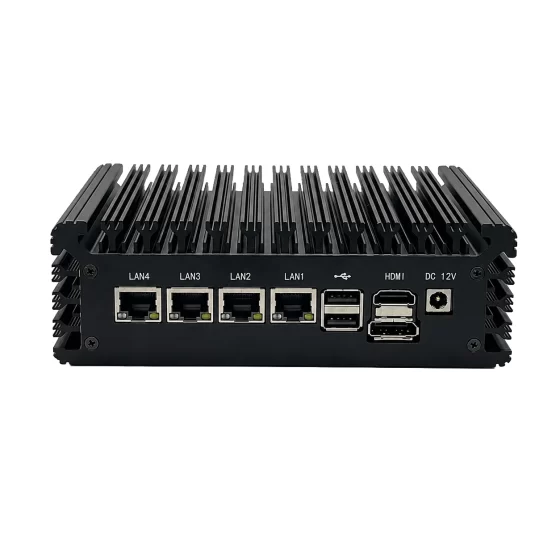
حلول الحوسبة الصناعية CoreIPC

فحص الذكاء الاصطناعي لتصنيع البطاريات: كمبيوتر يعمل بالذكاء الاصطناعي لفحص البطارية لمراقبة جودة موثوقة
ملخص تنفيذي
أصبحت أنظمة الذكاء الاصطناعي لفحص البطارية جزءًا مهمًا من تصنيع البطاريات الحديثة, حيث الجودة, تناسق, أمان, وإمكانية التتبع أمر بالغ الأهمية في كل مرحلة من مراحل الإنتاج.
في إنتاج البطاريات, قد تظهر عيوب في مواد القطب, تجميع الخلية, لحام علامة التبويب, ختم, وضع العلامات, تجميع الوحدة النمطية, تكامل الحزمة, والتفتيش النهائي. بعض العيوب مرئية, في حين أن البعض الآخر يكون دقيقًا ويصعب التعرف عليه من خلال الفحص اليدوي أو أنظمة الرؤية البسيطة القائمة على القواعد.
تستخدم منصة فحص الذكاء الاصطناعي الكاميرات الصناعية, إضاءة, أجهزة الاستشعار, برنامج رؤية الآلة, نماذج استنتاج الذكاء الاصطناعي, وأجهزة الحوسبة الصناعية للكشف عن العيوب, تصنيف التشوهات, التحقق من جودة التجميع, وربط نتائج التفتيش بسجلات الإنتاج.
يعمل الكمبيوتر الصناعي أو الكمبيوتر المدمج كمنصة معالجة محلية للذكاء الاصطناعي. يتلقى بيانات الصورة أو الاستشعار, يدير أعباء عمل استدلال الذكاء الاصطناعي, يتواصل مع PLCs وأنظمة التشغيل الآلي, سجلات تفتيش المخازن, وتحميل البيانات إلى MES, نظم إدارة الجودة, أو قواعد بيانات المصنع.
بالمقارنة مع أجهزة الكمبيوتر التجارية القياسية, توفر أجهزة الكمبيوتر الصناعية موثوقية أقوى, الإدخال/الإخراج المرن, تصميم ميكانيكي متين, الأداء الحراري المستقر, خيارات بدون مروحة, ودعم دورة الحياة الطويلة. تعتبر هذه الميزات مهمة عند نشر أنظمة فحص الذكاء الاصطناعي بالقرب من خطوط إنتاج البطاريات, محطات التفتيش, معدات اللحام, الناقلات, أو خلايا التجميع الآلي.
تشرح هذه المقالة كيفية عمل منصات الذكاء الاصطناعي لفحص البطارية, ما هي التحديات التي يواجهها المصنعون, كيف يتم تنظيم بنية الحل, وما هي ميزات الأجهزة الأكثر أهمية عند اختيار جهاز كمبيوتر صناعي لفحص تصنيع البطارية.
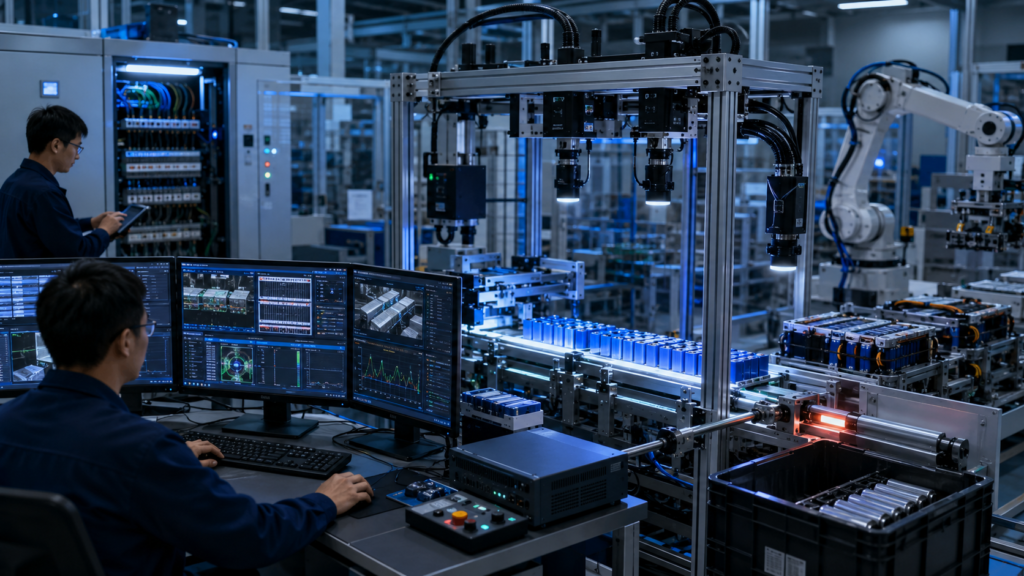
تقوم أجهزة الكمبيوتر الصناعية بمعالجة صور الكاميرا للكشف عن عيوب البطارية المستندة إلى الذكاء الاصطناعي ومراقبة جودة الإنتاج.
نظرة عامة على الصناعة
يتطلب تصنيع البطاريات رقابة صارمة على الجودة
يتضمن تصنيع البطارية خطوات عملية متعددة حيث يمكن أن تؤثر العيوب الصغيرة على موثوقية المنتج, أمان, والأداء.
قد تكون هناك حاجة للتفتيش أثناء إنتاج القطب الكهربائي, تجميع الخلية, لحام, ختم, تشكيل, تجميع الوحدة النمطية, تكامل الحزمة, وضع العلامات, والاختبار النهائي.
قد تشمل أهداف التفتيش المشتركة:
- عيوب سطح القطب
- مخالفات الطلاء
- موضع علامة التبويب وجودة اللحام
- محاذاة الخلية
- جودة الختم
- الخدوش السطحية أو الخدوش
- دقة التسمية والباركود
- التحقق من تجميع الوحدة
- حزمة الأسلاك وفحص الموصل
- فحص المظهر النهائي
لأن منتجات البطاريات غالبًا ما تنتقل عبر خطوط الإنتاج الآلية, يجب أن تعمل أنظمة التفتيش بسرعة, باستمرار, وبشكل موثوق.
لماذا يتم استخدام الذكاء الاصطناعي في فحص البطارية
أنظمة الرؤية التقليدية مفيدة للعيوب الواضحة والمتكررة.
لكن, قد تختلف عيوب تصنيع البطارية من حيث الشكل, مقاس, نَسِيج, موضع, استجابة الإضاءة, والمظهر السطحي. يصعب تحديد بعض التشوهات باستخدام عتبات ثابتة أو قواعد صورة بسيطة.
يمكن أن يساعد فحص الذكاء الاصطناعي في تحديد أنماط العيوب المعقدة وتصنيف الحالات غير الطبيعية المختلفة.
يمكن أن تدعم أنظمة الذكاء الاصطناعي لفحص البطارية:
- كشف عيوب السطح
- التعرف على عيوب اللحام
- اكتشاف خطأ التجميع
- كشف الأجسام الغريبة
- التحقق من التسمية
- فحص محاذاة الخلية والوحدة النمطية
- فحص التغليف
- تصنيف الجودة
- تصنيف العيوب
- إمكانية تتبع الإنتاج
الذكاء الاصطناعي لا يحل محل الكاميرا الجيدة, إضاءة, والتصميم الميكانيكي. بدلاً من, يعتمد ذلك على الحصول على صور مستقرة وأجهزة حوسبة صناعية موثوقة.
الحوسبة الصناعية هي مؤسسة الذكاء الاصطناعي المحلية
غالبًا ما تحتاج أنظمة فحص البطارية إلى اتخاذ قرارات قريبة من خط الإنتاج.
قد يؤدي إرسال كل صورة إلى خادم بعيد إلى زيادة زمن الوصول, تحميل الشبكة, والاعتماد على البنية التحتية المركزية. تسمح أجهزة الكمبيوتر الصناعية المحلية بمعالجة الصور واستدلال الذكاء الاصطناعي بالقرب من نقطة التفتيش.
يمكن لجهاز كمبيوتر لمراقبة الجودة يعمل بالذكاء الاصطناعي توصيل الكاميرات, وحدات تحكم الإضاءة, أجهزة الاستشعار, الشركات المحدودة العامة, الناقلات, الروبوتات, ماسحات الباركود, وشبكات المصانع.
يمكن استخدام جهاز كمبيوتر مضمن عندما يجب أن يكون نظام الفحص مناسبًا داخل الجهاز, خزانة التحكم, محطة عمل مدمجة, أو منصة معدات OEM.

انعكاس السطح, مناطق اللحام, محاذاة الخلية, التسميات, تباين الخلل, وتؤثر الإضاءة على موثوقية فحص البطارية.
التحديات الرئيسية
تقلب العيب في إنتاج البطارية
عيوب البطارية ليست دائمًا بسيطة أو متسقة.
خدش, دنت, علامة التلوث, خلل في اللحام, قضية الطلاء, أو قد يظهر خطأ في المحاذاة بشكل مختلف حسب نوع المنتج, المواد السطحية, إضاءة, زاوية الكاميرا, وحالة الإنتاج.
تشمل تحديات التفتيش الشائعة:
- عيوب السطح منخفضة التباين
- الأسطح المعدنية العاكسة
- خدوش دقيقة
- تشوه أو تورم
- مخالفات اللحام
- عيوب الختم
- اختلال الخلية
- أخطاء في وضع الملصقات
- الجسيمات الأجنبية
- أخطاء في تجميع الموصل أو الكابل
يجب أن تقوم منصة الذكاء الاصطناعي بمعالجة صور الإنتاج الحقيقية بشكل موثوق وتجنب نتائج الكشف غير المستقرة.
ارتفاع عبء عمل معالجة الصور
قد يشمل فحص البطارية كاميرات عالية الدقة, زوايا تفتيش متعددة, وخطوط الإنتاج سريعة الحركة.
يجب أن يقوم كمبيوتر الذكاء الاصطناعي بمعالجة الصور بسرعة كافية لمطابقة دورة الإنتاج. إذا تأخرت المعالجة, قد يؤدي النظام إلى إبطاء عملية الفحص, يغيب عن توقيت الإنتاج, أو الفشل في تفعيل إجراءات الرفض في الوقت المحدد.
ينبغي النظر في اختيار الأجهزة:
- دقة الكاميرا
- عدد الكاميرات
- معدل الإطار
- حجم نموذج الذكاء الاصطناعي
- زمن دورة التفتيش
- تخزين الصور المحلية
- توقيت الاتصال PLC
- MES أو متطلبات تحميل قاعدة البيانات
يعد الأداء المستدام المستقر أكثر أهمية من أداء الذروة القصيرة.
الإضاءة وانعكاس السطح
يمكن أن تشتمل مكونات البطارية على علامات تبويب معدنية عاكسة, أسطح الألمنيوم, الأفلام البلاستيكية, التسميات, الموصلات, والمواد الداكنة أو اللامعة.
هذه الأسطح قد تخلق الوهج, الظلال, تباين منخفض, أو جودة الصورة غير متناسقة. يمكن أن تؤدي جودة الصورة الرديئة إلى تقليل دقة فحص الذكاء الاصطناعي.
يتطلب النظام الموثوق التنسيق بين اختيار الكاميرا, تصميم العدسة, طريقة الإضاءة, موقف التركيب, توقيت الزناد, نموذج البرمجيات, ومنصة الحوسبة.
يجب أن يدعم الكمبيوتر الصناعي الحصول على الكاميرا بشكل ثابت والتحكم في الإضاءة عند الحاجة.
التكامل مع معدات الأتمتة
غالبًا ما تكون خطوط إنتاج البطاريات مؤتمتة بدرجة عالية.
قد يحتاج كمبيوتر الفحص الذي يعمل بالذكاء الاصطناعي إلى التواصل مع وحدات التحكم المنطقية القابلة للبرمجة (PLCs)., أنظمة الحركة, معدات اللحام, الناقلات, الروبوتات, إنذار, آليات الرفض, أنظمة MES, وقواعد بيانات الجودة.
ويتطلب ذلك اتصالاً موثوقًا بالإدخال/الإخراج الصناعي والاتصال بالشبكة.
قد تحتاج إلى منصة تفتيش عملية تعمل بالذكاء الاصطناعي:
- لان
- USB
- RS232
- RS485
- جيبيو
- الإدخال الرقمي
- الإخراج الرقمي
- عرض الإخراج
- واجهات التوسعة
بدون تكوين الواجهة الصحيحة, يصبح تكامل النظام أكثر تعقيدًا.
التشغيل المستمر والتتبع
قد تعمل أنظمة فحص تصنيع البطاريات عبر نوبات عمل طويلة وأحجام إنتاج عالية.
إذا فشل جهاز الكمبيوتر التفتيش, قد يتوقف التفتيش, قد يتم فقدان بيانات الجودة, أو قد تصبح سجلات الإنتاج غير مكتملة.
التتبع مهم أيضًا. يجب ربط نتائج الفحص بمعرفات المنتج, أرقام الدفعة, معرفات المحطة, الطوابع الزمنية, فئات العيوب, الصور, وسجلات الإنتاج.
تساعد أجهزة الحوسبة ذات المستوى الصناعي على دعم التشغيل المستقر والتعامل الموثوق مع البيانات.

تقوم أجهزة الكمبيوتر الصناعية بتوصيل كاميرات التفتيش المدعومة بالذكاء الاصطناعي, معدات الأتمتة, زارة التربية والعلم, وأنظمة جودة البطارية.
هندسة حلول الذكاء الاصطناعي لفحص البطارية
طبقة الحصول على الصور وأجهزة الاستشعار
تلتقط طبقة الاستحواذ البيانات الأولية اللازمة لفحص الذكاء الاصطناعي.
قد تشمل هذه الطبقة الكاميرات الصناعية, العدسات, وحدات الإضاءة, أجهزة الاستشعار الزناد, قارئات الباركود, أجهزة القياس, وأجهزة استشعار الإنتاج.
اعتمادا على نقطة التفتيش, قد يقوم النظام بجمع:
- صور سطح القطب
- صور مظهر الخلية
- صور منطقة اللحام
- صور فحص الختم
- صور تجميع الوحدة
- حزمة صور الأسلاك
- صور الملصقات والباركود
- قيم القياس
- بيانات الموقف
- إشارات العملية
تعتبر بيانات الإدخال المتسقة أمرًا ضروريًا. تعتمد دقة فحص الذكاء الاصطناعي بشكل كبير على جودة الصورة والمستشعر المستقرة.
طبقة الحوسبة الصناعية AI
طبقة حوسبة الذكاء الاصطناعي الصناعية هي المكان الذي يقوم فيه كمبيوتر الذكاء الاصطناعي لفحص البطارية بالمعالجة المحلية.
عند هذه الطبقة, قد يكون الكمبيوتر الصناعي أو الكمبيوتر المدمج:
- تلقي بيانات الصورة من الكاميرات
- تشغيل نماذج الاستدلال بالذكاء الاصطناعي
- الكشف عن العيوب والتشوهات
- تصنيف نتائج التفتيش
- مقارنة النتائج بقواعد الإنتاج
- تخزين الصور والسجلات
- إرسال إشارات النجاح أو الفشل
- التواصل مع PLCs
- تحميل البيانات إلى MES أو أنظمة الجودة
- عرض النتائج على المراقبين المحليين
تسمح طبقة الحوسبة المتطورة هذه باتخاذ قرارات الفحص بالقرب من عملية إنتاج البطارية.
طبقة التحكم الآلي
تربط طبقة التحكم الآلي نتائج فحص الذكاء الاصطناعي بمعدات الإنتاج.
بلك, تحكم الحركة, نظام الناقل, نظام اللحام, أو قد تؤدي وحدة التحكم الروبوتية إلى إجراء الفحص. بعد معالجة الذكاء الاصطناعي, يمكن للكمبيوتر الصناعي إرسال النتيجة مرة أخرى إلى نظام التحكم.
على سبيل المثال, إذا تم اكتشاف خلل في سطح الخلية, قد يطلق النظام إنذارًا, وضع علامة على المنتج للمراجعة, تفعيل آلية الرفض, أو إرسال البيانات إلى MES.
يعمل هذا الاتصال ذو الحلقة المغلقة على تحويل فحص الذكاء الاصطناعي إلى تحكم عملي في الإنتاج.
طبقة إدارة البيانات
يجب أن تكون بيانات التفتيش مرتبطة بسجلات التصنيع.
قد يرسل الكمبيوتر الصناعي البيانات إلى MES, نظم إدارة الجودة, قواعد بيانات المصانع, أو منصات التحليلات.
قد تتضمن سجلات التفتيش:
- معرف المنتج
- رقم الدفعة
- نتيجة التفتيش
- فئة الخلل
- أدلة الصورة
- درجة الثقة
- معرف المحطة
- الطابع الزمني
- معرف المعدات
- عمل المشغل
- إصلاح أو إعادة فحص الحالة
تدعم هذه المعلومات إمكانية التتبع, تحليل الجودة, وتحسين العملية.
واجهة المستخدم والطبقة الهندسية
يحتاج المشغلون والمهندسون إلى واجهة محلية عملية.
قد يتصل كمبيوتر فحص AI بالشاشة, شاشة تعمل باللمس, لوحة المفاتيح, أو لوحة HMI. يمكن للواجهة عرض الصور الحية, مواقع الخلل, نتائج التفتيش, إنذار, التهم الإنتاج, حالة النموذج, وسجلات النظام.
تساعد الواجهة الواضحة المهندسين على ضبط معلمات الفحص, مراجعة الصور العيوب, واستكشاف مشكلات الإنتاج وإصلاحها بشكل أكثر كفاءة.

تدعم أجهزة الكمبيوتر الصناعية بدون مروحة نشر فحص الذكاء الاصطناعي الموثوق به في خزانات تصنيع البطاريات.
الميزات الرئيسية
أداء الاستدلال بالذكاء الاصطناعي
تتطلب أنظمة الذكاء الاصطناعي لفحص البطارية أداءً مستقرًا لاستدلال الذكاء الاصطناعي.
قد تتطلب مهام الفحص المختلفة مستويات حوسبة مختلفة. قد يستخدم نظام بسيط للتحقق من الملصقات جهاز كمبيوتر مدمجًا. قد يتطلب نظام فحص اللحام متعدد الكاميرات أو نظام الكشف عن عيوب السطح جهاز كمبيوتر صناعيًا أكثر قوة أو نظامًا أساسيًا للذكاء الاصطناعي.
ينبغي النظر في الاختيار:
- تعقيد نموذج الذكاء الاصطناعي
- دقة الكاميرا
- عدد الكاميرات
- معدل الإطار المطلوب
- زمن دورة التفتيش
- عبء عمل التخزين
- إطار البرمجيات
- وحدة المعالجة المركزية, GPU, أو احتياجات مسرع الذكاء الاصطناعي
يجب أن يتم اختيار الأجهزة بناءً على عبء عمل الفحص الحقيقي, وليس فقط المواصفات العامة.
دعم واجهة الكاميرا والرؤية
يعتمد فحص الذكاء الاصطناعي على الحصول على صور موثوقة.
يجب أن تدعم منصة الحوسبة واجهات الكاميرا التي يتطلبها المشروع. تعد كاميرات USB وGigabit Ethernet شائعة في العديد من أنظمة رؤية الآلة.
قد تتضمن ميزات الواجهة المفيدة:
- USB 3.0
- منافذ LAN متعددة
- توسيع PCIe
- توسعة M.2
- HDMI أو DisplayPort
- تخزين عالي السرعة
- تصميم طاقة مستقر
للأنظمة متعددة الكاميرات, تخطيط عرض النطاق الترددي مهم بشكل خاص. قد يلزم فصل حركة مرور الكاميرا عن حركة مرور شبكة المصنع.
الإدخال/الإخراج الصناعي لتكامل الإنتاج
يجب أن يتصل كمبيوتر الفحص المزود بالذكاء الاصطناعي بمعدات إنتاج حقيقية.
قد تتضمن خيارات الإدخال/الإخراج المهمة:
- لان
- USB
- RS232
- RS485
- جيبيو
- الإدخال الرقمي
- الإخراج الرقمي
- عرض الإخراج
يمكن لهذه الواجهات دعم الكاميرات, أجهزة الاستشعار, الشركات المحدودة العامة, وحدات تحكم الإضاءة, الماسحات الضوئية, إنذار, آليات الرفض, الناقلات, والمعدات الروبوتية.
يقلل الإدخال/الإخراج المرن من الحاجة إلى محولات خارجية ويحسن موثوقية النظام.
تصميم بدون مروحة وقوي
تعد أجهزة الكمبيوتر الصناعية بدون مروحة مفيدة في العديد من تطبيقات فحص البطاريات.
إنها تقلل من دخول الغبار وتزيل نقطة عطل ميكانيكية شائعة. يعد هذا مفيدًا في بيئات الإنتاج حيث تعمل الأنظمة بشكل مستمر وقد يكون الوصول إلى الصيانة محدودًا.
يساعد الغلاف المتين أيضًا على حماية الكمبيوتر من الاهتزاز, إجهاد الكابل, وشروط تركيب الخزانة.
لأحمال عمل الذكاء الاصطناعي عالية الأداء, يجب مراجعة التصميم الحراري بعناية لضمان التشغيل المستقر على المدى الطويل.
تخزين الصور وسجلات التفتيش
قد تولد أنظمة الذكاء الاصطناعي لفحص البطارية كميات كبيرة من البيانات.
قد يقوم الكمبيوتر بتخزين صور معيبة, صور الإنتاج, سجلات التفتيش, ملفات نموذجية, التقارير, وقواعد البيانات المحلية.
يُفضل عادةً تخزين SSD لأنه يوفر استجابة أسرع ومقاومة أفضل للصدمات مقارنة بمحركات الأقراص الميكانيكية.
لتطبيقات فحص الصور الثقيلة, سعة التخزين, اكتب التحمل, ويجب مراجعة سياسة الاحتفاظ بالبيانات أثناء تصميم النظام.
دورة حياة طويلة وقابلية الصيانة
قد تظل معدات تصنيع البطاريات قيد التشغيل لسنوات عديدة.
التغييرات المتكررة في نماذج الكمبيوتر, السائقين, واجهات, أو يمكن أن تؤدي خيارات التوسعة إلى زيادة عبء عمل التحقق من الصحة وتكلفة الصيانة.
تساعد منصات الحوسبة الصناعية مع تخطيط دورة الحياة الشركات المصنعة ومصنعي معدات OEM في الحفاظ على أنظمة فحص متسقة عبر خطوط إنتاج وأجيال متعددة من المعدات.
سيناريوهات النشر
فحص سطح القطب
يتطلب إنتاج قطب البطارية طلاءًا ثابتًا وجودة سطحية.
يمكن أن يساعد فحص الذكاء الاصطناعي في اكتشاف الخدوش, البقع, مخالفات الطلاء, جزيئات, عيوب الحافة, وغيرها من التشوهات السطحية.
يقوم الكمبيوتر الصناعي بمعالجة صور الكاميرا محليًا ويرسل نتائج الفحص إلى أنظمة الإنتاج أو الجودة.
فحص مظهر الخلية
فحص مظهر الخلية قد يفحص الأسطح, حواف, الخدوش, تشوه, تلوث, ووضع التسمية.
يمكن لجهاز كمبيوتر لمراقبة الجودة يعمل بالذكاء الاصطناعي اكتشاف التشوهات البصرية وتصنيف نتائج الفحص قبل أن تنتقل الخلية إلى العملية التالية.
وهذا يساعد على تقليل مخاطر الجودة النهائية.
فحص اللحام
تعد جودة لحام علامة التبويب مهمة في إنتاج خلايا البطارية والوحدة النمطية.
يمكن لأنظمة فحص الذكاء الاصطناعي تحليل صور منطقة اللحام لتحديد العيوب المرئية, قضايا الموقف, علامات السطح, أو مظهر لحام غير متناسق.
يمكن للكمبيوتر الصناعي إرسال المرور, يفشل, أو مراجعة النتائج لنظام مراقبة الإنتاج.
فحص الختم والحافة
قد يتطلب ختم البطارية وجودة الحافة إجراء فحص بصري مفصل.
يمكن لأنظمة الذكاء الاصطناعي فحص موضع الختم, عيوب السطح, ضرر الحافة, تلوث, والمخالفات الظاهرة.
يمكن تركيب جهاز كمبيوتر مدمج بالقرب من محطة الختم أو الفحص لمعالجة الصور وتحميل السجلات.
التحقق من تجميع الوحدة
يتضمن تجميع وحدة البطارية خلايا متعددة, أشرطة التوصيل, الموصلات, بين قوسين, والمكونات الهيكلية.
يمكن لفحص الذكاء الاصطناعي التحقق من وجود الأجزاء, وضعه بشكل صحيح, وتجميعها وفقا لقواعد الإنتاج.
يمكن للنظام أن يدعم تأكيد التجميع ويقلل من عبء عمل الفحص اليدوي.
فحص الأسلاك والموصلات الخاصة بحزمة البطارية
يشمل إنتاج حزمة البطارية الأسلاك, الموصلات, السحابات, التسميات, وخطوات التجميع المتعلقة بالسلامة.
يمكن لفحص الذكاء الاصطناعي التحقق من توجيه الكابل, وضع الموصل, الأجزاء المفقودة, موقف التسمية, واتساق التجميع.
يستطيع الكمبيوتر الصناعي معالجة الصور وربط النتائج مع MES أو أنظمة الجودة.
الباركود, ملصق, وفحص التتبع
يتطلب إنتاج البطاريات إمكانية تتبع قوية.
يمكن لأنظمة الرؤية المدعومة بالذكاء الاصطناعي التحقق من الرموز الشريطية, رموز الاستجابة السريعة, التسميات, معرفات المنتج, والمعلومات المطبوعة. يستطيع كمبيوتر الفحص ربط نتائج التعرف ببيانات الدُفعات, أوامر العمل, وسجلات التفتيش.
وهذا يساعد في الحفاظ على تاريخ الإنتاج الكامل.
فحص الجودة النهائي
قبل الشحن, خلايا البطارية, وحدات, أو قد تتطلب العبوات فحصًا بصريًا نهائيًا.
يمكن لأنظمة التفتيش بالذكاء الاصطناعي التحقق من المظهر, التسميات, الموصلات, التعبئة والتغليف, والعيوب الظاهرة. يقوم الكمبيوتر الصناعي بتخزين النتائج وتحميل البيانات إلى أنظمة المصنع للحصول على سجلات الجودة النهائية.

تعمل منصات الذكاء الاصطناعي لفحص البطارية على تحسين مراجعة العيوب, إمكانية التتبع, مراقبة الجودة, وأداء فحص الإنتاج.
فوائد الأعمال
تحسين الكشف عن العيوب
تساعد أنظمة الذكاء الاصطناعي لفحص البطارية في تحديد العيوب التي قد يصعب اكتشافها يدويًا أو من خلال رؤية بسيطة قائمة على القواعد.
عند دمجها مع الكاميرات المناسبة, إضاءة, وأجهزة الكمبيوتر الصناعية, يمكن لفحص الذكاء الاصطناعي تحسين الاتساق وتقليل العيوب المفقودة.
وهذا يدعم مراقبة الجودة بشكل أقوى عبر عمليات تصنيع البطاريات.
تقليل عبء عمل الفحص اليدوي
يمكن أن يكون الفحص اليدوي متكررًا وغير متسق.
تقوم منصات الفحص بالذكاء الاصطناعي بأتمتة العديد من مهام الفحص البصري, السماح للمشغلين والمهندسين بالتركيز على معالجة الاستثناءات, صيانة, وتحسين العملية.
يؤدي ذلك إلى تحسين كفاءة الفحص وتقليل الاعتماد على الحكم اليدوي.
قرارات الجودة أسرع
تسمح معالجة الذكاء الاصطناعي المحلية باتخاذ قرارات الفحص بالقرب من خط الإنتاج.
يمكن للكمبيوتر الصناعي معالجة الصور, تصنيف العيوب, وإرسال النتائج إلى أنظمة PLCs أو MES بسرعة.
وهذا يتيح إجراء رفض أسرع, توجيه الإصلاح, أو تصحيح العملية.
إمكانية تتبع الإنتاج بشكل أقوى
يمكن ربط بيانات فحص الذكاء الاصطناعي بمعرفات المنتج, أرقام الدفعة, فئات العيوب, الصور, الطوابع الزمنية, معلومات المحطة, وأوامر العمل.
يؤدي هذا إلى إنشاء سجلات تتبع أقوى لمراقبة الجودة, عمليات تدقيق العملاء, تحليل الضمان, والتحقيق في السبب الجذري.
تحسين عملية أفضل
تولد منصات فحص الذكاء الاصطناعي بيانات مفيدة لتحليل العمليات.
يمكن للمصنعين مراجعة أنماط العيوب المتكررة, أداء المحطة, عملية الانجراف, قضايا المعدات, واتجاهات التفتيش.
تساعد أجهزة الحوسبة الصناعية الموثوقة على ضمان جمع هذه البيانات بشكل متسق وربطها بأنظمة المصنع.
نشر تصنيع البطاريات القابلة للتطوير
تعمل منصة الحوسبة الصناعية الموحدة على تسهيل نشر فحص الذكاء الاصطناعي عبر خطوط متعددة, العمليات, والمصانع.
تعمل الأجهزة المتسقة على تبسيط صور البرامج, إدارة السائق, تخطيط قطع الغيار, التدريب على الصيانة, والدعم الفني.
وهذا يساعد الشركات المصنعة على توسيع نطاق فحص الذكاء الاصطناعي بدءًا من المشاريع التجريبية وحتى نشر الإنتاج الكامل.
لماذا كورIPC
توفر CoreIPC منصات حوسبة صناعية لرؤية الآلة, حافة الذكاء الاصطناعي, أتمتة المصنع, وتكامل النظام المدمج. لتطبيقات الذكاء الاصطناعي لفحص البطارية, يركز CoreIPC على أجهزة الكمبيوتر الصناعية الموثوقة, حلول الكمبيوتر المدمجة, تكوينات الإدخال/الإخراج المرنة, تصميم نظام مدمج, ودعم التخصيص OEM/ODM. CoreIPC يساعد تكامل النظام, بناة المعدات, ويختار مصنعو البطاريات منصات الحوسبة التي تتوافق مع متطلبات النشر الحقيقية, بما في ذلك واجهات الكاميرا, أعباء عمل الذكاء الاصطناعي, الاتصالات الأتمتة, طرق التركيب, مدخلات الطاقة, التصميم الحراري, احتياجات التخزين, وتخطيط دورة الحياة.
الأسئلة المتداولة
1. ما هو فحص البطارية بالذكاء الاصطناعي?
الذكاء الاصطناعي لفحص البطارية هو أسلوب فحص آلي يستخدم الكاميرات, أجهزة الاستشعار, نماذج الذكاء الاصطناعي, وأجهزة الحوسبة الصناعية للكشف عن العيوب في تصنيع البطاريات.
يمكنه فحص أسطح الأقطاب الكهربائية, مظهر الخلية, مناطق اللحام, الأختام, التسميات, وحدات, الموصلات, والمنتجات النهائية. الهدف هو تحسين اكتشاف الخلل, تقليل عبء عمل التفتيش اليدوي, وربط نتائج التفتيش بأنظمة التتبع.
2. لماذا نستخدم الكمبيوتر الصناعي لفحص البطارية بالذكاء الاصطناعي?
يوفر الكمبيوتر الصناعي المعالجة المحلية والاتصال المطلوب لفحص الذكاء الاصطناعي على خطوط الإنتاج.
يمكنه استقبال الصور من الكاميرات, تشغيل نماذج استدلال الذكاء الاصطناعي, التواصل مع PLCs, الاتصال بأجهزة الاستشعار وأجهزة التحكم في الإضاءة, سجلات فحص المتجر, وتحميل البيانات إلى MES أو أنظمة الجودة. إنه مصمم للبيئات الصناعية حيث تعد الموثوقية والتشغيل المستمر أمرًا مهمًا.
3. كيف يتم استخدام الكمبيوتر المدمج في فحص البطارية?
يمكن تركيب جهاز كمبيوتر مدمج داخل أجهزة الفحص, خزائن الإنتاج, محطات الرؤية المدمجة, أو معدات تصنيع البطاريات OEM.
يمكنه معالجة صور الكاميرا, تشغيل برنامج التفتيش, الاتصال بأجهزة التشغيل الآلي, وإرسال النتائج إلى أنظمة المصنع. حجمها الصغير يجعلها مناسبة للنشر على جانب الماكينة بمساحة محدودة.
4. ما هي العيوب التي يمكن لفحص الذكاء الاصطناعي اكتشافها في تصنيع البطاريات?
يمكن أن يدعم فحص الذكاء الاصطناعي الكشف عن الخدوش السطحية, الخدوش, تلوث, مخالفات الطلاء, مشاكل مظهر اللحام, عيوب الختم, أخطاء التسمية, اختلال الخلية, المكونات المفقودة, مشاكل في وضع الموصل, وعيوب التغليف.
تعتمد القدرة على الكشف الدقيق على جودة الكاميرا, تصميم الإضاءة, التدريب النموذجي, اختلاف المنتج, واختبار الإنتاج الحقيقي.
5. ما هي الواجهات المهمة لأجهزة الكمبيوتر التي تعمل بتقنية الذكاء الاصطناعي لفحص البطارية?
قد تتضمن الواجهات المهمة USB 3.0, منافذ LAN متعددة, RS232, RS485, جيبيو, المدخلات الرقمية, الإخراج الرقمي, اتش دي ام اي, منفذ العرض, م.2, وتوسيع PCIe.
تعتبر واجهات الكاميرا ضرورية للحصول على الصور. يعد الإدخال / الإخراج الصناعي مهمًا أيضًا لاتصالات PLC, إشارات الزناد, التحكم في الإضاءة, إنذار, الناقلات, وآليات الرفض.
6. هو جهاز كمبيوتر صناعي بدون مروحة مناسب لفحص البطارية?
يمكن أن يكون الكمبيوتر الصناعي بدون مروحة مناسبًا للعديد من تطبيقات فحص البطارية لأنه يقلل من دخول الغبار ويزيل نقطة العطل الميكانيكية الشائعة.
لكن, قد تولد أعباء عمل الذكاء الاصطناعي حرارة كبيرة. اختيار المعالج, استخدام مسرع الذكاء الاصطناعي, تدفق هواء الخزانة, درجة الحرارة المحيطة, وينبغي مراجعة طريقة التركيب قبل الاختيار النهائي للأجهزة.
7. كيف يدعم فحص الذكاء الاصطناعي إمكانية تتبع البطارية?
يدعم فحص الذكاء الاصطناعي إمكانية التتبع من خلال ربط نتائج الفحص بمعرفات المنتج, أرقام الدفعة, فئات العيوب, الصور, الطوابع الزمنية, معرفات المحطة, وأوامر العمل.
يمكن تحميل هذه البيانات إلى MES أو أنظمة الجودة. تساعد السجلات الكاملة الشركات المصنعة على تحليل العيوب, دعم عمليات التدقيق, التحقيق في قضايا الجودة, وتحسين عمليات الإنتاج.
8. هل يمكن لفحص الذكاء الاصطناعي أن يحل محل فحص الجودة اليدوي بالكامل؟?
يمكن لفحص الذكاء الاصطناعي أتمتة العديد من مهام الفحص البصري المتكررة, ولكن ينبغي تقديمه بعناية.
قد لا تزال بعض العيوب أو الحالات غير العادية تتطلب مراجعة بشرية, خاصة أثناء النشر المبكر أو التحقق من صحة العملية. في كثير من المصانع, يعمل فحص الذكاء الاصطناعي بشكل أفضل كطبقة تلقائية متسقة تقلل من عبء العمل اليدوي وتحسن موثوقية الفحص.
9. ما الذي يجب اختباره قبل نشر الذكاء الاصطناعي لفحص البطارية?
قبل النشر, يجب اختبار النظام بمنتجات حقيقية, عيوب حقيقية, إضاءة الإنتاج, دقة الكاميرا, سرعة الخط, نماذج الذكاء الاصطناعي, الاتصالات PLC, عبء عمل التخزين, وظروف الشبكة.
وينبغي أيضًا اختبار الاستقرار طويل الأمد والأداء الحراري. ويساعد هذا في التأكد من أن النظام الأساسي يمكن أن يعمل بشكل موثوق في الإنتاج.
10. هل يمكن لفحص البطارية AI الاتصال بأنظمة MES?
نعم. يمكن لأجهزة الكمبيوتر الصناعية إرسال نتائج فحص الذكاء الاصطناعي إلى MES, قواعد بيانات الجودة, أو لوحات الإنتاج.
قد تتضمن البيانات التي تم تحميلها معرفات المنتج, نتائج التفتيش, فئات العيوب, سجلات الصور, الطوابع الزمنية, معلومات المحطة, ومراجع أمر العمل. ويساعد ذلك في ربط فحص الجودة بتتبع الإنتاج وتحسين العملية.
خاتمة
يعد الذكاء الاصطناعي لفحص البطارية أساسًا عمليًا لتحسين الفحص البصري, كشف العيب, إمكانية التتبع, ومراقبة الجودة في تصنيع البطاريات.
من خلال وضع أجهزة الحوسبة الصناعية بالقرب من الكاميرات, أجهزة الاستشعار, وحدات تحكم الإضاءة, الشركات المحدودة العامة, الناقلات, ومعدات التجميع, يمكن للمصنعين معالجة بيانات الفحص محليًا والاستجابة بشكل أسرع لمشكلات الجودة.
يجب اختيار الكمبيوتر الصناعي المناسب أو الكمبيوتر المدمج وفقًا لمتطلبات النشر الحقيقية, بما في ذلك عبء عمل الذكاء الاصطناعي, واجهة الكاميرا, دقة الصورة, تكوين الإدخال/الإخراج, تصميم الشبكة, احتياجات التخزين, طريقة التركيب, مدخلات الطاقة, الظروف الحرارية, دعم نظام التشغيل, وتخطيط دورة الحياة.
يدعم CoreIPC مشاريع الذكاء الاصطناعي لفحص البطاريات من خلال منصات الحوسبة الصناعية المصممة للنشر العملي في المصنع. مع أساس الأجهزة الصحيح, يمكن لمصنعي البطاريات وبناة المعدات بناء أكثر موثوقية, قابلة للتطوير, وأنظمة مراقبة الجودة المبنية على البيانات.
اتصل بنا
أبحث عن جهاز كمبيوتر صناعي, الكمبيوتر المدمج, أو اللوحة الأم الصناعية لفحص البطارية AI?
تواصل مع CoreIPC لمناقشة متطلبات مشروعك, بما في ذلك واجهة الكاميرا, عبء عمل الذكاء الاصطناعي, تكوين الإدخال/الإخراج, الاتصالات الأتمتة, طريقة التركيب, مدخلات الطاقة, بيئة التشغيل, احتياجات دورة الحياة, وخيارات التخصيص OEM/ODM.