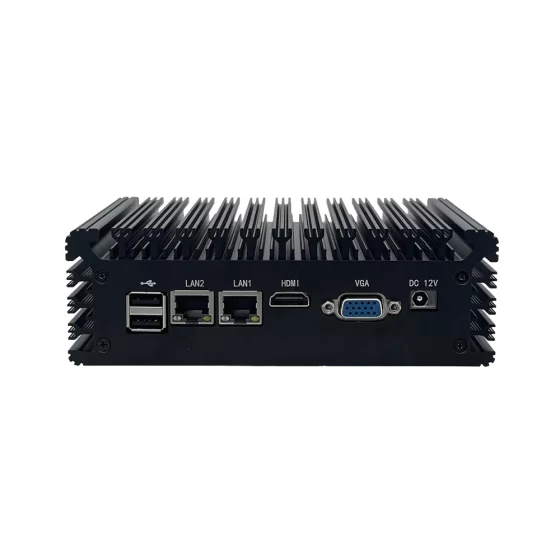
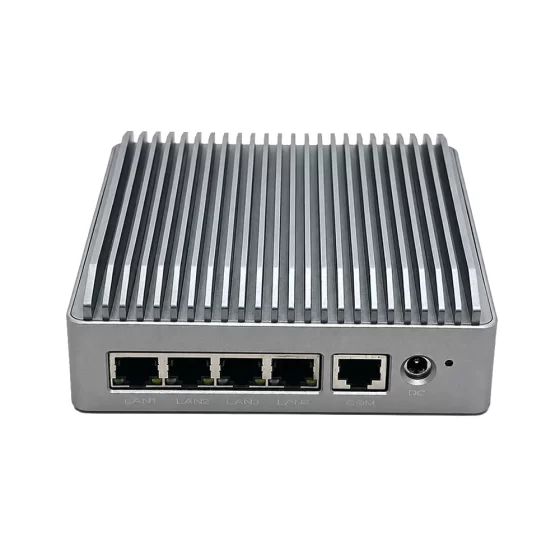
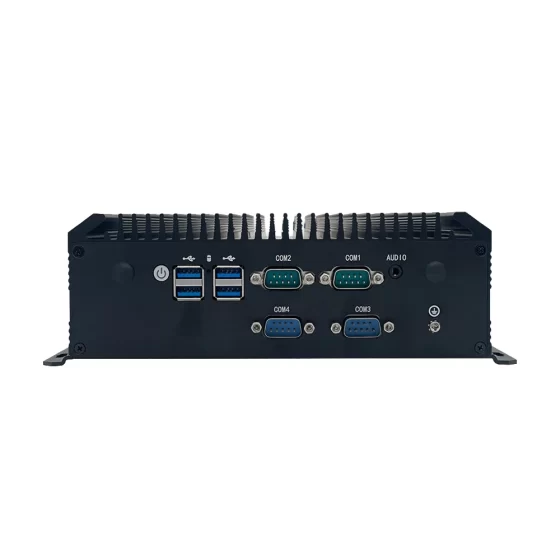
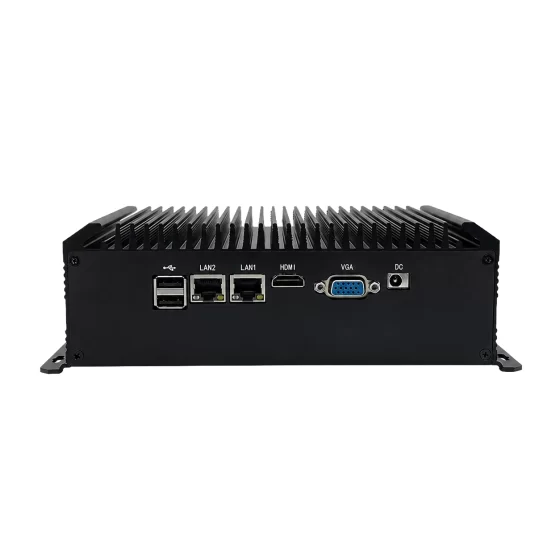
حلول الحوسبة الصناعية CoreIPC

منصة AOI لأشباه الموصلات: الحوسبة الصناعية للفحص البصري الآلي
ملخص تنفيذي
توفر منصة Aoi لأشباه الموصلات أساس الحوسبة الصناعية للفحص البصري الآلي, اكتساب الصورة, كشف العيب, مراقبة العملية, وتتبع الجودة في تصنيع أشباه الموصلات.
يتطلب إنتاج أشباه الموصلات فحصًا دقيقًا للغاية عبر معالجة الرقاقات, يموت التفتيش, فحص الركيزة, فحص الحزمة, التحقق من العلامة, ومراقبة الجودة النهائية. عيوب صغيرة, جزيئات السطح, أخطاء المحاذاة, شقوق الحزمة, تلوث, أو العلامات غير القابلة للقراءة يمكن أن تؤثر على العائد, مصداقية, وجودة الإنتاج النهائي.
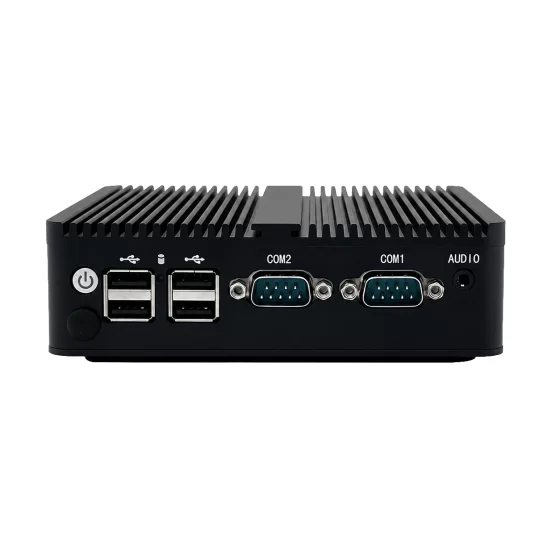
يعمل الكمبيوتر الصناعي أو الكمبيوتر المدمج كمنصة معالجة محلية لأنظمة AOI لأشباه الموصلات. ويستقبل الصور من الكاميرات عالية الدقة, بيانات التفتيش العمليات, يتواصل مع أنظمة الحركة وPLCs, مخازن سجلات العيوب, وتحميل النتائج إلى MES, توافق آراء ساو باولو, قواعد بيانات الجودة, أو أنظمة التحكم في المعدات.
بالمقارنة مع أجهزة الكمبيوتر التجارية القياسية, تعد أجهزة الكمبيوتر الصناعية أكثر ملاءمة لنشر AOI لأشباه الموصلات لأنها توفر تشغيلًا مستقرًا, الإدخال/الإخراج المرن, تصميم ميكانيكي متين, اتصال الكاميرا عالي السرعة, تخزين موثوق, خيارات بدون مروحة, ودعم دورة الحياة الطويلة.
لبناة معدات أشباه الموصلات, تكامل نظام التفتيش, وفرق التصنيع, يؤثر اختيار منصة الحوسبة المناسبة على سرعة الفحص, خلل في جودة البيانات, وقت تشغيل النظام, وقابلية الصيانة على المدى الطويل.
تشرح هذه المقالة كيفية عمل منصات AOI لأشباه الموصلات, ما هي التحديات التي يواجهها المصنعون أثناء النشر, كيف يتم تنظيم بنية الحل, وما هي ميزات الأجهزة المهمة عند اختيار جهاز كمبيوتر صناعي للفحص البصري الآلي لأشباه الموصلات.
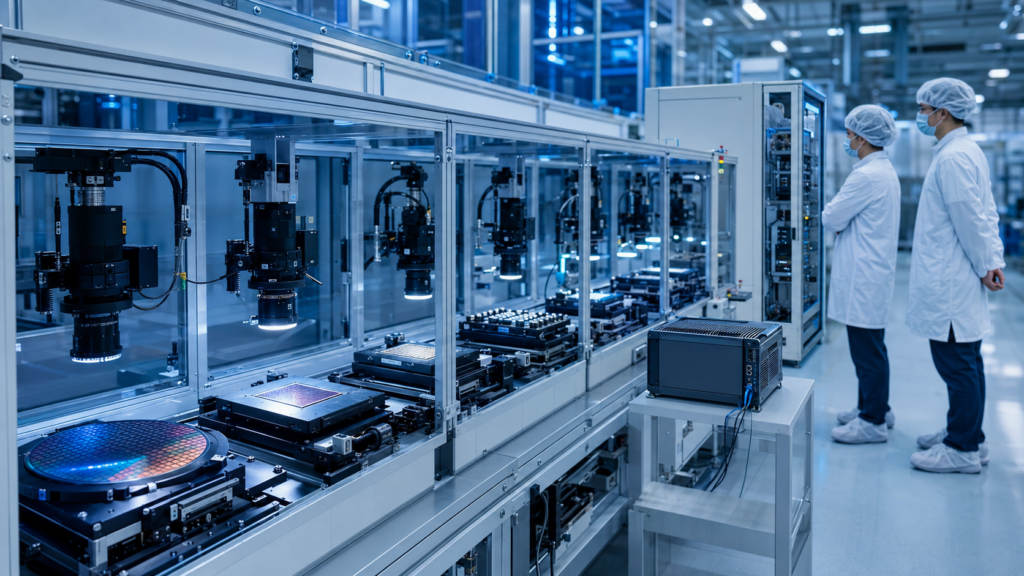
فحص إنتاج أشباه الموصلات AOI
نظرة عامة على الصناعة
تعتبر AOI أمرًا بالغ الأهمية في تصنيع أشباه الموصلات
يُستخدم الفحص البصري الآلي على نطاق واسع في تصنيع أشباه الموصلات لأن العيوب البصرية يمكن أن تظهر عبر العديد من مراحل العملية.
قد تكون هناك حاجة للتفتيش أثناء معالجة الرقاقة, التعامل مع يموت, تحضير الركيزة, الترابط, التعبئة والتغليف, وضع العلامات, والتحقق من المنتج النهائي.
تتضمن أهداف AOI الشائعة:
- عيوب سطح الرقاقة
- أخطاء محاذاة القالب
- تلوث الجسيمات
- تشوهات النمط
- شقوق الحزمة
- عيوب الركيزة
- عيوب إطار الرصاص
- قضايا منطقة الترابط
- وضع العلامات وعيوب التعليمات البرمجية
- تشوهات المظهر النهائي
تساعد منصة AOI لأشباه الموصلات الشركات المصنعة على تحديد هذه العيوب مبكرًا وربط نتائج الفحص بسجلات الإنتاج.
تدعم بيانات التفتيش تحسين الإنتاجية
لا يتم استخدام AOI فقط لرفض الوحدات المعيبة.
كما أنه يولد بيانات قيمة لتحليل العائد, ضبط العملية, مراقبة المعدات, وتحسين الجودة.
قد يحتاج المصنعون إلى التسجيل:
- نوع العيب
- موقع الخلل
- معرف الرقاقة
- إحداثيات الموت
- رقم القطعة
- معرف الحزمة
- صورة التفتيش
- معرف المحطة
- حالة المعدات
- الطابع الزمني
عندما يتم جمع هذه البيانات باستمرار, يمكن للفرق الهندسية تحديد العيوب المتكررة, عملية الانجراف, وقضايا الجودة المتعلقة بالمعدات.
تتيح الحوسبة الصناعية أتمتة AOI
عادةً ما يشتمل نظام AOI لأشباه الموصلات على كاميرات, بصريات, إضاءة, مراحل الحركة, معالجات, أجهزة الاستشعار, الشركات المحدودة العامة, برامج التفتيش, واتصالات شبكة المصنع.
يعمل الكمبيوتر الصناعي كطبقة حوسبة محلية.
قد يقوم بتشغيل برنامج AOI, صور العملية, إدارة اقتناء الكاميرا, التواصل مع أنظمة الحركة, عرض نتائج التفتيش, وتحميل سجلات العيوب إلى أنظمة المصنع.
تعد أجهزة الكمبيوتر المضمنة مفيدة أيضًا عندما يجب دمج أجهزة حوسبة AOI في أجهزة الفحص المدمجة, خزائن المعدات, أو منصات تصنيع المعدات الأصلية.

تحديات فحص الهيئة العربية للتصنيع لأشباه الموصلات
التحديات الرئيسية
معالجة الصور عالية الدقة
غالبًا ما تتطلب AOI لأشباه الموصلات تصويرًا عالي الدقة.
قد تحتاج أنظمة الفحص إلى اكتشاف العيوب الصغيرة في الرقائق, يموت, ركائز, مناطق الترابط, أو أسطح الحزمة. وهذا يتطلب الحصول على الصور بشكل مستقر ومعالجة سريعة.
تشمل عوامل عبء العمل الرئيسية:
- دقة الكاميرا
- عدد الكاميرات
- معدل الإطار
- عمق بت الصورة
- تعقيد خوارزمية التفتيش
- قواعد تصنيف العيوب
- متطلبات التخزين
- تردد تحميل MES أو SPC
يجب أن يوفر كمبيوتر AOI أداءً ثابتًا ومستقرًا لعبء عمل الفحص الفعلي.
عيوب صغيرة وتباين بصري منخفض
يمكن أن تكون عيوب أشباه الموصلات صغيرة للغاية.
قد تظهر بعض العيوب على شكل جزيئات صغيرة, خدوش دقيقة, تلوث السطح, شقوق الحافة, انحراف المحاذاة, أو تشوهات نمطية خفية.
انخفاض التباين والأسطح العاكسة يمكن أن يجعل الكشف أكثر صعوبة.
يعتمد نظام AOI الموثوق به على البصريات المناسبة, إضاءة, اختيار الكاميرا, خوارزميات البرمجيات, وأجهزة الحوسبة الصناعية المستقرة.
تكامل نظام الكاميرا والحركة
غالبًا ما تحتاج منصات AOI لأشباه الموصلات إلى تنسيق دقيق بين الكاميرات, إضاءة, مراحل الحركة, والمعالجين.
قد يحتاج الكمبيوتر إلى تلقي إشارات الزناد, التحكم في توقيت الحصول على الصور, بيانات فحص العملية, والتواصل مع معدات التشغيل الآلي.
قد تشمل متطلبات التكامل المشتركة:
- شبكة محلية عالية السرعة
- USB 3.0
- RS232
- RS485
- جيبيو
- الإدخال الرقمي
- الإخراج الرقمي
- توسيع PCIe
- توسعة M.2
قد يؤدي تكوين الإدخال/الإخراج الخاطئ إلى زيادة تعقيد التكامل وتقليل موثوقية النظام.
التشغيل المستمر ووقت تشغيل المعدات
قد تعمل أنظمة فحص أشباه الموصلات عبر دورات إنتاج طويلة.
إذا فشل جهاز الكمبيوتر AOI, قد تتوقف محطة التفتيش, قد يتم فقدان بيانات الخلل, وقد تتم مقاطعة مراقبة جودة الإنتاج.
تساعد أجهزة الحوسبة ذات المستوى الصناعي على تقليل مخاطر التوقف عن العمل من خلال دعم التصميم الحراري المستقر, تركيب وعرة, تخزين موثوق, وتوافرها على المدى الطويل.
إمكانية تتبع البيانات والاتصال بالمصنع
غالبًا ما يجب أن تكون نتائج AOI مرتبطة بـ MES, توافق آراء ساو باولو, نظم إدارة الجودة, قواعد بيانات المعدات, ولوحات الإنتاج.
يجب أن يتعامل كمبيوتر الفحص مع المعالجة المحلية ونقل البيانات.
إذا سجلت الصورة, فئات العيوب, أو لم يتم تخزين معلومات المجموعة بشكل صحيح, يصبح التتبع غير مكتمل.
وهذا يمكن أن يجعل التحقيق في الجودة وتحسين العملية أكثر صعوبة.

هندسة حلول منصة AOI لأشباه الموصلات
هندسة حلول منصة AOI لأشباه الموصلات
طبقة الحصول على الصور
تلتقط طبقة الحصول على الصور البيانات المرئية الأولية من منتجات أشباه الموصلات ومناطق المعالجة.
قد تشمل هذه الطبقة:
- كاميرات صناعية عالية الدقة
- كاميرات مسح الخط
- كاميرات مسح المنطقة
- العدسات والوحدات البصرية
- أنظمة الإضاءة الدقيقة
- أجهزة الاستشعار الزناد
- مراحل الحركة
- معالجات الرقاقة أو الطرود
اعتمادا على التطبيق, يمكن لهذه الطبقة التقاط صور الرقاقة, يموت الصور, صور الركيزة, صور الحزمة, وضع علامة على الصور, أو صور منطقة الترابط.
تعد جودة الصورة المستقرة أمرًا ضروريًا قبل أن يتمكن برنامج AOI من إنتاج نتائج فحص موثوقة.
طبقة الحوسبة الصناعية
طبقة الحوسبة الصناعية هي المكان الذي يقوم فيه الكمبيوتر الصناعي أو الكمبيوتر المدمج بمعالجة AOI المحلية.
عند هذه الطبقة, الكمبيوتر قد:
- استقبال الصور من الكاميرات
- تشغيل برنامج AOI
- صور عيوب العملية
- مقارنة الصور مع قواعد التفتيش
- تصنيف أنواع العيوب
- سجلات فحص المتجر
- عرض نتائج التفتيش
- التواصل مع PLCs
- تحميل البيانات إلى أنظمة MES أو SPC
- دعم الصيانة عن بعد
تؤثر هذه الطبقة بشكل مباشر على سرعة الفحص, استقرار النظام, وجودة البيانات.
طبقة التحكم الآلي
تربط طبقة التحكم الآلي نتائج AOI بإجراءات المعدات.
بلك, تحكم الحركة, معالج الرقاقة, تحكم الروبوت, أو قد تؤدي وحدة التحكم في الماكينة إلى إجراء الفحص وتلقي النتائج من كمبيوتر AOI.
على سبيل المثال, إذا تم اكتشاف عيب في الحزمة, قد ترسل منصة AOI إشارة فشل إلى نظام التحكم في الإنتاج. قد يرفض الجهاز بعد ذلك الوحدة, وضع علامة عليه للمراجعة, أو توجيهه إلى عملية أخرى.
يعمل هذا الاتصال ذو الحلقة المغلقة على تحويل بيانات الفحص إلى تحكم عملي في الإنتاج.
طبقة إدارة البيانات
يجب أن يتم تخزين بيانات AOI, نقل, ومرتبطة بسجلات التصنيع.
قد يرسل الكمبيوتر الصناعي النتائج إلى MES, توافق آراء ساو باولو, قواعد بيانات الجودة, خوادم محلية, أو لوحات الإنتاج.
قد تتضمن بيانات AOI النموذجية:
- رقم القطعة
- معرف الرقاقة
- إحداثيات الموت
- معرف الحزمة
- فئة الخلل
- نتيجة التفتيش
- أدلة الصورة
- معرف المحطة
- الطابع الزمني
- حالة المعدات
وهذا يدعم إمكانية التتبع, تحليل العائد, تحسين العملية, وتقارير الجودة.
واجهة المستخدم والطبقة الهندسية
يحتاج المشغلون والمهندسون إلى واجهة عملية للمراقبة والضبط.
قد يتصل كمبيوتر AOI بشاشة, شاشة تعمل باللمس, لوحة المفاتيح, أو لوحة HMI.
يمكن للواجهة عرض الصور الحية, خرائط العيوب, حالة التفتيش, إنذار, التهم الإنتاج, تاريخ العيب, وسجلات النظام.
تساعد الواجهة المحلية الواضحة المهندسين على مراجعة العيوب, ضبط المعلمات, واستكشاف أخطاء ظروف الفحص غير الطبيعية وإصلاحها.
الميزات الرئيسية
أداء معالجة مستقر AOI
تتطلب AOI لأشباه الموصلات أداءً مستقرًا لمعالجة الصور.
تعتمد قوة الحوسبة المطلوبة على سرعة الفحص, حجم الصورة, عدد الكاميرا, عبء العمل البرمجيات, ومتطلبات الاحتفاظ بالبيانات.
ينبغي النظر في الاختيار:
- أداء وحدة المعالجة المركزية
- سعة الذاكرة
- عرض النطاق الترددي للكاميرا
- سرعة التخزين
- الرسومات أو تسريع الذكاء الاصطناعي
- معالجة الكاميرات المتعددة
- متطلبات العرض
- اتصالات قاعدة البيانات
لمحطات التفتيش البسيطة, قد يكون الكمبيوتر المدمج المدمج كافيًا. لأنظمة AOI عالية الدقة أو متعددة الكاميرات, قد تكون هناك حاجة إلى جهاز كمبيوتر صناعي أكثر قوة.
واجهة الكاميرا ودعم النطاق الترددي
يعد اتصال الكاميرا أحد أهم عوامل الأجهزة.
قد تستخدم أنظمة AOI لأشباه الموصلات كاميرات GigE, كاميرات يو اس بي, كاميرات مسح الخط, أو واجهات الكاميرا المتخصصة من خلال بطاقات التوسعة.
قد تتضمن خيارات الأجهزة المفيدة:
- منافذ LAN متعددة
- USB 3.0 الموانئ
- توسيع PCIe
- توسعة M.2
- تخزين عالي السرعة
- عرض المخرجات
- تصميم طاقة مستقر
لأنظمة AOI متعددة الكاميرات, يجب إكمال تخطيط النطاق الترددي قبل اختيار الأجهزة.
الإدخال/الإخراج الصناعي لتكامل المعدات
يجب أن يتصل كمبيوتر AOI بمعدات إنتاج أشباه الموصلات الحقيقية.
قد تتضمن خيارات الإدخال/الإخراج المهمة:
- لان
- USB
- RS232
- RS485
- جيبيو
- الإدخال الرقمي
- الإخراج الرقمي
- اتش دي ام اي
- منفذ العرض
يمكن لهذه الواجهات دعم الكاميرات, وحدات تحكم الإضاءة, أجهزة الاستشعار, الشركات المحدودة العامة, أنظمة الحركة, قارئات الباركود, أنظمة وضع العلامات, وشبكات المعدات.
يعمل الإدخال/الإخراج المرن على تقليل المحولات الخارجية وتحسين موثوقية النشر.
تخزين موثوق لسجلات العيوب
قد تولد أنظمة AOI لأشباه الموصلات كميات كبيرة من بيانات الصور والعيوب.
قد يحتاج الكمبيوتر إلى تخزين الصور الأولية, صور خلل, سجلات التفتيش, خرائط العيوب, التقارير, ملفات نموذجية, وسجلات قاعدة البيانات المحلية.
يُفضل عادةً تخزين SSD أو NVMe لأنه يدعم الوصول بشكل أسرع إلى البيانات ومقاومة أفضل للصدمات مقارنة بمحركات الأقراص الميكانيكية.
لتطبيقات AOI ذات الصور الثقيلة, سعة التخزين, اكتب التحمل, سياسة الاحتفاظ, وينبغي مراجعة استراتيجية النسخ الاحتياطي بعناية.
تصميم بدون مروحة وقوي
تعد أجهزة الكمبيوتر الصناعية بدون مروحة مفيدة في العديد من بيئات فحص أشباه الموصلات.
إنها تقلل من دخول الغبار وتزيل نقطة عطل ميكانيكية شائعة. يمكن أن يدعم ذلك صيانة أقل واستقرارًا أفضل على المدى الطويل في خزائن المعدات أو محطات الفحص.
لكن, قد تتطلب أحمال عمل AOI قوة معالجة كبيرة.
يجب أن يتطابق التصميم الحراري مع وحدة المعالجة المركزية, بطاقات التوسعة, أجهزة التخزين, مساحة الضميمة, ودرجة الحرارة المحيطة.
دورة حياة طويلة وقابلية الصيانة
قد تظل معدات فحص أشباه الموصلات قيد الإنتاج لسنوات عديدة.
التغييرات المتكررة في نماذج الكمبيوتر, واجهات, السائقين, أو يمكن أن تؤدي خيارات التوسعة إلى زيادة عبء عمل التحقق من الصحة وتكلفة الصيانة.
تساعد منصات الحوسبة الصناعية مع تخطيط دورة الحياة صانعي المعدات والمصنعين في الحفاظ على أنظمة AOI متسقة عبر خطوط الإنتاج المتعددة وأجيال المعدات.
سيناريوهات النشر
رقاقة الهيئة العربية للتصنيع
يتم استخدام رقاقة AOI لفحص عيوب السطح, جزيئات, خدوش, تشوهات النمط, والقضايا المتعلقة بالعملية.
يستطيع الكمبيوتر الصناعي معالجة صور الرقاقات عالية الدقة, خرائط عيوب المتجر, وإرسال بيانات الفحص إلى أنظمة MES أو SPC.
وهذا يساعد مهندسي العمليات على تحديد مشكلات الإنتاجية مبكرًا.
يموت التفتيش
قد يؤدي فحص القالب إلى التحقق من المحاذاة, جودة الحافة, تلف السطح, تلوث, أو تشوهات مرئية.
يعالج كمبيوتر AOI الصور من الكاميرات ويتواصل مع مراحل الحركة أو المعالجات.
وهذا يدعم الفحص الآلي وإمكانية التتبع أثناء التعامل مع القالب أو التجميع.
فحص الركيزة
قد يشمل فحص الركيزة جودة السطح, دقة النمط, تلوث, تنسيق, أو الكشف عن العيوب الهيكلية.
يمكن دمج الكمبيوتر المدمج في معدات الفحص المدمجة لمعالجة بيانات الصور وتحميل النتائج إلى أنظمة الجودة.
وهذا يساعد على منع الركائز المعيبة من التحرك في اتجاه مجرى النهر.
حزمة الهيئة العربية للتصنيع
تقوم حزمة AOI بفحص حزم أشباه الموصلات بحثًا عن الشقوق, الخدوش, تلوث, علامات السطح, عيوب الرصاص, أخطاء التوجه, ومشاكل المظهر.
يقوم الكمبيوتر الصناعي بمعالجة الصور ويرسل نتائج النجاح أو الفشل إلى معدات التشغيل الآلي.
وهذا يساعد على تحسين جودة الحزمة النهائية.
التحقق من العلامة والرمز
غالبًا ما تشتمل منتجات أشباه الموصلات على علامات ليزر, رموز الاستجابة السريعة, رموز مصفوفة البيانات, أو معرفات مطبوعة.
يمكن لمنصة AOI التحقق من جودة العلامة, سهولة القراءة, موضع, وصحة الكود.
نتائج التعرف على روابط الكمبيوتر تحتوي على الكثير من البيانات, معرفات المنتج, وسجلات التتبع.
فحص منطقة الترابط
قد يشمل فحص الترابط روابط سلكية, المطبات لحام, مناطق الاتصال, أو جودة الاتصال.
يمكن لمنصة AOI لأشباه الموصلات التقاط صور تفصيلية واكتشاف التشوهات المرئية.
يمكن لكمبيوتر الفحص تخزين أدلة الصور وتحميل النتائج لمراجعة الجودة.
فحص الجودة النهائي
يتحقق الفحص النهائي من جودة المنتج المرئية قبل الشحن أو التجميع النهائي.
يمكن لكمبيوتر AOI معالجة صور المظهر, صور الحزمة, نتائج التحقق من العلامات, وسجلات التفتيش.
يؤدي هذا إلى إنشاء سجل جودة نهائي مرتبط ببيانات المنتج والدفعة.
تكامل معدات AOI OEM
يمكن لمصنعي الآلات دمج أجهزة الكمبيوتر الصناعية أو اللوحات المدمجة في معدات AOI لأشباه الموصلات.
يمكن لمنصة الحوسبة توفير الحصول على الصور, معالجة الهيئة العربية للتصنيع, عرض اتش ام اي, الاتصالات PLC, تخزين, وإخراج البيانات.
وهذا يساعد مصنعي المعدات الأصلية على تقديم معدات جاهزة للفحص لتصنيع أشباه الموصلات.
فوائد الأعمال
تحسين الكشف عن العيوب
تساعد منصة AOI لأشباه الموصلات على اكتشاف العيوب بشكل متسق وفي وقت مبكر في عملية التصنيع.
تدعم أجهزة الحوسبة الصناعية الموثوقة الحصول على الصور بشكل مستقر, يعالج, ومعالجة البيانات.
يؤدي ذلك إلى تحسين الثقة في الفحص ويقلل من خطر فقدان العيوب المرئية.
تحليل العائد الأقوى
تساعد بيانات AOI المهندسين على فهم اتجاهات العيوب وسلوك العملية.
من خلال ربط صور التفتيش, فئات العيوب, معرفات الرقاقة, إحداثيات الموت, وحالة المعدات, يمكن للمصنعين تحديد مشكلات الجودة المتكررة.
تساعد أجهزة الحوسبة الموثوقة على ضمان اكتمال هذه البيانات وقابليتها للاستخدام.
إمكانية تتبع الإنتاج بشكل أفضل
التتبع أمر ضروري في تصنيع أشباه الموصلات.
يساعد كمبيوتر AOI على ربط نتائج الفحص بأرقام الدفعة, معرفات الرقاقة, إحداثيات الموت, معرفات الحزمة, معرفات المحطة, الطوابع الزمنية, والأدلة الصورة.
وهذا يدعم التحقيق الجودة, مراجعة العملية, وتقارير العملاء.
تقليل عبء عمل المراجعة اليدوية
يقلل الفحص البصري الآلي من الاعتماد على الفحص البصري اليدوي.
لا يزال بإمكان المهندسين مراجعة الاستثناءات, لكن منصة AOI يمكنها التعامل مع مهام الفحص وجمع البيانات المتكررة.
يؤدي ذلك إلى تحسين الاتساق ويسمح للفرق بالتركيز على تحسين العملية.
ردود فعل أسرع للجودة
تتيح معالجة AOI المحلية إتاحة نتائج الفحص بسرعة.
عندما تظهر العيوب, يمكن للنظام إرسال الإنذارات, رفض النتائج, أو معالجة الملاحظات لأنظمة المصنع.
ويساعد ذلك في تقليل مخاطر الجودة النهائية ويدعم الاستجابة الهندسية الأسرع.
نشر AOI قابل للتطوير
يمكن نشر منصة حوسبة صناعية موحدة عبر محطات AOI المتعددة, آلات, وخطوط الإنتاج.
تعمل الأجهزة المتسقة على تبسيط صور البرامج, التحقق من صحة السائق, تخطيط قطع الغيار, التدريب على الصيانة, والدعم طويل الأمد.
وهذا أمر ذو قيمة لكل من الشركات المصنعة لأشباه الموصلات وبناة معدات AOI.
لماذا كورIPC
توفر CoreIPC منصات حوسبة صناعية لرؤية الآلة, فحص أشباه الموصلات, أتمتة المصنع, وتكامل النظام المدمج. لتطبيقات منصة AOI لأشباه الموصلات, يركز CoreIPC على أجهزة الكمبيوتر الصناعية الموثوقة, حلول الكمبيوتر المدمجة, تكوينات الإدخال/الإخراج المرنة, تصميم نظام مدمج, ودعم التخصيص OEM/ODM. CoreIPC يساعد تكامل النظام, بناة المعدات AOI, وتقوم فرق التصنيع باختيار منصات الحوسبة التي تتوافق مع متطلبات النشر الحقيقية, بما في ذلك واجهات الكاميرا, عبء العمل المعالجة, الاتصالات الأتمتة, طرق التركيب, مدخلات الطاقة, التصميم الحراري, احتياجات التخزين, وتخطيط دورة الحياة.
الأسئلة المتداولة
1. ما هي منصة AOI لأشباه الموصلات?
منصة AOI لأشباه الموصلات عبارة عن نظام فحص بصري آلي يستخدم لفحص الرقائق, يموت, ركائز, الحزم, علامات, وعيوب المنتج الظاهرة.
وعادة ما تشمل الكاميرات, بصريات, إضاءة, أنظمة الحركة, برامج التفتيش, وأجهزة الكمبيوتر الصناعية. يقوم الكمبيوتر بمعالجة الصور, يخزن بيانات الخلل, يتواصل مع معدات التشغيل الآلي, وتحميل النتائج إلى MES, توافق آراء ساو باولو, أو أنظمة الجودة.
2. لماذا استخدام الكمبيوتر الصناعي لأشباه الموصلات AOI?
يوفر الكمبيوتر الصناعي المعالجة, الاتصال, والموثوقية المطلوبة لنشر AOI لأشباه الموصلات.
يمكنه دعم الكاميرات عالية الدقة, برامج التفتيش, الاتصالات PLC, التخزين المحلي, عرض الإخراج, وتكامل بيانات المصنع. بالمقارنة مع أجهزة الكمبيوتر القياسية, تعد أجهزة الكمبيوتر الصناعية أكثر ملاءمة للتشغيل المستمر, تصاعد وعرة, الإدخال/الإخراج المرن, واستخدام دورة حياة طويلة.
3. كيف يتم استخدام الكمبيوتر المدمج في معدات AOI?
يمكن تثبيت جهاز كمبيوتر مضمن داخل أجهزة AOI, أنظمة التفتيش المدمجة, خزائن المعدات, أو منصات فحص أشباه الموصلات OEM.
يمكنه الحصول على صور الكاميرا, تشغيل برنامج AOI, التواصل مع أنظمة الحركة, نتائج فحص المتجر, وتحميل البيانات إلى أنظمة المصنع. يكون تصميمه المدمج مفيدًا عندما تكون مساحة التثبيت محدودة.
4. ما هي العيوب التي يمكن أن تكتشفها AOI لأشباه الموصلات؟?
يمكن أن تدعم AOI لأشباه الموصلات الكشف عن جزيئات السطح, خدوش, تلوث, الشقوق, أخطاء المحاذاة, عيوب الركيزة, عيوب الحزمة, تشوهات منطقة الترابط, عيوب العلامة, ومشاكل المظهر المرئي.
تعتمد قدرة الكشف الدقيق على البصريات, دقة الكاميرا, تصميم الإضاءة, برامج التفتيش, اختلاف المنتج, واختبار الإنتاج الحقيقي.
5. ما هي الواجهات المهمة لأجهزة كمبيوتر AOI?
قد تشتمل الواجهات المهمة على منافذ LAN متعددة, USB 3.0, بكيي, م.2, RS232, RS485, جيبيو, المدخلات الرقمية, الإخراج الرقمي, اتش دي ام اي, وديسبلاي بورت.
تعتبر واجهات الكاميرا ذات أهمية خاصة للحصول على الصور. المنافذ التسلسلية, جيبيو, وقد تدعم اتصالات LAN وحدات التحكم في الإضاءة, أجهزة الاستشعار الزناد, الشركات المحدودة العامة, أنظمة الحركة, وشبكات المصانع.
6. هل يمكن لأجهزة الكمبيوتر الصناعية بدون مروحة دعم AOI لأشباه الموصلات?
يمكن لأجهزة الكمبيوتر الصناعية بدون مروحة دعم بعض تطبيقات AOI لأشباه الموصلات, خاصة عندما تكون الصيانة المنخفضة وتقليل كمية الغبار أمرًا مهمًا.
لكن, معالجة الصور عالية الدقة, اقتناء كاميرات متعددة, أو قد يؤدي الفحص بمساعدة الذكاء الاصطناعي إلى توليد حرارة كبيرة. عبء عمل المعالج, بطاقات التوسعة, أجهزة التخزين, تصميم العلبة, ويجب مراجعة درجة الحرارة المحيطة قبل الاختيار النهائي.
7. كيف تدعم AOI إمكانية تتبع أشباه الموصلات?
تدعم AOI إمكانية التتبع من خلال ربط نتائج الفحص بأرقام الدفعة, معرفات الرقاقة, إحداثيات الموت, معرفات الحزمة, فئات العيوب, الطوابع الزمنية, معرفات المحطة, والأدلة الصورة.
يمكن تحميل هذه البيانات إلى MES, توافق آراء ساو باولو, أو أنظمة الجودة. التتبع الكامل يساعد الشركات المصنعة على تحليل العيوب, مراجعة اتجاهات العملية, والتحقيق في قضايا الجودة.
8. يمكن لمنصات AOI لأشباه الموصلات الاتصال بأنظمة MES وSPC?
نعم. يمكن لأجهزة الكمبيوتر الصناعية إرسال نتائج AOI إلى MES, توافق آراء ساو باولو, قواعد بيانات الجودة, أو لوحات الإنتاج.
قد تتضمن البيانات التي تم تحميلها نتائج الفحص, خرائط العيوب, سجلات الصور, معرفات المنتج, الطوابع الزمنية, معلومات المحطة, وحالة المعدات. ويساعد ذلك على ربط الفحص البصري بمراقبة جودة التصنيع وتحسين العملية.
9. ما الذي يجب اختباره قبل نشر جهاز كمبيوتر AOI?
قبل النشر, يجب اختبار الكمبيوتر بكاميرات حقيقية, وحدات تحكم الإضاءة, برنامج المنظمة العربية للتصنيع, أنظمة الحركة, الاتصالات PLC, عبء عمل تخزين الصور, تحميل MES أو SPC, وظروف الإنتاج طويلة الأمد.
الاستقرار الحراري, موثوقية الحصول على الإطار, أداء التخزين, ويجب أيضًا التحقق من صحة اتصالات الشبكة.
10. هل الذكاء الاصطناعي مفيد في AOI لأشباه الموصلات؟?
يمكن أن يكون الذكاء الاصطناعي مفيدًا في بعض تطبيقات AOI لأشباه الموصلات, خاصة عندما تكون العيوب معقدة, عامل, أو يصعب تعريفها بقواعد ثابتة.
لكن, لا تزال AOI المستندة إلى الذكاء الاصطناعي تعتمد على الحصول على الصور بشكل جيد, الإضاءة المناسبة, بيانات التدريب المعدة بعناية, وأجهزة الحوسبة الصناعية المستقرة. وينبغي التحقق من صحتها باستخدام عينات إنتاج حقيقية قبل النشر.
خاتمة
تعد منصة Aoi لأشباه الموصلات أساسًا مهمًا للأجهزة والبرامج للفحص البصري الآلي, كشف العيب, تحليل العائد, وتتبع الجودة في تصنيع أشباه الموصلات.
من خلال وضع أجهزة الحوسبة الصناعية بالقرب من الكاميرات, بصريات, أنظمة الإضاءة, مراحل الحركة, الشركات المحدودة العامة, معالجات, ومعدات التفتيش, يمكن للمصنعين معالجة بيانات الصورة محليًا وربط نتائج AOI بأنظمة المصنع.
يجب اختيار الكمبيوتر الصناعي المناسب أو الكمبيوتر المدمج وفقًا لمتطلبات التطبيق الحقيقية, بما في ذلك واجهة الكاميرا, دقة الصورة, معدل الإطار, عبء العمل المعالجة, تكوين الإدخال/الإخراج, احتياجات التخزين, بنية الشبكة, طريقة التركيب, مدخلات الطاقة, الظروف الحرارية, دعم نظام التشغيل, وتخطيط دورة الحياة.
يدعم CoreIPC مشاريع منصة AOI لأشباه الموصلات مع منصات الحوسبة الصناعية المصممة للنشر العملي للمصانع والمعدات. مع أساس الأجهزة الصحيح, يمكن لمصنعي أشباه الموصلات وبناة معدات AOI تحسين موثوقية الفحص, تعزيز التتبع, تقليل عبء عمل المراجعة اليدوية, وبناء أنظمة تفتيش قابلة للتطوير.
اتصل بنا
أبحث عن جهاز كمبيوتر صناعي, الكمبيوتر المدمج, أو اللوحة الأم الصناعية لمنصة AOI لأشباه الموصلات?
تواصل مع CoreIPC لمناقشة متطلبات مشروعك, بما في ذلك واجهة الكاميرا, عبء عمل الهيئة العربية للتصنيع, تكوين الإدخال/الإخراج, الحركة أو الاتصالات PLC, طريقة التركيب, مدخلات الطاقة, بيئة التشغيل, احتياجات التخزين, متطلبات دورة الحياة, وخيارات التخصيص OEM/ODM.