حلول الحوسبة الصناعية CoreIPC

نظام الرؤية لفحص الأغذية: كمبيوتر رؤية للتفتيش على الأغذية لمراقبة جودة موثوقة
ملخص تنفيذي
A food inspection vision system provides the industrial computing foundation for automated visual inspection, كشف التلوث, التحقق من التعبئة والتغليف, فحص التسمية, وتتبع الجودة في تصنيع الأغذية.
يتطلب إنتاج الغذاء مراقبة الجودة بشكل متسق عبر التعامل مع المواد الخام, يعالج, التعبئة والتغليف, وضع العلامات, فرز, والشحن النهائي. قد تشمل العيوب الأجسام الغريبة, اختلاف اللون, المنتجات التالفة, تسميات غير صحيحة, الأختام المفقودة, عيوب التغليف, قضايا مستوى التعبئة, أو مخاطر التلوث.
يعمل الكمبيوتر الصناعي أو الكمبيوتر المدمج كمنصة معالجة محلية لنظام رؤية فحص الأغذية. يتلقى بيانات الصورة من الكاميرات, تشغيل برامج الفحص أو نماذج الذكاء الاصطناعي, يتواصل مع PLCs والناقلات, سجلات تفتيش المخازن, وتحميل البيانات إلى MES, نظم إدارة الجودة, أو قواعد بيانات الإنتاج.
بالمقارنة مع أجهزة الكمبيوتر التجارية القياسية, تعد أجهزة الكمبيوتر الصناعية أكثر ملاءمة لبيئات المصانع. أنها توفر عملية مستقرة, الإدخال/الإخراج المرن, تصميم ميكانيكي متين, خيارات بدون مروحة, شبكات موثوقة, ودعم دورة الحياة الطويلة.
For food manufacturers, بناة الآلة, وتكامل النظام, selecting the right industrial computing platform affects inspection reliability, وقت تشغيل الإنتاج, دقة البيانات, وقابلية تطوير النظام على المدى الطويل.
This article explains how food inspection vision systems work, what challenges appear in real production environments, كيف يتم تنظيم بنية الحل, and which hardware features are important when selecting an industrial computer for food quality inspection.
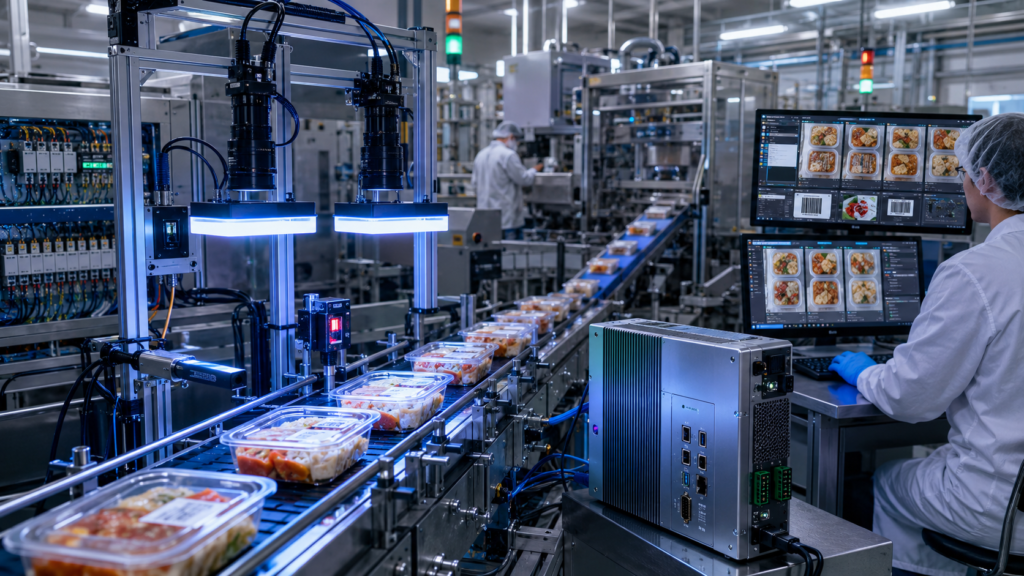
Industrial computers process camera images for food quality inspection, التحقق من التعبئة والتغليف, فحص التسمية, وتتبع الإنتاج.
نظرة عامة على الصناعة
Food Inspection Is Becoming More Automated
Food manufacturers face increasing pressure to improve product consistency, reduce contamination risk, and maintain strong quality records.
Manual inspection is still used in many factories, but it can be limited by fatigue, سرعة, ظروف الإضاءة, and inconsistent judgment. As production lines become faster and more automated, visual inspection also needs to become more stable and repeatable.
Food inspection vision systems can support:
- كشف الأجسام الغريبة
- Color and appearance inspection
- Shape and size verification
- Fill-level inspection
- فحص الختم
- Packaging defect detection
- Label and barcode verification
- Date code inspection
- Sorting and grading
- جمع بيانات التتبع
These applications require reliable computing hardware close to the production process.
Why Vision Systems Are Used in Food Manufacturing
A vision system can inspect products continuously and consistently.
Cameras capture images of food products, الحزم, التسميات, or containers. The industrial computer processes the images and decides whether the product meets quality requirements.
This approach helps reduce manual workload and improves inspection consistency across shifts.
Food inspection vision can be used in many production areas, including bakery, beverage, dairy, meat processing, frozen food, snacks, canned food, packaged meals, and agricultural product sorting.
الحوسبة الصناعية هي طبقة المعالجة المحلية
A food inspection vision system depends on stable local computing.
The industrial computer receives image data, يدير خوارزميات التفتيش, يتواصل مع معدات التشغيل الآلي, and sends inspection results to production systems.
An embedded computer may be installed inside a control cabinet, sorting machine, آلة التعبئة والتغليف, inspection station, or OEM equipment enclosure.
Compared with office-grade PCs, industrial computers provide better suitability for continuous operation, الإدخال/الإخراج الصناعي, تركيب مدمج, and production-floor deployment.

Product variation, packaging reflection, أخطاء التسمية, moisture, foreign objects, and lighting affect food inspection reliability.
التحديات الرئيسية
Product Variation
Food products are naturally variable.
Even normal products may differ in size, شكل, لون, نَسِيج, والمظهر السطحي. This makes inspection more difficult than checking rigid manufactured parts.
A vision system may need to distinguish between acceptable natural variation and real defects.
Common challenges include:
- Uneven product shape
- Color differences
- Surface texture variation
- Broken or damaged items
- Foreign materials
- Overfilled or underfilled packages
- تسميات التجاعيد
- Reflective packaging
- Moisture or condensation
- حركة المنتج سريعة
The inspection computer must process images reliably and support stable inspection logic under these variable conditions.
الإضاءة وانعكاس السطح
Lighting is critical in food inspection.
تغليف شفاف, glossy films, علب معدنية, الزجاجات البلاستيكية, wet surfaces, and dark products can create glare, الظلال, أو التباين المنخفض.
يمكن أن تؤدي جودة الصورة الرديئة إلى تقليل دقة الفحص وزيادة الرفض الكاذب.
A practical system requires careful coordination between cameras, العدسات, إضاءة, التركيب الميكانيكي, توقيت الزناد, برمجة, وأجهزة الحوسبة.
The industrial computer must support stable camera acquisition and lighting control when required.
خطوط إنتاج عالية السرعة
Food production lines can operate at high speed.
Inspection must keep up with conveyors, آلات التعبئة, آلات الختم, sorting systems, ومعدات التعبئة والتغليف.
If the computer cannot process images quickly enough, the inspection station may become a bottleneck.
وتشمل عوامل الأداء الهامة:
- دقة الكاميرا
- عدد الكاميرات
- معدل الإطار
- تعقيد خوارزمية التفتيش
- AI model workload
- سرعة الناقل
- رفض توقيت الآلية
- متطلبات التخزين المحلية
- تردد تحميل البيانات
يعد الأداء المستدام المستقر أكثر أهمية من أداء الذروة القصيرة.
Hygiene and Industrial Environment Requirements
Food production environments may include moisture, washdown areas, التغيرات في درجات الحرارة, تراب, powder, اهتزاز, ومساحة التثبيت محدودة.
Although the industrial computer may not always be directly exposed to washdown zones, it must still operate reliably near production equipment and inside control cabinets.
A fanless industrial computer can reduce dust intake and maintenance requirements.
Compact embedded computers can also be useful when the system must be integrated into packaging machines, sorting systems, or inspection equipment.
Traceability and Data Integration
تكون نتائج الفحص ذات قيمة أكبر عند ربطها بسجلات الإنتاج.
A food inspection vision system may need to link image results with batch numbers, معرفات المنتج, الطوابع الزمنية, معرفات المحطة, معلومات التعبئة والتغليف, بيانات التسمية, وسجلات الجودة.
This requires stable communication with MES, أنظمة الجودة, قواعد بيانات الإنتاج, أنظمة الباركود, and factory dashboards.
If inspection data is incomplete, quality analysis and traceability become less reliable.

Industrial computers connect food inspection cameras, معدات الأتمتة, آلات التعبئة والتغليف, زارة التربية والعلم, وأنظمة الجودة بالمصنع.
Food Inspection Vision System Architecture
طبقة الحصول على الصور
تتضمن طبقة الحصول على الصور الكاميرات, العدسات, وحدات الإضاءة, أجهزة الاستشعار الزناد, and mechanical mounting.
This layer captures images of products, الحزم, التسميات, الأختام, containers, or conveyors.
اعتمادا على التطبيق, قد يلتقط النظام:
- Product appearance images
- صور الحزمة
- Seal area images
- صور التسمية
- صور الباركود أو رمز الاستجابة السريعة
- صور رمز التاريخ
- الصور على مستوى التعبئة
- Foreign object images
- Sorting and grading images
Stable image quality is essential before the software can make reliable inspection decisions.
طبقة الحوسبة الصناعية
The industrial computing layer is where the industrial computer or embedded computer performs local image processing.
عند هذه الطبقة, الكمبيوتر قد:
- تلقي بيانات الصورة من الكاميرات
- Run inspection software
- Execute AI inference models
- اكتشاف العيوب أو الانحرافات
- Verify labels and barcodes
- Check fill level or seal quality
- تخزين صور وسجلات التفتيش
- إرسال نتائج النجاح أو الفشل إلى PLCs
- تحميل البيانات إلى أنظمة الجودة
- عرض حالة الفحص محليًا
This layer must be stable because it directly affects inspection accuracy, رفض التوقيت, واستمرارية الإنتاج.
طبقة التحكم الآلي
تقوم طبقة التحكم الآلي بربط نظام الرؤية بمعدات الإنتاج.
بلك, تحكم الناقل, sorting machine, آلة تعبئة, آلة التعبئة والتغليف, أو قد تؤدي آلية الرفض إلى التقاط الصور أو تلقي نتائج الفحص.
على سبيل المثال, if a package label is incorrect, يمكن للكمبيوتر الصناعي إرسال إشارة فشل إلى PLC. The system may then activate a reject mechanism or alert the operator.
This closed-loop communication helps turn inspection results into practical production action.
طبقة إدارة البيانات
Food inspection data often needs to be stored and connected with production records.
قد يرسل الكمبيوتر الصناعي البيانات إلى MES, برامج إدارة الجودة, قواعد بيانات الإنتاج, أو لوحات المصنع.
قد تشمل البيانات:
- معرف المنتج
- رقم الدفعة
- نتيجة التفتيش
- فئة الخلل
- أدلة الصورة
- الطابع الزمني
- معرف المحطة
- رقم السطر
- Label information
- رفض الحالة
وهذا يدعم إمكانية التتبع, تقارير الجودة, تحسين العملية, and customer audit preparation.
طبقة واجهة المستخدم
يحتاج المشغلون والمهندسون إلى واجهة محلية عملية.
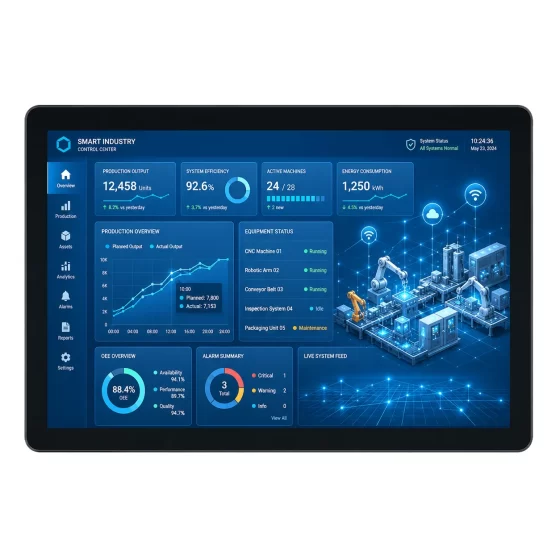
قد يتصل الكمبيوتر الصناعي بشاشة, شاشة تعمل باللمس, لوحة المفاتيح, أو لوحة HMI. يمكن للواجهة عرض الصور الحية, نتائج التفتيش, مواقع الخلل, إنذار, التهم الإنتاج, وسجلات النظام.
A clear interface helps maintenance teams adjust settings, review rejected products, واستكشاف مشكلات الفحص وإصلاحها بسرعة.

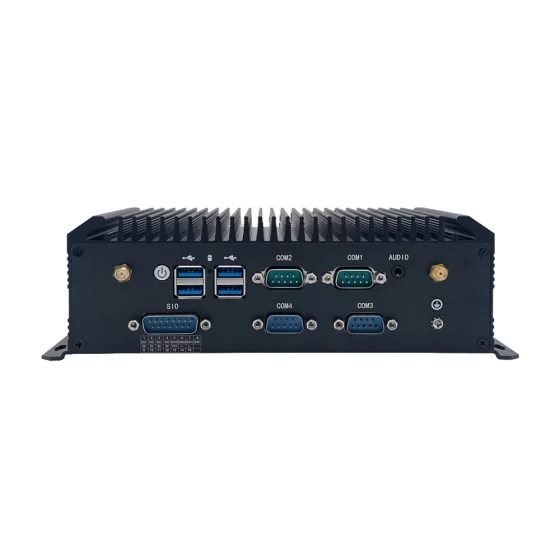
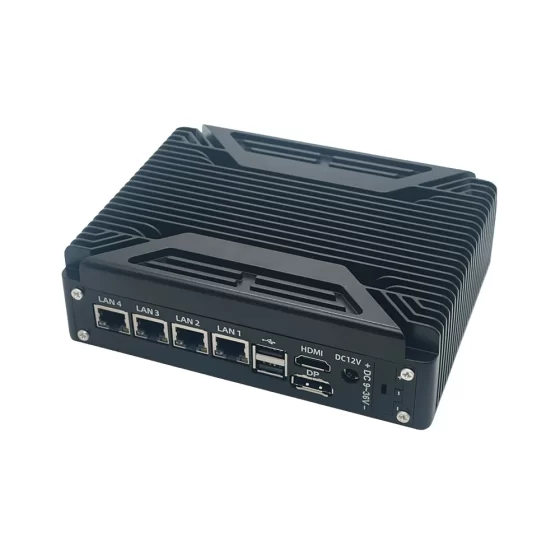
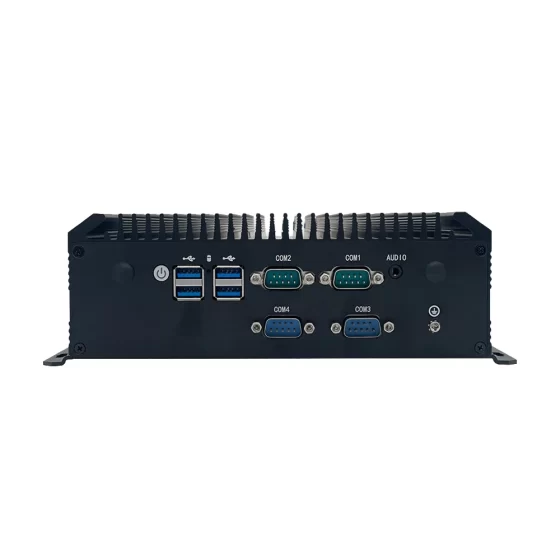
Fanless industrial computers support reliable food inspection deployment in factory cabinets and production lines.
الميزات الرئيسية
أداء معالجة الصور مستقر
A food inspection vision computer must provide stable image processing performance.
تتطلب التطبيقات المختلفة مستويات حوسبة مختلفة. Simple barcode or label verification may use a compact embedded computer. Multi-camera AI inspection or high-speed sorting may require a more powerful industrial PC or edge AI computer.
ينبغي النظر في اختيار الأجهزة:
- دقة الكاميرا
- عدد الكاميرات
- سرعة الناقل
- تعقيد نموذج الذكاء الاصطناعي
- زمن دورة التفتيش
- تخزين الصور المحلية
- متطلبات العرض
- توقيت الاتصال PLC
- MES or database upload needs
The goal is stable inspection during real production, not only high benchmark scores.
دعم واجهة الكاميرا والرؤية
Food inspection systems commonly use USB or Ethernet cameras.
The industrial computer should provide the required camera interfaces and enough bandwidth for stable image acquisition.
Useful features may include:
- USB 3.0 الموانئ
- منافذ LAN متعددة
- توسعة M.2
- توسيع PCIe
- مخرج HDMI أو DisplayPort
- تخزين عالي السرعة
- تصميم طاقة مستقر
للأنظمة متعددة الكاميرات, قد يلزم فصل حركة مرور الكاميرا عن حركة مرور شبكة المصنع.
الإدخال/الإخراج الصناعي لتكامل الإنتاج
The vision computer must connect with real production equipment.
قد تتضمن خيارات الإدخال/الإخراج المهمة:
- لان
- USB
- RS232
- RS485
- جيبيو
- الإدخال الرقمي
- الإخراج الرقمي
- اتش دي ام اي
- منفذ العرض
يمكن لهذه الواجهات دعم الكاميرات, أجهزة الاستشعار, الشركات المحدودة العامة, وحدات تحكم الإضاءة, قارئات الباركود, إنذار, الناقلات, الطابعات, وآليات الرفض.
يعمل الإدخال/الإخراج المرن على تقليل المحولات الخارجية وتحسين موثوقية النظام.
تصميم بدون مروحة وقوي
Fanless industrial computers are useful in many food inspection environments.
إنها تقلل من دخول الغبار وتزيل نقطة عطل ميكانيكية شائعة. This is valuable in production areas where flour, powder, جزيئات, or limited maintenance access may affect standard PCs.
يساعد الغلاف المتين على حماية الكمبيوتر من الاهتزاز, إجهاد الكابل, وشروط تركيب الخزانة.
لا يزال ينبغي مراجعة التصميم الحراري بعناية, especially for high-performance vision or AI workloads.
تخزين موثوق لسجلات التفتيش
Food inspection systems may need to store images, سجلات, سجلات العيوب, label verification results, and production reports.
يُفضل عادةً تخزين SSD لأنه يوفر استجابة سريعة ومقاومة أفضل للصدمات مقارنة بمحركات الأقراص الميكانيكية.
For systems that store many inspection images, سعة التخزين, اكتب التحمل, ويجب مراجعة سياسة الاحتفاظ بالبيانات أثناء تصميم النظام.
دورة حياة طويلة وقابلية الصيانة
Food production equipment may remain in service for many years.
التغييرات المتكررة في نماذج الكمبيوتر, واجهات, السائقين, أو يمكن أن تؤدي خيارات التوسيع إلى إنشاء مشكلات تتعلق بالتحقق من الصحة والصيانة.
Industrial computing platforms with lifecycle planning help manufacturers and machine builders maintain stable inspection systems across multiple lines, plants, and equipment generations.

Food inspection vision systems improve packaging verification, إمكانية التتبع, فرز, defect review, and production quality monitoring.
سيناريوهات النشر
Foreign Object Detection
Food inspection vision systems can help detect foreign objects on production lines.
Cameras inspect products or conveyor surfaces, while the industrial computer processes images to identify abnormal objects, تلوث, or visible materials that do not belong in the product flow.
The system can send fail results to a PLC or reject mechanism for automatic removal.
Product Appearance Inspection
Food products may need appearance inspection for color, شكل, مقاس, عيوب السطح, or damage.
A vision computer can process images and compare products against quality rules or AI models.
This is useful for baked goods, snacks, fruits, vegetables, meat products, frozen foods, and packaged food items.
Sorting and Grading
Vision systems can support product sorting and grading.
The computer can analyze visual features such as color, مقاس, شكل, حالة السطح, or visible defects. The system can then send sorting instructions to automation equipment.
This helps improve consistency in agricultural products, processed foods, and packaged goods.
Fill-Level Inspection
Fill-level inspection is important for bottles, الجرار, علب, أكواب, الصواني, and packaged liquids or semi-liquid products.
A vision system can verify whether the product level is within the expected range.
The industrial computer processes the image and sends pass or fail results to the production control system.
Seal and Package Inspection
Packaging defects can affect product safety, shelf life, and customer satisfaction.
A food inspection vision system can check seal quality, تلف الحزمة, missing lids, poor closure, wrinkles, تشوه, or visible contamination.
The vision computer processes images and records inspection results for quality tracking.
Label and Barcode Verification
Food packaging often requires accurate labels, الرموز الشريطية, رموز الاستجابة السريعة, رموز التاريخ, أرقام الدفعة, and product information.
A vision system can verify that the correct label is present, قابلة للقراءة, ووضعها بشكل صحيح.
The industrial computer can connect recognition results with production records, خطوط التعبئة والتغليف, and traceability systems.
فحص الجودة النهائي
قبل الشحن, food products may require final inspection.
The system can check packaging appearance, دقة التسمية, barcode readability, عدد المنتجات, package integrity, والعيوب الظاهرة.
This helps reduce shipment errors and supports quality assurance before products leave the factory.
OEM Food Inspection Equipment
Machine builders can integrate embedded computers or industrial motherboards into food inspection equipment.
The computing platform can provide camera processing, عرض اتش ام اي, الاتصالات PLC, رفض السيطرة, التخزين المحلي, وإخراج البيانات.
This helps OEMs deliver inspection systems that are ready for factory integration.
فوائد الأعمال
تحسين اتساق التفتيش
A food inspection vision system helps improve inspection consistency across production shifts.
Industrial computers process images according to defined rules or AI models. وهذا يقلل من الاعتماد على الحكم اليدوي ويساعد في الحفاظ على أداء فحص مستقر.
Consistent inspection is especially important for high-speed production and repetitive quality checks.
تقليل عبء عمل الفحص اليدوي
Manual inspection can be repetitive and tiring.
Vision systems automate many inspection tasks, allowing operators to focus on exception handling, machine setup, وتحسين العملية.
This can improve efficiency while reducing the risk of missed defects caused by fatigue.
قرارات الجودة أسرع
Local image processing allows quality decisions to happen near the production line.
يمكن للكمبيوتر الصناعي إرسال المرور, يفشل, أو نتائج فئة الخلل إلى PLCs وآليات الرفض بسرعة.
This helps remove defective products earlier and reduces downstream quality risk.
تتبع أقوى
Inspection results can be linked with batch numbers, معرفات المنتج, بيانات التسمية, الصور, الطوابع الزمنية, ومعلومات المحطة.
This creates stronger quality records for food production.
Reliable traceability supports audits, customer complaints investigation, process analysis, والتحسين المستمر.
تحسين عملية أفضل
Food inspection vision systems generate useful quality data.
Manufacturers can analyze defect trends, مشاكل التعبئة والتغليف, labeling errors, sorting results, واختلاف العملية.
A reliable industrial computer helps ensure that this data is collected consistently and connected to factory systems.
Scalable Production Deployment
A standardized industrial computing platform makes it easier to deploy food inspection systems across multiple lines and factories.
تعمل الأجهزة المتسقة على تبسيط صور البرامج, إدارة السائق, تخطيط قطع الغيار, التدريب على الصيانة, والدعم الفني على المدى الطويل.
This supports scalable digital quality control in food manufacturing.
لماذا كورIPC
توفر CoreIPC منصات حوسبة صناعية لرؤية الآلة, أتمتة المصنع, الأنظمة المدمجة, and quality inspection applications. For food inspection vision systems, يركز CoreIPC على أجهزة الكمبيوتر الصناعية الموثوقة, حلول الكمبيوتر المدمجة, تكوينات الإدخال/الإخراج المرنة, تصميم نظام مدمج, ودعم التخصيص OEM/ODM. CoreIPC يساعد تكامل النظام, food equipment builders, وتقوم فرق التصنيع باختيار منصات الحوسبة التي تتوافق مع متطلبات النشر الحقيقية, بما في ذلك واجهات الكاميرا, inspection workloads, الاتصالات الأتمتة, طرق التركيب, مدخلات الطاقة, التصميم الحراري, احتياجات التخزين, وتخطيط دورة الحياة.
الأسئلة المتداولة
1. What is a food inspection vision system?
A food inspection vision system uses cameras, إضاءة, برامج التفتيش, and industrial computing hardware to inspect food products or packaging automatically.
It can detect appearance defects, foreign objects, قضايا مستوى التعبئة, مشاكل التعبئة والتغليف, أخطاء التسمية, مشاكل الباركود, and visible quality abnormalities. The system helps improve inspection consistency and connects quality data with production records.
2. Why use an industrial computer for food inspection vision?
An industrial computer provides the processing and connectivity required for vision inspection on production lines.
يمكنه استقبال صور الكاميرا, run inspection software or AI models, التواصل مع PLCs, الاتصال بأجهزة الاستشعار وأجهزة التحكم في الإضاءة, سجلات فحص المتجر, and upload data to quality systems. It is more suitable than an office PC for continuous industrial operation.
3. How is an embedded computer used in food inspection equipment?
يمكن تركيب جهاز كمبيوتر مدمج داخل أجهزة الفحص, خزائن التحكم, sorting systems, آلات التعبئة والتغليف, or compact production workstations.
يمكنه معالجة بيانات الكاميرا, communicate with automation equipment, display local inspection results, وإرسال السجلات إلى أنظمة المصنع. Its compact design makes it useful for OEM food inspection equipment.
4. What can food inspection vision detect?
Food inspection vision can support detection of product damage, اختلاف اللون, shape abnormalities, foreign objects, قضايا مستوى التعبئة, عيوب الختم, أخطاء التسمية, مشاكل الباركود, packaging damage, and visible contamination.
تعتمد القدرة على الكشف الدقيق على إعداد الكاميرا, تصميم الإضاءة, software logic, اختلاف المنتج, واختبار الإنتاج الحقيقي.
5. What interfaces are important for food inspection vision computers?
قد تتضمن الواجهات المهمة USB 3.0, منافذ LAN متعددة, RS232, RS485, جيبيو, المدخلات الرقمية, الإخراج الرقمي, اتش دي ام اي, منفذ العرض, م.2, وتوسيع PCIe.
واجهات الكاميرا مهمة للحصول على الصور. Industrial I/O is useful for PLC communication, أجهزة الاستشعار الزناد, التحكم في الإضاءة, إنذار, الناقلات, وآليات الرفض.
6. Is a fanless industrial computer suitable for food inspection?
غالبًا ما يكون الكمبيوتر الصناعي بدون مروحة مناسبًا لأنه يقلل من دخول الغبار ويزيل نقطة الفشل الميكانيكي الشائعة.
This can be useful in food production environments with particles, powder, أو ساعات العمل الطويلة. لكن, الظروف الحرارية, cabinet placement, workload, and maintenance requirements should be reviewed before final selection.
7. How does vision inspection support food traceability?
Vision inspection supports traceability by connecting inspection results with product IDs, أرقام الدفعة, الطوابع الزمنية, معلومات المحطة, بيانات التسمية, قيم الباركود, وسجلات الصور.
يمكن تحميل هذه البيانات إلى MES, أنظمة الجودة, أو قواعد بيانات الإنتاج. Complete records help support audits, customer complaint analysis, وتحسين العملية.
8. Can food inspection vision systems use AI?
نعم. AI can be used when defects are variable or difficult to define with fixed rules.
AI models can help identify surface defects, product abnormalities, مشاكل التعبئة والتغليف, and foreign objects. لكن, successful AI inspection still depends on good camera selection, تصميم الإضاءة, التدريب النموذجي, وأجهزة الحوسبة الصناعية المستقرة.
9. What should be tested before deploying a food inspection vision system?
قبل النشر, يجب اختبار النظام بمنتجات حقيقية, real packaging, إضاءة الإنتاج, سرعة الناقل الفعلية, دقة الكاميرا, برامج التفتيش, الاتصالات PLC, رفض التوقيت, عبء عمل التخزين, وظروف الشبكة.
وينبغي أيضًا اختبار الاستقرار طويل الأمد والأداء الحراري لتقليل مخاطر الإنتاج.
10. Can food inspection vision connect with MES or quality systems?
نعم. Industrial computers can send inspection results to MES, قواعد بيانات الجودة, أو لوحات المصنع.
قد تتضمن البيانات التي تم تحميلها معرفات المنتج, أرقام الدفعة, نتائج التفتيش, فئات العيوب, سجلات الصور, الطوابع الزمنية, and line information. This helps connect quality inspection with production traceability and process analysis.
خاتمة
A food inspection vision system is a practical foundation for automated quality control, التحقق من التعبئة والتغليف, كشف العيب, إمكانية التتبع, and production data integration in food manufacturing.
من خلال وضع أجهزة الحوسبة الصناعية بالقرب من الكاميرات, أنظمة الإضاءة, أجهزة الاستشعار, الشركات المحدودة العامة, الناقلات, آلات التعبئة والتغليف, وآليات الرفض, يمكن للمصنعين معالجة بيانات الفحص محليًا والاستجابة بشكل أسرع لمشكلات الجودة.
يجب اختيار الكمبيوتر الصناعي المناسب أو الكمبيوتر المدمج وفقًا لمتطلبات النشر الحقيقية, بما في ذلك واجهة الكاميرا, عبء العمل المعالجة, تكوين الإدخال/الإخراج, تصميم الشبكة, احتياجات التخزين, طريقة التركيب, مدخلات الطاقة, الظروف الحرارية, دعم نظام التشغيل, وتخطيط دورة الحياة.
CoreIPC supports food inspection vision projects with industrial computing platforms designed for practical factory deployment. مع أساس الأجهزة الصحيح, food manufacturers and equipment builders can build more reliable, قابلة للتطوير, وأنظمة مراقبة الجودة المبنية على البيانات.
اتصل بنا
أبحث عن جهاز كمبيوتر صناعي, الكمبيوتر المدمج, or industrial motherboard for a food inspection vision system?
تواصل مع CoreIPC لمناقشة متطلبات مشروعك, بما في ذلك واجهة الكاميرا, عبء عمل التفتيش, تكوين الإدخال/الإخراج, الاتصالات الأتمتة, طريقة التركيب, مدخلات الطاقة, بيئة التشغيل, احتياجات دورة الحياة, وخيارات التخصيص OEM/ODM.