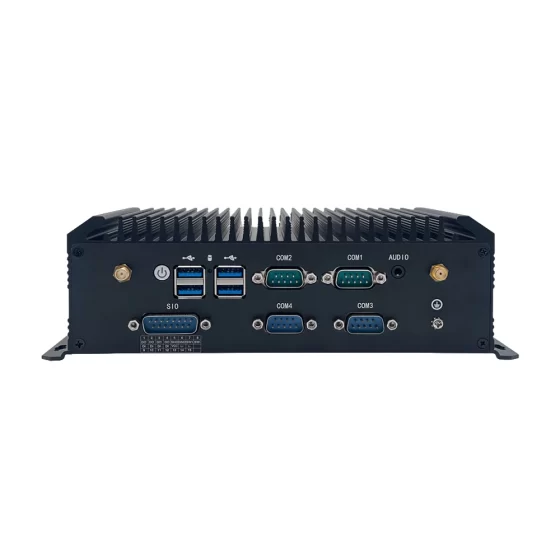
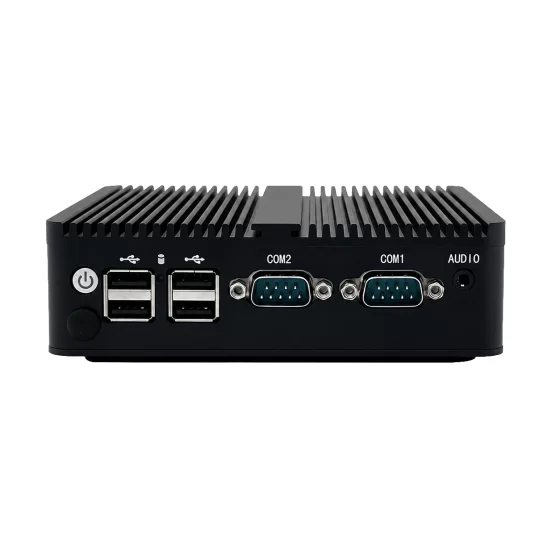
حلول الحوسبة الصناعية CoreIPC

نظام الرؤية للتعرف على الباركود: نظام رؤية الباركود للتعرف الصناعي الموثوق
ملخص تنفيذي
يعد نظام رؤية الباركود جزءًا مهمًا من التعريف الصناعي الحديث, إمكانية تتبع الإنتاج, أتمتة الخدمات اللوجستية, ومراقبة الجودة.
في بيئات التصنيع, يتم استخدام الباركود للتعرف على المنتجات, عناصر, كرتون, المنصات, أدوات, مواد, وسجلات العملية. لكن, غالبًا ما يكون التعرف على الباركود على أرضية المصنع أكثر تعقيدًا من المسح الضوئي البسيط في المكتب. يمكن طباعة الرموز على الأسطح المنحنية, الأجزاء المعدنية, التسميات, التعبئة والتغليف البلاستيكية, مركبات ثنائي الفينيل متعدد الكلور, صناديق, أو نقل المنتجات. وقد تتأثر أيضًا بالغبار, وهج, اهتزاز, الإضاءة السيئة, تباين منخفض, أو طمس الحركة.
يجمع نظام رؤية الباركود الموثوق به بين الكاميرات الصناعية, إضاءة, برامج معالجة الصور, وأجهزة الحوسبة الصناعية المستقرة. يعمل الكمبيوتر الصناعي أو الكمبيوتر المدمج كمنصة معالجة محلية. فهو يلتقط بيانات الصورة, تشغيل برنامج التعرف, يتصل بمعدات الإنتاج, يتواصل مع منصات MES أو WMS, ويخزن سجلات التفتيش عند الحاجة.
للمصنعين, تكامل النظام, وبناة معدات OEM, يعد اختيار الكمبيوتر الصناعي المناسب أمرًا ضروريًا. يجب أن يدعم النظام واجهات الكاميرا, معالجة مستقرة, الإدخال/الإخراج الصناعي, اتصالات الشبكة, عملية مستمرة, والنشر العملي بالقرب من خطوط الإنتاج.
يشرح هذا المقال كيفية عمل أنظمة رؤية الباركود في البيئات الصناعية, ما هي التحديات التي تظهر أثناء النشر, كيف يتم تنظيم بنية الحل, وما هي ميزات الأجهزة المهمة للتعرف الموثوق على الباركود.
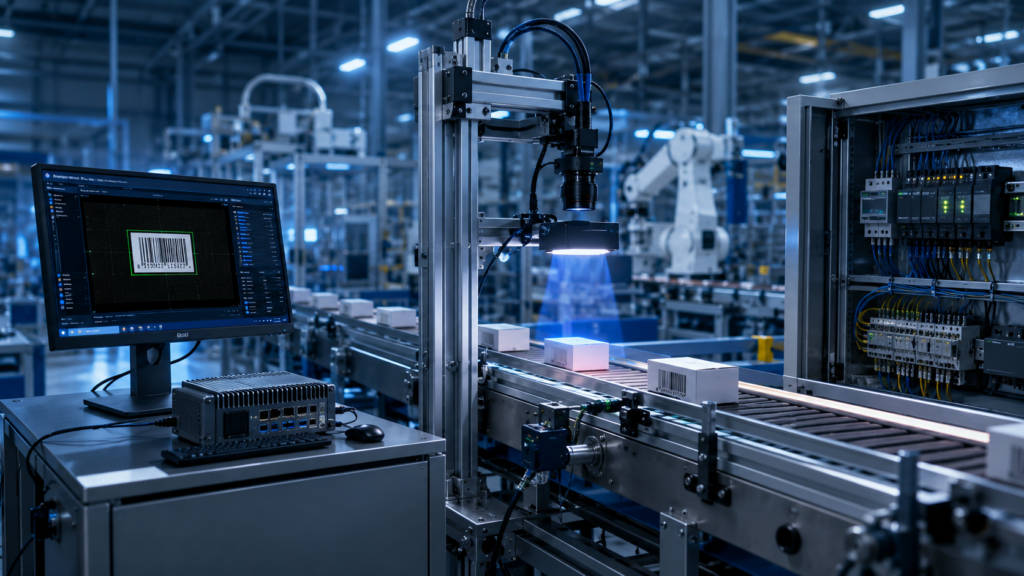
تقوم أنظمة الرؤية بقراءة الباركود تلقائيًا على المنتجات المتحركة وخطوط الإنتاج.
نظرة عامة على الصناعة
يعد التعرف على الرمز الشريطي أمرًا أساسيًا لإمكانية التتبع الصناعي
يستخدم التعرف على الباركود على نطاق واسع في التصنيع, التعبئة والتغليف, اللوجستية, التخزين, وفحص الجودة.
في بيئات الإنتاج, قد يمثل كل رمز شريطي رقمًا تسلسليًا للمنتج, دفعة مادية, أمر العمل, طريق العملية, سجل الاختبار, أو ملصق الشحن. عندما يتم قراءة رمز بشكل صحيح, يمكن للنظام ربط السلع المادية بالسجلات الرقمية.
هذا يدعم:
- إمكانية تتبع المنتج
- تتبع المواد
- توجيه الإنتاج
- ضبط الجودة
- إدارة المستودعات
- التحقق من التغليف
- تأكيد الشحن
- التحكم في منع الخلط
- منع أخطاء العملية
عندما تصبح المصانع أكثر رقمية, لم يعد التعرف على الباركود مهمة مسح ضوئي معزولة. إنه جزء من سير عمل أكبر للبيانات الصناعية.
لماذا يتم استخدام التعرف على الباركود على أساس الرؤية
لا تزال الماسحات الضوئية المحمولة والماسحات الضوئية الليزرية الثابتة تستخدم في العديد من التطبيقات, لكن التعرف على الباركود القائم على الرؤية يوفر المزيد من المرونة.
يمكن لنظام رؤية الباركود فحص رموز متعددة في صورة واحدة, قراءة الرموز على المنتجات المتحركة, التحقق من موضع التسمية, كشف عيوب الطباعة, والتقاط أدلة الصور لسجلات الجودة.
ويمكنه أيضًا التعرف على أنواع التعليمات البرمجية المختلفة, مثل:
- 1الباركود D
- رموز الاستجابة السريعة
- رموز مصفوفة البيانات
- التسميات المطبوعة
- علامات الجزء المباشر
- تسميات الكرتون أو الحزمة
- رموز تعريف ثنائي الفينيل متعدد الكلور
لخطوط الإنتاج الآلي, يمكن لنظام الرؤية تقليل المسح اليدوي وتحسين الاتساق.
الحوسبة الصناعية هي أساس المعالجة
يحتاج نظام رؤية الباركود إلى حوسبة محلية موثوقة.
يستقبل الكمبيوتر الصناعي بيانات الصور من الكاميرات, يدير خوارزميات التعرف, يتصل بوحدات التحكم في الإضاءة, يتلقى إشارات الزناد, يتواصل مع PLCs, ويرسل النتائج إلى MES, WMS, تخطيط موارد المؤسسات, أو قواعد بيانات الإنتاج.
غالبًا ما يتم استخدام الكمبيوتر المدمج عندما تكون المساحة محدودة أو عندما يجب تثبيت النظام داخل الأجهزة, خزائن, محطات التفتيش, أو معدات تصنيع المعدات الأصلية.
بالمقارنة مع أجهزة الكمبيوتر المكتبية, توفر أجهزة الكمبيوتر الصناعية ملاءمة أفضل للتشغيل المستمر للمصنع, الإدخال/الإخراج الصناعي, تركيب وعرة, شبكات مستقرة, والنشر على المدى الطويل.

إضاءة, انعكاس السطح, حركة, وجودة الباركود تؤثر على موثوقية التعرف.
التحديات الرئيسية
جودة الباركود سيئة
يمكن أن تختلف جودة الباركود بشكل كبير في بيئات الإنتاج الحقيقية.
قد يتم خدش الملصقات, التجاعيد, غير محاذية, تلاشى, مغطاة جزئيا, أو مطبوعة بتباين منخفض. قد تكون علامات الأجزاء المباشرة ضحلة, عاكس, أو مشوهة بنسيج السطح.
يجب أن يتعامل نظام رؤية الباركود مع هذه الشروط العملية دون توليد الكثير من القراءات الخاطئة أو القراءات المفقودة.
اختيار جيد للكاميرا, تصميم الإضاءة, معالجة الصور, واستقرار الحوسبة كلها أمور مهمة.
الإضاءة وانعكاس السطح
تعتبر الإضاءة أحد أهم العوامل في رؤية الباركود.
الأسطح العاكسة مثل المعدن, فيلم بلاستيكي, التعبئة والتغليف لامعة, أو قناع لحام ثنائي الفينيل متعدد الكلور يمكن أن يخلق الوهج. قد تتطلب المواد الداكنة إضاءة أقوى. قد تؤدي الأسطح المنحنية أو غير المستوية إلى خلق ظلال وتشويه.
يجب أن يدعم كمبيوتر الرؤية الحصول على صور ثابتة والتواصل مع وحدات التحكم في الإضاءة عند الحاجة.
في العديد من المشاريع الصناعية, تصميم الإضاءة لا يقل أهمية عن الكاميرا أو البرنامج.
سرعة الحركة والإنتاج
قد تتحرك خطوط الإنتاج بسرعة.
إذا مرت المنتجات عبر منطقة التفتيش بسرعة عالية, يجب أن يلتقط النظام صورًا حادة ويعالجها بسرعة كافية لمواكبة الإنتاج.
طمس الحركة, تأخير الزناد, التعرض للكاميرا, سرعة نقل الصورة, وأداء المعالجة كلها تؤثر على موثوقية التعرف.
يجب أن يوفر الكمبيوتر الصناعي قدرة معالجة كافية لسرعة الخط المطلوبة ودقة الصورة.
التكامل مع أنظمة المصنع
عادة لا تكون نتائج التعرف على الباركود مفيدة إلا إذا كانت متصلة بأنظمة الإنتاج.
قد يحتاج نظام الرؤية إلى التواصل معه:
- الشركات المحدودة العامة
- برنامج مس
- منصات WMS
- أنظمة تخطيط موارد المؤسسات
- طابعات الملصقات
- رفض الآليات
- أنظمة الإنذار
- قواعد بيانات الإنتاج
- الشبكات الصناعية
وهذا يتطلب إدخال/إخراج صناعي موثوق به واتصالات شبكة مستقرة.
التشغيل المستمر في البيئات الصناعية
غالبًا ما يتم تثبيت أنظمة رؤية الباركود مباشرة على خطوط الإنتاج.
قد تعمل أجهزة الكمبيوتر بالقرب من الناقلات, آلات التعبئة والتغليف, محطات التفتيش, الخلايا الروبوتية, أو خزائن التحكم. قد تشمل هذه البيئات الاهتزاز, تراب, حرارة, تدفق هواء محدود, الضوضاء الكهربائية, وساعات العمل الطويلة.
قد يعمل جهاز الكمبيوتر التجاري القياسي أثناء الاختبار الأولي, لكن تشغيل المصنع على المدى الطويل يتطلب أجهزة حوسبة صناعية أكثر استقرارًا.

تقوم أجهزة الكمبيوتر الصناعية بمعالجة صور الباركود وربط نتائج التعرف بأنظمة المصنع.
هندسة حلول نظام رؤية الباركود
طبقة التقاط الصور
تتضمن طبقة التقاط الصور الكاميرات, العدسات, إضاءة, المشغلات, وتركيب الهياكل.
تلتقط الكاميرا صورًا للرموز الشريطية أو الأسطح المميزة. العدسة تحدد مجال الرؤية, مسافة العمل, ووضوح الصورة. تعمل الإضاءة على تحسين التباين وتقليل الانعكاس. تساعد مستشعرات الزناد على التقاط الصور في الوقت الصحيح.
يجب تصميم هذه الطبقة وفقًا للكائن الفعلي, حجم الباركود, حالة السطح, سرعة الخط, ومساحة التثبيت.
يعتمد نظام رؤية الباركود عادةً على جودة الصورة المتسقة قبل أن يتمكن التعرف على البرامج من الأداء بشكل موثوق.
طبقة الحوسبة الصناعية
طبقة الحوسبة الصناعية هي المكان الذي يقوم فيه الكمبيوتر الصناعي أو الكمبيوتر المدمج بالمعالجة المحلية.
عند هذه الطبقة, يجوز للنظام:
- تلقي بيانات الصورة من الكاميرات
- تشغيل برنامج التعرف على الباركود
- معالجة الصور البرمجية 1D و2D
- التحكم في الإضاءة أو توقيت الزناد
- مقارنة بيانات الباركود مع قواعد الإنتاج
- تخزين سجلات الصور عند الحاجة
- إرسال نتائج النجاح أو الفشل إلى PLCs
- تحميل البيانات إلى منصات MES أو WMS
- عرض الحالة على شاشات HMI المحلية
تسمح طبقة الحوسبة المحلية هذه بحدوث التعرف بالقرب من عملية الإنتاج, تقليل التأخير وتحسين موثوقية النظام.
طبقة التحكم والأتمتة
تربط طبقة التحكم نظام رؤية الباركود بمعدات الإنتاج.
قد يرسل جهاز PLC أو وحدة التحكم في الحركة إشارات تشغيل إلى الكمبيوتر الصناعي. بعد التعرف على الباركود, قد يرسل الكمبيوتر النتائج مرة أخرى إلى PLC.
على سبيل المثال, إذا كان الرمز الشريطي للمنتج صحيحًا, قد يستمر الخط. إذا كان الباركود مفقودًا, غير قابل للقراءة, أو غير متطابقة, قد يطلق النظام إنذارًا, أوقف الخط, أو تفعيل آلية الرفض.
يعد هذا الاتصال ذو الحلقة المغلقة ضروريًا لمراقبة الجودة وإمكانية التتبع تلقائيًا.
طبقة إدارة البيانات
غالبًا ما تحتاج بيانات التعرف على الباركود إلى تخزينها أو نقلها.
قد يرسل النظام قيم الباركود, الطوابع الزمنية, معرفات المحطة, ملفات الصور, معلومات المشغل, ونتائج التفتيش إلى MES, WMS, تخطيط موارد المؤسسات, أو قواعد بيانات الجودة.
وهذا يساعد الشركات المصنعة على بناء سجلات كاملة للتتبع.
لبعض التطبيقات, قد يقوم الكمبيوتر الصناعي أيضًا بتخزين البيانات المحلية المؤقتة عندما تكون الشبكة غير متاحة وتحميل السجلات بعد استعادة الاتصال.
طبقة واجهة المستخدم
يحتاج المشغلون والمهندسون غالبًا إلى واجهة محلية.
قد يتصل الكمبيوتر الصناعي بشاشة, شاشة تعمل باللمس, لوحة المفاتيح, أو لوحة العرض. يمكن للواجهة عرض الصور الحية, حالة الاعتراف, رسائل الخطأ, إعدادات الكاميرا, التهم الإنتاج, وسجلات النظام.
تساعد الواجهة المحلية الواضحة فرق الصيانة على ضبط النظام والاستجابة بسرعة عند حدوث مشكلات في التعرف على الرمز الشريطي.

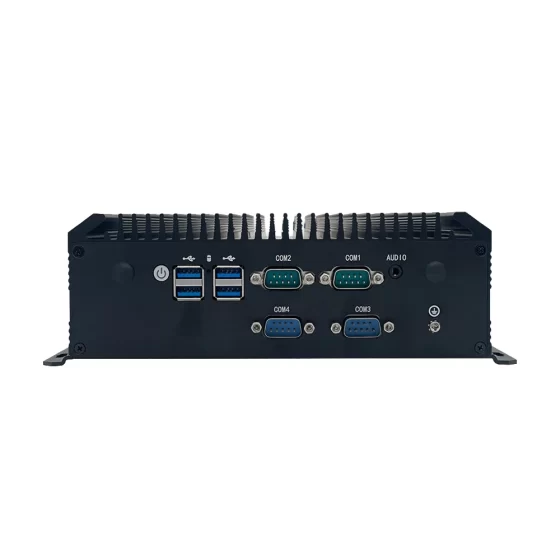
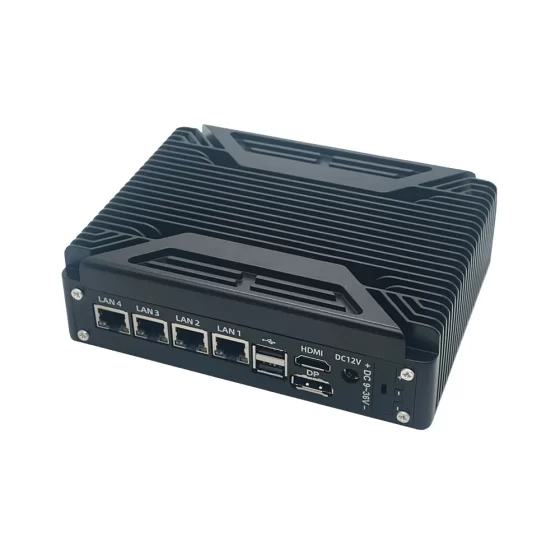
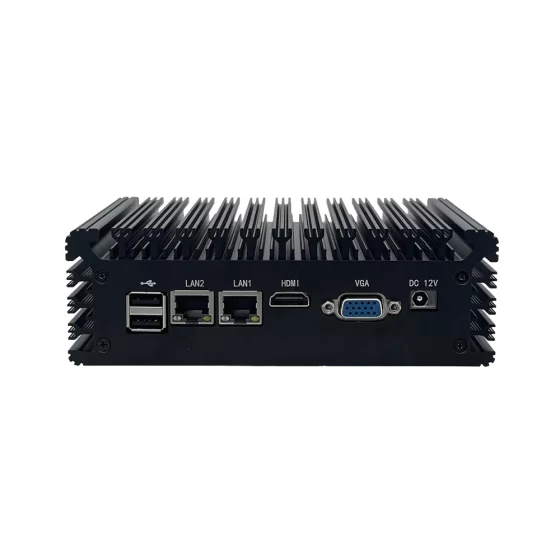
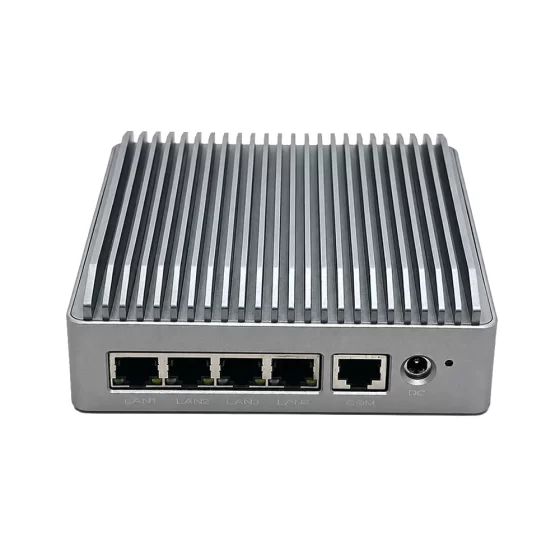
تدعم أجهزة الكمبيوتر الصناعية بدون مروحة نشرًا موثوقًا لرؤية الباركود في خزائن المصنع.
الميزات الرئيسية
أداء معالجة الصور مستقر
تتطلب رؤية الباركود معالجة مستقرة للصور.
يجب أن يقوم الكمبيوتر بمعالجة صور الكاميرا, تشغيل خوارزميات التعرف, التواصل مع أنظمة المصنع, وعرض النتائج دون انقطاع.
الأداء المطلوب يعتمد على:
- دقة الكاميرا
- عدد الكاميرات
- نوع الباركود
- سرعة الخط
- تعقيد معالجة الصور
- اتصالات قاعدة البيانات
- متطلبات تخزين الصور المحلية
للأنظمة البسيطة ذات الكاميرا الواحدة, قد يكون الكمبيوتر المدمج المدمج كافيًا. للأنظمة متعددة الكاميرات أو التعرف عالي السرعة, قد تكون هناك حاجة إلى جهاز كمبيوتر صناعي أكثر قوة.
الكاميرا الصناعية والدعم الطرفي
يجب أن تدعم منصة الحوسبة الكاميرا والواجهات الطرفية المطلوبة.
قد تشمل الواجهات المشتركة:
- USB 3.0
- جيجابت إيثرنت
- منافذ LAN متعددة
- المنافذ التسلسلية
- الإدخال/الإخراج الرقمي
- HDMI أو DisplayPort
- توسعة M.2
- توسيع PCIe صغير
تعد كاميرات USB وEthernet شائعة في أنظمة الرؤية الصناعية. قد تكون منافذ LAN المتعددة مفيدة عند فصل شبكات الكاميرا عن شبكات اتصالات المصنع.
إدخال/إخراج موثوق به لتكامل الأتمتة
غالبًا ما تحتاج أنظمة رؤية الباركود إلى تبادل الإشارات مع معدات التشغيل الآلي.
قد يتصل الكمبيوتر الصناعي بـ PLCs, أجهزة الاستشعار, إنذار, آليات الرفض, الطابعات, أو وحدات تحكم الخط.
قد تتضمن خيارات الإدخال/الإخراج المفيدة:
- RS232
- RS485
- لان
- USB
- جيبيو
- الإدخال الرقمي
- الإخراج الرقمي
يؤدي تكوين الإدخال/الإخراج الصحيح إلى تقليل الحاجة إلى محولات خارجية وتحسين موثوقية النشر.
تصميم بدون مروحة وقوي
غالبًا ما تكون أجهزة الكمبيوتر الصناعية بدون مروحة مناسبة لأنظمة التعرف على الباركود.
إنها تقلل من دخول الغبار وتزيل نقطة عطل ميكانيكية شائعة. يعد هذا مفيدًا في بيئات الإنتاج حيث تعمل الأنظمة بشكل مستمر وقد يكون الوصول إلى الصيانة محدودًا.
يساعد الغلاف المتين أيضًا على حماية منصة الحوسبة من الاهتزاز, حركة الكابل, وضغوط التثبيت.
تخزين السجلات والصور
قد تحتاج أنظمة التعرف على الباركود إلى مساحة تخزين محلية.
قد يقوم الكمبيوتر بتخزين البرامج, سجلات, سجلات الباركود, صور فاشلة في القراءة, تقارير الإنتاج, أو أدلة التفتيش.
يُفضل عادةً تخزين SSD لأنه يوفر استجابة أسرع ومقاومة أفضل للصدمات مقارنة بمحركات الأقراص الميكانيكية.
للأنظمة التي تخزن العديد من الصور, يجب مراجعة سعة التخزين وتحمل الكتابة بعناية.
توافق البرامج ونظام التشغيل
قد يتم تشغيل برنامج رؤية الباركود على نظام التشغيل Windows, لينكس, أو البيئات الصناعية المخصصة.
قبل النشر, يجب التحقق من صحة الأجهزة مع برامج تشغيل الكاميرا, وحدات تحكم الإضاءة, برامج التعرف, أدوات الاتصال PLC, اتصالات قاعدة البيانات, أدوات الصيانة عن بعد, وإعدادات الأمن السيبراني.
يساعد التحقق من الصحة هذا على تقليل مخاطر التكامل أثناء بدء الإنتاج.
سيناريوهات النشر
قراءة الباركود لخط الإنتاج
تعد قراءة الباركود لخط الإنتاج أحد التطبيقات الأكثر شيوعًا.
يتصل الكمبيوتر الصناعي بالكاميرات المثبتة فوق الناقل أو بجانبه. أثناء مرور المنتجات عبر منطقة التفتيش, تلتقط الكاميرا الصور ويقوم الكمبيوتر بقراءة الباركود.
يمكن للنظام التحقق من هوية المنتج, توجيه المنتجات بشكل صحيح, وتحميل السجلات إلى MES أو قواعد بيانات الإنتاج.
التعبئة والتغليف والتحقق من التسمية
غالبًا ما تتطلب خطوط التعبئة والتغليف التحقق من الرمز الشريطي والعلامة التجارية.
يمكن لنظام رؤية الباركود التأكد من تطبيق الملصق الصحيح على العبوة الصحيحة. ويمكنه أيضًا التحقق من إمكانية قراءة الباركود, موقف التسمية, وجودة المعلومات المطبوعة.
إذا كان الرمز الشريطي مفقودًا أو غير قابل للقراءة, يمكن للنظام إرسال إشارة لإيقاف الخط أو رفض المنتج.
إمكانية تتبع ثنائي الفينيل متعدد الكلور والإلكترونيات
غالبًا ما يستخدم تصنيع الإلكترونيات رموز QR أو رموز مصفوفة البيانات على مركبات ثنائي الفينيل متعدد الكلور, عناصر, الصواني, والتعبئة والتغليف.
يمكن للكمبيوتر المدمج معالجة الصور من الكاميرات المثبتة بالقرب من خطوط SMT, محطات الاختبار, مقاعد الإصلاح, أو مناطق التعبئة والتغليف.
يمكن للنظام ربط بيانات الباركود بخطوات الإنتاج, دفعات المكونات, نتائج التفتيش, وسجلات الاختبار.
أتمتة المستودعات والخدمات اللوجستية
تعتبر أنظمة رؤية الباركود مفيدة في تطبيقات المستودعات والخدمات اللوجستية.
يمكن للكاميرات قراءة ملصقات العبوة, رموز الكرتون, معرفات البليت, أو شحن الرموز الشريطية أثناء تحرك العناصر عبر الناقلات أو أنظمة الفرز.
يمكن للكمبيوتر الصناعي إرسال نتائج الباركود إلى WMS أو البرامج اللوجستية, المساعدة في تحسين دقة الفرز وتتبع الشحنات.
الانتقاء والتعامل الآلي
قد تستخدم الأنظمة الآلية التعرف على الرمز الشريطي لتحديد الأجزاء, صناديق, الصواني, أو الحزم.
يستطيع الكمبيوتر الصناعي معالجة صور الكاميرا وإرسال نتائج التعرف إلى وحدة التحكم الروبوتية أو نظام الإنتاج.
وهذا يساعد الروبوتات على اختيار العنصر الصحيح, تأكيد هوية المنتج, ودعم التعامل الآلي مع المواد.
فحص الجودة ومراقبة مكافحة الخلط
يمكن لأنظمة رؤية الباركود أن تمنع خلط المنتج.
يمكن للنظام مقارنة بيانات الباركود مع أمر العمل المتوقع, طريق الإنتاج, أو قواعد التعبئة والتغليف. إذا كان الرمز غير متطابق, يمكن للنظام إطلاق إنذار أو رفض الإجراء.
يعد هذا مفيدًا في الصناعات التي يمكن أن يؤدي فيها وضع العلامات الخاطئة أو المنتجات المختلطة إلى خلق مخاطر تتعلق بالجودة أو الامتثال.
تكامل رؤية آلة OEM
يمكن لمصنعي الآلات دمج أنظمة رؤية الباركود في معداتهم.
يمكن تركيب كمبيوتر مدمج أو لوحة أم صناعية داخل الجهاز لدعم إدخال الكاميرا, معالجة الصور, عرض اتش ام اي, الاتصالات PLC, ومخرجات بيانات الإنتاج.
يتيح ذلك لمعدات OEM توفير وظائف التعريف والتتبع المضمنة.
فوائد الأعمال
تحسين إمكانية التتبع
يساعد نظام رؤية الباركود الشركات المصنعة على بناء سجلات تتبع موثوقة.
من خلال قراءة الرموز الشريطية تلقائيًا في نقاط الإنتاج الرئيسية, يمكن للنظام ربط المنتجات, مواد, العمليات, نتائج التفتيش, وسجلات الشحن.
وهذا يدعم تحليل الجودة, عمليات تدقيق العملاء, التحقيق في الضمان, وتحسين العملية.
تقليل المسح اليدوي
يمكن أن يكون المسح اليدوي بطيئًا وغير متسق.
تعمل رؤية الباركود الآلية على تقليل عبء عمل المشغل وتحسين اتساق المسح الضوئي. إنه مفيد بشكل خاص على الخطوط سريعة الحركة, أنظمة التعبئة والتغليف, أو المناطق التي يصعب فيها مسح المنتجات يدويًا.
وهذا يساعد فرق الإنتاج على تقليل الأخطاء البشرية وتحسين كفاءة سير العمل.
مراقبة الجودة بشكل أفضل
يمكن لأنظمة رؤية الباركود التحقق من وجود الرمز, قابلة للقراءة, وصحيح.
يمكنهم أيضًا دعم فحص الملصقات والتحكم في منع الخلط. إذا ظهر المنتج أو الملصق الخاطئ, يمكن للنظام إطلاق الإنذارات أو رفض الآليات.
وهذا يقلل من خطر الشحن غير الصحيح, وضع العلامات الخاطئة, والتتبع غير الكامل.
تدفق إنتاج أسرع
يمكن لنظام رؤية الباركود المصمم جيدًا التعرف على الرموز دون إيقاف خط الإنتاج.
وهذا يدعم الفحص الأسرع وتدفق المواد بشكل أكثر سلاسة.
عندما يتم توصيل نتائج التعرف إلى MES, WMS, أو أنظمة PLC, يمكن أن تحدث قرارات الإنتاج تلقائيًا وبسرعة.
الاستخدام الأفضل لبيانات الإنتاج
تصبح بيانات التعرف على الباركود أكثر قيمة عند الاتصال بأنظمة المصنع.
يمكن أن يدعم لوحات معلومات الإنتاج, تتبع أمر العمل, تحديثات المخزون, سجلات الجودة, والرؤية اللوجستية.
تساعد أجهزة الكمبيوتر الصناعية في جعل هذا الاتصال موثوقًا به من خلال معالجة البيانات محليًا والتواصل مع الأنظمة ذات المستوى الأعلى.
نشر المصنع قابل للتطوير
تسمح منصة الحوسبة الصناعية الموحدة بنشر أنظمة رؤية الباركود عبر خطوط متعددة, آلات, أو المصانع.
وهذا يبسط صور البرمجيات, قطع غيار, تكامل الكاميرا, التدريب على الصيانة, والدعم الفني.
يعد تخطيط الأجهزة القابلة للتطوير أمرًا مهمًا عندما يصبح التعرف على الرمز الشريطي جزءًا من استراتيجية تصنيع ذكية أكبر.
لماذا كورIPC
توفر CoreIPC منصات حوسبة صناعية لرؤية الآلة, أتمتة المصنع, الأنظمة المدمجة, وتكامل البيانات الصناعية. لتطبيقات نظام رؤية الباركود, يركز CoreIPC على أجهزة الكمبيوتر الصناعية الموثوقة, حلول الكمبيوتر المدمجة, تكوينات الإدخال/الإخراج المرنة, تصميم نظام مدمج, ودعم التخصيص OEM/ODM. CoreIPC يساعد تكامل النظام, بناة الآلة, وتقوم فرق التصنيع باختيار منصات الحوسبة التي تتوافق مع متطلبات النشر الحقيقية, بما في ذلك واجهات الكاميرا, تصميم الشبكة, الاتصالات الأتمتة, طرق التركيب, مدخلات الطاقة, الظروف الحرارية, وتخطيط دورة الحياة.
الأسئلة المتداولة
1. ما هو نظام رؤية الباركود?
يستخدم نظام رؤية الباركود الكاميرات الصناعية, إضاءة, برامج معالجة الصور, وأجهزة الكمبيوتر لقراءة الرموز الشريطية أو الرموز ثنائية الأبعاد تلقائيًا.
يمكنه التعرف على ملصقات المنتجات, رموز الاستجابة السريعة, رموز مصفوفة البيانات, تسميات الكرتون, علامات ثنائي الفينيل متعدد الكلور, وعلامات الجزء المباشر. في المصانع, غالبًا ما يتم استخدامه للتتبع, التحقق من التعبئة والتغليف, توجيه الإنتاج, فرز المستودعات, ومراقبة الجودة.
2. لماذا نستخدم الكمبيوتر الصناعي للتعرف على الباركود?
يوفر الكمبيوتر الصناعي المعالجة والاتصال اللازمين للتعرف الموثوق على الباركود على خطوط الإنتاج.
يمكنه استقبال صور الكاميرا, تشغيل برنامج الرؤية, الاتصال بالـ PLCs, التواصل مع أنظمة MES أو WMS, وتخزين سجلات الاعتراف. بالمقارنة مع أجهزة الكمبيوتر المكتبية, تعد أجهزة الكمبيوتر الصناعية أكثر ملاءمة للاهتزاز, تراب, حرارة, ساعات العمل الطويلة, ومتطلبات الإدخال/الإخراج الصناعية.
3. كيف يتم استخدام الكمبيوتر المدمج في نظام رؤية الباركود?
يمكن تثبيت جهاز كمبيوتر مدمج داخل الأجهزة, خزائن التحكم, محطات التفتيش, أو محطات الرؤية المدمجة.
يقوم بمعالجة بيانات الصورة من الكاميرات, تشغيل برنامج التعرف على الباركود, يتواصل مع PLCs, ويرسل النتائج إلى أنظمة المصنع. حجمها الصغير يجعلها مناسبة لمعدات OEM وبيئات الإنتاج المحدودة المساحة.
4. ما هي الواجهات المهمة لأنظمة رؤية الباركود?
قد تتضمن الواجهات المهمة USB 3.0, جيجابت إيثرنت, منافذ LAN متعددة, RS232, RS485, جيبيو, اتش دي ام اي, منفذ العرض, م.2, وميني PCIe.
تعتبر واجهات الكاميرا ذات أهمية خاصة. تُستخدم كاميرات USB وEthernet بشكل شائع. قد تكون هناك حاجة إلى واجهات تسلسلية أو GPIO للمشغلات, الاتصالات PLC, التحكم في الإضاءة, إنذار, أو رفض الآليات.
5. يمكن لأنظمة رؤية الباركود قراءة الرموز التالفة أو منخفضة التباين?
يمكن لنظام رؤية الباركود المصمم جيدًا تحسين التعرف على الرموز الصعبة, لكن النجاح يعتمد على الإعداد الكامل.
دقة الكاميرا, اختيار العدسة, تصميم الإضاءة, القدرة البرمجية, موضع الكائن, انعكاس السطح, وأداء المعالجة كلها تؤثر على النتائج. تالف, مشوهة, أو يجب اختبار الرموز منخفضة التباين في ظل ظروف الإنتاج الحقيقية قبل النشر.
6. كيف تؤثر الإضاءة على التعرف على الباركود?
تؤثر الإضاءة بشدة على جودة الصورة ودقة التعرف عليها.
الإضاءة السيئة يمكن أن تخلق الوهج, الظلال, تباين منخفض, أو صور غير متساوية. الأسطح العاكسة مثل المعدن, تسميات لامعة, أو قد يتطلب الفيلم البلاستيكي زوايا إضاءة خاصة أو إضاءة منتشرة. يساعد تصميم الإضاءة الجيد برنامج الرؤية على التقاط صور أكثر وضوحًا للرموز الشريطية.
7. هل تحتاج أنظمة رؤية الباركود إلى منافذ LAN متعددة؟?
تعد منافذ LAN المتعددة مفيدة في العديد من عمليات نشر رؤية الباركود.
قد يتصل أحد منافذ LAN بالكاميرات الصناعية أو أجهزة الآلة, بينما يتصل آخر بـ MES, WMS, أو شبكات المصانع. يمكن أن يؤدي هذا الفصل إلى تحسين تنظيم الشبكة, تقليل التدخل في حركة المرور, ودعم تكامل النظام بشكل أفضل.
8. هو جهاز كمبيوتر صناعي بدون مروحة مناسب لرؤية الباركود?
غالبًا ما يكون الكمبيوتر الصناعي بدون مروحة مناسبًا لأنظمة رؤية الباركود, خاصة في مناطق الإنتاج المتربة أو محطات التفتيش طويلة الأمد.
تصميم بدون مروحة يقلل من دخول الغبار ويزيل نقطة الفشل الميكانيكية الشائعة. لكن, يجب أن يظل الكمبيوتر يوفر أداء معالجة وسعة حرارية كافية لدقة الكاميرا, سرعة التعرف, وعبء العمل البرمجيات.
9. كيف تدعم رؤية الباركود إمكانية التتبع?
تدعم رؤية الباركود إمكانية التتبع من خلال قراءة معرفات المنتج تلقائيًا, رموز المواد, أرقام الدفعة, وتسميات الحزمة في نقاط العملية الرئيسية.
يمكن للنظام إرسال هذه البيانات إلى MES, WMS, تخطيط موارد المؤسسات, أو قواعد بيانات الجودة. وهذا يساعد الشركات المصنعة على ربط كل منتج بتاريخ إنتاجه, نتائج التفتيش, معلومات التعبئة والتغليف, وسجلات الشحن.
10. ما الذي يجب مراعاته قبل اختيار أجهزة رؤية الباركود?
يجب على الشركات المصنعة مراجعة نوع الباركود, حجم الكود, المواد السطحية, سرعة الخط, دقة الكاميرا, ظروف الإضاءة, عدد الكاميرات, عبء العمل البرمجيات, متطلبات الإدخال/الإخراج, تصميم الشبكة, طريقة التركيب, مدخلات الطاقة, وبيئة التشغيل.
من المهم أيضًا اختبار الأجهزة بمنتجات حقيقية, تسميات حقيقية, وسرعات الإنتاج الفعلية قبل النشر الكامل.
خاتمة
يعد نظام رؤية الباركود أساسًا عمليًا لتحديد الهوية الصناعية, إمكانية تتبع الإنتاج, التفتيش الآلي, والرقابة اللوجستية.
من خلال الجمع بين الكاميرات, إضاءة, برامج التعرف, وأجهزة الحوسبة الصناعية الموثوقة, يمكن للمصنعين قراءة الرموز بشكل أكثر اتساقًا, تقليل المسح اليدوي, التحقق من التسميات, منع خلط المنتج, وربط بيانات الباركود مع MES, WMS, تخطيط موارد المؤسسات, وأنظمة الجودة.
يجب اختيار الكمبيوتر الصناعي المناسب أو الكمبيوتر المدمج وفقًا لمتطلبات التطبيق الحقيقية, بما في ذلك واجهة الكاميرا, عبء العمل المعالجة, تكوين الإدخال/الإخراج, بنية الشبكة, طريقة التركيب, مدخلات الطاقة, التصميم الحراري, احتياجات التخزين, وتخطيط دورة الحياة.
يدعم CoreIPC مشاريع نظام رؤية الباركود مع منصات الحوسبة الصناعية المصممة للنشر العملي في المصنع. مع أساس الأجهزة الصحيح, يمكن للمصنعين إنشاء أنظمة تعريف أكثر موثوقية وتحسين إمكانية التتبع عبر الإنتاج, التعبئة والتغليف, التخزين, والعمليات اللوجستية.
اتصل بنا
أبحث عن جهاز كمبيوتر صناعي, الكمبيوتر المدمج, أو اللوحة الأم الصناعية لنظام رؤية الباركود?
تواصل مع CoreIPC لمناقشة متطلبات مشروعك, بما في ذلك واجهة الكاميرا, منصة المعالج, تكوين الإدخال/الإخراج, الاتصالات الأتمتة, طريقة التركيب, مدخلات الطاقة, بيئة التشغيل, احتياجات دورة الحياة, وخيارات التخصيص OEM/ODM.