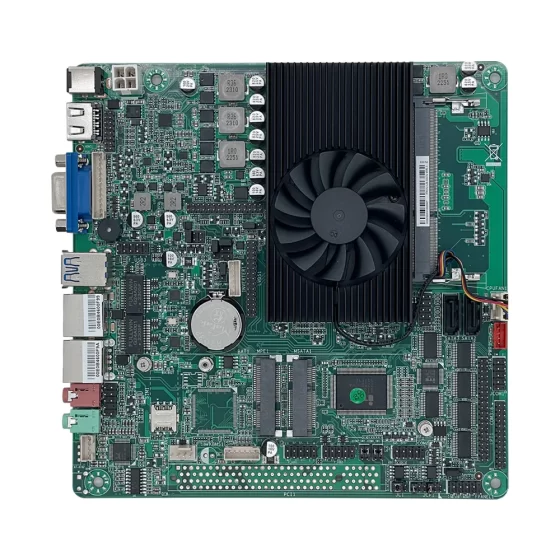
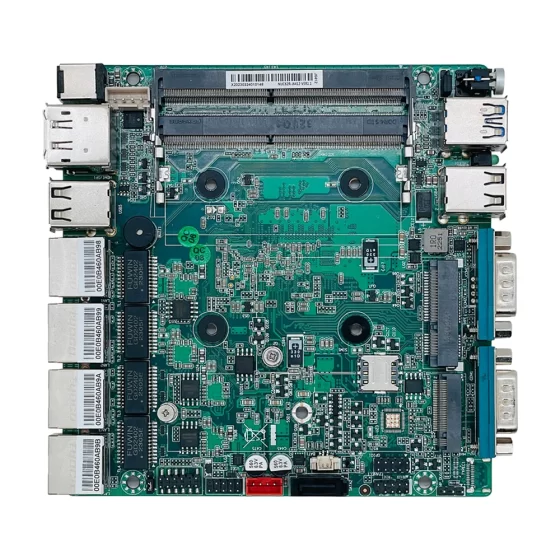
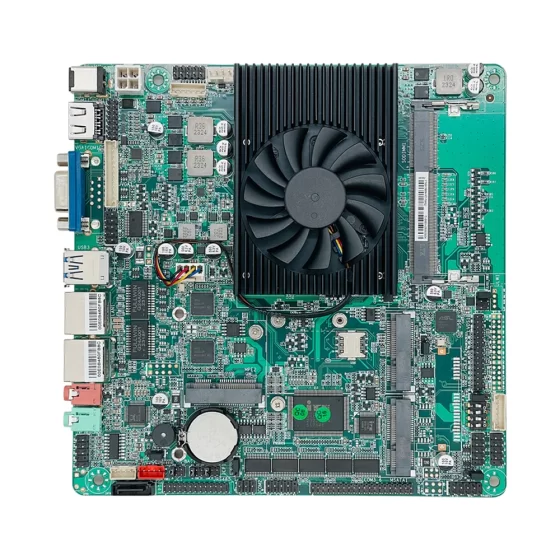
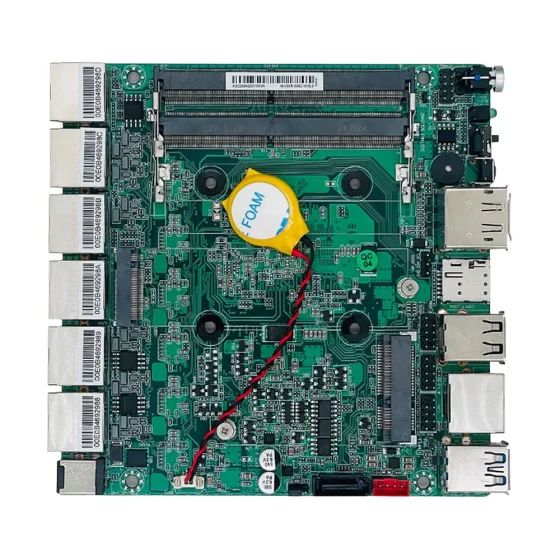
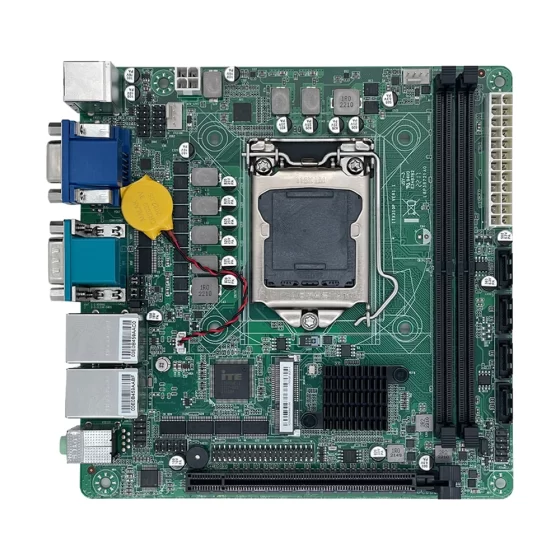
حلول الحوسبة الصناعية CoreIPC

جهاز أمان SD-WAN: جهاز SD WAN للاتصال الآمن بالشبكة الصناعية
ملخص تنفيذي
يوفر جهاز sd wan أساس الحوسبة الصناعية للاتصال الآمن متعدد المواقع, توجيه حركة المرور الذكية, تجزئة الشبكة, الوصول عن بعد, واتصالات الشبكات الصناعية المرنة.
المصانع الحديثة, المستودعات, أنظمة النقل, مواقع الطاقة, وأصبحت المرافق الصناعية النائية أكثر ارتباطا. آلات, الشركات المحدودة العامة, أنظمة سكادا, بوابات إنترنت الأشياء الصناعية, الكاميرات, أجهزة الاستشعار, وغالبًا ما تحتاج أجهزة الكمبيوتر المتطورة إلى تبادل البيانات عبر مواقع مختلفة. في نفس الوقت, يجب أن تظل الشبكات الصناعية محمية, مجزأة, وموثوقة.
شبكة واسعة النطاق محددة بالبرمجيات, أو SD-WAN, يساعد على ربط المواقع الموزعة باستخدام التوجيه المرن, التحكم في حركة المرور على أساس السياسة, إدارة الارتباط, أنفاق VPN, ورؤية الشبكة المركزية. عند نشره كجهاز للأمن الصناعي, يمكن أن تساعد شبكة SD-WAN الشركات المصنعة ومتكاملي الأنظمة على إدارة الاتصال عن بعد بشكل أكثر كفاءة من تصميمات الشبكات التقليدية ذات الارتباط الواحد.
يمكن للكمبيوتر الصناعي أو الكمبيوتر المدمج أن يعمل كجهاز أمان SD-WAN محلي. يمكنه توصيل وصلات WAN الصاعدة, الشبكات المحلية الخاصة بالمصنع, شبكات الآلة, شبكات PLC, أنظمة إنترنت الأشياء الصناعية, منصات الخدمة عن بعد, وأنظمة إدارة السحابة.
بالمقارنة مع أجهزة الشبكات المكتبية القياسية, تعد أجهزة الكمبيوتر الصناعية أكثر ملاءمة للنشر في المصانع والميدان لأنها تدعم التثبيت القوي, تكوينات متعددة LAN, خيارات التصميم بدون مروحة, مدخلات الطاقة مستقرة, الإدخال/الإخراج المرن, تخزين موثوق, وتوافر دورة حياة طويلة.
يشرح هذا المقال كيف تدعم أجهزة أمان SD-WAN الشبكات الصناعية, ما هي التحديات التي تظهر في النشر الحقيقي, كيف يتم تنظيم بنية الحل, وما هي ميزات الأجهزة المهمة عند اختيار كمبيوتر صناعي أو كمبيوتر مضمن لتطبيقات أجهزة SD-WAN.
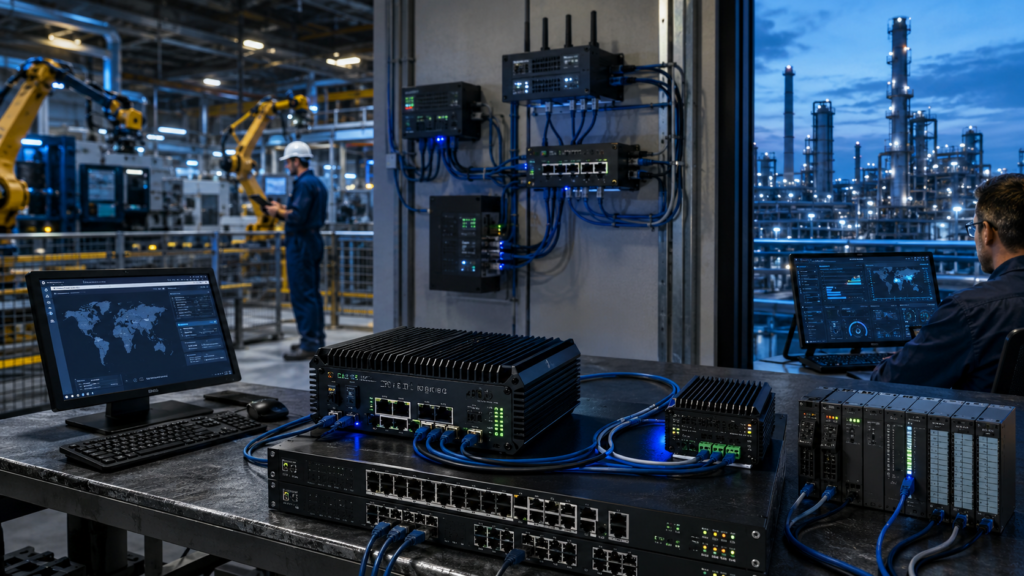
تساعد أجهزة SD-WAN على ربط المصانع الموزعة, المواقع النائية, والشبكات الصناعية بشكل آمن.
نظرة عامة على الصناعة
أصبح الاتصال الصناعي أكثر توزيعًا
لم تعد الشبكات الصناعية مقتصرة على طابق مصنع محلي واحد.
قد يقوم المصنعون بتشغيل مصانع متعددة, مواقع الإنتاج عن بعد, المستودعات, مرافق الطاقة, عقد النقل, مراكز الخدمة, والمعدات المثبتة من قبل العملاء. غالبًا ما تحتاج هذه المواقع إلى اتصال موثوق وآمن.
تشمل احتياجات الاتصال الصناعية المشتركة:
- الشبكات من مصنع إلى مصنع
- صيانة الماكينات عن بعد
- نقل بيانات إنترنت الأشياء الصناعية
- اتصال موقع SCADA
- اتصالات متعددة المستودعات
- الوصول الآمن إلى النظام الأساسي السحابي
- لوحات المراقبة عن بعد
- إدارة بوابة الحافة
- وصلة ربط لشبكة الكاميرا وأجهزة الاستشعار
- رؤية الشبكة المركزية
قد تعتمد تصميمات الشبكات التقليدية على روابط WAN الثابتة, شبكات VPN التي تم تكوينها يدويًا, أو أجهزة توجيه موقع منفصلة. وقد يصبح من الصعب إدارتها مع تزايد عدد المواقع.
يساعد جهاز أمان SD-WAN على تبسيط الاتصال الصناعي الموزع.
لماذا تعتبر SD-WAN مهمة للشبكات الصناعية
تستخدم SD-WAN سياسات محددة برمجيًا لإدارة حركة مرور الشبكة واسعة النطاق.
بدلاً من التعامل مع كل اتصال بنفس الطريقة, يمكنه توجيه حركة المرور وفقًا لنوع التطبيق, حالة الارتباط, السياسة الأمنية, وأولوية الموقع.
في البيئات الصناعية, هذا يمكن أن يساعد في إدارة:
- الوصلات الصاعدة الأساسية والاحتياطية
- أنفاق VPN بين المواقع
- الاتصال السحابي
- الوصول إلى الصيانة عن بعد
- حركة بيانات إنترنت الأشياء الصناعية
- الكاميرا أو مراقبة حركة المرور
- اتصالات بيانات الإنتاج
- تجزئة الشبكة
- تحديد أولويات حركة المرور
- التكوين المركزي
يكون هذا مفيدًا عندما يحتاج المشغلون الصناعيون إلى اتصالات موثوقة ووصول متحكم فيه عبر الشبكات الموزعة.
الأجهزة الصناعية مطلوبة للنشر الحقيقي
يتم تثبيت العديد من أجهزة SD-WAN في غرف خوادم المكاتب.
البيئات الصناعية مختلفة.
يمكن تركيب جهاز SD-WAN صناعي داخل خزانة المصنع, بالقرب من الآلات, في رف شبكة المستودع, داخل خزانة النقل, في أحد مواقع الطاقة, أو في منشأة بعيدة.
قد تتضمن هذه المواقع اهتزازًا, تراب, اختلاف درجة الحرارة, قوة غير مستقرة, الضوضاء الكهربائية, تدفق هواء محدود, وساعات العمل الطويلة.
توفر أجهزة الكمبيوتر الصناعية وأجهزة الكمبيوتر المدمجة أساسًا أقوى للأجهزة لهذه الظروف.
أنها تدعم العبوات الوعرة, تكوينات متعددة LAN, تركيب مدمج, تخزين موثوق, الإدخال/الإخراج الصناعي, ونشر دورة حياة طويلة.

روابط وان, مناطق الشبكة, شبكات PLC, شبكات الآلة, وتؤثر بوابات IIoT على تخطيط نشر SD-WAN.
التحديات الرئيسية
ربط مواقع صناعية متعددة بشكل آمن
يتمثل التحدي الرئيسي في ربط المواقع الموزعة دون تعريض الأنظمة الصناعية دون داعٍ.
قد تحتاج المصانع إلى اتصال آمن بين خطوط الإنتاج, فرق الصيانة عن بعد, المنصات السحابية, وأنظمة البيانات المركزية. لكن, الشركات المحدودة العامة, خوادم SCADA, وحدات تحكم الآلة, ولا ينبغي أن تكون البوابات الصناعية مفتوحة أمام الشبكات غير الخاضعة للرقابة.
يجب أن يدعم جهاز SD-WAN الاتصال الآمن مع الحفاظ على حدود الشبكة واضحة.
تتضمن أسئلة التصميم المهمة:
- المواقع التي تحتاج إلى التواصل?
- المستخدمين الذين يحتاجون إلى الوصول عن بعد?
- ما هي الشبكات التي يجب أن تظل معزولة؟?
- ما هي حركة المرور التي ينبغي أن تكون لها الأولوية?
- ما هي الروابط التي يجب أن تعمل كمسارات لتجاوز الفشل؟?
- ما هي الأنظمة التي يجب أن تتصل بالمنصات السحابية؟?
- ما هي السجلات والأحداث التي يجب الاحتفاظ بها?
الهدف هو تحسين الاتصال دون إضعاف أمان الشبكة.
إدارة روابط WAN المتعددة
قد تستخدم المواقع الصناعية وصلات صاعدة مختلفة.
قد يستخدم المصنع الألياف كرابط أساسي و4G أو 5G كنسخة احتياطية. قد يعتمد الموقع البعيد على الاتصال الخلوي. قد تستخدم عقدة النقل اتصالات سلكية ولاسلكية مختلطة.
يجب أن يساعد جهاز أمان SD-WAN في إدارة هذه الروابط وفقًا للسياسة.
قد تحتاج إلى دعم:
- وصلة WAN الأساسية
- وصلة WAN الاحتياطية
- اتصال جهاز التوجيه الخلوي
- موازنة التحميل
- توجيه تجاوز الفشل
- ربط مراقبة الصحة
- تحديد أولويات حركة المرور
- إعادة إنشاء الأنفاق
- دعم التخزين المؤقت المحلي
تعد إدارة شبكة WAN الموثوقة أمرًا مهمًا عندما تعتمد العمليات الصناعية على الرؤية عن بعد ونقل البيانات.
تجزئة الشبكة بين تكنولوجيا المعلومات والتكنولوجيا التشغيلية
غالبًا ما تحتوي الشبكات الصناعية على أنظمة تكنولوجيا المعلومات والتكنولوجيا التشغيلية.
قد تتضمن شبكات تكنولوجيا المعلومات أنظمة مكتبية, برامج المؤسسة, الوصول إلى السحابة, وأجهزة المستخدم. قد تشتمل شبكات OT على أجهزة PLC, الروبوتات, وحدات تحكم الآلة, أنظمة سكادا, أجهزة الاستشعار, والبوابات الصناعية.
لا ينبغي التعامل مع هذه الشبكات كشبكة مسطحة واحدة.
قد يحتاج جهاز SD-WAN العملي إلى الانفصال:
- وصلة WAN الصاعدة
- شبكة تكنولوجيا المعلومات في المصنع
- شبكة PLC
- شبكة الآلة
- شبكة إنترنت الأشياء الصناعية
- شبكة الكاميرا
- شبكة الخدمة عن بعد
- شبكة الإدارة
تساعد منافذ LAN المتعددة وتصميم السياسات الدقيق في دعم التجزئة.
حركة المرور المشفرة وأداء التوجيه
قد تحتاج أجهزة SD-WAN إلى معالجة الأنفاق المشفرة, سياسات جدار الحماية, قواعد التوجيه, ومراقبة حركة المرور بشكل مستمر.
الأداء المطلوب يعتمد على:
- عدد المواقع المتصلة
- عدد أنفاق VPN
- الإنتاجية المشفرة
- سرعة ارتباط الشبكة الواسعة (WAN).
- تعقيد قاعدة جدار الحماية
- عبء العمل لمراقبة حركة المرور
- المستخدمين عن بعد
- متطلبات الاتصال السحابي
- حجم التسجيل
- قواعد تجزئة الشبكة
قد تحتاج بوابة الجهاز البعيد الصغيرة إلى أداء معتدل. قد يحتاج المركز الصناعي متعدد المواقع إلى جهاز كمبيوتر صناعي أكثر قوة.
يجب تحديد الأجهزة وفقًا لأعباء العمل الحقيقية على الشبكة.
الموثوقية الميدانية على المدى الطويل
غالبًا ما تصبح أجهزة SD-WAN الصناعية جزءًا من البنية التحتية الحيوية للشبكة.
إذا فشل الجهاز, الوصول عن بعد, التواصل بالموقع, تدفق بيانات إنترنت الأشياء الصناعية, يراقب, وقد يتم مقاطعة دعم الخدمة.
يتطلب النشر الصناعي تصميمًا مستقرًا للأجهزة.
وتشمل عوامل الموثوقية الرئيسية:
- العلبة وعرة
- تصميم بدون مروحة
- أداء حراري مستقر
- مدخلات الطاقة الصناعية
- تركيب آمن
- تنظيم الكابلات
- تخزين SSD
- السجلات المحلية
- إمكانية الإدارة عن بعد
- دعم دورة حياة طويلة
تساعد الأجهزة الموثوقة على تقليل وقت التوقف غير المتوقع للشبكة.

تقوم أجهزة SD-WAN بتوصيل المواقع البعيدة, شبكات المصانع, أنظمة الآلة, والمنصات السحابية من خلال التوجيه القائم على السياسة.
بنية حلول أجهزة SD WAN
طبقة شبكة الموقع الصناعي
تتضمن طبقة شبكة الموقع الصناعي الأنظمة المحلية التي تحتاج إلى اتصال آمن.
قد تشمل هذه الطبقة:
- الشركات المحدودة العامة
- واجهات التفاعل البشري
- أنظمة سكادا
- أجهزة الكمبيوتر الصناعية
- وحدات التحكم المدمجة
- وحدات تحكم الآلة
- الروبوتات
- الكاميرات
- أجهزة الاستشعار
- بوابات إنترنت الأشياء الصناعية
- عدادات الطاقة
- خوادم محلية
يمكن تقسيم هذه الأنظمة إلى مناطق شبكة مختلفة.
يوفر جهاز SD-WAN اتصالاً متحكمًا بين المناطق المحلية والشبكات البعيدة.
طبقة أجهزة أمان SD-WAN
تعد طبقة جهاز أمان SD-WAN جوهر النشر.
عند هذه الطبقة, قد يكون الكمبيوتر الصناعي أو الكمبيوتر المدمج:
- إدارة وصلات WAN الصاعدة
- إنشاء أنفاق مشفرة
- توجيه حركة المرور وفقا للسياسة
- تقسيم الشبكات المحلية
- تطبيق قواعد جدار الحماية
- مراقبة صحة الارتباط
- دعم الفشل
- تسجيل أحداث الاتصال
- الاتصال بالمنصات السحابية
- دعم الإدارة المركزية
تساعد هذه الطبقة على تحويل الشبكات الصناعية الموزعة إلى بنية أكثر أمانًا وقابلية للإدارة.
طبقة سياسة الشبكة
تحدد طبقة سياسة الشبكة كيفية تحرك حركة المرور.
قد تعتمد السياسة على منطقة الشبكة, نوع التطبيق, موقع الموقع, دور المستخدم, متطلبات الخدمة, أو حالة الارتباط.
على سبيل المثال:
- قد تستخدم حركة مرور SCADA رابطًا مفضلاً.
- قد تقتصر الصيانة عن بعد على شبكة الخدمة.
- قد يتم توجيه بيانات إنترنت الأشياء الصناعية إلى منصة سحابية.
- قد تظل حركة مرور الكاميرا محلية ما لم يقع حدث ما.
- قد يتم تنشيط الارتباطات الاحتياطية فقط عند فشل الارتباط الأساسي.
يساعد التوجيه المستند إلى السياسة على تحسين الأمان والكفاءة.
طبقة الاتصال عن بعد ومتعددة المواقع
تربط طبقة الاتصال عن بعد المواقع الصناعية الموزعة.
قد تشمل:
- أنفاق من مصنع إلى مصنع
- الاتصال من المستودع إلى مركز البيانات
- الوصول إلى خدمة الجهاز عن بعد
- اتصال النظام الأساسي السحابي
- مراقبة موقع المرافق
- اتصالات عقدة النقل
- الوصول الهندسي عن بعد
- منصات المراقبة المركزية
تسمح هذه الطبقة للمشغلين الصناعيين بإدارة البنية التحتية الموزعة دون التسبب في تعرض الشبكة بشكل غير متحكم فيه.
طبقة المراقبة والإدارة
تحتاج أنظمة SD-WAN إلى الرؤية.
قد يدعم الجهاز لوحات المعلومات المحلية, الإدارة المركزية, سجلات, مراقبة صحة النظام, حالة الارتباط, حالة النفق, وإحصاءات حركة المرور.
قد تتضمن بيانات المراقبة المفيدة:
- حالة ارتباط WAN
- حالة النفق
- حجم حركة المرور
- صحة الوصلة الصاعدة
- أحداث جدار الحماية
- سجلات الوصول عن بعد
- استخدام وحدة المعالجة المركزية والذاكرة
- حالة التخزين
- درجة حرارة الجهاز
- حالة اتصال الموقع
تساعد الرؤية الجيدة فرق الشبكة والصيانة على استكشاف المشكلات وإصلاحها بشكل أسرع.
الميزات الرئيسية
تكوين الشبكة المحلية المتعددة
تعد منافذ LAN المتعددة واحدة من أهم ميزات جهاز SD-WAN الصناعي.
أنها تسمح للنظام الأساسي بفصل مناطق الشبكة وأنواع حركة المرور المختلفة.
قد تشمل التكوينات المفيدة:
- وصلة WAN الصاعدة
- وصلة WAN الاحتياطية
- مصنع تكنولوجيا المعلومات LAN
- شبكة PLC
- شبكة الآلة
- شبكة الكاميرا
- شبكة إنترنت الأشياء الصناعية
- شبكة الصيانة عن بعد
وهذا يدعم تجزئة أفضل, توجيه أنظف, والمزيد من النشر الصناعي العملي.
SD-WAN وأداء حركة المرور المشفرة
يجب أن يقوم جهاز أمان SD-WAN بمعالجة حركة مرور الشبكة بشكل موثوق.
يجب أن تتطابق الأجهزة مع التوجيه المتوقع, VPN, جدار الحماية, ومراقبة عبء العمل.
ينبغي النظر في الاختيار:
- أداء وحدة المعالجة المركزية
- سعة الذاكرة
- عدد منافذ LAN
- سرعة المنفذ
- الإنتاجية المشفرة
- عدد الأنفاق
- عبء عمل جدار الحماية
- متطلبات التسجيل
- احتياجات التخزين
- دعم نظام التشغيل
لعمليات نشر أكبر, يجب التحقق من صحة الأداء من خلال أنماط حركة المرور الحقيقية.
دعم موثوق لتجاوز فشل شبكة WAN
غالبًا ما تحتاج الشبكات الصناعية إلى اتصال احتياطي.
يجب أن يدعم جهاز SD-WAN العملي مراقبة الارتباط وتخطيط تجاوز الفشل.
يساعد هذا في الحفاظ على مسارات الاتصال المهمة متاحة عندما يكون الوصلة الصاعدة الأساسية غير مستقرة.
قد يتضمن تصميم تجاوز الفشل:
- وصلة الألياف الأولية
- جهاز التوجيه الخلوي الاحتياطي
- وصلة النطاق العريض الثانوية
- التخزين المؤقت للبيانات المحلية
- انتعاش النفق
- تحديد أولويات حركة المرور
- ربط الفحوصات الصحية
وهذا يحسن مرونة المواقع النائية والمرافق الموزعة.
الإدخال/الإخراج الصناعي المرن
قد تحتاج منصة SD-WAN إلى أكثر من منافذ Ethernet.
قد تتضمن خيارات الإدخال/الإخراج المفيدة:
- لان
- USB
- RS232
- RS485
- جيبيو
- الإدخال الرقمي
- الإخراج الرقمي
- اتش دي ام اي
- منفذ العرض
- م.2
- بكيي
- تخزين SATA أو NVMe
قد تدعم المنافذ التسلسلية الوصول إلى المعدات القديمة أو وظائف الخدمة. يمكن لـ GPIO دعم تكامل التنبيه. يمكن أن تدعم خيارات التوسعة الوحدات اللاسلكية, منافذ LAN إضافية, أو أجهزة التخزين.
تصميم متين وبدون مروحة
تعتبر أجهزة الكمبيوتر الصناعية بدون مروحة ذات قيمة لنشر أجهزة الشبكة.
إنها تقلل من دخول الغبار وتزيل نقطة عطل ميكانيكية شائعة. تساعد العبوات القوية على حماية النظام من الاهتزاز, تأثير تركيب الخزانة, وإجهاد الكابل.
وهذا مفيد لخزائن المصنع, المواقع النائية, خزائن النقل, مرافق الطاقة, والنشر على جانب الآلة.
لا يزال ينبغي مراجعة التصميم الحراري بعناية, خاصة عندما يتعامل الجهاز مع حركة المرور المشفرة المستمرة وارتباطات الشبكة المتعددة.
التخزين المحلي للسجلات والتكوين
قد تحتاج أجهزة SD-WAN إلى مساحة تخزين محلية للسجلات, ملفات النظام, النسخ الاحتياطية للتكوين, شهادات, سجلات المراقبة, والبيانات التشخيصية.
يُفضل عادةً تخزين SSD لأنه يوفر وصولاً سريعًا ومقاومة أفضل للصدمات مقارنة بمحركات الأقراص الميكانيكية.
وينبغي النظر في تخطيط التخزين:
- الاحتفاظ بالسجل
- النسخ الاحتياطي التكوين
- سجلات الأحداث الأمنية
- سجلات النفق
- استعادة النظام
- بيانات الرصد المحلية
- اكتب التحمل
- سير عمل الصيانة
يدعم التخزين الموثوق استكشاف الأخطاء وإصلاحها, مراجعة التدقيق, واسترداد النظام.
دورة حياة طويلة وقابلية الصيانة
قد تبقى أجهزة الشبكات الصناعية في الخدمة لسنوات عديدة.
يمكن أن تؤدي التغييرات المتكررة في الأجهزة إلى حدوث مشكلات في توافق البرامج, مشاكل السائق, تحديات قطع الغيار, وتعقيد الصيانة.
منصات الحوسبة الصناعية مع تخطيط دورة الحياة تساعد تكامل الأنظمة, مصنعي المعدات الأصلية, ويحتفظ المشغلون الصناعيون بمنصات نشر SD-WAN متسقة عبر مواقع وأجيال متعددة من المعدات.
سيناريوهات النشر
اتصال المصنع متعدد المواقع
يمكن للشركات المصنعة التي لديها مصانع متعددة استخدام أجهزة SD-WAN لتوصيل المواقع بشكل آمن.
يمكن للنظام أن يدعم توجيه حركة المرور بين المصانع, خوادم مركزية, منصات MES, لوحات مراقبة, والفرق الهندسية عن بعد.
يؤدي ذلك إلى تحسين الاتصال متعدد المواقع مع دعم تجزئة الشبكة.
خدمة الآلة عن بعد
يمكن لمصنعي آلات OEM استخدام أجهزة SD-WAN لتوفير إمكانية الوصول إلى الخدمة عن بعد والتي يمكن التحكم فيها.
يمكن للجهاز توصيل أجهزة العملاء بفرق الخدمة عن بعد من خلال الأنفاق المُدارة وسياسات الوصول المحدودة.
ويساعد ذلك في تقليل احتياجات السفر وتحسين استجابة الخدمة دون فتح شبكة الماكينة بالكامل.
وصلة بيانات إنترنت الأشياء الصناعية
غالبًا ما تجمع أنظمة إنترنت الأشياء الصناعية البيانات من الأجهزة والبوابات الموزعة.
يمكن لجهاز SD-WAN المساعدة في توجيه هذه البيانات بشكل آمن إلى الأنظمة الأساسية المركزية, مراكز البيانات المحلية, أو الأنظمة السحابية.
يمكنه أيضًا فصل شبكات الجهاز عن مسارات الاتصال الخارجية.
شبكات المستودعات والخدمات اللوجستية
قد تشتمل المستودعات والمراكز اللوجستية على أنظمة فرز, محطات الباركود, الكاميرات, الناقلات, أجهزة الكمبيوتر الصناعية, ومنصات WMS.
يمكن لجهاز أمان SD-WAN توصيل مواقع المستودعات الموزعة ودعم الاتصال الآمن بين أنظمة التشغيل الآلي ومنصات الإدارة.
مواقع الطاقة والمرافق
غالبًا ما تعمل مرافق الطاقة والمرافق عبر مواقع نائية.
يمكن لجهاز SD-WAN المساعدة في توصيل المحطات الفرعية, محطات الضخ, أنظمة مراقبة الطاقة, متر, ومراكز التحكم.
تعتبر الأجهزة الصناعية مهمة لأن هذه المواقع قد تكون محدودة الوصول إلى الصيانة وظروف بيئية صعبة.
البنية التحتية للنقل
قد تشمل أنظمة النقل معدات على جانب الطريق, خزائن المرور, محطات, أنظمة مواقف السيارات, الأنفاق, ساحات لوجستية, ومراكز المراقبة.
يمكن لأجهزة SD-WAN دعم الاتصال الآمن بالموقع, الصيانة عن بعد, والتواصل بين عقد البنية التحتية الموزعة.
الكاميرات الصناعية وشبكات المراقبة
Some industrial sites use camera systems for process visibility, logistics monitoring, and security awareness.
An SD-WAN appliance can help route selected monitoring traffic while keeping camera networks segmented from production or office networks.
وهذا يحسن تنظيم الشبكة.
تكامل أجهزة أمان OEM
System integrators and OEM providers can build SD-WAN security appliances using industrial computing platforms.
يمكن للمنصة أن تدعم شبكات LAN المتعددة, التوجيه, encrypted connectivity, تسجيل, management interfaces, والنشر القوي على غرار الأجهزة.
This supports custom industrial network security products.
فوائد الأعمال
More Reliable Multi-Site Connectivity
An SD-WAN appliance helps industrial operators connect multiple sites more flexibly.
It can manage different uplinks, monitor link health, and route traffic according to policy.
This improves communication reliability for factories, المستودعات, المواقع النائية, وأنظمة البنية التحتية.
تجزئة الشبكة أقوى
Multiple LAN ports and policy-based routing help separate IT, بعد ذلك, آلة, آلة تصوير, وشبكات الصيانة.
وهذا يقلل من التعرض غير الضروري بين المناطق ويدعم بنية أمان الشبكة بشكل أفضل.
كما أن التجزئة تجعل إدارة الشبكات الصناعية أسهل.
تحسين الصيانة عن بعد
تدعم منصة SD-WAN المصممة جيدًا الوصول الآمن إلى الخدمة عن بعد.
يمكن للمهندسين المعتمدين الاتصال بالمعدات المطلوبة دون الكشف عن شبكة المصنع بالكامل.
ويساعد ذلك في تقليل وقت استكشاف الأخطاء وإصلاحها وتحسين كفاءة الدعم لمنشئي الآلات والمشغلين الصناعيين.
تقليل تعقيد الشبكة
قد يصبح من الصعب إدارة تكوينات VPN والتوجيه التقليدية متعددة المواقع مع نمو المواقع.
توفر شبكة SD-WAN نهجًا أكثر تنظيماً للتوجيه القائم على السياسة, إدارة الارتباط, مراقبة الأنفاق, والتكوين المركزي.
وهذا يساعد القائمين على تكامل الأنظمة على إدارة عمليات النشر الأكبر بشكل أكثر كفاءة.
رؤية تشغيلية أفضل
يمكن لأجهزة SD-WAN توفير الرؤية داخل الأنفاق, حالة الارتباط, أنماط حركة المرور, أحداث جدار الحماية, وصحة النظام.
وهذا يساعد فرق الصيانة والشبكة على تحديد المشكلات بشكل أسرع.
رؤية أفضل تدعم مراجعة التدقيق, استكشاف الأخطاء وإصلاحها, وتخطيط الشبكة على المدى الطويل.
نشر الشبكة الصناعية القابلة للتطوير
تعمل منصة أجهزة SD-WAN القياسية على تسهيل نشر الاتصال الآمن عبر العديد من المصانع, المرافق النائية, المستودعات, مواقع الطاقة, وعقد النقل.
تعمل الأجهزة المتسقة على تبسيط صور البرامج, قوالب التكوين, تخطيط قطع الغيار, التدريب على الصيانة, ودعم دورة الحياة.
وهذا يدعم التحول الرقمي الصناعي القابل للتطوير.
لماذا كورIPC
يوفر CoreIPC منصات الحوسبة الصناعية لأمن الشبكات, إنترنت الأشياء الصناعية, أتمتة المصنع, النقل الذكي, وتكامل النظام المدمج. لتطبيقات أجهزة SD-WAN, يركز CoreIPC على أجهزة الكمبيوتر الصناعية الموثوقة, حلول الكمبيوتر المدمجة, تكوينات متعددة LAN, الإدخال/الإخراج المرن, تصميم نظام مدمج, خيارات النشر بدون مروحة, ودعم التخصيص OEM/ODM. CoreIPC يساعد تكامل النظام, بناة المعدات, ويختار المشغلون الصناعيون منصات الحوسبة التي تتوافق مع متطلبات النشر الحقيقية, بما في ذلك تصميم شبكة WAN, عدد منافذ LAN, تجزئة الشبكة, عبء عمل VPN, احتياجات التخزين, طرق التركيب, مدخلات الطاقة, الظروف الحرارية, وتخطيط دورة الحياة.
الأسئلة المتداولة
1. ما هو جهاز الأمان SD-WAN?
جهاز أمان SD-WAN هو جهاز شبكة أو منصة حوسبة صناعية تستخدم لإدارة الاتصال الآمن بشبكة واسعة النطاق.
يمكنه دعم التوجيه المستند إلى السياسة, الأنفاق المشفرة, فشل شبكة WAN, مراقبة الارتباط, سياسات جدار الحماية, وتجزئة الشبكة. في البيئات الصناعية, فهو يساعد على ربط المصانع, آلات, المواقع النائية, المنصات السحابية, وفرق الخدمة بشكل آمن.
2. لماذا نستخدم الكمبيوتر الصناعي لجهاز SD-WAN?
يوفر الكمبيوتر الصناعي أجهزة قوية واتصالاً مرنًا للنشر في المصنع أو الميدان.
يمكنه دعم منافذ LAN المتعددة, عملية بدون مروحة, تخزين موثوق, التركيب الصناعي, مدخلات الطاقة مستقرة, وتوافر دورة حياة طويلة. هذه الميزات تجعلها مناسبة لأجهزة SD-WAN المثبتة في الخزانات, آلات, المستودعات, مواقع النقل, والمرافق النائية.
3. كيف يتم استخدام جهاز كمبيوتر مضمن في نشر SD-WAN?
يمكن أن يعمل الكمبيوتر المدمج كبوابة SD-WAN مدمجة.
ويمكن تركيبه داخل خزائن التحكم, مرفقات الآلة, معدات على جانب الطريق, المرافق النائية, أو أجهزة أمان OEM. يمكنه إدارة الأنفاق, حركة المرور على الطريق, شبكات القطاع, سجل الأحداث, وربط الأنظمة الصناعية المحلية بالمنصات البعيدة.
4. ما الفرق بين SD-WAN وجهاز VPN التقليدي?
يركز جهاز VPN التقليدي بشكل أساسي على الاتصال المشفر.
يمكن لجهاز SD-WAN أيضًا إدارة روابط WAN المتعددة, توجيه حركة المرور وفقا للسياسة, مراقبة جودة الارتباط, دعم الفشل, وتوفير رؤية مركزية. في العديد من عمليات النشر الصناعية, تعمل وظائف SD-WAN وVPN معًا.
5. لماذا تعد منافذ LAN المتعددة مهمة لأجهزة SD-WAN?
تسمح منافذ LAN المتعددة بفصل الشبكة.
قد يتصل منفذ واحد بشبكة WAN, آخر لتكنولوجيا المعلومات في المصنع, آخر لشبكات الجهاز, آخر لشبكات PLC, وآخر للصيانة عن بعد أو الأنظمة السحابية. يؤدي ذلك إلى تحسين تنظيم حركة المرور ودعم بنية الأمان الأفضل.
6. هل يمكن لأجهزة الكمبيوتر الصناعية بدون مروحة أن تدعم أجهزة SD-WAN?
نعم. يمكن لأجهزة الكمبيوتر الصناعية بدون مروحة أن تدعم العديد من عمليات نشر أجهزة SD-WAN لأنها تقلل من دخول الغبار وتزيل نقطة عطل ميكانيكية واحدة.
لكن, يمكن أن تؤدي حركة المرور المشفرة والتوجيه متعدد الارتباطات إلى إنشاء معالجة وحمل حراري. أداء وحدة المعالجة المركزية, تصميم العلبة, درجة الحرارة المحيطة, وينبغي مراجعة تدفق الهواء في الخزانة قبل النشر.
7. ما هي ميزات الأجهزة المهمة بالنسبة لجهاز SD-WAN الصناعي?
تتضمن الميزات الهامة منافذ LAN متعددة, أداء كافٍ لوحدة المعالجة المركزية, ذاكرة موثوقة, تخزين SSD, الضميمة وعرة, تصميم بدون مروحة, مدخلات الطاقة الصناعية, USB, المنافذ التسلسلية, جيبيو, عرض الإخراج, وخيارات التوسع.
يجب أن يتطابق التكوين النهائي مع عدد الأنفاق, الإنتاجية, عبء عمل جدار الحماية, تعقيد التوجيه, وبيئة التثبيت.
8. هل يمكن لأجهزة SD-WAN دعم أنظمة إنترنت الأشياء الصناعية?
نعم. يمكن لأجهزة SD-WAN أن تدعم الاتصال الآمن بين بوابات إنترنت الأشياء الصناعية, آلات, منصات المصنع, الأنظمة السحابية, ومراكز المراقبة عن بعد.
يمكنهم المساعدة في توجيه بيانات إنترنت الأشياء الصناعية (IIoT) مع إبقاء شبكات الأجهزة مجزأة عن الأنظمة الخارجية.
9. هل يمكن لجهاز SD-WAN أن يدعم تجاوز فشل شبكة WAN?
نعم. تُستخدم منصات SD-WAN بشكل شائع لإدارة الروابط الأساسية والاحتياطية.
على سبيل المثال, قد يستخدم الموقع الألياف باعتبارها الوصلة الصاعدة الرئيسية والخلوية كنسخة احتياطية. يمكن للجهاز مراقبة صحة الارتباط وتوجيه حركة المرور وفقًا للسياسات التي تم تكوينها.
10. ما الذي يجب اختباره قبل النشر?
قبل النشر, يجب اختبار النظام الأساسي باستخدام طوبولوجيا الشبكة الحقيقية, روابط وان, عدد الأنفاق, سياسات التوجيه, قواعد جدار الحماية, سلوك تجاوز الفشل, التسجيل المحلي, عبء عمل التخزين, وتشغيل طويل الأمد.
الاستقرار الحراري, إجراءات الاسترداد, الوصول إلى الإدارة عن بعد, ويجب أيضًا التحقق من صحة النسخ الاحتياطي للتكوين.
خاتمة
يعد جهاز sd wan أساسًا عمليًا للاتصال الآمن متعدد المواقع, الوصول الصناعي عن بعد, فشل شبكة WAN, تجزئة الشبكة, وإدارة الشبكات الصناعية الموزعة.
عن طريق وضع جهاز كمبيوتر صناعي أو جهاز كمبيوتر مدمج على حافة الشبكة, الشركات المصنعة, بناة الآلة, ويمكن لمتكاملي الأنظمة ربط المصانع, آلات, المستودعات, المواقع النائية, المنصات السحابية, وفرق الصيانة من خلال سياسات الشبكة الخاضعة للرقابة.
يجب اختيار جهاز أمان SD-WAN المناسب وفقًا لمتطلبات النشر الحقيقية, بما في ذلك تصميم شبكة WAN, عدد منافذ LAN, عدد الأنفاق, الإنتاجية المشفرة, عبء العمل التوجيه, سياسات جدار الحماية, احتياجات التخزين, طريقة التركيب, مدخلات الطاقة, الظروف الحرارية, دعم نظام التشغيل, السياسة الأمنية, وتخطيط دورة الحياة.
يدعم CoreIPC مشاريع أجهزة SD-WAN مع منصات الحوسبة الصناعية المصممة للمصانع العملية, جانب الآلة, والانتشار الميداني. مع أساس الأجهزة الصحيح, يمكن للمشغلين الصناعيين وبناة المعدات بناء موثوقة, قابلة للتطوير, وتأمين حلول الشبكات واسعة النطاق.
اتصل بنا
أبحث عن جهاز كمبيوتر صناعي, الكمبيوتر المدمج, أو منصة LAN متعددة لنشر أجهزة SD-WAN?
تواصل مع CoreIPC لمناقشة متطلبات مشروعك, بما في ذلك عدد منافذ LAN, تصميم وان, عبء عمل SD-WAN, تجزئة الشبكة, تصميم التخزين, طريقة التركيب, مدخلات الطاقة, بيئة التشغيل, احتياجات دورة الحياة, وخيارات التخصيص OEM/ODM.