حلول الحوسبة الصناعية CoreIPC

جهاز التحكم في الانتقاء الموجه بالرؤية: منصة الكمبيوتر الصناعية للاختيار الآلي الذكي
ملخص تنفيذي
Vision guided picking is becoming a core capability in modern automation systems. It allows robots, gantries, and automated handling equipment to identify, locate, select, and pick objects based on machine vision data rather than fixed mechanical positioning alone.
A vision guided picking controller usually combines image acquisition, visual recognition, تنسيق الحركة, data communication, and industrial system integration. It must receive data from cameras, أجهزة الاستشعار, وحدات تحكم الإضاءة, الشركات المحدودة العامة, الأنظمة الروبوتية, الناقلات, قارئات الباركود, وشبكات المصانع, then process this information reliably in real time or near real time.
للنشر الصناعي, the controller hardware cannot be treated as a normal office computer. It must operate inside production lines, خزائن المعدات, الخلايا الروبوتية, الأنظمة اللوجستية, food packaging lines, electronics assembly stations, أو معدات أتمتة المستودعات. These environments require stable performance, تصميم متين, الإدخال/الإخراج المرن, شبكات موثوقة, توافر دورة حياة طويلة, and compatibility with machine vision software.
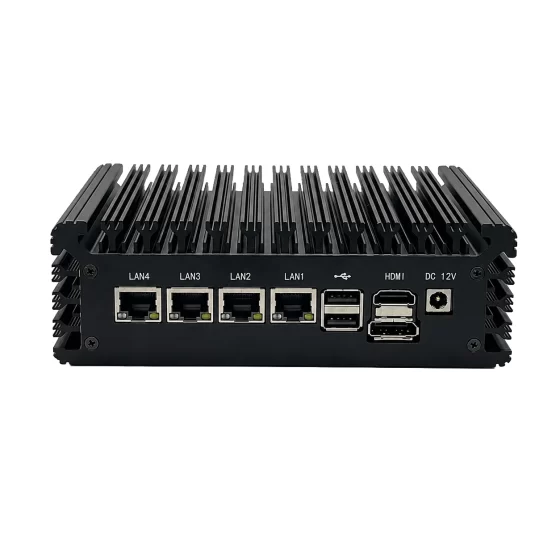
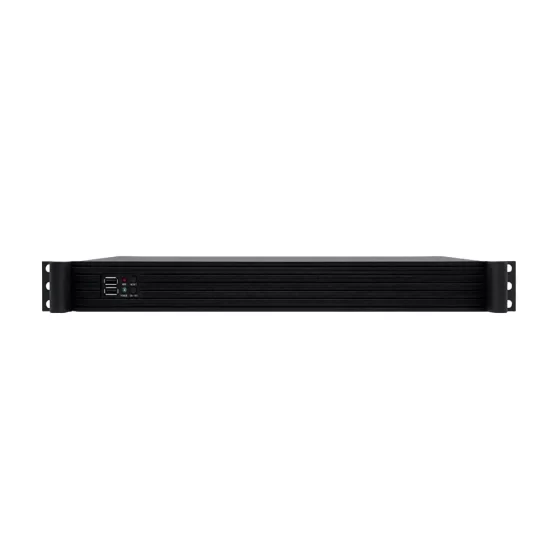
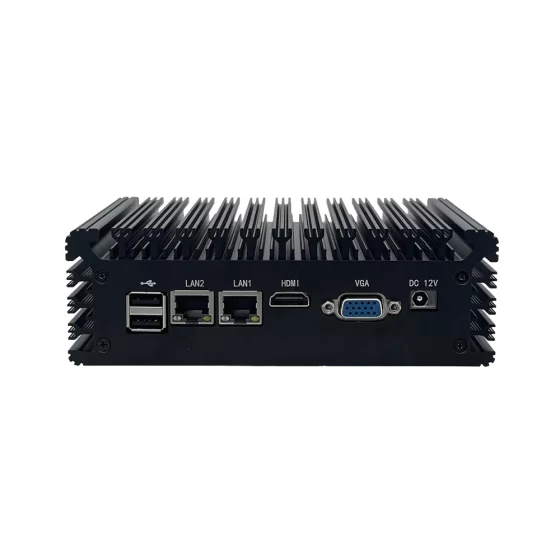
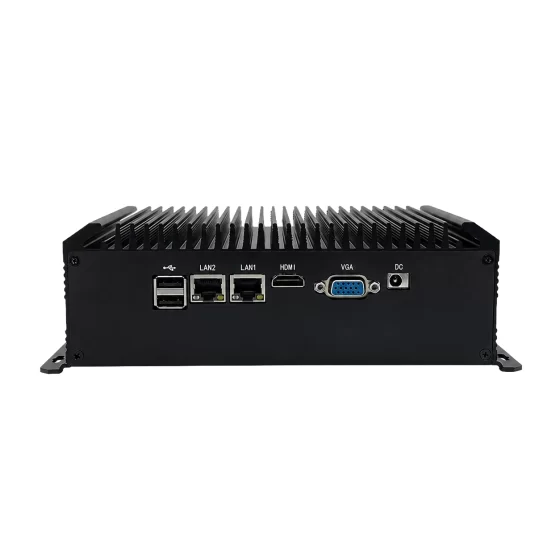
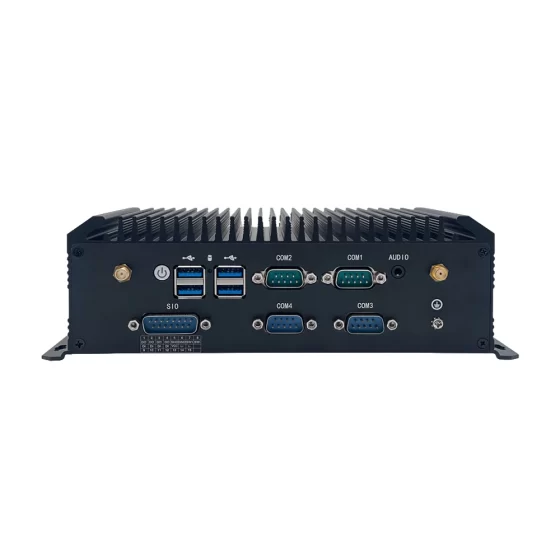
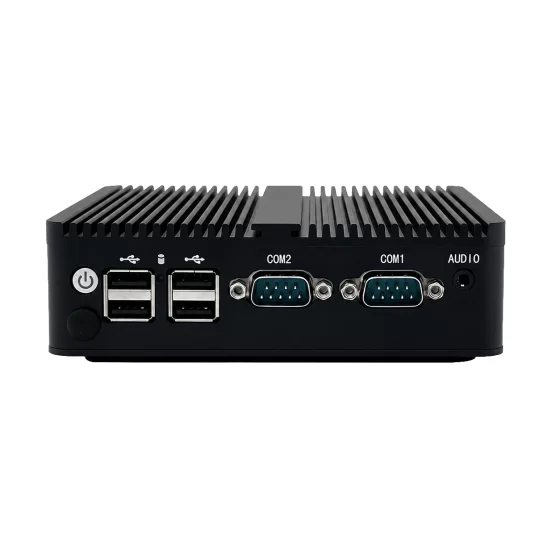
A suitable industrial computer or embedded computer helps system integrators build reliable vision guided picking systems with lower integration risk and better long-term maintainability. CoreIPC provides industrial computing platforms that support machine vision, robotic control integration, حوسبة الحافة, and customized embedded hardware requirements for B2B automation projects.
 نظرة عامة على الصناعة
Vision guided picking is widely used when objects are not always in the same position, توجيه, شكل, or arrangement. Traditional automation depends heavily on mechanical fixtures, predefined positions, and fixed motion paths. This approach works well for repetitive tasks, but it becomes less flexible when product types change or when items arrive randomly.
Machine vision changes this workflow. Cameras capture the object or work area, software analyzes the image, and the picking controller sends useful position or classification data to the robot, بلك, or motion control system.
Typical applications include:
- بن قطف
- Conveyor picking
- Parcel sorting
- Food and beverage handling
- Electronics component handling
- Automotive parts picking
- التعبئة والتغليف الصيدلانية
- Warehouse order fulfillment
- Defect-based sorting
- Robotic loading and unloading
In these systems, the industrial computer becomes the local computing node. It may run machine vision software, نماذج استنتاج الذكاء الاصطناعي, SDKs الكاميرا, image preprocessing tools, robot communication software, and factory data exchange services.
A vision guided picking controller must also work with the surrounding automation system. It needs to communicate with PLCs, وحدات تحكم الروبوت, servo systems, أجهزة السلامة, ماسحات الباركود, الكاميرات الصناعية, أنظمة الإضاءة, and MES or WMS platforms.
This makes the controller more than a simple image processing PC. It is a bridge between vision data and physical automation. The hardware platform must support both computing performance and industrial connectivity.
 التحديات الرئيسية
Vision guided picking projects often look simple in concept, but the real deployment environment can be complex. The controller must handle both visual processing and industrial automation requirements.
| تحدي | ماذا يحدث في النشر الحقيقي | Controller Requirement |
|---|---|---|
| Variable object position | Items may arrive randomly, overlap, tilt, rotate, or change orientation. | Stable image processing and reliable coordination with robot or motion systems. |
| Camera data load | High-resolution cameras generate large image data streams. | Sufficient CPU/GPU performance, واجهات عالية السرعة, والتخزين المستقر. |
| Industrial communication | The system must exchange signals with PLCs, الروبوتات, أجهزة الاستشعار, وشبكات المصانع. | منافذ LAN متعددة, المنافذ التسلسلية, USB, الإدخال/الإخراج الرقمي, وخيارات التوسع. |
| Harsh operating environment | Production lines may include dust, اهتزاز, حرارة, والضوضاء الكهربائية. | Rugged industrial computer with reliable thermal and mechanical design. |
| Real-time coordination | Picking decisions must match conveyor speed, robot motion, and process timing. | Low-latency communication and stable software execution. |
| صيانة طويلة الأمد | Systems may run for years and be deployed across many machines. | Consistent hardware platform, برامج تشغيل مستقرة, ودعم دورة الحياة الطويلة. |
Image Processing Load
Vision guided picking requires more than basic image display. The system may need to process object location, شكل, توجيه, حالة السطح, بيانات الباركود, color features, depth information, or AI-based object recognition.
اعتمادا على التطبيق, the controller may use 2D cameras, 3كاميرات D, line-scan cameras, أجهزة استشعار العمق, or multi-camera arrays. These image streams can place high demand on processor performance, عرض النطاق الترددي للذاكرة, USB or Ethernet bandwidth, and storage reliability.
Communication with Automation Systems
A picking controller must work as part of a larger automation cell. It usually does not control the entire machine alone. بدلاً من, it exchanges information with PLCs, وحدات تحكم الروبوت, الناقلات, أجهزة الاستشعار, وأنظمة السلامة.
This requires stable industrial communication. إيثرنت, رؤية جيجا, رؤية USB3, آر إس-232, رس-485, الإدخال/الإخراج الرقمي, and fieldbus gateway connections may all be involved depending on the project.
الموثوقية الصناعية
Vision guided picking systems are often installed directly on or near production equipment. The controller may be mounted inside a cabinet, beside a conveyor, near a robotic cell, or inside an automated machine.
A commercial PC may not provide the right mechanical stability, الموثوقية الحرارية, تخطيط الإدخال/الإخراج, or lifecycle consistency. For production equipment, an industrial computer or embedded computer is usually a better foundation.
 Solution Architecture for Vision Guided Picking
A vision guided picking controller connects visual perception with industrial automation. A typical system can be divided into five functional layers.
1. طبقة الحصول على الصور
This layer captures visual data from the picking area.
Common devices include:
- Area-scan cameras
- 3كاميرات الرؤية ثلاثية الأبعاد
- كاميرات العمق
- كاميرات المسح الخطي
- قارئات الباركود
- وحدات تحكم الإضاءة
- Photoelectric sensors
- Encoder signals
The image acquisition layer must be stable because poor image quality directly affects picking accuracy. إضاءة, camera position, اختيار العدسة, توقيت الزناد, and image transfer reliability all influence system performance.
2. طبقة الحوسبة الحافة
This is where the industrial computer or embedded computer operates.
The controller may run:
- برنامج رؤية الآلة
- AI inference applications
- Object detection algorithms
- Image preprocessing tools
- أدوات تطوير البرامج (SDK) للكاميرا
- Robot communication services
- Data logging tools
- برنامج HMI المحلي
- Production traceability software
This layer converts raw image data into useful picking instructions such as object coordinates, توجيه, category, pass/fail status, or picking priority.
3. Motion and Control Layer
The controller communicates with robot controllers, الشركات المحدودة العامة, servo systems, or motion controllers.
It may send:
- Pick position
- Object angle
- Object type
- Pick sequence
- Conveyor tracking data
- Reject signal
- Confirmation result
The PLC or robot controller then handles motion execution, safety logic, actuator control, and machine sequencing.
4. طبقة شبكة المصنع
Modern picking systems are often connected to production management platforms.
The controller may exchange data with:
- أنظمة MES
- أنظمة WMS
- أنظمة سكادا
- Quality inspection databases
- لوحات الإنتاج
- منصات الصيانة
This allows operators to track production data, picking status, defect information, lot history, and equipment performance.
5. Maintenance and Optimization Layer
A practical vision guided picking system must be easy to maintain.
Engineers may need to adjust camera parameters, update vision models, review failed picks, check logs, calibrate the robot-camera relationship, or troubleshoot communication issues.
The embedded computer should support secure access, stable OS configuration, clear diagnostic tools, and predictable long-term behavior.
الميزات الرئيسية
A reliable vision guided picking controller should be selected based on image processing needs, واجهات الكاميرا, الاتصالات الأتمتة, بيئة التثبيت, and long-term maintenance requirements.
Industrial Computing Performance
Vision guided picking may require CPU-based image processing, تسريع GPU, or AI inference depending on the software architecture.
For simple 2D location tasks, قد يكون الكمبيوتر المدمج المدمج كافيًا. For AI-based object detection, deep learning inspection, or 3D point cloud processing, a higher-performance industrial computer or edge AI computer may be required.
The controller should provide enough computing headroom for:
- الحصول على الصور
- Image preprocessing
- التعرف على الكائنات
- Coordinate calculation
- Robot communication
- عملية HMI
- تسجيل البيانات
دعم واجهة الكاميرا
Machine vision cameras commonly use USB3, ختم, بو, أو واجهات التقاط الإطارات المتخصصة.
A picking controller should provide stable high-speed communication for cameras. It should also have enough physical ports and bandwidth for multi-camera systems.
For GigE Vision systems, multiple LAN ports can help separate camera traffic from factory network traffic. For USB3 cameras, reliable port design and cable management are important.
Multi-LAN Design
Multiple LAN ports are useful in vision guided picking systems because different networks may need to be separated.
One LAN port may connect to industrial cameras. Another may connect to the PLC or robot controller. A third may connect to the factory network or remote maintenance network.
This structure can reduce traffic conflicts and make troubleshooting easier.
Industrial I/O and Serial Ports
Some picking systems require direct signals from triggers, أجهزة الاستشعار, وحدات تحكم الإضاءة, قارئات الباركود, or older industrial devices.
قد تشمل واجهات مفيدة:
- آر إس-232
- رس-485
- USB
- الإدخال/الإخراج الرقمي
- جيبيو
- Isolated I/O through expansion
- Internal headers for customized machine integration
Native interfaces reduce the need for external adapters and help improve machine-level reliability.
تصميم بدون مروحة وقوي
Many vision guided picking controllers are installed in production areas where dust, اهتزاز, and temperature variation are common.
Fanless design reduces moving parts and lowers maintenance needs. Rugged mechanical construction helps protect the system when installed inside equipment cabinets, الخلايا الروبوتية, or conveyor systems.
تخزين موثوق
Vision guided picking systems may store images, سجلات, failed-pick records, calibration files, ملفات نموذجية, and production data.
Storage selection should consider:
- Write frequency
- Image storage volume
- Temperature conditions
- Operating system requirements
- سياسة الاحتفاظ بالبيانات
محركات أقراص الحالة الصلبة الصناعية, تخزين M.2, or SATA storage may be selected according to project needs.
Expansion and Customization
Many machine builders need project-specific hardware layouts. The controller may require additional camera ports, المنافذ التسلسلية, وحدات لاسلكية, storage expansion, الإدخال/الإخراج الرقمي, or customized enclosure design.
التوسع من خلال M.2, ميني بي سي اي, بكيي, or custom embedded boards helps system integrators adapt the controller to different machines without redesigning the whole automation system.
Software Compatibility
A vision guided picking controller must support the selected software stack.
قد يشمل هذا:
- Windows or Linux operating systems
- برامج تشغيل الكاميرا
- Machine vision libraries
- أطر الذكاء الاصطناعي
- Robot communication SDKs
- أدوات الاتصال PLC
- Database or traceability software
قبل النشر, integrators should confirm driver stability, OS image management, software licensing requirements, and long-term update plans.
سيناريوهات النشر
Vision guided picking controllers can be used across many industrial and logistics applications.
Robotic Bin Picking
In bin picking, objects are randomly placed inside a bin. The vision system identifies the position and orientation of each object, then sends picking coordinates to the robot.
The controller may process 3D camera data, object recognition results, collision avoidance information, and robot communication signals. Stable computing performance is important because object position changes after each pick.
Conveyor Picking
In conveyor picking, objects move continuously through the camera field of view. The controller must detect the object, calculate its position, and synchronize picking instructions with conveyor motion.
This application requires reliable trigger timing, fast image processing, and stable communication with encoders, الشركات المحدودة العامة, and robot controllers.
Parcel Sorting and Logistics
Logistics automation uses vision guided picking for parcel identification, فرز, singulation, وتحقيق الطلب.
The controller may process barcode data, package shape, موقف التسمية, size information, and routing instructions. It may also connect to warehouse management systems or sorting control platforms.
Food and Beverage Handling
Food products may vary in size, شكل, موضع, لون, and packaging condition. Vision guided picking helps robots handle products with more flexibility than fixed mechanical tooling alone.
The controller may work with cameras, أنظمة الإضاءة, conveyor tracking, and robot control software. Rugged and easy-to-maintain hardware is important in production areas.
Electronics and Precision Assembly
Electronics manufacturing may require picking small components, placing parts, checking orientation, or identifying defects before handling.
The controller needs stable image processing, precise communication, and compatibility with cameras, إضاءة, and motion equipment. Compact embedded computers are often preferred in space-limited machines.
Automotive Parts Handling
Automotive production lines often handle parts with different shapes, finishes, and orientations.
Vision guided picking controllers can help robots identify components, support flexible loading, and reduce the need for mechanical fixtures. Industrial-grade reliability is important because automotive production environments often run continuously.
فوائد الأعمال
A well-selected vision guided picking controller can create practical value for machine builders, تكامل النظام, and end users.
Higher Automation Flexibility
Vision guided picking allows machines to handle products with variable position and orientation. This reduces dependence on fixed fixtures and makes the system more adaptable to product changes.
Reduced Manual Handling
Automated picking can reduce repetitive manual work in sorting, feeding, loading, and packaging processes. This can improve workflow consistency and help operators focus on higher-value tasks.
Easier Machine Integration
An industrial computer with the right interfaces can connect cameras, الشركات المحدودة العامة, الروبوتات, أجهزة الاستشعار, and factory systems in one platform. This reduces adapter use and simplifies machine wiring.
Better Production Data Visibility
The controller can store image results, picking logs, error records, and production status data. This information can support quality analysis, تحسين العملية, and maintenance planning.
انخفاض مخاطر الصيانة
تصميم بدون مروحة, البناء الوعرة, تخزين مستقر, and long-term platform consistency help reduce hardware-related maintenance risk in production environments.
نشر قابل للتطوير
Machine builders and system integrators may need to deploy similar picking systems across many production lines or customer sites. A stable embedded computer platform helps simplify software images, قطع غيار, تمرين, and documentation.
لماذا كورIPC
يوفر CoreIPC أجهزة الكمبيوتر الصناعية, أجهزة الكمبيوتر المدمجة, منصات الحوسبة الحافة, and customized embedded hardware for machine vision and industrial automation applications. For vision guided picking systems, يركز CoreIPC على أداء الحوسبة المستقر, تكوين الإدخال/الإخراج المرن, تصميم بدون مروحة, عوامل الشكل المضغوط, ودعم التكامل العملي. يعمل CoreIPC مع متخصصي تكامل الأنظمة, مصنعي المعدات, and automation solution providers that need reliable hardware platforms for robotic picking, فحص الرؤية, and intelligent machine control. مع القدرة على تصنيع التصميم الشخصي وتصنيع المعدات الأصلية, يمكن لـ CoreIPC دعم الواجهات الخاصة بالمشروع, تصميم العلبة, متطلبات العلامة التجارية, وتخطيط التوريد على المدى الطويل.
الأسئلة المتداولة
1. What is a vision guided picking controller?
A vision guided picking controller is an industrial computing platform that processes visual data and sends picking information to robots, الشركات المحدودة العامة, or motion systems. It usually receives image data from cameras, analyzes object position or type, and provides coordinates or decision results for automated handling. It may also connect to sensors, وحدات تحكم الإضاءة, قارئات الباركود, شبكات المصانع, وبرامج الإنتاج.
2. Why use an industrial computer for vision guided picking?
Vision guided picking systems are often installed in production environments with vibration, تراب, التغيرات في درجات الحرارة, الضوضاء الكهربائية, وساعات العمل الطويلة. An industrial computer is better suited than a commercial PC because it can provide rugged design, تبريد بدون مروحة, الإدخال/الإخراج المستقر, توافر دورة حياة طويلة, وتكامل أفضل مع الأجهزة الصناعية. This helps reduce downtime and maintenance risk.
3. What interfaces are important for a picking controller?
Important interfaces may include Gigabit LAN, USB3, آر إس-232, رس-485, الإدخال/الإخراج الرقمي, جيبيو, and expansion slots. LAN ports may connect cameras, الشركات المحدودة العامة, الروبوتات, وشبكات المصانع. USB3 may be used for industrial cameras or peripheral devices. Serial and I/O interfaces may connect sensors, وحدات تحكم الإضاءة, قارئات الباركود, or older automation equipment.
4. Does vision guided picking require AI computing?
Not every vision guided picking system requires AI. Some applications use traditional machine vision methods for object location, edge detection, shape matching, or barcode reading. لكن, AI computing may be useful when objects vary significantly in shape, توجيه, نَسِيج, or packaging. AI may also help with object classification, كشف العيب, or complex bin picking tasks.
5. Can one embedded computer control both vision and robot communication?
نعم, in many systems one embedded computer can run vision processing software and robot communication services at the same time. لكن, the hardware must have enough computing performance, ذاكرة, عرض النطاق الترددي للكاميرا, and stable network interfaces. For higher-speed or AI-based applications, a more powerful industrial computer or edge AI computer may be required.
6. Why are multiple LAN ports useful in machine vision systems?
Multiple LAN ports help separate different communication networks. One LAN port may connect to industrial cameras, another to the robot or PLC, and another to the factory network. This reduces traffic conflicts, improves organization, and makes troubleshooting easier. Multi-LAN design is especially useful when GigE cameras and industrial control networks operate together.
7. What is the difference between a vision controller and a PLC?
A PLC is mainly used for machine control, sequencing, safety-related logic, and industrial I/O control. A vision controller focuses on image acquisition, معالجة الصور, كشف الكائن, and data communication. In a vision guided picking system, the two often work together. The controller provides picking data, while the PLC or robot controller handles motion and machine logic.
8. How should system integrators choose a vision guided picking controller?
System integrators should evaluate camera type, دقة الصورة, processing speed, متطلبات البرمجيات, robot communication, PLC interface, بيئة التثبيت, احتياجات التخزين, وتوافر المنصة على المدى الطويل. The right controller should match the real application instead of simply using the highest-performance computer. مصداقية, I/O compatibility, التصميم الحراري, and maintainability are all important factors.
9. Can a vision guided picking controller support production traceability?
نعم. The controller can store picking results, سجلات الصور, بيانات الباركود, سجلات الأخطاء, الطوابع الزمنية, and production status. This information can be used for quality analysis, استكشاف الأخطاء وإصلاحها, وتحسين العملية. In more advanced systems, the controller may also exchange data with MES, WMS, سكادا, or database platforms.
10. What hardware design is best for long-term machine deployment?
For long-term deployment, the controller should use an industrial-grade platform with stable thermal design, تخزين موثوق, suitable I/O, تركيب آمن, and consistent lifecycle support. Fanless embedded computers are often preferred for machine-level installation because they reduce moving parts and maintenance needs. For AI or 3D vision applications, higher-performance industrial or edge AI computers may be required.
خاتمة
Vision guided picking is an important automation technology for robotic handling, فرز, التعبئة والتغليف, اللوجستية, and flexible manufacturing. A reliable vision guided picking controller connects cameras, أجهزة الاستشعار, الروبوتات, الشركات المحدودة العامة, الناقلات, and factory systems into one coordinated automation workflow.
The controller must do more than process images. It must support industrial communication, stable software execution, تسجيل البيانات, machine integration, and long-term operation in real production environments. This is why the choice of industrial computer or embedded computer has a direct impact on system reliability and integration success.
CoreIPC provides industrial computing platforms and customization support for machine vision, robotic picking, and intelligent automation projects. لمتكاملي النظام ومصنعي المعدات الأصلية, selecting the right controller platform can help simplify deployment, reduce maintenance risk, and support scalable long-term machine development.
اتصل بنا
If you are developing a vision guided picking system or need an industrial computer platform for machine vision and robotic control, يمكن لـ CoreIPC المساعدة في تقييم متطلبات الأجهزة الخاصة بك. Contact the CoreIPC team to discuss camera interfaces, أداء الحوسبة, تكوين الإدخال/الإخراج, تصميم العلبة, دعم نظام التشغيل, تخصيص أوديإم/تصنيع المعدات الأصلية, and long-term supply planning for your next automation project.