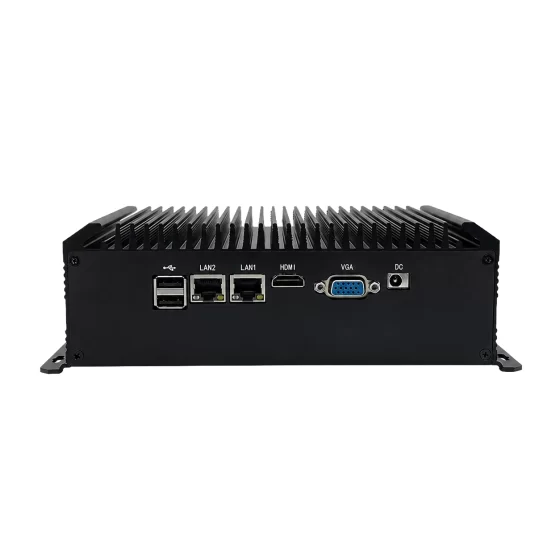
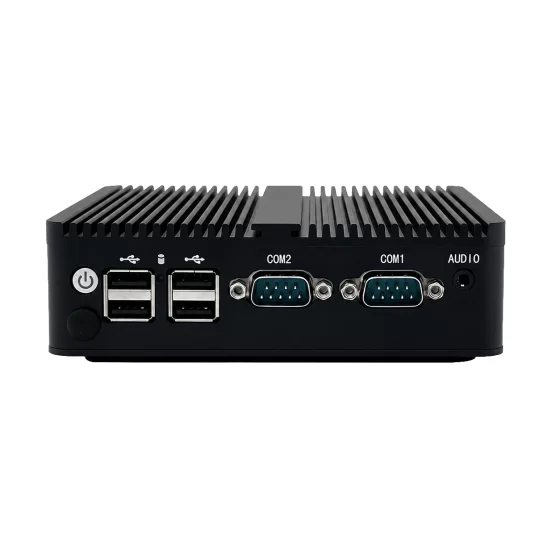
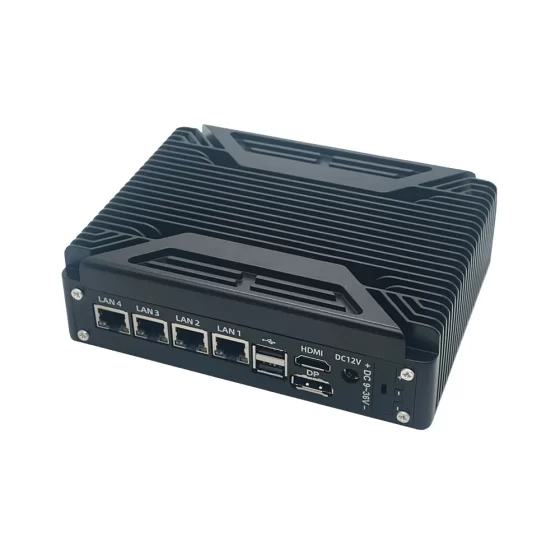
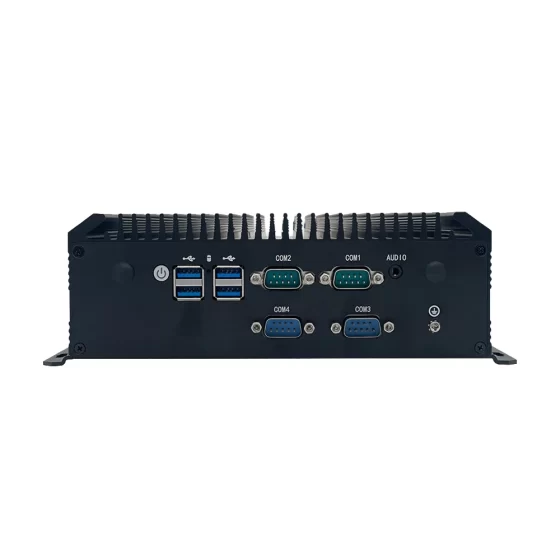
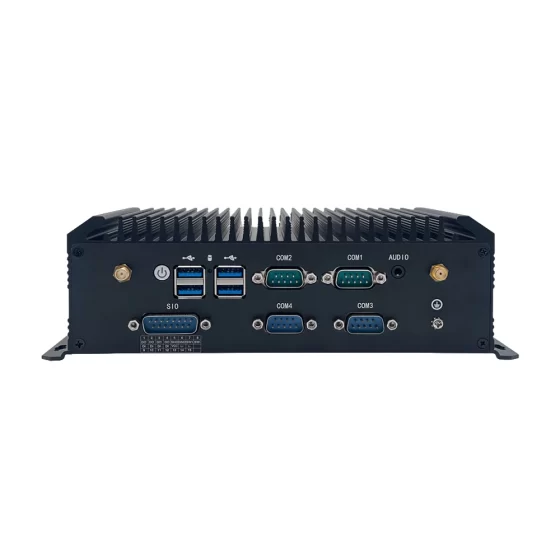
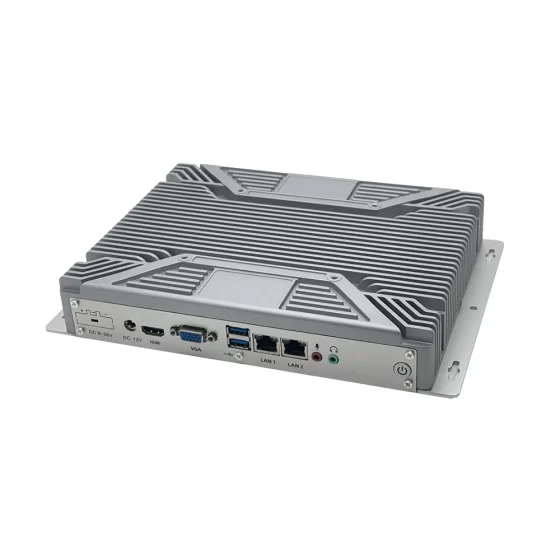
CoreIPC Industrial Computing-Lösungen

3D Bildverarbeitungssystem: 3D Bildverarbeitungscomputer für industrielle Inspektion und Automatisierung
Zusammenfassung
A 3D machine vision computer provides the industrial computing foundation for depth sensing, 3D-Inspektion, Roboterführung, dimensional measurement, and intelligent automation in modern manufacturing environments.
Unlike traditional 2D vision systems that analyze flat images, 3D machine vision systems capture depth, Form, Höhe, volume, surface profile, and spatial position. This allows manufacturers to inspect complex parts, guide robots, Maße messen, Mängel erkennen, and verify assembly accuracy with more spatial information.
A complete 3D machine vision system usually includes 3D cameras, laser profilers, structured light sensors, time-of-flight cameras, Linsen, Beleuchtung, Bewegungssysteme, image processing software, und industrielle Computerhardware. The industrial computer or embedded computer acts as the local processing platform.
It receives 3D data, processes point clouds or depth images, führt Inspektionsalgorithmen aus, communicates with PLCs and robots, stores results, und lädt Daten in das MES hoch, Qualitätssysteme, oder Produktionsdatenbanken.
Im Vergleich zu handelsüblichen PCs, Industriecomputer bieten eine höhere Zuverlässigkeit, flexible I/O, Robustes mechanisches Design, stabile Vernetzung, lüfterlose Optionen, und langen Lebenszyklus-Support. These features are important when 3D vision systems are deployed near machines, Förderer, Roboterzellen, Inspektionsstationen, oder Produktionslinien.
This article explains how 3D machine vision computing systems work, vor welchen Bereitstellungsherausforderungen Hersteller stehen, wie die Lösungsarchitektur aufgebaut ist, and which hardware features are important when selecting an industrial computer for 3D machine vision applications.
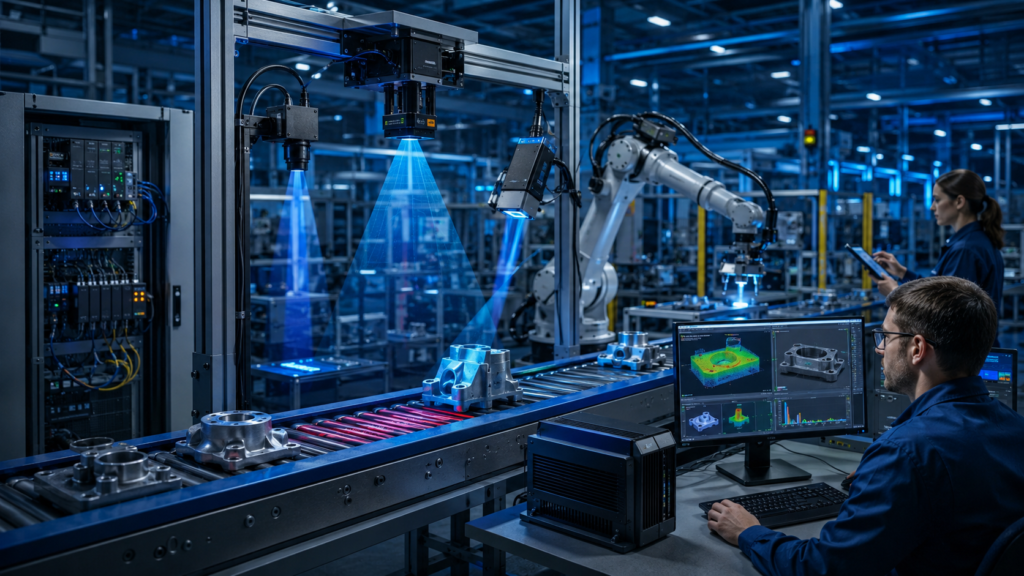
3D vision computers process depth data for industrial inspection, measurement, and automation.
Branchenüberblick
3D Vision Is Expanding in Industrial Automation
Machine vision has become a core technology in automated manufacturing.
Traditional 2D vision systems are widely used for barcode reading, Etikettenüberprüfung, surface inspection, and simple presence detection. Jedoch, many industrial applications require more than flat image analysis.
Factories increasingly need to understand the shape, Höhe, Position, volume, and orientation of objects. This is where 3D machine vision becomes valuable.
3D vision systems can support:
- Maßprüfung
- Surface profile measurement
- Roboterführung
- Bin-Picking
- Überprüfung der Montage
- Volume measurement
- Gap and flush inspection
- Package inspection
- Weld bead inspection
- Defect detection on complex surfaces
A 3D machine vision computer provides the processing power and industrial connectivity required to turn 3D sensor data into useful production decisions.
Why 3D Machine Vision Requires Strong Computing
3D vision data is more complex than standard 2D image data.
A 2D camera captures pixels. A 3D vision system may generate depth maps, point clouds, height profiles, surface models, or spatial coordinates. These data types can be large and computationally demanding.
The computing platform may need to process:
- Point cloud data
- Depth images
- Laser profile data
- Multi-camera images
- Robot coordinate transformations
- Measurement algorithms
- Modelle zur Fehlererkennung
- Real-time pass or fail decisions
This makes the industrial computer a critical part of system performance.
If the computer cannot process data fast enough, Inspektionsgeschwindigkeit, robot response, and production throughput may be affected.
Industrial Computing for Real Factory Deployment
3D machine vision systems are often installed directly in production environments.
Sie dürfen in der Nähe von Förderbändern arbeiten, Roboterarme, machine tools, Verpackungslinien, assembly cells, oder Prüfbänke. In diesen Umgebungen kann es zu Vibrationen kommen, Staub, elektrisches Rauschen, Hitze, Kabelbewegung, und lange Betriebsstunden.
An embedded computer or industrial computer is better suited for these conditions than a standard office PC.
It can provide stable performance, industrielle I/O, multiple LAN or USB interfaces, robuste Montage, lokaler Speicher, and long-term system availability.

Oberflächenreflexion, complex geometry, sensor synchronization, and point cloud processing affect 3D inspection reliability.
Wichtigste Herausforderungen
Large 3D Data Processing Workloads
3D vision systems can generate large amounts of data.
Point clouds, depth maps, and high-resolution profile data require more processing than simple image capture. In real-time production environments, the computer must process this data quickly enough to match the line speed.
Wichtige Arbeitsbelastungsfaktoren sind::
- Sensor resolution
- Scan rate
- Number of cameras or profilers
- Point cloud size
- Algorithm complexity
- Robot guidance requirements
- Lokaler Speicherbedarf
- Netzwerkkommunikationslast
A 3D machine vision computer must be selected according to actual inspection speed and processing demand.
Sensor and Camera Integration
3D vision projects often use specialized sensors.
These may include structured light cameras, laser triangulation sensors, stereo cameras, time-of-flight cameras, or line profile sensors. Each device may have different interface, Bandbreite, driver, and synchronization requirements.
The industrial computer must support the required sensor interfaces and provide stable data transfer.
Common interface requirements may include:
- Gigabit-Ethernet
- USB 3.0
- Mehrere LAN-Ports
- Triggereingang
- GPIO
- Serielle Kommunikation
- M.2- oder PCIe-Erweiterung
- Ausgabe anzeigen
Poor interface planning can limit system performance even when the processor is powerful.
Beleuchtung, Surface, and Material Complexity
3D vision performance depends on the object and environment.
Reflective metal, transparent plastic, black rubber, glossy packaging, uneven surfaces, and complex geometries may create difficult imaging conditions.
Some materials absorb light. Others create glare or noise. Some objects require precise positioning, while others move quickly through the inspection area.
A reliable system requires careful coordination between sensors, Beleuchtung, Montage, calibration, Software, und Computerhardware.
Real-Time Automation Communication
3D machine vision systems are often connected with automation equipment.
A robot may need coordinates from the vision computer. A PLC may need pass, scheitern, measurement, or position results. A conveyor may need synchronized trigger timing.
This creates real-time communication requirements between the industrial computer and factory equipment.
The system may need to communicate with:
- SPS
- Robotersteuerungen
- Motion-Controller
- Fördersysteme
- Mechanismen ablehnen
- Sensoren
- MES or quality systems
- Factory databases
Stable I/O and network communication are essential for practical deployment.
Long-Term Stability in Production
3D vision systems may run continuously across multiple shifts.
Wenn die Computerhardware ausfällt, inspection or robotic operation may stop. This can affect production output, Qualitätskontrolle, and equipment availability.
Industrial-grade design is important because 3D vision computers are often installed inside cabinets, Maschinengehäuse, Roboterzellen, oder Produktionsarbeitsplätze.
The hardware must support stable thermal performance, zuverlässige Lagerung, Robuste mechanische Installation, und lange Verfügbarkeit über den gesamten Lebenszyklus.

Industrial computers connect 3D sensors, Roboter, Automatisierungsgeräte, MES, Qualitätsdatenbanken, und Überwachungssysteme.
3D Machine Vision Computer Solution Architecture
3D Sensor Layer
The sensor layer captures spatial information from products, Teile, Pakete, or production environments.
Abhängig von der Anwendung, this layer may include:
- Structured light cameras
- Stereo vision cameras
- Time-of-flight cameras
- Laser profile sensors
- Line scan profilers
- Industrial area cameras
- Triggersensoren
- Lighting modules
- Calibration targets
The sensor layer generates depth information, height profiles, 3D coordinates, or surface models.
Consistent sensor data is essential before any inspection or robot guidance decision can be reliable.
Industrielle Computerschicht
The industrial computing layer is the core of the 3D machine vision system.
Auf dieser Ebene, the industrial computer or embedded computer receives data from sensors and runs processing software.
The computer may perform tasks such as:
- Bildaufnahme
- Depth map processing
- Point cloud processing
- 3D measurement
- Erkennung von Oberflächenfehlern
- Object localization
- Robot coordinate calculation
- Pass or fail judgment
- Ergebnisspeicherung
- Daten-Upload in Fabriksysteme
This layer must provide stable performance because it directly affects inspection speed and automation response.
Ebene der Automatisierungssteuerung
Die Automatisierungssteuerungsschicht verbindet das Bildverarbeitungssystem mit der Produktionsausrüstung.
Eine SPS, Robotersteuerung, Motion-Controller, or conveyor system may send trigger signals to the industrial computer. Nach der Bearbeitung, the computer sends results back to the equipment.
Zum Beispiel, in a robot guidance application, the 3D vision computer may calculate the position and orientation of a part. The robot controller then uses this data to pick, place, or inspect the part.
In an inspection application, Der Computer sendet möglicherweise Pass, scheitern, measurement, or reject results to the PLC.
Datenverwaltungsschicht
3D inspection results often need to be recorded and connected to production data.
Der Industriecomputer kann Daten an das MES senden, Qualitätsmanagementsysteme, Datenbanken, Dashboards, oder Cloud-Plattformen.
Die Daten können Folgendes umfassen::
- Produkt-ID
- Measurement result
- Fehlertyp
- 3D image file
- Point cloud record
- Inspektionsergebnis
- Zeitstempel
- Stations-ID
- Arbeitsauftrag
- Robot position data
Dies unterstützt die Rückverfolgbarkeit, Prozessverbesserung, and long-term quality analysis.
Benutzeroberfläche und Engineering-Ebene
Operators and engineers need a practical interface for system monitoring and adjustment.
The 3D machine vision computer may connect to a monitor, Touch-Screen, Tastatur, oder HMI-Panel. The interface can show live depth images, point cloud views, Messwerte, Inspektionsstatus, Alarm, und Produktion zählt.
A clear interface helps engineers calibrate sensors, review defects, Parameter anpassen, and troubleshoot production issues.
Hauptmerkmale
Stable 3D Processing Performance
3D vision applications require stable sustained performance.
The computer may need to process large data sets continuously while also communicating with automation equipment and factory systems.
Die Auswahl der Hardware sollte berücksichtigt werden:
- CPU-Leistung
- Speicherkapazität
- Sensor bandwidth
- Grafik- oder KI-Beschleunigung
- Speichergeschwindigkeit
- Anzahl der Kameras
- Scanfrequenz
- Software-Auslastung
- Required response time
For simple measurement systems, Ein kompakter eingebetteter Computer kann ausreichen. For high-speed point cloud processing or multi-sensor systems, Möglicherweise ist ein leistungsstärkerer Industriecomputer erforderlich.
High-Speed Sensor Interface Support
3D sensors require stable data transfer.
The industrial computer should support the camera or sensor interface required by the application. Many industrial 3D cameras use Gigabit Ethernet or USB 3.0, while some systems may require expansion cards or dedicated interfaces.
Useful interface options may include:
- Mehrere LAN-Ports
- USB 3.0
- PCIe-Erweiterung
- M.2-Erweiterung
- GPIO
- RS232
- RS485
- HDMI
- DisplayPort
For multi-camera or high-resolution systems, bandwidth planning is very important.
Industrial I/O for Automation Integration
A 3D vision system must connect with real factory equipment.
Industrial I/O allows the computer to receive triggers, send results, Beleuchtung steuern, mit SPS kommunizieren, and support automation workflows.
Common I/O requirements include:
- Digitaler Eingang
- Digitaler Ausgang
- GPIO
- LAN
- USB
- RS232
- RS485
The right I/O design reduces external converters and improves system reliability.
Rugged and Fanless System Design
Fanless industrial computers are often useful in machine vision environments.
Sie reduzieren die Staubaufnahme und beseitigen eine häufige mechanische Fehlerquelle. This is important in production areas where systems run continuously and maintenance access is limited.
Rugged mechanical design also protects the computer from vibration, Kabelspannung, und Schrankeinbaubedingungen.
For high-performance 3D vision workloads, thermal design must be reviewed carefully to ensure stable operation.
Reliable Storage for 3D Data
3D vision systems may generate large files.
The computer may store point clouds, depth images, measurement records, Defektbilder, Protokolle, Modelldateien, and inspection reports.
SSD storage is commonly preferred because it provides faster access and better shock resistance than mechanical drives.
For applications that store many 3D records, Speicherkapazität, schreibe Ausdauer, Die Richtlinie zur Datenaufbewahrung sollte während des Systemdesigns überprüft werden.
Lange Lebensdauer und Wartbarkeit
Machine vision systems may stay in production for many years.
Häufige Änderungen bei Computermodellen, Fahrer, Häfen, or expansion interfaces can increase validation workload and maintenance cost.
Industrielle Computerplattformen mit Lebenszyklusplanung helfen Herstellern und OEM-Gerätebauern, konsistente Systeme über mehrere Linien hinweg aufrechtzuerhalten, Maschinen, und Kundenprojekte.
Bereitstellungsszenarien
3D Dimensional Inspection
3D machine vision is widely used for dimensional inspection.
The system can measure height, width, gap, volume, surface profile, and geometric features. This is useful for parts where 2D inspection cannot provide enough information.
An industrial computer processes 3D data and sends measurement results to quality systems or PLCs.
Robot Guidance and Bin Picking
Robots often need 3D vision to locate parts in space.
A 3D machine vision computer can process depth data, identify object position, calculate orientation, and send coordinates to the robot controller.
This supports bin picking, part handling, assembly automation, and flexible robotic production.
Surface Profile Inspection
Some defects are difficult to detect with 2D images.
3D vision can inspect scratches, Dellen, warping, height differences, missing material, and uneven surfaces.
The industrial computer processes surface profiles and compares results with quality rules.
Packaging and Volume Inspection
Packaging systems may use 3D vision to verify box shape, package height, Füllstand, volume, Etikettenposition, or product presence.
This helps improve packaging quality and reduce shipment errors.
A 3D machine vision computer can connect the inspection results with MES, WMS, or logistics systems.
Automotive and Mechanical Part Inspection
Automotive and mechanical parts often require precise shape and position verification.
3D vision systems can inspect castings, machined parts, Schweißbereiche, Anschlüsse, Klammern, housings, and assembled components.
Industrial computers provide the processing and connectivity needed for these inspection stations.
Electronics and Semiconductor Inspection
3D vision can support electronics and semiconductor inspection where height, coplanarity, Ausrichtung, or surface structure matters.
Applications may include solder joint height inspection, Ausrichtung des Steckers, Paketinspektion, Substratinspektion, and precision assembly verification.
An embedded computer can be integrated into compact inspection machines or production-line equipment.
Integration von OEM-Bildverarbeitungsgeräten
Machine builders can integrate 3D vision computers into inspection machines, Robotersysteme, or automated production equipment.
The embedded computer or industrial PC can provide sensor processing, Automatisierungskommunikation, HMI-Anzeige, und Datenausgabe.
This helps OEMs deliver machines that are ready for smart manufacturing and quality traceability.
Geschäftsvorteile
More Accurate Inspection
3D vision provides spatial information that 2D systems cannot capture.
By measuring depth, Höhe, profile, and shape, manufacturers can inspect complex parts more accurately.
This improves quality control for applications where flat image inspection is not enough.
Verbesserte Roboterflexibilität
3D vision helps robots work with parts that are randomly placed, stacked, or positioned with variation.
A 3D machine vision computer can calculate object position and orientation, allowing robots to pick, place, sort, or inspect parts more intelligently.
This supports flexible automation and reduces the need for precise mechanical fixtures.
Reduced Manual Measurement
Manual measurement can be slow and inconsistent.
A 3D machine vision system automates many measurement and inspection tasks. It can collect results faster and more consistently than manual methods.
This helps reduce inspection workload and improves process repeatability.
Stärkere Rückverfolgbarkeit der Qualität
3D inspection data can be linked with product IDs, Messwerte, Mängelaufzeichnungen, Zeitstempel, und Stationsinformationen.
Dies schafft eine bessere Rückverfolgbarkeit für die Qualitätsanalyse, Kundenaudits, und Prozessverbesserung.
Industrial computers help connect this data with MES, Datenbanken, und Qualitätssysteme.
Schnellere Fehlererkennung
Local processing allows defects and measurement errors to be detected near the production process.
The industrial computer can send results to PLCs or robots quickly, allowing immediate reject, rework, oder Prozesskorrektur.
Dies trägt dazu bei, nachgelagerte Qualitätsrisiken zu reduzieren.
Skalierbare Automatisierungsbereitstellung
A standardized industrial computing platform makes it easier to deploy 3D vision across multiple machines, Linien, und Fabriken.
Konsistente Hardware vereinfacht Software-Images, Fahrerverwaltung, Ersatzteilplanung, Wartungsschulung, und technischer Support.
This supports long-term smart manufacturing development.
Warum CoreIPC
CoreIPC bietet industrielle Computerplattformen für die maschinelle Bildverarbeitung, Robotik, Fabrikautomation, und eingebettete Systemintegration. For 3D machine vision computer applications, CoreIPC konzentriert sich auf zuverlässige Industrie-PC-Hardware, Embedded-Computer-Lösungen, flexible I/O-Konfigurationen, kompaktes Systemdesign, und OEM/ODM-Anpassungsunterstützung. CoreIPC hilft Systemintegratoren, Maschinenbauer, und Fertigungsteams wählen Computerplattformen aus, die den tatsächlichen Bereitstellungsanforderungen entsprechen, including 3D sensor interfaces, Bearbeitungsaufwand, Automatisierungskommunikation, Montagemethoden, Leistungsaufnahme, thermisches Design, Speicherbedarf, und Lebenszyklusplanung.
Häufig gestellte Fragen
1. What is a 3D machine vision computer?
A 3D machine vision computer is an industrial computer used to process data from 3D cameras, laser profilers, structured light sensors, or depth cameras.
It can handle point clouds, depth maps, surface profiles, and measurement data. The computer may also communicate with PLCs, Roboter, MES-Systeme, und hochwertige Datenbanken. It is designed for factory environments where reliability and real-time processing are important.
2. Why does 3D machine vision need an industrial computer?
3D vision data is more complex than standard 2D image data.
An industrial computer provides the processing power, Sensorschnittstellen, Lagerung, and automation connectivity needed for real-time inspection or robot guidance. It is also designed for production environments where vibration, Staub, Hitze, long operation hours, and industrial I/O are common.
3. How is an embedded computer used in 3D vision systems?
In Inspektionsmaschinen kann ein eingebetteter Computer installiert werden, Roboterzellen, Schaltschränke, or compact production equipment.
It can receive data from 3D sensors, process depth images or point clouds, calculate measurement results, and communicate with PLCs or robots. Its compact design makes it useful for OEM systems and space-limited installations.
4. What interfaces are important for 3D machine vision computers?
Important interfaces may include Gigabit Ethernet, USB 3.0, mehrere LAN-Ports, PCIe, M.2, GPIO, RS232, RS485, HDMI, und DisplayPort.
Camera or sensor interfaces are especially important because 3D data requires stable bandwidth. GPIO and serial ports may support triggers, Lichtsteuerung, SPS-Kommunikation, or automation signals.
5. Can 3D vision systems support robot guidance?
Ja. 3D vision is widely used for robot guidance.
The system can identify object position, Orientierung, Höhe, and shape. The 3D machine vision computer processes this data and sends coordinates to the robot controller. This supports bin picking, part handling, Montage, Sortierung, and flexible automation.
6. Is a fanless industrial PC suitable for 3D machine vision?
A fanless industrial PC can be suitable for some 3D machine vision applications, especially where dust reduction and low maintenance are important.
Jedoch, 3D processing workloads may generate more heat than simple data collection. The system should be selected according to processor workload, Sensoranzahl, Gehäusedesign, Umgebungstemperatur, and airflow conditions.
7. How does 3D vision improve inspection accuracy?
3D vision adds depth and shape information to inspection.
It can measure height, volume, surface profile, gap, Ausrichtung, and geometry. This allows manufacturers to inspect features that are difficult or impossible to evaluate with 2D images alone. It is useful for complex surfaces, mechanische Teile, Verpackung, and robotic applications.
8. What storage is needed for 3D vision inspection?
Storage needs depend on whether the system saves only results or also stores point clouds, depth images, and defect records.
SSD storage is usually preferred because it provides fast access and better shock resistance. For applications storing large 3D data files, Speicherkapazität, schreibe Ausdauer, and data retention policies should be reviewed carefully.
9. Can 3D machine vision computers connect to MES or quality systems?
Ja. Industrial computers can send measurement results, defect data, Produkt-IDs, Zeitstempel, Bilder, and inspection records to MES, Qualitätsdatenbanken, oder Werks-Dashboards.
This helps manufacturers link 3D inspection results with production history and traceability records. It also supports quality analysis and process improvement.
10. What should be tested before deploying a 3D vision computing system?
Vor der Bereitstellung, the system should be tested with real parts, real surface materials, actual line speed, sensor resolution, Lichtverhältnisse, Software-Auslastung, SPS-Kommunikation, Roboterintegration, Speicherbedarf, und thermische Bedingungen.
Long-running stability should also be tested. This helps confirm that the system can operate reliably in production.
Abschluss
A 3D machine vision computer is a critical hardware foundation for advanced inspection, measurement, Roboterführung, und intelligente Fertigungsautomatisierung.
By processing depth data, point clouds, surface profiles, and spatial coordinates near the production line, industrial computers help manufacturers inspect complex parts, guide robots, Mängel erkennen, and connect results with factory quality systems.
Der richtige Industriecomputer oder Embedded Computer sollte entsprechend den tatsächlichen Anwendungsanforderungen ausgewählt werden, including 3D sensor interface, Bearbeitungsaufwand, I/O-Konfiguration, Netzwerkarchitektur, Speicherkapazität, Montagemethode, Leistungsaufnahme, thermisches Design, Betriebssystemunterstützung, und Lebenszyklusplanung.
CoreIPC supports 3D machine vision computer projects with industrial computing platforms designed for practical factory and equipment integration. Mit der richtigen Hardware-Grundlage, manufacturers and machine builders can improve inspection accuracy, automation flexibility, Rückverfolgbarkeit, and long-term smart manufacturing scalability.
Kontaktieren Sie uns
Auf der Suche nach einem Industriecomputer, eingebetteter Computer, or industrial motherboard for a 3D machine vision computing system?
Kontaktieren Sie CoreIPC, um Ihre Projektanforderungen zu besprechen, including 3D sensor interface, Bearbeitungsaufwand, I/O-Konfiguration, robot or PLC communication, Montagemethode, Leistungsaufnahme, Betriebsumgebung, Lebenszyklusanforderungen, und OEM/ODM-Anpassungsoptionen.