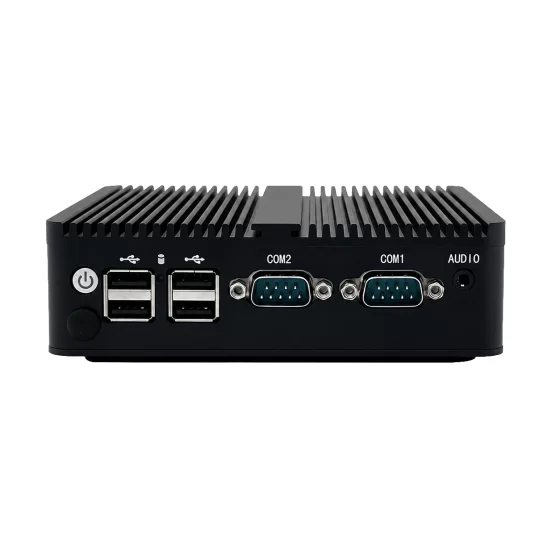
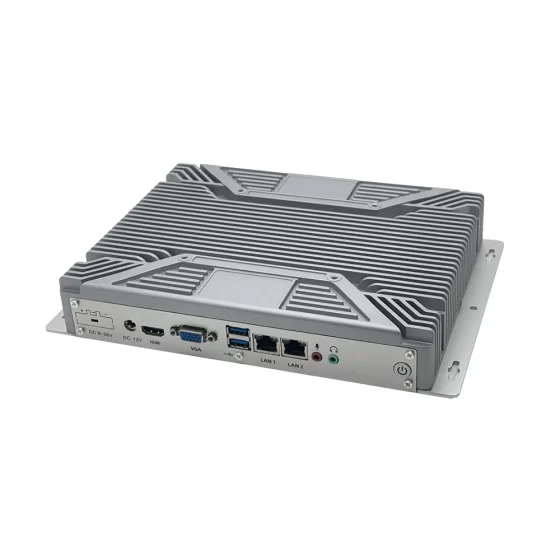
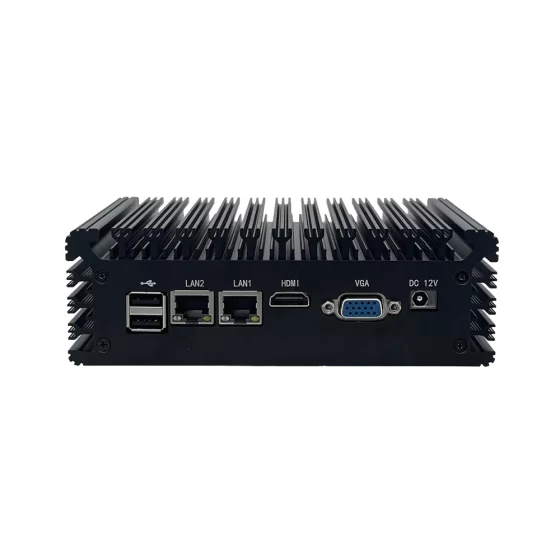
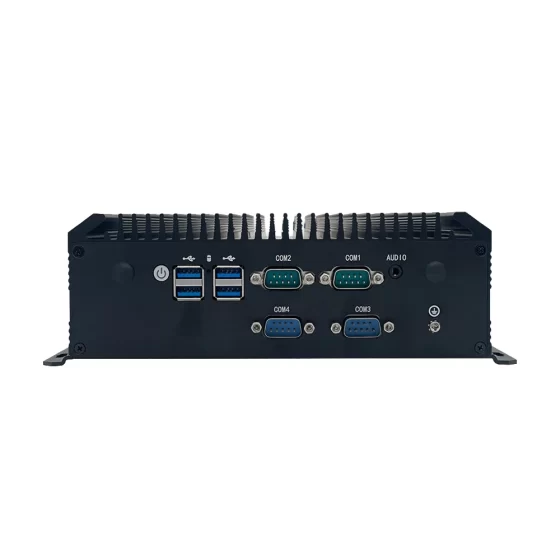
CoreIPC Industrial Computing-Lösungen

Zusammenfassung
An AI computer for surface defect detection is a specialized industrial computing platform designed to perform real-time visual inspection and defect analysis in manufacturing environments. By combining industrial cameras, Bildverarbeitungssoftware, artificial intelligence algorithms, und Edge-Computing-Funktionen, manufacturers can automatically detect scratches, Dellen, Risse, Flecken, assembly defects, dimensional deviations, and other product quality issues with high accuracy and consistency.
As manufacturing industries continue to adopt Industry 4.0 Technologien, traditional manual inspection methods are increasingly being replaced by AI-powered surface defect detection systems. These solutions improve inspection speed, reduce labor dependency, minimize false detection rates, and provide continuous quality monitoring throughout production processes.
A robust surface defect detection computer serves as the central processing unit of the inspection system, Abwicklung der Bildaufnahme, KI-Schlussfolgerung, data analysis, and communication with production equipment. Industrial-grade computing platforms are particularly important because they must operate reliably in demanding factory environments while delivering low-latency processing and long-term stability.
For manufacturers seeking to improve product quality, reduce waste, and increase production efficiency, deploying an industrial computer or embedded computer for surface defect detection has become a key step toward intelligent manufacturing and automated quality control.

Industrial Vision Inspection Station Patrol
Branchenüberblick
The Growing Demand for Automated Surface Inspection
Surface quality inspection is a critical process across numerous manufacturing industries, einschließlich:
- Electronics manufacturing
- Semiconductor production
- Automotive components
- Metal fabrication
- Battery manufacturing
- Glass processing
- Pharmazeutische Verpackung
- Consumer products
- Food and beverage packaging
- Textile production
Even minor surface defects can lead to product failures, customer complaints, warranty claims, and brand reputation damage. As production volumes increase and quality standards become more stringent, manufacturers require inspection systems capable of detecting microscopic defects at high production speeds.
Industrie 4.0 and Smart Quality Control
Industrie 4.0 initiatives are driving the adoption of intelligent quality inspection systems. Modern factories are increasingly integrating:
- Industrielle IoT-Geräte
- KI-gesteuerte Analysen
- Bildverarbeitungssysteme
- Edge-Computing-Plattformen
- Predictive maintenance tools
- Produktionsüberwachung in Echtzeit
Surface defect detection systems have become a core component of smart manufacturing because they provide immediate feedback on product quality and production performance.
The Rise of Edge AI Inspection
Traditional machine vision systems often relied on centralized servers for image analysis. Jedoch, increasing image resolutions and production speeds generate massive amounts of data.
Edge computing addresses this challenge by processing inspection data directly at the production line. An embedded computer or industrial computer performs AI inference locally, reducing latency while improving reliability and operational efficiency.
Infolge, AI-powered surface defect detection computers are becoming standard equipment in modern automated manufacturing facilities.

Modern Factory Automation Inspection System
Key Challenges in Surface Defect Detection Deployment
Although AI inspection technology offers significant advantages, manufacturers often encounter several deployment challenges.
Umweltherausforderungen
Manufacturing environments may expose inspection equipment to:
- Staub
- Vibration
- Ölverschmutzung
- Luftfeuchtigkeit
- Temperaturschwankungen
- Elektromagnetische Störungen
Consumer-grade computers often struggle to maintain stable operation under these conditions.
Anforderungen an die Echtzeitverarbeitung
Many production lines operate continuously at high speeds. Inspection systems must:
- Capture images in real time
- Process multiple camera streams
- Execute AI inference rapidly
- Trigger alarms instantly
- Communicate with PLC systems
Any processing delay can impact production efficiency.
Defect Diversity
Surface defects vary significantly depending on the product:
- Kratzer
- Cracks
- Burrs
- Stains
- Fehlende Komponenten
- Farbinkonsistenzen
- Formabweichungen
KI-Modelle müssen trainiert werden, um mehrere Fehlerkategorien genau zu identifizieren.
Integration älterer Geräte
Fabriken nutzen häufig die vorhandene Automatisierungsinfrastruktur, einschließlich:
- SPS
- SCADA-Systeme
- MES-Plattformen
- Industrielle Netzwerke
Der Inspektionscomputer muss eine nahtlose Integration mit diesen Systemen unterstützen.
Anforderungen an die Cybersicherheit
Vernetzte Fertigungsumgebungen bringen Cybersicherheitsrisiken mit sich.
Inspektionssysteme erfordern:
- Sichere Kommunikation
- Benutzerzugriffskontrolle
- Netzwerksegmentierung
- Software-Update-Management
- Datenschutzmechanismen
Überlegungen zur Skalierbarkeit
Hersteller erweitern häufig ihre Produktionskapazität im Laufe der Zeit.
Ein skalierbarer Computer zur Erkennung von Oberflächenfehlern sollte dies unterstützen:
- Zusätzliche Kameras
- Weitere KI-Modelle
- Neue Produktionslinien
- Erhöhte Datenmengen
ohne dass ein kompletter Systemaustausch erforderlich wäre.
 Lösungsarchitektur
Typische KI-Architektur zur Erkennung von Oberflächenfehlern
A modern surface defect detection solution consists of several integrated components:
Bilderfassungsebene
Industrial cameras continuously capture product images on the production line.
Common camera types include:
- Flächenkameras
- Zeilenkameras
- Hochgeschwindigkeitskameras
- 3D-Vision-Kameras
Lighting systems ensure consistent image quality for accurate analysis.
Kontrollschicht
PLCs coordinate production equipment such as:
- Förderer
- Roboterarme
- Sorting mechanisms
- Verpackungssysteme
The inspection system exchanges data with PLCs through industrial communication protocols.
Edge-Computing-Schicht
The surface defect detection computer serves as the core processing platform.
Zu seinen Aufgaben gehört::
- Camera control
- Bildaufnahme
- AI model execution
- Fehlerklassifizierung
- Datenspeicherung
- Production communication
The industrial computer performs all processing locally to minimize latency.
AI Analysis Layer
Machine learning and deep learning algorithms analyze captured images.
Common AI tasks include:
- Fehlererkennung
- Object classification
- Anomalieerkennung
- Segmentation analysis
- Dimensional measurement
Advanced AI models can identify defects that are difficult or impossible for traditional rule-based systems to detect.
Factory-Integrationsschicht
Inspection results are transmitted to:
- SPS
- SCADA-Systeme
- MES-Plattformen
- ERP-Systeme
- Qualitätsmanagementsysteme
This integration enables real-time quality control and production optimization.
Cloud and Analytics Layer
Production data can be aggregated for:
- Qualitätstrendanalyse
- Produktionsberichterstattung
- Vorausschauende Wartung
- Prozessoptimierung
Cloud connectivity provides visibility across multiple factories and production sites.
Key Features of an AI Computer for Surface Defect Detection
1. High-Performance Processing Capability
AI-based inspection requires substantial computing resources.
Unterstützung für industrielle Computerplattformen:
- Mehrkernprozessoren
- Hochgeschwindigkeitsspeicher
- Hardware acceleration
- GPU-based AI inference
These capabilities enable rapid image processing and real-time defect detection.
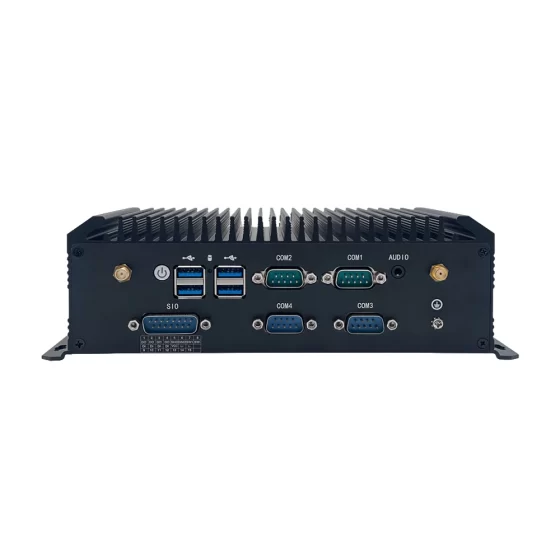
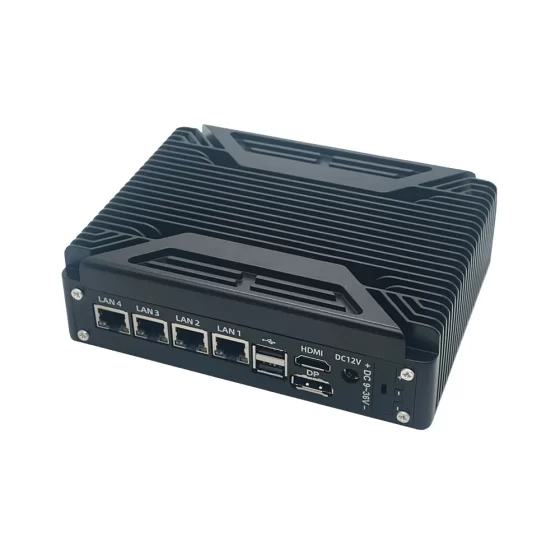
2. Lüfterloses Industriedesign
Many production environments contain dust and contaminants.
Lüfterlose Systeme bieten:
- Reduzierter Wartungsaufwand
- Verbesserte Zuverlässigkeit
- Längere Lebensdauer
- Niedrigere Ausfallraten
This makes them ideal for continuous industrial operation.
3. Betrieb bei weitem Temperaturbereich
Factories often experience temperature variations.
Industrial-grade embedded computers are designed for stable operation under extended temperature conditions, ensuring consistent inspection performance.
4. Industrielle Konnektivität
A surface defect detection computer must communicate with numerous devices.
Zu den typischen Schnittstellen gehören::
- Gigabit-Ethernet
- USB
- Serielle Schnittstellen
- Digitale I/O
- Industrial fieldbus connectivity
These interfaces simplify system integration.
5. Edge AI Acceleration
Modern inspection systems increasingly rely on AI.
Edge AI capabilities provide:
- Faster inference
- Reduced network dependency
- Geringere Latenz
- Verbesserte Privatsphäre
Local processing is particularly valuable in high-speed manufacturing applications.
6. High Reliability and 24/7 Betrieb
Manufacturing lines often run continuously.
Industrial computers are engineered for:
- Langzeitstabilität
- Dauerbetrieb
- Reduzierte Ausfallzeiten
- Consistent performance
This reliability is essential for mission-critical inspection systems.
7. Flexible Expansion Capability
Inspection requirements evolve over time.
Expandable platforms support:
- Zusätzliche Kameras
- KI-Beschleuniger
- Storage upgrades
- Network expansion
This protects investment and simplifies future upgrades.
8. Langer Lebenszyklus-Support
Manufacturing equipment typically remains in service for many years.
Industrial computing platforms offer longer product lifecycles than consumer hardware, reducing redesign and qualification costs.
9. Cybersecurity Readiness
Secure computing platforms help protect production environments through:
- Zugangskontrolle
- Sichere Kommunikation
- Operating system hardening
- Remote management capabilities
These features support modern industrial cybersecurity strategies.
Empfohlene CoreIPC-Produkte
Industrie-PCs
Suitable Applications
- Large-scale inspection systems
- Bereitstellungen mit mehreren Kameras
- High-speed production lines
Bereitstellungsszenarien
- Automotive manufacturing
- Elektronikmontage
- Metal processing
Key Advantages
- High processing power
- Erweiterungsflexibilität
- Extensive connectivity
Lüfterlose Industrie-PCs
Suitable Applications
- Dusty production environments
- Harsh industrial locations
- Continuous operation systems
Bereitstellungsszenarien
- Fabrikautomation
- Verpackungsinspektion
- Food processing
Key Advantages
- Maintenance-free design
- Verbesserte Zuverlässigkeit
- Leiser Betrieb
Eingebettete Computer
Suitable Applications
- Compact inspection stations
- Edge AI deployments
- Space-constrained installations
Bereitstellungsszenarien
- Produktionszellen
- Inspection workstations
- Automated assembly systems
Key Advantages
- Kompakte Größe
- Flexible Integration
- Efficient processing
Embedded-Box-PCs
Suitable Applications
- Bildverarbeitungssysteme
- AI inference platforms
- Produktionsüberwachung
Bereitstellungsszenarien
- Oberflächeninspektion
- Roboterführung
- Process control
Key Advantages
- Robuste Konstruktion
- Easy deployment
- Industrielle Zuverlässigkeit
Mini-ITX-Motherboards
Suitable Applications
- Custom inspection equipment
- OEM machine vision solutions
Bereitstellungsszenarien
- Equipment manufacturing
- Integrated inspection systems
Key Advantages
- Customization flexibility
- Umfangreiche I/O-Optionen
- Langfristige Verfügbarkeit
Edge-KI-Computer
Suitable Applications
- Deep learning inspection
- Advanced defect classification
- Real-time visual analytics
Bereitstellungsszenarien
- Semiconductor inspection
- Battery manufacturing
- Precision electronics production
Key Advantages
- KI-Beschleunigung
- Low-latency processing
- Scalable performance
Bereitstellungsszenarien
Smart Factory Quality Inspection
AI computers monitor production quality continuously and automatically remove defective products from the production flow.
Machine Vision Inspection for Electronics Manufacturing
High-resolution cameras inspect PCBs, Anschlüsse, and electronic assemblies to identify missing components and soldering defects.
Battery Production Inspection
AI systems detect scratches, Dellen, Kontamination, and coating defects during battery manufacturing processes.
Metal Surface Inspection
Industrial computers analyze steel, aluminum, and machined parts for cracks, corrosion, and dimensional deviations.
Glass Manufacturing Inspection
Machine vision systems identify bubbles, Kratzer, chips, and surface imperfections on glass products.
Automotive Component Inspection
AI-powered inspection verifies surface quality and assembly integrity of automotive parts.
Packaging Quality Verification
Inspection systems ensure packaging consistency, Etikettengenauigkeit, and product appearance standards.
Semiconductor Wafer Inspection
Advanced AI algorithms identify microscopic defects during semiconductor fabrication processes.
Geschäftsvorteile
Deploying an industrial computer for surface defect detection provides measurable operational advantages.
Reduzierte Ausfallzeiten
Automated inspection identifies quality issues early, preventing production disruptions and reducing rework requirements.
Erhöhte Produktivität
Continuous AI inspection enables higher throughput than manual inspection methods.
Niedrigere Wartungskosten
Industrial-grade hardware minimizes unexpected failures and reduces maintenance requirements.
Verbesserte Produktqualität
Consistent AI analysis improves defect detection accuracy and reduces quality variation.
Bessere operative Transparenz
Real-time inspection data provides valuable insights into manufacturing performance.
Schnellere Entscheidungsfindung
Immediate defect identification enables rapid corrective actions and process optimization.
Verbesserte Skalierbarkeit
Manufacturers can expand inspection coverage without fundamentally redesigning system architecture.
Warum CoreIPC
CoreIPC specializes in industrial computing and embedded hardware solutions designed for demanding industrial applications.
Our capabilities include:
- Fachwissen im Bereich Industrial Computing
- Entwicklung eingebetteter Hardware
- OEM manufacturing support
- ODM project services
- Custom embedded board development
CoreIPC focuses on providing reliable computing platforms for machine vision, Industrielle Automatisierung, Kanten-KI, and smart manufacturing applications.
Key strengths include:
- Industrial-grade design philosophy
- Flexible Hardwareanpassung
- Produktverfügbarkeit über einen langen Lebenszyklus
- Comprehensive engineering support
- Globale Bereitstellungserfahrung
Whether deploying a single inspection station or a factory-wide quality inspection network, CoreIPC can provide suitable computing platforms to support surface defect detection projects.
Häufig gestellte Fragen
1. What is a surface defect detection computer?
A surface defect detection computer is an industrial computing platform that processes images captured by machine vision cameras and uses AI algorithms to identify defects such as scratches, Risse, Flecken, and manufacturing imperfections.
2. Why is an industrial computer preferred over a commercial PC?
Industrial computers are designed for harsh environments and continuous operation. They offer better reliability, wider environmental tolerance, and longer lifecycle support compared with commercial PCs.
3. Can AI improve inspection accuracy?
Ja. AI-based inspection systems can identify complex defect patterns that traditional rule-based systems may miss, improving overall inspection performance.
4. How many cameras can a surface defect detection system support?
The number depends on processor performance, Bildauflösung, Bildrate, and AI workload. Industrial computing platforms can often support multiple synchronized camera streams.
5. What industries use surface defect detection systems?
Industries include electronics, automotive, Halbleiter, Batterieherstellung, Verpackung, Metallbearbeitung, glass production, and consumer goods manufacturing.
6. Is edge computing important for defect detection?
Ja. Edge computing enables real-time analysis at the production line, reducing latency and minimizing dependence on external networks.
7. Welche Kommunikationsprotokolle werden allgemein unterstützt??
Industrial inspection systems often integrate using Ethernet, Modbus TCP, OPC UA, EtherCAT, PROFINET, und andere industrielle Kommunikationsstandards.
8. Can AI models be updated after deployment?
Ja. Modern systems allow AI models to be retrained and updated as new defect types emerge or production requirements change.
9. What are the benefits of fanless industrial computers?
Lüfterlose Systeme reduzieren den Wartungsaufwand, Zuverlässigkeit verbessern, Staubansaugung beseitigen, and support long-term operation in industrial environments.
10. Can surface defect detection integrate with MES systems?
Ja. Inspection results can be transferred to MES platforms for production monitoring, Qualitätsmanagement, and traceability purposes.
11. How much storage is required for inspection systems?
Storage requirements depend on image resolution, retention policies, and production volume. Many deployments use a combination of local and network storage.
12. Are embedded computers suitable for machine vision applications?
Ja. Modern embedded computers offer sufficient performance for many AI inspection workloads while maintaining compact form factors.
13. How does AI reduce quality costs?
AI improves defect detection consistency, reduces escaped defects, minimizes manual inspection labor, and lowers scrap and rework rates.
14. What factors should be considered when selecting a surface defect detection computer?
Key considerations include computing performance, AI acceleration capability, environmental requirements, Konnektivität, expandability, und Lebenszyklusunterstützung.
15. Can the same platform support multiple inspection tasks?
Ja. Many industrial computing platforms can simultaneously perform defect detection, Qualitätsüberwachung, production analytics, and equipment communication functions.
Abschluss
AI-powered surface defect detection is transforming modern manufacturing by enabling automated, genau, and real-time quality inspection. As production environments become increasingly automated and data-driven, the role of the surface defect detection computer continues to grow in importance.
By combining machine vision technology, Edge-KI-Computing, Industrielle Konnektivität, and reliable industrial hardware, manufacturers can improve product quality, Betriebskosten senken, and increase production efficiency. Industrial computers and embedded computers provide the performance, Zuverlässigkeit, and scalability required to support these advanced inspection systems, making them essential components of smart factory quality control strategies.
Kontaktieren Sie uns
Looking for the right computing platform for your surface defect detection project?
CoreIPC bietet industrielle Computerlösungen für:
- Surface defect detection systems
- Bildverarbeitungsinspektion
- Edge AI applications
- Smart manufacturing projects
- OEM and ODM developments
- Custom embedded hardware platforms
Contact the CoreIPC engineering team today for product selection assistance, solution consultation, and customized industrial computing solutions tailored to your application.