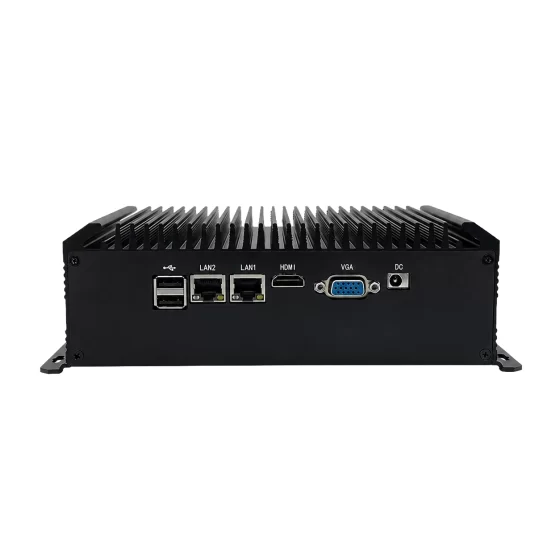
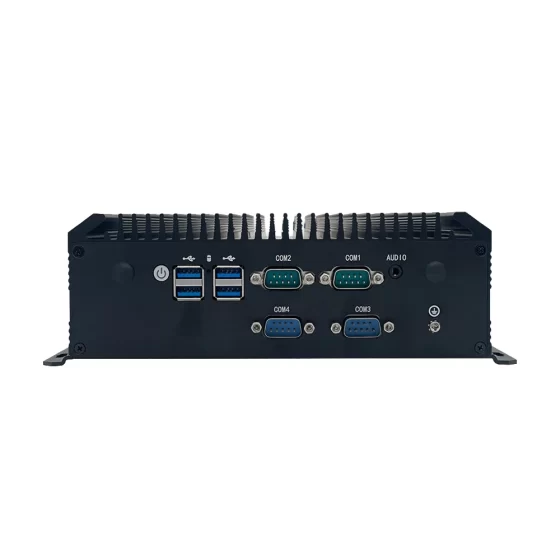
CoreIPC Industrial Computing-Lösungen

KI-Plattform für Qualitätskontrolle: KI-Qualitätskontrollcomputer für die industrielle Inspektion
Zusammenfassung
Ein KI-Qualitätskontrollcomputer bildet die industrielle Computergrundlage für die automatisierte Fehlererkennung, Sichtprüfung, Prozessüberwachung, und Qualitätsdatenanalyse in modernen Fertigungsumgebungen.
Während Fabriken auf eine intelligentere Produktion umsteigen, Die Qualitätskontrolle wird immer datengesteuerter und prüfintensiver. Herkömmliche manuelle Inspektionen werden oft durch die Ermüdung des Bedieners eingeschränkt, inkonsistentes Urteil, Geschwindigkeitsbeschränkungen, und Schwierigkeiten beim Umgang mit großen Produktionsdatenmengen.
KI-basierte Qualitätskontrollsysteme nutzen Kameras, Sensoren, Bildverarbeitungssoftware, Deep-Learning-Modelle, und industrielle Computerplattformen zur Fehlererkennung, Auffälligkeiten klassifizieren, Überprüfen Sie die Montagegenauigkeit, und Prüfergebnisse mit Produktionsaufzeichnungen verknüpfen.
Als lokale KI-Verarbeitungsplattform fungiert ein Industriecomputer oder Embedded Computer. Es empfängt Bild- oder Sensordaten, führt Inferenz-Workloads aus, kommuniziert mit SPSen und Automatisierungssystemen, speichert Inspektionsaufzeichnungen, und lädt Ergebnisse in MES hoch, Qualitätsmanagementsysteme, oder Fabrikdatenbanken.
Im Vergleich zu handelsüblichen PCs, Industriecomputer bieten eine höhere Zuverlässigkeit, flexible I/O, Robustes mechanisches Design, lüfterlose Optionen, Unterstützung für einen langen Lebenszyklus, und praktischer Einsatz in realen Fabrikumgebungen.
In diesem Artikel wird erläutert, wie KI-Qualitätskontrollplattformen funktionieren, welchen Herausforderungen Hersteller bei der Bereitstellung gegenüberstehen, wie die Lösungsarchitektur aufgebaut ist, und welche Hardwaremerkmale bei der Auswahl eines Industriecomputers für KI-Inspektionsanwendungen wichtig sind.
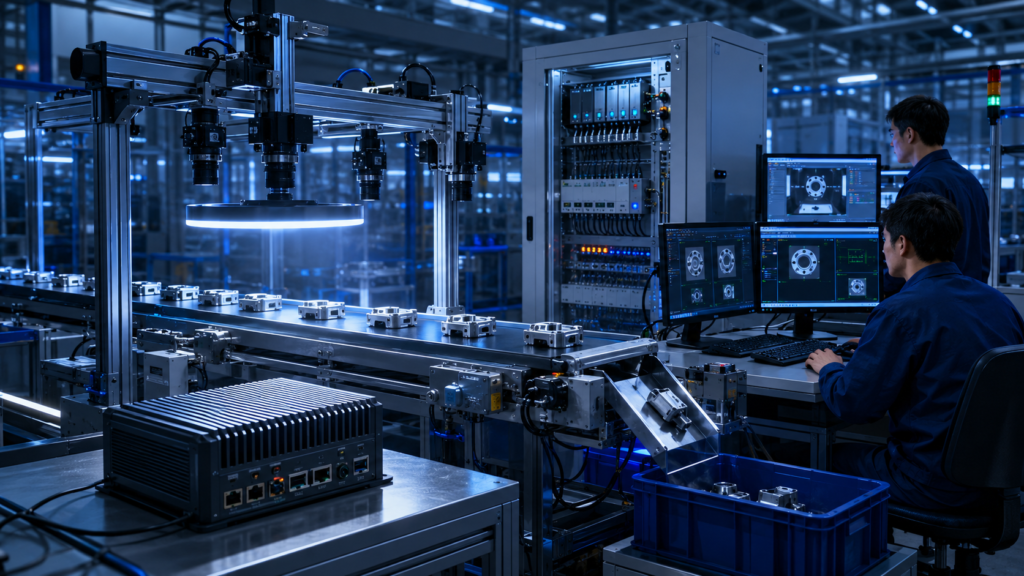
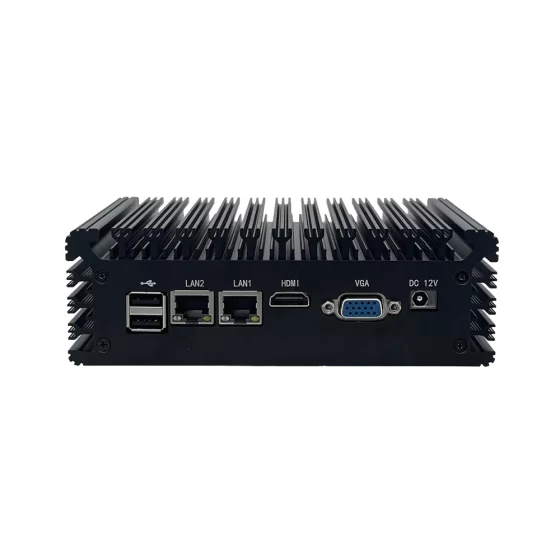
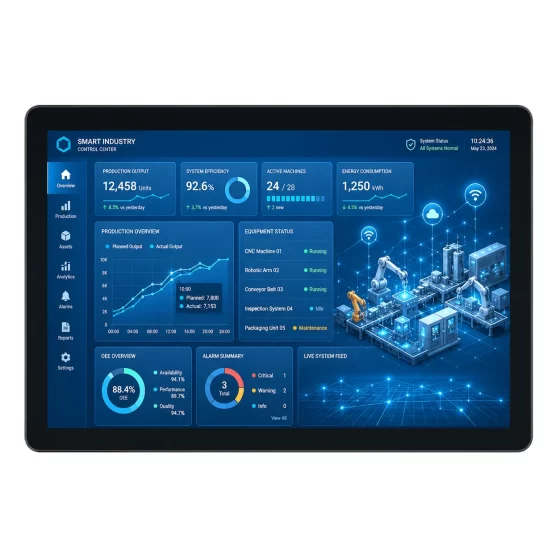
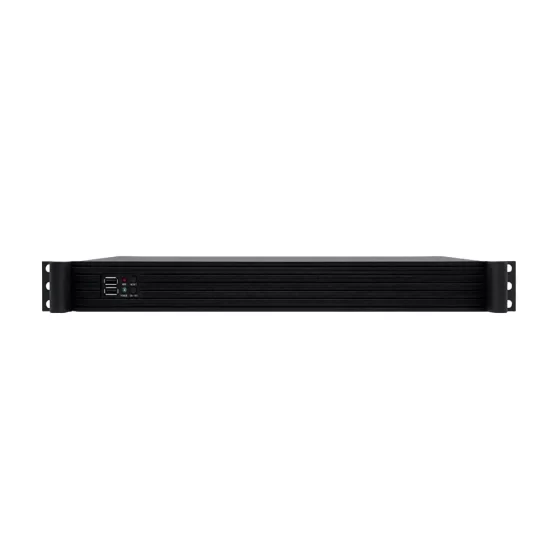
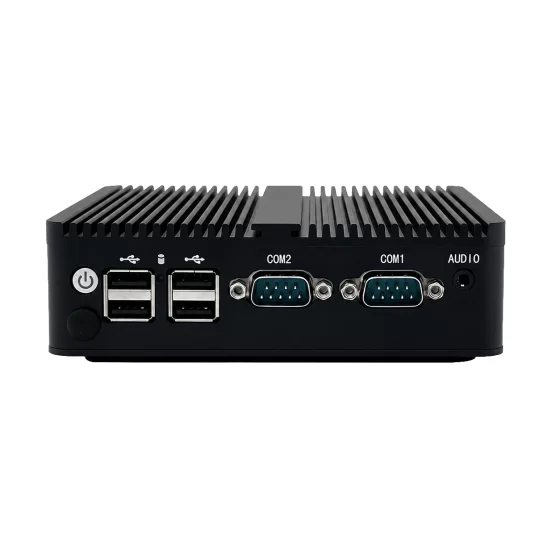
Industriecomputer verarbeiten Kamerabilder zur KI-basierten Fehlererkennung und automatisierten Qualitätskontrolle.
Branchenüberblick
Die Qualitätskontrolle wird zunehmend automatisiert
Hersteller stehen zunehmend unter Druck, die Produktqualität zu verbessern, Inspektionsfehler reduzieren, und Fehler früher im Produktionsprozess erkennen.
In vielen Branchen, Die Qualitätskontrolle beschränkt sich nicht mehr nur auf die Endkontrolle. Die Inspektion kann in mehreren Phasen erfolgen, einschließlich eingehender Materialien, Montage, Bearbeitung, Löten, Verpackung, Beschriftung, und abschließende Produktvalidierung.
Zur Unterstützung werden zunehmend KI-Qualitätskontrollsysteme eingesetzt:
- Erkennung von Oberflächenfehlern
- Inspektion des Produktaussehens
- Überprüfung der Anwesenheit von Komponenten
- Erkennung von Montagefehlern
- Barcode- und Etikettenprüfung
- Unterstützung bei der Maßkontrolle
- Verpackungsüberprüfung
- Erkennung von Prozessanomalien
- Fehlerklassifizierung
- Erfassung von Rückverfolgbarkeitsdaten
Diese Systeme erfordern zuverlässige Computerhardware in der Nähe der Produktionsanlagen.
Warum KI in der Qualitätsprüfung eingesetzt wird
Herkömmliche regelbasierte Bildverarbeitungssysteme funktionieren gut, wenn Mängel klar sind, wiederholbar, und einfach zu definieren.
Jedoch, Viele Defekte in der realen Welt sind komplexer. Kratzer, Flecken, Risse, Lötfehler, Dellen, fehlende Teile, Kontamination, Farbvariation, und Oberflächentexturprobleme können in der Form variieren, Größe, Beleuchtungsreaktion, und Position.
KI-Inspektionsmodelle können dabei helfen, Muster zu erkennen, die sich mit festen Regeln nur schwer beschreiben lassen. Sie können Mängel klassifizieren, Bilder vergleichen, Anomalien erkennen, und unterstützen eine flexiblere Inspektionslogik.
Eine gute Optik entfällt dadurch nicht, Beleuchtung, und Systemdesign. Stattdessen, Dies macht die Computerplattform wichtiger, da KI-Workloads eine stabile lokale Verarbeitung erfordern.
Industrial Computing ist die Edge AI Foundation
Die KI-Qualitätskontrolle erfordert häufig eine lokale Verarbeitung in der Nähe der Produktionslinie.
Das Senden jedes Bildes an einen Remote-Server kann die Latenz erhöhen, Netzwerklast, und Systemabhängigkeit. Lokale Industriecomputer ermöglichen es, Prüfentscheidungen nah an der Maschine zu treffen.
Ein KI-Qualitätskontrollcomputer kann Kameras anschließen, Beleuchtungssteuerungen, Sensoren, SPS, Förderer, Robotersysteme, und Fabriknetzwerke. Es kann KI-Inferenzsoftware ausführen, Bilder lokal verarbeiten, und Ergebnisse an Produktionssysteme senden.
Eingebettete Computer sind nützlich, wenn die KI-Inspektion in Maschinen integriert werden muss, Schränke, kompakte Inspektionsstationen, oder OEM-Ausrüstung.

Fehlervariabilität, Beleuchtung, Oberflächenreflexion, Bildqualität, und Produktform beeinflussen die Zuverlässigkeit der KI-Inspektion.
Wichtigste Herausforderungen
Fehlervariabilität
Qualitätsmängel sind nicht immer gleichbleibend.
Derselbe Fehlertyp kann in unterschiedlichen Formen auftreten, Größen, Farben, Positionen, und Lichtverhältnisse. Einige Mängel sind offensichtlich, während andere subtil und schwer zu identifizieren sind.
Zu den häufigsten Inspektionsherausforderungen gehören::
- Oberflächenkratzer
- Risse oder Dellen
- Fehlende Komponenten
- Falsche Montage
- Schlechte Lötstellen
- Kontamination
- Etikettenfehler
- Farbinkonsistenz
- Verpackungsschaden
- Fremdkörper
Die KI-Plattform muss Bilder zuverlässig verarbeiten und unter realen Produktionsbedingungen stabile Prüfergebnisse liefern.
Hoher Arbeitsaufwand bei der Bildverarbeitung
Bei der KI-Qualitätsprüfung kommen häufig hochauflösende Kameras und Deep-Learning-Modelle zum Einsatz.
Der Rechenaufwand hängt von der Kameraauflösung ab, Bildrate, Anzahl der Kameras, Modellkomplexität, Inspektionsgeschwindigkeit, und Datenspeicheranforderungen.
Wenn der Industriecomputer zu wenig Leistung hat, Es kann zu Verzögerungen bei der Überprüfung des Systems kommen, instabile Frame-Verarbeitung, oder verringerte Produktionsgeschwindigkeit.
Bei der Auswahl der Hardware sollte die nachhaltige Leistung berücksichtigt werden, nicht nur Spitzenspezifikationen.
Beleuchtung und Bildqualität
Die KI-Inspektion hängt immer noch von der Bildqualität ab.
Schlechte Beleuchtung kann Schatten erzeugen, Blendung, geringer Kontrast, Bewegungsunschärfe, oder inkonsistentes Oberflächenbild. Diese Probleme können die Modellgenauigkeit verringern und die Fehlerkennung erhöhen.
Die KI-Qualitätskontrollplattform muss bei Bedarf eine stabile Kameraerfassung und Beleuchtungssteuerung unterstützen.
Gute Inspektionsergebnisse hängen in der Regel von einem vollständigen Systemdesign ab, inklusive Kamera, Linse, Beleuchtung, Montage, Software, und Computerhardware.
Integration mit Produktionsanlagen
KI-Inspektionsergebnisse müssen mit der Produktionsausrüstung verknüpft sein.
Das System muss möglicherweise mit SPS kommunizieren, Förderer, Ablehnungsmechanismen, Robotersteuerungen, Alarm, MES-Systeme, oder Qualitätsdatenbanken.
Dies erfordert zuverlässige industrielle I/O- und Netzwerkkonnektivität.
Möglicherweise ist ein praktischer KI-Qualitätskontrollcomputer erforderlich:
- LAN
- USB
- RS232
- RS485
- GPIO
- Digitaler Eingang
- Digitaler Ausgang
- Ausgabe anzeigen
- Erweiterungsschnittstellen
Ohne passende I/O, Die Systemintegration wird komplexer und weniger zuverlässig.
Kontinuierlicher Betrieb und Wartung
KI-Inspektionssysteme werden häufig direkt an Produktionslinien eingesetzt.
Sie können kontinuierlich über mehrere Schichten laufen. Der Computer darf in der Nähe von Maschinen aufgestellt werden, in Schränken, unter Inspektionsbänken, oder in Gerätegehäusen.
In diesen Umgebungen kann es zu Vibrationen kommen, Staub, Hitze, elektrisches Rauschen, Kabelbewegung, und begrenzter Luftstrom.
Industriegerechtes Design ist wichtig, da unerwartete Hardwareausfälle die Inspektion unterbrechen können, Qualitätsaufzeichnungen, und Produktionsfluss.

Industriecomputer verbinden KI-Inspektionskameras, Automatisierungsgeräte, und Fabrikqualitätssysteme.
KI-Qualitätskontroll-Computerlösungsarchitektur
Bild- und Sensorerfassungsebene
Die Erfassungsebene umfasst Kameras, Linsen, Beleuchtung, Triggersensoren, Messgeräte, und Produktionssensoren.
Diese Ebene erfasst die für die KI-Inspektion erforderlichen Rohdaten.
Abhängig von der Anwendung, es kann sammeln:
- Produktbilder
- Oberflächenbilder
- Montagebilder
- Komponentenbilder
- Barcode- oder Etikettenbilder
- Messwerte
- Sensorwerte
- Positionsdaten
- Prozesssignale
Die Qualität dieser Ebene wirkt sich direkt auf die KI-Leistung aus. Klar, konsistent, und wiederholbare Eingabedaten sind für eine zuverlässige Inspektion unerlässlich.
Industrielle KI-Computing-Schicht
In der industriellen KI-Rechenschicht führt der KI-Qualitätskontrollcomputer die lokale Verarbeitung durch.
Auf dieser Ebene, Der Industriecomputer kann:
- Bilder von Kameras empfangen
- Führen Sie KI-Inferenzmodelle aus
- Erkennen Sie Mängel oder Anomalien
- Inspektionsergebnisse klassifizieren
- Vergleichen Sie Bilder mit Qualitätsregeln
- Verarbeiten Sie Barcode- oder Etikettendaten
- Speichern Sie Bilder und Protokolle
- Senden Sie Pass- oder Fail-Signale
- Laden Sie Ergebnisse in MES oder Qualitätssysteme hoch
- Inspektionsstatus lokal anzeigen
Diese Edge-Computing-Schicht reduziert die Latenz und ermöglicht Qualitätsentscheidungen in der Nähe des Produktionsprozesses.
Ebene der Automatisierungssteuerung
Die Automatisierungssteuerungsschicht verbindet das KI-Inspektionssystem mit Maschinen und Produktionsanlagen.
Eine SPS, Motion-Controller, Fördersystem, oder die Robotersteuerung kann eine Inspektion auslösen. Nach der KI-Verarbeitung, Der Industrierechner kann das Ergebnis an die Steuerung zurücksenden.
Zum Beispiel, Das System kann die Fortsetzung eines Produkts zulassen, einen Alarm auslösen, Stoppen Sie die Linie, einen Ablehnungsmechanismus aktivieren, oder senden Sie das Produkt an eine Reparaturstation.
Diese geschlossene Kommunikation trägt dazu bei, die KI-Inspektion in praktische Maßnahmen zur Qualitätskontrolle umzuwandeln.
Datenverwaltungsschicht
KI-Inspektionsergebnisse werden häufig mit Produktionsaufzeichnungen verknüpft.
Der Industriecomputer kann Daten an das MES senden, Qualitätsmanagementsysteme, Fabrikdatenbanken, oder Analyseplattformen.
Daten können Folgendes umfassen::
- Produkt-ID
- Inspektionsergebnis
- Fehlerkategorie
- Bildbeweis
- Vertrauenswert
- Stations-ID
- Zeitstempel
- Arbeitsauftrag
- Bedieneraktion
- Reparaturstatus
Diese Informationen unterstützen die Rückverfolgbarkeit, Prozessverbesserung, und Qualitätsanalyse.
Benutzeroberfläche und Engineering-Ebene
Betreiber und Ingenieure benötigen eine praktische Schnittstelle zur Überwachung und Wartung.
Der KI-Qualitätskontrollcomputer kann an einen Monitor angeschlossen werden, Touch-Screen, Tastatur, oder HMI-Panel.
Die Schnittstelle kann Livebilder anzeigen, Inspektionsergebnisse, Defektstellen, Modellstatus, Alarmmeldungen, Produktion zählt, und Systemprotokolle.
Eine übersichtliche Benutzeroberfläche hilft Ingenieuren dabei, Prüfparameter anzupassen und schnell zu reagieren, wenn sich die Qualitätsbedingungen ändern.
Hauptmerkmale
KI-Inferenzleistung
Die Computerplattform muss eine stabile KI-Inferenzleistung für die Inspektionsarbeitslast bieten.
Unterschiedliche Anwendungen können unterschiedliche Rechenleistungen erfordern. Ein einfaches Fehlererkennungssystem mit einer Kamera kann einen kompakten eingebetteten Computer verwenden. Eine Multikamera, hochauflösend, Für eine KI-basierte Inspektionsplattform ist möglicherweise ein leistungsstärkerer Industrie-PC oder ein Edge-KI-Computer erforderlich.
Die Auswahl sollte berücksichtigt werden:
- Größe des KI-Modells
- Kameraauflösung
- Anzahl der Kameras
- Erforderliche Bildrate
- Inspektionszykluszeit
- Lokale Bildspeicherung
- Software-Framework
- CPU, GPU, oder Beschleunigeranforderungen
Eine stabile Dauerleistung ist wichtiger als kurze Benchmark-Spitzen.
Unterstützung für Kamera- und Vision-Schnittstellen
KI-Qualitätskontrollsysteme hängen von der Kamerakonnektivität ab.
Der Industrierechner sollte die von der Anwendung benötigte Kameraschnittstelle unterstützen. USB- und Gigabit-Ethernet-Kameras sind in vielen industriellen Bildverarbeitungssystemen üblich.
Zu den nützlichen Hardwarefunktionen können gehören:
- USB 3.0 Häfen
- Mehrere LAN-Ports
- PCIe-Erweiterung
- M.2-Erweiterung
- Hochgeschwindigkeitsspeicher
- Ausgabe anzeigen
- Stabiles Power-Design
Für Mehrkamerasysteme, Besonders wichtig ist die Bandbreitenplanung.
Industrielle I/O für die Fabrikintegration
KI-Inspektionssysteme müssen mit realen Produktionsanlagen verbunden sein.
Zu den wichtigen E/A-Optionen können gehören:
- LAN
- USB
- RS232
- RS485
- GPIO
- Digitaler Eingang
- Digitaler Ausgang
- HDMI
- DisplayPort
Diese Schnittstellen können Kameras unterstützen, Sensoren, SPS, Beleuchtungssteuerungen, Scanner, Alarm, Robotersteuerungen, und Ablehnungsmechanismen.
Flexible E/A reduzieren den Bedarf an externen Adaptern und verbessern die Systemzuverlässigkeit.
Lüfterloses und robustes Design
Lüfterlose Industriecomputer werden häufig in Qualitätskontrollanwendungen eingesetzt.
Sie reduzieren die Staubaufnahme und beseitigen eine häufige mechanische Fehlerquelle. Dies ist wichtig in Fabriken, in denen die Systeme kontinuierlich laufen und der Wartungszugriff begrenzt ist.
Ein robustes Gehäuse schützt das System außerdem vor Vibrationen, Kabelspannung, und Auswirkungen auf die Installation.
Das thermische Design sollte dennoch sorgfältig überprüft werden, insbesondere wenn KI-Beschleunigungshardware oder Hochleistungsprozessoren zum Einsatz kommen.
Speicher für Bilder und Inspektionsaufzeichnungen
KI-Qualitätsprüfsysteme können große Datenmengen erzeugen.
Der Computer speichert möglicherweise fehlerhafte Bilder, Produktionsbilder, Inspektionsprotokolle, Modelldateien, Berichte, und lokale Datenbanken.
SSD-Speicher werden häufig bevorzugt, da sie eine schnellere Reaktion und eine bessere Stoßbeständigkeit bieten als mechanische Laufwerke.
Für bildlastige Anwendungen, Speicherkapazität, schreibe Ausdauer, Die Richtlinie zur Datenaufbewahrung sollte während des Systemdesigns überprüft werden.
Lange Lebensdauer und Wartbarkeit des Systems
KI-Qualitätskontrollsysteme können viele Jahre lang in Produktion bleiben.
Häufige Änderungen bei Computermodellen, Schnittstellen, Fahrer, oder Erweiterungsoptionen können den Validierungsaufwand und die Wartungskosten erhöhen.
Industrielle Computerplattformen mit Lebenszyklusplanung helfen Herstellern und OEM-Gerätebauern, stabile Inspektionssysteme über mehrere Produktionslinien und Kundenprojekte hinweg aufrechtzuerhalten.
Bereitstellungsszenarien
Erkennung von Oberflächenfehlern
Die KI-Qualitätskontrolle wird häufig zur Erkennung von Oberflächenfehlern eingesetzt.
Industriekameras erfassen Produktoberflächen, und der KI-Qualitätskontrollcomputer verarbeitet Bilder lokal, um Kratzer zu identifizieren, Flecken, Risse, Dellen, Kontamination, oder Texturanomalien.
Dies ist in der Elektronik nützlich, Metallbearbeitung, Kunststoffteile, Automobilkomponenten, Verpackung, und Präzisionsfertigung.
Überprüfung der Baugruppe
Durch die KI-Inspektion kann überprüft werden, ob Teile korrekt zusammengebaut sind.
Das System kann das Vorhandensein von Komponenten prüfen, Orientierung, Position, Ausrichtung des Steckers, Schraubenplatzierung, Kabelführung, Etikettenposition, oder fehlende Teile.
Ein Industriecomputer verarbeitet Bilder und sendet Ergebnisse an das Produktionssystem oder die SPS.
Dies trägt dazu bei, Montagefehler zu reduzieren, bevor die Produkte in den nächsten Prozess gelangen.
Elektronik- und Leiterplatteninspektion
KI-Plattformen können elektronische Inspektionsaufgaben wie die Komponentenverifizierung unterstützen, Überprüfung der Lötstelle, Barcode-Erkennung, Steckerprüfung, und Fehlerklassifizierung.
Ein eingebetteter Computer kann in der Nähe von SMT-Linien installiert werden, AOI-Ausrüstung, Teststationen, oder Reparaturbänke.
Prüfergebnisse können mit Leiterplatten-Seriennummern verknüpft werden, Arbeitsaufträge, und Qualitätsaufzeichnungen.
Verpackungs- und Etiketteninspektion
KI-Qualitätskontrollsysteme können Verpackungen prüfen, Etiketten, Druckqualität, Barcode-Präsenz, und Produktaussehen.
Das System kann fehlende Etiketten identifizieren, falsche Etiketten, beschädigte Verpackung, falsche Druckposition, oder unleserliche Codes.
Dies trägt dazu bei, Sendungsfehler zu reduzieren und unterstützt die Rückverfolgbarkeit der Logistik.
Roboterinspektionszellen
KI-Inspektion kann in Robotersysteme integriert werden.
Ein Roboter kann ein Produkt unter einer Kamera positionieren oder eine Kamera um ein Produkt herum bewegen. Der Industriecomputer verarbeitet das Bild und sendet Inspektionsergebnisse an die Robotersteuerung oder das Fabriksystem.
Dies unterstützt eine flexible Prüfung komplexer Teile und variabler Produktdesigns.
Überwachung der Produktionslinie
KI-Qualitätskontrollcomputer können auch die Produktionsüberwachung unterstützen.
Durch die Analyse von Bildern, Sensordaten, oder Prozesssignale, Das System erkennt möglicherweise einen abnormalen Produktfluss, fehlende Gegenstände, falsche Positionierung, oder Prozessabweichungen.
Dies hilft Produktionsteams, Probleme früher zu erkennen.
OEM-Inspektionsausrüstung
Maschinenbauer können KI-Qualitätskontrollcomputer in Inspektionsmaschinen integrieren.
Ein eingebetteter Computer oder ein Industrie-Motherboard können die Bildverarbeitung übernehmen, KI-Schlussfolgerung, HMI-Anzeige, Automatisierungskommunikation, und Produktionsdatenausgabe.
Für OEMs, Die integrierte KI-Inspektionsfunktion kann den Maschinenwert steigern und die Anforderungen einer intelligenten Fabrik unterstützen.
Geschäftsvorteile
Verbesserte Fehlererkennung
KI-Qualitätskontrollsysteme können dabei helfen, Fehler zu identifizieren, die mit manueller Inspektion oder einfacher regelbasierter Logik möglicherweise schwer zu erkennen sind.
In Kombination mit geeigneten Kameras, Beleuchtung, und industrielle Computerhardware, KI-Inspektion kann die Konsistenz verbessern und übersehene Fehler reduzieren.
Dies unterstützt eine höhere Produktqualität und zuverlässigere Prüfprozesse.
Reduzierter manueller Inspektionsaufwand
Die manuelle Inspektion kann repetitiv sein, langsam, und inkonsistent.
KI-Qualitätskontrollplattformen automatisieren viele Inspektionsaufgaben und ermöglichen es den Bedienern, sich auf Ausnahmen zu konzentrieren, Wartung, und Prozessverbesserung.
Dies hilft Fabriken, den Inspektionsaufwand zu reduzieren und gleichzeitig die Konsistenz über Schichten hinweg zu verbessern.
Schnellere Qualitätsentscheidungen
Durch die lokale KI-Verarbeitung stehen Inspektionsergebnisse schnell zur Verfügung.
Der Industriecomputer kann Bilder in der Nähe der Produktionslinie verarbeiten und weiterleiten, scheitern, oder Fehlerkategorieergebnisse an die SPS oder das Produktionssystem weiterleiten.
Dies ermöglicht eine schnellere Ablehnungsaktion, Reparaturroute, oder Prozesskorrektur.
Stärkere Rückverfolgbarkeit
KI-Inspektionsdaten können mit Produkt-IDs verknüpft werden, Arbeitsaufträge, Fehlerkategorien, Bilder, Zeitstempel, Informationen zum Sender, und Bedieneraktionen.
Dadurch entstehen bessere Rückverfolgbarkeitsaufzeichnungen für die Qualitätskontrolle, Kundenaudits, Garantieanalyse, und Ursachenforschung.
Bessere Prozessverbesserung
KI-Qualitätskontrollplattformen generieren nützliche Daten für die Prozessanalyse.
Hersteller können Fehlertrends überprüfen, Stationsleistung, wiederkehrende abnormale Muster, und Inspektionshistorie.
Zuverlässige industrielle Computerhardware trägt dazu bei, dass diese Daten konsistent erfasst und mit Fabriksystemen verbunden werden.
Skalierbare Smart-Manufacturing-Bereitstellung
Eine standardisierte industrielle Computerplattform erleichtert den Einsatz der KI-Qualitätskontrolle über mehrere Linien und Fabriken hinweg.
Konsistente Hardware vereinfacht Software-Images, Fahrerverwaltung, Ersatzteilplanung, Wartungsschulung, und langfristigen technischen Support.
Dies hilft Herstellern, die KI-Inspektion von Pilotprojekten auf den vollständigen Produktionseinsatz auszuweiten.
Warum CoreIPC
CoreIPC bietet industrielle Computerplattformen für die maschinelle Bildverarbeitung, Kanten-KI, Fabrikautomation, und eingebettete Systemintegration. Für Computeranwendungen zur KI-Qualitätskontrolle, CoreIPC konzentriert sich auf zuverlässige Industrie-PC-Hardware, Embedded-Computer-Lösungen, flexible I/O-Konfigurationen, kompaktes Systemdesign, und OEM/ODM-Anpassungsunterstützung. CoreIPC hilft Systemintegratoren, Hersteller von Inspektionsgeräten, und Fertigungsteams wählen Computerplattformen aus, die den tatsächlichen Bereitstellungsanforderungen entsprechen, einschließlich Kameraschnittstellen, KI-Workloads, Automatisierungskommunikation, Montagemethoden, Leistungsaufnahme, thermisches Design, Speicherbedarf, und Lebenszyklusplanung.
Häufig gestellte Fragen
1. Was ist ein KI-Qualitätskontrollcomputer??
Ein KI-Qualitätskontrollcomputer ist ein Industriecomputer, der zur Ausführung von KI-Inspektionssoftware in der Nähe von Produktionsanlagen verwendet wird.
Es kann Bilder von Kameras empfangen, Führen Sie KI-Inferenzmodelle aus, Mängel erkennen, Inspektionsergebnisse klassifizieren, mit SPS kommunizieren, und Qualitätsdaten in MES- oder Fabrikdatenbanken hochladen. Es ist für industrielle Umgebungen konzipiert, in denen Zuverlässigkeit gefragt ist, I/O-Flexibilität, und Dauerbetrieb sind wichtig.
2. Warum einen Industriecomputer für die KI-Qualitätskontrolle verwenden??
KI-Qualitätskontrollsysteme arbeiten oft direkt an Produktionslinien.
Ein Industriecomputer ist besser geeignet als ein Standard-Büro-PC, da er eine robuste Installation ermöglicht, stabiles thermisches Design, industrielle I/O, Dauerbetrieb, und Bereitstellung über einen langen Lebenszyklus. Diese Funktionen tragen dazu bei, dass KI-Inspektionssysteme im realen Fertigungseinsatz zuverlässig bleiben.
3. Wie wird ein eingebetteter Computer bei der KI-Inspektion eingesetzt??
In Inspektionsmaschinen kann ein eingebetteter Computer installiert werden, Schaltschränke, kompakte Vision-Stationen, oder OEM-Ausrüstung.
Es kann Kamerabilder verarbeiten, Führen Sie KI-Modelle aus, mit SPS kommunizieren, Prüfprotokolle aufbewahren, und lokale Ergebnisse anzeigen. Sein kompaktes Design macht es nützlich für maschinenseitige KI-Inspektion und Fabrikumgebungen mit begrenztem Platzangebot.
4. Welche Hardwarefunktionen sind für die KI-Qualitätskontrolle wichtig??
Zu den wichtigen Merkmalen gehört eine stabile Verarbeitungsleistung, Unterstützung der Kameraschnittstelle, mehrere LAN- oder USB-Anschlüsse, industrielle I/O, SSD-Speicher, Ausgabe anzeigen, lüfterloses Design, robuste mechanische Struktur, und lange Verfügbarkeit über den gesamten Lebenszyklus.
Für fortgeschrittene KI-Workloads, Je nach Modellkomplexität und Inspektionsgeschwindigkeit kann auch GPU- oder KI-Beschleunigerunterstützung erforderlich sein.
5. Können KI-Qualitätskontrollsysteme die manuelle Inspektion ersetzen??
Die KI-Qualitätskontrolle kann viele sich wiederholende Inspektionsaufgaben automatisieren, aber es sollte vorsichtig eingeführt werden.
Einige Anwendungen erfordern möglicherweise noch eine menschliche Prüfung, um eine komplexe Beurteilung zu ermöglichen, ungewöhnliche Mängel, oder Prozessvalidierung. In vielen Fabriken, Die KI-Inspektion funktioniert am besten als stabile automatisierte Inspektionsschicht, die den manuellen Arbeitsaufwand reduziert und die Konsistenz verbessert.
6. Wie wirkt sich die Bildqualität auf die Genauigkeit der KI-Inspektion aus??
Die Bildqualität hat großen Einfluss auf die Leistung der KI-Inspektion.
Schlechte Beleuchtung, Blendung, Schatten, verwischen, geringer Kontrast, oder eine instabile Positionierung kann die Modellgenauigkeit beeinträchtigen. Ein zuverlässiges KI-Qualitätskontrollsystem erfordert die richtige Kameraauswahl, Linsendesign, Beleuchtung, Montage, Triggersteuerung, und stabile industrielle Computerhardware.
7. Benötigen KI-Qualitätskontrollcomputer mehrere LAN-Ports??
In vielen KI-Inspektionssystemen sind mehrere LAN-Ports nützlich.
Ein LAN-Port kann mit Kameras oder maschinenseitigen Geräten verbunden werden, während ein anderer eine Verbindung zum MES herstellt, Fabriknetzwerke, oder Überwachungssysteme. Diese Trennung verbessert die Netzwerkorganisation und kann Verkehrsstörungen bei Bildverarbeitungsanwendungen reduzieren.
8. Ist ein lüfterloser Industrie-PC, der für die KI-Inspektion geeignet ist?
Ein lüfterloser Industrie-PC kann für viele KI-Inspektionsanwendungen geeignet sein, insbesondere wenn es auf geringen Wartungsaufwand und Staubreduzierung ankommt.
Jedoch, KI-Workloads können mehr Wärme erzeugen als einfache Datenerfassungsaufgaben. Prozessorleistung, Verwendung von KI-Beschleunigern, Gehäusedesign, Umgebungstemperatur, und Luftstrom sollten vor der endgültigen Auswahl überprüft werden.
9. Wie unterstützt die KI-Qualitätskontrolle die Rückverfolgbarkeit??
Die KI-Qualitätskontrolle unterstützt die Rückverfolgbarkeit durch die Verknüpfung von Prüfergebnissen mit Produkt-IDs, Fehlerkategorien, Bilder, Zeitstempel, Informationen zum Sender, und Arbeitsaufträge.
Diese Daten können in MES oder Qualitätssysteme hochgeladen werden. Vollständige Inspektionsprotokolle helfen Herstellern bei der Fehleranalyse, unterstützen Audits, und Produktionsprozesse verbessern.
10. Was sollte vor dem Einsatz einer KI-Qualitätskontrollplattform getestet werden??
Vor der Bereitstellung, Das System sollte mit realen Produkten getestet werden, echte Mängel, Produktionsbeleuchtung, tatsächliche Kameraauflösung, Liniengeschwindigkeit, KI-Modelle, SPS-Kommunikation, Speicherauslastung, und Netzwerkbedingungen.
Auch die Langzeitstabilität und die thermische Leistung sollten getestet werden. Dies verringert das Integrationsrisiko und trägt dazu bei, sicherzustellen, dass die Plattform in der Produktion zuverlässig funktionieren kann.
Abschluss
Ein KI-Qualitätskontrollcomputer ist eine praktische Grundlage für die automatisierte Inspektion, Fehlererkennung, Rückverfolgbarkeit, und intelligente Verbesserung der Fertigungsqualität.
Durch die Platzierung industrieller Computerhardware in der Nähe von Kameras, Sensoren, Beleuchtungssteuerungen, SPS, und Produktionsanlagen, Hersteller können Inspektionsdaten lokal verarbeiten und schneller auf Qualitätsprobleme reagieren.
Der richtige Industriecomputer oder Embedded-Computer sollte entsprechend den tatsächlichen Einsatzanforderungen ausgewählt werden, einschließlich KI-Arbeitsaufwand, Kameraschnittstelle, Bildauflösung, I/O-Konfiguration, Netzwerkarchitektur, Speicherbedarf, Montagemethode, Leistungsaufnahme, thermische Bedingungen, Betriebssystemunterstützung, und Lebenszyklusplanung.
CoreIPC unterstützt Computerprojekte zur KI-Qualitätskontrolle mit industriellen Computerplattformen, die für den praktischen Einsatz in Fabriken konzipiert sind. Mit der richtigen Hardware-Grundlage, Hersteller und Anlagenbauer können zuverlässiger bauen, skalierbar, und datengesteuerte Qualitätskontrollsysteme.
Kontaktieren Sie uns
Auf der Suche nach einem Industriecomputer, eingebetteter Computer, oder Industrie-Motherboard für eine KI-Qualitätskontrollplattform?
Kontaktieren Sie CoreIPC, um Ihre Projektanforderungen zu besprechen, inklusive Kameraschnittstelle, KI-Arbeitsbelastung, I/O-Konfiguration, Automatisierungskommunikation, Montagemethode, Leistungsaufnahme, Betriebsumgebung, Lebenszyklusanforderungen, und OEM/ODM-Anpassungsoptionen.