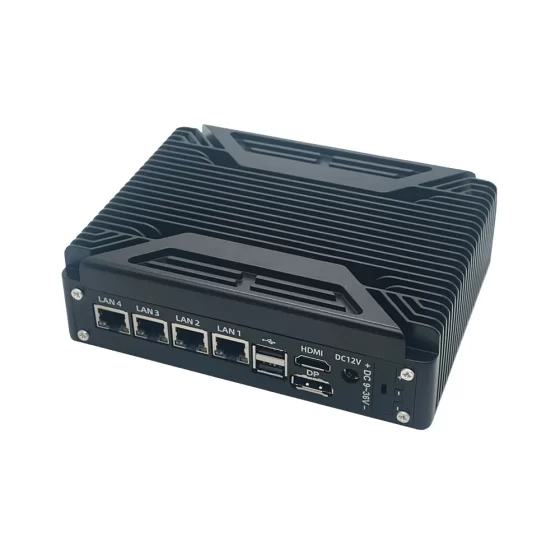
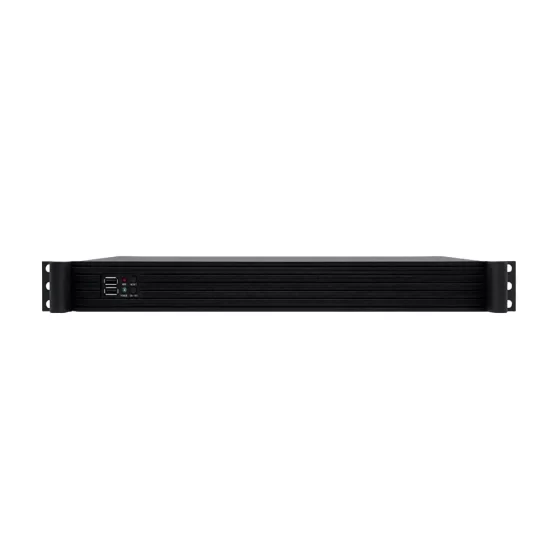
CoreIPC Industrial Computing-Lösungen

Industrie-PC für die Elektronikprüfung: Elektronik-Inspektionscomputer für zuverlässige Qualitätskontrolle
Zusammenfassung
Ein elektronischer Inspektionscomputer bildet die industrielle Computergrundlage für die automatisierte Inspektion, Testdatenerfassung, Bildverarbeitung, Rückverfolgbarkeit, and quality control in electronics manufacturing.
In electronics production, Eine Qualitätsprüfung ist über viele Prozessstufen hinweg erforderlich, inklusive Leiterplattenbestückung, Inspektion der Lötstelle, Komponentenüberprüfung, Funktionsprüfung, Barcode-Erkennung, Sichtprüfung, und abschließende Produktvalidierung. Jeder Inspektionspunkt muss genaue Daten sammeln und diese mit Produktionsaufzeichnungen verknüpfen.
Ein Standard-Büro-PC ist für diese Umgebung oft nicht geeignet. Elektronikprüfsysteme werden üblicherweise in der Nähe von SMT-Linien installiert, AOI-Ausrüstung, Testvorrichtungen, Förderer, Reparaturstationen, Verpackungsbereiche, und Produktionsarbeitsplätze. These systems may need continuous operation, Stabile Kameraunterstützung, zuverlässige I/O, kompakte Installation, und langfristige Hardwareverfügbarkeit.
Industriecomputer und eingebettete Computer werden häufig als Inspektionskontrollplattformen eingesetzt. Sie können Kameras anschließen, Scanner, Testinstrumente, SPS, Sensoren, Beleuchtungssteuerungen, und Fabriknetzwerke. Sie können auch Inspektionssoftware ausführen, Speichern Sie lokale Datensätze, Ergebnisse in MES-Systeme hochladen, und unterstützen die Rückverfolgbarkeit der Produktion.
In diesem Artikel wird erläutert, wie Industrie-PCs die Elektronikprüfung unterstützen, welchen Herausforderungen Hersteller bei der Bereitstellung gegenüberstehen, wie die Lösungsarchitektur funktioniert, und welche Hardware-Funktionen für eine zuverlässige Elektronik-Qualitätsprüfung am wichtigsten sind.
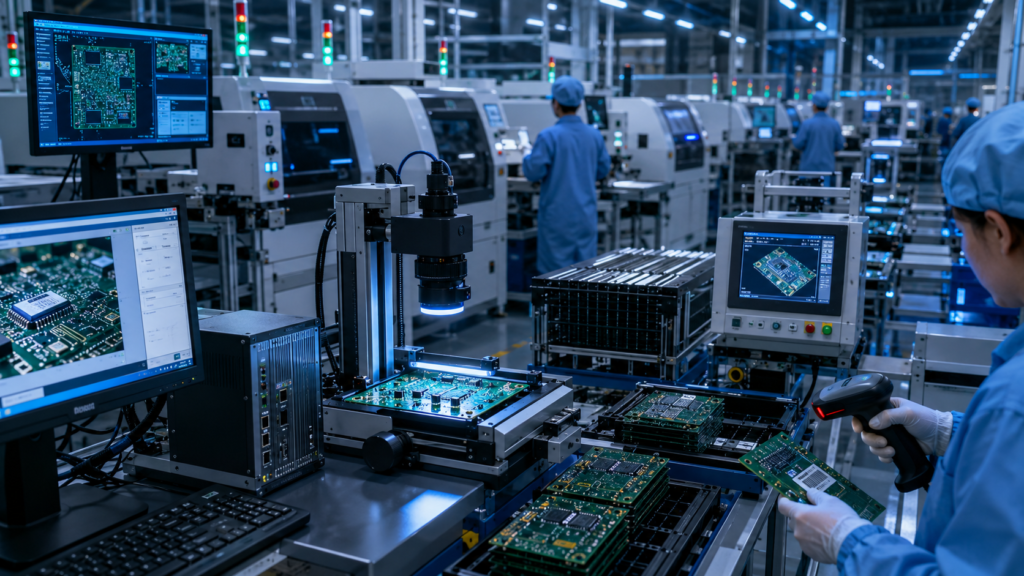
Industriecomputer sammeln Inspektions- und Testdaten im gesamten Elektronikfertigungsprozess.
Branchenüberblick
Die Elektronikfertigung erfordert eine hohe Prüfgenauigkeit
Bei der Elektronikfertigung handelt es sich um viele kleine Komponenten, dichte Schaltungsanordnungen, Lötstellen, Anschlüsse, Etiketten, und Montagedetails.
Selbst kleine Mängel können die Produktzuverlässigkeit beeinträchtigen. Eine fehlende Komponente, umgekehrte Komponente, Schlechte Lötstelle, beschädigter Stecker, falsches Etikett, oder ein nicht bestandenes Testergebnis kann später in der Lieferkette zu Qualitätsproblemen führen.
Aus diesem Grund, Elektronikfabriken verwenden in der gesamten Produktion häufig automatisierte Inspektions- und Testsysteme.
Zu diesen Systemen können gehören:
- AOI-Inspektion
- SPI-Inspektion
- IKT-Tests
- FCT-Test
- Barcode- und QR-Code-Erkennung
- Visuelle Mängelprüfung
- Verifizierung von Steckverbindern und Baugruppen
- Etiketten- und Verpackungsinspektion
- Datenaufzeichnung der Reparaturstation
- Endgültige Validierung der Produktqualität
Ein elektronischer Prüfcomputer hilft bei der Verarbeitung und Verwaltung dieser Prüfdaten am Produktionsstandort.
Die Inspektion wird zunehmend datengesteuert
Bei der modernen Elektronikprüfung geht es nicht nur um die Frage „Gut oder Nicht bestanden“..
Hersteller benötigen außerdem detaillierte Prüfprotokolle. Sie müssen wissen, welche Leiterplatte getestet wurde, welches Bauteil geprüft wurde, welcher Defekt festgestellt wurde, welcher Betreiber die Reparatur durchgeführt hat, und welches Ergebnis in die Produktionsdatenbank hochgeladen wurde.
Inspektionsdaten können verwendet werden für:
- Produktrückverfolgbarkeit
- Ertragsanalyse
- Fehlerklassifizierung
- Prozessverbesserung
- Qualitätskontrolle des Lieferanten
- Garantieuntersuchung
- Unterstützung bei Kundenaudits
- Überwachung der Fertigungsleistung
Dies erhöht die Bedeutung stabiler industrieller Computerhardware.
Wenn die Inspektionsdaten unvollständig oder verzögert sind, Qualitätsanalysen werden weniger zuverlässig.
Industrielle Datenverarbeitung unterstützt die Inspektionsautomatisierung
Industriecomputer bilden die lokale Verarbeitungsschicht für elektronische Inspektionssysteme.
Sie können Bilder von Kameras empfangen, Prozessinspektionsdaten, Verbindung zu Prüfgeräten herstellen, mit SPS kommunizieren, Ergebnisse auf lokalen Bildschirmen anzeigen, und Übertragen von Datensätzen an MES- oder Qualitätsmanagementsysteme.
Eingebettete Computer sind nützlich, wenn das Inspektionssystem kompakt sein muss, in Geräte integriert, oder in Schränken eingebaut werden.
Für Systemintegratoren und OEM-Maschinenbauer, Industrielle Computerhardware hilft beim Aufbau stabiler Inspektionsplattformen, wartbar, und für den langfristigen Produktionseinsatz geeignet.

Leiterplattenoberflächen, kleine Komponenten, Lötstellen, und Etikettenqualität wirken sich auf die Inspektionszuverlässigkeit aus.
Wichtigste Herausforderungen
Hohe Anforderungen an die Bild- und Datenverarbeitung
Bei der Elektronikprüfung sind häufig hochauflösende Bilder und schnelle Prüfzyklen erforderlich.
AOI, Barcode-Erkennung, Komponentenüberprüfung, und die visuelle Inspektion kann eine Bildverarbeitung in Echtzeit erfordern. Testsysteme können auch kontinuierlich Messdaten erzeugen, die erfasst werden müssen, analysiert, und gespeichert.
Der Inspektionsrechner muss eine stabile Verarbeitungsleistung für die tatsächliche Arbeitsbelastung bieten.
Wichtige Arbeitsbelastungsfaktoren sind::
- Kameraauflösung
- Anzahl der Kameras
- Inspektionsgeschwindigkeit
- Komplexität der Bildverarbeitung
- Datenvolumen testen
- Lokale Speicheranforderungen
- MES oder Datenbankkommunikation
- Reaktionsfähigkeit der Benutzeroberfläche
Wenn die Computerplattform nicht ausreichend leistungsfähig ist, Die Inspektionsgeschwindigkeit und -zuverlässigkeit kann beeinträchtigt werden.
Kamera- und Peripherieintegration
Elektronikprüfsysteme verbinden oft mehrere Peripheriegeräte.
Dazu können Industriekameras gehören, Beleuchtungssteuerungen, Barcode-Scanner, Sensoren, SPS, Testinstrumente, zeigt an, Tastaturen, Drucker, und Netzwerkgeräte.
Ein praxistauglicher Elektronikprüfrechner muss über die richtige Schnittstellenkonfiguration verfügen.
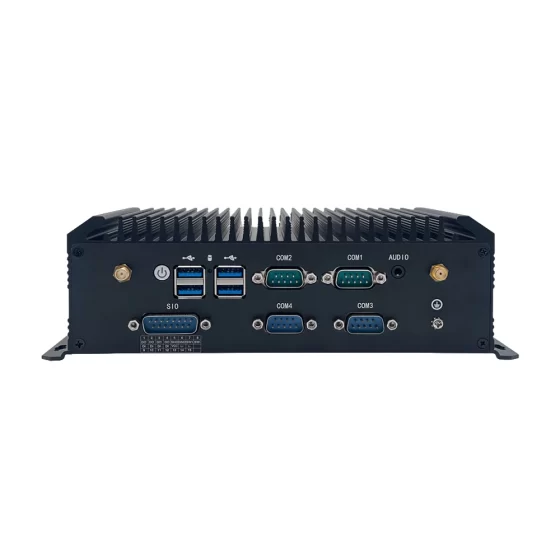
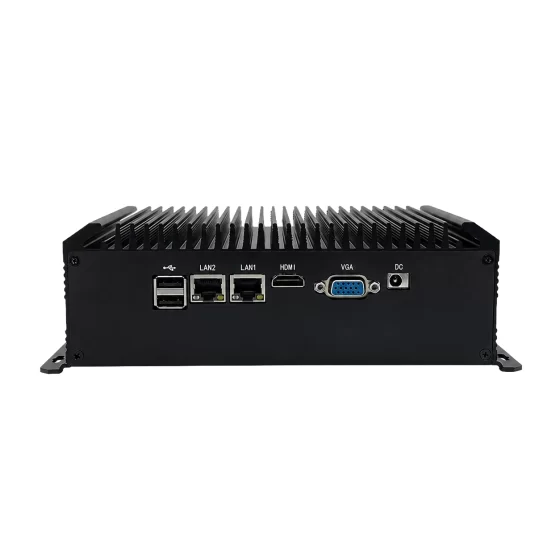
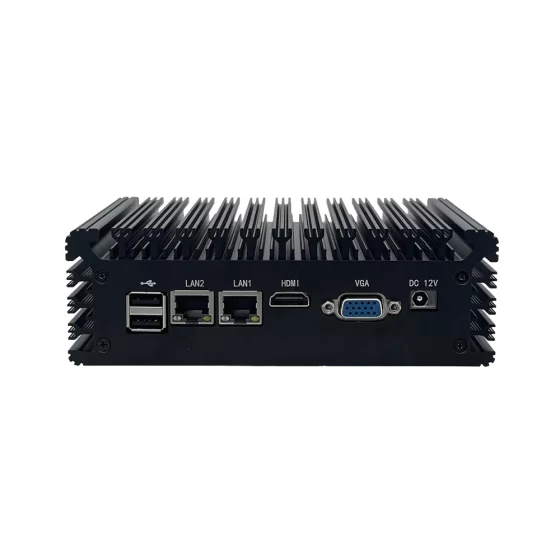
Zu den allgemeinen Anforderungen kann USB gehören, LAN, RS232, RS485, HDMI, DisplayPort, GPIO, M.2, und Mini-PCIe-Erweiterung.
Die Verwendung zu vieler externer Adapter kann die Komplexität erhöhen und die Systemzuverlässigkeit verringern.
Stabilität der Produktionslinie
Inspektionssysteme sind in der Regel Teil der kontinuierlichen Produktion.
Wenn der Inspektionscomputer stoppt, Die Produktionslinie muss möglicherweise langsamer werden, stoppen, oder wechseln Sie zur manuellen Inspektion. Dies kann Auswirkungen auf die Ausgabe haben, Qualitätskontrolle, und Produktionsplanung.
Elektronikfabriken arbeiten oft im Mehrschichtbetrieb, und Inspektionsstationen können über längere Zeiträume laufen.
Industrie-PCs sind für diesen Einsatzzweck besser geeignet, da sie für den stabilen Betrieb in Fabrikumgebungen ausgelegt sind.
Datenrückverfolgbarkeit
Rückverfolgbarkeit ist eine wichtige Anforderung in der Elektronikfertigung.
Prüfergebnisse müssen oft mit Leiterplatten-Seriennummern verknüpft werden, Produkt-IDs, Materialchargen, Arbeitsaufträge, Reparaturaufzeichnungen, Bedieneraktionen, und endgültige Testergebnisse.
Wenn der Inspektionscomputer diese Daten nicht zuverlässig erfassen und hochladen kann, die Rückverfolgbarkeitskette wird unvollständig.
Dies kann bei der Qualitätsuntersuchung zu Problemen führen, Kundenberichterstattung, oder Prozessverbesserung.
Kompakter Einbauraum
Elektronikfertigungsstraßen verfügen oft nur über begrenzten Installationsraum.
Computer müssen möglicherweise in Geräten installiert werden, hinter Displays, unter Arbeitsplätzen, in kompakten Schränken, oder in der Nähe von Förderbändern.
Ein sperriger kommerzieller PC passt möglicherweise nicht gut in diese Umgebungen.
Kompakte Industriecomputer und eingebettete Computer bieten eine größere Installationsflexibilität für Inspektionsmaschinen und Produktionsarbeitsplätze.

Industriecomputer verarbeiten Prüfdaten und verbinden die Ergebnisse mit den Qualitätssystemen der Fabrik.
Architektur der Computerlösung für die Elektronikprüfung
Inspektionsgeräteschicht
Die Ebene der Inspektionsgeräte umfasst die Ausrüstung, die Bilder erfasst, Signale, und Testergebnisse.
Dazu können Kameras gehören, Linsen, Beleuchtungsmodule, Triggersensoren, Barcode-Scanner, Testvorrichtungen, Messwerkzeuge, SPS, und Produktionsanlagen.
Diese Geräte erzeugen unterschiedliche Arten von Inspektionsdaten:
- PCB-Bilder
- Komponentenpositionsdaten
- Bilder von Lötstellen
- Barcodewerte
- QR-Code-Werte
- Elektrische Testergebnisse
- Funktionstestprotokolle
- Defektbilder
- Ergebnisse „Bestanden“ oder „Nicht bestanden“.
- Bestätigungsaufzeichnungen des Bedieners
Der Inspektionsrechner sammelt und verarbeitet diese Daten lokal.
Industrielle Computerschicht
Die industrielle Rechenschicht ist das Zentrum des Inspektionssystems.
Auf einem Industrie-PC oder Embedded-Computer wird Inspektionssoftware ausgeführt, verbindet Geräte, verarbeitet Daten, zeigt Ergebnisse an, und kommuniziert mit Fabriksystemen.
Auf dieser Ebene, Der Computer kann mehrere Aufgaben ausführen:
- Bildaufnahme
- Barcode-Erkennung
- Fehlererkennung
- Testdatenerfassung
- Lokale Ergebnisspeicherung
- HMI-Anzeige
- SPS-Kommunikation
- Lichtsteuerung
- Datenbankverbindung
- MES-Daten-Upload
- Fernwartungsunterstützung
Diese Schicht muss stabil sein, da sie sich direkt auf die Prüfgenauigkeit und die Produktionskontinuität auswirkt.
Ebene der Automatisierungssteuerung
Elektronische Inspektionssysteme müssen häufig mit Automatisierungsgeräten kommunizieren.
Eine SPS oder eine Bewegungssteuerung kann Triggersignale an den Inspektionscomputer senden. Nach der Inspektion, Der Computer sendet möglicherweise Pass, scheitern, Alarm, oder verwerfen Sie Signale zurück an das Steuerungssystem.
Zum Beispiel, wenn eine Leiterplatte die Prüfung nicht besteht, Das System markiert es möglicherweise zur Reparatur, Stoppen Sie das Förderband, oder senden Sie das Ergebnis an MES.
Diese geschlossene Kommunikation trägt dazu bei, die Qualitätskontrolle zu automatisieren und manuelle Entscheidungen zu reduzieren.
Datenverwaltungsschicht
Inspektionsdaten müssen häufig gespeichert werden, übertragen, und mit Produktionsaufzeichnungen verknüpft.
Der Elektronikprüfcomputer kann Daten an das MES senden, Qualitätsmanagementsysteme, Produktionsdatenbanken, Reparatursysteme, oder Werks-Dashboards.
Die Daten können Folgendes umfassen::
- Produkt-ID
- Arbeitsauftrag
- Inspektionsergebnis
- Fehlertyp
- Bildbeweis
- Testwerte
- Zeitstempel
- Stations-ID
- Betreiber-ID
- Reparaturstatus
Diese Informationen unterstützen die Rückverfolgbarkeit und Prozessverbesserung.
Benutzeroberflächenschicht
Bediener und Ingenieure benötigen eine klare Schnittstelle für Inspektionssysteme.
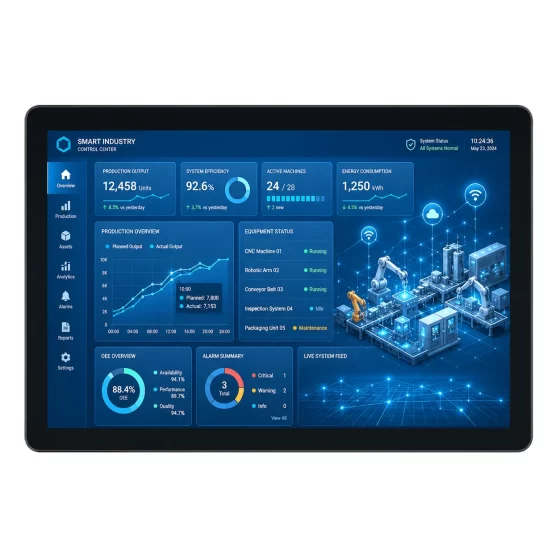
Der Industriecomputer kann an einen Monitor angeschlossen werden, Touch-Screen, Tastatur, oder HMI-Panel. Die Schnittstelle kann Livebilder anzeigen, Inspektionsstatus, Defektstellen, Testergebnisse, Alarm, Produktion zählt, und Systemprotokolle.
Eine praktische lokale Schnittstelle unterstützt Ingenieure bei der Parameteranpassung, Fehler beheben, und die Produktionsqualität überwachen.
Hauptmerkmale
Stabile Verarbeitungsleistung
Der Inspektionscomputer muss genügend Rechenleistung für die Inspektionsarbeitslast bereitstellen.
Das einfache Lesen von Barcodes erfordert möglicherweise weniger Rechenleistung. Multikamera-AOI, hochauflösende Bilderfassung, oder eine erweiterte Fehleranalyse erfordern möglicherweise einen stärkeren Industrie-PC.
Die Plattform sollte entsprechend den tatsächlichen Projektanforderungen ausgewählt werden, einschließlich:
- Bildauflösung
- Bildrate
- Anzahl der Kameras
- Inspektionssoftware
- Lokale Datenbanknutzung
- Anzeigeanforderungen
- Anforderungen an die Datenspeicherung
- Netzwerkkommunikationslast
Eine stabile Leistung ist wichtiger als Benchmark-Spitzenwerte.
Unterstützung flexibler Kameraschnittstellen
Die Kamerakonnektivität ist einer der wichtigsten Hardware-Überlegungen.
Elektronische Inspektionssysteme können USB-Kameras verwenden, GigE-Kameras, oder andere Industriekameraschnittstellen je nach Anwendung.
Zu den nützlichen Hardwarefunktionen können gehören:
- USB 3.0 Häfen
- Mehrere LAN-Ports
- Stabile PCIe- oder M.2-Erweiterung
- Zuverlässiges Energiedesign
- Unterstützung für Hochgeschwindigkeitsspeicher
- Anzeigeausgabe zur lokalen Überwachung
Für Mehrkamerasysteme, Schnittstellenbandbreite und Netzwerktrennung sollten sorgfältig geprüft werden.
Industrielle I/O für die Fabrikintegration
Inspektionscomputer müssen häufig mit externen Geräten kommunizieren.
Zu den nützlichen E/A-Optionen können gehören:
- RS232
- RS485
- GPIO
- LAN
- USB
- Digitaler Eingang
- Digitaler Ausgang
- HDMI
- DisplayPort
Diese Schnittstellen können die SPS-Kommunikation unterstützen, Triggersignale, Beleuchtungssteuerungen, Scanner, Drucker, Sensoren, und Prüfgeräte.
Die richtige E/A-Konfiguration kann die Anzahl der externen Konverter reduzieren und die Systemzuverlässigkeit verbessern.
Lüfterloses und robustes Design
Lüfterlose Industriecomputer eignen sich häufig für elektronische Inspektionsumgebungen.
Sie reduzieren die Staubaufnahme und beseitigen eine häufige mechanische Fehlerquelle. Dies ist in Produktionsbereichen nützlich, in denen die Systeme kontinuierlich laufen und der Wartungszugang möglicherweise eingeschränkt ist.
Ein robustes Gehäuse schützt den Computer außerdem vor Vibrationen, Kabelspannung, und Installationsschäden.
Das thermische Design sollte dennoch auf die Arbeitsbelastung und die Installationsbedingungen abgestimmt sein.
Zuverlässige Aufbewahrung von Prüfprotokollen
Elektronische Inspektionssysteme können viele Dateien und Aufzeichnungen erzeugen.
Dazu können Inspektionsbilder gehören, Defektbilder, Testprotokolle, Barcode-Datensätze, Produktionsberichte, Softwareprotokolle, und lokale Datenbankdateien.
SSD-Speicher werden häufig bevorzugt, da sie eine schnellere Reaktion und eine bessere Stoßbeständigkeit bieten als mechanische Laufwerke.
Für Systeme, die viele Bilder speichern, Speicherkapazität und Schreibausdauer sollten vor der Bereitstellung überprüft werden.
Lange Lebensdauer und Wartbarkeit
Elektronik-Inspektionsplattformen können viele Jahre lang in Produktion bleiben.
Häufige Änderungen des Computermodells können den Validierungsaufwand erhöhen, Komplexität der Ersatzteile, und Software-Image-Pflege.
Industriecomputer mit Lebenszyklusplanung helfen Systemintegratoren und Fabrikteams, stabile Inspektionsplattformen über mehrere Linien und Projekte hinweg aufrechtzuerhalten.
Dies ist besonders wichtig für OEM-Gerätebauer, die konsistente Hardware für die Maschinenproduktion benötigen.
Bereitstellungsszenarien
AOI-Inspektionssysteme
Die automatisierte optische Inspektion wird in der Elektronikfertigung häufig eingesetzt.
Ein Industriecomputer kann Bilder von Kameras verarbeiten, die in AOI-Geräten oder Inspektionsstationen installiert sind. Es kann die Überprüfung der Anwesenheit von Komponenten unterstützen, Inspektion der Lötstelle, Polaritätsüberprüfung, und Fehlerklassifizierung.
Das System kann Inspektionsergebnisse zur Rückverfolgbarkeit auch in MES oder Qualitätsdatenbanken hochladen.
PCB-Barcode- und QR-Code-Erkennung
Leiterplatten tragen häufig Barcodes, QR-Codes, oder Data-Matrix-Codes zur Rückverfolgbarkeit.
Ein eingebetteter Computer kann Bilder von Kameras verarbeiten und Codes auf Leiterplatten erkennen, Tabletts, Paneele, oder Produktetiketten.
Der erkannte Code kann mit Arbeitsaufträgen verknüpft werden, Testergebnisse, Reparaturaufzeichnungen, und Verpackungsdaten.
IKT- und FCT-Teststationen
In-Circuit-Tests und Funktionstests generieren wichtige Qualitätsdaten.
Ein Industriecomputer kann an Testvorrichtungen angeschlossen werden, Instrumente, Scanner, Drucker, und MES-Software. Es kann Testwerte sammeln, Zeichnen Sie die Ergebnisse „Bestanden“ oder „Nicht bestanden“ auf, und laden Sie die Daten in Produktionssysteme hoch.
Dies hilft Herstellern, den vollständigen Testverlauf für jedes Produkt zu verwalten.
SMT-Linieninspektion
Die SMT-Produktion erfordert eine Inspektion an mehreren Stellen.
Industriecomputer dürfen in der Nähe von SPI-Geräten verwendet werden, AOI-Maschinen, Reflow-Inspektionspunkte, Reparaturstationen, und Endkontrollbereiche.
Sie helfen dabei, Inspektionsergebnisse zu sammeln, Fehlerinformationen anzeigen, und verknüpfen Sie Daten mit PCB-Seriennummern.
Überprüfung von Steckverbindern und Baugruppen
Für elektronische Produkte ist häufig ein Steckverbinder erforderlich, Kabel, schrauben, Etikett, oder Wohnungsüberprüfung.
Ein visionsbasierter Inspektionscomputer kann Kamerabilder verarbeiten, um die korrekte Montage zu bestätigen.
Dies trägt dazu bei, Fehlmontagen zu reduzieren, fehlende Teile, und Prozessfehler, bevor die Produkte zur Endprüfung oder Verpackung gelangen.
Reparatur- und Nacharbeitsstationen
Reparaturstationen benötigen genaue Fehler- und Reparaturaufzeichnungen.
Ein Industriecomputer kann Fehlerbilder anzeigen, Bedieneraktionen aufzeichnen, Reparierte Produkte scannen, und Aktualisierung des Reparaturstatus im Produktionssystem.
Dies trägt dazu bei, den Kreis zwischen Inspektionen zu schließen, reparieren, und abschließende Validierung.
Endproduktinspektion
Vor dem Versand, Elektronikprodukte erfordern möglicherweise eine Endkontrolle.
Industriecomputer können die Etikettenüberprüfung unterstützen, Aussehenskontrolle, Barcode-Scannen, Erfassung von Funktionstestdaten, und Verpackungsbestätigung.
Dadurch wird sichergestellt, dass es sich um das richtige Produkt handelt, Etikett, und Qualitätsaufzeichnungen werden vor der Auslieferung verknüpft.
Geschäftsvorteile
Verbesserte Inspektionszuverlässigkeit
Ein stabiler elektronischer Inspektionscomputer trägt dazu bei, dass Inspektionssysteme über Produktionsschichten hinweg konsistent funktionieren.
Zuverlässige Computerhardware reduziert unerwartete Ausfallzeiten, Bildaufnahme verpasst, verzögerte Bearbeitung, und instabile Gerätekommunikation.
Dies unterstützt eine konsistentere Qualitätskontrolle.
Stärkere Rückverfolgbarkeit der Produktion
Inspektionsdaten werden wertvoller, wenn sie mit Produktdatensätzen verknüpft werden.
Industriecomputer helfen dabei, Inspektionsergebnisse mit PCB-Seriennummern zu verknüpfen, Materialchargen, Arbeitsaufträge, Bedieneraktionen, Reparaturstatus, und endgültige Testergebnisse.
Dies stärkt die Rückverfolgbarkeit und unterstützt die Qualitätsuntersuchung.
Reduzierter manueller Inspektionsaufwand
Die automatisierte Elektronikinspektion reduziert den Bedarf an manueller Prüfung.
Industrie-PCs können Bilder verarbeiten, Testdaten sammeln, und Ergebnisse automatisch kommunizieren. Dies trägt dazu bei, die Arbeitsbelastung des Bedieners zu reduzieren und die Konsistenz zu verbessern.
In einigen Fällen kann dennoch eine manuelle Inspektion erforderlich sein, Aber automatisierte Systeme können sich wiederholende Inspektionsaufgaben effizienter bewältigen.
Schnellere Fehlererkennung
Wenn Prüfdaten in der Nähe der Produktionslinie verarbeitet werden, Mängel können früher erkannt werden.
Dadurch können Bediener und Ingenieure schneller auf Lötfehler reagieren, fehlende Komponenten, falsche Etiketten, Testfehler, oder Montageprobleme.
Eine frühzeitige Erkennung trägt dazu bei, Nacharbeitskosten zu senken und zu verhindern, dass sich Fehler weiter nach unten verschieben.
Bessere Prozessverbesserung
Inspektionsdaten können Produktionstrends aufdecken.
Hersteller können Fehlertypen analysieren, Stationsleistung, Prozessdrift, Testfehlermuster, und Reparaturhäufigkeit.
Zuverlässige industrielle Computerhardware trägt dazu bei, dass die für die Analyse verwendeten Inspektionsdaten vollständig und genau sind.
Skalierbare Bereitstellung der Elektronikfertigung
Eine standardisierte industrielle Computerplattform kann an mehreren Prüfstationen eingesetzt werden, SMT-Linien, Testsysteme, und Fabriken.
Dies vereinfacht die Software-Image-Verwaltung, Ersatzteilplanung, Wartungsschulung, und technischer Support.
Für Systemintegratoren und OEM-Gerätebauer, Eine skalierbare Hardwareplanung reduziert das langfristige Projektrisiko.
Warum CoreIPC
CoreIPC bietet industrielle Computerplattformen für die maschinelle Bildverarbeitung, Elektronikfertigung, Fabrikautomation, und eingebettete Systemintegration. Für elektronische Inspektionscomputeranwendungen, CoreIPC konzentriert sich auf zuverlässige Industrie-PC-Hardware, Embedded-Computer-Lösungen, flexible I/O-Konfigurationen, kompaktes Systemdesign, und OEM/ODM-Anpassungsunterstützung. CoreIPC hilft Systemintegratoren, Gerätebauer, und Fertigungsteams wählen Computerplattformen aus, die den tatsächlichen Prüfanforderungen entsprechen, einschließlich Kameraschnittstellen, Kommunikation von Prüfgeräten, Montagemethoden, Leistungsaufnahme, thermisches Design, Speicherbedarf, und Lebenszyklusplanung.
Häufig gestellte Fragen
1. Was ist ein Elektronikprüfcomputer??
Ein Elektronik-Inspektionscomputer ist ein Industriecomputer, der zur Unterstützung der Inspektion eingesetzt wird, Testen, Bildverarbeitung, und Qualitätsdatenerfassung in der Elektronikfertigung.
Es kann eine Verbindung zu Kameras herstellen, Barcode-Lesegeräte, Testvorrichtungen, SPS, Beleuchtungssteuerungen, und MES-Systeme. Es kann Inspektionsbilder verarbeiten, Testergebnisse sammeln, Fehlerinformationen anzeigen, und Qualitätsaufzeichnungen in Produktionsdatenbanken hochladen.
2. Warum einen Industriecomputer für die Elektronikprüfung verwenden??
Elektronikprüfsysteme werden häufig in der Nähe von SMT-Linien eingesetzt, Teststationen, Förderer, und Produktionsarbeitsplätze.
Ein Industriecomputer eignet sich besser als ein Büro-PC, da er den Dauerbetrieb unterstützt, stabile I/O, robuste Installation, lüfterlose Optionen, und werkseitige Gerätekonnektivität. Diese Funktionen tragen dazu bei, dass Inspektionssysteme auch bei langen Produktionsschichten zuverlässig bleiben.
3. Wie wird ein eingebetteter Computer in Inspektionsgeräten verwendet??
In AOI-Maschinen kann ein eingebetteter Computer installiert werden, Testvorrichtungen, Inspektionsstationen, oder kompakte Schaltschränke.
Es kann Kamerabilder verarbeiten, Testdaten sammeln, mit SPS kommunizieren, Inspektionssoftware ausführen, und Ergebnisse an MES oder Qualitätssysteme senden. Aufgrund seiner kompakten Größe eignet es sich für OEM-Geräte und Inspektionssysteme mit begrenztem Platzangebot.
4. Welche Schnittstellen sind für Elektronikprüfcomputer wichtig??
Wichtige Schnittstellen können USB sein 3.0, LAN, RS232, RS485, GPIO, HDMI, DisplayPort, M.2, und Mini PCIe.
USB und LAN werden häufig für Kameras und Peripheriegeräte verwendet. Über serielle Schnittstellen können Testinstrumente oder Controller angeschlossen werden. GPIO kann Triggersignale unterstützen, Alarm, oder einfache Automatisierungssteuerung. Display-Ausgänge sind nützlich für die lokale Überwachung und Bedienerschnittstellen.
5. Können Industriecomputer AOI-Anwendungen unterstützen??
Ja. Industriecomputer können AOI-Anwendungen unterstützen, wenn sie entsprechend der Kameraauflösung ausgewählt werden, Bildverarbeitungsaufwand, Softwareanforderungen, und Schnittstellenbandbreite.
Für einfache AOI-Aufgaben können kompakte eingebettete Computer verwendet werden, während Multikamera- oder hochauflösende Systeme möglicherweise stärkere Industrie-PCs erfordern. Vor der endgültigen Hardwareauswahl sind echte Produktionstests wichtig.
6. Wie unterstützt ein Inspektionscomputer die Rückverfolgbarkeit??
Ein Inspektionscomputer unterstützt die Rückverfolgbarkeit, indem er Inspektionsergebnisse mit Produkt-IDs verknüpft, PCB-Seriennummern, Arbeitsaufträge, Testwerte, Defektbilder, Reparaturaufzeichnungen, und Zeitstempel.
Diese Daten können in MES- oder Qualitätsmanagementsysteme hochgeladen werden. Die lückenlose Rückverfolgbarkeit hilft Herstellern bei der Fehlersuche, Unterstützung bei Kundenaudits, und Produktionsprozesse verbessern.
7. Ist ein lüfterloser Industrie-PC, der für die Elektronikprüfung geeignet ist?
Ein lüfterloser Industrie-PC eignet sich oft für die Elektronikprüfung, da er die Staubansaugung reduziert und eine häufige mechanische Fehlerquelle beseitigt.
Dies ist nützlich für kontinuierliche Produktionsumgebungen und Prüfstationen, wo der Wartungszugang eingeschränkt ist. Jedoch, Das thermische Design muss zur Prozessorauslastung passen, Anforderungen an die Kameraverarbeitung, und Einbaubedingungen.
8. Was ist bei der Auswahl der Lagerung für Inspektionssysteme zu beachten??
Der Speicherbedarf hängt davon ab, ob das System nur Protokolle oder auch Inspektionsbilder und Fehleraufzeichnungen speichert.
Normalerweise wird SSD-Speicher bevorzugt, da er eine schnellere Reaktion und eine bessere Stoßfestigkeit bietet. Für Systeme, die viele Bilder oder häufige Testprotokolle speichern, Speicherkapazität und Schreibausdauer sollten vor der Bereitstellung sorgfältig überprüft werden.
9. Können Elektronikprüfcomputer an MES-Systeme angeschlossen werden??
Ja. Industriecomputer können Inspektionsergebnisse über Fabriknetzwerke mit MES-Systemen verbinden, Datenbanken, APIs, oder Middleware.
Sie können Barcode-Daten hochladen, Bestehens- oder Nichtbestehensergebnisse, Defektbilder, Prüfprotokolle, Informationen zum Sender, und Zeitstempel. Dies hilft Herstellern, vollständige Produktions- und Qualitätsaufzeichnungen zu führen.
10. Was sollte vor dem Einsatz eines Elektronikprüfcomputers getestet werden??
Vor der Bereitstellung, Hersteller sollten den Computer mit echten Kameras testen, Inspektionssoftware, Testinstrumente, SPS-Kommunikation, Scanner, zeigt an, Speicherauslastung, und Netzwerkeinstellungen.
Beim Testen sollte auch die tatsächliche Produktionsgeschwindigkeit berücksichtigt werden, Bildauflösung, thermische Bedingungen, Anforderungen für das Hochladen von Daten, und Langzeitstabilität. Dies reduziert das Integrationsrisiko während der Massenbereitstellung.
Abschluss
Ein Elektronikprüfcomputer ist eine wichtige Hardware-Grundlage für eine zuverlässige Prüfung, Testen, Rückverfolgbarkeit, and quality control in electronics manufacturing.
Durch den Einsatz von Industrie-PCs und Embedded-Computern in der Nähe von AOI-Systemen, SMT-Linien, Barcode-Stationen, Testvorrichtungen, Reparaturstationen, und Endkontrollbereiche, Hersteller können Prüfdaten zuverlässiger verarbeiten und Ergebnisse mit Fabriksoftwaresystemen verknüpfen.
Der richtige Industriecomputer sollte entsprechend den tatsächlichen Inspektionsanforderungen ausgewählt werden, einschließlich Kameraschnittstellen, Bearbeitungsaufwand, I/O-Konfiguration, Speicherbedarf, Netzwerkarchitektur, Montagemethode, Leistungsaufnahme, thermische Bedingungen, Betriebssystemkompatibilität, und Lebenszyklusplanung.
CoreIPC unterstützt Computerprojekte zur Elektronikprüfung mit industriellen Computerplattformen, die für den praktischen Einsatz in Fabriken konzipiert sind. Mit der richtigen Hardware-Grundlage, Hersteller können die Inspektionszuverlässigkeit verbessern, Stärkung der Rückverfolgbarkeit, Reduzieren Sie den manuellen Arbeitsaufwand, und skalierbare Qualitätskontrollsysteme für die Elektronikfertigung aufzubauen.
Kontaktieren Sie uns
Auf der Suche nach einem Industrie-PC, eingebetteter Computer, oder Industrie-Motherboard zur Elektronikprüfung?
Kontaktieren Sie CoreIPC, um Ihre Projektanforderungen zu besprechen, inklusive Kameraschnittstelle, Inspektionsaufwand, Kommunikation von Prüfgeräten, I/O-Konfiguration, Montagemethode, Leistungsaufnahme, Betriebsumgebung, Lebenszyklusanforderungen, und OEM/ODM-Anpassungsoptionen.