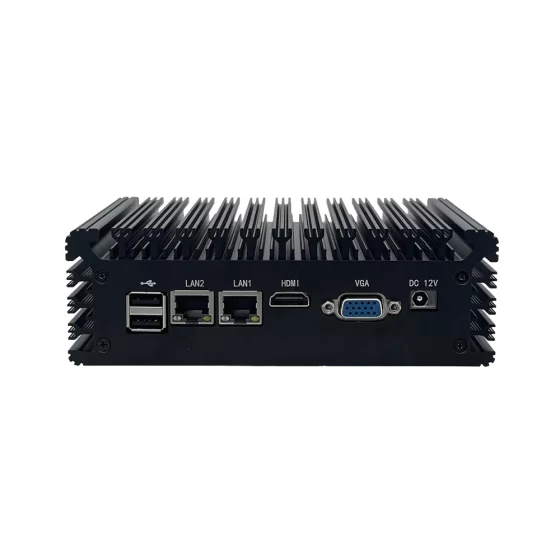
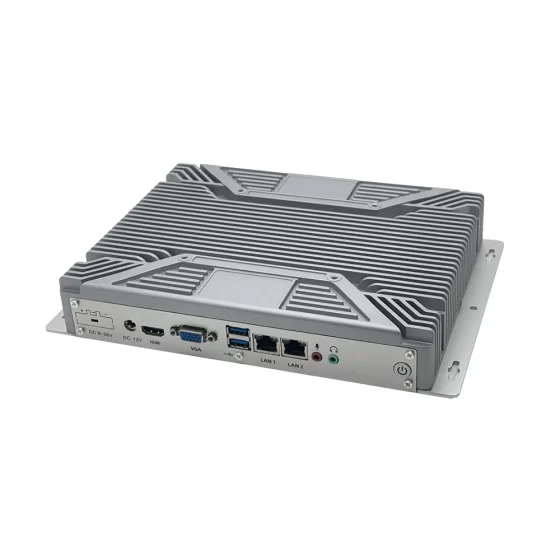
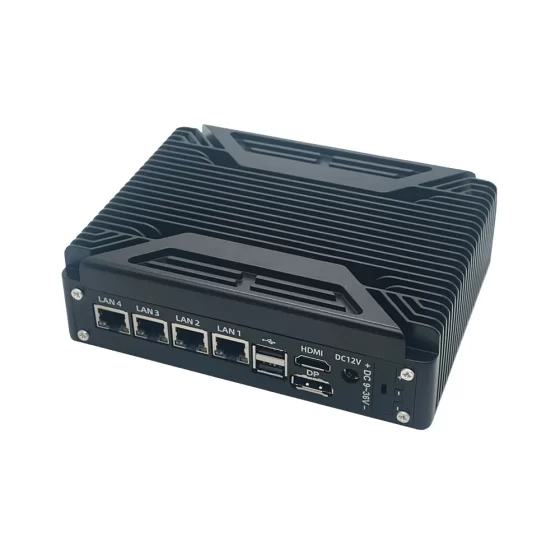
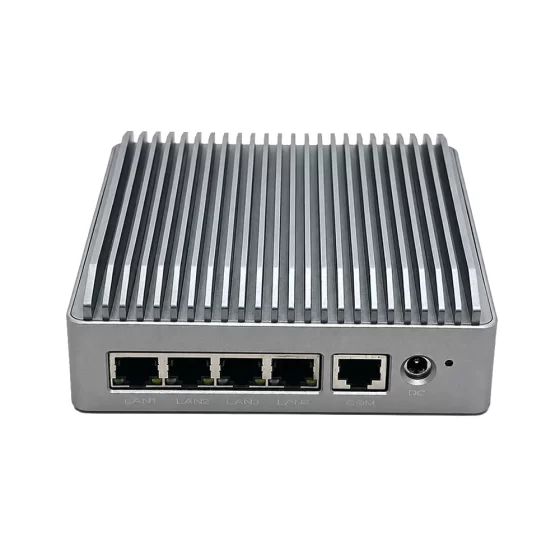
CoreIPC Industrial Computing-Lösungen

Industriecomputer für die PCB-Inspektion
Zusammenfassung
Eine zuverlässige Industriecomputer für die PCB-Inspektion ist eine entscheidende Komponente in modernen Elektronikfertigungsumgebungen, in denen Präzision gefragt ist, Geschwindigkeit, und Qualitätskontrolle wirken sich direkt auf die Produktionseffizienz und die Produktzuverlässigkeit aus. B. Leiterplatten (Leiterplatten) immer komplexer werden, Hersteller benötigen fortschrittliche Inspektionssysteme, die mikroskopische Fehler erkennen können, Montagefehler, Probleme beim Löten, und Ungenauigkeiten bei der Komponentenplatzierung mit außergewöhnlicher Genauigkeit.
Herkömmliche manuelle Inspektionsmethoden reichen nicht mehr aus, um den Anforderungen der Elektronikfertigung in großen Stückzahlen gerecht zu werden. Moderne PCB-Inspektionssysteme basieren auf maschinellem Sehen, Automatisierte optische Inspektion (AOI), Automatisierte Röntgeninspektion (AXI), künstliche Intelligenz, und Echtzeit-Bildverarbeitungstechnologien, um eine gleichbleibende Qualität während des gesamten Herstellungsprozesses sicherzustellen.
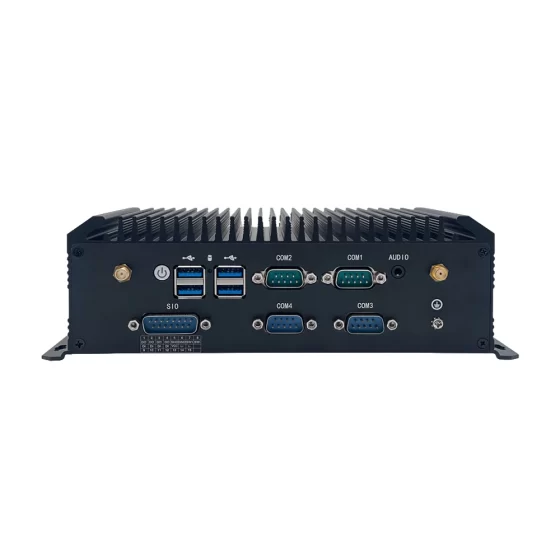
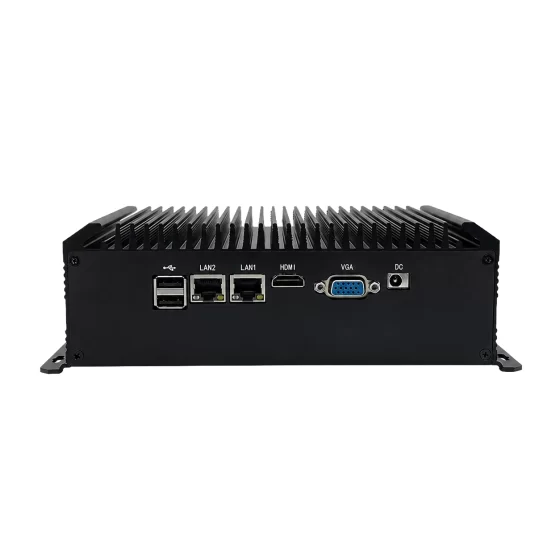
Das Herzstück dieser Inspektionssysteme ist ein Industriecomputer oder Embedded Computer, der die für die Bildaufnahme erforderliche Rechenleistung bereitstellt, Fehleranalyse, Produktionsüberwachung, Datenbankverwaltung, und Fabrikintegration. Im Gegensatz zu kommerziellen PCs, Industriecomputer sind speziell für den zuverlässigen Betrieb in anspruchsvollen Fertigungsumgebungen konzipiert und unterstützen gleichzeitig den Dauerbetrieb, Hochgeschwindigkeits-Datenverarbeitung, und Anforderungen an einen langen Produktlebenszyklus.
In diesem Artikel wird die Rolle von Industriecomputern bei PCB-Inspektionsanwendungen untersucht, Hauptherausforderungen bei der Bereitstellung, Überlegungen zur Systemarchitektur, wesentliche Merkmale, und die geschäftlichen Vorteile der Implementierung industrietauglicher Computerplattformen in Elektronikfertigungsanlagen.

Moderne Leiterplattenfertigungsanlagen sind auf AOI-Inspektionssysteme angewiesen, Industriecomputer, und automatisierte Produktionslinien, um eine qualitativ hochwertige Elektronikmontage und Fehlererkennung sicherzustellen
Branchenüberblick
Leiterplatten bilden die Grundlage praktisch jedes heute hergestellten elektronischen Produkts. Branchen wie Unterhaltungselektronik, Industrielle Automatisierung, Automobilelektronik, medizinische Geräte, Telekommunikation, Luft- und Raumfahrt, und Verteidigung sind alle auf hochwertige PCB-Herstellungsprozesse angewiesen.
Da elektronische Produkte immer kleiner werden, Schneller, und komplexer, Die Leiterplattenproduktion erfordert immer ausgefeiltere Inspektionstechnologien, die in der Lage sind, Fehler zu erkennen, die für das menschliche Auge möglicherweise nicht sichtbar sind.
Zu den häufigsten Herstellungsfehlern bei Leiterplatten gehören::
- Fehlende Komponenten
- Falsche Komponentenplatzierung
- Lötbrücken
- Zu wenig Lot
- Offene Kreisläufe
- Kurzschlüsse
- Oberflächenverschmutzung
- Verbogene Leitungen
- Polaritätsfehler der Komponenten
- Mängel aufspüren
Um Qualitätsstandards aufrechtzuerhalten, Hersteller setzen im gesamten Produktionsprozess Inspektionstechnologien ein.
Zu den typischen Inspektionsphasen gehören::
- Inspektion von Lotpasten (SPI)
- Inspektion vor dem Reflow
- Post-Reflow-AOI
- Röntgeninspektion
- Funktionstest
- Abschließende Qualitätsüberprüfung
Diese Inspektionssysteme erzeugen erhebliche Mengen an Bild- und Produktionsdaten, die leistungsstarke Rechenressourcen für die Echtzeitverarbeitung und -analyse erfordern.
Industriecomputer dienen als zentrale Rechenplattform, die dies ermöglicht:
- Hochgeschwindigkeits-Bildaufnahme
- Sehverarbeitung
- Fehlererkennung
- Datenspeicherung
- Rückverfolgbarkeit der Produktion
- Fertigungsanalytik
- Fabrikintegration
Infolge, Industrielle Computerplattformen sind zu einem wesentlichen Bestandteil moderner Leiterplattenfertigungsanlagen geworden.

Moderne Leiterplatten-Inspektionssysteme müssen hochauflösende Bilder verarbeiten und mikroskopische Fehler auf immer komplexeren Leiterplatten in Echtzeit erkennen.
Wichtigste Herausforderungen
Anforderungen an die Hochgeschwindigkeits-Bildverarbeitung
PCB-Inspektionssysteme erfassen während der Produktion große Mengen hochauflösender Bilder.
Moderne Inspektionsgeräte können verarbeiten:
- Mehrere Kameras
- Hohe Bildraten
- Ultrahochauflösende Bilder
- Mehrwinkelprüfungen
Die Verarbeitung dieser Daten in Echtzeit erfordert erhebliche Rechenleistung.
Steigende PCB-Komplexität
Heutige Leiterplatten weisen häufig Merkmale auf:
- Fine-Pitch-Komponenten
- Ball-Grid-Arrays (BGAs)
- Mikrovias
- Dichte Layouts
- Mehrschichtige Designs
Die Erkennung von Fehlern in diesen komplexen Baugruppen erfordert fortschrittliche Prüfalgorithmen und leistungsstarke Bildverarbeitungsfunktionen.
Kontinuierlicher Produktionsbetrieb
Elektronikfertigungslinien sind häufig in Betrieb:
- 24/7 Produktionspläne
- Montageprozesse mit hohem Durchsatz
- Umgebungen mit minimalen Ausfallzeiten
Inspektionssysteme müssen eine kontinuierliche Leistung aufrechterhalten, ohne die Produktionseffizienz zu beeinträchtigen.
Große Datenmengen
PCB-Inspektionssysteme erzeugen erhebliche Datenmengen, einschließlich:
- Bilder
- Inspektionsergebnisse
- Produktionsaufzeichnungen
- Qualitätsberichte
- Informationen zur Rückverfolgbarkeit
Eine zuverlässige Speicher- und Datenverwaltungsinfrastruktur ist unerlässlich.
Anforderungen an die Fabrikintegration
Inspektionssysteme müssen mit kommunizieren:
- SMT-Produktionslinien
- MES-Plattformen
- ERP-Systeme
- Qualitätsmanagement-Software
- Fertigungsdatenbanken
Um eine nahtlose Integration zu erreichen, sind flexible Möglichkeiten der industriellen Kommunikation erforderlich.

Industriecomputer verbinden AOI-Systeme, Bildverarbeitungskameras, Fertigungsdatenbanken, und MES-Plattformen, um eine intelligente PCB-Inspektion und Produktionsrückverfolgbarkeit zu ermöglichen.
Lösungsarchitektur
Eine moderne PCB-Inspektionslösung besteht aus mehreren miteinander verbundenen Schichten.
Schicht 1: PCB-Produktionsausrüstung
Die Fertigungsschicht umfasst:
- Lotpastendrucker
- Bestückungsautomaten
- Reflow-Öfen
- Förderer
- PCB-Handhabungssysteme
Diese Systeme führen die physischen Herstellungsprozesse durch.
Schicht 2: Sichterfassungsschicht
Die Inspektionsschicht umfasst:
- Industriekameras
- Optische Linsen
- Beleuchtungssysteme
- Röntgensensoren
- Lasermessgeräte
Diese Geräte erfassen Bilder und Inspektionsdaten.
Schicht 3: Industrielle Computerschicht
Als Verarbeitungsplattform fungiert der Industrierechner.
Zu den Aufgaben gehören::
- Bildaufnahme
- Bildbearbeitung
- Fehlererkennung
- KI-Schlussfolgerung
- Datenbankverwaltung
- Qualitätsanalyse
- Produktionsüberwachung
- Berichterstattung
Diese Schicht stellt die für Inspektionsvorgänge erforderlichen Rechenressourcen bereit.
Schicht 4: Fertigungssoftwareschicht
Softwaresysteme umfassen:
- AOI-Software
- AXI-Software
- SPC-Systeme
- Rückverfolgbarkeitsplattformen
- Anwendungen für das Qualitätsmanagement
Der Industriecomputer hostet und unterstützt diese Anwendungen.
Schicht 5: Unternehmensintegrationsschicht
Unternehmenskonnektivität ermöglicht die Integration mit:
- MES-Plattformen
- ERP-Systeme
- Fertigungsdatenbanken
- Cloud-Analyseplattformen
- Fabrik-Dashboards
Diese Ebene wandelt Inspektionsdaten in verwertbare Business Intelligence um.
Hauptmerkmale
Hochleistungsverarbeitung
PCB-Inspektionsanwendungen erfordern leistungsstarke Rechenressourcen.
Industriecomputer unterstützen normalerweise:
- Mehrkernprozessoren
- Hochgeschwindigkeitsspeicher
- NVMe-Speicher
- GPU-Beschleunigung
- KI-Verarbeitungsfunktionen
Diese Ressourcen ermöglichen eine Inspektionsleistung in Echtzeit.
Zuverlässigkeit auf Industrieniveau
Elektronikfertigungsanlagen erfordern einen zuverlässigen Betrieb.
Industriecomputer bieten:
- Lüfterlose Designs
- Robuste Konstruktion
- Solid-State-Speicher
- Komponenten in Industriequalität
- Langzeitstabilität
Diese Eigenschaften verbessern die Systemverfügbarkeit.
Optimierung der maschinellen Bildverarbeitung
Industriecomputer zur Unterstützung von Bildverarbeitungsanwendungen:
- Mehrere Kameraschnittstellen
- Bildübertragung mit hoher Bandbreite
- GPU-Verarbeitung
- Echtzeitanalysen
Dies ermöglicht eine schnelle Fehlererkennung und Prüfgenauigkeit.
Flexible Konnektivität
Leiterplatten-Inspektionssysteme erfordern umfangreiche Konnektivität.
Zu den typischen Schnittstellen gehören::
- Gigabit-Ethernet
- USB 3.0
- USB 3.2
- Serielle Schnittstellen
- Digitale I/O
- Kameraschnittstellen
- Ausgänge anzeigen
Diese Schnittstellen unterstützen die Integration mit Produktionsanlagen und Inspektionsgeräten.
KI-Inspektionsfunktion
Bei der PCB-Inspektion kommt zunehmend künstliche Intelligenz zum Einsatz.
Industriecomputer können unterstützen:
- Deep-Learning-Modelle
- Fehlerklassifizierung
- Mustererkennung
- Automatisierte Qualitätsanalyse
KI verbessert die Inspektionsgenauigkeit und reduziert Fehlalarme.
Unterstützung bei der Datenverwaltung
Unterstützung für Industriecomputer:
- Lokale Datenbanken
- Historische Datenspeicherung
- Produktionsaufzeichnungen
- Rückverfolgbarkeitssysteme
Zuverlässiges Datenmanagement verbessert die Qualitätskontrolle und Compliance.
Lange Verfügbarkeit über den gesamten Lebenszyklus
Industrielle Computerplattformen bieten:
- Langfristige Verfügbarkeit
- Stabile Hardwarekonfigurationen
- Erweiterte Supportzeiträume
Dies reduziert die Kosten für die Neukonstruktion und vereinfacht die Wartungsplanung.
Bereitstellungsszenarien
Automatisierte optische Inspektion (AOI)
AOI-Systeme nutzen Industriecomputer, um:
- Erfassen Sie Bilder
- Analysieren Sie Lötstellen
- Überprüfen Sie die Platzierung der Komponenten
- Erkennen Sie Herstellungsfehler
Die Verarbeitung in Echtzeit ist für die Aufrechterhaltung des Produktionsdurchsatzes unerlässlich.
Automatisierte Röntgeninspektion (AXI)
Industriecomputer verarbeiten Röntgenbilder zur Inspektion:
- Versteckte Lötstellen
- BGA-Anschlüsse
- Interne Mängel
Diese Systeme unterstützen erweiterte Qualitätskontrollanforderungen.
SMT-Produktionsüberwachung
Zur Überwachung setzen Hersteller Industriecomputer ein:
- Produktionsstatus
- Gerätenutzung
- Ertragsleistung
- Prozessqualität
Dies unterstützt kontinuierliche Verbesserungsinitiativen.
KI-basierte Fehlererkennung
Algorithmen für maschinelles Lernen helfen dabei, komplexe Fehler zu identifizieren, die herkömmliche regelbasierte Systeme möglicherweise übersehen.
Industriecomputer stellen die für KI-Inferenz und Modellausführung erforderliche Rechenleistung bereit.
Qualitätsrückverfolgbarkeitssysteme
Inspektionsergebnisse werden mit Produktionsaufzeichnungen verknüpft:
- Produktrückverfolgbarkeit
- Einhaltung gesetzlicher Vorschriften
- Fehleranalyse
- Garantiemanagement
Industriecomputer verwalten und speichern diese Informationen.
Smart Factory-Integration
Industriecomputer verbinden Inspektionssysteme mit einer breiteren Fabrikinfrastruktur, einschließlich MES, ERP, und industrielle IoT-Plattformen.
Geschäftsvorteile
Verbesserte Produktqualität
Fortschrittliche Inspektionssysteme helfen dabei, Mängel zu erkennen, bevor Produkte den Kunden erreichen.
Dies verbessert die Qualität und reduziert Feldausfälle.
Höhere Produktionseffizienz
Die automatisierte Inspektion macht viele manuelle Inspektionsaufgaben überflüssig und unterstützt einen höheren Fertigungsdurchsatz.
Reduzierte Nacharbeitskosten
Eine frühzeitige Fehlererkennung verhindert, dass fehlerhafte Produkte den Produktionsprozess durchlaufen.
Dies reduziert Materialverschwendung und Arbeitskosten.
Verbesserte Rückverfolgbarkeit
Inspektionsdaten liefern detaillierte Produktionsaufzeichnungen, die das Qualitätsmanagement und Compliance-Anforderungen unterstützen.
Bessere operative Transparenz
Hersteller erhalten Echtzeiteinblicke:
- Renditen
- Fehlertrends
- Prozessleistung
- Ausrüstungsstatus
Dies unterstützt eine datengesteuerte Entscheidungsfindung.
Unterstützung für Smart Manufacturing
Industriecomputer stellen die für die Industrie erforderliche Computerinfrastruktur bereit 4.0 Initiativen, KI-Inspektionssysteme, und intelligente Fabrikabläufe.
Warum CoreIPC
CoreIPC bietet industrielle Computerplattformen für die maschinelle Bildverarbeitung, automatisierte Inspektion, und Anwendungen in der Elektronikfertigung. Unsere Industriecomputer, eingebettete Computer, und eingebettete Platinen liefern die Leistung, Zuverlässigkeit, und Konnektivität, die für PCB-Inspektionssysteme erforderlich sind, AOI-Plattformen, KI-basierte Qualitätskontrolle, und Smart-Factory-Integration. Mit industrietauglicher Haltbarkeit, lange Produktlebenszyklen, flexible I/O-Konfigurationen, und OEM/ODM-Anpassungsfunktionen, CoreIPC unterstützt Hersteller bei der Bereitstellung skalierbarer und zuverlässiger Inspektionslösungen für moderne Elektronikproduktionsumgebungen.
Häufig gestellte Fragen
Was ist ein PCB-Inspektionscomputer??
Ein PCB-Inspektionscomputer ist eine industrielle Computerplattform zur Unterstützung der automatisierten optischen Inspektion, Röntgeninspektion, Bildverarbeitung, und Qualitätskontrollvorgänge in Elektronikfertigungsumgebungen.
Warum einen Industriecomputer für die PCB-Inspektion verwenden??
Industriecomputer bieten eine höhere Zuverlässigkeit, längere Lebenszyklen, bessere Umwelttoleranz, und überlegene Konnektivität im Vergleich zu kommerziellen PCs, Dadurch eignen sie sich ideal für Fertigungsanwendungen.
Können Industriecomputer AOI-Systeme unterstützen??
Ja. Industriecomputer werden üblicherweise als Verarbeitungsplattform für automatisierte optische Inspektionssysteme verwendet, Abwicklung der Bildaufnahme, Analyse, und Fehlererkennung.
Sind GPUs für die PCB-Inspektion wichtig??
Viele fortschrittliche Inspektionssysteme nutzen die GPU-Beschleunigung, um die Bildverarbeitungsleistung zu verbessern, KI-Inferenzgeschwindigkeit, und Bildverarbeitungsfunktionen.
Können Industriecomputer KI-basierte Inspektionen unterstützen??
Ja. Moderne Industriecomputer können Deep-Learning-Modelle zur Fehlerklassifizierung ausführen, Mustererkennung, und automatisierte Qualitätsanalyse.
Welche Schnittstellen werden üblicherweise benötigt??
Zu den typischen Schnittstellen gehört Ethernet, USB 3.0, serielle Schnittstellen, digitale I/O, Kameraschnittstellen, und mehrere Anzeigeausgänge.
Wie verbessern Industriecomputer die Produktionsqualität??
Sie ermöglichen eine schnellere und genauere Fehlererkennung, Wir helfen Herstellern dabei, Probleme zu erkennen, bevor Produkte die Produktionslinie verlassen.
Können Industriecomputer in MES-Systeme integriert werden??
Ja. Industriecomputer verbinden oft Inspektionssysteme mit MES, ERP, Qualitätsmanagement, und Fertigungsdatenbankplattformen.
In welchen Branchen werden PCB-Inspektionscomputer eingesetzt??
Unterhaltungselektronik, Automobilelektronik, Industrielle Automatisierung, Telekommunikation, Luft- und Raumfahrt, medizinische Geräte, In der Verteidigungsindustrie werden häufig PCB-Inspektionssysteme eingesetzt.
Was sollte bei der Auswahl eines PCB-Inspektionscomputers beachtet werden??
Wichtige Faktoren sind die Prozessorleistung, GPU-Unterstützung, Kamera-Konnektivität, Speicherkapazität, Zuverlässigkeit, Lebenszyklusverfügbarkeit, und Softwarekompatibilität.
Abschluss
Ein Industriecomputer für die PCB-Inspektion Bietet die Rechengrundlage, die für moderne Qualitätskontrollsysteme in der Elektronikfertigung erforderlich ist. Durch die Unterstützung der Hochgeschwindigkeits-Bildverarbeitung, Bildverarbeitungsanwendungen, KI-basierte Fehlererkennung, und werksweite Integration, Industriecomputer ermöglichen es Herstellern, die Produktqualität zu verbessern, Steigerung der Produktionseffizienz, und unterstützen Initiativen zur intelligenten Fertigung.
Da Leiterplattendesigns immer komplexer werden und die Qualitätsanforderungen immer strenger werden, Industrielle Computerplattformen bleiben ein wichtiger Bestandteil fortschrittlicher Inspektionssysteme und intelligenter Elektronikfertigungsabläufe.
Kontaktieren Sie uns
Auf der Suche nach einer industriellen Computerlösung für PCB-Inspektionsanwendungen?
CoreIPC bietet Industriecomputer an, eingebettete Computer, Industrie-Motherboards, und maßgeschneiderte Computerplattformen für die maschinelle Bildverarbeitung, automatisierte Inspektion, KI-Analyse, und Elektronikfertigungsumgebungen.
Kontaktieren Sie unser Engineering-Team, um Ihre Anforderungen an die PCB-Inspektion zu besprechen und die richtige Industrie-Computing-Lösung für Ihr Projekt zu finden.