CoreIPC Industrial Computing-Lösungen

IPC für Halbleiterinspektion: Halbleiter-Inspektion IPC für zuverlässige Wafer- und Package-Qualitätskontrolle
Zusammenfassung
A semiconductor inspection ipc provides the industrial computing foundation for image acquisition, Fehlererkennung, metrology data processing, Gerätekommunikation, und Qualitätsrückverfolgbarkeit in der Halbleiterfertigung.
Die Halbleiterproduktion erfordert eine äußerst präzise Inspektion der gesamten Waferverarbeitung, Werkzeuginspektion, Verpackung, Substratinspektion, Bindung, Markierung, and final test workflows. Kleine Mängel, Oberflächenverschmutzung, Ausrichtungsfehler, Paket reißt, missing marks, or incorrect codes can affect yield, Zuverlässigkeit, und die Qualität der nachgelagerten Produktion.
To support these inspection processes, manufacturers need stable industrial computing hardware that can operate close to cameras, Sensoren, Bewegungssysteme, Beleuchtungssteuerungen, inspection tools, und Fabriknetzwerke.
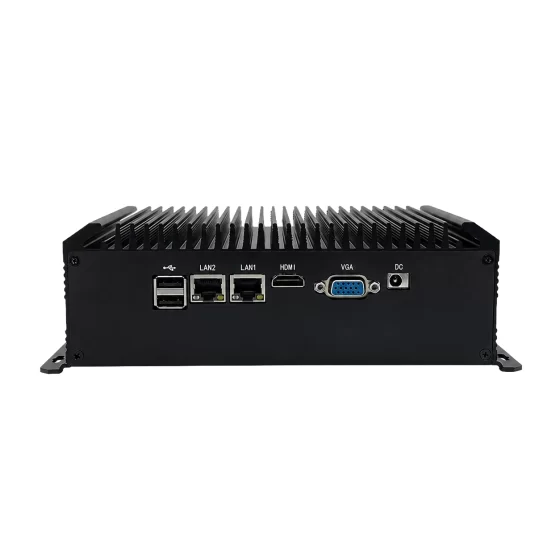
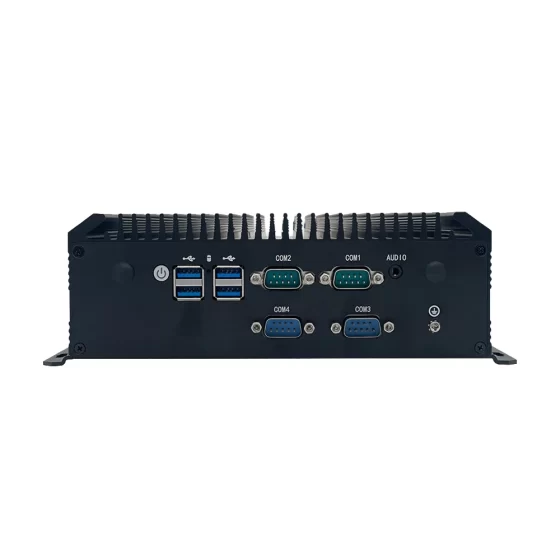
An industrial computer or embedded computer can act as the local inspection controller. It can receive image data, Inspektionssoftware ausführen, connect to automation equipment, communicate with MES or quality systems, Speichern Sie lokale Datensätze, and support real-time operator monitoring.
Im Vergleich zu handelsüblichen PCs, industrial IPC platforms are better suited for semiconductor inspection environments because they offer higher reliability, flexible I/O, stabile Montage, Unterstützung für einen langen Lebenszyklus, compact design options, und bessere Integration mit Industriegeräten.
This article explains how semiconductor inspection IPC platforms support quality control, vor welchen Bereitstellungsherausforderungen Hersteller stehen, wie die Lösungsarchitektur funktioniert, and which hardware features are important for reliable semiconductor inspection systems.

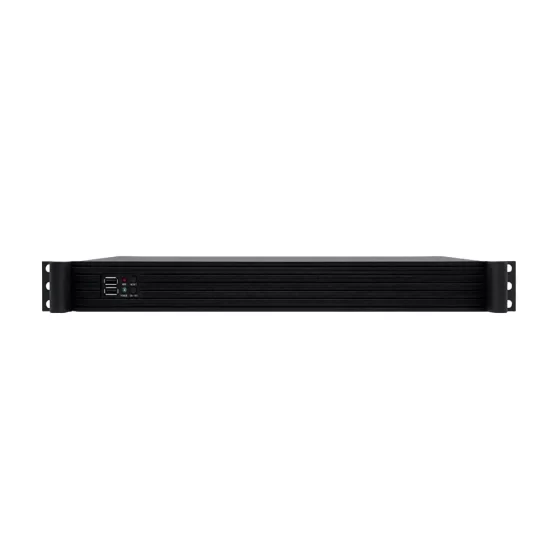
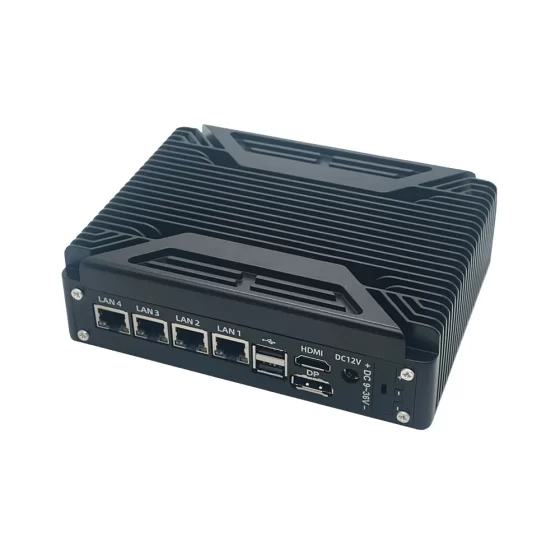
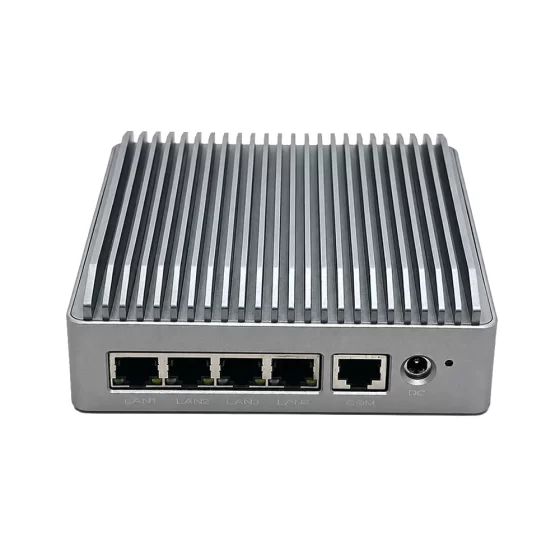
Industrial IPCs support semiconductor inspection equipment, Bildverarbeitung, and quality data collection.
Branchenüberblick
Semiconductor Inspection Requires High Precision
Semiconductor manufacturing involves many sensitive processes.
Inspection may occur at wafer level, die level, package level, substrate level, or final product level. Each process requires accurate data capture and stable computing support.
Typical inspection tasks may include:
- Wafer surface inspection
- Die alignment inspection
- Fehlererkennung
- Package appearance inspection
- Marking and code verification
- Bonding inspection
- Lead frame inspection
- Substrate inspection
- Final product inspection
- Test result data collection
A semiconductor inspection ipc helps process this inspection data near the equipment and connect results with factory quality systems.
Inspection Data Is Critical for Yield and Quality
Semiconductor inspection is not only about identifying defective units.
Inspection data also supports yield analysis, Prozessverbesserung, equipment tuning, Rückverfolgbarkeit, and customer quality requirements.
Factories may need to record:
- Bildbeweis
- Fehlertyp
- Wafer-ID
- Die position
- Losnummer
- Paket-ID
- Testergebnis
- Process time
- Station information
- Operator or equipment ID
If the computing platform is unstable, inspection data may be incomplete or delayed. This can reduce the value of quality analysis and make root cause investigation more difficult.
Industrielle Datenverarbeitung unterstützt die Inspektionsautomatisierung
Semiconductor inspection equipment often integrates cameras, Optik, Beleuchtung, Bewegungssteuerung, SPS, Sensoren, and factory communication systems.
The industrial computer acts as the local control and processing platform.
It may run image processing software, communicate with cameras, process defect images, Aufzeichnungen speichern, send results to automation controllers, and upload data to MES or quality databases.
Embedded computers are also useful when inspection hardware must be integrated into compact equipment, cabinet systems, or OEM inspection machines.

Wafer surfaces, tiny defects, reflections, and package marks require stable vision processing.
Wichtigste Herausforderungen
Hochauflösende Bildverarbeitung
Semiconductor inspection often uses high-resolution cameras and precise imaging systems.
The inspection computer may need to process detailed images of wafers, stirbt, Substrate, Klebebereiche, package surfaces, or printed marks.
The computing workload depends on:
- Kameraauflösung
- Anzahl der Kameras
- Bildfrequenz
- Komplexität des Inspektionsalgorithmus
- Defect classification requirements
- Lokale Bildspeicherung
- Datenbankkommunikation
- Operator interface performance
A semiconductor inspection ipc must provide stable processing performance for the actual inspection workload.
Small Defects and Strict Quality Requirements
Semiconductor defects can be very small.
Oberflächenkratzer, Partikel, Risse, Ausrichtungsfehler, missing marks, poor bonding, or package defects may be difficult to detect without consistent image quality and stable processing.
The inspection system must combine proper optics, Beleuchtung, Kameraauswahl, software algorithms, and reliable computing hardware.
If any part of the system is unstable, detection accuracy may be affected.
Integration mit Automatisierungsgeräten
Semiconductor inspection systems are often part of automated production equipment.
The IPC may need to communicate with PLCs, Motion-Controller, wafer handlers, Förderer, robot arms, Beleuchtungssteuerungen, Sensoren, und Ablehnungsmechanismen.
Common communication requirements may include:
- LAN
- USB
- RS232
- RS485
- GPIO
- Digitaler Eingang
- Digitaler Ausgang
- Motion or trigger signals
The right industrial I/O configuration reduces the need for external converters and improves integration reliability.
Kontinuierlicher Betrieb und Geräteverfügbarkeit
Semiconductor production environments often require long operating hours and stable equipment availability.
Wenn der Inspektionscomputer ausfällt, the inspection station may stop collecting data or slow down the production flow.
This can affect yield monitoring, Qualitätskontrolle, und Produktionsplanung.
Industrial computers are preferred because they are designed for continuous operation, stabile thermische leistung, and long-term deployment in industrial equipment.
Data Traceability and System Connectivity
Inspection results must often be linked with wafer IDs, lot numbers, Produkt-IDs, Prüfprotokolle, production routes, und hochwertige Datenbanken.
This requires stable network communication and reliable local data handling.
The inspection computer may need to upload records to MES, SPC, Qualitätsmanagementsysteme, oder Produktionsdatenbanken.
It may also need to store local data temporarily when network communication is unavailable.

Industrial IPCs process inspection data and connect results to semiconductor quality systems.
Semiconductor Inspection IPC Solution Architecture
Imaging and Sensor Layer
The imaging and sensor layer includes cameras, Linsen, Beleuchtung, optical modules, Triggersensoren, Bewegungssysteme, and measurement devices.
This layer captures the raw inspection data.
Abhängig von der Anwendung, Das System erfasst möglicherweise:
- Wafer surface images
- Die images
- Paketbilder
- Marking images
- Substrate images
- Alignment data
- Messwerte
- Positionsdaten
- Defektbilder
Consistent image quality is essential before inspection software can produce reliable results.
Industrielle Computerschicht
The industrial computing layer is where the semiconductor inspection ipc performs local processing.
Auf dieser Ebene, Der Industriecomputer kann:
- Acquire images from cameras
- Run inspection algorithms
- Fehlerbilder verarbeiten
- Control lighting timing
- Receive trigger signals
- Kommunizieren Sie mit SPSen
- Store inspection results
- Inspektionsstatus anzeigen
- Upload records to MES or databases
- Unterstützen Sie die Fernwartung
Diese Schicht muss stabil sein, da sie sich direkt auf die Inspektionsgeschwindigkeit auswirkt, Datenqualität, and equipment availability.
Ebene der Automatisierungssteuerung
The automation control layer connects inspection results with equipment action.
Eine SPS, Motion-Controller, Wafer-Handler, or machine controller may send signals to the inspection computer. Nach der Bearbeitung, the IPC may return pass, scheitern, Alarm, oder Klassifizierungsergebnisse.
Zum Beispiel, if a package mark is unreadable or a die defect is detected, the system may trigger a reject action or mark the unit for further review.
This closed-loop communication supports automated inspection and quality control.
Datenverwaltungsschicht
Inspection data must be stored, übertragen, and connected with production records.
The IPC may send data to MES, SPC, Qualitätssysteme, Fabrikdatenbanken, or local servers.
Daten können Folgendes umfassen::
- Losnummer
- Wafer-ID
- Die Koordinaten
- Inspektionsergebnis
- Fehlerkategorie
- Image file
- Zeitstempel
- Stations-ID
- Ausrüstungsstatus
- Bedieneraktion
This data supports traceability, Ertragsanalyse, Prozessoptimierung, und Qualitätsberichterstattung.
User Interface and Maintenance Layer
Betreiber und Ingenieure benötigen eine lokale Schnittstelle zur Überwachung und Anpassung.
Der Industriecomputer kann an einen Monitor angeschlossen werden, Touch-Screen, Tastatur, oder HMI-Panel.
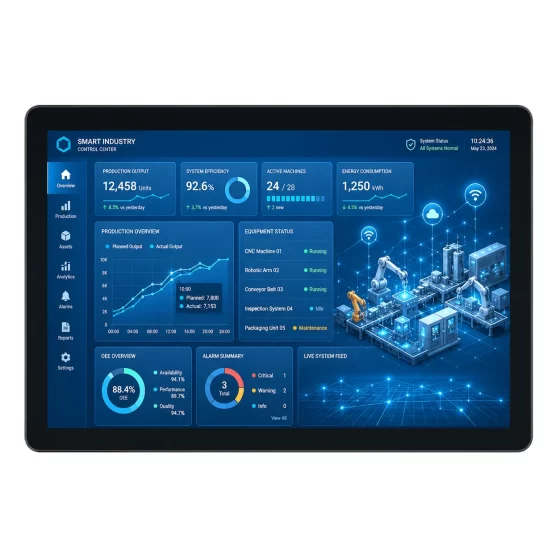
Die Schnittstelle kann Livebilder anzeigen, defect results, Alarmmeldungen, Produktion zählt, Systemstatus, und Inspektionsprotokolle.
A clear local interface helps engineers maintain the system and respond quickly to abnormal inspection conditions.
Hauptmerkmale
Stable Computing Performance
Semiconductor inspection systems require stable performance under continuous workload.
Peak performance alone is not enough. The IPC must maintain consistent image acquisition, Verarbeitung, Kommunikation, and storage performance during long production runs.
Die Auswahl sollte berücksichtigt werden:
- CPU-Leistung
- Speicherkapazität
- Kamerabandbreite
- Speichergeschwindigkeit
- Graphics or AI acceleration needs
- Software-Auslastung
- Multikamera-Verarbeitung
- Datenbankkommunikation
The right configuration depends on the inspection task and production speed.
Unterstützung für Kamera- und Vision-Schnittstellen
Die Kamerakonnektivität ist eine der wichtigsten Hardwareanforderungen.
Semiconductor inspection systems may use USB cameras, GigE-Kameras, or other industrial imaging interfaces depending on the equipment design.
Zu den nützlichen Hardwarefunktionen können gehören:
- USB 3.0 Häfen
- Mehrere LAN-Ports
- PCIe-Erweiterung
- M.2-Erweiterung
- Hochgeschwindigkeitsspeicher
- Stabiles Power-Design
- Anzeigeausgabe zur lokalen Überwachung
For multi-camera inspection, bandwidth and network separation should be reviewed carefully.
Industrielle I/O für die Geräteintegration
The IPC must connect reliably with automation devices.
Zu den wichtigen E/A-Optionen können gehören:
- LAN
- USB
- RS232
- RS485
- GPIO
- Digitaler Eingang
- Digitaler Ausgang
- HDMI
- DisplayPort
Diese Schnittstellen können die SPS-Kommunikation unterstützen, Triggersignale, Beleuchtungssteuerungen, Sensoren, Barcode-Lesegeräte, Markierungssysteme, and test instruments.
Flexible E/A reduzieren den Bedarf an externen Adaptern und verbessern die Systemzuverlässigkeit.
Lüfterloses und robustes Design
Fanless industrial computers are useful in inspection environments where dust control, equipment uptime, and low maintenance are important.
A fanless design reduces dust intake and removes one common mechanical failure point.
Rugged mechanical design also helps protect the system from vibration, Kabelspannung, und Schrankeinbaubedingungen.
Thermal design should still be matched with the processor workload, Gehäuseraum, und Umgebungstemperatur.
Zuverlässige Aufbewahrung von Prüfprotokollen
Semiconductor inspection systems may generate large amounts of data.
This may include defect images, Inspektionsprotokolle, measurement records, Barcode-Daten, process reports, und Systemprotokolle.
SSD storage is usually preferred because it provides faster access and better shock resistance than mechanical drives.
For image-heavy inspection systems, Speicherkapazität, schreibe Ausdauer, and data retention policy should be reviewed before deployment.
Lifecycle and Maintainability
Semiconductor inspection equipment may remain in production for many years.
Frequent changes in IPC models, Schnittstellen, or drivers can increase validation workload and maintenance cost.
Industrial IPC platforms with lifecycle planning help system integrators and OEM equipment builders maintain consistent inspection platforms.
This is important for equipment repeatability, Ersatzteilplanung, and long-term customer support.
Bereitstellungsszenarien
Wafer Surface Inspection
Wafer surface inspection requires high-resolution image capture and precise defect detection.
An industrial IPC can process images from inspection cameras, Mängel klassifizieren, store image records, and send results to factory quality systems.
Stable computing hardware helps ensure consistent inspection performance across long production cycles.
Die Inspection and Alignment
Die inspection may involve checking position, Ausrichtung, surface quality, und sichtbare Mängel.
The inspection computer can process camera images and communicate with motion control systems or handlers.
This helps support automated die handling and quality verification.
Package Appearance Inspection
After packaging, semiconductor devices may need inspection for cracks, Kontamination, missing marks, bent leads, Oberflächenschäden, or incorrect orientation.
Ein Industriecomputer kann Bilder verarbeiten, compare results with quality rules, and send pass or fail signals to automation equipment.
This improves final inspection consistency.
Marking and Code Verification
Semiconductor packages often include laser marks, gedruckte Codes, QR-Codes, or Data Matrix codes.
An embedded computer can process images and verify whether the mark is readable, correct, und richtig positioniert.
This supports traceability from production to shipment.
Substrate and Lead Frame Inspection
Substrate and lead frame inspection may require detailed image analysis.
The IPC can process images from cameras and detect surface defects, Kontamination, alignment issues, or structural problems.
This helps prevent defective materials from moving into later process stages.
Bonding Inspection
Bonding inspection may involve checking wire bonds, Löthöcker, oder Verbindungsqualität.
An industrial computer can support image processing and data recording for bonding quality verification.
This supports early detection of process issues.
Final Test and Quality Data Collection
Final test stations generate important quality records.
An industrial PC can collect test results, Scanner anschließen, Speichern Sie lokale Datensätze, and upload data to MES or quality databases.
This helps ensure that inspection and test results are connected with the correct product and lot information.
Geschäftsvorteile
Verbesserte Inspektionszuverlässigkeit
A stable semiconductor inspection ipc helps inspection systems operate consistently during production.
Zuverlässige Computerhardware reduziert unerwartete Ausfallzeiten, Bildaufnahme verpasst, verzögerte Bearbeitung, and unstable equipment communication.
This supports higher inspection confidence and better quality control.
Stärkere Ertragsanalyse
Inspection data helps manufacturers understand yield performance.
By collecting defect categories, Bildaufzeichnungen, measurement results, und Gerätestatus, factories can identify process trends and improvement opportunities.
Reliable IPC hardware ensures that the data used for analysis is complete and consistent.
Bessere Rückverfolgbarkeit
Rückverfolgbarkeit ist in der Halbleiterfertigung von entscheidender Bedeutung.
The inspection computer helps link inspection results with wafer IDs, lot numbers, die positions, Paket-IDs, marking codes, Zeitstempel, and station records.
This supports customer reporting, Qualitätsuntersuchung, and process accountability.
Reduzierter manueller Inspektionsaufwand
Automated inspection reduces dependence on manual visual checking.
Industrial computers can process images, collect data, und Ergebnisse automatisch kommunizieren.
This improves consistency and allows operators and engineers to focus on exception handling, Prozessverbesserung, and equipment optimization.
Schnellere Fehlererkennung
Local processing allows inspection results to be available quickly.
When defects are detected near the production process, the equipment can respond faster through alarms, reject actions, or process adjustments.
Dies trägt dazu bei, nachgelagerte Qualitätsrisiken zu reduzieren.
Scalable Inspection Platform
A standardized industrial IPC platform can be used across multiple inspection stations, Maschinen, und Produktionslinien.
Dies vereinfacht die Softwarebereitstellung, Ersatzteilplanung, Validierung, Wartung, und technischer Support.
For OEM inspection equipment builders, scalable IPC hardware helps improve repeatability across product models and customer projects.
Warum CoreIPC
CoreIPC bietet industrielle Computerplattformen für die maschinelle Bildverarbeitung, Halbleiterinspektion, Fabrikautomation, und eingebettete Systemintegration. For semiconductor inspection ipc applications, CoreIPC konzentriert sich auf zuverlässige Industrie-PC-Hardware, Embedded-Computer-Lösungen, flexible I/O-Konfigurationen, kompaktes Systemdesign, und OEM/ODM-Anpassungsunterstützung. CoreIPC hilft Systemintegratoren, Hersteller von Inspektionsgeräten, und Fertigungsteams wählen Computerplattformen aus, die den tatsächlichen Bereitstellungsanforderungen entsprechen, einschließlich Kameraschnittstellen, Automatisierungskommunikation, Montagemethoden, Leistungsaufnahme, thermisches Design, Speicherbedarf, Lebenszyklusplanung, und langfristige Skalierbarkeit des Systems.
Häufig gestellte Fragen
1. What is a semiconductor inspection IPC?
A semiconductor inspection IPC is an industrial computer used to support image acquisition, Fehlererkennung, metrology data processing, and quality data collection in semiconductor inspection systems.
Es kann eine Verbindung zu Kameras herstellen, Beleuchtungssteuerungen, Bewegungssysteme, SPS, Sensoren, Barcode-Lesegeräte, und Fabriknetzwerke. It processes inspection data locally and sends results to MES, SPC, Qualitätsdatenbanken, oder Gerätesteuerungssysteme.
2. Why use an industrial computer for semiconductor inspection?
Semiconductor inspection systems require stable computing hardware for continuous production use.
Ein Industriecomputer bietet eine höhere Zuverlässigkeit, I/O-Flexibilität, Montagemöglichkeiten, thermisches Design, and lifecycle support than a standard office PC. It can operate close to inspection equipment and support camera interfaces, Automatisierungskommunikation, lokaler Speicher, und Fabriksystemkonnektivität.
3. How is an embedded computer used in semiconductor inspection equipment?
An embedded computer can be integrated inside inspection machines, Schaltschränke, kompakte Vision-Stationen, oder OEM-Ausrüstung.
Es kann Bilder erfassen, Ergebnisse der Prozessinspektion, communicate with PLCs or motion controllers, Speichern Sie lokale Datensätze, and upload data to production systems. Its compact size makes it useful when installation space is limited.
4. What interfaces are important for semiconductor inspection IPC systems?
Wichtige Schnittstellen können USB sein 3.0, mehrere LAN-Ports, RS232, RS485, GPIO, HDMI, DisplayPort, M.2, PCIe, und Mini PCIe.
Camera interfaces and network bandwidth are especially important for vision inspection. GPIO or serial ports may be used for triggers, Beleuchtungssteuerungen, Sensoren, SPS, und Automatisierungsgeräte.
5. Can semiconductor inspection IPCs support high-resolution cameras?
Ja, if the IPC is selected according to camera resolution, Bildrate, image bandwidth, und Software-Auslastung.
High-resolution or multi-camera inspection systems may require stronger CPU performance, mehr Speicher, Hochgeschwindigkeitsspeicher, and suitable camera interfaces. Real system testing is important before final hardware selection.
6. Is a fanless industrial PC suitable for semiconductor inspection?
A fanless industrial PC can be suitable for many semiconductor inspection applications, insbesondere wenn es auf geringen Wartungsaufwand und Staubreduzierung ankommt.
Jedoch, thermal design must match the workload. High-resolution image processing or multi-camera inspection may require careful processor selection, heat dissipation planning, and cabinet airflow review.
7. How does an IPC support semiconductor traceability?
The IPC collects inspection results and links them with production identifiers such as wafer ID, lot number, die position, package ID, marking code, station ID, and timestamp.
Diese Daten können in MES hochgeladen werden, SPC, oder Qualitätssysteme. Die lückenlose Rückverfolgbarkeit hilft Herstellern bei der Fehleranalyse, unterstützen Audits, and improve process control.
8. What storage should be used for semiconductor inspection data?
SSD storage is commonly preferred because it provides fast access and better shock resistance than mechanical drives.
Storage capacity depends on whether the system stores only logs or also large image files. Für bildintensive Inspektionsanwendungen, schreibe Ausdauer, Aufbewahrungsrichtlinie, und Backup-Strategie sollten sorgfältig überprüft werden.
9. Can industrial IPCs connect inspection equipment with MES systems?
Ja. Industrial IPCs can send inspection results, Defektbilder, Produkt-IDs, lot data, Zeitstempel, and station information to MES or quality systems.
They may communicate through databases, Middleware, APIs, or industrial network protocols. This connection helps link inspection results with production history and quality records.
10. What should be tested before deploying a semiconductor inspection IPC?
Vor der Bereitstellung, the IPC should be tested with real cameras, Inspektionssoftware, Beleuchtungssteuerungen, SPS-Kommunikation, Bewegungssysteme, Speicherauslastung, network configuration, and production data upload.
Testing should also include thermal conditions, long-running stability, image processing speed, and operator interface responsiveness. This reduces integration risk during production rollout.
Abschluss
A semiconductor inspection ipc is a critical hardware foundation for reliable wafer inspection, Werkzeuginspektion, Paketinspektion, marking verification, and quality data collection.
Durch die Platzierung industrieller Computerhardware in der Nähe von Kameras, Sensoren, Bewegungssysteme, Beleuchtungssteuerungen, und Inspektionsausrüstung, manufacturers can process data locally and connect inspection results with factory quality systems.
Der richtige Industriecomputer oder Embedded Computer sollte entsprechend den tatsächlichen Anwendungsanforderungen ausgewählt werden, einschließlich Kameraschnittstellen, Bearbeitungsaufwand, I/O-Konfiguration, Speicherbedarf, Netzwerkdesign, Montagemethode, Leistungsaufnahme, thermische Bedingungen, Betriebssystemkompatibilität, und Lebenszyklusplanung.
CoreIPC supports semiconductor inspection IPC projects with industrial computing platforms designed for practical factory and equipment integration. Mit der richtigen Hardware-Grundlage, Hersteller und Gerätebauer können die Inspektionszuverlässigkeit verbessern, Stärkung der Rückverfolgbarkeit, Reduzieren Sie den manuellen Arbeitsaufwand, and build scalable semiconductor quality control systems.
Kontaktieren Sie uns
Auf der Suche nach einem Industrie-IPC, Industriecomputer, or embedded computer for semiconductor inspection?
Kontaktieren Sie CoreIPC, um Ihre Projektanforderungen zu besprechen, inklusive Kameraschnittstelle, Inspektionsaufwand, I/O-Konfiguration, Automatisierungskommunikation, Montagemethode, Leistungsaufnahme, Betriebsumgebung, Lebenszyklusanforderungen, und OEM/ODM-Anpassungsoptionen.