CoreIPC Industrial Computing-Lösungen

Aufbau einer zuverlässigen Soft-Router-Appliance mit Industriecomputern und eingebetteten Computerplattformen
Zusammenfassung
A Soft-Router-Appliance entwickelt sich zu einer wichtigen Netzwerkinfrastrukturplattform für Unternehmen, Fabriken, Edge-Computing-Sites, Transportsysteme, Einzelhandelsumgebungen, und verteilte Industrieanlagen. Im Gegensatz zu herkömmlichen Routern mit fester Funktion, Eine Soft-Router-Netzwerk-Appliance verwendet x86-basierte oder eingebettete Computerhardware, um das Routing auszuführen, Firewall, VPN, Verkehrsmanagement, Netzwerksicherheit, SD-WAN, und Edge-Gateway-Software auf einer flexiblen Plattform.
Für industrielle und gewerbliche Einsätze, Die Hardware-Grundlage ist genauso wichtig wie der Software-Stack. Eine zuverlässige Soft-Router-Appliance erfordert eine stabile Verarbeitungsleistung, mehrere LAN-Ports, Komponenten mit langem Lebenszyklus, Große Auswahl an Betriebstemperaturen, Speicherflexibilität, und zuverlässig 24/7 Betrieb. Hier ist ein Industriecomputer oder eingebetteter Computer Die Plattform bietet im Vergleich zu Mini-PCs oder Büro-Routern der Verbraucherklasse einen klaren Mehrwert.
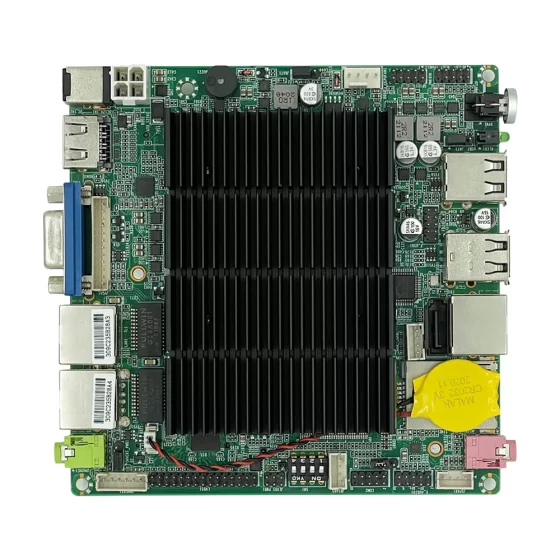
CoreIPC unterstützt Soft-Router-Netzwerk-Appliance-Anwendungen durch eingebettete Systeme in Industriequalität, Lüfterlose Computer, Multi-LAN-Embedded-Boards, und maßgeschneiderte industrielle Computerplattformen. Diese Plattformen können für Netzwerksicherheits-Appliances konfiguriert werden, Industrie-Gateways, Firewall-Systeme, VPN-Router, Edge-Zugriffsknoten, und OEM-Netzwerkgeräte.
Dieser Artikel erklärt die Architektur, zentrale Herausforderungen, Überlegungen zum Hardware-Design, Einsatzszenarien, und Geschäftswert der Verwendung von Industriecomputern und eingebetteten Computerplattformen für Soft-Router-Appliance-Lösungen.
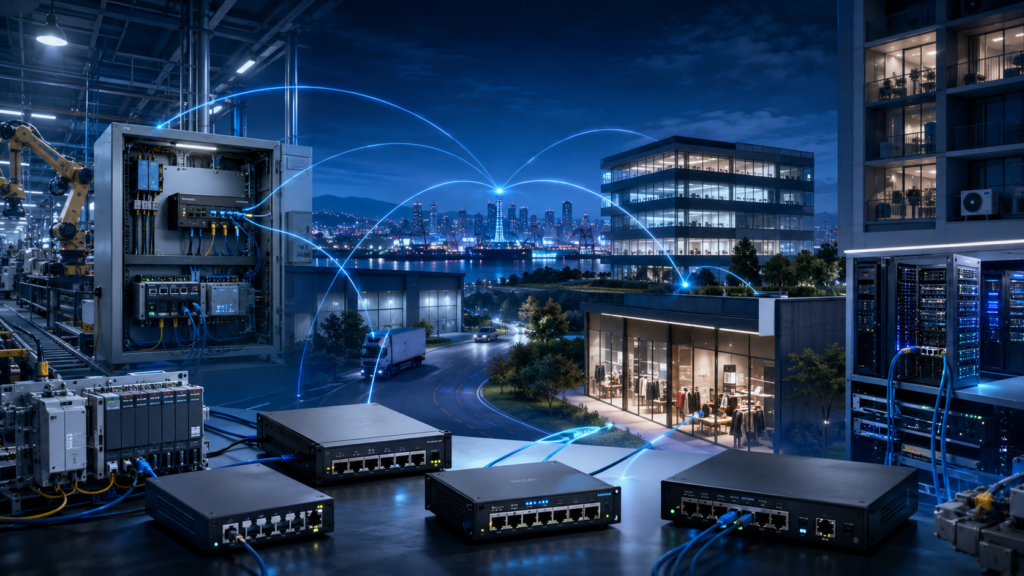
Soft-Router-Appliances helfen bei der Verbindung verteilter Industrieanlagen, kommerziell, und Unternehmens-Edge-Netzwerke.
Branchenüberblick
Die Netzwerkinfrastruktur ist nicht mehr auf Bürorouter beschränkt, Unternehmens-Firewalls, und zentralisierte Rechenzentren. Moderne Organisationen bewegen sich in Richtung verteilter Prozesse, softwaredefiniert, und Edge-basierte Netzwerkmodelle. Fabriken, Lagerhäuser, Intelligente Gebäude, Einzelhandelsketten, Verkehrsknotenpunkte, Energiestandorte, und entfernte Servicestandorte erfordern alle eine zuverlässige Konnektivität, sicheren Zugang, und flexible Netzwerksteuerung.
Eine Soft-Router-Netzwerk-Appliance begegnet diesem Wandel, indem sie Routing- und Netzwerkdienstfunktionen von der Router-Hardware für feste Zwecke trennt. Anstatt sich nur auf ein herkömmliches Gerät mit geschlossener Firmware zu verlassen, Benutzer können Routing- und Sicherheitssoftware auf einer Allzweck-Computerplattform bereitstellen. Dadurch kann dieselbe Hardwarearchitektur mehrere Anwendungsfälle unterstützen, inklusive Firewall, VPN, NAT, DHCP, DNS, VLAN-Routing, Netzwerküberwachung, Verkehrsgestaltung, Gefangenes Portal, Industrie-Gateway, und Kantensicherheit.
In vielen kommerziellen Umgebungen, Soft-Router-Systeme bestehen aus kompakten eingebetteten Computern oder Industriecomputern mit kleinem Formfaktor. Diese Systeme umfassen typischerweise mehrere Ethernet-Ports, SSD-Speicher, Speichererweiterung, USB-Schnittstellen, Ausgabe zur Wartung anzeigen, und optionale drahtlose Konnektivität. Bei richtiger Gestaltung, Sie können als zuverlässige Netzwerkgeräte sowohl für Unternehmens- als auch für Industrieumgebungen eingesetzt werden.
Die Nachfrage nach Soft-Router-Appliance-Plattformen wird durch mehrere praktische Trends bestimmt:
Erste, Der Netzwerkverkehr wird immer komplexer. Industriegeräte, Edge-Server, IP-Kameras, Automatisierungssteuerungen, POS-Terminals, Kioske, und Remote-Benutzer generieren alle unterschiedliche Verkehrsprofile. Unternehmen benötigen flexible Routing-Richtlinien und eine stärkere Segmentierung.
Zweite, Die Anforderungen an die Cybersicherheit steigen. VPN-Zugang, Firewall-Regeln, Einbrucherkennung, Netzwerkisolation, und sichere Fernwartung werden zu Grundvoraussetzungen für verteilte Infrastrukturen.
Dritte, Edge Computing nimmt zu. Mehr Arbeitslasten werden maschinennah bearbeitet, Sensoren, und Benutzer. Dadurch entsteht eine Nachfrage nach kompakten Netzwerkplattformen, die die Konnektivität verwalten und schlanke Netzwerkdienste am Netzwerkrand ausführen können.
Vierte, Kunden von OEMs und Systemintegratoren benötigen zunehmend anpassbare Hardwareplattformen. Anzahl der LAN-Ports, Prozessorauswahl, Gehäusedesign, Lagerlayout, Leistungsaufnahme, und das Branding muss möglicherweise zu einem bestimmten Projekt oder einer bestimmten Produktlinie passen.
Aus diesen Gründen, Ein Industriecomputer oder eine eingebettete Computerplattform kann eine stärkere Grundlage für eine Soft-Router-Appliance bieten als ein Standard-Router für Privatanwender oder ein generisches Bürogerät.
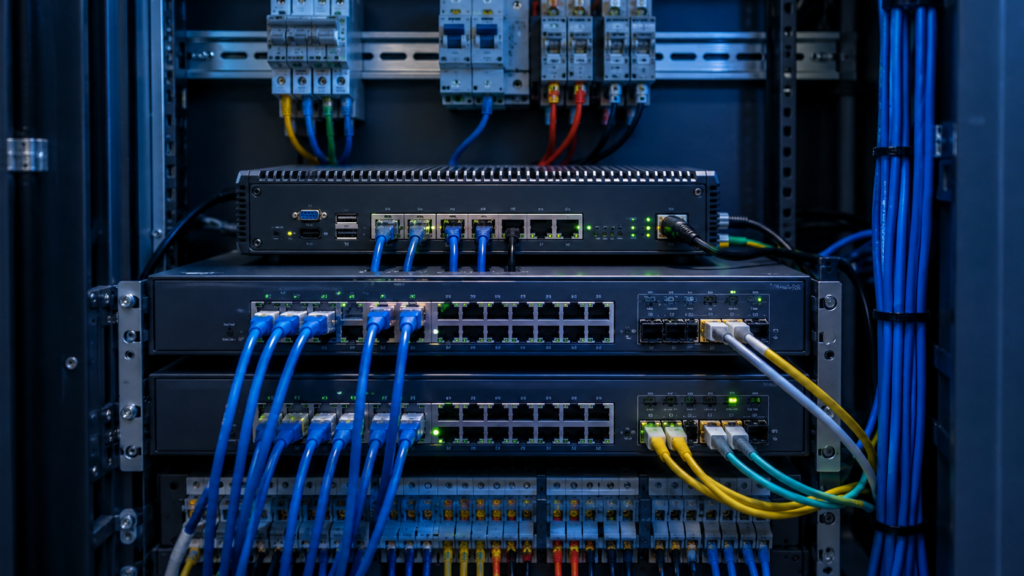
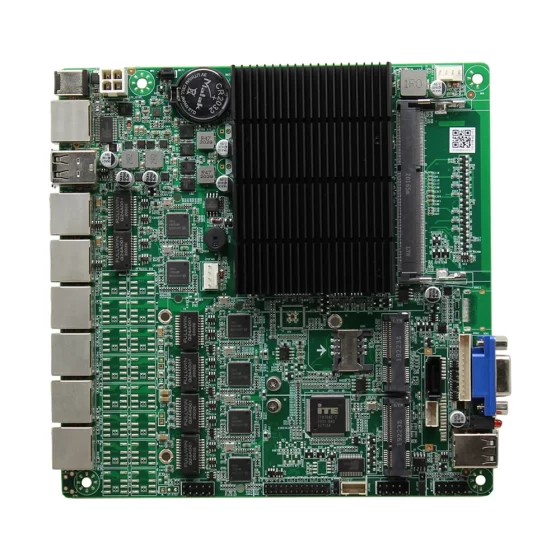
Eine Multi-LAN-Softrouter-Appliance unterstützt WAN, LAN, DMZ, Kamera, industriell, und Managementnetzwerke.
Wichtigste Herausforderungen
Beim Entwerfen einer Soft-Router-Appliance kommt es nicht nur auf die Wahl der Routing-Software an. Die Hardwareplattform muss einen stabilen Betrieb unterstützen, ausreichender Netzwerkdurchsatz, Systemzuverlässigkeit, und langfristige Bereitstellungsanforderungen.
1. Anforderungen an Multi-LAN-Ports
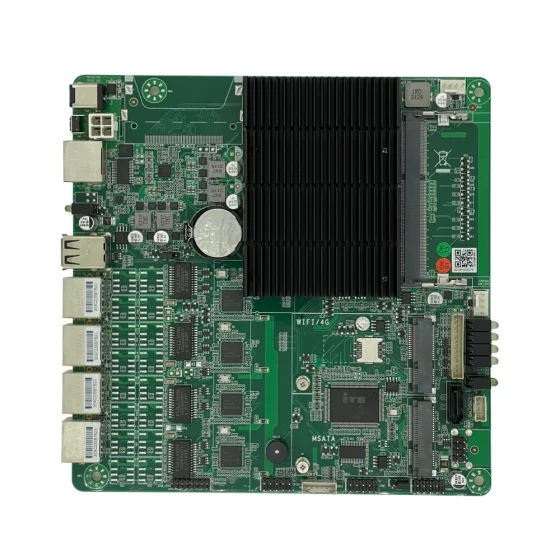
Eine Soft-Router-Netzwerk-Appliance erfordert normalerweise mehr als einen Ethernet-Port. Basissysteme benötigen möglicherweise zwei LAN-Ports zur WAN- und LAN-Trennung. Fortgeschrittenere Systeme erfordern möglicherweise vier, sechs, oder mehr Ports für Multi-WAN-Routing, VLAN-Segmentierung, Firewall-Zonen, Industrielle Gerätenetzwerke, Kameranetzwerke, Gastnetzwerke, und Managementnetzwerke.
Die Wahl des Ethernet-Controllers ist wichtig. Viele industrielle und kommerzielle Projekte bevorzugen stabile Intel-basierte Netzwerkcontroller aus Gründen der Kompatibilität und langfristigen Treiberunterstützung. Anzahl der Ports, Portgeschwindigkeit, thermisches Design, und Platinenlayout wirken sich alle auf die Systemleistung und -zuverlässigkeit aus.
2. 24/7 Zuverlässigkeit
Router, Gateways, und Firewalls sind Infrastrukturgeräte. Wenn das Gerät ausfällt, Nachgelagerte Systeme können den Internetzugang verlieren, Remote-Konnektivität, oder industrielle Kommunikation. Für Fabriken, Einzelhandelsgeschäfte, Lagerhäuser, und Transportsysteme, Ausfallzeiten können sich direkt auf den Betrieb auswirken.
Eine Soft-Router-Appliance, die in industriellen Umgebungen eingesetzt wird, sollte für den Dauerbetrieb ausgelegt sein. Dazu gehört ein stabiles Mainboard, zuverlässiges Energiedesign, Komponenten in Industriequalität, richtiges Wärmemanagement, und validierte Systemintegration.
3. Wärmemanagement
Soft-Router-Systeme laufen oft kontinuierlich in kleinen Gehäusen. In vielen Einsätzen, sie werden in Schränken eingebaut, Kontrollräume, Netzwerkschränke, Kioske, oder Randstandorte mit eingeschränkter Luftzirkulation. Wärmestau kann die Lebensdauer der Komponenten verkürzen und zu Instabilität führen.
Bei Staub werden oft lüfterlose Industriecomputerdesigns bevorzugt, Vibration, Lärm, oder es bestehen Wartungsbedenken. Jedoch, Ein lüfterloses Design muss sorgfältig mit geeigneten Prozessoren entwickelt werden, Kühlkörper, Gehäusematerialien, und internes Layout.
4. Softwarekompatibilität
Auf Soft-Router-Plattformen können unterschiedliche Betriebssysteme oder Netzwerksoftware-Stacks ausgeführt werden. Die Hardware sollte gängige x86-Betriebsumgebungen unterstützen, Virtualisierungsoptionen, und Netzwerktreiberkompatibilität. BIOS-Einstellungen, Speicherschnittstellen, Boot-Optionen, und Watchdog-Unterstützung kann für Systemintegratoren ebenfalls von Bedeutung sein.
5. Leistungsaufnahme und Bereitstellungsumgebung
Consumer-Mini-PCs sind häufig für den Bürogebrauch mit Standardadaptern konzipiert. Industrielle Einsätze erfordern möglicherweise einen breiteren Spannungseingang, stabile Gleichstromversorgung, Montage auf DIN-Schiene, Fahrzeugstromumgebungen, oder Stromschutzfunktionen.
Eine Soft-Router-Appliance, die in Fabriken oder Feldsystemen eingesetzt wird, sollte unter Berücksichtigung praktischer Leistungs- und mechanischer Anforderungen konzipiert werden.
6. Lebenszyklus und Versorgungsstabilität
Netzwerkgeräte werden häufig an mehreren Standorten bereitgestellt und über Jahre hinweg gewartet. OEM-Kunden und Systemintegratoren benötigen eine konsistente Hardwareverfügbarkeit, vorhersehbare Revisionskontrolle, und langfristige Unterstützung.
Consumer-Hardware mit kurzem Lebenszyklus kann zu Problemen führen, wenn für ein Projekt Nachbestellungen erforderlich sind, Ersatzeinheiten, oder konsistente Zertifizierungsprüfungen. Industrielle Computerplattformen bieten ein besseres Lebenszyklusmanagement für B2B-Einsätze.
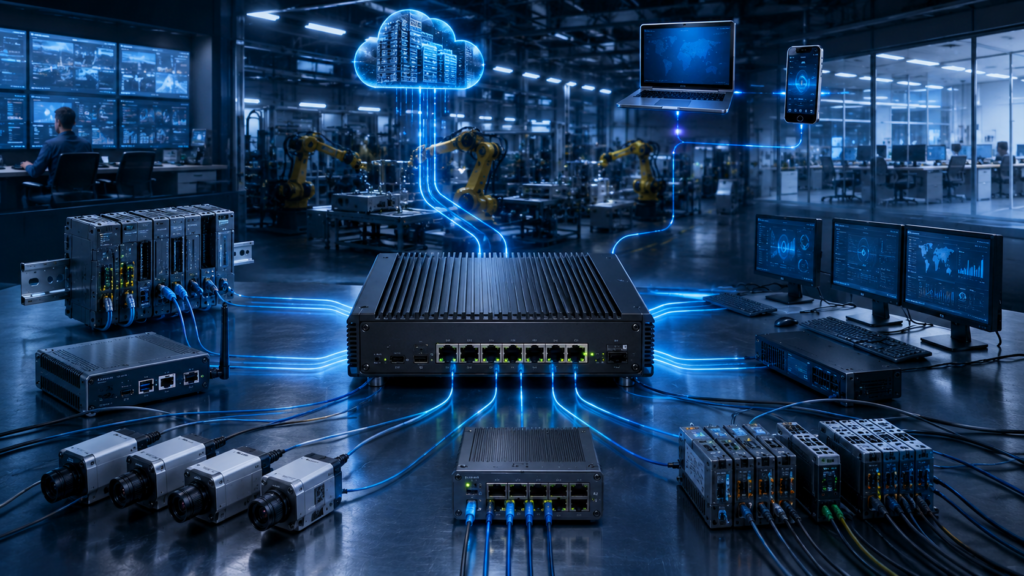
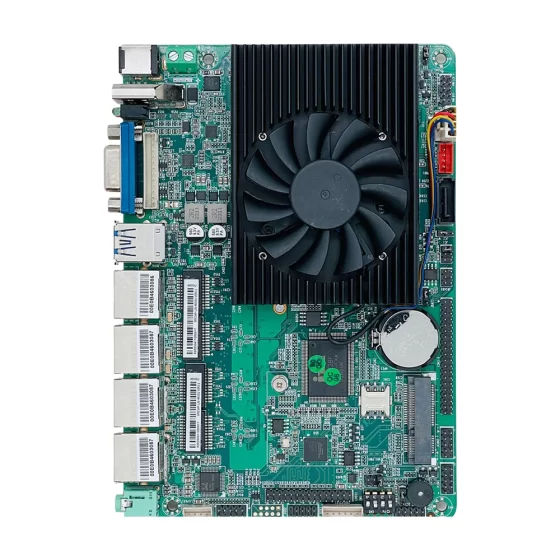
Industrielle computerbasierte Soft-Router-Appliance, die die Cloud verbindet, VPN-Benutzer, Unternehmens-IT, und industrielle OT-Netzwerke.
Lösungsarchitektur
A Soft-Router-Appliance Auf einem Industriecomputer oder einer eingebetteten Computerplattform basierende Systeme umfassen normalerweise drei Hauptschichten: Hardware-Plattform, Netzwerkbetriebssoftware, und Bereitstellungsintegration.
Hardwareplattformschicht
Die Hardwareschicht ist die Grundlage der Appliance. Es kann ein eingebettetes Motherboard enthalten, Industrie-Box-PC, Lüfterloser Computer, oder benutzerdefiniertes eingebettetes Board. Zu den wichtigsten Hardwareelementen gehört der Prozessor, Erinnerung, LAN-Controller, Lagerung, Leistungsaufnahme, Erweiterungsschnittstellen, und Gehäuse.
Für Routing- und Firewall-Workloads, Der Prozessor sollte eine stabile Leistung für die Paketverarbeitung bieten, Verschlüsselung, Regelverarbeitung, und Netzwerkdienste. Einstiegssysteme verwenden möglicherweise Prozessoren mit geringem Stromverbrauch für das grundlegende Routing, VPN, und Firewall-Funktionen. Fortgeschrittenere Geräte erfordern möglicherweise stärkere Prozessoren für das Multi-Gigabit-Routing, IDS/IPS-Workloads, Virtualisierung, oder mehrere Netzwerkdienste, die gleichzeitig ausgeführt werden.
Die Speicherkapazität wirkt sich auf Firewall-Statustabellen aus, Caching, Überwachungsdienste, und Virtualisierung. Der Speicher wird für das Betriebssystem verwendet, Protokolle, Konfigurationssicherung, und optionale lokale Anwendungen. Aufgrund der Zuverlässigkeit und Geschwindigkeit wird im Allgemeinen SSD-basierter Speicher bevorzugt.
LAN-Ports definieren die physische Netzwerkstruktur. Ein System kann zwei Ports für grundlegendes WAN/LAN-Routing umfassen, vier Ports für segmentierte Netzwerke, oder höhere Portanzahlen für fortgeschrittenere Gateway-Designs. Optionale Wireless-Module unterstützen möglicherweise Wi-Fi, LTE, oder 5G-Konnektivität je nach Projekt.
Netzwerksoftwareschicht
Die Softwareschicht stellt Routing- und Servicefunktionen bereit. Je nach Projekt, Auf der Appliance kann Open-Source-Routing-Software ausgeführt werden, kommerzielle Firewall-Software, Linux-basierte Gateway-Software, Virtualisierungsplattformen, oder kundenspezifische OEM-Software.
Zu den allgemeinen Funktionen gehört die Verwaltung von Firewall-Richtlinien, VPN, VLAN, NAT, DHCP, DNS, QoS, Verkehrsüberwachung, Gefangenes Portal, Fernzugriff, und Protokollierung. Einige Bereitstellungen können die Erkennung von Eindringlingen hinzufügen, Inhaltsfilterung, SD-WAN, oder cloudbasiertes Management.
Der Vorteil einer Soft-Router-Plattform ist die Flexibilität. Dieselbe Hardware kann für verschiedene Software-Stacks angepasst werden, Kundenanforderungen, und Marktsegmente.
Integrationsschicht
Die Integrationsschicht verbindet die Appliance mit der realen Bereitstellungsumgebung. In einem Unternehmensbüro, Es kann zwischen WAN-Zugang und internen Netzwerken installiert werden. In einer Fabrik, Es kann Produktionsnetzwerke von Büro-IT-Netzwerken isolieren. Im Einzelhandel, Es kann Kassensysteme verwalten, Kioske, Kameras, und Gäste-WLAN. Im Transportwesen, Es kann Bordsysteme verbinden, Schaltschränke, oder Bahnhofsnetze.
Für OEM-Kunden, Die Integration kann auch die Anpassung des Gehäuses umfassen, BIOS-Konfiguration, Branding, vorinstallierte Betriebssysteme, I/O-Anpassung, und Validierungstests.
Eine gut gestaltete Soft-Router-Netzwerk-Appliance sollte nicht als einfacher Mini-PC mit zusätzlichen LAN-Anschlüssen behandelt werden. Es sollte als Infrastrukturgerät mit stabiler Hardware konzipiert sein, praktisches Installationsdesign, und klare Netzwerkbereitstellungslogik.
Hauptmerkmale
Multi-LAN-Architektur
Die Multi-LAN-Unterstützung ist eine der wichtigsten Funktionen einer Soft-Router-Appliance. Dem WAN können verschiedene LAN-Ports zugewiesen werden, LAN, DMZ, Management, Industrielle Steuerung, Kamera, Gast, oder Backup-Netzwerksegmente. Dies hilft Systemintegratoren beim Aufbau sicherer und organisierter Netzwerkstrukturen.
Für industrielle Anwendungen, Die physische Netzwerktrennung ist oft einfacher zu verwalten als eine rein softwarebasierte Trennung. Mehrere LAN-Ports bieten Flexibilität beim Routing, Firewall-Richtlinien, Failover, und Segmentierung.
Zuverlässigkeit auf Industrieniveau
Eine Soft-Router-Netzwerk-Appliance kann in Umgebungen eingesetzt werden, in denen der Wartungszugriff eingeschränkt ist. Industrielle Computerplattformen sind auf einen stabilen Betrieb ausgelegt, lange Verfügbarkeit über den gesamten Lebenszyklus, und praktischer Feldeinsatz.
Die Zuverlässigkeit hängt vom Platinendesign ab, Komponentenauswahl, thermische Validierung, Leistungsstabilität, und Tests auf Systemebene. Diese Faktoren sind besonders wichtig für Netzwerkinfrastrukturgeräte, da sich ein Ausfall auf mehrere verbundene Systeme auswirken kann.
Kompaktes eingebettetes Design
Viele Soft-Router-Geräte müssen in Netzwerkschränke passen, Maschinensteuerkästen, Kioske, Fahrzeuge, oder kleine Büroräume. Eingebettete Computerplattformen bieten kompakte Abmessungen und unterstützen dennoch mehrere I/O-Ports und Speicheroptionen.
Systeme mit kleinem Formfaktor sind auch für OEM-Produkte mit Gehäusedesign nützlich, Branding, und Installationsflexibilität sind wichtig.
Lüfterloser Betrieb
Lüfterlose Systeme reduzieren bewegliche Teile und tragen dazu bei, die langfristige Zuverlässigkeit in staubigen oder vibrationsanfälligen Umgebungen zu verbessern. Außerdem reduzieren sie den Lärm im Büro, Einzelhandel, Gesundheitspflege, und kommerzielle Umgebungen.
Eine lüfterlose Soft-Router-Appliance muss mit einer geeigneten Prozessorleistung ausgestattet sein, Gehäusedesign, und Wärmeableitung. Um eine Überhitzung zu vermeiden, ist die richtige mechanische Konstruktion von entscheidender Bedeutung.
Flexibler Speicher und Speicher
Unterschiedliche Netzwerkanwendungen erfordern unterschiedliche Speicher- und Speicherkonfigurationen. Einfache Routing-Systeme verbrauchen möglicherweise bescheidenen Speicherplatz und Arbeitsspeicher, während der Firewall-Protokollierung, VPN, IDS/IPS, oder die Virtualisierung erfordert möglicherweise mehr Ressourcen.
Eingebettete Computerplattformen können verschiedene Speicher- und Speicheroptionen unterstützen, Unterstützung von Systemintegratoren bei der Konfiguration der Appliance entsprechend Arbeitslast und Budget.
Breite Bereitstellungskompatibilität
Eine Soft-Router-Appliance kann branchenübergreifend eingesetzt werden, wenn die Hardware mit flexiblen Schnittstellen und stabiler Softwareunterstützung ausgestattet ist. Ethernet, USB, Ausgabe anzeigen, serielle Schnittstellen, GPIO, drahtlose Erweiterung, und Speicherschnittstellen können je nach Bereitstellung alle relevant sein.
Industriekunden benötigen häufig Hardware, die sich an mehrere Projekttypen anpassen lässt, statt einer einzigen festen Konfiguration.
OEM- und ODM-Anpassung
Für Anbieter von B2B-Netzwerkgeräten, Branding und Individualisierung können ebenso wichtig sein wie technische Spezifikationen. OEM- und ODM-Anpassungen können Logo-freie Hardware umfassen, individuelles Gehäusedesign, Änderungen an der Frontplatte, LAN-Port-Layout, Anpassung der Leistungsaufnahme, BIOS-Einstellungen, Vorinstallationsdienste, und Entwicklung von Private-Label-Produkten.
Dadurch können Kunden eine komplette Netzwerk-Appliance-Produktlinie aufbauen, die auf einer stabilen Embedded-Computing-Plattform basiert.
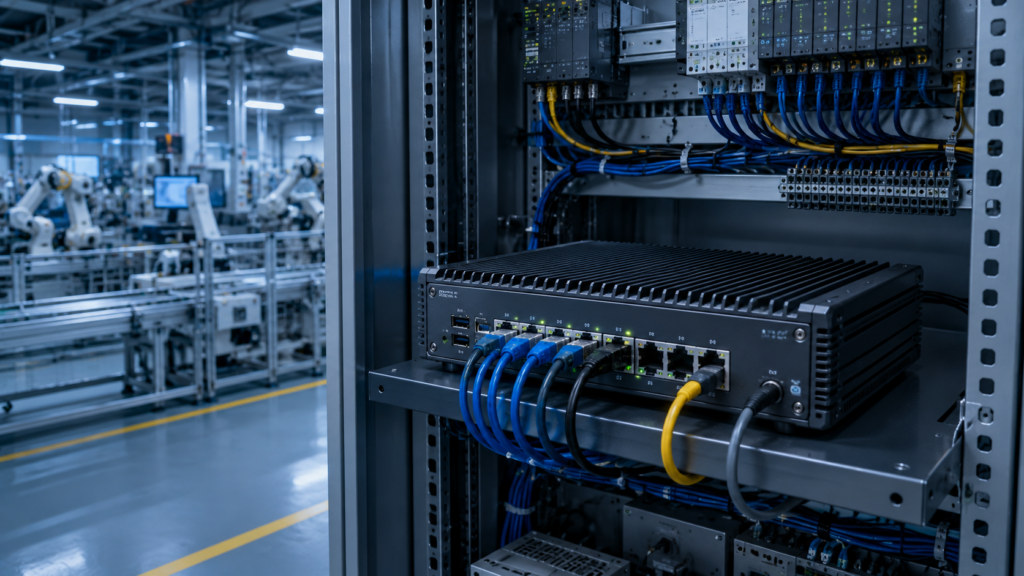
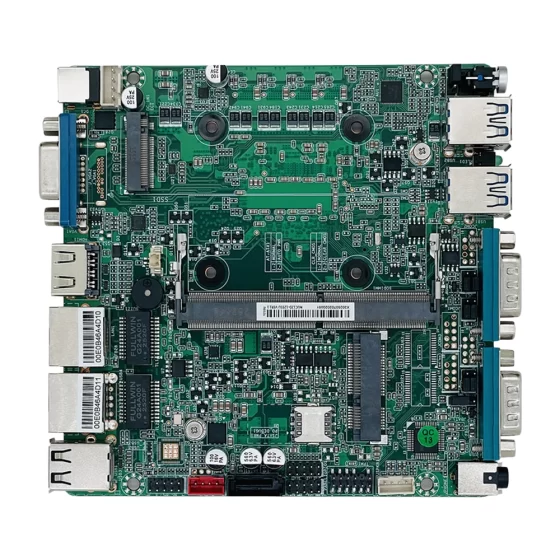
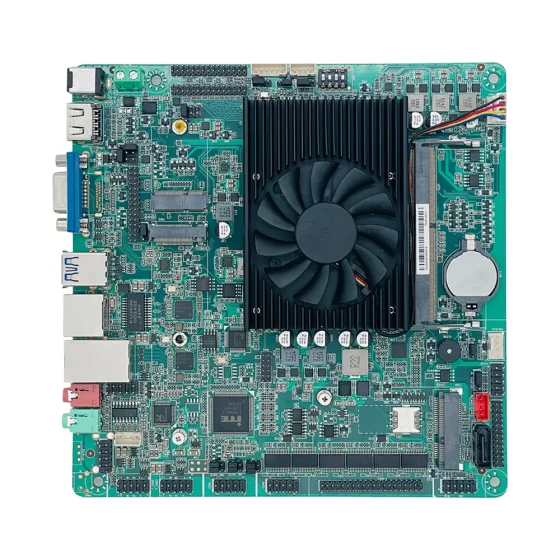
Lüfterlose eingebettete Computer bieten kompakte und zuverlässige Hardware für Soft-Router-Gateway-Bereitstellungen.
Bereitstellungsszenarien
Unternehmens-Firewall und VPN-Gateway
Eine Soft-Router-Appliance kann als Firewall und VPN-Gateway für kleine und mittlere Unternehmen eingesetzt werden, Niederlassungen, und verteilte Unternehmensstandorte. Es kann den WAN-Zugriff verwalten, interne Netzwerksegmentierung, VPN für Remote-Mitarbeiter, Firewall-Richtlinien, und Verkehrsüberwachung.
Im Vergleich zu einem Router mit fester Funktion, Eine eingebettete computerbasierte Appliance bietet mehr Flexibilität bei der Softwareauswahl und -konfiguration.
Industrielles Netzwerk-Gateway
Fabriken müssen häufig OT-Netzwerke von IT-Netzwerken trennen. Eine Soft-Router-Netzwerk-Appliance kann Routing bereitstellen, Firewall-Regeln, VPN-Zugang, und Netzwerksegmentierung zwischen Industriemaschinen, SPS-Systeme, HMI-Stationen, SCADA-Systeme, und Unternehmensnetzwerke.
Für dieses Szenario eignet sich besonders industrielle Computer-Hardware, die in Schaltschränken eingebaut werden kann und für den Dauerbetrieb ausgelegt ist.
Multi-WAN-Edge-Router
Einzelhandelsgeschäfte, Lagerhäuser, abgelegene Einrichtungen, und Servicestandorte können aus Redundanzgründen mehrere WAN-Verbindungen nutzen. Eine Soft-Router-Appliance mit mehreren LAN-Ports kann WAN-Failover unterstützen, Lastausgleich, und Backup-Konnektivität.
Die optionale drahtlose Erweiterung kann auch Mobilfunk-Backup unterstützen, wenn kabelgebundene Verbindungen nicht verfügbar oder instabil sind.
Netzwerksicherheits-Appliance
Eine Soft-Router-Plattform kann als Netzwerksicherheits-Appliance für die Firewall konfiguriert werden, IDS/IPS, VPN, Verkehrsprotokollierung, und Zugangskontrolle. Die Hardwarekonfiguration sollte zur Arbeitslast passen, insbesondere bei der Deep Packet Inspection, verschlüsselter Datenverkehr, oder es sind mehrere Sicherheitsdienste erforderlich.
Industrietaugliche Hardware sorgt für einen stabilen Betrieb bei langfristigen Sicherheitseinsätzen.
Smart Building und Campus-Netzwerk-Gateway
Intelligente Gebäude und Campusgelände können Büronetzwerke umfassen, Überwachungssysteme, Zugangskontrolle, HVAC-Systeme, Gäste-WLAN, und IoT-Geräte. Eine Soft-Router-Appliance kann diese Netzwerke trennen und Routing-Richtlinien zwischen ihnen verwalten.
Kompakte Embedded-Computer eignen sich für verteilte Gebäudenetzwerkschränke und Edge Access Points.
Netzwerke für Einzelhandels- und Selbstbedienungskioske
Einzelhandelsketten und Selbstbedienungskioske benötigen eine stabile Konnektivität für POS-Terminals, Zahlungssysteme, digitale Beschilderung, Kameras, und Fernverwaltung. Eine Soft-Router-Appliance kann dabei helfen, sichere Konnektivität über mehrere Geschäfte oder Kioskstandorte hinweg zu verwalten.
Eingebettete Computerplattformen bieten die kompakte Größe und Anpassungsflexibilität, die für kommerzielle Netzwerkgeräte erforderlich sind.
Transport und Ferninfrastruktur
Transportsysteme, Straßenschränke, Parksysteme, und entfernte Infrastrukturstandorte erfordern häufig Netzwerkgeräte, die auch in Nicht-Büroumgebungen kontinuierlich betrieben werden können. Eine Soft-Router-Appliance auf Basis industrieller Computerhardware kann sicheres Routing ermöglichen, VPN-Zugang, und Gerätekonnektivität für diese verteilten Systeme.
Geschäftsvorteile
Höhere Bereitstellungsflexibilität
Mit einer Soft-Router-Netzwerk-Appliance können Systemintegratoren und OEM-Kunden den Software-Stack auswählen, der am besten zu ihrem Projekt passt. Dieselbe Hardwareplattform kann unterschiedliche Routings unterstützen, Firewall, VPN, Überwachung, oder Gateway-Anwendungen.
Diese Flexibilität verringert die Notwendigkeit, viele verschiedene Hardwareprodukte für ähnliche Netzwerkanwendungsfälle zu warten.
Bessere Langzeitverfügbarkeit
Industrielle Computerplattformen werden in der Regel mit einer längeren Lebenszyklusplanung entwickelt als Verbrauchergeräte. Für B2B-Projekte, Dies trägt dazu bei, das Redesign-Risiko zu reduzieren, Probleme beim Austausch, und Komplexität unterstützen.
Besonders wichtig ist die Langzeitverfügbarkeit, wenn es sich um ein zertifiziertes Gerät handelt, validiert, oder weit verbreitetes System.
Verbesserte Zuverlässigkeit für die Infrastrukturnutzung
Netzwerkgeräte laufen oft 24/7. Der Einsatz von eingebetteter Computerhardware in Industriequalität trägt zu einer Verbesserung der Systemstabilität im Vergleich zu kostengünstigen Mini-PCs für Verbraucher bei, die möglicherweise nicht für kontinuierliche Infrastruktur-Workloads ausgelegt sind.
Stabiles Power-Design, Wärmemanagement, und Komponentenauswahl tragen zu einer besseren Feldzuverlässigkeit bei.
Geringeres Risiko bei der kundenspezifischen Entwicklung
Für OEM-Geräteanbieter, Durch den Einsatz einer bewährten eingebetteten Computerplattform kann die Entwicklungszeit verkürzt werden. Anstatt Hardware von Grund auf neu zu entwerfen, Kunden können mit einer bestehenden Plattform beginnen und ausgewählte Elemente anpassen.
Dieser Ansatz unterstützt eine schnellere Produkteinführung und ermöglicht gleichzeitig eine Differenzierung durch das Gehäusedesign, Software-Integration, Branding, und Konfiguration.
Skalierbare Produktstrategie
Eine Soft-Router-Appliance-Produktlinie kann auf mehreren Leistungsstufen und LAN-Port-Konfigurationen aufgebaut werden. Kunden können Einsteiger entwickeln, Mittelklasse, und fortschrittliche Modelle unter Verwendung einer konsistenten Hardware- und Softwarestrategie.
Dies ist nützlich für Anbieter von Netzwerkgeräten, Anbieter von Industrie-Gateways, Anbieter von Sicherheitslösungen, und Systemintegratoren.
Warum CoreIPC
CoreIPC bietet Industriecomputer- und eingebettete Computerplattformen für Netzwerkgeräte, Edge-Gateway, Automatisierung, und OEM-Hardwareanwendungen. Für Soft-Router-Appliance-Projekte, CoreIPC kann eingebettete Multi-LAN-Systeme unterstützen, lüfterlose Industrie-PCs, kompakte eingebettete Platinen, und kundenspezifische Hardwarekonfigurationen.
CoreIPC konzentriert sich auf praktische industrielle Computeranforderungen, inklusive stabilem Betrieb, flexible I/O, Unterstützung für einen langen Lebenszyklus, Systemintegration, und OEM/ODM-Anpassung. Kunden können CoreIPC-Plattformen zum Erstellen von Firewall-Appliances verwenden, VPN-Gateways, Industrielle Netzwerk-Gateways, Edge-Router, und Private-Label-Netzwerkgeräte.
Mit Erfahrung im Bereich Embedded-Computing-Hardware, Industrielles Motherboard-Design, und Anpassung auf Systemebene, CoreIPC unterstützt B2B-Kunden bei der Entwicklung zuverlässiger Soft-Router-Netzwerk-Appliance-Lösungen für den weltweiten Einsatz.
Häufig gestellte Fragen
1. Was ist eine Soft-Router-Appliance??
Eine Soft-Router-Appliance ist ein Netzwerkgerät, das allgemeine Computerhardware zum Ausführen des Routings verwendet, Firewall, VPN, und Netzwerkverwaltungssoftware. Im Gegensatz zu einem herkömmlichen Hardware-Router mit fester Firmware, Eine Soft-Router-Plattform bietet Benutzern mehr Flexibilität bei der Softwareauswahl und -konfiguration. Es kann mit einem Industriecomputer gebaut werden, eingebetteter Computer, oder benutzerdefiniertes eingebettetes Board, je nach Leistung, Anzahl der LAN-Ports, Zuverlässigkeit, und Bereitstellungsanforderungen.
2. Warum einen Industriecomputer für eine Soft-Router-Appliance verwenden??
Ein Industriecomputer bietet eine höhere Zuverlässigkeit, Lebenszykluskontrolle, und Bereitstellungsflexibilität als viele Mini-PCs der Verbraucherklasse. Soft-Router-Appliances arbeiten häufig kontinuierlich und können in Fabriken installiert werden, Schränke, Einzelhandelsstandorte, oder entfernte Infrastrukturstandorte. Industriecomputer können ein stabiles thermisches Design unterstützen, Multi-LAN-Konnektivität, größere Leistungsoptionen, und Langzeitverfügbarkeit, Dadurch eignen sie sich für B2B- und infrastrukturorientierte Netzwerkanwendungen.
3. Wie viele LAN-Ports benötigt eine Soft-Router-Netzwerk-Appliance??
Die erforderliche Anzahl der LAN-Ports hängt von der Netzwerkarchitektur ab. Eine Basis-Appliance kann zwei Ports für WAN und LAN verwenden. Fortgeschrittenere Systeme erfordern möglicherweise vier oder mehr Ports für Multi-WAN-Routing, VLAN-Segmentierung, DMZ, Industrielle Steuerungsnetzwerke, Kameranetzwerke, Gastnetzwerke, oder Verwaltungszugriff. OEM-Netzwerk-Appliance-Projekte wählen häufig unterschiedliche LAN-Konfigurationen, um mehrere Produktebenen zu erstellen.
4. Kann eine Soft-Router-Appliance lüfterlos sein??
Ja. Viele Soft-Router-Appliances können als lüfterlose Systeme konzipiert werden, insbesondere bei der Verwendung von eingebetteten Prozessoren mit geringem Stromverbrauch und einem geeigneten thermischen Design. Der lüfterlose Betrieb reduziert bewegliche Teile, Lärm, und Wartungsanforderungen. Dies ist in staubigen Industrieumgebungen nützlich, Einzelhandelsflächen, Gesundheitseinrichtungen, und Netzwerkschränke. Jedoch, Das lüfterlose Design muss sorgfältig auf die Prozessorleistung abgestimmt werden, Gehäusestruktur, und erwartete Arbeitsbelastung.
5. Welche Software kann auf einer Soft-Router-Appliance ausgeführt werden??
Eine Soft-Router-Appliance kann unterschiedliche Routings ausführen, Firewall, VPN, Tor, oder Linux-basierte Netzwerksoftware-Stacks. Die genaue Auswahl hängt vom Projekt ab, Kundenpräferenz, Treiberkompatibilität, Sicherheitsanforderungen, und Managementmodell. Einige Kunden nutzen Open-Source-Firewall-Plattformen, während andere kommerzielle oder benutzerdefinierte Netzwerksoftware einsetzen. Der Schlüssel liegt darin, Hardware mit stabilem Prozessor zu wählen, LAN-Controller, Lagerung, und BIOS-Unterstützung.
6. Ist ein eingebetteter Computer, der für Firewall-Anwendungen geeignet ist?
Ja. Ein eingebetteter Computer kann für Firewall-Anwendungen verwendet werden, wenn die Hardwarekonfiguration zur Arbeitslast passt. Grundlegende Firewall- und Routing-Aufgaben können auf Plattformen mit geringem Stromverbrauch ausgeführt werden, während erweiterte Workloads wie VPN-Verschlüsselung, IDS/IPS, Verkehrsprotokollierung, und Multi-Gigabit-Routing erfordert möglicherweise stärkere Prozessoren, mehr Speicher, und zuverlässige Lagerung. Industrietaugliche Embedded-Computer eignen sich häufig für langfristige Firewall-Einsätze.
7. Was ist der Unterschied zwischen einer Soft-Router-Appliance und einem herkömmlichen Router??
Ein herkömmlicher Router ist normalerweise ein Gerät mit fester Funktion, vordefinierter Firmware und begrenzten Anpassungsmöglichkeiten. Eine Soft-Router-Appliance verwendet Computerhardware, um Routing- und Sicherheitssoftware auszuführen, bietet mehr Flexibilität bei der Konfiguration, Software-Updates, Netzwerkdienste, und Bereitstellungsmodelle. Das macht es für Systemintegratoren attraktiv, Anbieter von OEM-Geräten, Industrie-Gateways, und Edge-Netzwerkanwendungen für Unternehmen.
8. Kann CoreIPC die Soft-Router-Appliance-Hardware anpassen??
Ja. CoreIPC kann Soft-Router-Appliance-Projekte über eingebettete Computerplattformen unterstützen, Industrie-PCs, eingebettete Platinen, und OEM/ODM-Anpassung. Die Anpassung kann die Konfiguration des LAN-Ports umfassen, Gehäusedesign, Leistungsaufnahme, Speichermöglichkeiten, Frontplattenlayout, Branding-Anforderungen, BIOS-Einstellungen, und Systemintegration. Dies hilft Kunden bei der Entwicklung von Netzwerk-Appliance-Produkten, die ihren spezifischen Markt- und Bereitstellungsanforderungen entsprechen.
9. Welche Branchen verwenden Soft-Router-Netzwerkgeräte??
Soft-Router-Netzwerkgeräte werden in Unternehmensbüros eingesetzt, Fabriken, Lagerhäuser, Einzelhandelsketten, Intelligente Gebäude, Transportsysteme, Energiestandorte, Kioske, und Remote-Infrastruktur. Sie sind besonders nützlich bei flexibler Streckenführung, Firewall-Kontrolle, VPN-Zugang, Netzwerksegmentierung, und zuverlässige Edge-Konnektivität sind erforderlich. Industrielle computerbasierte Plattformen eignen sich gut für Umgebungen, die einen kontinuierlichen Betrieb und eine langfristige Hardwareverfügbarkeit erfordern.
10. Wie soll ich die Hardware für eine Soft-Router-Appliance auswählen??
Beginnen Sie mit der Definition der erforderlichen LAN-Portanzahl, Zieldurchsatz, Software-Stack, VPN-Arbeitslast, Sicherheitsfunktionen, Speicherbedarf, Leistungsaufnahme, Gehäusetyp, und Installationsumgebung. Für den industriellen oder OEM-Einsatz, Berücksichtigen Sie auch den Lebenszyklus, thermisches Design, Komponentenqualität, und Anpassungsanforderungen. Als Infrastrukturplattform sollte eine zuverlässige Soft-Router-Appliance ausgewählt werden, nicht nur als kleiner Computer mit mehreren Ethernet-Anschlüssen.
Abschluss
A Soft-Router-Appliance bietet eine flexible und skalierbare Möglichkeit zum Aufbau einer modernen Netzwerkinfrastruktur für Unternehmen, industriell, kommerziell, und Edge-Computing-Umgebungen. Durch die Verwendung eines Industriecomputers oder einer eingebetteten Computerplattform, Kunden können softwaredefiniertes Routing mit zuverlässiger Hardware kombinieren, Multi-LAN-Konnektivität, lüfterloser Betrieb, Unterstützung für einen langen Lebenszyklus, und OEM-Anpassung.
Für Systemintegratoren und Anbieter von Netzwerkgeräten, Dieser Ansatz ermöglicht eine schnellere Produktentwicklung, bessere Einsatzflexibilität, und stärkere langfristige Unterstützung. Für industrielle und gewerbliche Anwender, Es bietet eine praktische Grundlage für die Firewall, VPN, Tor, Multi-WAN-Routing, Netzwerksegmentierung, und sichere Edge-Konnektivität.
CoreIPC unterstützt die Entwicklung von Soft-Router-Netzwerkgeräten mit industriellen Computerplattformen, die auf Zuverlässigkeit ausgelegt sind, Anpassung, und realer B2B-Einsatz.
Kontaktieren Sie uns
Suchen Sie nach einem Industriecomputer oder einer eingebetteten Computerplattform für Ihr Soft-Router-Netzwerk-Appliance-Projekt?
Kontaktieren Sie CoreIPC, um die erforderliche Anzahl an LAN-Ports zu besprechen, Prozessorplattform, Gehäusedesign, Leistungsaufnahme, Softwarekompatibilität, und OEM/ODM-Anpassungsanforderungen. Unser Team kann Ihnen bei der Bewertung der richtigen Hardware-Grundlage für Firewall-Appliances helfen, VPN-Gateways, Industrie-Router, Edge-Netzwerk-Gateways, und maßgeschneiderte Netzwerksicherheitsgeräte.