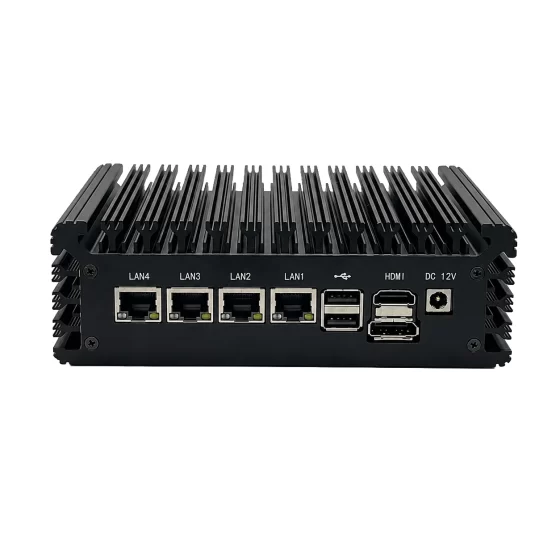
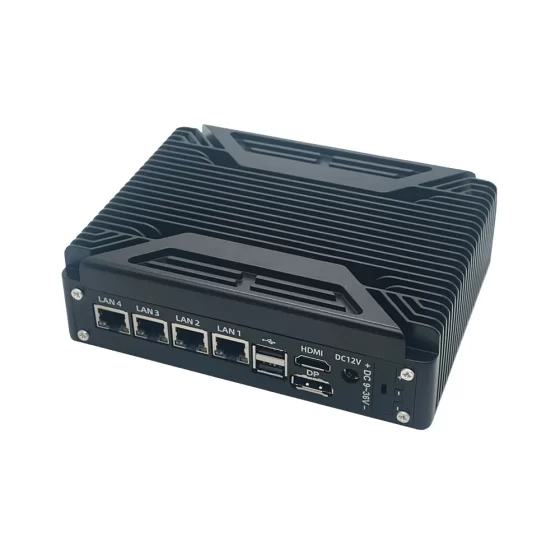
Soluciones de informática industrial CoreIPC

3D Sistema informático de visión artificial: 3D Computadora de visión artificial para inspección y automatización industrial
Resumen ejecutivo
Una computadora de visión artificial 3D proporciona la base informática industrial para la detección de profundidad, 3D inspección, guía robótica, medición dimensional, y automatización inteligente en entornos de fabricación modernos.
A diferencia de los sistemas de visión 2D tradicionales que analizan imágenes planas, 3Los sistemas de visión artificial D capturan la profundidad., forma, altura, volumen, perfil de superficie, y posición espacial. Esto permite a los fabricantes inspeccionar piezas complejas., robots guía, medir dimensiones, detectar defectos, y verificar la precisión del ensamblaje con más información espacial.
Un sistema completo de visión artificial 3D suele incluir cámaras 3D., perfiladores láser, sensores de luz estructurados, cámaras de tiempo de vuelo, lentes, iluminación, sistemas de movimiento, software de procesamiento de imágenes, y hardware informático industrial. La computadora industrial o computadora integrada actúa como plataforma de procesamiento local..
Recibe datos 3D, procesa nubes de puntos o imágenes de profundidad, ejecuta algoritmos de inspección, Se comunica con PLC y robots., almacena resultados, y carga datos a MES, sistemas de calidad, o bases de datos de producción.
En comparación con las PC comerciales estándar, Las computadoras industriales brindan mayor confiabilidad., E/S flexibles, diseño mecánico robusto, redes estables, opciones sin ventilador, y soporte de ciclo de vida prolongado. Estas características son importantes cuando los sistemas de visión 3D se implementan cerca de máquinas., transportadores, células robóticas, estaciones de inspección, o líneas de producción.
Este artículo explica cómo funcionan los sistemas informáticos de visión artificial 3D., ¿Qué desafíos de implementación enfrentan los fabricantes?, cómo está estructurada la arquitectura de la solución, y qué características de hardware son importantes al seleccionar una computadora industrial para aplicaciones de visión artificial 3D.
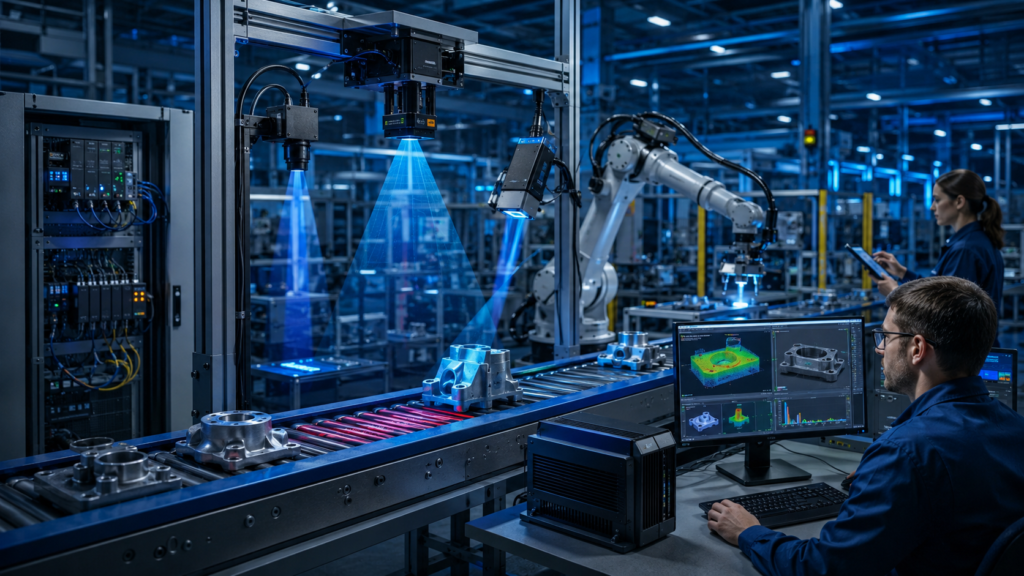
3Los ordenadores D Vision procesan datos de profundidad para la inspección industrial, medición, y automatización.
Descripción general de la industria
3D Vision se está expandiendo en la automatización industrial
La visión artificial se ha convertido en una tecnología central en la fabricación automatizada..
Los sistemas de visión 2D tradicionales se utilizan ampliamente para la lectura de códigos de barras, verificación de etiqueta, inspección de superficie, y detección de presencia sencilla. Sin embargo, Muchas aplicaciones industriales requieren más que un análisis de imágenes planas..
Las fábricas necesitan cada vez más entender la forma, altura, posición, volumen, y orientación de objetos. Aquí es donde la visión artificial 3D se vuelve valiosa.
3Los sistemas de visión D pueden soportar:
- Inspección dimensional
- Medición del perfil de superficie
- Guiado de robots
- Recogida de contenedores
- Verificación de montaje
- Medición de volumen
- Inspección de espacios y enjuagues
- Inspección de paquetes
- Inspección del cordón de soldadura
- Detección de defectos en superficies complejas
Una computadora de visión artificial 3D proporciona la potencia de procesamiento y la conectividad industrial necesarias para convertir los datos de los sensores 3D en decisiones de producción útiles..
Por qué la visión artificial 3D requiere una informática potente
3Los datos de visión D son más complejos que los datos de imágenes 2D estándar.
Una cámara 2D captura píxeles. Un sistema de visión 3D puede generar mapas de profundidad, nubes de puntos, perfiles de altura, modelos de superficie, o coordenadas espaciales. Estos tipos de datos pueden ser grandes y exigentes desde el punto de vista computacional..
Es posible que la plataforma informática necesite procesar:
- Datos de nube de puntos
- Imágenes de profundidad
- Datos del perfil láser
- Imágenes multicámara
- Transformaciones de coordenadas de robots
- Algoritmos de medición
- Modelos de detección de defectos
- Decisiones de aprobación o falla en tiempo real
Esto convierte a la computadora industrial en una parte crítica del rendimiento del sistema..
Si la computadora no puede procesar datos lo suficientemente rápido, velocidad de inspección, respuesta del robot, y el rendimiento de la producción puede verse afectado.
Computación industrial para implementación en fábrica real
3Los sistemas de visión artificial D suelen instalarse directamente en entornos de producción..
Pueden operar cerca de transportadores., brazos robóticos, maquinas herramientas, líneas de embalaje, celdas de ensamblaje, o bancos de inspección. Estos entornos pueden incluir vibraciones., polvo, ruido electrico, calor, movimiento de cables, y largas horas de funcionamiento.
Una computadora integrada o una computadora industrial es más adecuada para estas condiciones que una PC de oficina estándar..
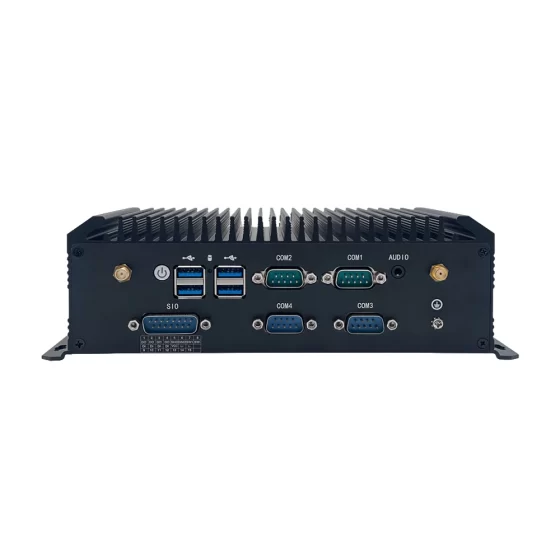
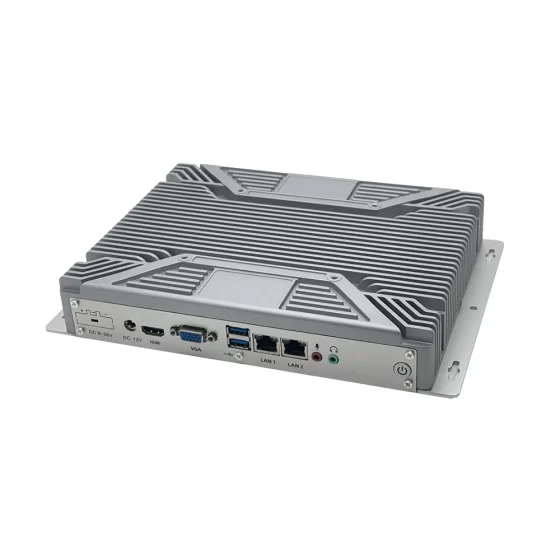
Puede proporcionar un rendimiento estable, E/S industriales, múltiples interfaces LAN o USB, montaje robusto, almacenamiento local, y disponibilidad del sistema a largo plazo.

Reflexión superficial, geometría compleja, sincronización de sensores, y el procesamiento de nubes de puntos afectan la confiabilidad de la inspección 3D.
Desafíos clave
Grandes cargas de trabajo de procesamiento de datos 3D
3Los sistemas de visión D pueden generar grandes cantidades de datos.
Nubes de puntos, mapas de profundidad, y los datos de perfil de alta resolución requieren más procesamiento que la simple captura de imágenes. En entornos de producción en tiempo real, la computadora debe procesar estos datos lo suficientemente rápido como para igualar la velocidad de la línea.
Los factores importantes de la carga de trabajo incluyen:
- Resolución del sensor
- Velocidad de escaneo
- Número de cámaras o perfiladores
- Tamaño de la nube de puntos
- Complejidad del algoritmo
- Requisitos de guía del robot
- Necesidades de almacenamiento local
- Carga de comunicación de red
Se debe seleccionar una computadora de visión artificial 3D de acuerdo con la velocidad de inspección real y la demanda de procesamiento..
Integración de sensores y cámaras
3Los proyectos de visión D suelen utilizar sensores especializados..
Estos pueden incluir cámaras de luz estructurada., sensores de triangulación láser, cámaras estéreo, cámaras de tiempo de vuelo, o sensores de perfil de línea. Cada dispositivo puede tener una interfaz diferente, ancho de banda, conductor, y requisitos de sincronización.
La computadora industrial debe admitir las interfaces de sensores requeridas y proporcionar una transferencia de datos estable..
Los requisitos de interfaz comunes pueden incluir:
- GigabitEthernet
- USB 3.0
- Múltiples puertos LAN
- Entrada de disparador
- GPIO
- comunicación en serie
- Expansión M.2 o PCIe
- Salida de pantalla
Una mala planificación de la interfaz puede limitar el rendimiento del sistema incluso cuando el procesador es potente.
Iluminación, Superficie, y complejidad material
3El rendimiento de la visión D depende del objeto y del entorno..
metal reflectante, plastico transparente, caucho negro, embalaje brillante, superficies irregulares, y las geometrías complejas pueden crear condiciones de imagen difíciles.
Algunos materiales absorben la luz.. Otros crean deslumbramiento o ruido.. Algunos objetos requieren un posicionamiento preciso, mientras que otros se mueven rápidamente por el área de inspección.
Un sistema confiable requiere una cuidadosa coordinación entre sensores, iluminación, montaje, calibración, software, y hardware informático.
Comunicación de automatización en tiempo real
3Los sistemas de visión artificial D suelen estar conectados con equipos de automatización..
Un robot puede necesitar coordenadas de la computadora de visión. Es posible que sea necesario aprobar un PLC, fallar, medición, o resultados de posición. Un transportador puede necesitar sincronización del gatillo.
Esto crea requisitos de comunicación en tiempo real entre la computadora industrial y el equipo de la fábrica..
Es posible que el sistema necesite comunicarse con:
- PLC
- Controladores de robots
- Controladores de movimiento
- Sistemas transportadores
- Mecanismos de rechazo
- Sensores
- MES o sistemas de calidad
- Bases de datos de fábrica
La E/S estable y la comunicación de red son esenciales para una implementación práctica.
Estabilidad a largo plazo en la producción
3Los sistemas de visión D pueden funcionar continuamente en varios turnos.
Si el hardware informático falla, La inspección o el funcionamiento robótico pueden detenerse.. Esto puede afectar la producción., control de calidad, y disponibilidad de equipos.
El diseño de nivel industrial es importante porque las computadoras de visión 3D a menudo se instalan dentro de gabinetes., recintos de máquinas, células robóticas, o estaciones de trabajo de producción.
El hardware debe soportar un rendimiento térmico estable., almacenamiento confiable, instalación mecánica robusta, y disponibilidad de ciclo de vida prolongado.

Los ordenadores industriales conectan sensores 3D, robots, equipo de automatización, MES, bases de datos de calidad, y sistemas de seguimiento.
3D Arquitectura de solución informática de visión artificial
3Capa del sensor D
La capa de sensores captura información espacial de los productos., regiones, paquetes, o entornos de producción.
Dependiendo de la aplicación, esta capa puede incluir:
- Cámaras de luz estructurada
- Cámaras de visión estéreo
- Cámaras de tiempo de vuelo
- Sensores de perfil láser
- Perfiladores de escaneo de líneas
- Cámaras para zonas industriales
- Sensores de disparo
- Módulos de iluminación
- Objetivos de calibración
La capa sensora genera información de profundidad., perfiles de altura, 3coordenadas D, o modelos de superficie.
Los datos consistentes de los sensores son esenciales antes de que cualquier decisión de inspección o guía del robot pueda ser confiable.
Capa de Computación Industrial
La capa informática industrial es el núcleo del sistema de visión artificial 3D..
en esta capa, La computadora industrial o computadora integrada recibe datos de sensores y ejecuta software de procesamiento..
La computadora puede realizar tareas como:
- Adquisición de imágenes
- Procesamiento de mapas de profundidad
- Procesamiento de nubes de puntos
- 3medida D
- Detección de defectos superficiales
- Localización de objetos
- Cálculo de coordenadas del robot
- Pasar o fallar el juicio
- Almacenamiento de resultados
- Carga de datos a los sistemas de fábrica.
Esta capa debe proporcionar un rendimiento estable porque afecta directamente la velocidad de inspección y la respuesta de la automatización..
Capa de control de automatización
La capa de control de automatización conecta el sistema de visión con el equipo de producción..
Un PLC, controlador de robot, controlador de movimiento, o el sistema transportador puede enviar señales de activación a la computadora industrial. Después del procesamiento, la computadora envía los resultados al equipo.
Por ejemplo, en una aplicación de guiado de robots, La computadora de visión 3D puede calcular la posición y orientación de una pieza.. Luego, el controlador del robot utiliza estos datos para seleccionar, lugar, o inspeccionar la pieza.
En una solicitud de inspección, la computadora puede enviar pase, fallar, medición, o rechazar resultados al PLC.
Capa de gestión de datos
3Los resultados de la inspección a menudo deben registrarse y conectarse a los datos de producción..
La computadora industrial puede enviar datos al MES, sistemas de gestión de calidad, bases de datos, tableros, o plataformas en la nube.
Los datos pueden incluir:
- ID del producto
- Resultado de la medición
- tipo de defecto
- 3archivo de imagen D
- Registro de nube de puntos
- Resultado de la inspección
- Marca de tiempo
- ID de estación
- orden de trabajo
- Datos de posición del robot
Esto apoya la trazabilidad, mejora de procesos, y análisis de calidad a largo plazo.
Interfaz de usuario y capa de ingeniería
Los operadores e ingenieros necesitan una interfaz práctica para el monitoreo y ajuste del sistema..
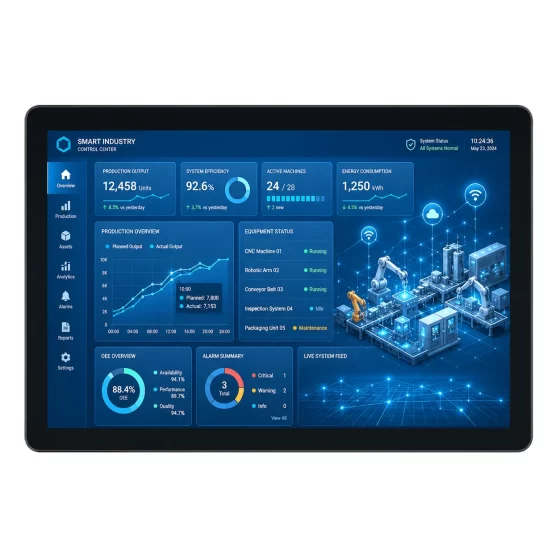
La computadora de visión artificial 3D puede conectarse a un monitor, pantalla táctil, teclado, o panel HMI. La interfaz puede mostrar imágenes de profundidad en vivo., vistas de nube de puntos, valores de medición, estado de inspección, alarmas, y recuentos de producción.
Una interfaz clara ayuda a los ingenieros a calibrar los sensores, revisar defectos, ajustar parámetros, y solucionar problemas de producción.
Características clave
Rendimiento de procesamiento 3D estable
3Las aplicaciones de visión D requieren un rendimiento estable y sostenido.
Es posible que la computadora necesite procesar grandes conjuntos de datos continuamente y al mismo tiempo comunicarse con equipos de automatización y sistemas de fábrica..
La selección de hardware debe considerar:
- rendimiento de la CPU
- Capacidad de memoria
- Ancho de banda del sensor
- Aceleración de gráficos o IA
- Velocidad de almacenamiento
- Número de cámaras
- Frecuencia de escaneo
- Carga de trabajo de software
- Tiempo de respuesta requerido
Para sistemas de medición simples, una computadora integrada compacta puede ser suficiente. Para procesamiento de nubes de puntos de alta velocidad o sistemas multisensor, Es posible que se requiera una computadora industrial más potente..
Compatibilidad con interfaz de sensor de alta velocidad
3Los sensores D requieren una transferencia de datos estable.
La computadora industrial debe admitir la interfaz de cámara o sensor requerida por la aplicación.. Muchas cámaras 3D industriales utilizan Gigabit Ethernet o USB 3.0, mientras que algunos sistemas pueden requerir tarjetas de expansión o interfaces dedicadas.
Las opciones de interfaz útiles pueden incluir:
- Múltiples puertos LAN
- USB 3.0
- expansión PCIe
- Expansión M.2
- GPIO
- RS232
- RS485
- hdmi
- DisplayPort
Para sistemas multicámara o de alta resolución, La planificación del ancho de banda es muy importante..
E/S industriales para integración de automatización
Un sistema de visión 3D debe conectarse con equipos reales de fábrica.
La E/S industrial permite que la computadora reciba activadores, enviar resultados, controlar la iluminación, comunicarse con PLC, y soportar flujos de trabajo de automatización.
Los requisitos comunes de E/S incluyen:
- Entrada digital
- Salida digital
- GPIO
- LAN
- USB
- RS232
- RS485
El diseño de E/S correcto reduce los convertidores externos y mejora la confiabilidad del sistema.
Diseño de sistema robusto y sin ventilador
Las computadoras industriales sin ventilador suelen ser útiles en entornos de visión artificial.
Reducen la entrada de polvo y eliminan un punto común de falla mecánica.. Esto es importante en áreas de producción donde los sistemas funcionan continuamente y el acceso de mantenimiento es limitado..
El diseño mecánico resistente también protege la computadora de las vibraciones., tensión del cable, y condiciones de instalación del gabinete.
Para cargas de trabajo de visión 3D de alto rendimiento, El diseño térmico debe revisarse cuidadosamente para garantizar un funcionamiento estable..
Almacenamiento confiable para datos 3D
3Los sistemas de visión D pueden generar archivos grandes.
La computadora puede almacenar nubes de puntos., Imágenes de profundidad, registros de medición, Imágenes de defecto, registros, archivos de modelo, e informes de inspección.
Generalmente se prefiere el almacenamiento SSD porque proporciona un acceso más rápido y una mejor resistencia a los golpes que las unidades mecánicas..
Para aplicaciones que almacenan muchos registros 3D, capacidad de almacenamiento, escribe resistencia, y la política de retención de datos debe revisarse durante el diseño del sistema.
Largo ciclo de vida y mantenibilidad
Los sistemas de visión artificial pueden permanecer en producción durante muchos años.
Cambios frecuentes en los modelos de computadora., conductores, puertos, o las interfaces de expansión pueden aumentar la carga de trabajo de validación y el costo de mantenimiento.
Las plataformas informáticas industriales con planificación del ciclo de vida ayudan a los fabricantes y fabricantes de equipos OEM a mantener sistemas consistentes en múltiples líneas., maquinas, y proyectos de clientes.
Escenarios de implementación
3D Inspección dimensional
3La visión artificial D se utiliza ampliamente para la inspección dimensional..
El sistema puede medir la altura., ancho, brecha, volumen, perfil de superficie, y características geométricas. Esto es útil para piezas donde la inspección 2D no puede proporcionar suficiente información..
Una computadora industrial procesa datos 3D y envía los resultados de las mediciones a sistemas de calidad o PLC.
Guiado por robot y recogida de contenedores
Los robots suelen necesitar visión 3D para localizar piezas en el espacio.
Una computadora de visión artificial 3D puede procesar datos de profundidad, identificar la posición del objeto, calcular la orientación, y enviar coordenadas al controlador del robot.
Esto admite la recogida de contenedores, manipulación de piezas, automatización de montaje, y producción robótica flexible.
Inspección del perfil de superficie
Algunos defectos son difíciles de detectar con imágenes 2D.
3D vision puede inspeccionar rayones, abolladuras, pandeo, diferencias de altura, material faltante, y superficies irregulares.
El ordenador industrial procesa perfiles de superficie y compara los resultados con las normas de calidad.
Inspección de embalaje y volumen
Los sistemas de embalaje pueden utilizar visión 3D para verificar la forma de la caja, altura del paquete, nivel de llenado, volumen, posición de la etiqueta, o presencia del producto.
Esto ayuda a mejorar la calidad del embalaje y reducir los errores de envío..
Una computadora de visión artificial 3D puede conectar los resultados de la inspección con MES, WMS, o sistemas logísticos.
Inspección de piezas mecánicas y automotrices
Las piezas automotrices y mecánicas a menudo requieren una verificación precisa de la forma y la posición..
3Los sistemas de visión D pueden inspeccionar piezas fundidas, piezas mecanizadas, áreas de soldadura, conectores, paréntesis, carcasas, y componentes ensamblados.
Las computadoras industriales proporcionan el procesamiento y la conectividad necesarios para estas estaciones de inspección..
Inspección de electrónica y semiconductores
3D vision puede soportar la inspección de electrónica y semiconductores donde la altura, coplanaridad, alineación, o la estructura de la superficie importa.
Las aplicaciones pueden incluir inspección de altura de juntas de soldadura., alineación del conector, inspección de paquetes, inspección del sustrato, y verificación de ensamblaje de precisión.
Se puede integrar una computadora integrada en máquinas de inspección compactas o equipos de línea de producción..
Integración de equipos de visión OEM
Los fabricantes de máquinas pueden integrar ordenadores de visión 3D en máquinas de inspección, sistemas robóticos, o equipos de producción automatizados.
La computadora integrada o la PC industrial pueden proporcionar procesamiento de sensores., comunicación de automatización, pantalla HMI, y salida de datos.
Esto ayuda a los OEM a ofrecer máquinas listas para la fabricación inteligente y la trazabilidad de la calidad..
Beneficios comerciales
Inspección más precisa
3D vision proporciona información espacial que los sistemas 2D no pueden capturar.
Midiendo la profundidad, altura, perfil, y forma, Los fabricantes pueden inspeccionar piezas complejas con mayor precisión..
Esto mejora el control de calidad para aplicaciones donde la inspección de imágenes planas no es suficiente..
Flexibilidad mejorada del robot
3D vision ayuda a los robots a trabajar con piezas colocadas al azar, apilados, o posicionado con variación.
Una computadora de visión artificial 3D puede calcular la posición y orientación del objeto, permitir que los robots recojan, lugar, clasificar, o inspeccionar piezas de forma más inteligente.
Esto admite una automatización flexible y reduce la necesidad de accesorios mecánicos precisos..
Medición manual reducida
La medición manual puede ser lenta e inconsistente.
Un sistema de visión artificial 3D automatiza muchas tareas de medición e inspección. Puede recopilar resultados de forma más rápida y consistente que los métodos manuales..
Esto ayuda a reducir la carga de trabajo de inspección y mejora la repetibilidad del proceso..
Mayor trazabilidad de la calidad
3Los datos de inspección D se pueden vincular con ID de productos., valores de medición, registros de defectos, marcas de tiempo, e información de la estación.
Esto crea una trazabilidad más sólida para el análisis de calidad., auditorías de clientes, y mejora de procesos.
Los ordenadores industriales ayudan a conectar estos datos con MES, bases de datos, y sistemas de calidad.
Detección de defectos más rápida
El procesamiento local permite detectar defectos y errores de medición cerca del proceso de producción..
La computadora industrial puede enviar resultados a PLC o robots rápidamente, permitiendo el rechazo inmediato, rehacer, o corrección del proceso.
Esto ayuda a reducir el riesgo de calidad posterior..
Implementación de automatización escalable
Una plataforma informática industrial estandarizada facilita la implementación de la visión 3D en múltiples máquinas, pauta, y fábricas.
El hardware consistente simplifica las imágenes de software, gestión de conductores, planificación de repuestos, entrenamiento de mantenimiento, y soporte técnico.
Esto respalda el desarrollo de la fabricación inteligente a largo plazo..
Por qué CoreIPC
CoreIPC proporciona plataformas informáticas industriales para visión artificial, robótica, automatización de fábrica, e integración de sistemas integrados. Para aplicaciones informáticas de visión artificial 3D, CoreIPC se centra en hardware de PC industrial confiable, soluciones informáticas integradas, Configuraciones de E/S flexibles, diseño de sistema compacto, y soporte de personalización OEM/ODM. CoreIPC ayuda a los integradores de sistemas, constructores de maquinaria, y los equipos de fabricación seleccionan plataformas informáticas que coincidan con los requisitos de implementación reales, incluyendo interfaces de sensores 3D, carga de trabajo de procesamiento, comunicación de automatización, métodos de montaje, entrada de energía, diseño térmico, necesidades de almacenamiento, y planificación del ciclo de vida.
Preguntas frecuentes
1. ¿Qué es una computadora de visión artificial 3D??
Una computadora de visión artificial 3D es una computadora industrial que se utiliza para procesar datos de cámaras 3D., perfiladores láser, sensores de luz estructurados, o cámaras de profundidad.
Puede manejar nubes de puntos., mapas de profundidad, perfiles de superficie, y datos de medición. La computadora también puede comunicarse con los PLC., robots, sistemas MES, y bases de datos de calidad. Está diseñado para entornos de fábrica donde la confiabilidad y el procesamiento en tiempo real son importantes..
2. ¿Por qué la visión artificial 3D necesita una computadora industrial??
3Los datos de visión D son más complejos que los datos de imágenes 2D estándar.
Un ordenador industrial proporciona la potencia de procesamiento, interfaces de sensores, almacenamiento, y conectividad de automatización necesaria para la inspección en tiempo real o la guía del robot. También está diseñado para entornos de producción donde la vibración, polvo, calor, largas horas de operación, y las E/S industriales son comunes.
3. ¿Cómo se utiliza una computadora integrada en sistemas de visión 3D??
Se puede instalar una computadora integrada dentro de las máquinas de inspección., células robóticas, gabinetes de control, o equipos de producción compactos.
Puede recibir datos de sensores 3D., procesar imágenes de profundidad o nubes de puntos, calcular los resultados de la medición, y comunicarse con PLC o robots. Su diseño compacto lo hace útil para sistemas OEM e instalaciones con espacio limitado..
4. ¿Qué interfaces son importantes para las computadoras de visión artificial 3D??
Las interfaces importantes pueden incluir Gigabit Ethernet, USB 3.0, múltiples puertos LAN, PCIe, M.2, GPIO, RS232, RS485, hdmi, y DisplayPort.
Las interfaces de cámara o sensor son especialmente importantes porque los datos 3D requieren un ancho de banda estable. Los puertos GPIO y serie pueden admitir activadores, control de iluminación, comunicación PLC, o señales de automatización.
5. ¿Pueden los sistemas de visión 3D soportar la guía de robots??
Sí. 3D vision se utiliza ampliamente para guiar robots.
El sistema puede identificar la posición del objeto., orientación, altura, y forma. La computadora de visión artificial 3D procesa estos datos y envía coordenadas al controlador del robot.. Esto admite la recogida de contenedores, manipulación de piezas, asamblea, clasificación, y automatización flexible.
6. ¿Es una PC industrial sin ventilador adecuada para visión artificial 3D??
Una PC industrial sin ventilador puede ser adecuada para algunas aplicaciones de visión artificial 3D, especialmente donde la reducción de polvo y el bajo mantenimiento son importantes.
Sin embargo, 3Las cargas de trabajo de procesamiento D pueden generar más calor que la simple recopilación de datos. El sistema debe seleccionarse según la carga de trabajo del procesador., recuento de sensores, diseño de recinto, temperatura ambiente, y condiciones del flujo de aire.
7. ¿Cómo mejora la visión 3D la precisión de la inspección??
3D vision agrega información de profundidad y forma a la inspección.
Puede medir la altura, volumen, perfil de superficie, brecha, alineación, y geometría. Esto permite a los fabricantes inspeccionar características que son difíciles o imposibles de evaluar únicamente con imágenes 2D.. Es útil para superficies complejas., piezas mecanicas, embalaje, y aplicaciones robóticas.
8. ¿Qué almacenamiento se necesita para la inspección por visión 3D??
Las necesidades de almacenamiento dependen de si el sistema guarda solo resultados o también almacena nubes de puntos., Imágenes de profundidad, y registros de defectos.
Generalmente se prefiere el almacenamiento SSD porque proporciona un acceso rápido y una mejor resistencia a los golpes.. Para aplicaciones que almacenan grandes archivos de datos 3D, capacidad de almacenamiento, escribe resistencia, y las políticas de retención de datos deben revisarse cuidadosamente.
9. ¿Se pueden conectar las computadoras de visión artificial 3D a MES o sistemas de calidad??
Sí. Los ordenadores industriales pueden enviar resultados de mediciones, datos de defectos, ID de producto, marcas de tiempo, imágenes, y registros de inspección al MES, bases de datos de calidad, o tableros de fábrica.
Esto ayuda a los fabricantes a vincular los resultados de la inspección 3D con el historial de producción y los registros de trazabilidad.. También apoya el análisis de calidad y la mejora de procesos..
10. Qué se debe probar antes de implementar un sistema informático de visión 3D?
Antes del despliegue, El sistema debe ser probado con piezas reales., materiales de superficie reales, velocidad de línea real, resolución del sensor, condiciones de iluminación, carga de trabajo de software, comunicación PLC, integración de robots, necesidades de almacenamiento, y condiciones térmicas.
También se debe probar la estabilidad a largo plazo. Esto ayuda a confirmar que el sistema puede funcionar de manera confiable en producción..
Conclusión
Una computadora de visión artificial 3D es una base de hardware fundamental para la inspección avanzada, medición, guía robótica, y automatización de fabricación inteligente.
Procesando datos de profundidad, nubes de puntos, perfiles de superficie, y coordenadas espaciales cerca de la línea de producción, Las computadoras industriales ayudan a los fabricantes a inspeccionar piezas complejas, robots guía, detectar defectos, y conectar los resultados con los sistemas de calidad de fábrica.
La computadora industrial o la computadora integrada adecuada deben seleccionarse de acuerdo con los requisitos de la aplicación real., incluyendo interfaz de sensor 3D, carga de trabajo de procesamiento, configuración de E/S, arquitectura de red, capacidad de almacenamiento, método de montaje, entrada de energía, diseño térmico, soporte del sistema operativo, y planificación del ciclo de vida.
CoreIPC admite proyectos informáticos de visión artificial 3D con plataformas informáticas industriales diseñadas para una integración práctica de fábricas y equipos.. Con la base de hardware adecuada, Los fabricantes y fabricantes de máquinas pueden mejorar la precisión de la inspección., flexibilidad de automatización, trazabilidad, y escalabilidad de fabricación inteligente a largo plazo.
Contáctenos
Busco ordenador industrial, computadora integrada, o placa base industrial para un sistema informático de visión artificial 3D?
Póngase en contacto con CoreIPC para analizar los requisitos de su proyecto., incluyendo interfaz de sensor 3D, carga de trabajo de procesamiento, configuración de E/S, comunicación robot o PLC, método de montaje, entrada de energía, entorno operativo, necesidades del ciclo de vida, y opciones de personalización OEM/ODM.