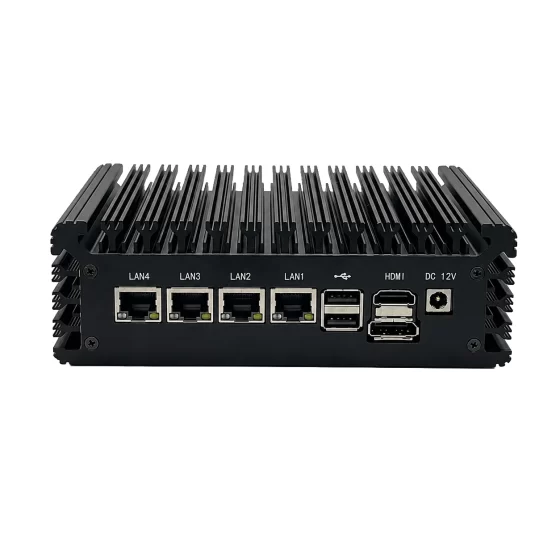
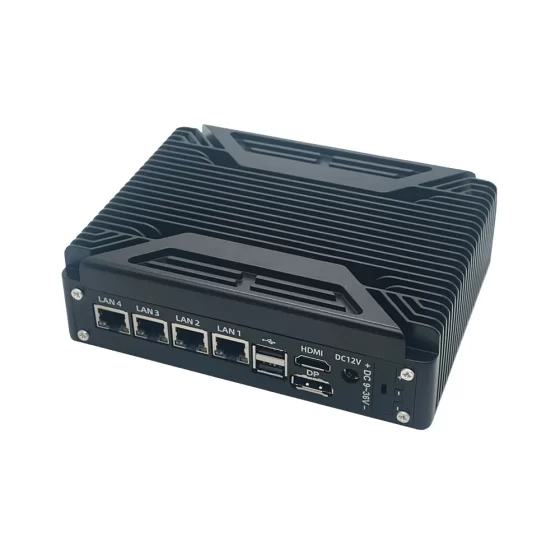
Soluciones de informática industrial CoreIPC

Plataforma informática de IA para la automatización: Automatización informática con IA para sistemas industriales inteligentes
Resumen ejecutivo
Una plataforma de automatización informática de IA proporciona la base informática industrial para la visión artificial, robótica, mantenimiento predictivo, monitoreo de procesos, detección de defectos, y control inteligente de fábrica.
A medida que los sistemas de fabricación se vuelven más conectados y basados en datos, Las fábricas necesitan plataformas informáticas que puedan procesar cargas de trabajo de IA cerca de los equipos de producción.. Envío de todas las imágenes de la cámara, datos del sensor, Registros PLC, y los eventos de la máquina a un sistema remoto en la nube pueden crear latencia, presión de ancho de banda, y dependencia operativa de la disponibilidad de la red.
La automatización informática de IA permite que las computadoras industriales y las computadoras integradas realicen inferencias de IA locales, procesamiento de datos en tiempo real, soporte de decisiones del lado de la máquina, e integración de sistemas de automatización. Estas plataformas pueden conectar cámaras., sensores, PLC, robots, controladores de movimiento, lectores de códigos de barras, puertas industriales, y sistemas de software de fábrica.
Una computadora industrial puede actuar como nodo de procesamiento de IA local para líneas de producción, estaciones de inspección, células robóticas, sistemas de embalaje, sistemas de clasificación logística, y equipos de fabricación inteligentes. Una computadora integrada puede proporcionar capacidades similares en un formato compacto para fabricantes de máquinas y sistemas de automatización con espacio limitado..
En comparación con las PC comerciales estándar, Las computadoras industriales brindan mayor confiabilidad., E/S flexibles, diseño mecánico robusto, opciones sin ventilador, rendimiento térmico estable, redes industriales, y soporte de ciclo de vida prolongado.
Este artículo explica cómo funciona la automatización informática con IA., ¿Qué desafíos de implementación enfrentan los fabricantes?, cómo está estructurada la arquitectura de la solución, y qué características de hardware son importantes al seleccionar una computadora industrial o una computadora integrada para sistemas de automatización habilitados para IA.
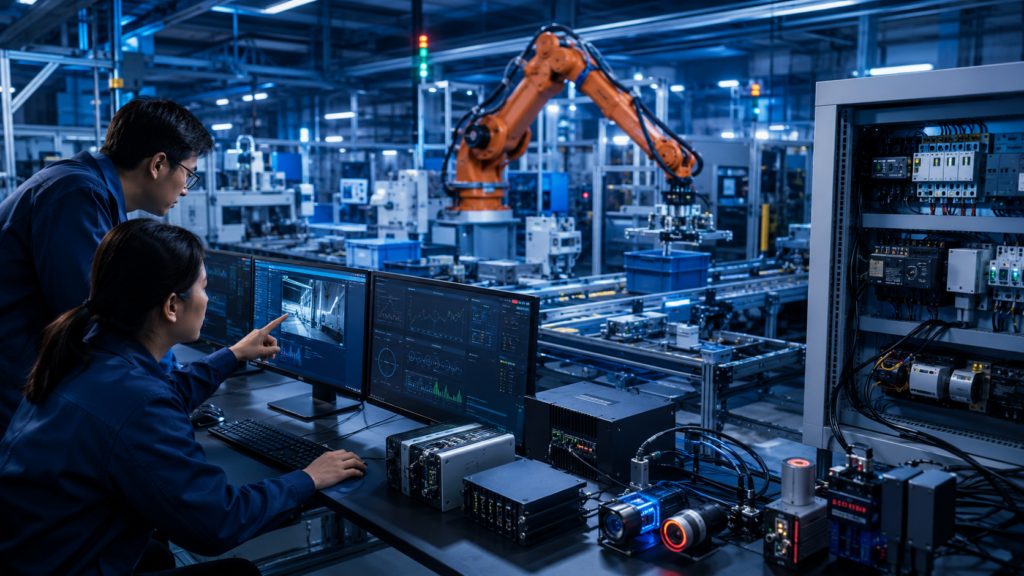
Las computadoras industriales procesan la inferencia de IA, visión artificial, datos del sensor, y eventos de máquinas cerca del equipo de producción.
Descripción general de la industria
La automatización está pasando del control basado en reglas a la toma de decisiones inteligente
Los sistemas de automatización tradicionales suelen basarse en una lógica fija..
PLC, sensores, motores, relevos, transportadores, y los controladores de la máquina realizan acciones definidas según reglas programadas. Este enfoque es confiable y ampliamente utilizado., pero tiene limitaciones cuando los entornos de producción se vuelven más complejos.
Las fábricas modernas necesitan cada vez más sistemas que puedan reconocer imágenes, clasificar defectos, detectar patrones anormales, monitorear el comportamiento del equipo, y adaptarse a condiciones de producción variables.
La automatización informática con IA ayuda a cerrar esta brecha.
Trae inferencia de IA, procesamiento de imágenes, análisis de sensores, y soporte de decisiones locales en la capa de automatización.
La IA se está volviendo práctica en las fábricas
La IA ya no se limita a los laboratorios de investigación o las plataformas de análisis en la nube.
En entornos industriales, La IA se utiliza cada vez más para tareas prácticas de producción como:
- Detección visual de defectos
- Clasificación de productos
- Verificación de montaje
- Reconocimiento de códigos de barras y OCR
- Guiado de robots
- Mantenimiento predictivo
- Monitoreo de seguridad
- Detección de anomalías en el proceso
- Control de clasificación y enrutamiento
- Análisis de uso de energía.
- Monitoreo de la calidad de la producción.
Estas aplicaciones requieren hardware informático local confiable.
La plataforma de IA debe funcionar cerca de las máquinas, procesar datos rápidamente, y comunicarse con los equipos de automatización de forma estable.
La informática industrial es la base
Un sistema de automatización de IA depende de algo más que el software de IA.
Necesita una plataforma de hardware estable que pueda conectar dispositivos industriales., ejecutar cargas de trabajo de IA, gestionar datos, y operar continuamente en entornos reales de fábrica.
Los ordenadores industriales y los ordenadores integrados proporcionan esta base..
Pueden admitir interfaces de cámara., E/S industriales, múltiples puertos LAN, comunicación en serie, almacenamiento SSD, salida de pantalla, interfaces de expansión, y montaje robusto.
Esto los hace adecuados para líneas de producción habilitadas para IA., máquinas OEM, sistemas robóticos, nodos industriales de IoT, y plataformas informáticas de vanguardia.

Datos multicámara, redes de sensores, comunicación PLC, robótica, presión de almacenamiento, y la implementación del gabinete afectan la confiabilidad de la automatización de la IA.
Desafíos clave
Combinar cargas de trabajo de IA con necesidades de producción reales
Las cargas de trabajo de IA varían ampliamente entre los sistemas de automatización.
Es posible que una simple estación de reconocimiento de códigos de barras solo necesite un rendimiento moderado de la CPU. Una línea de detección de defectos multicámara puede requerir una CPU más potente, GPU, memoria, almacenamiento, y ancho de banda de la red.
Las cargas de trabajo comunes de automatización de IA incluyen:
- Detección de objetos
- Clasificación de imágenes
- Segmentación de defectos
- reconocimiento OCR
- Detección de anomalías
- Mantenimiento predictivo
- Visión robótica
- Fusión de sensores
- Análisis de vídeo
- Análisis de datos de proceso
La computadora industrial debe seleccionarse de acuerdo con la carga de trabajo real., no sólo especificaciones generales.
Requisitos de respuesta en tiempo real
Los sistemas de automatización a menudo requieren una respuesta rápida.
Si el procesamiento de la IA se retrasa, Es posible que el sistema no rechace un producto defectuoso., guiar un robot, detener un proceso anormal, o activar una alarma a tiempo.
Los requisitos en tiempo real pueden aparecer en:
- Inspección de visión
- Clasificación del transportador
- Recolección de robots
- Verificación de embalaje
- Sistemas de cámaras de alta velocidad
- Monitoreo de seguridad
- Alarmas de línea de producción.
- Detección de fallos de la máquina
Una plataforma de automatización informática de IA debe proporcionar un rendimiento estable y sostenido durante el funcionamiento continuo..
Integración de dispositivos industriales
Las plataformas de IA deben conectarse con equipos reales.
Un sistema de automatización de fábrica puede incluir PLC., sensores, robots, controladores de movimiento, camaras, controladores de iluminación, lectores de códigos de barras, puertas de enlace, interruptores industriales, y bases de datos locales.
Es posible que la computadora de IA necesite recibir señales de activación, Imágenes de proceso, enviar resultados a PLC, subir registros a MES, y mostrar información en una HMI.
Los requisitos de integración importantes pueden incluir:
- LAN
- USB
- RS232
- RS485
- GPIO
- Entrada digital
- Salida digital
- hdmi
- DisplayPort
- M.2
- PCIe
Sin el diseño de E/S correcto, Los proyectos de automatización de IA se vuelven más difíciles de implementar y mantener.
Ancho de banda de datos y presión de almacenamiento
Los sistemas de automatización de IA pueden generar grandes cantidades de datos.
Cámaras de alta resolución, 3sensores D, secuencias de vídeo, Registros del PLC, Imágenes de defecto, archivos de modelo, y los registros de producción pueden ejercer presión sobre los sistemas de almacenamiento y de red..
Es posible que la computadora industrial necesite manejar:
- Flujos de datos de la cámara
- Almacenamiento temporal de imágenes
- Resultados de inferencia de IA
- Bases de datos locales
- Almacenamiento de imágenes de defectos
- Historial de sensores
- Registros de producción
- Archivos de modelo
- Cargas MES o en la nube
Velocidad de almacenamiento, capacidad, y la resistencia a la escritura deben considerarse desde el principio del diseño del sistema..
Confiabilidad en entornos de fábrica
Los entornos de fábrica no son lo mismo que los entornos de oficina.
Se pueden instalar computadoras de automatización de IA cerca de las máquinas, dentro de los gabinetes de control, en líneas de producción, sistemas de inspección interior, o junto a células robóticas.
Estas ubicaciones pueden incluir vibraciones., polvo, variación de temperatura, ruido electrico, flujo de aire limitado, movimiento de cables, y funcionamiento continuo.
El hardware de calidad industrial ayuda a reducir el riesgo de tiempo de inactividad, rendimiento inestable, y problemas de mantenimiento.

Las computadoras industriales conectan cargas de trabajo de IA, equipo de automatización, bases de datos locales, sistemas en la nube, y plataformas de software de fábrica.
Arquitectura de la solución de automatización informática con IA
Capa de adquisición de datos y dispositivos
La capa de dispositivo incluye todos los equipos de producción y fuentes de datos conectados a la plataforma informática de IA..
Esta capa puede incluir:
- Cámaras industriales
- 3cámaras D
- Cámaras de alta velocidad
- PLC
- Sensores
- Controladores de movimiento
- Robots
- Lectores de códigos de barras
- Controladores de iluminación
- Equipo de prueba
- Pasarelas industriales
- Medidores de energía
Estos dispositivos generan los datos sin procesar necesarios para la inferencia de IA., escucha, inspección de calidad, y control de automatización.
Capa informática de IA industrial
La capa informática de IA industrial es el núcleo del sistema..
en esta capa, la computadora industrial o computadora integrada realiza el procesamiento local.
puede:
- Adquirir imágenes de cámaras.
- Ejecute modelos de inferencia de IA
- Analizar datos de sensores
- Procesar registros del PLC
- Detectar defectos o anomalías
- Calcular datos de guía del robot
- Resultados de la inspección de la tienda
- Enviar alarmas o señales de control.
- Mostrar paneles locales
- Cargar datos seleccionados a los sistemas de fábrica
Esta capa de borde local permite que las decisiones de IA se tomen cerca del equipo de producción..
Capa de control de automatización
La capa de control de automatización conecta los resultados de la IA con la acción del equipo físico.
Un PLC, controlador de robot, controlador del transportador, o el controlador de movimiento puede activar la captura de datos y recibir resultados de la computadora AI.
Por ejemplo, después de que un modelo de visión de IA detecta un defecto, La computadora industrial puede enviar una señal de falla al PLC.. Luego, el PLC puede activar un mecanismo de rechazo o enviar el producto para su reelaboración..
En aplicaciones robóticas, La computadora AI puede calcular la posición del objeto y enviar coordenadas a un controlador de robot..
Capa de integración de software de fábrica
Los sistemas de automatización de IA deben conectarse con software de fábrica de nivel superior.
La computadora industrial puede enviar resultados a:
- MES
- SCADA
- ERP
- Bases de datos de calidad
- Paneles de producción
- Plataformas en la nube
- Sistemas de mantenimiento
- Plataformas industriales de IoT
En lugar de enviar todos los datos sin procesar, la plataforma de IA puede procesar datos localmente y cargar resultados seleccionados, resúmenes, alarmas, o registros de excepción.
Esto reduce la presión del ancho de banda y mejora la eficiencia del sistema..
Interfaz de usuario y capa de mantenimiento
Los operadores e ingenieros necesitan una interfaz práctica para el monitoreo y el mantenimiento..
La computadora AI puede conectarse a un monitor, pantalla táctil, Panel HMI, o estación de trabajo local.
La interfaz puede mostrar:
- Vistas de cámara en vivo
- Resultados de la detección de IA
- Estado de la máquina
- Mensajes de alarma
- La producción cuenta
- Imágenes de defectos
- Tendencias de sensores
- Estado del modelo
- Estado de la red
- Registros del sistema
Una interfaz clara ayuda a los ingenieros a mantener el sistema de IA y responder rápidamente a los problemas de producción..
Características clave
Rendimiento de inferencia de IA
La automatización informática de IA requiere un rendimiento de inferencia estable.
El hardware adecuado depende de la complejidad del modelo, recuento de cámaras, frecuencia del sensor, tiempo de ciclo, y velocidad de respuesta requerida.
La selección debe considerar:
- rendimiento de la CPU
- Compatibilidad con GPU o acelerador de IA
- Capacidad de memoria
- Velocidad de almacenamiento
- expansión PCIe
- Expansión M.2
- Consumo de energía
- Diseño térmico
- Soporte del sistema operativo
- Compatibilidad con el marco de IA
Para cargas de trabajo ligeras, una computadora integrada puede ser suficiente. Para visión multicámara o inferencia de aprendizaje profundo, Es posible que se requiera una computadora con IA de vanguardia o una PC industrial con aceleración..
Múltiples interfaces de red
Los sistemas de IA industriales a menudo necesitan múltiples conexiones de red.
Una red puede conectar cámaras.. Otro puede conectar PLC o controladores de máquinas.. Una red separada puede conectar MES, SCADA, o sistemas en la nube.
Múltiples puertos LAN pueden admitir:
- Separación del tráfico de cámaras
- Comunicación de red de máquinas.
- Conexión TI de fábrica
- Mantenimiento remoto
- Carga de datos
- Segmentación de seguridad
- Implementación multilínea
La arquitectura de la red debe planificarse antes de la implementación para evitar conflictos de tráfico..
E/S industriales flexibles
La computadora con IA debe conectarse con dispositivos de automatización reales.
Las opciones de E/S importantes pueden incluir:
- LAN
- USB
- RS232
- RS485
- GPIO
- Entrada digital
- Salida digital
- hdmi
- DisplayPort
- M.2
- PCIe
- Almacenamiento SATA o NVMe
La E/S flexible reduce el uso de convertidores externos y mejora la confiabilidad del sistema.
También brinda a los fabricantes de máquinas más libertad a la hora de integrar la informática de IA en diferentes plataformas de equipos..
Diseño robusto y sin ventilador
Los sistemas de automatización industrial suelen funcionar de forma continua..
Las computadoras sin ventilador reducen la entrada de polvo y eliminan un punto común de falla mecánica. Los gabinetes resistentes ayudan a proteger contra las vibraciones, tensión del cable, y condiciones de instalación del gabinete.
Sin embargo, Las cargas de trabajo de IA pueden generar un calor significativo.
Para sistemas de alto rendimiento, El diseño térmico debe revisarse cuidadosamente.. Potencia del procesador, Uso de GPU, diseño de recinto, temperatura ambiente, flujo de aire, y la posición de montaje afectan la estabilidad a largo plazo.
Almacenamiento confiable y almacenamiento en búfer de datos
Las plataformas de automatización de IA pueden necesitar almacenamiento local para imágenes, registros, archivos de modelo, datos del sensor, registros de defectos, y amortiguadores temporales.
Generalmente se prefiere el almacenamiento SSD o NVMe porque proporciona un acceso más rápido y una mejor resistencia a los golpes que las unidades mecánicas..
Para aplicaciones con muchos datos, El diseño del sistema debe revisarse.:
- Capacidad de almacenamiento
- Velocidad de escritura sostenida
- Escribir resistencia
- Estrategia de respaldo
- Política de retención
- Necesidades de almacenamiento en búfer locales
- Carga de trabajo de base de datos
- Comportamiento de interrupción de la red
El diseño de almacenamiento confiable ayuda a prevenir la pérdida de datos y respalda la trazabilidad.
Largo ciclo de vida y mantenibilidad
Los sistemas de automatización pueden permanecer en producción durante muchos años..
Cambios frecuentes en los modelos de computadora., conductores, interfaces, o las opciones de expansión pueden aumentar la carga de trabajo de validación y el costo de mantenimiento.
Las plataformas informáticas industriales con planificación del ciclo de vida ayudan a los fabricantes y fabricantes de equipos OEM a mantener sistemas consistentes en múltiples líneas., fábricas, y generaciones de equipos.
Esto es especialmente importante para la implementación escalable de IA..

AI computing platforms improve machine vision, mantenimiento predictivo, robot monitoring, trazabilidad de la producción, and data-driven automation.
Escenarios de implementación
AI Machine Vision Inspection
AI machine vision is one of the most common automation applications.
An industrial computer can process images from cameras, run defect detection models, and send pass or fail results to PLCs or quality systems.
Applications may include electronics inspection, inspección de batería, inspección de embalaje, inspección de alimentos, inspección farmacéutica, and semiconductor AOI.
Robotic Guidance and Picking
Robots can use AI vision to identify objects, localizar piezas, and adjust movement.
The AI computing platform can process camera images or 3D sensor data and send position information to robot controllers.
Esto admite la recogida de contenedores, manipulación de piezas, verificación de montaje, clasificación, and flexible manufacturing.
Mantenimiento predictivo
Las plataformas de automatización de IA pueden analizar datos de equipos a partir de sensores de vibración, sensores de temperatura, sensores de corriente, motores, zapatillas, y controladores de máquinas.
La computadora industrial puede detectar patrones anormales y generar alertas locales antes de que la falla del equipo se vuelva más grave..
Esto ayuda a los equipos de mantenimiento a mejorar la disponibilidad de las máquinas..
Monitoreo de línea de producción
La IA puede monitorear el flujo de producción, presencia del producto, estado de la máquina, y condiciones anormales.
La plataforma informática puede procesar imágenes de cámaras., datos del sensor, e información del PLC para detectar cuellos de botella, piezas faltantes, paradas de línea, o desviaciones del proceso.
Esto respalda la visibilidad de la producción en tiempo real..
Automatización de embalaje
Los sistemas de embalaje pueden utilizar la informática de IA para la verificación de etiquetas, reconocimiento de código de barras, inspección de sellos, inspección de tapa, control de cajas, y validación final del paquete.
La computadora industrial procesa imágenes localmente y envía los resultados a los PLC, mecanismos de rechazo, MES, o sistemas WMS.
Esto reduce los errores de embalaje y mejora la trazabilidad..
Clasificación logística
La automatización logística puede utilizar inteligencia artificial y visión para identificar paquetes, leer códigos de barras, verificar etiquetas, detectar anomalías en el paquete, y guiar los mecanismos de clasificación.
Se puede instalar una computadora integrada dentro de los túneles de escaneo., equipo de clasificación, o gabinetes de control del transportador.
Esto respalda una automatización del almacén más rápida y precisa..
Procesamiento de datos industriales de IoT
Los sistemas industriales de IoT recopilan datos de las máquinas, sensores, metros, PLC, y puertas de enlace.
Una plataforma de automatización informática de IA puede agregar estos datos, procesarlo localmente, detectar anomalías, y enviar resultados estructurados a paneles, MES, SCADA, o plataformas en la nube.
Esto crea un puente práctico entre los equipos de taller y el software de fabricación digital..
Integración de máquinas OEM
Los fabricantes de máquinas pueden integrar computadoras con IA en máquinas de inspección, sistemas robóticos, puertas de enlace inteligentes, equipo de clasificación, y equipos de producción automatizados.
La plataforma informática puede proporcionar inferencia de IA, procesamiento de imágenes, pantalla HMI, comunicación PLC, almacenamiento local, y salida de datos de fábrica.
Esto ayuda a los OEM a ofrecer equipos inteligentes para aplicaciones de fabricación inteligentes..
Beneficios comerciales
Toma de decisiones locales más rápida
La automatización informática con IA acerca el procesamiento al equipo de producción.
Esto reduce la latencia y permite decisiones más rápidas para la inspección., clasificación, guía del robot, alarmas, y seguimiento de procesos.
La respuesta local rápida es importante cuando los sistemas de producción deben actuar dentro de tiempos de ciclo cortos.
Reducción de la dependencia de la nube
Las fábricas no siempre necesitan enviar todas las imágenes., secuencia de vídeo, o registro del sensor a la nube.
Una computadora industrial puede procesar datos localmente y cargar solo resultados útiles, como alarmas, registros de defectos, resúmenes, o imágenes seleccionadas.
Esto reduce la carga de ancho de banda y mejora la resiliencia de la producción..
Flexibilidad de automatización mejorada
La computación con IA permite que los sistemas de automatización manejen condiciones más complejas y variables.
En lugar de depender únicamente de reglas fijas, Los sistemas pueden utilizar el reconocimiento visual., detección de anomalías, y clasificación inteligente.
Esto ayuda a las fábricas a automatizar tareas que son difíciles de resolver únicamente con la lógica tradicional..
Mayor trazabilidad de la producción
Los datos de automatización de IA se pueden vincular con ID de productos, órdenes de trabajo, resultados de la inspección, estado de la máquina, marcas de tiempo, ID de estación, e imágenes de defectos.
Esto crea una trazabilidad más sólida para el análisis de calidad., mejora de procesos, auditorías de clientes, y responsabilidad de producción.
El hardware industrial confiable ayuda a garantizar que estos datos se recopilen y transfieran de manera consistente.
Mejor utilización del equipo
Las plataformas informáticas de IA pueden analizar los datos de las máquinas y detectar condiciones anormales antes.
El mantenimiento predictivo y el monitoreo de procesos pueden ayudar a reducir el tiempo de inactividad inesperado y respaldar una mejor planificación del mantenimiento..
Esto ayuda a los fabricantes a mejorar la disponibilidad de los equipos y la eficiencia de la producción..
Implementación escalable de fabricación inteligente
Una plataforma informática de IA estandarizada facilita la implementación de inteligencia de automatización en múltiples máquinas, pauta, y fábricas.
El hardware consistente simplifica las imágenes de software, gestión de conductores, planificación de repuestos, entrenamiento de mantenimiento, y soporte del ciclo de vida.
Esto ayuda a los fabricantes a pasar de pequeños pilotos de IA a sistemas de producción escalables..
Por qué CoreIPC
CoreIPC proporciona plataformas informáticas industriales para IA de vanguardia, visión artificial, automatización industrial, robótica, e integración de sistemas integrados. Para aplicaciones de automatización informática de IA, CoreIPC se centra en hardware informático industrial confiable, soluciones informáticas integradas, Configuraciones de E/S flexibles, diseño de sistema compacto, y soporte de personalización OEM/ODM. CoreIPC ayuda a los integradores de sistemas, constructores de maquinaria, y los equipos de fabricación seleccionan plataformas informáticas que coincidan con los requisitos de implementación reales, incluida la carga de trabajo de IA, interfaces de cámara, diseño de red, comunicación de automatización, necesidades de almacenamiento, métodos de montaje, entrada de energía, condiciones termicas, y planificación del ciclo de vida.
Preguntas frecuentes
1. ¿Qué es una plataforma informática de IA para la automatización??
Una plataforma informática de IA para la automatización es una computadora industrial o una computadora integrada que se utiliza para ejecutar cargas de trabajo de IA cerca de máquinas y equipos de producción..
Puede procesar imágenes de la cámara., datos del sensor, Registros PLC, y eventos de máquinas. También puede ejecutar modelos de inferencia de IA., detectar defectos, robots guía, activar alarmas, y cargar los datos seleccionados en MES, SCADA, o plataformas en la nube.
2. ¿Por qué utilizar una computadora industrial para la automatización informática de IA??
Una computadora industrial está diseñada para su implementación en fábricas..
Soporta funcionamiento continuo, montaje robusto, E/S industriales, múltiples interfaces de red, conectividad de la cámara, almacenamiento confiable, y disponibilidad de ciclo de vida prolongado. Estas características lo hacen más adecuado que una PC de oficina estándar para sistemas de automatización de IA instalados cerca de máquinas., transportadores, robots, y armarios de control.
3. ¿Cómo se utiliza una computadora integrada en los sistemas de automatización de IA??
Se puede instalar una computadora integrada dentro de las máquinas de inspección., células robóticas, puertas de enlace inteligentes, sistemas de embalaje, equipo de clasificación, o gabinetes de producción.
Puede ejecutar inferencia de IA, Imágenes de proceso, comunicarse con PLC, mostrar resultados locales, y enviar datos al software de fábrica. Su diseño compacto lo hace útil para equipos OEM e instalaciones con espacio limitado..
4. ¿Qué cargas de trabajo de IA pueden soportar las computadoras de automatización??
Las computadoras de automatización de IA pueden respaldar la inspección visual, detección de defectos, LOC, reconocimiento de código de barras, guía del robot, mantenimiento predictivo, detección de anomalías, seguimiento de la producción, análisis de vídeo, y procesamiento de datos industriales de IoT.
La carga de trabajo exacta depende del rendimiento de la CPU, Compatibilidad con GPU o acelerador de IA, capacidad de memoria, velocidad de almacenamiento, ancho de banda de la cámara, y compatibilidad de software.
5. ¿Una plataforma de automatización de IA necesita una GPU??
Algunas cargas de trabajo de IA necesitan compatibilidad con GPU o acelerador de IA, especialmente para visión artificial de alta resolución, inspección multicámara, análisis de vídeo, o modelos complejos de aprendizaje profundo.
Se pueden ejecutar otras aplicaciones en computadoras industriales basadas en CPU si el modelo es liviano y el tiempo de ciclo es moderado.. El hardware debe seleccionarse en función de los requisitos de producción y pruebas del modelo real..
6. ¿Qué interfaces son importantes para la automatización informática de la IA??
Las interfaces importantes pueden incluir múltiples puertos LAN, USB 3.0, RS232, RS485, GPIO, entrada digital, salida digital, hdmi, DisplayPort, M.2, PCIe, sata, y soporte de almacenamiento NVMe.
Estas interfaces admiten cámaras., sensores, PLC, robots, controladores de iluminación, lectores de códigos de barras, puertas industriales, dispositivos de almacenamiento, y exhibiciones locales.
7. ¿Pueden las computadoras industriales sin ventilador soportar la automatización de la IA??
Las computadoras industriales sin ventilador pueden soportar muchas cargas de trabajo de automatización de IA, visión especialmente moderada, adquisición de datos, y tareas de procesamiento de bordes.
Sin embargo, La inferencia de IA de alto rendimiento puede generar un calor significativo. potencia de la CPU, Uso de GPU o acelerador, diseño de recinto, flujo de aire del gabinete, temperatura ambiente, y el método de montaje deben revisarse antes de la selección final del hardware..
8. ¿Cómo se conecta la automatización informática de IA con los PLC??
La computadora AI puede conectarse con PLC a través de Ethernet, comunicación en serie, E/S digitales, o interfaces de software de automatización compatibles.
Un PLC puede activar la captura de imágenes o enviar el estado de la máquina a la computadora AI. Después del procesamiento, la computadora AI puede devolver el pase, fallar, alarma, posición, o resultados de clasificación al PLC para la acción de producción.
9. ¿Pueden los sistemas de automatización de IA conectarse con MES o SCADA??
Sí. Las computadoras industriales pueden enviar resultados de IA, datos de producción, alarmas, registros de inspección, y estado del equipo al MES, SCADA, bases de datos de calidad, o paneles de control.
Esto conecta la inteligencia del lado de la máquina con sistemas de fabricación de nivel superior.. También soporta la trazabilidad., seguimiento de la producción, y mejora de procesos.
10. Qué se debe probar antes de implementar una computadora de automatización de IA?
Antes del despliegue, El sistema debe probarse con cámaras reales., sensores, PLC, Modelos de IA, tiempos del ciclo de producción, carga de trabajo de almacenamiento, arquitectura de red, y operación de larga duración.
Estabilidad térmica, Fiabilidad de E/S, almacenamiento en búfer local, carga de datos, y el acceso de mantenimiento también debe ser validado. Esto ayuda a reducir el riesgo durante el lanzamiento de la producción..
Conclusión
Una plataforma de automatización informática con IA es una base práctica para llevar la visión artificial, inferencia de IA, análisis de sensores, guía del robot, mantenimiento predictivo, y el procesamiento industrial de IoT más cerca de los equipos de producción.
Usando una computadora industrial o una computadora integrada cerca de cámaras, sensores, PLC, robots, transportadores, y sistemas de producción, Los fabricantes pueden procesar datos localmente., reducir la latencia, mejorar la flexibilidad de la automatización, y fortalecer la trazabilidad de la fábrica.
Se debe seleccionar la plataforma adecuada de acuerdo con los requisitos de implementación reales., incluida la carga de trabajo de IA, interfaz de la cámara, configuración de E/S, diseño de red, necesidades de almacenamiento, requisitos de expansión, método de montaje, entrada de energía, condiciones termicas, soporte del sistema operativo, y planificación del ciclo de vida.
CoreIPC respalda proyectos de automatización informática de IA con plataformas informáticas industriales diseñadas para la implementación práctica de fábricas y equipos.. Con la base de hardware adecuada, Los fabricantes y fabricantes de maquinaria pueden construir sistemas fiables., escalable, y sistemas de automatización basados en datos para la fabricación inteligente.
Contáctenos
Busco ordenador industrial, computadora integrada, o plataforma de IA de vanguardia para la automatización informática de IA?
Póngase en contacto con CoreIPC para analizar los requisitos de su proyecto., incluida la carga de trabajo de IA, interfaz de la cámara, arquitectura de red, configuración de E/S, diseño de almacenamiento, comunicación de automatización, método de montaje, entrada de energía, entorno operativo, necesidades del ciclo de vida, y opciones de personalización OEM/ODM.