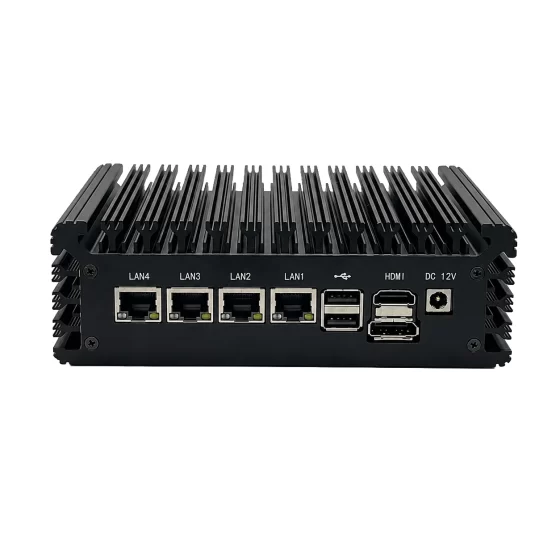
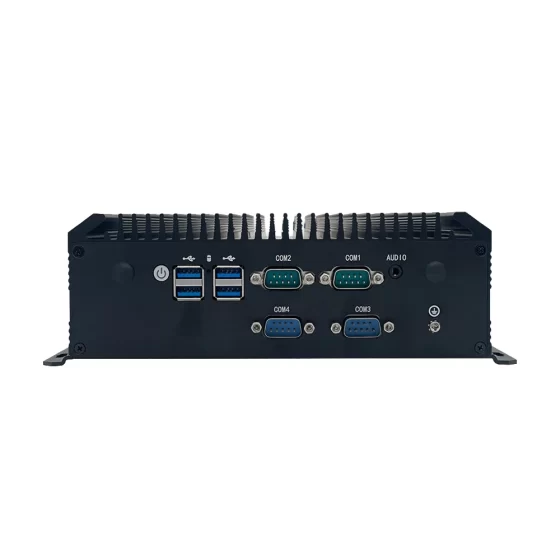
Soluciones de informática industrial CoreIPC

Plataforma de IA para control de calidad: Computadora de control de calidad con IA para inspección industrial
Resumen ejecutivo
Una computadora de control de calidad con IA proporciona la base informática industrial para la detección automatizada de defectos, inspección visual, monitoreo de procesos, y análisis de datos de calidad en entornos de fabricación modernos.
A medida que las fábricas avanzan hacia una producción más inteligente, El control de calidad se basa cada vez más en datos y requiere inspecciones más intensivas.. La inspección manual tradicional suele estar limitada por la fatiga del operador., juicio inconsistente, limitaciones de velocidad, y dificultad para manejar grandes volúmenes de datos de producción.
Los sistemas de control de calidad basados en IA utilizan cámaras, sensores, software de visión artificial, modelos de aprendizaje profundo, y plataformas informáticas industriales para detectar defectos, clasificar anomalías, verificar la precisión del ensamblaje, y conectar los resultados de la inspección con los registros de producción.
Una computadora industrial o una computadora integrada actúa como plataforma de procesamiento de IA local.. Recibe datos de imagen o sensor., ejecuta cargas de trabajo de inferencia, Se comunica con PLC y sistemas de automatización., almacena registros de inspección, y carga los resultados en MES, sistemas de gestión de calidad, o bases de datos de fábrica.
En comparación con las PC comerciales estándar, Las computadoras industriales brindan mayor confiabilidad., E/S flexibles, diseño mecánico robusto, opciones sin ventilador, soporte de ciclo de vida largo, y despliegue práctico en entornos de fábrica reales.
Este artículo explica cómo funcionan las plataformas de control de calidad de IA., ¿Qué desafíos enfrentan los fabricantes durante la implementación?, cómo está estructurada la arquitectura de la solución, y qué características de hardware son importantes al seleccionar una computadora industrial para aplicaciones de inspección de IA.
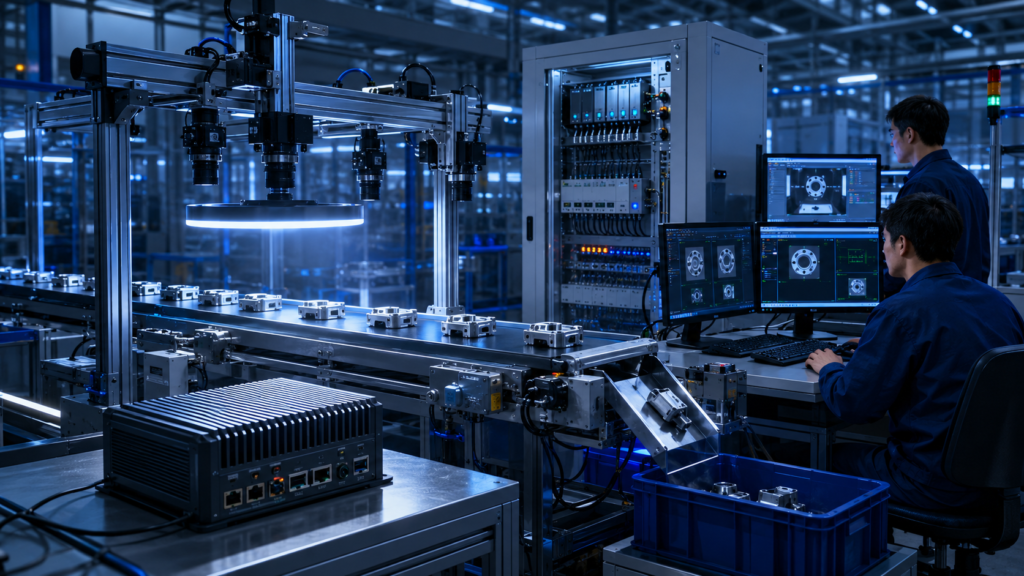
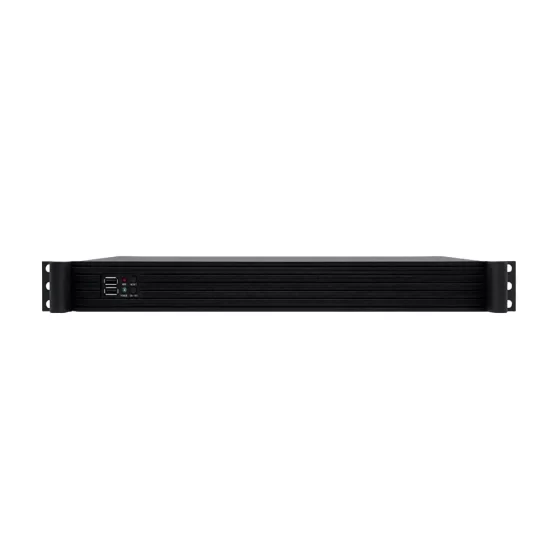
Las computadoras industriales procesan imágenes de cámaras para la detección de defectos basada en inteligencia artificial y el control de calidad automatizado.
Descripción general de la industria
El control de calidad se está volviendo más automatizado
Los fabricantes están bajo una presión cada vez mayor para mejorar la calidad del producto., reducir los errores de inspección, e identificar defectos en etapas más tempranas del proceso de producción.
En muchas industrias, El control de calidad ya no se limita a la inspección final.. La inspección puede ocurrir en múltiples etapas, incluyendo materiales entrantes, asamblea, mecanizado, soldadura, embalaje, etiquetado, y validación del producto final.
Los sistemas de control de calidad de IA se utilizan cada vez más para respaldar:
- Detección de defectos superficiales
- Inspección de apariencia del producto
- Verificación de presencia de componentes
- Detección de errores de montaje
- Inspección de códigos de barras y etiquetas.
- Soporte de inspección dimensional
- Verificación de embalaje
- Detección de anomalías en el proceso
- Clasificación de defectos
- Recopilación de datos de trazabilidad
Estos sistemas requieren hardware informático confiable cerca de los equipos de producción..
Por qué se utiliza la IA en la inspección de calidad
Los sistemas de visión tradicionales basados en reglas funcionan bien cuando los defectos son claros, repetible, y fácil de definir.
Sin embargo, Muchos defectos del mundo real son más complejos.. Arañazos, manchas, grietas, defectos de soldadura, abolladuras, piezas faltantes, contaminación, variación de color, y los problemas de textura de la superficie pueden variar en forma, tamaño, respuesta de iluminación, y posición.
Los modelos de inspección de IA pueden ayudar a identificar patrones que son difíciles de describir con reglas fijas. Pueden clasificar defectos, comparar imágenes, detectar anomalías, y soportar una lógica de inspección más flexible.
Esto no elimina la necesidad de una buena óptica., iluminación, y diseño de sistemas. En cambio, hace que la plataforma informática sea más importante porque las cargas de trabajo de IA requieren un procesamiento local estable.
La informática industrial es la base de la IA perimetral
El control de calidad de la IA a menudo necesita un procesamiento local cerca de la línea de producción.
Enviar cada imagen a un servidor remoto puede aumentar la latencia, carga de red, y dependencia del sistema. Las computadoras industriales locales permiten que las decisiones de inspección se tomen cerca de la máquina.
Una computadora de control de calidad con IA puede conectar cámaras, controladores de iluminación, sensores, PLC, transportadores, sistemas robóticos, y redes de fábricas. Puede ejecutar software de inferencia de IA, procesar imágenes localmente, y enviar resultados a los sistemas de producción.
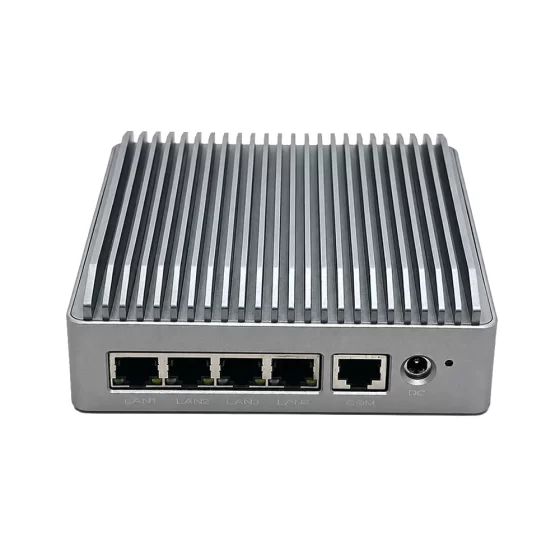
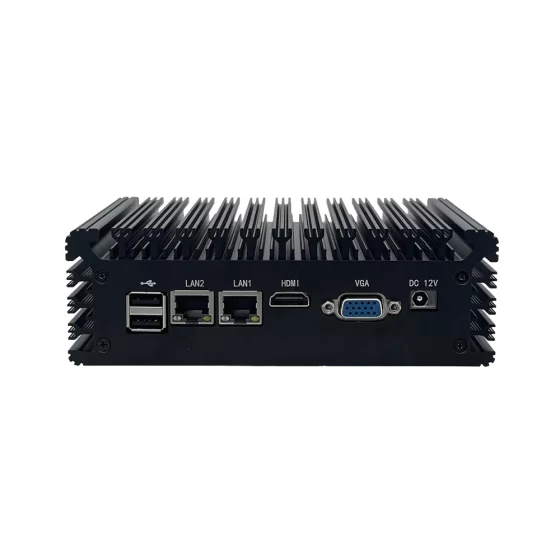
Las computadoras integradas son útiles cuando la inspección de IA debe integrarse en las máquinas, gabinetes, estaciones de inspección compactas, o equipo OEM.

Variabilidad de defectos, iluminación, reflexión de la superficie, calidad de imagen, y la forma del producto afectan la confiabilidad de la inspección de IA.
Desafíos clave
Variabilidad de defectos
Los defectos de calidad no siempre son consistentes.
El mismo tipo de defecto puede aparecer en diferentes formas., tamaños, bandera, posiciones, y condiciones de iluminación. Algunos defectos son obvios., mientras que otros son sutiles y difíciles de identificar.
Los desafíos de inspección comunes incluyen:
- Arañazos superficiales
- Grietas o abolladuras
- Componentes faltantes
- Montaje incorrecto
- Uniones de soldadura deficientes
- Contaminación
- Errores de etiqueta
- Inconsistencia de color
- Daños en el embalaje
- Objetos extraños
La plataforma de IA debe procesar imágenes de forma fiable y proporcionar resultados de inspección estables en condiciones de producción reales..
Alta carga de trabajo de procesamiento de imágenes
La inspección de calidad de la IA suele utilizar cámaras de alta resolución y modelos de aprendizaje profundo.
La carga de trabajo informática depende de la resolución de la cámara., velocidad de fotogramas, número de cámaras, complejidad del modelo, velocidad de inspección, y requisitos de almacenamiento de datos.
Si la computadora industrial tiene poca potencia, El sistema puede experimentar un retraso en la inspección., procesamiento de marco inestable, o velocidad de producción reducida.
La selección de hardware debe considerar el rendimiento sostenido, no sólo especificaciones máximas.
Iluminación y calidad de imagen
La inspección por IA todavía depende de la calidad de la imagen.
La mala iluminación puede crear sombras, deslumbramiento, bajo contraste, desenfoque de movimiento, o apariencia superficial inconsistente. Estos problemas pueden reducir la precisión del modelo y aumentar la detección falsa..
La plataforma de control de calidad de IA debe admitir la adquisición estable de cámaras y el control de iluminación cuando sea necesario..
Los buenos resultados de inspección generalmente dependen de un diseño completo del sistema., incluyendo cámara, lente, iluminación, montaje, software, y hardware informático.
Integración con equipos de producción
Los resultados de la inspección de IA deben conectarse con el equipo de producción.
Es posible que el sistema necesite comunicarse con los PLC., transportadores, mecanismos de rechazo, controladores de robots, alarmas, sistemas MES, o bases de datos de calidad.
Esto requiere E/S industriales confiables y conectividad de red..
Es posible que necesite una computadora práctica de control de calidad de IA:
- LAN
- USB
- RS232
- RS485
- GPIO
- Entrada digital
- Salida digital
- Salida de pantalla
- Interfaces de expansión
Sin E/S adecuadas, La integración del sistema se vuelve más compleja y menos confiable..
Operación y mantenimiento continuo
Los sistemas de inspección de IA a menudo se implementan directamente en las líneas de producción..
Pueden funcionar continuamente en varios turnos.. La computadora puede estar instalada cerca de máquinas., dentro de los gabinetes, bajo bancos de inspección, o dentro de recintos de equipos.
Estos entornos pueden incluir vibraciones., polvo, calor, ruido electrico, movimiento de cables, y flujo de aire limitado.
El diseño de grado industrial es importante porque una falla inesperada del hardware puede interrumpir la inspección, registros de calidad, y flujo de producción.

Computadoras industriales conectan cámaras de inspección con IA, equipo de automatización, y sistemas de calidad de fábrica.
Arquitectura de solución informática de control de calidad de IA
Capa de adquisición de imágenes y sensores
La capa de adquisición incluye cámaras., lentes, iluminación, sensores de disparo, dispositivos de medición, y sensores de producción.
Esta capa captura los datos sin procesar necesarios para la inspección de IA..
Dependiendo de la aplicación, puede cobrar:
- Imágenes del producto
- Imágenes de superficie
- Imágenes de montaje
- Imágenes de componentes
- Imágenes de códigos de barras o etiquetas
- Valores de medición
- Lecturas de sensores
- Datos de posición
- Señales de proceso
La calidad de esta capa afecta directamente al rendimiento de la IA. Claro, coherente, y los datos de entrada repetibles son esenciales para una inspección confiable.
Capa informática de IA industrial
La capa informática de IA industrial es donde la computadora de control de calidad de IA realiza el procesamiento local..
en esta capa, la computadora industrial puede:
- Recibir imágenes de cámaras.
- Ejecute modelos de inferencia de IA
- Detectar defectos o anormalidades
- Clasificar los resultados de la inspección
- Comparar imágenes con reglas de calidad
- Procesar datos de códigos de barras o etiquetas
- Almacenar imágenes y registros
- Enviar señales de pasa o falla
- Cargar resultados en MES o sistemas de calidad.
- Mostrar el estado de la inspección localmente
Esta capa informática de vanguardia reduce la latencia y permite que las decisiones de calidad se tomen cerca del proceso de producción..
Capa de control de automatización
La capa de control de automatización conecta el sistema de inspección de IA con máquinas y equipos de producción..
Un PLC, controlador de movimiento, sistema transportador, o el controlador del robot pueden activar la inspección. Después del procesamiento de IA, La computadora industrial puede enviar el resultado al sistema de control..
Por ejemplo, el sistema puede permitir que un producto continúe, activar una alarma, detener la línea, activar un mecanismo de rechazo, o enviar el producto a un taller de reparación.
Esta comunicación de circuito cerrado ayuda a convertir la inspección por IA en una acción práctica de control de calidad..
Capa de gestión de datos
Los resultados de las inspecciones de IA suelen estar relacionados con los registros de producción..
La computadora industrial puede enviar datos al MES, sistemas de gestión de calidad, bases de datos de fábrica, o plataformas de análisis.
Los datos pueden incluir:
- ID del producto
- Resultado de la inspección
- Categoría de defecto
- Prueba de imagen
- Puntuación de confianza
- ID de estación
- Marca de tiempo
- orden de trabajo
- Acción del operador
- Estado de reparación
Esta información apoya la trazabilidad., mejora de procesos, y análisis de calidad.
Interfaz de usuario y capa de ingeniería
Los operadores e ingenieros necesitan una interfaz práctica para el monitoreo y el mantenimiento..
La computadora de control de calidad de IA puede conectarse a un monitor, pantalla táctil, teclado, o panel HMI.
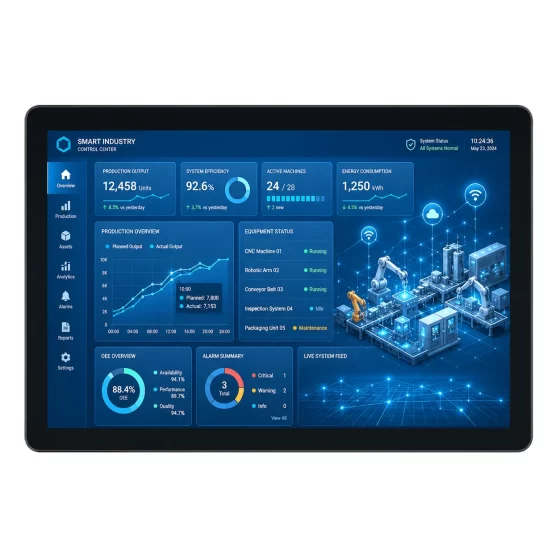
La interfaz puede mostrar imágenes en vivo., resultados de la inspección, ubicaciones de defectos, estado del modelo, mensajes de alarma, recuentos de producción, y registros del sistema.
Una interfaz clara ayuda a los ingenieros a ajustar los parámetros de inspección y responder rápidamente cuando cambian las condiciones de calidad..
Características clave
Rendimiento de inferencia de IA
La plataforma informática debe proporcionar un rendimiento estable de inferencia de IA para la carga de trabajo de inspección..
Diferentes aplicaciones pueden requerir diferentes niveles de potencia informática. Un sistema simple de detección de defectos con una sola cámara puede utilizar una computadora integrada compacta. Una multicámara, alta resolución, La plataforma de inspección basada en IA puede requerir una PC industrial más potente o una computadora con IA de vanguardia.
La selección debe considerar:
- Tamaño del modelo de IA
- Resolución de la cámara
- Número de cámaras
- Velocidad de fotogramas requerida
- Tiempo del ciclo de inspección
- Almacenamiento de imágenes locales
- Marco de software
- UPC, GPU, o requisitos del acelerador
Un rendimiento estable y sostenido es más importante que los picos breves de los índices de referencia.
Compatibilidad con cámara e interfaz de visión
Los sistemas de control de calidad de IA dependen de la conectividad de la cámara.
La computadora industrial debe admitir la interfaz de cámara requerida por la aplicación.. Las cámaras USB y Gigabit Ethernet son comunes en muchos sistemas de visión industriales..
Las características útiles del hardware pueden incluir:
- USB 3.0 puertos
- Múltiples puertos LAN
- expansión PCIe
- Expansión M.2
- Almacenamiento de alta velocidad
- Salida de pantalla
- Diseño de energía estable
Para sistemas multicámara, La planificación del ancho de banda es especialmente importante..
E/S industriales para integración en fábrica
Los sistemas de inspección de IA deben conectarse con equipos de producción reales.
Las opciones de E/S importantes pueden incluir:
- LAN
- USB
- RS232
- RS485
- GPIO
- Entrada digital
- Salida digital
- hdmi
- DisplayPort
Estas interfaces pueden admitir cámaras., sensores, PLC, controladores de iluminación, escáneres, alarmas, controladores de robots, y mecanismos de rechazo.
Las E/S flexibles reducen los adaptadores externos y mejoran la confiabilidad del sistema.
Diseño resistente y sin ventilador
Las computadoras industriales sin ventilador suelen ser útiles en aplicaciones de control de calidad..
Reducen la entrada de polvo y eliminan un punto común de falla mecánica.. Esto es importante en fábricas donde los sistemas funcionan continuamente y el acceso de mantenimiento es limitado..
Una carcasa resistente también ayuda a proteger el sistema de las vibraciones., tensión del cable, y el impacto de la instalación.
El diseño térmico aún debe revisarse cuidadosamente, especialmente cuando se utiliza hardware de aceleración de IA o procesadores de alto rendimiento.
Almacenamiento de imágenes y registros de inspección
Los sistemas de inspección de calidad de IA pueden generar grandes cantidades de datos.
La computadora puede almacenar imágenes de defectos., Imágenes de produccion, registros de inspección, archivos de modelo, informes, y bases de datos locales.
Generalmente se prefiere el almacenamiento SSD porque proporciona una respuesta más rápida y una mejor resistencia a los golpes que las unidades mecánicas..
Para aplicaciones con muchas imágenes, capacidad de almacenamiento, escribe resistencia, y la política de retención de datos debe revisarse durante el diseño del sistema.
Largo ciclo de vida y mantenibilidad del sistema
Los sistemas de control de calidad de IA pueden permanecer en producción durante muchos años.
Cambios frecuentes en los modelos de computadora., interfaces, conductores, o las opciones de expansión pueden aumentar la carga de trabajo de validación y el costo de mantenimiento.
Las plataformas informáticas industriales con planificación del ciclo de vida ayudan a los fabricantes y fabricantes de equipos OEM a mantener sistemas de inspección estables en múltiples líneas de producción y proyectos de clientes..
Escenarios de implementación
Detección de defectos superficiales
El control de calidad de la IA se utiliza ampliamente para la detección de defectos superficiales.
Las cámaras industriales capturan las superficies de los productos, y la computadora de control de calidad de IA procesa imágenes localmente para identificar rayones, manchas, grietas, abolladuras, contaminación, o anomalías de la textura.
Esto es útil en electrónica., procesamiento de metales, piezas de plastico, componentes automotrices, embalaje, y fabricación de precisión.
Verificación de ensamblaje
La inspección por IA puede verificar si las piezas están ensambladas correctamente.
El sistema puede comprobar la presencia de componentes., orientación, posición, alineación del conector, colocación de tornillos, enrutamiento de cables, posición de la etiqueta, o piezas faltantes.
Un ordenador industrial procesa imágenes y envía los resultados al sistema de producción o PLC.
Esto ayuda a reducir los errores de ensamblaje antes de que los productos pasen al siguiente proceso..
Inspección de electrónica y PCB
Las plataformas de IA pueden respaldar tareas de inspección electrónica, como la verificación de componentes, revisión de juntas de soldadura, reconocimiento de código de barras, inspección del conector, y clasificación de defectos.
Se puede instalar una computadora integrada cerca de las líneas SMT, Equipo AOI, estaciones de prueba, o reparar bancos.
Los resultados de la inspección se pueden vincular con los números de serie de PCB, órdenes de trabajo, y registros de calidad.
Inspección de envases y etiquetas
Los sistemas de control de calidad de IA pueden inspeccionar los envases, etiquetas, calidad de impresión, presencia de código de barras, y apariencia del producto.
El sistema puede identificar etiquetas faltantes., etiquetas equivocadas, embalaje dañado, posición de impresión incorrecta, o códigos ilegibles.
Esto ayuda a reducir los errores de envío y respalda la trazabilidad logística..
Células de inspección robótica
La inspección por IA se puede integrar con sistemas robóticos.
Un robot puede colocar un producto debajo de una cámara o mover una cámara alrededor de un producto.. La computadora industrial procesa la imagen y envía los resultados de la inspección al controlador del robot o al sistema de fábrica..
Esto admite una inspección flexible para piezas complejas y diseños de productos variables..
Monitoreo de línea de producción
Las computadoras de control de calidad con IA también pueden respaldar el monitoreo de la producción.
Al analizar imágenes, datos del sensor, o procesar señales, El sistema puede detectar un flujo anormal del producto., objetos perdidos, posicionamiento incorrecto, o desviaciones del proceso.
Esto ayuda a los equipos de producción a identificar los problemas antes..
Equipos de inspección OEM
Los fabricantes de máquinas pueden integrar computadoras de control de calidad con IA en las máquinas de inspección.
Una computadora integrada o una placa base industrial pueden proporcionar procesamiento de imágenes., inferencia de IA, pantalla HMI, comunicación de automatización, y salida de datos de producción.
Para fabricantes de equipos originales, La capacidad de inspección de IA integrada puede aumentar el valor de la máquina y respaldar los requisitos de fábrica inteligentes..
Beneficios comerciales
Detección de defectos mejorada
Los sistemas de control de calidad de IA pueden ayudar a identificar defectos que pueden ser difíciles de detectar con una inspección manual o una lógica simple basada en reglas..
Cuando se combina con cámaras adecuadas, iluminación, y hardware informático industrial, La inspección con IA puede mejorar la coherencia y reducir los defectos pasados por alto.
Esto respalda una mayor calidad del producto y procesos de inspección más confiables..
Carga de trabajo de inspección manual reducida
La inspección manual puede ser repetitiva, lento, e inconsistente.
Las plataformas de control de calidad de IA automatizan muchas tareas de inspección y permiten a los operadores centrarse en las excepciones., mantenimiento, y mejora de procesos.
Esto ayuda a las fábricas a reducir la carga de trabajo de inspección y al mismo tiempo mejora la coherencia entre turnos..
Decisiones de calidad más rápidas
El procesamiento local de IA permite que los resultados de la inspección estén disponibles rápidamente.
La computadora industrial puede procesar imágenes cerca de la línea de producción y enviar pases., fallar, o resultados de categoría de defecto al PLC o sistema de producción.
Esto permite una acción de rechazo más rápida., ruta de reparación, o corrección del proceso.
Mayor trazabilidad
Los datos de inspección de IA se pueden vincular con ID de productos, órdenes de trabajo, categorías de defectos, imágenes, marcas de tiempo, información de la estación, y acciones del operador.
Esto crea registros de trazabilidad más sólidos para el control de calidad., auditorías de clientes, análisis de garantía, e investigación de causa raíz.
Mejor mejora de procesos
Las plataformas de control de calidad de IA generan datos útiles para el análisis de procesos.
Los fabricantes pueden revisar las tendencias de defectos, rendimiento de la estación, patrones anormales recurrentes, e historial de inspecciones.
El hardware informático industrial confiable ayuda a garantizar que estos datos se recopilen de manera consistente y se conecten a los sistemas de fábrica..
Implementación escalable de fabricación inteligente
Una plataforma informática industrial estandarizada facilita la implementación del control de calidad de la IA en múltiples líneas y fábricas..
El hardware consistente simplifica las imágenes de software, gestión de conductores, planificación de repuestos, entrenamiento de mantenimiento, y soporte técnico a largo plazo.
Esto ayuda a los fabricantes a ampliar la inspección de IA desde proyectos piloto hasta una implementación de producción completa..
Por qué CoreIPC
CoreIPC proporciona plataformas informáticas industriales para visión artificial, IA de vanguardia, automatización de fábrica, e integración de sistemas integrados. Para aplicaciones informáticas de control de calidad de IA, CoreIPC se centra en hardware de PC industrial confiable, soluciones informáticas integradas, Configuraciones de E/S flexibles, diseño de sistema compacto, y soporte de personalización OEM/ODM. CoreIPC ayuda a los integradores de sistemas, constructores de equipos de inspección, y los equipos de fabricación seleccionan plataformas informáticas que coincidan con los requisitos de implementación reales, incluyendo interfaces de cámara, Cargas de trabajo de IA, comunicación de automatización, métodos de montaje, entrada de energía, diseño térmico, necesidades de almacenamiento, y planificación del ciclo de vida.
Preguntas frecuentes
1. ¿Qué es una computadora de control de calidad con IA??
Una computadora de control de calidad de IA es una computadora industrial que se utiliza para ejecutar software de inspección de IA cerca de equipos de producción..
Puede recibir imágenes de cámaras., ejecutar modelos de inferencia de IA, detectar defectos, clasificar los resultados de la inspección, comunicarse con PLC, y cargar datos de calidad en MES o bases de datos de fábrica. Está diseñado para entornos industriales donde la confiabilidad, Flexibilidad de E/S, y el funcionamiento continuo son importantes.
2. ¿Por qué utilizar una computadora industrial para el control de calidad de la IA??
Los sistemas de control de calidad de IA a menudo operan directamente en las líneas de producción..
Una computadora industrial es más adecuada que una PC de oficina estándar porque admite una instalación robusta, diseño térmico estable, E/S industriales, operación continua, y una implementación de ciclo de vida prolongado. Estas características ayudan a que los sistemas de inspección de IA sigan siendo confiables durante el uso real en la fabricación..
3. ¿Cómo se utiliza una computadora integrada en la inspección de IA??
Se puede instalar una computadora integrada dentro de las máquinas de inspección., gabinetes de control, estaciones de visión compactas, o equipo OEM.
Puede procesar imágenes de la cámara., ejecutar modelos de IA, comunicarse con PLC, registros de inspección de la tienda, y mostrar resultados locales. Su diseño compacto lo hace útil para la inspección por IA del lado de la máquina y entornos de fábrica con espacio limitado..
4. ¿Qué características de hardware son importantes para el control de calidad de la IA??
Las características importantes incluyen un rendimiento de procesamiento estable, soporte de interfaz de cámara, múltiples puertos LAN o USB, E/S industriales, almacenamiento SSD, salida de pantalla, diseño sin ventilador, estructura mecánica robusta, y disponibilidad de ciclo de vida prolongado.
Para cargas de trabajo de IA avanzadas, También es posible que se requiera compatibilidad con GPU o acelerador de IA según la complejidad del modelo y la velocidad de inspección..
5. ¿Pueden los sistemas de control de calidad de IA reemplazar la inspección manual??
El control de calidad de la IA puede automatizar muchas tareas de inspección repetitivas, pero debe introducirse con cuidado.
Algunas aplicaciones aún pueden requerir revisión humana para realizar juicios complejos, defectos inusuales, o validación de procesos. En muchas fábricas, La inspección por IA funciona mejor como una capa de inspección automatizada estable que reduce la carga de trabajo manual y mejora la coherencia..
6. ¿Cómo afecta la calidad de la imagen a la precisión de la inspección de la IA??
La calidad de la imagen afecta fuertemente el rendimiento de la inspección de IA.
Mala iluminación, deslumbramiento, oscuridad, difuminar, bajo contraste, o el posicionamiento inestable puede reducir la precisión del modelo. Un sistema de control de calidad de IA confiable requiere una selección de cámara adecuada, diseño de lentes, iluminación, montaje, control de gatillo, y hardware informático industrial estable.
7. ¿Las computadoras de control de calidad de IA necesitan múltiples puertos LAN??
Múltiples puertos LAN son útiles en muchos sistemas de inspección de IA.
Un puerto LAN puede conectarse a cámaras o dispositivos del lado de la máquina, mientras otro se conecta a MES, redes de fábrica, o sistemas de monitoreo. Esta separación mejora la organización de la red y puede reducir la interferencia del tráfico en aplicaciones de visión..
8. ¿Es una PC industrial sin ventilador adecuada para la inspección por IA??
Una PC industrial sin ventilador puede ser adecuada para muchas aplicaciones de inspección de IA, especialmente cuando el bajo mantenimiento y la reducción del polvo son importantes.
Sin embargo, Las cargas de trabajo de IA pueden generar más calor que las simples tareas de recopilación de datos. Rendimiento del procesador, Uso del acelerador de IA, diseño de recinto, temperatura ambiente, y el flujo de aire deben revisarse antes de la selección final.
9. ¿Cómo apoya el control de calidad de la IA la trazabilidad??
El control de calidad de IA respalda la trazabilidad al conectar los resultados de la inspección con las identificaciones de los productos, categorías de defectos, imágenes, marcas de tiempo, información de la estación, y órdenes de trabajo.
Estos datos se pueden cargar en MES o sistemas de calidad.. Los registros de inspección completos ayudan a los fabricantes a analizar los defectos, auditorías de soporte, y mejorar los procesos de producción.
10. Qué se debe probar antes de implementar una plataforma de control de calidad de IA?
Antes del despliegue, El sistema debe probarse con productos reales., defectos reales, iluminación de producción, resolución real de la cámara, velocidad de línea, Modelos de IA, comunicación PLC, carga de trabajo de almacenamiento, y condiciones de la red.
También se deben probar la estabilidad a largo plazo y el rendimiento térmico.. Esto reduce el riesgo de integración y ayuda a confirmar que la plataforma puede funcionar de manera confiable en producción..
Conclusión
Una computadora de control de calidad con IA es una base práctica para la inspección automatizada, detección de defectos, trazabilidad, y mejora de la calidad de fabricación inteligente.
Colocando hardware informático industrial cerca de las cámaras., sensores, controladores de iluminación, PLC, y equipo de producción, Los fabricantes pueden procesar datos de inspección localmente y responder más rápido a los problemas de calidad..
La computadora industrial o la computadora integrada adecuada debe seleccionarse de acuerdo con los requisitos de implementación reales., incluida la carga de trabajo de IA, interfaz de la cámara, resolución de imagen, configuración de E/S, arquitectura de red, necesidades de almacenamiento, método de montaje, entrada de energía, condiciones termicas, soporte del sistema operativo, y planificación del ciclo de vida.
CoreIPC respalda proyectos informáticos de control de calidad de IA con plataformas informáticas industriales diseñadas para una implementación práctica en fábrica. Con la base de hardware adecuada, Los fabricantes y fabricantes de equipos pueden construir sistemas más confiables., escalable, y sistemas de control de calidad basados en datos.
Contáctenos
Busco ordenador industrial, computadora integrada, o placa base industrial para una plataforma de control de calidad de IA?
Póngase en contacto con CoreIPC para analizar los requisitos de su proyecto., incluyendo interfaz de cámara, Carga de trabajo de IA, configuración de E/S, comunicación de automatización, método de montaje, entrada de energía, entorno operativo, necesidades del ciclo de vida, y opciones de personalización OEM/ODM.