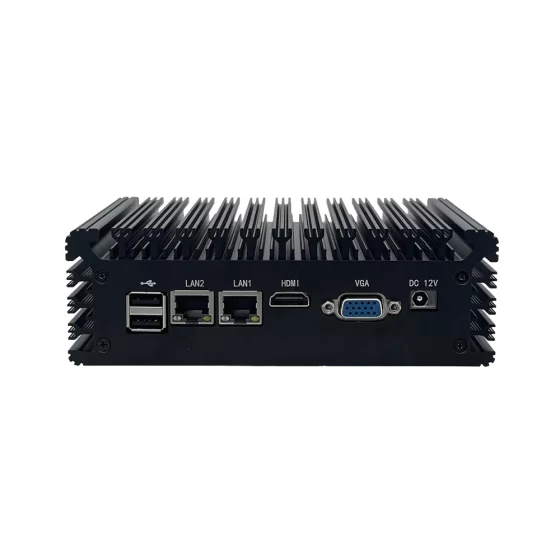
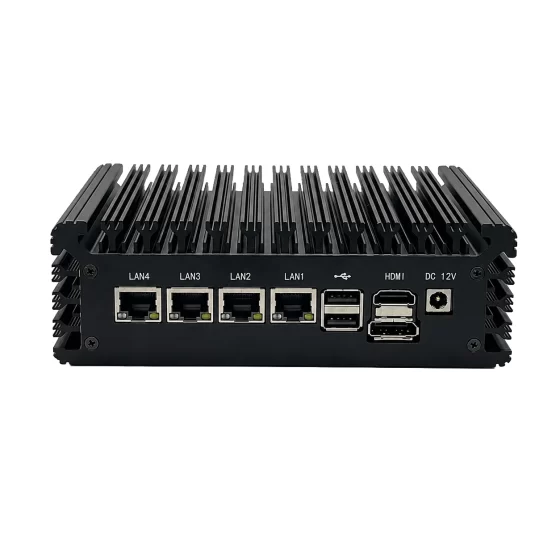
Soluciones de informática industrial CoreIPC

Sistema de visión para reconocimiento de códigos de barras: Sistema de visión de códigos de barras para una identificación industrial confiable
Resumen ejecutivo
A barcode vision system is an important part of modern industrial identification, trazabilidad de la producción, automatización logística, y control de calidad.
In manufacturing environments, barcodes are used to identify products, componentes, cajas de cartón, pallets, herramientas, materiales, y registros de proceso. Sin embargo, barcode recognition on the factory floor is often more complex than simple office scanning. Codes may be printed on curved surfaces, metal parts, etiquetas, plastic packaging, PCB, boxes, or moving products. They may also be affected by dust, deslumbramiento, vibración, poor lighting, bajo contraste, or motion blur.
A reliable barcode vision system combines industrial cameras, iluminación, software de procesamiento de imágenes, y hardware informático industrial estable. La computadora industrial o computadora integrada actúa como plataforma de procesamiento local.. It captures image data, runs recognition software, connects to production equipment, communicates with MES or WMS platforms, and stores inspection records when required.
For manufacturers, integradores de sistemas, and OEM equipment builders, selecting the right industrial computer is essential. The system must support camera interfaces, stable processing, E/S industriales, network communication, operación continua, and practical deployment near production lines.
This article explains how barcode vision systems work in industrial environments, what challenges appear during deployment, cómo está estructurada la arquitectura de la solución, and which hardware features are important for reliable barcode recognition.
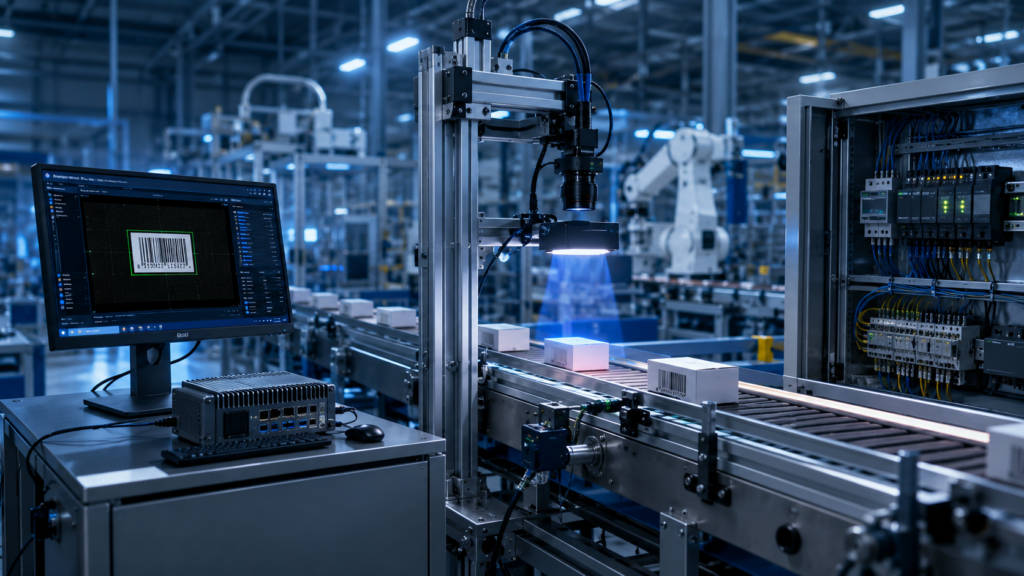
Vision systems read barcodes automatically on moving products and production lines.
Descripción general de la industria
Barcode Recognition Is Central to Industrial Traceability
Barcode recognition is widely used in manufacturing, embalaje, logística, almacenamiento, e inspección de calidad.
In production environments, each barcode may represent a product serial number, material batch, work order, process route, test record, or shipment label. When a code is read correctly, the system can link physical goods with digital records.
This supports:
- Trazabilidad del producto
- Material tracking
- Production routing
- Control de calidad
- Warehouse management
- Verificación de embalaje
- Shipping confirmation
- Anti-mixing control
- Process error prevention
As factories become more digital, barcode recognition is no longer an isolated scanning task. It is part of a larger industrial data workflow.
Why Vision-Based Barcode Recognition Is Used
Handheld scanners and fixed laser scanners are still used in many applications, but vision-based barcode recognition offers more flexibility.
A barcode vision system can inspect multiple codes in one image, read codes on moving products, verify label position, detect print defects, and capture image evidence for quality records.
It can also recognize different code types, como:
- 1D barcodes
- códigos QR
- Códigos de matriz de datos
- Printed labels
- Direct part marks
- Carton or package labels
- PCB identification codes
For automated production lines, a vision system can reduce manual scanning and improve consistency.
Industrial Computing Is the Processing Foundation
A barcode vision system needs reliable local computing.
The industrial computer receives image data from cameras, runs recognition algorithms, connects to lighting controllers, receives trigger signals, communicates with PLCs, and sends results to MES, WMS, ERP, o bases de datos de producción.
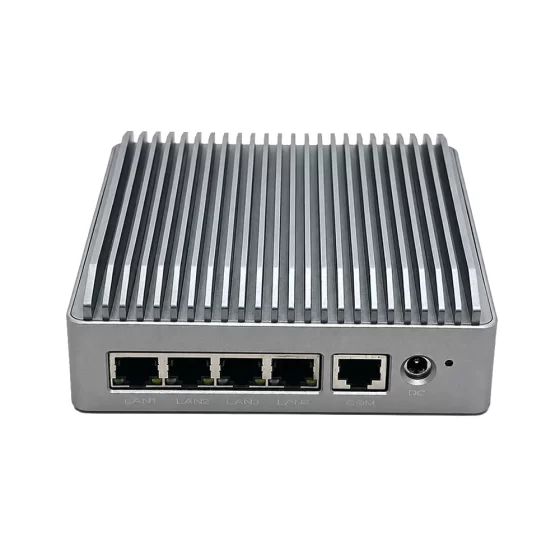
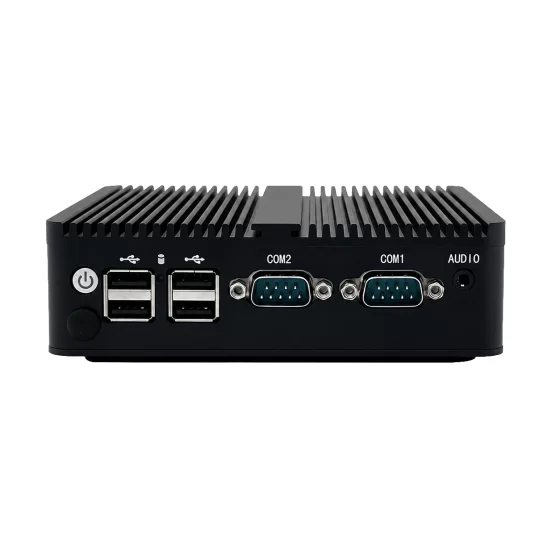
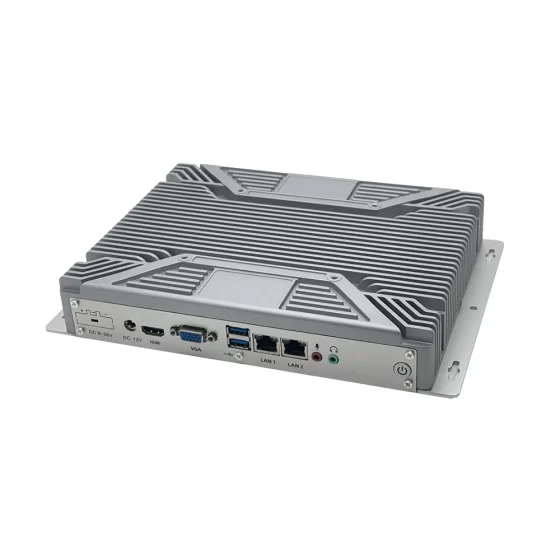
An embedded computer is often used when space is limited or when the system must be installed inside machines, gabinetes, estaciones de inspección, o equipo OEM.
En comparación con las PC de oficina, industrial computers provide better suitability for continuous factory operation, E/S industriales, instalación robusta, redes estables, y despliegue a largo plazo.

Iluminación, reflexión de la superficie, motion, and barcode quality affect recognition reliability.
Desafíos clave
Poor Barcode Quality
Barcode quality can vary greatly in real production environments.
Labels may be scratched, arrugado, misaligned, faded, partially covered, or printed with low contrast. Direct part marks may be shallow, reflective, or distorted by surface texture.
A barcode vision system must handle these practical conditions without generating too many false reads or missed reads.
Good camera selection, diseño de iluminación, procesamiento de imágenes, and computing stability are all important.
Iluminación y reflexión de superficies
Lighting is one of the most important factors in barcode vision.
Reflective surfaces such as metal, plastic film, embalaje brillante, or PCB solder mask can create glare. Dark materials may require stronger illumination. Curved or uneven surfaces may create shadows and distortion.
The vision computer must support stable image acquisition and communicate with lighting controllers when needed.
In many industrial projects, lighting design is just as important as the camera or software.
Motion and Production Speed
Production lines may move quickly.
If products pass through the inspection area at high speed, the system must capture sharp images and process them fast enough to keep up with production.
Desenfoque de movimiento, trigger delay, camera exposure, image transfer speed, and processing performance all affect recognition reliability.
The industrial computer must provide enough processing capability for the required line speed and image resolution.
Integration with Factory Systems
Barcode recognition results are usually not useful unless they are connected to production systems.
The vision system may need to communicate with:
- PLC
- software MES
- plataformas WMS
- sistemas ERP
- Impresoras de etiquetas
- Mecanismos de rechazo
- Alarm systems
- Bases de datos de producción
- Redes industriales
This requires reliable industrial I/O and stable network communication.
Continuous Operation in Industrial Environments
Barcode vision systems are often installed directly on production lines.
The computing hardware may operate near conveyors, máquinas de embalaje, estaciones de inspección, células robóticas, o armarios de control. Estos entornos pueden incluir vibraciones., polvo, calor, flujo de aire limitado, ruido electrico, y largas horas de funcionamiento.
A standard commercial PC may work during initial testing, but long-term factory operation requires more stable industrial computing hardware.

Industrial computers process barcode images and connect recognition results to factory systems.
Barcode Vision System Solution Architecture
Image Capture Layer
The image capture layer includes cameras, lentes, iluminación, desencadenantes, y estructuras de montaje.
The camera captures images of barcodes or marked surfaces. The lens determines field of view, working distance, and image clarity. Lighting improves contrast and reduces reflection. Trigger sensors help capture images at the correct time.
This layer must be designed according to the actual object, barcode size, condición de la superficie, velocidad de línea, and installation space.
A barcode vision system usually depends on consistent image quality before software recognition can perform reliably.
Capa de Computación Industrial
The industrial computing layer is where the industrial computer or embedded computer performs local processing.
en esta capa, el sistema puede:
- Recibir datos de imágenes de cámaras.
- Ejecute el software de reconocimiento de códigos de barras
- Process 1D and 2D code images
- Control lighting or trigger timing
- Compare barcode data with production rules
- Store image records when required
- Enviar resultados de pasa o falla a los PLC
- Upload data to MES or WMS platforms
- Display status on local HMI screens
This local computing layer allows recognition to happen near the production process, reducing delay and improving system reliability.
Control and Automation Layer
The control layer connects the barcode vision system with production equipment.
A PLC or motion controller may send trigger signals to the industrial computer. After the barcode is recognized, the computer may send results back to the PLC.
Por ejemplo, if a product barcode is correct, the line may continue. If the barcode is missing, unreadable, or mismatched, el sistema puede activar una alarma, detener la línea, or activate a reject mechanism.
This closed-loop communication is essential for automated quality control and traceability.
Capa de gestión de datos
Barcode recognition data often needs to be stored or transferred.
The system may send barcode values, marcas de tiempo, ID de estación, image files, operator information, and inspection results to MES, WMS, ERP, o bases de datos de calidad.
This helps manufacturers build complete traceability records.
For some applications, the industrial computer may also store temporary local data when the network is unavailable and upload records after communication recovers.
Capa de interfaz de usuario
Operators and engineers often need a local interface.
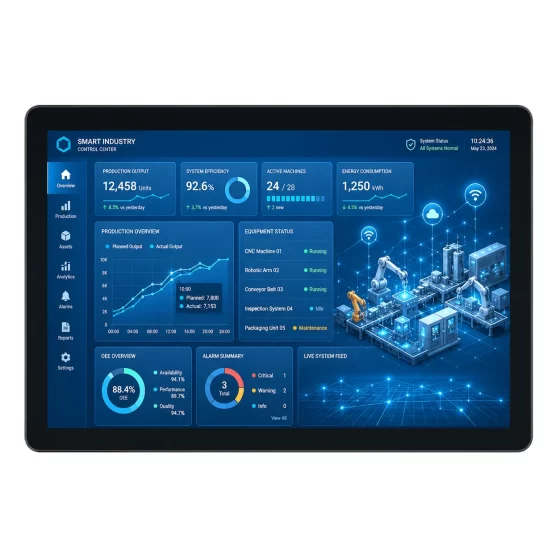
La computadora industrial puede conectarse a un monitor., pantalla táctil, teclado, or panel display. La interfaz puede mostrar imágenes en vivo., recognition status, error messages, camera settings, recuentos de producción, y registros del sistema.
A clear local interface helps maintenance teams adjust the system and respond quickly when barcode recognition problems occur.

Fanless industrial computers support reliable barcode vision deployment in factory cabinets.
Características clave
Rendimiento de procesamiento de imágenes estable
Barcode vision requires stable image processing.
The computer must process camera images, run recognition algorithms, communicate with factory systems, and display results without interruption.
El rendimiento requerido depende de:
- Resolución de la cámara
- Número de cámaras
- Barcode type
- Line speed
- Complejidad del procesamiento de imágenes
- Comunicación de base de datos
- Local image storage requirements
For simple single-camera systems, una computadora integrada compacta puede ser suficiente. For multi-camera systems or high-speed recognition, Es posible que se requiera una computadora industrial más potente..
Industrial Camera and Peripheral Support
The computing platform should support the required camera and peripheral interfaces.
Common interfaces may include:
- USB 3.0
- GigabitEthernet
- Múltiples puertos LAN
- Puertos serie
- E/S digitales
- HDMI o DisplayPort
- Expansión M.2
- Expansión mini PCIe
USB and Ethernet cameras are common in industrial vision systems. Multiple LAN ports may be useful when separating camera networks from factory communication networks.
Reliable I/O for Automation Integration
Barcode vision systems often need to exchange signals with automation equipment.
The industrial computer may connect to PLCs, sensores, alarmas, mecanismos de rechazo, impresoras, or line controllers.
Las opciones de E/S útiles pueden incluir:
- RS232
- RS485
- LAN
- USB
- GPIO
- Entrada digital
- Salida digital
The right I/O configuration reduces the need for external converters and improves deployment reliability.
Diseño resistente y sin ventilador
Fanless industrial computers are often suitable for barcode recognition systems.
Reducen la entrada de polvo y eliminan un punto común de falla mecánica.. This is useful in production environments where systems run continuously and maintenance access may be limited.
A rugged enclosure also helps protect the computing platform from vibration, movimiento de cables, and installation stress.
Storage for Records and Images
Barcode recognition systems may need local storage.
The computer may store software, registros, registros de códigos de barras, failed-read images, informes de producción, or inspection evidence.
Generalmente se prefiere el almacenamiento SSD porque proporciona una respuesta más rápida y una mejor resistencia a los golpes que las unidades mecánicas..
For systems that store many images, la capacidad de almacenamiento y la resistencia de escritura deben revisarse cuidadosamente.
Software and Operating System Compatibility
Barcode vision software may run on Windows, linux, or custom industrial environments.
Antes del despliegue, the hardware should be validated with camera drivers, controladores de iluminación, recognition software, Herramientas de comunicación PLC, database connections, herramientas de mantenimiento remoto, y configuraciones de ciberseguridad.
This validation helps reduce integration risk during production rollout.
Escenarios de implementación
Production Line Barcode Reading
Production line barcode reading is one of the most common applications.
An industrial computer connects to cameras installed above or beside a conveyor. As products pass through the inspection area, the camera captures images and the computer reads the barcode.
The system can verify product identity, route products correctly, and upload records to MES or production databases.
Packaging and Label Verification
Packaging lines often require barcode and label verification.
A barcode vision system can confirm whether the correct label is applied to the correct package. It can also check barcode readability, posición de la etiqueta, and printed information quality.
If the barcode is missing or unreadable, the system can send a signal to stop the line or reject the product.
PCB and Electronics Traceability
Electronics manufacturing often uses QR codes or Data Matrix codes on PCBs, componentes, bandejas, and packaging.
An embedded computer can process images from cameras installed near SMT lines, estaciones de prueba, repair benches, or packaging areas.
The system can link barcode data with production steps, component batches, resultados de la inspección, y registros de pruebas.
Automatización de almacenes y logística
Barcode vision systems are useful in warehouse and logistics applications.
Cameras can read package labels, carton codes, pallet IDs, or shipping barcodes as items move through conveyors or sorting systems.
The industrial computer can send barcode results to WMS or logistics software, helping improve sorting accuracy and shipment tracking.
Robotic Picking and Handling
Robotic systems may use barcode recognition to identify parts, bins, bandejas, or packages.
An industrial computer can process camera images and send recognition results to the robot controller or production system.
This helps robots select the correct item, confirm product identity, and support automated material handling.
Quality Inspection and Anti-Mixing Control
Barcode vision systems can prevent product mix-up.
The system can compare barcode data against the expected work order, production route, or packaging rule. If the code does not match, the system can trigger an alarm or reject action.
This is useful in industries where wrong labeling or mixed products can create quality or compliance risks.
OEM Machine Vision Integration
Machine builders can integrate barcode vision systems into their equipment.
An embedded computer or industrial motherboard can be installed inside the machine to support camera input, procesamiento de imágenes, pantalla HMI, comunicación PLC, y salida de datos de producción.
This allows OEM equipment to provide built-in identification and traceability functions.
Beneficios comerciales
Trazabilidad mejorada
A barcode vision system helps manufacturers build reliable traceability records.
By reading barcodes automatically at key production points, the system can link products, materiales, procesos, resultados de la inspección, and shipment records.
This supports quality analysis, auditorías de clientes, investigación de garantía, y mejora de procesos.
Reduced Manual Scanning
Manual scanning can be slow and inconsistent.
Automated barcode vision reduces operator workload and improves scanning consistency. It is especially useful on fast-moving lines, sistemas de embalaje, or areas where products are difficult to scan by hand.
This helps production teams reduce human error and improve workflow efficiency.
Better Quality Control
Barcode vision systems can verify whether a code is present, legible, and correct.
They can also support label inspection and anti-mixing control. If the wrong product or label appears, the system can trigger alarms or reject mechanisms.
This reduces the risk of incorrect shipment, wrong labeling, and incomplete traceability.
Faster Production Flow
A well-designed barcode vision system can recognize codes without stopping the production line.
This supports faster inspection and smoother material flow.
When recognition results are connected to MES, WMS, or PLC systems, production decisions can happen automatically and quickly.
Better Use of Production Data
Barcode recognition data becomes more valuable when connected to factory systems.
It can support production dashboards, work order tracking, inventory updates, registros de calidad, and logistics visibility.
Industrial computers help make this connection reliable by processing data locally and communicating with higher-level systems.
Scalable Factory Deployment
A standardized industrial computing platform allows barcode vision systems to be deployed across multiple lines, maquinas, o fábricas.
This simplifies software images, piezas de repuesto, integración de cámara, entrenamiento de mantenimiento, y soporte técnico.
Scalable hardware planning is important when barcode recognition becomes part of a larger smart manufacturing strategy.
Por qué CoreIPC
CoreIPC proporciona plataformas informáticas industriales para visión artificial, automatización de fábrica, sistemas integrados, and industrial data integration. For barcode vision system applications, CoreIPC se centra en hardware informático industrial confiable, soluciones informáticas integradas, Configuraciones de E/S flexibles, diseño de sistema compacto, y soporte de personalización OEM/ODM. CoreIPC ayuda a los integradores de sistemas, constructores de maquinaria, y los equipos de fabricación seleccionan plataformas informáticas que coincidan con los requisitos de implementación reales, incluyendo interfaces de cámara, diseño de red, comunicación de automatización, métodos de montaje, entrada de energía, condiciones termicas, y planificación del ciclo de vida.
Preguntas frecuentes
1. What is a barcode vision system?
A barcode vision system uses industrial cameras, iluminación, software de procesamiento de imágenes, and computing hardware to read barcodes or 2D codes automatically.
It can recognize product labels, códigos QR, Códigos de matriz de datos, carton labels, PCB marks, and direct part marks. en fábricas, it is often used for traceability, verificación de embalaje, production routing, warehouse sorting, y control de calidad.
2. Why use an industrial computer for barcode recognition?
An industrial computer provides the processing and connectivity required for reliable barcode recognition on production lines.
Puede recibir imágenes de la cámara., run vision software, conectarse a PLC, communicate with MES or WMS systems, and store recognition records. En comparación con las PC de oficina, industrial computers are better suited for vibration, polvo, calor, largas horas de operación, and industrial I/O requirements.
3. How is an embedded computer used in a barcode vision system?
Se puede instalar una computadora integrada dentro de las máquinas, gabinetes de control, estaciones de inspección, or compact vision terminals.
It processes image data from cameras, runs barcode recognition software, communicates with PLCs, and sends results to factory systems. Its compact size makes it suitable for OEM equipment and space-limited production environments.
4. What interfaces are important for barcode vision systems?
Las interfaces importantes pueden incluir USB 3.0, GigabitEthernet, múltiples puertos LAN, RS232, RS485, GPIO, hdmi, DisplayPort, M.2, y Mini PCIe.
Camera interfaces are especially important. USB and Ethernet cameras are commonly used. Serial or GPIO interfaces may be needed for triggers, comunicación PLC, control de iluminación, alarmas, or reject mechanisms.
5. Can barcode vision systems read damaged or low-contrast codes?
A well-designed barcode vision system can improve recognition of difficult codes, but success depends on the full setup.
Resolución de la cámara, selección de lentes, diseño de iluminación, capacidad de software, object position, reflexión de la superficie, and processing performance all affect results. Damaged, distorted, or low-contrast codes should be tested under real production conditions before deployment.
6. How does lighting affect barcode recognition?
Lighting strongly affects image quality and recognition accuracy.
Una mala iluminación puede generar deslumbramiento, oscuridad, bajo contraste, or uneven images. Reflective surfaces such as metal, glossy labels, or plastic film may require special lighting angles or diffused illumination. Good lighting design helps the vision software capture clearer barcode images.
7. Do barcode vision systems need multiple LAN ports?
Multiple LAN ports are useful in many barcode vision deployments.
One LAN port may connect to industrial cameras or machine devices, mientras otro se conecta a MES, WMS, or factory networks. Esta separación puede mejorar la organización de la red., reduce traffic interference, and support better system integration.
8. Is a fanless industrial computer suitable for barcode vision?
A fanless industrial computer is often suitable for barcode vision systems, especially in dusty production areas or long-running inspection stations.
Fanless design reduces dust intake and removes a common mechanical failure point. Sin embargo, the computer must still provide enough processing performance and thermal capacity for the camera resolution, recognition speed, y carga de trabajo de software.
9. How does barcode vision support traceability?
Barcode vision supports traceability by automatically reading product IDs, material codes, números de lote, and package labels at key process points.
The system can send this data to MES, WMS, ERP, o bases de datos de calidad. This helps manufacturers link each product with its production history, resultados de la inspección, información de embalaje, and shipment records.
10. What should be considered before selecting barcode vision hardware?
Manufacturers should review barcode type, code size, material de la superficie, velocidad de línea, resolución de la cámara, condiciones de iluminación, número de cámaras, carga de trabajo de software, Requisitos de E/S, diseño de red, método de montaje, entrada de energía, and operating environment.
It is also important to test the hardware with real products, etiquetas reales, and actual production speeds before full deployment.
Conclusión
A barcode vision system is a practical foundation for industrial identification, trazabilidad de la producción, inspección automatizada, and logistics control.
By combining cameras, iluminación, recognition software, and reliable industrial computing hardware, manufacturers can read codes more consistently, reducir el escaneo manual, verificar etiquetas, prevent product mix-up, and connect barcode data with MES, WMS, ERP, y sistemas de calidad.
La computadora industrial o la computadora integrada adecuada deben seleccionarse de acuerdo con los requisitos de la aplicación real., incluyendo interfaz de cámara, carga de trabajo de procesamiento, configuración de E/S, arquitectura de red, método de montaje, entrada de energía, diseño térmico, necesidades de almacenamiento, y planificación del ciclo de vida.
CoreIPC supports barcode vision system projects with industrial computing platforms designed for practical factory deployment. Con la base de hardware adecuada, manufacturers can build more reliable identification systems and improve traceability across production, embalaje, almacenamiento, and logistics operations.
Contáctenos
Busco ordenador industrial, computadora integrada, or industrial motherboard for a barcode vision system?
Póngase en contacto con CoreIPC para analizar los requisitos de su proyecto., incluyendo interfaz de cámara, plataforma del procesador, configuración de E/S, comunicación de automatización, método de montaje, entrada de energía, entorno operativo, necesidades del ciclo de vida, y opciones de personalización OEM/ODM.