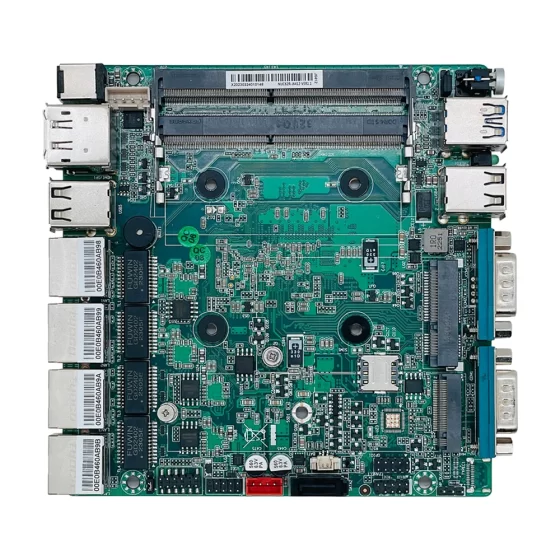
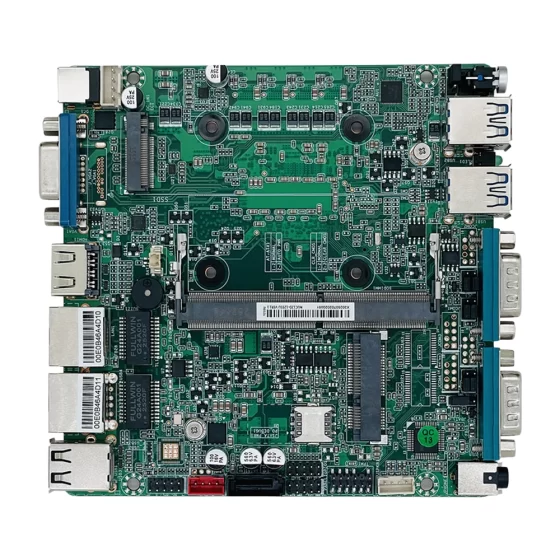
Soluciones de informática industrial CoreIPC

Solución de puerta de enlace de ciberseguridad: Pasarela de ciberseguridad para la protección de redes industriales
Resumen ejecutivo
A cybersecurity gateway provides the industrial computing foundation for secure network access, aplicación de firewall, Conectividad VPN, detección de intrusiones, prevención de intrusiones, segmentación de red, remote maintenance protection, and industrial IoT security.
Los entornos industriales modernos están cada vez más conectados. Fábricas, sitios de energía, sistemas de transporte, almacenes, instalaciones remotas, and smart infrastructure networks now rely on PLCs, Sistemas SCADA, PC industriales, computadoras integradas, sensores, camaras, robots, Pasarelas industriales de IoT, plataformas en la nube, and remote engineering tools.
Esta conectividad mejora la visibilidad y la eficiencia operativa., but it also increases cybersecurity risk.
A cybersecurity gateway built on an industrial computer or embedded computer can act as a secure boundary between machines, field devices, sistemas de fábrica, remote users, plataformas en la nube, y redes empresariales. It can control traffic, protect access, monitor events, redes de segmentos, and support secure data transfer.
Unlike basic routers or consumer gateways, industrial cybersecurity gateways must operate reliably in real deployment environments. Se pueden instalar dentro de armarios de control., recintos de máquinas, warehouse network racks, gabinetes de transporte, instalaciones energéticas, cuartos de servicio, and remote infrastructure sites.
This article explains how cybersecurity gateway systems support industrial network protection, what challenges appear in real applications, cómo funciona la arquitectura de la solución, and which hardware features matter when selecting an industrial computer or embedded computer for cybersecurity gateway deployment.
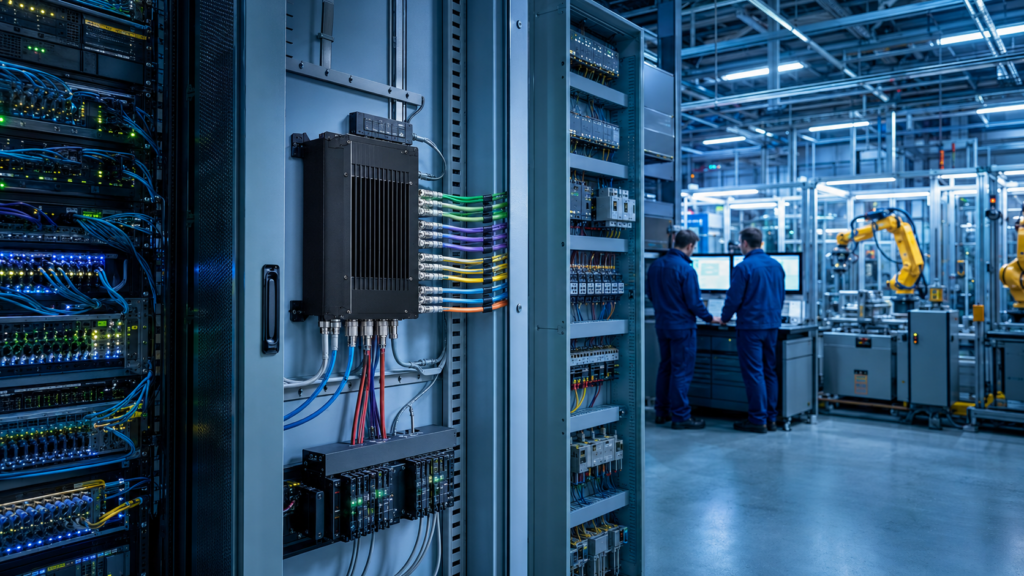
Industrial Cybersecurity Gateway Protection
Descripción general de la industria
Industrial Networks Are Becoming More Connected
Industrial networks were once mostly isolated.
Hoy, factories and infrastructure systems are connected to enterprise software, plataformas de servicio remoto, industrial IoT applications, paneles de control en la nube, centros de datos, and multi-site operations.
This creates new value, but it also creates new exposure.
Connected industrial systems may include:
- PLC
- HMI
- servidores SCADA
- PC industriales
- Controladores integrados
- Controladores de máquinas
- Robots
- Cámaras
- Sensores
- Medidores de energía
- Puertas de enlace IIoT
- Herramientas de mantenimiento remoto
A cybersecurity gateway helps protect these systems by controlling how traffic moves between local networks, remote users, and higher-level platforms.
Cybersecurity Gateways Combine Connectivity and Protection
A cybersecurity gateway is not only a data gateway.
It is also a security enforcement point.
Dependiendo de la configuración del software, puede apoyar:
- Reglas del cortafuegos
- Túneles VPN
- Acceso remoto seguro
- Segmentación de red
- Detección de intrusiones
- Prevención de intrusiones
- Monitoreo de tráfico
- control de acceso
- Registro local
- Control de conexión a la nube
- Industrial IoT security
- Gestión remota
En entornos industriales, estas funciones deben implementarse cuidadosamente.
The gateway must protect the network without disrupting production communication.
Industrial Hardware Is the Deployment Foundation
Cybersecurity gateway platforms are often deployed near industrial equipment.
They may operate in cabinets, machine-side enclosures, sistemas en carretera, subestaciones, sitios de servicios públicos remotos, almacenes, or production areas.
Estos lugares pueden incluir polvo, vibración, calor, poder inestable, flujo de aire limitado, y acceso de mantenimiento limitado.
Industrial computers and embedded computers provide a stronger hardware foundation than standard office devices.
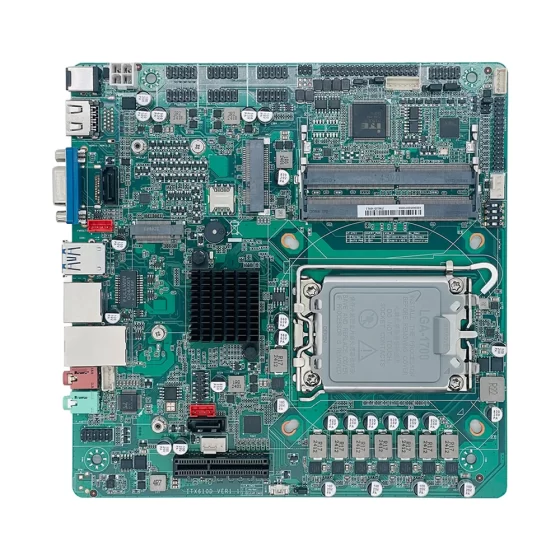
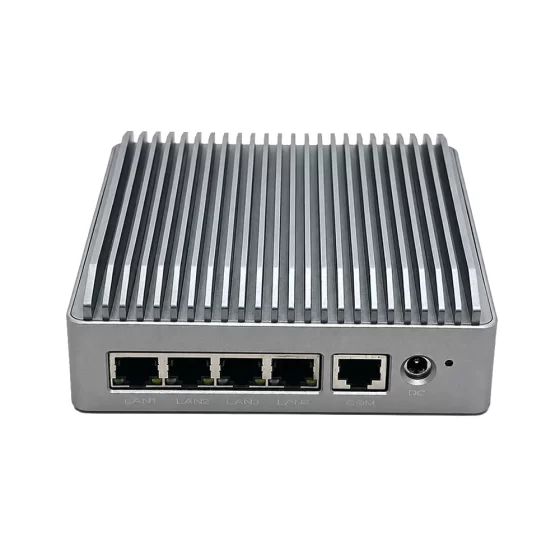
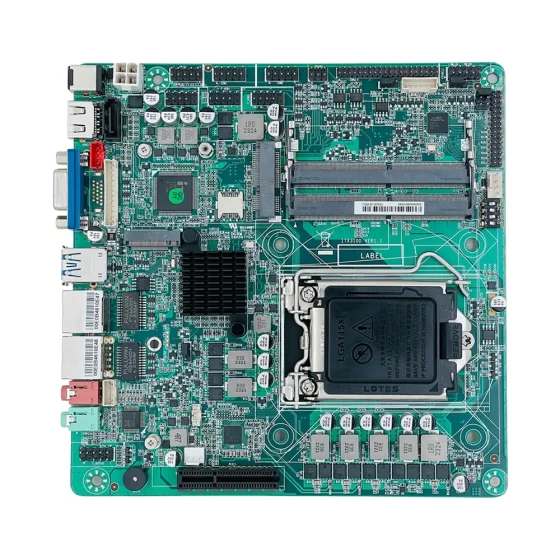
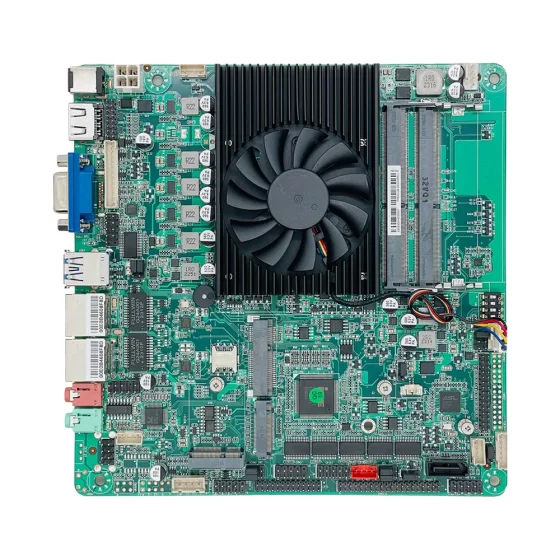
Soportan recintos resistentes, múltiples puertos LAN, almacenamiento confiable, E/S flexibles, opciones de operación sin ventilador, entrada de energía estable, y disponibilidad de ciclo de vida prolongado.

Cybersecurity Gateway Deployment Challenges
Desafíos clave
Securing IT and OT Communication
Industrial cybersecurity gateway deployment often starts at the boundary between IT and OT networks.
IT systems may include enterprise software, dispositivos de usuario, plataformas en la nube, y aplicaciones empresariales. OT systems may include PLCs, SCADA, HMI, robots, maquinas, sensores, y redes de producción.
These systems need selected data exchange, but they should not be merged into one flat network.
A cybersecurity gateway helps define controlled communication between zones.
Las preguntas de diseño importantes incluyen:
- Which systems need to communicate?
- ¿Qué tráfico debería bloquearse??
- ¿Qué usuarios necesitan acceso remoto??
- Which devices should remain isolated?
- Which data should be sent to cloud platforms?
- Qué eventos deben registrarse?
- Which access paths require approval?
Clear segmentation reduces unnecessary exposure and improves network control.
Supporting Secure Remote Maintenance
El mantenimiento remoto es valioso para los fabricantes de máquinas, integradores de sistemas, e ingenieros de fábrica.
Sin embargo, broad remote access can create serious risk.
A cybersecurity gateway should support controlled remote service workflows.
Remote access design should consider:
- Autenticación de usuario
- Device verification
- VPN o políticas de túnel seguro
- Role-based access
- Maintenance time windows
- Approved destination devices
- Registro de sesión
- Reglas de acceso de emergencia
- Copia de seguridad de configuración
The goal is to give engineers access to the required systems without exposing the entire industrial network.
Protecting Legacy Industrial Devices
Many industrial devices have long service lives.
Some PLCs, HMI, metros, conduce, and controllers may not support modern authentication, cifrado, or security logging.
Replacing these assets may be expensive or impractical.
A cybersecurity gateway can help protect legacy devices by enforcing security at the network boundary.
It can restrict access, segment traffic, monitor communication, and log events without requiring every legacy device to be upgraded immediately.
Managing Multiple Network Zones
Industrial sites often include many network zones.
A cybersecurity gateway may need to separate:
- enlace ascendente WAN
- Red informática de fábrica
- Red PLC
- Red de máquinas
- Red SCADA
- Red de cámaras
- Red industrial de IoT
- Red de mantenimiento remoto
- Red de gestión
Multiple LAN ports and careful routing policies are important.
Without segmentation, one compromised device may have unnecessary access to critical systems.
Maintaining Production Reliability
Security controls must not interrupt production.
Industrial networks may carry critical communication between PLCs, HMI, Sistemas SCADA, robots, sensores, puertas de enlace, y software de producción.
A cybersecurity gateway must be designed and tested carefully.
Before full deployment, teams should validate:
- Required industrial protocols
- Normal traffic patterns
- Políticas de firewall
- VPN behavior
- Carga de trabajo de registro
- Failover behavior
- Remote access workflow
- Recovery procedures
- Estabilidad a largo plazo
Security should strengthen industrial operations, not create new downtime risks.

Cybersecurity Gateway Architecture
Cybersecurity Gateway Solution Architecture
Industrial Device Layer
The industrial device layer includes the equipment that generates data or requires protection.
Esta capa puede incluir:
- Controladores PLC
- HMI
- Sistemas SCADA
- PC industriales
- Embedded computers
- Sensores
- Robots
- Cámaras
- Medidores de energía
- Controladores de máquinas
- Unidades
- Puertas de enlace IIoT
- Servidores locales
These assets may be divided into different networks according to function and risk.
The cybersecurity gateway controls communication between these systems and external networks.
Cybersecurity Gateway Layer
The cybersecurity gateway layer is the core of the solution.
en esta capa, el ordenador industrial o el ordenador integrado pueden:
- Route network traffic
- Aplicar reglas de firewall
- Establecer túneles VPN
- Segmentar zonas de red
- Inspeccionar el tráfico
- Detect suspicious behavior
- Prevent unwanted communication
- Almacenar registros
- Admite acceso remoto seguro
- Connect to monitoring platforms
This layer provides both connectivity and protection.
Capa de política de seguridad
The security policy layer defines what is allowed, obstruido, inspeccionado, o registrado.
Las políticas pueden basarse en:
- Zona de red
- Tipo de dispositivo
- Rol de usuario
- Application
- protocolo industrial
- Propósito del acceso remoto
- Ubicación del sitio
- ventana de tiempo
- Nivel de riesgo
- Flujo de trabajo de mantenimiento
Para entornos industriales, policies should be created with both IT security and OT engineering input.
This helps ensure that the gateway protects the network without blocking required production traffic.
Remote Access and Connectivity Layer
The remote access layer connects users, sitios, and platforms securely.
puede apoyar:
- Acceso de ingeniero remoto
- OEM service access
- VPN de sitio a sitio
- Factory-to-cloud tunnels
- Monitoreo remoto SCADA
- Transferencia de datos industriales de IoT
- Multi-site connectivity
- Remote maintenance dashboards
This layer allows distributed users and systems to connect through controlled and logged access paths.
Capa de monitoreo y gestión
Cybersecurity gateways need visibility.
La capa de monitoreo puede incluir paneles de control locales., security logs, traffic reports, Estado del túnel VPN, información de salud del sistema, y registros de alerta.
Los datos de seguimiento útiles pueden incluir:
- Eventos de cortafuegos
- Blocked traffic logs
- Estado del túnel VPN
- Alertas de intrusión
- Historial de acceso remoto
- Volumen de tráfico de red
- Uso de CPU y memoria
- Estado de almacenamiento
- Temperatura del dispositivo
- Cambios de configuración
Esta información ayuda a solucionar problemas., revisión de auditoría, investigación de seguridad, y gestión de red a largo plazo.
Características clave
Segmentación de redes LAN múltiples
Multiple LAN ports are one of the most important features for cybersecurity gateway hardware.
They allow the gateway to separate different network zones and apply policies between them.
Las configuraciones útiles pueden incluir:
- enlace ascendente WAN
- Enlace ascendente WAN de respaldo
- LAN de TI de fábrica
- Red PLC
- Red de máquinas
- Red SCADA
- Red de cámaras
- Red industrial de IoT
- Red de mantenimiento remoto
El diseño de LAN múltiple mejora la organización del tráfico y admite límites de seguridad más sólidos.
Firewall and Access Control
A cybersecurity gateway should support firewall rules and access control policies.
These functions help define which traffic can pass between networks.
En implementaciones industriales, firewall policies may control:
- Acceso de ingeniero remoto
- Machine-to-server communication
- PLC network access
- SCADA system access
- Cloud data transfer
- Industrial IoT gateway traffic
- Camera network access
- Maintenance workstation communication
Clear policies help reduce unnecessary exposure.
VPN and Secure Tunnel Support
Many industrial sites require secure remote connectivity.
A cybersecurity gateway may support VPN or secure tunnel functions for remote service, conectividad de sitio a sitio, and cloud platform access.
VPN workload depends on:
- Recuento de túneles
- Encryption requirements
- Volumen de tráfico
- Sesiones de usuarios remotos
- Site-to-site data transfer
- Cloud connection needs
- Requisitos de registro
Hardware should be selected according to realistic throughput and security requirements.
IDS and IPS Capability
Some cybersecurity gateway platforms may support IDS or IPS functions.
IDS helps detect suspicious activity and generate alerts.
IPS can actively prevent unwanted traffic according to policy.
Industrial deployments should evaluate these functions carefully because traffic blocking can affect production if policies are not tested.
A staged approach is often practical:
- Monitor first
- Establish baseline behavior
- Review alerts
- Tune rules
- Apply prevention gradually
- Validate production communication
Almacenamiento local confiable
Local storage supports logs, archivos del sistema, copias de seguridad de configuración, certificados, registros de eventos, y datos de diagnóstico.
Generalmente se prefiere el almacenamiento SSD o NVMe porque proporciona un acceso rápido y una mejor resistencia a los golpes que las unidades mecánicas..
La planificación del almacenamiento debe considerar:
- Retención de registros
- Registros de eventos de seguridad
- VPN certificates
- Copia de seguridad de configuración
- Recuperación del sistema
- Archivos de diagnóstico
- Escribir resistencia
- Flujo de trabajo de respaldo
El almacenamiento confiable mejora la auditabilidad y la eficiencia del mantenimiento.
Diseño robusto y sin ventilador
Fanless industrial computers are useful for cybersecurity gateway deployment in dusty cabinets and remote environments.
Reducen la entrada de polvo y eliminan un punto común de falla mecánica..
Los gabinetes resistentes ayudan a proteger contra las vibraciones, tensión del cable, tensión de montaje, y largas horas de funcionamiento.
Thermal design should still be reviewed carefully because firewall rules, Cifrado VPN, inspección de tráfico, and logging can create sustained workload.
E/S industriales flexibles
Although cybersecurity gateways mainly focus on networking, industrial I/O can still be valuable.
Las opciones útiles pueden incluir:
- LAN
- USB
- RS232
- RS485
- GPIO
- Entrada digital
- Salida digital
- hdmi
- DisplayPort
- M.2
- PCIe
- SATA o NVMe
Serial ports may support legacy service access. GPIO puede admitir salida de alarma. La expansión PCIe o M.2 puede admitir módulos LAN adicionales, módulos inalámbricos, or storage.
Largo ciclo de vida y mantenibilidad
Cybersecurity gateways may remain in service for many years.
El hardware consistente ayuda a mantener las imágenes del software, compatibilidad del software de seguridad, validación del conductor, planificación de repuestos, y plantillas de configuración.
Industrial computing platforms with lifecycle planning help system integrators and operators deploy stable cybersecurity gateway solutions across multiple sites and equipment generations.

Industrial Cybersecurity Operations
Escenarios de implementación
Factory Cybersecurity Gateway
A factory can deploy a cybersecurity gateway between IT and OT networks.
The gateway can control traffic between enterprise systems, redes de producción, Pasarelas industriales de IoT, and SCADA systems.
This helps reduce unnecessary exposure while allowing required data exchange.
Protección de la red de máquinas
Machine builders can integrate cybersecurity gateways into machine networks.
The gateway can protect machine controllers, HMI, computadoras integradas, PC industriales, y acceso remoto al servicio.
This is useful for OEM equipment deployed at customer sites.
Puerta de enlace de seguridad industrial de IoT
Los sistemas industriales de IoT conectan máquinas, sensores, metros, and gateways to higher-level platforms.
A cybersecurity gateway can segment machine networks, secure cloud communication, log access events, and control data transfer paths.
This supports safer IIoT deployment.
SCADA and Utility Security
SCADA systems often support energy, agua, transporte, and facility infrastructure.
A cybersecurity gateway can protect access to SCADA networks, dispositivos remotos, sistemas de monitoreo, and maintenance platforms.
Industrial hardware is important for distributed utility and infrastructure environments.
Remote Maintenance Gateway
Remote maintenance requires secure access control.
A cybersecurity gateway can provide VPN connectivity, políticas de firewall, registro de acceso, y segmentación de red para ingenieros autorizados.
This supports efficient service while limiting unnecessary network exposure.
Seguridad de Almacén y Logística
Los almacenes pueden incluir transportadores., estaciones de código de barras, PC industriales, camaras, plataformas WMS, y controladores de automatización.
A cybersecurity gateway can protect local networks, segment devices, and provide secure remote management.
This supports reliable logistics operations.
Smart Transportation Security Gateway
Los sistemas de transporte pueden incluir equipos en la carretera., controladores de tráfico, sistemas de estacionamiento, estaciones, y centros de seguimiento.
A cybersecurity gateway can support secure connectivity, protección de acceso remoto, and network segmentation for distributed transportation infrastructure.
OEM Cybersecurity Appliance Development
Security solution providers and system integrators can build custom cybersecurity appliances using industrial computers or embedded boards.
The platform can support firewall software, vpn, IDS, IPS, enrutamiento, explotación florestal, gestión remota, and rugged field deployment.
Beneficios comerciales
Stronger Industrial Network Protection
A cybersecurity gateway helps protect industrial networks at key boundaries.
It can control traffic, restrict remote access, redes de segmentos, and monitor events.
This reduces unnecessary exposure and improves protection for machines, PLC, Sistemas SCADA, and IIoT gateways.
Acceso remoto seguro
Remote support can reduce downtime and improve service efficiency.
A cybersecurity gateway helps make remote access safer through VPN, access rules, explotación florestal, and controlled network paths.
Authorized engineers can access required systems without opening the full industrial network.
Better IT and OT Segmentation
Multi-LAN cybersecurity gateways help separate IT, Antiguo Testamento, máquina, cámara, IIoT, servicio remoto, y redes de gestión.
Segmentation reduces risk and improves network clarity.
This is especially important for connected factories and multi-site industrial environments.
Visibilidad de seguridad mejorada
Cybersecurity gateways can store and report firewall events, Estado del túnel VPN, blocked traffic, alertas de intrusión, system health, and access records.
This visibility supports troubleshooting, revisión de auditoría, investigación de seguridad, y mejora continua.
Reliable local storage helps preserve important records.
Implementación de campo confiable
Industrial computers provide rugged hardware for cybersecurity gateways deployed outside office environments.
Diseño sin ventilador, almacenamiento estable, montaje industrial, y el soporte de ciclo de vida prolongado ayudan a reducir el riesgo de mantenimiento.
Esto es importante para las fábricas., sitios de energía, sistemas de transporte, almacenes, e instalaciones remotas.
Scalable Security Deployment
A standardized cybersecurity gateway platform makes it easier to deploy secure network boundaries across many machines, líneas de producción, sucursales, fábricas, y sitios remotos.
El hardware consistente simplifica las imágenes de software, plantillas de configuración, planificación de repuestos, validación, y gestión del ciclo de vida.
This supports scalable industrial cybersecurity programs.
Por qué CoreIPC
CoreIPC proporciona plataformas informáticas industriales para la seguridad de la red, IoT industrial, automatización de fábrica, monitoreo remoto, IA de vanguardia, e integración de sistemas integrados. For cybersecurity gateway applications, CoreIPC se centra en hardware informático industrial confiable, soluciones informáticas integradas, configuraciones de LAN múltiple, E/S flexibles, diseño de sistema compacto, opciones de implementación sin ventilador, capacidad de almacenamiento local, y soporte de personalización OEM/ODM. CoreIPC ayuda a los integradores de sistemas, proveedores de soluciones de seguridad, constructores de maquinaria, y los operadores industriales seleccionan plataformas informáticas que se ajustan a los requisitos de implementación reales, incluido el recuento de puertos LAN, carga de trabajo del cortafuegos, Rendimiento de VPN, IDS or IPS requirements, necesidades de almacenamiento, métodos de montaje, entrada de energía, condiciones termicas, y planificación del ciclo de vida.
Preguntas frecuentes
1. What is a cybersecurity gateway?
A cybersecurity gateway is a network security platform that protects communication between local devices, remote users, sistemas empresariales, plataformas en la nube, y redes industriales.
En entornos industriales, it may support firewall rules, Túneles VPN, control de acceso, IDS, IPS, monitoreo de tráfico, segmentación de red, explotación florestal, and secure remote maintenance.
2. Why use an industrial computer for a cybersecurity gateway?
An industrial computer provides rugged hardware and flexible network connectivity for factory and field deployment.
Puede admitir múltiples puertos LAN, operación sin ventilador, almacenamiento confiable, montaje industrial, entrada de energía estable, y disponibilidad de ciclo de vida prolongado. These features make it suitable for cybersecurity gateways installed in cabinets, maquinas, instalaciones remotas, y sistemas de infraestructura.
3. How is an embedded computer used as a cybersecurity gateway?
An embedded computer can act as a compact cybersecurity gateway inside a control cabinet, recinto de la máquina, branch site, or OEM appliance.
Puede ejecutar firewall, vpn, enrutamiento, explotación florestal, control de acceso, and network segmentation software while providing a smaller footprint for space-limited deployments.
4. What is the difference between a cybersecurity gateway and a firewall?
A firewall mainly controls traffic according to rules.
A cybersecurity gateway may include firewall functions plus VPN, IDS, IPS, remote access control, explotación florestal, segmentación, and secure industrial IoT connectivity. It is usually a broader security platform for protected communication.
5. Why are multiple LAN ports important for cybersecurity gateways?
Multiple LAN ports allow the gateway to separate different network zones.
Un puerto puede conectarse a WAN, otro a TI de fábrica, otro a redes PLC, otro para maquinar redes, y otro al mantenimiento remoto o sistemas IoT industriales. This supports segmentation and better policy enforcement.
6. Can fanless industrial computers support cybersecurity gateway workloads?
Sí. Fanless industrial computers can support many cybersecurity gateway deployments because they reduce dust intake and remove one mechanical failure point.
Sin embargo, reglas de firewall, Cifrado VPN, inspección de tráfico, explotación florestal, and local processing can create sustained heat. carga de trabajo de la CPU, diseño de recinto, temperatura ambiente, y el flujo de aire del gabinete deben revisarse antes de la implementación.
7. What hardware features matter for cybersecurity gateway platforms?
Las características importantes incluyen múltiples puertos LAN, suficiente rendimiento de la CPU, memoria confiable, Almacenamiento SSD o NVMe, recinto resistente, diseño sin ventilador, entrada de energía industrial, USB, puertos serie, GPIO, salida de pantalla, y opciones de expansión.
The final configuration should match network zones, volumen de tráfico, Carga de trabajo de VPN, funciones de seguridad, necesidades de almacenamiento, y entorno de instalación.
8. Can cybersecurity gateways protect industrial IoT systems?
Sí. Cybersecurity gateways can help protect industrial IoT systems by segmenting machine networks, controlling cloud communication, asegurar el acceso remoto, and logging data transfer events.
They can sit between IIoT gateways, maquinas, redes de fábrica, y plataformas externas para proporcionar un límite de seguridad controlado.
9. Can a cybersecurity gateway support both IDS and IPS?
Sí, if the software stack and hardware performance support these functions.
IDS can monitor and alert on suspicious traffic, while IPS can actively block unwanted traffic. Industrial deployments should validate traffic behavior carefully before enabling prevention policies.
10. Qué se debe probar antes de la implementación?
Antes del despliegue, La plataforma debe probarse con una topología de red real., políticas de firewall, Túneles VPN, IDS or IPS rules, volumen de tráfico, protocolos industriales, carga de trabajo de almacenamiento, y operación de larga duración.
Estabilidad térmica, flujo de trabajo de acceso remoto, comportamiento de conmutación por error, copia de seguridad de configuración, procedimientos de recuperación, y la comunicación de producción también debe ser validada.
Conclusión
A cybersecurity gateway is a practical foundation for industrial network protection, acceso remoto seguro, aplicación de firewall, Conectividad VPN, detección de intrusiones, prevención de intrusiones, segmentación de red, and industrial IoT security.
Colocando una computadora industrial o una computadora integrada en los límites clave de la red, fabricantes, constructores de maquinaria, integradores de sistemas, y los operadores de infraestructura pueden proteger las redes PLC, Sistemas SCADA, redes de máquinas, cloud-connected gateways, remote maintenance paths, and distributed industrial sites more effectively.
The right cybersecurity gateway platform should be selected according to real deployment requirements, incluido el recuento de puertos LAN, volumen de tráfico, carga de trabajo del cortafuegos, Recuento de túneles VPN, IDS or IPS requirements, necesidades de almacenamiento, método de montaje, entrada de energía, condiciones termicas, soporte del sistema operativo, política de seguridad, y planificación del ciclo de vida.
CoreIPC supports cybersecurity gateway projects with industrial computing platforms designed for practical factory, lado de la máquina, rama, y despliegue sobre el terreno. Con la base de hardware adecuada, Los operadores industriales y los proveedores de soluciones de seguridad pueden construir sistemas confiables., escalable, and secure industrial cybersecurity gateway systems.
Contáctenos
Busco ordenador industrial, computadora integrada, or multi-LAN platform for cybersecurity gateway deployment?
Póngase en contacto con CoreIPC para analizar los requisitos de su proyecto., incluido el recuento de puertos LAN, zonas de red, carga de trabajo del cortafuegos, Rendimiento de VPN, IDS or IPS requirements, configuración de almacenamiento, método de montaje, entrada de energía, entorno operativo, necesidades del ciclo de vida, y opciones de personalización OEM/ODM.