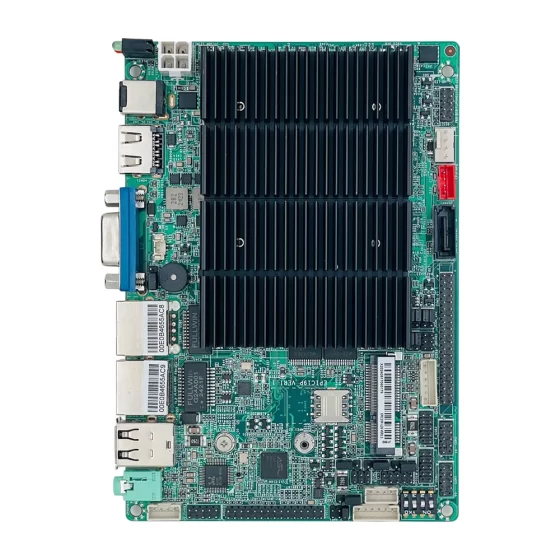
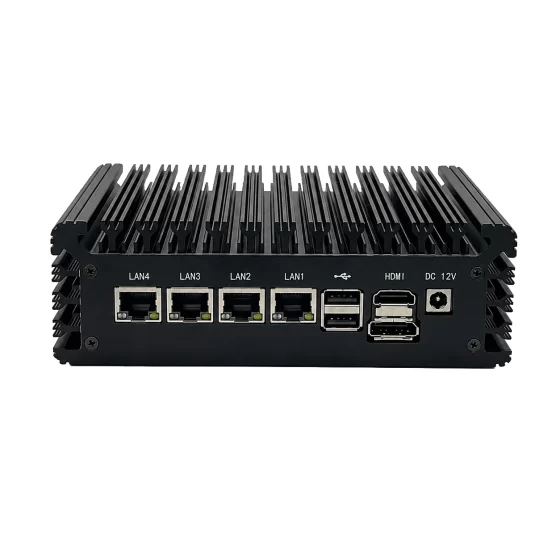
Soluciones de informática industrial CoreIPC

Dispositivo de seguridad de confianza cero: Dispositivo Zero Trust para protección de redes industriales
Resumen ejecutivo
A zero trust appliance provides the industrial computing foundation for identity-based access control, secure remote maintenance, least-privilege networking, policy enforcement, industrial segmentation, and protected communication across modern connected factories.
Industrial networks are becoming more distributed and more connected. Fábricas, constructores de maquinaria, almacenes, sitios de energía, sistemas de transporte, and remote infrastructure environments now rely on PLCs, Sistemas SCADA, PC industriales, computadoras integradas, Puertas de enlace IIoT, camaras, sensores, robots, plataformas en la nube, y herramientas de servicio remoto.
Traditional network security often assumes that users and devices inside a trusted network are safe. En entornos industriales modernos, this assumption is increasingly risky.
Zero trust security follows a different principle: never automatically trust a user, dispositivo, application, or network connection. Every access request should be verified, limited, monitored, and controlled according to policy.
A zero trust security appliance built on an industrial computer or embedded computer can provide the local hardware platform for secure access control, segmentación de red, remote engineering access, inspección de tráfico, explotación florestal, and policy-based connectivity.
Compared with standard office IT devices, industrial zero trust appliances must operate reliably in real factory and field conditions. Se pueden instalar dentro de armarios de control., recintos de máquinas, sitios remotos, gabinetes de transporte, utility facilities, or warehouse network rooms.
This article explains how zero trust appliances support industrial cybersecurity, ¿Qué desafíos de implementación aparecen en aplicaciones reales?, cómo funciona la arquitectura de la solución, and which hardware features matter when selecting an industrial computer or embedded computer for zero trust appliance deployment.
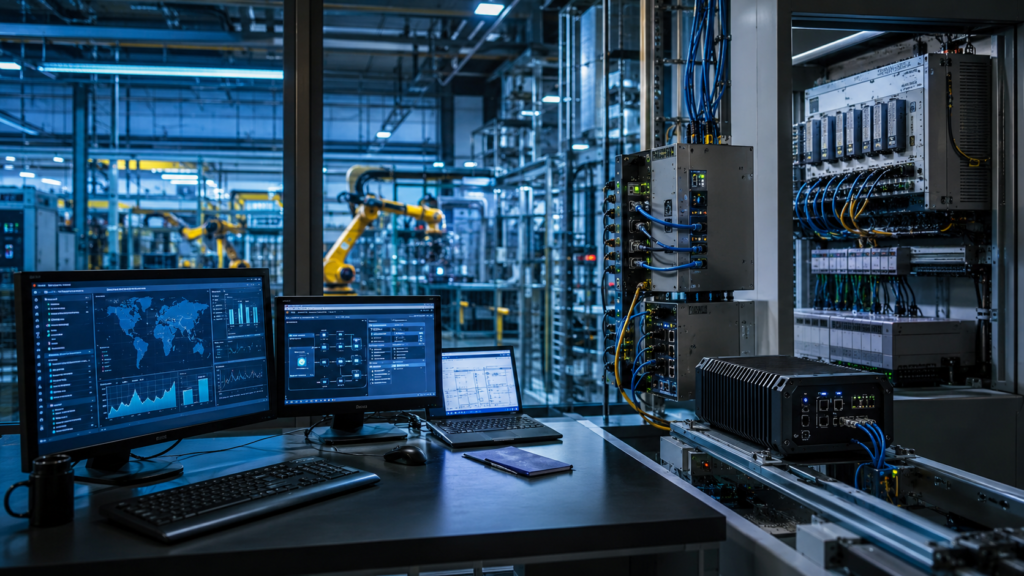
Zero trust appliances help control remote access to factory IT, Antiguo Testamento, SOCIEDAD ANÓNIMA, SCADA, y redes de máquinas.
Descripción general de la industria
Industrial Networks Need Stronger Access Control
Las redes industriales volvieron a quedar aisladas.
Hoy, Muchos entornos de producción están conectados a sistemas empresariales., plataformas de servicio remoto, paneles de control en la nube, Pasarelas industriales de IoT, and multi-site infrastructure.
This connectivity creates new operational value, but it also increases risk.
Los operadores industriales pueden necesitar proteger:
- Redes de PLC
- Sistemas SCADA
- Redes de máquinas
- Remote maintenance connections
- Pasarelas industriales de IoT
- Estaciones de trabajo de ingeniería
- Redes de cámaras
- Sistemas de monitorización de energía.
- Sistemas de automatización de almacenes.
- Infraestructura de transporte
- Utility facilities
A zero trust appliance helps control access to these systems more carefully.
Why Zero Trust Matters in OT Environments
Operational technology networks are different from office IT networks.
Production systems often require stable communication, predictable timing, and long lifecycle equipment. Some industrial devices may not support modern authentication or security controls directly.
Zero trust architecture helps by placing a controlled security layer between users, dispositivos, aplicaciones, and critical systems.
Instead of allowing broad network access after a VPN login, a zero trust appliance can support more specific access rules.
Por ejemplo:
- Only authorized users can access selected machines.
- Remote service access can be limited by role and time window.
- Factory IT traffic can be separated from PLC networks.
- Industrial IoT data can be routed through controlled paths.
- Unverified devices can be blocked or isolated.
- Access events can be logged for review.
This improves security without requiring every legacy device to support advanced security features by itself.
Industrial Hardware Is Required for Real Deployment
Zero trust appliances are often placed at important network boundaries.
En entornos industriales, these locations may include machine-side cabinets, production cells, cuartos de servicio remotos, nodos de transporte, sitios de energía, or distributed facilities.
Estos ambientes pueden incluir polvo., vibración, calor, flujo de aire limitado, poder inestable, tensión del cable, y funcionamiento continuo.
Industrial computers and embedded computers provide a practical hardware foundation for this type of deployment.
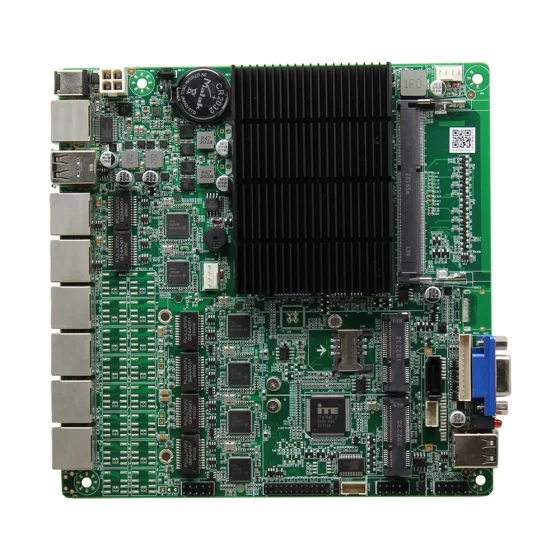
Admiten configuraciones multi-LAN, recintos resistentes, opciones de operación sin ventilador, almacenamiento confiable, E/S flexibles, montaje industrial, y disponibilidad de ciclo de vida prolongado.

Legacy devices, zonas de red, access policies, remote service sessions, and IIoT gateways affect zero trust deployment planning.
Desafíos clave
Replacing Broad Trust with Policy-Based Access
A major challenge is moving from broad network trust to controlled access.
Traditional remote access may allow a user to connect to a large network segment after authentication. This can expose more systems than necessary.
A zero trust appliance should help limit access based on:
- User identity
- Device status
- Role
- Ubicación del sitio
- Application
- Machine group
- Zona de red
- Propósito de mantenimiento
- ventana de tiempo
- Política de seguridad
Esto requiere una planificación cuidadosa.
The goal is to give users access only to the systems required for their task, not to the entire industrial network.
Protecting Legacy Industrial Devices
Many industrial devices were designed for reliability and long service life, not modern cybersecurity.
Some PLCs, HMI, conduce, controladores, and meters may not support advanced authentication, cifrado, or access control.
A zero trust appliance can help protect these assets by enforcing policies at the network boundary.
It can control who reaches the device, which traffic is allowed, and how access is logged.
This approach is useful when replacing legacy equipment is not practical.
Mantener la continuidad de la producción
Industrial security controls must not interrupt production communication.
A zero trust appliance may sit between network zones, remote users, plataformas en la nube, and machine systems. If policies are too strict or poorly tested, required production traffic may be blocked.
Designers must understand normal communication patterns, incluido:
- PLC polling
- comunicación SCADA
- Acceso HMI
- Acceso a la estación de trabajo de ingeniería
- Remote maintenance sessions
- Carga de datos de IoT industrial
- Comunicación de alarma
- Camera and monitoring traffic
- Machine-to-machine communication
Policies should be validated before full enforcement.
Identity and Device Verification
Zero trust depends on verification.
In office IT environments, identity providers and endpoint management tools may already exist. En entornos industriales, users, service laptops, remote engineers, constructores de maquinaria, and site devices may be more diverse.
A practical zero trust system should consider:
- Autenticación de usuario
- Device identification
- Role-based access
- Aprobación de servicio remoto
- Registro de sesión
- Ventanas de mantenimiento
- Access review
- Integration with existing security tools
The appliance hardware must support the software environment required for these functions.
Implementación de campo confiable
A zero trust appliance may become critical security infrastructure.
si falla, mantenimiento remoto, comunicación del sitio, transferencia de datos industriales de IoT, or protected access may be interrupted.
La implementación industrial requiere un diseño de hardware confiable, including rugged construction, entrada de energía estable, thermal planning, almacenamiento local, y soporte de ciclo de vida prolongado.

Zero trust appliances connect industrial networks, identity systems, access logs, y plataformas de monitoreo de seguridad.
Zero Trust Appliance Solution Architecture
Industrial Asset Layer
The industrial asset layer includes the systems that need protection.
Esta capa puede incluir:
- PLC
- HMI
- servidores SCADA
- PC industriales
- Controladores integrados
- Controladores de máquinas
- Robots
- Cámaras
- Sensores
- Medidores de energía
- Puertas de enlace IIoT
- Estaciones de trabajo de ingeniería
These assets may be grouped into different zones based on function, riesgo, and access requirements.
Zero Trust Appliance Layer
The zero trust appliance layer is the core enforcement point.
en esta capa, el ordenador industrial o el ordenador integrado pueden:
- Enforce access policies
- Segmentar zonas de red
- Verify users and devices
- Control remote maintenance sessions
- Route approved traffic
- Aplicar reglas de firewall
- Support VPN or secure tunnel functions
- Registrar eventos de acceso
- Monitorear la salud del sistema
- Send events to security platforms
This layer helps replace broad network access with controlled, policy-based connectivity.
Identity and Policy Layer
The identity and policy layer defines who can access which systems and under what conditions.
Las políticas pueden basarse en:
- Rol de usuario
- Identidad del dispositivo
- Zona de red
- Tipo de aplicación
- Machine group
- Ubicación del sitio
- Maintenance task
- ventana de tiempo
- Approval status
- Nivel de riesgo de seguridad
Para entornos industriales, policies should be designed with both IT security and OT engineering input.
This helps protect systems while maintaining required operational workflows.
Capa de segmentación de red
Network segmentation is a key part of zero trust deployment.
The appliance may separate:
- Red informática de fábrica
- Red PLC
- Red de máquinas
- Red SCADA
- Red de cámaras
- Red industrial de IoT
- Red de servicio remoto
- Red de gestión
Multiple LAN ports and clear routing policies help create controlled boundaries between these zones.
Segmentation reduces unnecessary exposure and improves network organization.
Capa de monitoreo y registro
Zero trust requires visibility.
The appliance may collect logs and send security events to local dashboards, plataforma SIEM, sistemas SOC, herramientas de monitoreo, or cloud management systems.
Useful records may include:
- User login events
- Device access attempts
- Approved sessions
- Blocked traffic
- Policy violations
- Estado del túnel VPN
- Remote maintenance activity
- Network traffic events
- System health data
- Cambios de configuración
This visibility supports audit review, investigación de incidentes, and long-term security improvement.
Características clave
Diseño de red multiLAN
Multiple LAN ports are important for zero trust appliances.
They allow the platform to separate traffic between different network zones.
Las configuraciones útiles pueden incluir:
- enlace ascendente WAN
- Red informática de fábrica
- Red PLC
- Red de máquinas
- Red SCADA
- Red de cámaras
- IIoT gateway network
- Red de mantenimiento remoto
Multi-LAN design supports least-privilege networking and clearer policy enforcement.
Rendimiento del procesamiento de seguridad
A zero trust appliance may process authentication workflows, túneles seguros, políticas de firewall, reglas de enrutamiento, filtrado de tráfico, explotación florestal, and monitoring data.
La selección de hardware debe considerar:
- rendimiento de la CPU
- Capacidad de memoria
- Recuento de puertos LAN
- Velocidad del puerto
- Recuento de túneles
- Rendimiento cifrado
- Carga de trabajo del cortafuegos
- Volumen de registro
- Velocidad de almacenamiento
- Soporte del sistema operativo
The appliance should be tested with realistic traffic and access patterns before deployment.
Almacenamiento local confiable
Local storage supports logs, copias de seguridad de configuración, certificados, access records, policy data, diagnostic files, y recuperación del sistema.
Generalmente se prefiere el almacenamiento SSD o NVMe porque proporciona un acceso más rápido y una mejor resistencia a los golpes que las unidades mecánicas..
El diseño de almacenamiento debe considerar:
- Retención de registros
- Access event records
- Almacenamiento de certificados
- Copia de seguridad de configuración
- Recuperación del sistema
- Registros de diagnóstico
- Escribir resistencia
- Flujo de trabajo de respaldo
El almacenamiento confiable mejora la auditabilidad y la eficiencia del mantenimiento.
Diseño robusto y sin ventilador
Las computadoras industriales sin ventilador son útiles para los dispositivos de seguridad instalados en gabinetes, instalaciones remotas, and dusty environments.
Reducen la entrada de polvo y eliminan un punto común de falla mecánica..
Los gabinetes resistentes ayudan a proteger contra las vibraciones, tensión de montaje, tensión del cable, and continuous industrial operation.
Thermal design should still be reviewed carefully because encrypted traffic, enrutamiento, security inspection, and logging can create sustained processing load.
E/S industriales flexibles
Although zero trust appliances mainly focus on networking, Las E/S industriales aún pueden ser útiles.
Las opciones de E/S importantes pueden incluir:
- LAN
- USB
- RS232
- RS485
- GPIO
- Entrada digital
- Salida digital
- hdmi
- DisplayPort
- M.2
- PCIe
- SATA o NVMe
GPIO puede admitir salida de alarma. Serial ports may support maintenance access. Los puertos USB y de pantalla pueden admitir el servicio local. Expansion slots can support additional LAN modules, módulos inalámbricos, or storage.
Remote Management Support
Many zero trust appliances are deployed across distributed industrial sites.
Remote management is important.
The platform may need to support secure configuration updates, status monitoring, log export, health reporting, and controlled access review.
Remote management should be designed carefully so that it does not become an uncontrolled access path.
Largo ciclo de vida y mantenibilidad
Industrial security appliances may stay in service for many years.
El hardware consistente ayuda a mantener las imágenes del software, compatibilidad del software de seguridad, validación del conductor, planificación de repuestos, y plantillas de configuración.
This is important for system integrators, constructores de maquinaria, and industrial operators deploying zero trust appliances across multiple machines, fábricas, y sitios remotos.
Escenarios de implementación
Mantenimiento remoto de la máquina
Machine builders can use zero trust appliances to provide controlled remote service access.
Instead of giving broad VPN access to a full machine network, the appliance can limit access to selected devices and specific maintenance tasks.
This helps OEMs support customers while reducing unnecessary exposure.
IT and OT Boundary Control
A zero trust appliance can be deployed between factory IT and OT networks.
It can control which users, aplicaciones, and systems are allowed to communicate across the boundary.
This helps protect production systems while still allowing required data exchange.
SCADA Access Protection
SCADA networks often connect operators, estaciones de trabajo de ingeniería, dispositivos remotos, y plataformas de seguimiento.
A zero trust appliance can enforce access rules before users or systems reach SCADA assets.
Esto es útil para la energía., agua, transporte, and facility infrastructure.
Seguridad de puerta de enlace industrial de IoT
Industrial IoT gateways collect data from machines and send selected information to platforms or cloud systems.
A zero trust appliance can help control gateway communication, segment machine networks, and log data access events.
This supports safer IIoT deployment.
Redes de Almacenes y Logística
Los almacenes pueden incluir transportadores., estaciones de código de barras, plataformas WMS, camaras, computadoras industriales, and remote support tools.
A zero trust appliance can help control access between automation systems, business systems, and service networks.
Esto apoya operaciones logísticas seguras..
Infraestructura de transporte
Los sistemas de transporte pueden incluir equipos en la carretera., controladores de tráfico, sistemas de estacionamiento, redes de estaciones, y plataformas de seguimiento.
Zero trust appliances can help protect remote access and segment infrastructure networks across distributed sites.
Energy and Utility Facilities
Energy and utility sites may require remote monitoring, Acceso SCADA, maintenance communication, y transferencia segura de datos.
An industrial zero trust appliance can provide controlled connectivity for substations, estaciones de bombeo, redes de medidores, gabinetes de utilidad, e instalaciones remotas.
Desarrollo de dispositivos de seguridad OEM
Security solution providers and system integrators can build zero trust security appliances using industrial computers or embedded boards.
La plataforma puede admitir redes multi-LAN, secure access control, policy enforcement, explotación florestal, gestión remota, y una implementación robusta estilo dispositivo.
Beneficios comerciales
Least-Privilege Access
Zero trust appliances help enforce least-privilege access.
Users and devices are granted only the access required for a specific task.
This reduces unnecessary exposure and helps protect critical industrial assets from broad network access.
More Secure Remote Maintenance
Remote maintenance is valuable, pero hay que controlarlo.
A zero trust appliance can limit access by user, dispositivo, role, system, time window, and policy.
This helps machine builders and industrial operators support remote service more securely.
Una segmentación de red más fuerte
Multi-LAN zero trust appliances help divide industrial networks into controlled zones.
Esto apoya la separación entre TI, Antiguo Testamento, SOCIEDAD ANÓNIMA, máquina, cámara, IIoT, servicio remoto, y redes de gestión.
Better segmentation improves security and network clarity.
Better Visibility and Auditability
Zero trust appliances can record access attempts, approved sessions, blocked traffic, user activity, and policy events.
These records support audit review, investigación de incidentes, solución de problemas, and long-term security improvement.
Reliable local storage helps preserve important logs.
Reduced Risk for Legacy Devices
Many legacy industrial devices cannot enforce modern security policies by themselves.
A zero trust appliance can protect them by controlling access at the network boundary.
This allows operators to improve security without immediately replacing all existing equipment.
Scalable Industrial Security Deployment
A standardized zero trust appliance platform makes it easier to deploy secure access control across multiple factories, maquinas, sitios remotos, y sistemas OEM.
El hardware consistente simplifica las imágenes de software, plantillas de políticas, planificación de repuestos, validación, y gestión del ciclo de vida.
This supports scalable industrial cybersecurity improvement.
Por qué CoreIPC
CoreIPC proporciona plataformas informáticas industriales para la seguridad de la red, IoT industrial, automatización de fábrica, monitoreo remoto, e integración de sistemas integrados. For zero trust appliance applications, CoreIPC se centra en hardware informático industrial confiable, soluciones informáticas integradas, configuraciones de LAN múltiple, E/S flexibles, diseño de sistema compacto, opciones de implementación sin ventilador, y soporte de personalización OEM/ODM. CoreIPC ayuda a los integradores de sistemas, proveedores de soluciones de seguridad, constructores de maquinaria, y los operadores industriales seleccionan plataformas informáticas que se ajustan a los requisitos de implementación reales, incluido el recuento de puertos LAN, access control workload, segmentación de red, necesidades de almacenamiento, métodos de montaje, entrada de energía, condiciones termicas, y planificación del ciclo de vida.
Preguntas frecuentes
1. What is a zero trust appliance?
A zero trust appliance is a hardware platform used to enforce identity-based and policy-based access control.
En entornos industriales, it may control access to machine networks, PLC, Sistemas SCADA, Pasarelas industriales de IoT, remote maintenance systems, and factory network zones. It helps reduce broad trust and limits access to approved users, dispositivos, and tasks.
2. Why use an industrial computer for a zero trust appliance?
Una computadora industrial proporciona hardware resistente y conectividad flexible para implementación en fábrica y en campo..
Puede admitir múltiples puertos LAN, operación sin ventilador, almacenamiento local, montaje industrial, entrada de energía estable, y disponibilidad de ciclo de vida prolongado. These features make it suitable for zero trust deployment in cabinets, maquinas, sitios remotos, y sistemas de infraestructura.
3. How is an embedded computer used as a zero trust appliance?
An embedded computer can act as a compact zero trust gateway inside a control cabinet, recinto de la máquina, instalación remota, or OEM security appliance.
It can enforce access policies, redes de segmentos, log sessions, manage secure tunnels, and control communication between users and industrial systems.
4. What is the difference between VPN and zero trust access?
A VPN often gives a user network access after connection.
Zero trust access is more specific. It verifies identity and applies policies to determine which systems, aplicaciones, or devices the user can access. En muchas implementaciones, VPN and zero trust functions may work together, but zero trust focuses more strongly on least-privilege access.
5. Why are multiple LAN ports important for zero trust appliances?
Multiple LAN ports allow the appliance to separate different network zones.
Un puerto puede conectarse a WAN, otro a TI de fábrica, otro a redes PLC, otro para maquinar redes, y otro a redes de mantenimiento o gestión remota. This supports segmentation and precise policy enforcement.
6. Can fanless industrial computers support zero trust appliances?
Sí. Fanless industrial computers can support many zero trust appliance deployments because they reduce dust intake and remove one mechanical failure point.
Sin embargo, túneles seguros, reglas de firewall, explotación florestal, and traffic processing can create sustained CPU and thermal load. Diseño de gabinete, temperatura ambiente, y el flujo de aire del gabinete deben revisarse antes de la implementación.
7. What hardware features matter for zero trust appliances?
Las características importantes incluyen múltiples puertos LAN, suficiente rendimiento de la CPU, memoria confiable, Almacenamiento SSD o NVMe, recinto resistente, diseño sin ventilador, entrada de energía industrial, USB, salida de pantalla, GPIO, puertos serie, y opciones de expansión.
The final configuration should match access control workload, segmentación de red, necesidades de registro, y entorno de instalación.
8. Can zero trust appliances protect industrial IoT systems?
Sí. Zero trust appliances can help protect industrial IoT systems by controlling access between IIoT gateways, maquinas, plataformas en la nube, y redes de fábricas.
Pueden hacer cumplir las políticas, restrict unnecessary communication, and log access events at key network boundaries.
9. Does zero trust replace firewalls?
No. Zero trust does not replace firewalls.
It adds stronger identity-based and policy-based access control. Cortafuegos, VPN, segmentación, explotación florestal, and zero trust policies often work together in a complete industrial security architecture.
10. Qué se debe probar antes de la implementación?
Antes del despliegue, El sistema debe probarse con una topología de red real., roles de usuario, device groups, access policies, remote maintenance workflows, volumen de tráfico, comportamiento de registro, y operación de larga duración.
Estabilidad térmica, procedimientos de recuperación, copia de seguridad de configuración, access review, y la comunicación de producción también debe ser validada.
Conclusión
A zero trust appliance is a practical foundation for industrial access control, secure remote maintenance, least-privilege networking, segmentación de red, and protected communication across connected industrial environments.
Colocando una computadora industrial o una computadora integrada en los límites clave de la red, fabricantes, constructores de maquinaria, integradores de sistemas, and infrastructure operators can control who accesses PLC networks, Sistemas SCADA, redes de máquinas, plataformas industriales de IoT, and remote maintenance connections.
The right zero trust security appliance should be selected according to real deployment requirements, incluido el recuento de puertos LAN, access control workload, recuento de túneles, segmentación de red, necesidades de almacenamiento, método de montaje, entrada de energía, condiciones termicas, soporte del sistema operativo, política de seguridad, y planificación del ciclo de vida.
CoreIPC supports zero trust appliance projects with industrial computing platforms designed for practical factory, lado de la máquina, y despliegue sobre el terreno. Con la base de hardware adecuada, Los operadores industriales y los proveedores de soluciones de seguridad pueden construir sistemas confiables., escalable, and production-ready zero trust security systems.
Contáctenos
Busco ordenador industrial, computadora integrada, or multi-LAN platform for zero trust appliance deployment?
Póngase en contacto con CoreIPC para analizar los requisitos de su proyecto., incluido el recuento de puertos LAN, zonas de red, access control workload, diseño de almacenamiento, método de montaje, entrada de energía, entorno operativo, necesidades del ciclo de vida, y opciones de personalización OEM/ODM.